What's new
Anthro World Forum

This is an anthropology forum where we cover all sorts of topics and discussions. Once signed in, you'll be able to participate on this site by adding your own topics and posts. Register today to become a member!

The hidden history of humanity.Impostors/Jews(Rev. 2:9)deceived the world and DNA confirmed it

BarcelonaAtlantis

Moderator
Staff member
Mallorca and its sister Balearic island Ibiza did more than just host parties; they provided the spiritual blueprint for modern global nightlife. While Detroit and Chicago provided the industrial, driving machinery of electronic beats, it was the sun-drenched, open-air freedom of the Balearics that infused the genre with its hedonistic soul and communal euphoria.
Here is how Mallorca earned its legendary status in the foundation of dance music culture:

The Birth of Balearic Beat
In the mid-to-late 1980s, resident DJs on the islands began throwing out the strict genre rulebooks. They blended eclectic sounds—mixing indie rock, synth-pop, Euro-disco, and early Chicago house—into a seamless, sun-kissed soundtrack.
The Vibe: It was slow, emotional, and deeply hypnotic.
The Impact: When British DJs visited the islands in 1987 and experienced this open-air ecstasy, they took the sound and the spirit back to the UK, sparking the Second Summer of Love and the global explosion of rave culture.

The Open-Air Mega-Club Revolution
Mallorca and Ibiza took the concept of a nightclub and blew it wide open, transitioning party culture from dark, sweaty basements to sweeping, open-air terraces where people danced from dusk until dawn.
The Ritual: Dancing as the sun went down and greeting it as it rose became a spiritual rite of passage for millions of European travelers.
The Export: This format created the modern blueprint for the global festival and mega-club industries we know today.

The Temples of Eurodance
As the scene evolved into the 1990s and 2000s, Mallorca cemented its place as a powerhouse of commercial electronic music.
BCM Planet Dance: Located in Magaluf, this legendary mega-complex became one of the most famous superclubs on Earth. It served as a proving ground for the world's elite DJs and a launchpad for massive Eurodance anthems.
Cultural Footprint: The island's energy inspired artists worldwide, leading to iconic electronic tracks explicitly dedicated to Mallorca's unique nightlife magic.
Without the freedom, experimentalism, and open skies of Mallorca and the Balearics, dance music might have remained an underground, regional subculture. The islands gave the music its heart, its warmth, and its sense of infinite possibility.


Mallorca recorded 55.3 million nights spent in tourist accommodations, giving it the highest regional value across the European Union.International Lead: Out of the 55.3 million total, international visitors accounted for a staggering 51.2 million nights, which also placed it number one in the EU for foreign tourist volume.

Roma (47.2 million nights), Paris (43.2 million nights), and Barcelona (41.2 million nights) follow Mallorca(55.3 million nights) as the European Union regions with the highest volume of overnight tourism stays.

NOT Rome but the doomed enemies of Rome that took over Rome..big difference.
 
Last edited:

BarcelonaAtlantis

Moderator
Staff member

En esta nueva entrevista de Psicoimash, Víctor Ayala y los 3 Guías comparten un mensaje impactante sobre el momento que está viviendo la humanidad. Hablan del llamado Gran Anillo Fotónico, de los 3 años de transformación en los que ya estaríamos inmersos y de por qué, según ellos, todo se está acelerando.

Durante la conversación se aborda la idea de una gran bifurcación de conciencia, la importancia de permanecer en paz, cómo acumular energía en tiempos de cambio y por qué ciertos acontecimientos no podrían evitarse, pero sí atravesarse desde una frecuencia más alta. También explican prácticas sencillas como la oración, la meditación y la contemplación para fortalecer la conciencia, salir del bucle mental y conectar con nuestra verdadera naturaleza.

Además, los 3 Guías profundizan en temas como el perdón, la manifestación, el poder de los pensamientos, el trabajo interior, el salto de realidad y la necesidad de vivir este periodo con más calma, presencia y confianza.
 
Last edited:

BarcelonaAtlantis

Moderator
Staff member

Luxury Hospitality: Mallorca boasts a much higher concentration of world-class resort enclaves and elite boutique retreats (such as Belmond's La Residencia and Cap Rocat) catering to high-net-worth travelers seeking privacy compared to Madrid's urban hotels.


For over 300 years, archaeologists believed they understood Stonehenge — until a recent excavation uncovered something that shouldn't exist. What researchers found beneath the ancient stones has forced experts to question everything written in the history books about who built this monument and why. The evidence was hiding in plain sight the entire time, and once you see it, you can't unsee it. Mainstream archaeology is scrambling to explain a discovery that doesn't fit any existing timeline of human civilization. Watch until the end — because what this means for our understanding of the ancient world is bigger than Stonehenge itself.

Brunch places

Nestled in the serene surroundings of Nova Santa Ponsa, Donna Vegana offers more than just exceptional plant-based cuisine—it’s a celebration of happiness and mindful living. Inspired by the credo “Happiness Is A Choice,” every dish is crafted to delight the senses and nurture the soul. With each visit, guests embark on a unique culinary journey, savoring vibrant flavors that reflect the beauty and abundance of Mediterranean nature.

Can Torrat

For an authentic Mallorcan experience, head to Can Torrat, a rustic steakhouse known for its traditional wood-fired grills. This is the place to savor perfectly cooked meats in a cozy setting.

Es Verger restaurant, nestled between the Alaro mountains, it's a classic for roast lamb and Mallorcan cuisine among locals and foreign visitors

The best lamb shoulder in Mallorca and therefore the world. Rumor has it that Es Verger is THE place to go for the most tender shoulder of lamb ever.A few years ago, British TV chef Rick Stein went on record, saying he'd found a small Mallorcan restaurant that served “the best lamb I've ever tasted. Discover Mallorcan lamb, a native breed with unique Mediterranean flavor. The lamb shoulder or ‘paletilla de cordero’ is the most popular and ultimately the dish that made the place so ‘famous’ after BBC’s Rick Stein declared it the best lamb he had ever tasted. He aint lying... https://mycrewkit.com/2018/06/21/days-off-mallorca-es-verger/ https://ramadersagrupats.com/2025/08/26/cordero-mallorquin-raza-autoctona-con-sabor-mediterraneo/

 
Last edited:

BarcelonaAtlantis

Moderator
Staff member
El cordero mallorquín el mejor cordero del mundo asi de claro y contundente: Una raza autóctona con sabor mediterráneo
Tesoro de cuatro patas: la oveja mallorquina y su legado
La oveja mallorquina es, sin lugar a dudas, uno de los tesoros ganaderos mejor guardados del Mediterráneo. Como ganadero especializado en razas autóctonas, puedo afirmar que esta oveja de tamaño mediano, pelaje blanco o ligeramente crema y extraordinaria rusticidad, produce una de las carnes más sabrosas que he tenido el privilegio de criar y comercializar. Esta raza, perfectamente adaptada a las condiciones climáticas de nuestra isla, se caracteriza por su gran resistencia y su capacidad para aprovechar los pastos mediterráneos más pobres. Sus corderos, alimentados con la vegetación natural de Mallorca —que incluye hierbas aromáticas silvestres como el tomillo, romero y hinojo—, desarrollan una carne con matices únicos que reflejan directamente el terroir de nuestra tierra.

El sabor de la carne de cordero mallorquín es intenso pero elegante, con una textura tierna que se debe a la vida activa de los animales en pastoreo extensivo. La infiltración de grasa es equilibrada, aportando jugosidad sin resultar excesiva. Es una carne que sabe a mediterráneo, con ese punto mineral que solo pueden aportar los animales criados en libertad sobre suelos calcáreos. En términos culinarios, el cordero mallorquín admite múltiples preparaciones, pero donde realmente brilla es en los asados lentos al horno. La paletilla, por su mayor infiltración de grasa y su textura más gelatinosa, es ideal para cocciones prolongadas que permiten que todos sus sabores se concentren y desarrollen.

Tradicionalmente, nuestros abuelos ya sabían que para realzar las cualidades de esta carne había que acompañarla con las mismas hierbas aromáticas que el animal había consumido en vida. Es una filosofía gastronómica que conecta directamente con el entorno y que nosotros seguimos aplicando en Ramaders Agrupats. La paletilla al horno que os propongo hoy es nuestro homenaje a esta raza extraordinaria y a las tradiciones culinarias que la han acompañado durante siglos. https://ramadersagrupats.com/2025/08/26/cordero-mallorquin-raza-autoctona-con-sabor-mediterraneo/

During my stay in Palma I had heard of several people rave about this absolutely delicious lamb restaurant. Very few people who had visited the restaurant seemed to know the name of it but what they did know was that they prepared the most mouthwatering lamb shoulder that they had ever tasted. With a little help from Google and directions given to us by some kind and friendly locals we were able to locate the restaurant in a little town called Alaro.

Once you enter the town follow signs for Castell d’Alaro. These should lead you up a steep narrow winding road full of bumps and potholes, this should come with a warning, DO NOT attempt to drive up here in an expensive sports car you will not go home happy! Aside from that, this place is absolutely magical.


We drove the car up to the carpark near the restaurant, by now we had figured out that the actual name of the restaurant is ‘Es Verger’. We strolled up to what looked like a large farmhouse placed in the middle of the Mallorcan mountains. The tinkling sound of sheep and goat bells is heard in the distance, with them wandering freely amongst the hills. We entered the restaurant to what looked like a restored old barn. A huge stone fire blazed heating the room with very casual and cozy seating arrangement. Old farming tools hang on the stone walls which adds to the authenticity of the old Spanish barn. We were immediately greeted by an incredibly friendly waiter, he showed us up stairs to another room filled with long wooden tables and benches. This is one of Es Verger’s charming qualities; everyone eats together and enjoys the beautiful food that is prepared. We arrived up to the restaurant at 12.30pm, it was quite empty but we had heard that it fills up reasonably fast and is usually at capacity by 2pm. So with the aromatic scent of slow cooked goat and lamb filling our noses we sat down with no hesitation.
Home produced olive oil, bread, olives and wine is brought to the table before you can even open your menu. The menu is straightforward and self explanatory, our friendly waiter made it very clear what to have. So we followed his instructions and ordered the Mallorcan soup to start followed by a lamb shoulder each for the mains. He also insisted throughout the day that we try the goat, which I presume can only be just as delicious.

Dangerous or not the bottle of wine is left on the table so you can help yourself as you please. Our soup arrived in minutes. A huge hearty bowl of steaming garlic and meat stock with beautifully cooked cauliflower, cabbage, spinach and onions. This all sits on top of sliced bread that has soaked up all the tasty goodness the ingredients on top of it. We were given a bowl each to help ourselves, this was the perfect tummy warmer to get our appetites going.

As we were slurping away on this yummy soup the room quickly started to fill up around us. Hikers who had ventured up the steep climb joined the table beside us, and a lovely elderly Spanish couple who ordered a large bowl of garlic snails had come and sat next to us. With not many common words between us, we smiled and interacted with them through enjoyment of the scrumptious food and wine. Meanwhile our extremely friendly waiter had taken the liberty of taking photographs of all the groups of people who had come to eat at the restaurant.


On the drive up you will pass copious amounts of hill walkers and cyclists, which is an alternative way to journey up to the restaurant. It is quite a climb so I would advise leaving very early in the morning and you should reach the restaurant by 1/2pm – you will most definitely deserve a succulent lamb shoulder and a bottle of wine by then!


At this stage our plates had been cleared and our lamb shoulders had arrived. The two of us took a moment and just smelt the incredible strong and rich aroma of lamb. The dish is served with simple oven roasted potatoes and a green salad, and trust me it needs absolutely nothing else! I pressed my fork lightly into the flakey meat and it came sliding off the bone. I have never seen or smelt lamb like this before. The sweet yet earthy meat melted in my mouth, it was an intense taste, an amplified version of the best lamb I had ever tried. It was juicy, moist and so incredibly moorish. The potatoes were perfectly salted and almost cleansed the palate in-between bites of this beautifully slow cooked lamb.

We sat and savored every last bite, taking our time to enjoy the heavenly flavors and melt in the mouth texture of this stunning piece of meat. Our friendly waiter once more enticed us into a dessert but we decided to save it for after our stroll up to the castle. With nearly a bottle of white wine consumed, beer, warming soup, two shoulders of lamb and the antipasto bits to start, the entire bill came to a shocking €41! No where else would you be able to find a stunning panoramic setting, great friendly personal service, out of this world food and beautiful wine for only €41.

After taking in the sensational scenery and soaking up the late afternoon rays we slowed plodded our way back down to enjoy the last few minutes of sunshine at the restaurant. We ordered coffees, ice cream and a smooth creamy dessert to share and enjoyed them as we sat watching the blazing orange sun slowly disappear behind the mountains.

Make this a priority when you come to visit Mallorca, its an experience that everyone must savor.


The best lamb in the Tramuntana

If, in addition to a good meal, you are looking for a challenge, make sure to add this restaurant to your list of must-visit places in Mallorca: Es Verger.

Specialising in grilled meats and Mallorcan cuisine, it is famously known as the “restaurant of the elbowman,” and the nickname is well deserved. The lamb shoulder (slow-roasted with beer in the restaurant’s large wood-fired oven) and the grilled lamb chops are unmissable highlights of the menu.

Rick Stein praises Es Verger’s lamb​

The restaurant, rustic in style and painted white, gained popularity among food enthusiasts when Rick Stein filmed a BBC programme here in 2012 and he declared that the Es Verger’s shoulder of lamb was the best lamb he’d ever tasted. https://euroweeklynews.com/2024/12/19/the-best-lamb-in-the-tramuntana/

Es Verger in Alaró, Mallorca, serves world-famous slow-roasted lamb shoulder cooked in ancient wood-fired ovens.

Texas is hiding ancient mysteries that still leave archaeologists with unanswered questions. From a buried stone city and mysterious rock art to a mammoth herd preserved for thousands of years, these discoveries reveal a Texas history far older and stranger than most people realize. The Gault Site contains evidence of humans living in Texas at least 16,000 years ago. The White Shaman Mural may preserve an ancient creation story. The Paluxy River “man tracks” became one of America’s most famous archaeological controversies. And beneath Rockwall lies a formation that has fueled debate for more than a century. These are not just legends. They are real archaeological sites with questions that continue to fascinate researchers.
El gran anillo fotónico o cinturón de fotones es una creencia de la Nueva Era que afirma que el sistema solar cruzará una banda de luz o energía cósmica
 
Last edited:

BarcelonaAtlantis

Moderator
Staff member
The great photonic ring, or photon belt, is a New Age belief claiming that the solar system will cross a band of light or cosmic energy.

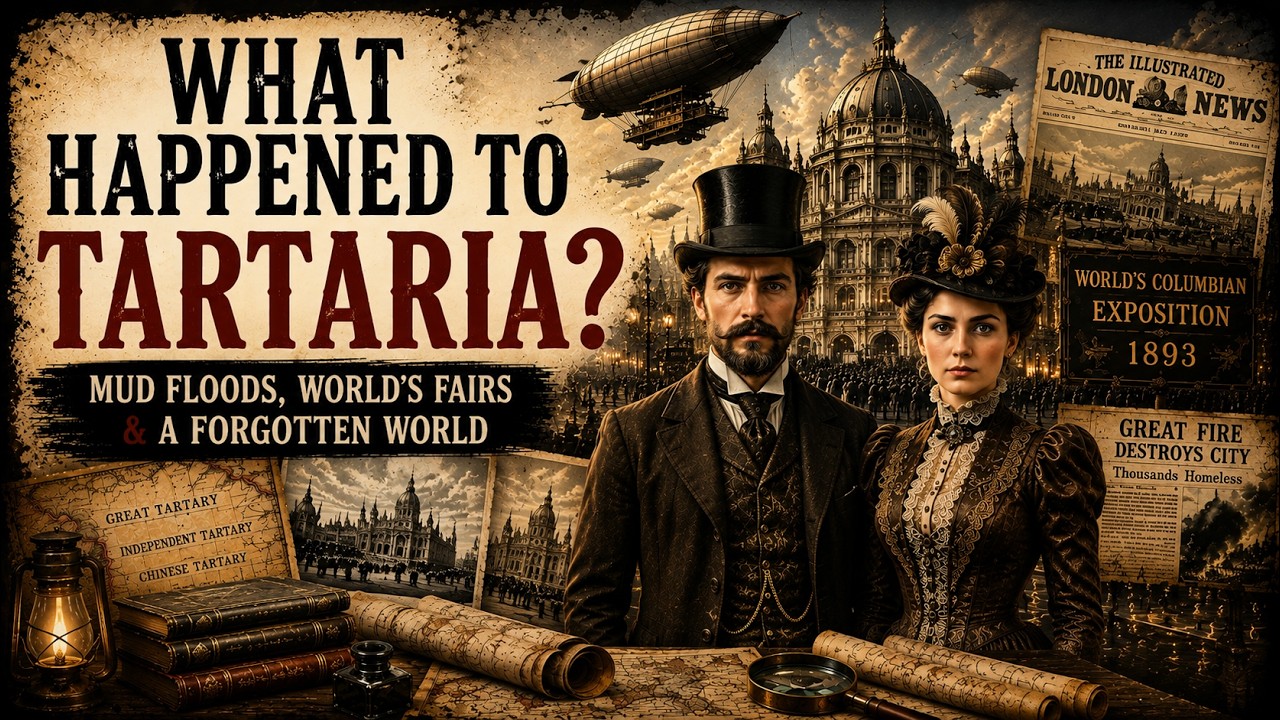
What was everyday life really like in the vast region once labeled “Tartaria” on historical maps?

In this documentary-style exploration, we examine the cities, architecture, transportation networks, trade routes, public infrastructure, and technologies associated with the historical idea of Tartaria. From impressive old buildings and extensive canals to early industrial systems and long-distance commerce, we look at the evidence that has fueled modern fascination with this forgotten chapter of history.

But where does documented history end and modern Tartaria speculation begin?

Rather than treating every mystery as proof of a lost civilization, this video explores the questions, historical records, architectural features, and alternative interpretations surrounding Tartaria. We also consider how older maps used the term “Tartaria,” what it actually referred to in different periods, and why the subject has become so controversial among history enthusiasts.

As the investigation moves from daily life and urban development to transportation, technology, and disappearing historical knowledge, you'll see why Tartaria continues to generate so many questions—and why separating evidence from speculation matters.

Beneath Norway lies a lost world older than the pyramids: rock that went 200km into the mantle and came back with diamonds in it, farms sitting inside an asteroid crater, and ice that is currently handing back 6,000-year-old arrows. None of this is folklore. Every site in this video is scientifically dated and verified by geologists, archaeologists and national institutions — and most of it sits under ground that millions of people photograph every year without knowing what they're standing on. We work down through it layer by layer: from a mountain range that was torn in half when the Atlantic opened, to the largest cold-water coral reef on Earth sitting in permanent darkness off Lofoten, to the melting mountain ice patches where hunters lost arrows six thousand years ago and archaeologists are now racing to reach them before they rot. The last entry on this list is not history. It is happening right now, this summer, and it has a deadline.


The Astrological Shift ("End of Times" / "Age of Aquarius")
In modern esoteric, astrological, and New Age circles, the "End of Times" does not mean the literal destruction of the world. Instead, it refers to the "end of an epoch"—specifically the closing of the roughly 2,160-year Age of Pisces and the transition (or "dawning") into the Age of Aquarius.
    • The Concept: The Age of Pisces has traditionally been associated with strict hierarchies, rigid religious institutions, and dogma. The shift to the Age of Aquarius is believed to bring about decentralized power, humanitarianism, technological revolution, and the disclosure of hidden truths/real history.


• Pioneer of Mass Tourism: In 1950, Alcúdia in Mallorca hosted the world's very first Club Med village, sparking a massive wave of European beach tourism to the island.

Mallorca helped turn seafood paella into a global symbol of Mallorcan tourism during the mid-20th-century travel boom. On a morning run in Mallorca’s capital, Palma, I hug the coastline and venture southwest, where the beaches are bedecked with the kind of high-rise hotels that have made Mallorca synonymous with mass tourism. I imagine the life of this town when it was first incarnated, a half century ago, as the place to be. Throngs of European holidaymakers who paraded to the playa experienced something entirely new, something invented right here in Mallorca—the all-inclusive resort hotel.In 1950, the world’s first Club Med opened in Alcúdia, just 35 miles northeast of Palma. Now, 60-some years after that travel revolution, beachside properties built in the ’60s and ’70s are looking worse for wear, though some have acquired a kind of postmodern patina, iconic—and ironic—signs of a time gone by.

For decades, claims of time travelers posting warnings online have been dismissed as internet folklore. Then people started noticing the pattern. In this video, we examine ten individuals who appeared across forums, message boards, and social media over the years — each claiming to be from the future, each pointing to 2027 as a turning point, and each disappearing from the internet without explanation shortly after their posts gained traction. From cryptic predictions that lined up with events years later, to accounts that vanished mid-conversation, deleted every trace, and were never heard from again — every entry in this video comes from posts, screenshots, and threads that still circulate online.
 
Last edited:

BarcelonaAtlantis

Moderator
Staff member

OCTUBRE CAMBIA TODO ✨Octubre comienza con una intensa apertura energética que marca una nueva etapa para quienes están atravesando un proceso de despertar y Ascensión. ✨ En este mensaje exploramos las energías de octubre, la aceleración de la conciencia, las descargas de frecuencias superiores, la activación de antiguas capacidades, la transformación del cuerpo energético y la liberación de viejos patrones. 🌌 Un periodo de cambios, nuevas conexiones, expansión de la conciencia y profunda transformación interior. ¿Estás sintiendo ya estas nuevas energías?

Inca,(remember the Inca Gods?) Mallorca is rapidly becoming one of the most sought-after inland residential hubs and entrepreneurial dreams on the island. Historically known strictly as Mallorca's industrial "leather capital", the city is undergoing a major transformation fueled by excellent transportation infrastructure, massive public renovations, and shifts in the regional real estate market.
The city's evolution is driven by several key developments:

1. Surpassing Palma in Rental Demand
Inca has experienced a massive surge in housing demand. The town officially ranked ahead of the capital city, Palma, for rental pressure. Because it offers a more affordable alternative to coastal resorts while maintaining urban amenities, a wave of would-be tenants is flocking to the area. To meet this demand, the city is repurposing local infrastructure, such as transforming former park-and-ride sites into multi-family housing units.

2. An Entrepreneurial and Digital Hub
Once defined purely by traditional shoe factories (such as the headquarters of Camper and Lottusse), Inca has successfully positioned itself for the modern economy. Local initiatives have introduced business incubation hubs and high-speed fiber internet. This setup makes it highly attractive to remote workers, digital nomads, and local startups looking to avoid the higher overhead costs of Palma.

3. Upgraded Public Infrastructure
The municipality has heavily invested in modernizing its public spaces and transport capabilities:
    • Pedestrianization: Much of the historic center has been transformed into pedestrian-only shopping and dining avenues.
    • Intermodal Transit: Building on its status as the best-connected inland transit hub (with a direct rail line to Palma), ongoing upgrades are converting the main station into a full intermodal bus and train terminal.
    • Local Amenities: The opening of a new private hospital center, a municipal indoor pool, and expanded sports facilities have drastically elevated the quality of life for permanent residents.

4. A Shift Toward Sustainability and Authentic Tourism
Rather than catering to traditional sun-and-beach resort tourism, Inca is embracing its identity as a sustainable, culturally rich destination. It has frequently served as the center for the eMallorca Experience Week, an event highlighting green energy and sustainable local practices. Tourists are increasingly using Inca as a base for exploring the nearby Serra de Tramuntana mountains and tasting authentic Mallorcan cuisine in its historic, underground cellers (converted old wine cellars) Inca hosts Mallorca's biggest fair called Dijous Bo(good thursday) https://www.youtube.com/watch?v=1Q1eAx0JxuU


OCTOBER CHANGES EVERYTHING ✨ October begins with an intense energetic opening that marks a new phase for those undergoing a process of awakening and Ascension. ✨ In this message, we explore October’s energies, the acceleration of consciousness, higher-frequency downloads, the activation of ancient abilities, the transformation of the energy body, and the release of old patterns. 🌌 A period of change, new connections, the expansion of consciousness, and profound inner transformation. Are you already feeling these new energies?


Xtrem Smash Burger, la emergente hamburguesería que 'noquea' en el Mallorca Burger Fest​

El establecimiento situado en Inca, inaugurado en marzo de este año, se lleva a casa el galardón al conquistar al jurado de la primera edición del festival gastronómico​

La Nokeadora, la hamburguesa ganadora, es una combinación explosiva de sabor, esfuerzo y pasión​

​

Cuando en el escenario de Son Fusteret se escuchó el nombre de Xtrem Smash Burger como ganadora del Mallorca Burger Fest 2025, el público ya lo sabía antes que ellos. Elisa Pereira, propietaria de la hamburguesería, grababa con el móvil mientras su marido y también dueño, Javi Moyá, seguía atendiendo a los últimos clientes.​

​

La emoción fue el broche de oro a un fin de semana de locura. Más de 50.000 personas pasaron por el recinto durante los cuatro días del festival, que reunió a una veintena de food trucks y a los mejores proyectos de hamburguesas gourmet de la isla. Entre colas interminables y el aroma a carne a la plancha, Xtrem Smash Burger, con apenas unos meses de vida, logró conquistar tanto al público como al jurado con una propuesta que hizo honor a su nombre: La Nokeadora.​

​

Una hamburguesa con alma de ring​

La Nokeadora nació como una apuesta valiente. “Queríamos ir a pelear, a luchar por ganar”, explica Abraham, el responsable de la receta. El nombre y el concepto surgieron de una colaboración con el luchador mallorquín Luis Reboredo, que aportó al proyecto esa mentalidad competitiva de subirse al ring para darlo todo.​

​

Los dueños de Xtrem Smash Burger, Elisa Pereira y Javier Moya, y el creador de 'La Nokeadora, Abraham Bohorquez.​

​

La hamburguesa combina 180 gramos de vaca madurada smasheada, queso cheddar americano, salsa Honey Ranch, mermelada de papada ibérica y una sorprendente tierra de cacahuetes con lluvia de torreznos, todo dentro de un pan potato roll artesanal. “Es una hamburguesa pensada para dejarte sin palabras en el primer bocado”, explican.​

​

El resultado fue tan contundente como equilibrado. “La gente se quería volver a poner en la cola para repetir. Nos decían: 'Me da igual esperar una hora y media, la quiero otra vez'”, cuenta Elisa. “Ahí empezamos a pensar que quizá teníamos posibilidades de ganar”, añade.​

​

De una idea entre amigos a una familia gastronómica​

Xtrem Smash Burger nació en febrero de 2025 de la mano de Pereira, Moyá y Bohorquez, tres amigos que soñaban con crear una marca de burgers “con alma, calle y fuerza”. Apenas un mes después, su proyecto se hizo realidad dentro del restaurante Hangar Savannah (Inca), donde lanzaron el concepto Buffet Xtrem Smash: una experiencia basada en la calidad, el sabor y la pasión.​

​

El equipo de Xtrem Smash Burger.​

​

“En solo seis meses pasamos de tener una idea a ganar un festival. Todo ha sido muy rápido”, reconoce Elisa. El salto al Mallorca Burger Fest llegó casi por impulso. “Nos tiramos a la piscina sin saber si había agua. Compramos la food truck y en 20 días lo preparamos todo: ingeniería, sanidad, permisos… Fue una locura, pero lo conseguimos”, destaca Javi Moya.​

​

El esfuerzo del equipo se tradujo en largas jornadas y muchas dosis de nervios, pero también en satisfacción. “Fue increíble ver esas colas y a la gente disfrutando tanto. Ese premio no es solo nuestro, es de todos los que vinieron y creyeron en nosotros”, subraya Elisa.​

​

El fenómeno 'smash': sabor y cultura urbana​

Xtrem forma parte de una nueva generación de hamburgueserías que están redefiniendo la escena gastronómica de la isla. El estilo smash, importado de Estados Unidos, ha ganado terreno en los últimos años por su técnica de cocción: aplastar la carne sobre la plancha para potenciar el sabor y crear una textura crujiente inconfundible.​

​

“La hamburguesa siempre ha estado de moda”, apunta Abraham, “pero ahora, con los concursos y el auge de las smash, ha vuelto con más fuerza que nunca". "Es un referente de la gastronomía en cualquier lugar”, añade.​

​

Aunque nació para el concurso, La Nokeadora ya forma parte de la carta de Xtrem Smash Burger en Inca. “Mucha gente no pudo probarla en el festival porque había colas de hasta dos mil personas”, cuenta Elisa. “Por eso les dijimos que vinieran al local, que aquí la tenemos fija”​

 
Last edited:

BarcelonaAtlantis

Moderator
Staff member

Inca, un centro comercial a cielo abierto​

Cuando pensamos en estrujar el día con una jornada de compras, muchas veces pensamos en una gran ciudad como Madrid o Barcelona, y si nos referimos a la isla de Mallorca, el centro de Inca cobra el protagonismo que viene generando desde antaño.

Aún así, en Mallorca son incontables los municipios que ofrecen cultura, gastronomía y tradición. ¿Pero sabéis lo que más me gusta del resto de municipios fuera del centro de Palma? Su singularidad y su proximidad en cuanto al comercio se refiere. Unas características que pude comprobar durante mi jornada en uno de los lugares comerciales de referencia en la isla de Mallorca, el municipio de Inca.

Inca es uno de los mejores escenarios en los que puedes comprar, comer, tomar una copa o disfrutar de un paseo por las calles peatonales de la ciudad. Sus comercios engloban desde el más puro estilo tradicional a conocidas franquicias. Restaurantes y bares donde puedes comer cocina de autor o cocina más tradicional, todo ello acompañado por la arquitectura y patrimonio de una ciudad que se ha convertido en una referencia en los últimos años por su calendario de actividades y el valor que aporta con su cultura y el carisma de sus residentes a la isla de Mallorca.

Destino desconocido para algunos, pero para otros un lugar donde encontrar todo lo que necesitas por su variedad comercial y la singularidad de sus productos. Son muchos los que ya conocen mi sensibilidad por este municipio y por todo lo que desborda, pero si os digo que Inca cuenta con un centro comercial a cielo abierto, ¿Me creeríais? Acompáñame en esta lectura, y te descubriré cómo pasar unas horas, un día o incluso un fin de semana experimentando algo que, por ahora, seguro que desconocías. ¿Continuamos juntos?

El primer hotel urbano de Inca: Can Guixe

Si nos remontamos dos años atrás, la planta hotelera de Inca era inexistente, pero a día de hoy cuenta con dos establecimientos hoteleros de los que os voy a hablar. En la céntrica calle Estrella, al lado del Ayuntamiento encontramos un hotel urbano en el que poder alojarse en pleno centro, Can Guixe, dónde nada más llegar me hicieron sentir como en casa. Un espacio en el que estar, celebrar y ser feliz. Para una nómada digital como yo, una de las cosas que más me gustaron fueron sus habitaciones, amplias y luminosas que, además de estar decoradas con mimo y elegancia, están preparadas para trabajar en ellas. Un escritorio, enchufes y todo lo necesario para combinar el placer con las obligaciones. Algo que, sin duda, hoy en día es primordial para los que realizamos teletrabajo. Pero no solo el interior es lo que cuenta, porque mi habitación gozaba de tener una terraza con vistas a la Plaza del Ayuntamiento desde la que se podía disfrutar de un ambiente inmejorable, único y con aroma a tradición y modernidad. Pero no, no solo el aroma era de eso, sino que la gastronomía de Can Guixe estaba llamando a mi puerta.

Sin duda, la apuesta gastronómica es uno de los pilares de Can Guixe y su bistró situado en el rooftop con unas vistas envidiables a la Plaza del Ayuntamiento era el escenario perfecto para disfrutar de un delicioso brunch con el que cogería fuerzas para empezar mi jornada de compras en Inca. Ya me hubiera gustado a mi, poder seguir disfrutando, horas y horas, de su oferta gastronómica basada en el producto de proximidad, la cocina de mercado y sus platos de la tierra, pero debía seguir mi ruta. Por cierto, para aquellos que necesitéis una sala para eventos, este hotel ofrece su ‘Sala Quely’, en honor a las galletas más célebres de la ciudad, donde compartir momentos, celebrar eventos, conferencias y ceremonias.

Perder el norte con los dulces tradicionales de Can Delante

Y es que definitivamente soy muy débil y caigo en las tentaciones demasiado rápido… Para mí es imposible pasear por una ciudad y no fijarme en sus pastelerías o confiterías para degustar dulces y salados tradicionales del lugar. He de confesar que aunque algunos lugares emblemáticos y pecados mi paladar se los conoce a las mil maravillas, otros aún no los tenía fichados. Es el caso de Can Delante, una pastelería que se dedica desde hace más de 160 años a la elaboración de todo tipo de dulces tradicionales de la isla. Si hablamos de su historia, fue Ramon Prats Arrom quien empezó la actividad en 1856 en este lugar. Ya desde 2008, está al frente del negocio Joan Sans Perelló, que heredó el negocio de su padre y quien fue el primero en ver mi cara de fascinación al entrar en el primer comercio de Inca. He de decir que la fachada conserva el letrero y en su interior podemos ver las estanterías y mobiliario original, tal y como me contó Joan.

En Can Delante son fabricantes y distribuidores de turrones, peladillas de Pascua, preparados de helado y una larga lista de los postres más tradicionales de Mallorca, como por ejemplo ensaimadas, pasteles, gató de almendra, empanadas (panades) y rubiols, cocas saladas y dulces, entre otros. Can Delante es una empresa familiar reconocida en todas las Baleares por elaborar los productos con materias de primera calidad y de manera tradicional.

Patrimonio en el corazón de Inca

Para una adicta a los selfies como yo, sacarse una foto es de obligado cumplimiento en cada lugar que visito, y para esta ocasión, la Iglesia de Santa Maria la Major acaparó mi atención por su majestuosidad y su construcción de marés, material utilizado habitualmente en las iglesias barrocas mallorquinas.

Esta iglesia se encuentra justo en la Plaza que lleva su mismo nombre, la Plaza de Santa Maria la Major y que cada jueves alberga el mercado de frutas, verduras y productos agrícolas.

La moda en Inca se viste con marcas locales, nacionales e internacionales

Ahora ya sí, no podía enredarme más y por eso me dirigí a la Plaza de España donde se encuentran tres de mis tiendas favoritas: Ones Moda, Forum y HOMINE (antigua Can Pere). En el comercio de Inca la tradición está ligada a la modernidad y las tendencias, y encontramos marcas locales, nacionales e internacionales que os voy a descubrir. Mi primera parada fue en una de las tiendas ‘Ones Moda’, porque si de algo puede alardear esta cadena de tiendas es de contar con hasta 9 establecimientos en Mallorca (Inca, Ca’n Picafort, Port d’Alcúdia, Alcúdia, Port de Pollença y Cala Ratjada) y distribuir marcas tan conocidas como: Jack & Jones, Jack & Jones Kids, Only Kids, Only, Vero Moda, Pepe Jeans Man & Woman, entre muchas otras. ¿Pero sabéis lo mejor? Que además cuentan con servicio de Personal Shopper, para que vuestras compras sean un acierto y no un suplicio a la hora de decidiros. Moda joven, fresca, y con un toque cool para hombre, mujer y niños.
 

BarcelonaAtlantis

Moderator
Staff member
Mi segunda parada fue en la tienda ‘Forum’ que pertenece a una empresa familiar que lleva más de 40 años dedicada a la venta de moda femenina y complementos en Mallorca. Igual que Ones Moda, también cuentan con puntos de venta en diferentes puntos de la isla, y no solo eso, sino que allí podrás encontrar prendas de diseñadores conocidos y marcas internacionales del mundo de la moda como: Isabel Marant, Golden Goose, Anine Bing, La Morenita, Mr. Boho, American Vintage o Zadig & Voltaire. ¡Vamos! Un verdadero lujo poder contar con todas estas marcas en un mismo comercio.

Ya acumulaba varias bolsas en mis manos, pero aún me faltaba una parada obligada en la plaza de España de Inca, la tienda HOMINE o como aún muchos la siguen llamando Can Pere. Fue en el año 1970 cuando Pere Cortès Aguiló, abrió una tienda dedicada a la venta de tejidos y de mercería con el nombre de Can Pere. Familia y moda tienen su propia historia y tradición en este comercio que incluso llegó a albergar un taller llamado Creaciones Cortés, donde se diseñaban colecciones que se vendían a la Península y a las Islas Canarias. Pero lo que más me impactó, fue que entre sus clientes destacados contaban con los míticos almacenes Galerías Preciados.

Hoy en día, Pere lleva la gestión y dirección del negocio y se dedica principalmente a la venta de ropa y complementos de firmas internacionales como: Is coming, Karl Lagerfeld, Michael Kors, 10days, MC2 Saint Barth o marcas que evocan el concepto de sostenibilidad como Ecoalf, entre muchas otras. Las tiendas HOMINE también podéis encontrarlas en Port d’Alcúdia, Playa de Muro, Cala Ratjada y Puerto Portals.

Flor de Murta Handmade, piezas únicas y exclusivas

Ahora sí que tenía ya todas mis prendas, pero me faltaba ese producto exclusivo y singular que tiendas como Flor de Murta me podían ofrecer. Este lugar nos evoca a un mundo lleno de detalles con encanto, donde encontrar productos hechos a mano en Mallorca, hasta complementos y moda en tendencia. Allí podrás encontrar decoración artesanal (artesanía mallorquina de cerámica, barro y productos locales de las Islas Baleares). ¿Qué fue lo que más me gustó? Sus propias creaciones o lo que ellos llaman ‘Flor de Murta Handmade’, piezas únicas y exclusivas que marcan la diferenciación para regalarse a uno mismo o a quién más quieras. Una tienda que también la encontrarás en Sineu.

Hotel con encanto, carácter auténtico y con fragancia Mediterránea en el interior de Mallorca, Can Vidal Boutique Rooms

Bolsas y más bolsas y la necesidad de seguir saboreando Inca. Ya os he dicho que mi debilidad tiene nombre y apellidos: la oferta gastronómica. Pero antes de descubrir más lugares de restauración en el centro de este municipio, no podía pasar por alto la visita a dos edificios reformados recientemente y que pueden presumir de sello local, el Teatre Principal d’Inca y Can Vidal Boutique Rooms.

El Teatre Principal d’Inca es un lugar ideal para los amantes de la cultura, los acontecimientos y los espectáculos, que durante décadas fue un espacio de referencia en Mallorca y que ahora vuelve a abrir sus puertas con un aspecto más moderno sin perder su identidad. Conciertos, cine, ópera, danza, teatro, un sinfín de actividades para disfrutar de la cultura en mayúsculas.

Justo en esa misma calle tenía mi próxima parada. Can Vidal Boutique Rooms es un pequeño, exclusivo y acogedor alojamiento de carácter auténtico. Este edificio guarda una gran historia que se remonta al año 1890 cuando el edificio de Can Vidal se construyó. 132 años después ha abierto sus puertas recientemente para ofrecer una estancia singular, exclusiva y con aires de tradición a sus huéspedes.

Nada más entrar, vemos un expositor de zapatos como decoración sobre sus paredes de piedra. Todo un guiño que hace este alojamiento a Inca por el cariño y respeto que el municipio guarda por el calzado y la piel. Pero lo que verdaderamente te enamora de Can Vidal Boutique Rooms son sus habitaciones, cada una de ellas con tonalidades, decoración diferente y materiales recuperados de la antigua vivienda, ofreciendo un toque vintage. ¿Lo que más me gustó? Sus detalles, como las cestas mallorquinas que ofrecen a sus huéspedes para ir de compras apostando por la compra sostenible.

Tras envolverme de arte y más arte en este lugar y permitirme estrenar una de mis adquisiciones de ese día, un más que estiloso vestido de la tienda Ones, ya estaba preparada para acabar el día de la mejor manera. ¿Adivináis cómo?

Una oferta gastronómica que nos deleita el paladar y nos hace sentir que tocamos el cielo

La oferta gastronómica de Inca es infinita, y sin duda, goza de restaurantes que ofrecen desde el más tradicional menú hasta la más destacada cocina de autor. Para ese día, elegí dos de los restaurantes que se encuentran en el Carrer d’en Jaume Armengol y el Carrer de l’Àngel, y que ofrecen diferentes opciones de cocina fusión. ¿Mi primera elección? SURO Bistró Restaurant, un lugar que destaca por su decoración con corcho y por ofrecer una carta variada al estilo street food para dar a conocer los sabores del mundo desde su propia visión culinaria.

Y sólo de pensar en mi habitación en Can Vidal Boutique Rooms mis extremidades se ponían más que felices, pero a mí me faltaba una última parada en Inca, en concreto en s’Angel Restaurant.

Si una cosa tiene la oferta gastronómica de Inca, es que nos deleita el paladar y nos hace sentir que tocamos el cielo. Y es que si existe un lugar que allí me saciara mis ganas de cocina mediterránea era este lugar, eso sí, sin perder ese toque asiático que tanto me fascina y añoro. Gracias al buen clima que tenía ese día, pude disfrutar de mi elección en su magnífica terraza en la Plaza de S’Angel.

Ahora sí, podía decir que mi jornada había terminado. Una jornada en la pude conocer un poco más de todo lo que este municipio ofrece a sus residentes, turistas y visitantes para disfrutar de un centro comercial a cielo abierto. Ahora solo falta que la experiencia la vivas tu. ¿Te animas?


Those are the dry stone walls originary of Mallorca/Atlantis the origin of everything(via Navarre/Basque Country)

En Inca (Mallorca) hay un auténtico boom de hamburgueserías gourmet, smash burgers y locales de dürüm o kebab que están triunfando.
Hamburgueserías de Moda
• Xtrem Smash Burger: Muy famosa por sus hamburguesas a la brasa y opciones especiales premiadas en festivales de la isla, además de fórmulas de tipo buffet o porciones grandes.
• Sinners: Un local con estética moderna y pop-culture que destaca por sus smash burgers crujientes y jugosas con patatas caseras.
• Burger & Taco: Un clásico consolidado en la zona que mezcla hamburguesas contundentes y comida mexicana con muy buenas valoraciones.

La mejor hamburguesa de Balears es la denominada Bull's Tail, elaborada por Sexto Sentido Smash Burger en sus establecimientos de Palma e Inca.

Around 1600 BC, the volcanic island of Thera — the island we now call Santorini — erupted with a violence that dwarfs almost anything in recorded history. It buried the Bronze Age town of Akrotiri under meters of ash and hurled tsunamis across the Aegean at Crete, the heart of the Minoans: Europe's first great civilization. Many historians believe this is the real event hiding behind Plato's legend of the lost city of Atlantis. Akrotiri is often called the Minoan Pompeii — a whole town frozen in ash, with running water, painted walls, and multi-story houses. But there is one haunting difference from Pompeii: almost no bodies were ever found. The people saw it coming, and they fled. We reconstruct their last days, from the warning tremors to the moment the sky turned black. Then the fall: how the ash, the tsunamis, and the collapse of trade slowly strangled the Minoans until Europe's first civilization simply faded from history — and why, thousands of years later, Thera became the story of Atlantis. If you want history's greatest disasters reconstructed with real science and evidence, subscribe and turn on the bell — a new catastrophe every week.

Known as the heart of Mallorca, Inca is not only a residential city, but also offers Mallorca's best leather goods and a very special weekly market


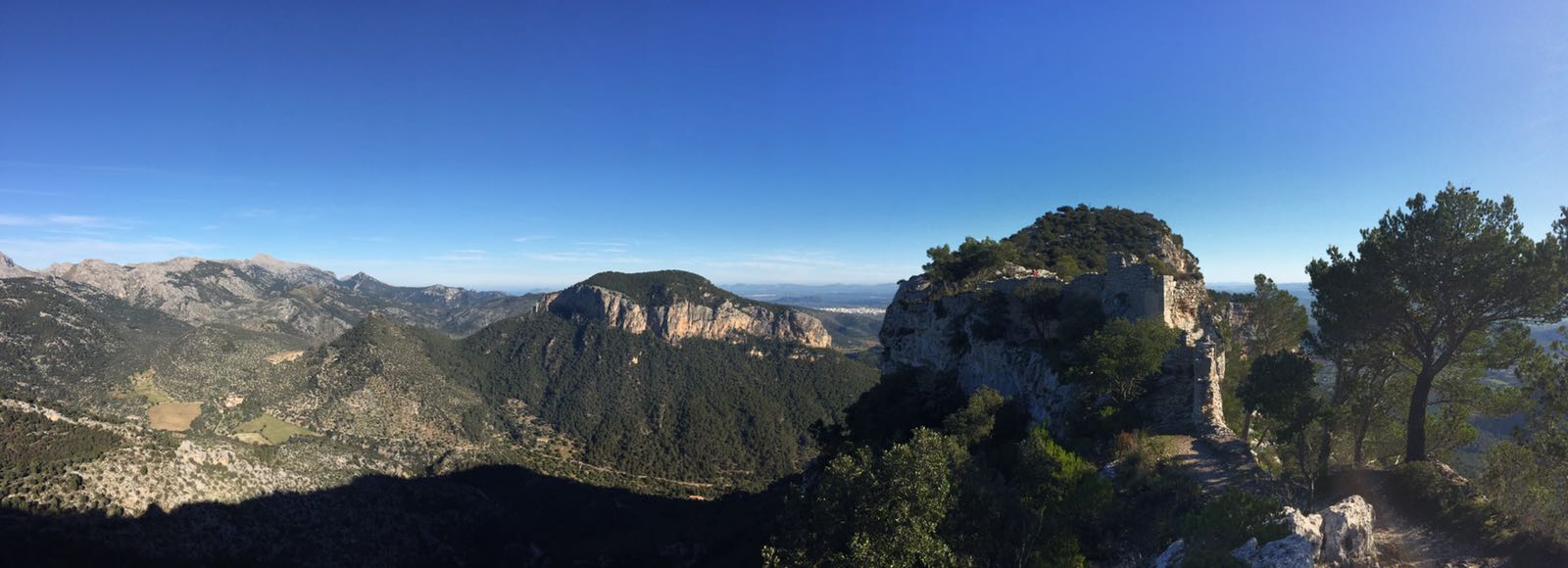
The Serra de Tramuntana, Mallorca is the place that defines the true geographical, cultural, and natural identity of the Balearic Islands.


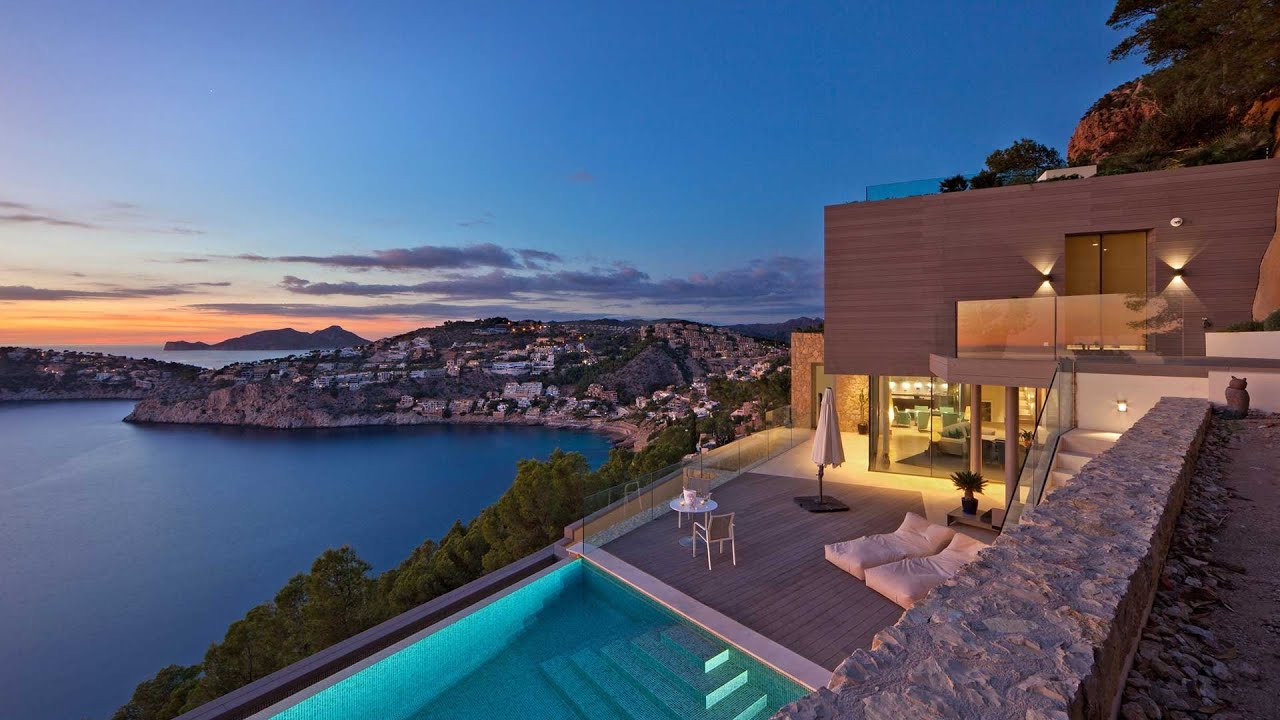
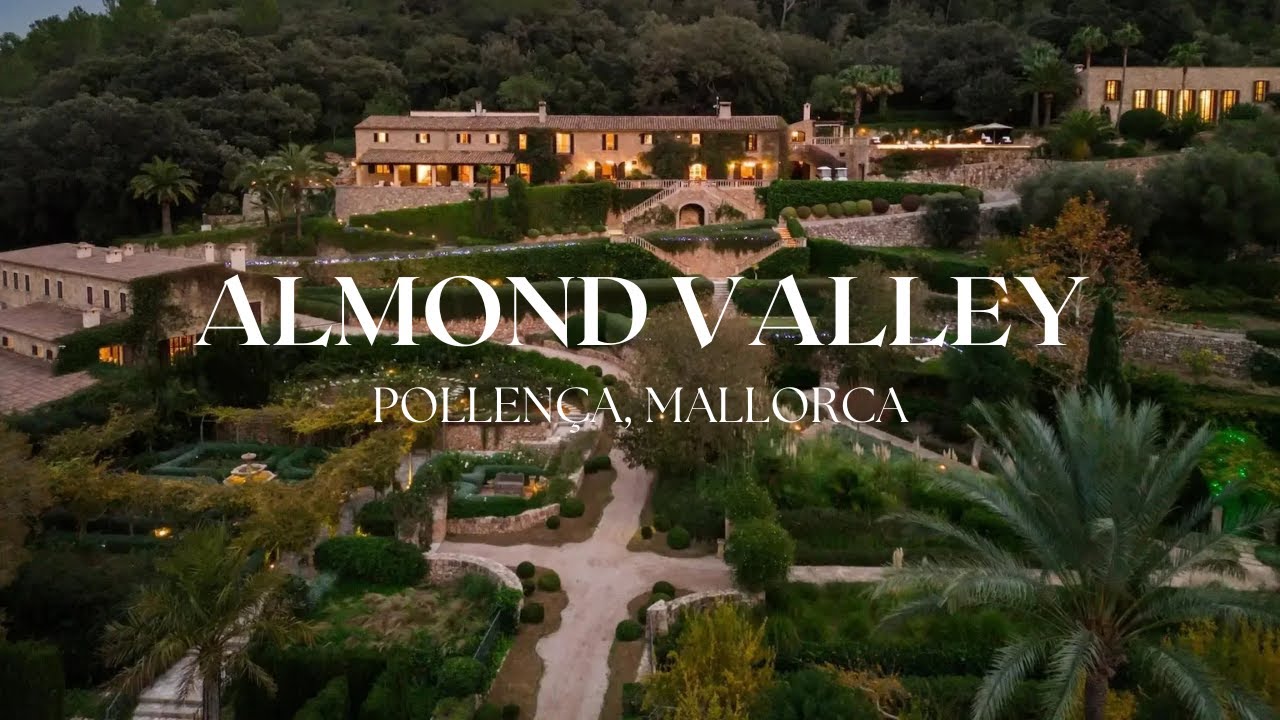
Villa Almond Valley is a magnificent country estate located just outside Pollensa in the northwest corner of Mallorca. Spanning nearly 200 hectares, the property is enveloped by beautifully landscaped gardens that feature Japanese, Mediterranean and Continental themes. Orchards filled with almond, fruit, and olive trees provide serene walking paths and a tranquil atmosphere.Nestled in the heart of Mallorca's breathtaking Serra de Tramuntana, Almond Valley offers an exclusive and private retreat for your dream wedding

I don't believe the mainstream narrative, do you?
 
Last edited:
BarcelonaAtlantis

Moderator
Staff member
On January 6, 1858 . The Raftsman Journal published an intriguing article called Antiquities in America, discussing many of the ruins and structures around this continent that have not been discussed by official history... Could they be referring to Tartaria and or Ancient Structures from Atlantis?Yes...


Why are high-net-worth buyers moving money into Mallorca?
Because smart capital follows scarcity.
Mallorca is an island — land is limited and prime sea-view plots are already built. When supply is fixed, value holds stronger.
Add to that consistent international demand from Germany, the UK and Scandinavia, a lifestyle-driven market, and one of the most established micro-markets in the southwest — Santa Ponsa.
Compared to many mainland coastal areas, prime zones here show stronger long-term resilience due to restricted land and global buyer competition.
This isn’t just a holiday purchase.� It’s lifestyle + capital positioning.

Estate agents like Engel & Völkers have reported that four of the UK's ten richest people now own properties on Mallorca.

The Impact of the Wealth Tax​

Despite the consistently rising property prices, Mallorca continues to attract wealthy investors, bolstered in part by recent changes in the Balearic Islands’ wealth tax. In January 2024, the exemption limit for this tax was raised significantly, from €700,000 to €3 million per person, irrespective of residency status. This substantial tax break has made the island an even more appealing destination for affluent buyers, prompting a surge in interest in Mallorcan real estate, particularly in luxury hotspots like Palma and the southwest coast.

This tax adjustment is seen as a deliberate move by the authorities to foster further investment from high-net-worth individuals and multinational entrepreneurs, especially those involved in technology and international business. By raising the threshold, the Balearics have become a more attractive option for those seeking a tax-efficient environment while benefiting from the island’s stunning landscapes, world-class amenities, and lifestyle opportunities.

The impact of this policy shift has been particularly visible in the island’s luxury property market, which has seen remarkable growth over recent years. Hans Lenz, managing director of Engel & Völkers Mallorca Southwest, points out that 2016 was a pivotal year for this market. It was during this time that properties in Mallorca began to break the €20 million barrier for the first time, marking a new era of ultra-luxury real estate on the island. The trend has continued to accelerate, with 2023 witnessing six sales of properties in the southwest region exceeding the €20 million mark. These record-breaking sales highlight the growing demand from the global elite, including entrepreneurs, business leaders, and technology workers, who are increasingly choosing Mallorca as their primary or secondary residence.

For visitors, Mallorca remains paradise — a place where history meets luxury and the Mediterranean way of life is available in its most glamorous form. But for locals, the island’s transformation is a bittersweet reminder of how quickly fortunes can shift, and how difficult it can be to find equilibrium between progress and preservation.

Diversity is one of Mallorca’s greatest strengths. Very few places in the Mediterranean allow buyers to find, within a single market, contemporary seafront homes, golf residences, character-filled fincas, mountain-view properties, and high-end family houses, all so well connected to airports, ports, schools, and premium services.

That is why Mallorca remains one of the most complete places in Europe to buy an exclusive property with genuine lifestyle appeal and long-term value.

The Mallorca Connection (The Tourism Boom): In the 1960s and 1970s, Mallorca became the epicenter of Spain’s mass tourism boom. Millions of international travelers experienced Spanish culture for the first time on the island. Because tourists demanded the dish, Mallorcan restaurants put paella on every menu—frequently modifying it into the mixed seafood and meat versions (paella mixta)which made the seafood paella a global symbol and popular that purist Valencians tend to look down upon.

The Rise of Paella in Mallorca
    • Tourist Demand: Mass tourism on the island in the mid-20th century led restaurants to adopt paella as the ultimate Spanish dish.
    • Local Twists:
    While Valencian paella sticks strictly to rabbit, chicken, and snails or beans, Mallorcan adaptations often features seafood which is much better than the paella from Valencia.

Who really built some of America’s oldest cities?

From the ruins of the Great Seattle Fire to massive stone buildings, forgotten infrastructure, ancient-looking architecture, underground structures, and strange patterns of destruction, this documentary explores one of history’s most controversial mysteries.

Were nineteenth-century pioneers really responsible for building everything we see today—or did they inherit a much older world?

We examine historical photographs, old maps, architecture, city ruins, major fires, canals, star forts, and forgotten structures across America and Europe, separating documented history from the theories surrounding a lost civilization and a possible global reset.

Some of the evidence has conventional explanations. Other claims remain disputed.

But one question remains:

What if the story of how our oldest cities were built is not the whole story?
Did ancient builders align Ireland’s sacred sites along a massive geomagnetic grid? In this episode, we explore the hidden geometry and megalithic landscape of ancient Ireland, investigating the forgotten pyramids of the Hill of Tara, quartz capstones, and the powerful ley lines connecting sites like Newgrange, Loughcrew, and Skellig Michael

We look into: • The lost pyramids and quartz structures at the Hill of Tara • How ancient Irish megaliths align with planetary energy lines • The sacred geometry and dowsing evidence behind Ireland’s ancient landscape • Druid earth energies, stone circles, and astronomical alignments

Ancient civilizations researcher and Project Unity host Jay Anderson explores the mysterious similarities between the megalithic architecture of Peru’s Machu Picchu and Egypt’s Giza pyramids, tracing those same questions through the Nazca mummies, alien intervention, and the battle over UFO disclosure in episode 264 of the Far Out with Faust podcast. Jay Anderson is an independent filmmaker and researcher whose work spans ancient technology, UFOs, consciousness, and alternative history. Through Project Unity, he has built a large audience investigating contested questions about human history and extraterrestrial contact, and has appeared on The Joe Rogan Experience to discuss his research. His documentary work has taken him into ancient sites across Egypt and Peru, with several of his films recently acquired by Gaia. In this conversation, Faust and Anderson trace a hidden history running beneath some of the world’s most mysterious ancient sites, from the structures beneath Giza and the unexplained engineering of Peru’s megaliths to evidence of technologies that seem wildly out of place in the ancient world. Their discussion moves through the Vatican archives, human genetic manipulation, Mars, and the Moon before turning to the modern battle over UFO disclosure, where Anderson questions the roles of Lou Elizondo, Steven Greer, and the intelligence apparatus shaping the public narrative. As ancient mysteries collide with alien intervention, consciousness, and counterintelligence, the deeper question becomes whether humanity’s past has been misunderstood, deliberately obscured, or both. In this episode: • What’s Under Giza? New scans, sealed shafts, and subterranean structures raise an obvious question: why aren’t they digging? • Who Built Peru’s Megaliths? Crude Inca walls sit beside astonishing precision stonework — so why are we told the same civilization built both? • Japan’s Underwater Mystery: Stairs, sharp angles, and massive geometric formations beneath the sea — officially dismissed as a natural formation. • Are the Nazca Mummies Real? Tridactyl bodies, eggs, unusual anatomy, metal implants, and the disinformation campaign surrounding the story. • Who Hijacked UFO Disclosure? Lou Elizondo, AATIP, To The Stars Academy, Steven Greer, and the battle over who controls the narrative. • The Bible’s “Gods”: A translation problem involving the Elohim opens a radically different version of human origins and possible genetic intervention. • Did We Come From Mars? A famous remote-viewing session, a dying civilization, and the possibility that humanity’s origin story begins somewhere else. • What’s Really Up With the Moon? Ancient stories, strange seismic behavior, and the theory that Earth’s most familiar object may not be entirely natural. From stones that shouldn’t fit the timeline to bodies that shouldn’t fit the biology, the anomalies keep pointing toward the same unsettling possibility: the story of who we are may be missing its biggest chapter
 
Last edited:

BarcelonaAtlantis

Moderator
Staff member


The decline of empires is not just a chapter in history books, but a blueprint for the modern world we occupy today.

We analyze the cyclical nature of power by examining the rise and fall of civilizations. By juxtaposing the stoic perspective of a Roman soldier with the fractured reality of our current geopolitical landscape, we isolate the patterns that signal the end of a dominant era. This investigation is for those who look past the surface noise to find the structural cracks in our society.

History repeats itself because we ignore the early warning signs of collapse. Through this cinematic exploration, we break down the parallels between ancient economic shifts and the instability we face now. We weigh the lessons from the past against the cold, hard facts of modern statecraft to understand the true cost of imperial overreach.

Seal the hatch and subscribe for weekly lost history breakdowns, and comment below if you believe we are witnessing the final chapter of our own era.
Calvià is one of the 20 municipalities in the Serra de Tramuntana region and marks the southern start of the mountain range.


Slandered Satan/Lucifer gave humans hidden knowledge(the tree of knowledge/the hidden truth)....giving hidden knowledge/hidden truth is not a bad thing rather the contrary.

Southwest Mallorca and the island's inland hinterlands have increasingly outranked traditional luxury hubs like Tuscany for affluent travelers, cyclists, and real estate buyers. While Tuscany remains a historical gold standard for rolling hills and vineyards, Southwest Mallorca offers a compelling mix of dramatic geography and lifestyle conveniences that the Italian countryside struggles to match.Andratx — Port d’Andratx and the south-west corner — asks 47% more per square metre than Marbella. That is the honest headline for anyone shopping at the very top: Mallorca’s prime is genuinely a level above the Costa del Sol’s prime.


Why Mallorca Outpaces Tuscany


1. The Landscape: 'Tuscany Plus the Sea'
While Mallorca's central plains mirror the olive groves, medieval stone villages, and vineyards of Tuscany, the Southwest adds the Tramuntana mountain range dropping directly into the Mediterranean Sea. Destinations like Deià, Valldemossa, and Andratx deliver the rustic, artistic charm of a Tuscan hillside alongside immediate access to superyacht marinas and crystal-clear turquoise calas.

2. Logistics and Accessibility
For modern travelers and expats, Mallorca provides superior connectivity. Palma de Mallorca Airport (PMI) is an international hub with direct flights to dozens of global cities, meaning visitors can go from the tarmac to a secluded coastal villa in less than 30 minutes. Reaching a deep Tuscan villa often requires a much longer drive from regional airports like Florence or Pisa.

3. World-Class Infrastructure for Sport and Dining
    • Cycling: Premium operators like Velocamp Mallorca note that while Tuscany offers exceptional beauty, Mallorca stands out as the world's absolute best destination for a cycling holiday due to its perfectly smooth asphalt, diverse mountain climbs, and cyclist-focused hospitality.
    • Culinary Scene: Unlike Tuscany's highly traditional, hyper-local food focus, Mallorca features a heavily decorated international fine-dining scene with multiple Michelin-starred restaurants and cutting-edge fusion concepts that cater to global palettes
 
Last edited:

BarcelonaAtlantis

Moderator
Staff member
What if human beings are capable of far more than modern science has taught us to believe? Dr. Theresa Bullard, a PhD physicist who bridges quantum science and ancient metaphysics, argues that we are “quantum beings” with enormous untapped potential. In this episode of the Align podcast, she joins Aaron to explore telepathy, remote viewing, manifestation, altered states of consciousness, and the possibility that consciousness itself may extend far beyond the brain. Dr. Theresa also breaks down where she believes the New Age gets manifestation wrong. Simply visualizing what you want isn’t enough. According to her, real transformation requires coherence between your thoughts, subconscious beliefs, words, intentions, actions, and deeper purpose. What if abilities we currently consider extraordinary are only glimpses of what human consciousness is actually capable of?


Mallorca has the biggest spring camp(cycling) scene in Europe.
 
Last edited:
BarcelonaAtlantis

Moderator
Staff member

The Golden Era of Property: Investing in Mallorca’s Safe-Haven Assets in 2026​


Economic indicators in early 2026 show that the appreciation of property in the top 10 percent of the Mallorcan market has consistently outperformed the European average over the last five years. This is not due to a bubble, but rather to the genuine lack of inventory in prime locations like Son Vida and Port d’Andratx. Additionally, the island's infrastructure has seen massive investment, including the modernization of the airport and the expansion of private medical facilities, ensuring that the luxury lifestyle is supported by 21st-century standards of efficiency and care.

Global Capital Flows: The Shift Toward the Mediterranean​

Many high-net-worth individuals and family offices are increasingly looking to balance their regional exposure with European assets. Mallorca, with its exceptional connectivity—including the new direct Etihad Airways service from Abu Dhabi launching in June 2026—is perfectly positioned to capture this demand. The island is seen as a neutral, secure, and culturally rich alternative that offers a high degree of privacy and discretion.

In the first quarter of 2026, we have observed a notable increase in lifestyle-driven investment. These are not merely financial transactions; they are strategic acquisitions by families who value Mallorca’s world-class healthcare, its network of top-tier international schools, and its safety. In a world where geopolitical noise is constant, the silence of a finca in Alaró or the security of a gated villa in Son Vida becomes incredibly valuable. This transition toward quality of life as the ultimate luxury has solidified Mallorca’s status as the preferred destination for those looking to protect both their capital and their family’s future.

Moreover, the island's appeal is bolstered by its growing reputation as a hub for the "digital elite." In 2026, the arrival of high-speed satellite internet and the proliferation of premium co-working spaces have made it possible for global CEOs and entrepreneurs to manage their businesses from the comfort of their Mediterranean estates. This shift from "vacation home" to "primary residence" has fundamentally changed the market, leading to a more stable year-round community and reducing the seasonal fluctuations that once affected the local economy. Mallorca is no longer just a place to escape; it is a place to thrive.

Micro-Market Insights: Where the safe Money is moving​

While the entire island is performing well, certain micro-markets are standing out as the ultimate safe-haven bets in 2026. Son Vida, often referred to as the Beverly Hills of Mallorca, remains the gold standard for security and prestige. Its three golf courses and proximity to Palma’s private hospitals make it a perennial favorite for permanent residents. Meanwhile, the Southwest corridor, encompassing Port d’Andratx and Bendinat, continues to see record-breaking transactions for sea-view villas, driven by a buyer profile that prioritizes modern architectural excellence and immediate liquidity.

Interestingly, 2026 is also seeing a rural renaissance in the island’s interior. Towns like Santa Maria and Alaró are attracting investors who are moving away from the more exposed coastal areas in favor of large estates that offer self-sufficiency and total privacy. These properties often feature advanced sustainable technology, such as high-capacity solar arrays and private water management, making them even more attractive as long-term autonomous assets. Whether it is a contemporary penthouse on Palma’s newly renovated Paseo Marítimo or a historic estate in the north, the common thread in 2026 is a focus on intrinsic value and architectural integrity.

The 2026 Outlook: Resilience in a Multipolar World​

Looking ahead to the remainder of 2026, the outlook for Mallorca’s property market remains exceptionally positive. While the broader global economy faces headwinds, the island’s unique micro-climate of investment continues to defy gravity. The combination of low leverage—with over 70 percent of luxury transactions being cash-based—and a highly diversified international buyer pool protects the market from the boom-and-bust cycles seen elsewhere. Mallorca is no longer just a holiday destination; it is a sophisticated financial hub and a fortress of stability in a multipolar world.

For the strategic investor, the Golden Era of Mallorcan property is defined by the realization that safety and luxury are now inseparable. As capital continues to seek refuge from global uncertainties, the demand for the island’s limited stock will only intensify. In 2026, owning a piece of Mallorca is more than a lifestyle choice; it is a testament to the enduring value of European stability, Mediterranean beauty, and the peace of mind that comes from investing in a true safe haven.

Spain’s prime property market isn’t really one market. It’s a collection of very specific places — Sotogrande, San Sebastián, parts of the Costa Blanca, Tenerife — each with its own buyer, its own pace, its own logic. To understand where Mallorca fits into Spain’s Luxury Property Market in 2026, it helps to look at the numbers first.

The market in context​

Spain has around 43,700 homes listed above €1 million. They’re not spread evenly — 84% of them sit in just six provinces. Here’s where the Balearics, and Mallorca specifically, fit into that picture.

The Balearics vs. the rest of Spain’s luxury market:

  • The Balearics hold 23% of all luxury listings (€1M+) in Spain — the largest share of any single province, ahead of Málaga at 20%, Madrid at 14%, and Alicante and Barcelona at 11% each
  • In the ultra-luxury segment (€3M+), that share rises to 34% — more than a third of Spain’s entire ultra-prime stock
  • For scale: Tenerife accounts for 3% of Spain’s luxury listings, Cádiz (home of Sotogrande) just 2% — both are well-known markets, but they’re operating at a fraction of the Balearics’ size
  • Foreign buyers account for 33% of all property transactions in the Balearics, versus 15% nationally — more than 1 in 3 purchases here is international, compared to roughly 1 in 7 across Spain as a whole
  • 6 of Spain’s 10 most expensive residential districts are in the Balearic Islands
Within the Balearics, Mallorca’s position:

  • Mallorca accounts for 73.8% of the Balearic luxury market — Ibiza follows at 19.2%, with Menorca and Formentera making up the rest
  • By total listings, Mallorca represents around 80% of all homes for sale across the islands
  • Average price per square metre reached €5,069 in mid-2025 — 84% above the 2007 peak
The short version: the Balearics are Spain’s number one luxury property market by volume, by foreign demand, and by price. Mallorca is three-quarters of that.

​

 
Last edited:

BarcelonaAtlantis

Moderator
Staff member

Why Mallorca is different​

Other well-known Spanish luxury markets — Sotogrande, Marbella, parts of Tenerife — tend to be concentrated in one area, one postcode, one stretch of coastline. There’s nothing wrong with that, but it does limit variety and, over time, liquidity.

Mallorca works differently. Villas, fincas, seafront estates, apartments in Palma — genuinely different product types across multiple locations, all with sustained international demand. That breadth matters when you’re thinking about resale, about finding the right buyer, about what the asset is actually worth in ten years.

It also helps that this isn’t a seasonal market in the way people sometimes assume. Year-round flights from most of Europe mean buyers are here in January as much as July. And increasingly, they’re not just visiting — they’re living here for months at a time.

The buyers have changed​

The core European base — German, British, Scandinavian — is still the backbone of the market. But there’s a growing layer of younger buyers, often in their 30s and 40s, who’ve built real wealth through business or a liquidity event. They’re not buying on impulse. They’re comparing Mallorca against Alpine markets, the Portuguese coast, the south of France — and asking harder questions about resale value, rental potential, and long-term fundamentals.

That’s a healthy shift. It means the market is being tested against global alternatives and still winning. It also keeps pricing honest — this buyer does their homework.

Supply is tighter than it looks​

Less than 4% of Mallorca’s luxury inventory above €3M is new-build. Most of what trades at the top end is bespoke, resale, or never publicly listed at all. A meaningful share of prime transactions happen entirely off-market — driven by privacy on both sides of the deal.The practical implication: if you’re trying to understand value based purely on what’s visible on the portals, you’re working with an incomplete picture. The real market is tighter — and therefore more valuable — than it appears on screen.

PME4115-HDR_HIGH-1024x683.jpg
Seaview Villa in Costa d’en Blanes

Where luxury lives — and where it’s spreading​

The southwest has long been Mallorca’s luxury heartland. Son Vida, Puerto Andratx, Portals, Bendinat, Costa d’en Blanes — these areas built their reputations over decades and that hasn’t changed. Buyers who want to be close to Palma, within 15–20 minutes of international schools, the airport, and everything the city offers, still gravitate here. Prices reflect it.

But one of the things that makes Mallorca genuinely different from other luxury markets is that the demand doesn’t stop there. The east coast has quietly become one of the stories of the past couple of years — Santanyí, Porto Petro, Porto Colom — with transactions strengthening and buyers drawn by authenticity, privacy, and meaningfully better value. High-spec villas that would command €12–13 million in the southwest are trading at roughly half that price in the southeast.

The north has its own loyal following — Pollença, Puerto Pollença, the Tramuntana villages — as does the interior. Each area has a distinct character and a distinct buyer. Santanyí and Cala d’Or attract buyers looking for idyllic coves and striking modern villas. Cala Ratjada and the northeast are seeing rising luxury demand from German and Scandinavian buyers.

This is exactly what we pointed to earlier — Mallorca isn’t a one-postcode market. Luxury property here has genuine depth across the island, and for buyers who are willing to look beyond the obvious, that’s where some of the most interesting opportunities sit right now.

Where things stand now​

This isn’t a market in correction. But it’s not the fast-moving, FOMO-driven market of 2021 and 2022 either. What’s replaced it is more measured — slower in pace, more selective, and honestly more sustainable for it.Buyers are doing proper due diligence. Sellers with well-priced, well-presented properties are still moving them. Everything else is sitting longer. The underlying drivers — scarcity, lifestyle, international demand, year-round liveability — haven’t gone anywhere. The urgency has just been replaced by something more considered, which is usually a sign of a market that’s maturing rather than wobbling.

A note from us​

At The Agency Mallorca, we work across both sides of this market — what’s listed, and what isn’t. Prime and ultra-prime, investment-led and lifestyle-led. The honest reality is that the best opportunities here rarely advertise themselves. Knowing what’s available, and what it’s genuinely worth, comes down to relationships and access more than any portal.

If you’re thinking about Mallorca, whether you’re buying, selling, or just trying to get a clear read on where the market actually is we’re always happy to have a straight conversation about it. https://theagencyre-mallorca.com/spains-luxury-property-market-2026/


A golden craft in a Soviet forest and a revelation that challenges everything we know about our planet’s history. Why did they warn us about Earth’s fate before leaving?

The infiltrated and stolen USA turned 250 years and it is going down now.
The 250-year rule is a pop-history theory stating that major empires and civilizations have a predictable lifespan of roughly 250 years, or about 10 generations, before collapsing from internal decay.The 250-Year Cycle: How the United States Mirrors the Rise and Fall of Every Empire Before It


In this mind-bending conversation, Dr. Steven Young joins Emilio Ortiz to explore Hermetic philosophy, alchemy, consciousness, Atlantis, extraterrestrial technology, Damanhur, Selfica, reality shifting and the hidden architecture of reality. Steven brings an unusual device on camera that he describes as technology connected to ninth-dimensional beings, explains how it can be programmed with specific intentions, and shares his experiences with advanced spiritual training in Italy involving frequency work, lucid dreaming, astral travel and time travel through consciousness. The conversation also dives into the Hermetic principles, manifestation, the subconscious mind, quantum reality, the observer effect, sacred geometry and the idea that human consciousness may influence the reality we experience. From there, Steven goes deeper into ancient civilizations and Atlantis, including his belief that Atlantean technology, telepathy and multidimensional knowledge are beginning to re-emerge in the modern world. He shares what he says he has learned from Damanhur’s teachings on branching timelines, future realities and the “time seed,” while also exploring New Earth communities, AI and consciousness, extraterrestrial contact, the Galactic Federation, human potential, spiritual awakening and the future of humanity. Throughout the episode, Steven connects these extraordinary ideas back to a central Hermetic question: how do we move beyond fear, programming and separation and begin living from love, sovereignty, gnosis and a deeper relationship with consciousness itself?
 
Last edited:

BarcelonaAtlantis

Moderator
Staff member
En muchas culturas costeras, la arena es vista como una guardiana de historias y memorias.


Why the Southwest of Mallorca is one of the best places to live
✨
When I speak with people considering a move to Mallorca, the southwest is often where the conversation begins - and for good reason. This part of the island offers an exceptional balance of lifestyle, accessibility and long-term value.
From elegant marina living and frontline sea views to peaceful residential enclaves surrounded by nature, the southwest attracts families, second-home buyers and those drawn by Mallorca’s yachting and Mediterranean lifestyle. With strong property demand, modern architecture, established communities and easy access to Palma, it’s one of the most sought-after areas on the island, whether you’re buying a family home, a holiday retreat or a smart investment.The southwest coast draws its charm from a wealth of opposites: mountains, bays, Marinas in Mallorca and magical resorts.

On June 15, 1998, a self-proclaimed Hopi shaman named Robert Ghostwolf went on Coast to Coast AM with Art Bell and read a warning he said came directly from Hopi elders — a prophecy of a "Great Purification" that would sweep the world. The phone lines lit up all night, and some listeners claim the full broadcast was never re-aired. In this video, we declassify the story: what Ghostwolf actually said on air, how it connects to the Hopi Blue Star Kachina and the nine signs, and why believers insist this 1998 warning was quietly suppressed

Port d'Andratx, Mallorca...the richest place in all of Spain.
mallorca-leads-spain-s-luxury-property-market-mallorca-island[1].jpg

Bill Cooper spent years collecting information, connecting events, and trying to make sense of a much bigger picture. Across countless broadcasts and lectures, he spoke about power, secrecy, war, surveillance, propaganda, institutions, and the direction he believed the world was heading. Many of these ideas were scattered across hours of recordings — heard separately, they can seem unrelated. Put together, they reveal the pattern Cooper believed he was seeing. This 90-minute compilation brings some of those moments together in one place. He connected the dots. He laid out the pattern. And decades ago, he told his audience what he believed would come next. Whether you agree with Bill Cooper or not, hearing these recordings together — with the benefit of hindsight — gives them an entirely different perspective. Watch until the end and decide for yourself. William “Bill” Cooper (1943–2001) was an American radio broadcaster, author, and conspiracy theorist best known for Behold a Pale Horse and his radio program The Hour of the Time.

This video features excerpts from a lecture by Bill Cooper in which he discusses his views on history, symbolism, philosophy, and the relationship between knowledge and power. The ideas presented are Cooper's own interpretations and are included in this video for historical documentation, commentary, and educational discussion.

In 1992, Bill Cooper made a series of statements that, at the time, sounded impossible. Extreme. Even irrational. But decades later… some of those words feel uncomfortably familiar. In this video, we go back to those original recordings — breaking down what he actually said, the patterns he pointed to, and why so many people believe we might be watching parts of it unfold right now. — This video is for educational and documentary purposes. The content presented includes historical recordings, interpretations, and publicly available information. Viewers are encouraged to think critically and form their own conclusions.

Stolen Tartaria


On June 15, 1998, as the world was slowly gripped by pre-millennium paranoia, Art Bell hosted one of the most unsettling and prophetic broadcasts in Coast to Coast AM history. His guest was the controversial author and self-proclaimed shaman, Robert Ghostwolf, who came on the air to deliver a chilling, urgent message directly from the Native American Hopi Elders. This wasn't just another conspiracy theory. This was a dire warning about "The Great Purification"—a period of violent, unstoppable Earth changes, extreme weather, and the collapse of modern society as we transition into what the Hopi call "The Fifth World." Listening to this broadcast decades later is a deeply disturbing experience. Many of the extreme climate anomalies and societal shifts predicted by the Elders in 1998 sound terrifyingly similar to the headlines we see today. Were they right all along? 📻 In this rare, uncut 1998 archival broadcast, you will hear: 🌪️ The Great Purification: The Hopi vision of catastrophic Earth changes, shifting tectonic plates, and devastating weather patterns. 👁️ Ancient Secrets Revealed: Robert Ghostwolf details the hidden knowledge of the Elders and what they knew about humanity's destructive path. ⏳ The End of the Fourth World: The chilling timeline of exactly how modern civilization will be tested—and cleansed. 🔥 A Call to Survival: What humanity must do to prepare for the inescapable shift in global consciousness. 🎧 Audio Preservation Note: This audio has been digitally remastered from an original 1998 cassette recording. We have preserved the classic AM radio static and atmospheric interference to maintain the authentic, late-night nostalgia of the Kingdom of Nye. Unlock the Vault With Us:

What happens when a human body suddenly ignites from the inside out, leaving nothing but ashes and untouched surroundings? 🔥💀

Step into the darkest vault of Coast to Coast AM with Art Bell in this rare, deeply unsettling broadcast that many believe was never supposed to air. In the terrifying first half, renowned researchers Larry Arnold and Linda Moulton Howe break down the gruesome, unexplained phenomenon of Spontaneous Human Combustion (SHC). Listen closely as they expose chilling case files of victims who burned at impossibly high temperatures, defying all known laws of physics and medical science, while authorities scrambled to cover up the truth.

But the horror doesn't stop at physical destruction. As this unedited tape rolls on, the broadcast takes a bizarre and chilling turn into Gerald Celente’s unnerving forecasts, predicting the sudden, catastrophic collapse of our society and economic reality. The eerie parallel between the instantaneous destruction of the human body and the fragile, illusionary state of our modern world makes this one of the most psychologically heavy audio archives in existence. Warning: The vivid, graphic details discussed in this broadcast are strictly not for the faint of heart. Do not listen in the dark!
 
Last edited:

BarcelonaAtlantis

Moderator
Staff member

Cala d’Or: The reality of a Mediterranean dream.​


When strolling through Cala d’Or, along its white streets lined with century-old pine trees or swimming in its calm emerald-coloured coves, it’s easy to think it was founded in ancient times, like Cala Figuera or Portocolom. Yet Cala d’Or is much more recent and the result of the dream and passion of a visionary.
Behind the beautiful and distinctive destination Cala d’Or is today lies a remarkable cultural and urban planning project, born from the imagination of an artist: Pep Costa Ferrer, better known as “Picarol”. Inspired by traditional Ibizan architecture and driven by a deep love for nature, his vision shaped this small white village nestled between coves and pine forests. A Mediterranean dream brought to life.
In this post, we want to revisit that story: the man who imagined and created Cala d’Or, the architecture that defines its identity, and the cultural legacy that still lives on today.

The search for beauty in harmony with nature ​

At the beginning of the 20th century, the area now known as Cala d’Or was made up of untouched coves and dense pine forests cascading down towards the sea. In 1933, Costa Ferrer - illustrator, caricaturist, antiques dealer, interior designer, editor and prominent cultural figure of his time - decided to bring an ideal to Mallorca: to recreate the aesthetic and human harmony of the white Mediterranean. He envisioned founding a tourist and artistic retreat, a place where artists could rest their souls and seek inspiration in the shade of the pine trees, surrounded by emerald waters and golden sands.


His aim was not simply to urbanise the coastline, but to create a modern Mediterranean village: coherent, integrated into the landscape and deeply human.

This is what made him a pioneer. While other coastal areas of the Balearic Islands grew without clear direction, Cala d’Or was born from a defined cultural and aesthetic vision, supported by strict urban planning rules that respected the natural environment. Some of these principles were later incorporated into Santanyí’s municipal regulations, while others continue to be voluntarily upheld by architects and property owners today.

The Ibizan influence: architecture shaped by light ​


The first homes promoted by Costa Ferrer followed a distinctive style: cubic volumes, rounded and whitewashed walls, traditional dry-stone boundaries with the characteristic “esquena d’ase” (donkey’s back) finish, small windows and flat roofs.


Organic forms designed to create a constant dialogue between architecture and nature.

Costa Ferrer applied the essential principles of traditional Ibizan architecture in Cala d’Or:​


Pure white façades, not only to reflect light but as a symbol of simplicity and balance.

Cubic volumes, inspired by traditional rural houses: rational, honest and timeless.

Small geometric windows, designed to create intimacy and natural cooling.

Flat terraces and rooftops, conceived as outdoor living spaces in direct contact with the sky.

Integration with nature, ensuring that buildings never dominate the landscape, but instead grow naturally among pine trees, respecting slopes and contours.

Costa even established urban planning rules that required buildings not to exceed the height of the tallest nearby pine tree, ensuring that all constructions remained visually integrated into the surrounding environment, a measurement that has since been lost in collective memory.


His intention was clear: architecture should not overpower nature, but coexist with it. And aesthetics should follow a coherent visual language that would transform the entire urban setting into a cultural statement.


The result was a unique style: the Mallorcan interpretation of Ibizan architecture in Cala d’Or: a personal vision that turned this small corner of southeastern Mallorca into one of the Mediterranean’s most distinctive urban projects.

More than houses: the cultural vision behind the design ​


Cala d’Or was also conceived as a cultural project. Costa Ferrer envisioned a modern Mediterranean hub; a place where art, design, outdoor living and respect for nature would blend into one harmonious lifestyle.


He promoted public spaces, a pedestrian centre, art galleries, communal squares and slower rhythms of daily life. Coastal pathways invited residents and visitors to admire the Mediterranean Sea, watch traditional fishing boats, llauts, return at sunset, or listen to the splash of a Mediterranean shag (Phalacrocorax) diving into the water.This was not just architecture; it was a way of living together.


After the Spanish Civil War and the transformations of the 1960s and 70s, Cala d’Or continued to grow, yet the original spirit remained as a guiding principle. Even today, especially in the historic centre, the village preserves that sense of white harmony, order and light.

The exhibition that revives its memory: “Cala d’Or, la realitat d’un somni”​


Last year, the municipality dedicated an exhibition to this heritage: “Cala d’Or, the Reality of a Dream”, a visual and documentary journey through the origins of the town, the life of its founder and the evolution of its architecture.


Ten exhibition panels showcased historical photographs, original plans and personal testimonies from those who witnessed Cala d’Or’s growth, accompanied by illustrations by Costa Ferrer. Together, they offered a clear view of the town’s transformation: from its first white houses to today’s urban layout.


The exhibition highlighted an essential truth: Cala d’Or was not created by chance, but by the vision of a highly sensitive individual with strong aesthetic values and a clear mission: to create a beautiful, coherent, Mediterranean and deeply human place.

A living legacy​


We would love to say that Cala d’Or has fully preserved the atmosphere of calm, order and light that Costa Ferrer once dreamed of. Unfortunately, not all urban development has followed his original guidelines. Even so, many developers and architects continue to respect his legacy and adapt their projects to the style he cherished so deeply.


From here, we would like to advocate for stronger urban and landscape regulations that honor Costa’s original vision: protecting century-old pine trees, encouraging new plantings, and inspiring both public and private stakeholders to care for the town and its surroundings.


Whitewashed architecture, pine trees woven into the urban landscape, intimate coves, sea viewpoints and peaceful walking paths remain part of Cala d’Or’s identity, a cultural and environmental heritage that deserves to be preserved at all costs.


We deeply value the history of this unique enclave and share Costa’s ideals
. In today’s environmental crisis, his principles are more relevant than ever. Our goal is to integrate this visionary philosophy into our Cala d’Or properties, creating beautiful, harmonious spaces that offer our guests a truly relaxing and meaningful experience.


Cala d’Or is, at its heart, a Mediterranean dream made real. And by staying with us, you become part of that dream. Here, sea, pine trees and sunlight engage in a quiet dialogue with architecture. Light brushes over white walls like a painter’s stroke. Every corner invites you to pause and admire the natural beauty around you.


We look forward to welcoming you to Cala d’Or, your small Mediterranean paradise. marina2-1-1024x387[1].jpg

Mallorca played a foundational and pioneering role in inventing modern mass tourism and the concept of the package holiday in the mid-20th century. Mallorca has been at the forefront of tourism ever since. Instead of calling it spanish culture they should call it mallorcan/mediterranean culture because thats what tourists got to know when they came to Mallorca.
What if our modern superheroes are actually ancient gods concealed beneath capes, masks, and spandex? In this episode of Things Visible & Invisible, we are joined once again by author, pop-culture commentator, and former comics industry insider Christopher Knowles (author of 'Our Gods Wear Spandex: The Secret History of Comic Book Heroes'). We explore the deep, hidden connections between 20th-century superhero mythologies, ancient pagan deities, occult traditions, and psychological warfare. From the pulp magazine roots of Doc Savage and The Shadow to Theosophy, the Apollo/Messiah archetype of Superman, the dark psychology behind Wonder Woman, and how modern cinema turned comic books into modern religious mythos—we unpack the secret history behind the world's most iconic characters

I bet you have never seen, well... you have never even heard of this ancient temple before. What is this? Why was it constructed? Why are the Nagas guarding this temple? Why are the trees destroying this ancient site? Explore the Kor Sak with me!
 
Last edited:

BarcelonaAtlantis

Moderator
Staff member
How do we know if christians or Gnostics passed down our writings and mysteries? In looking into these matters I stumbled across an ancient religion that might hold some answers, and much much more. Here's a brief synopsis and episode description of this incredible story:

Things are getting strange around here... It would seem that the "Mark of the Mound Builders," aka the Mystic Symbol, has come back from history and is trying to speak to us...

Guest Jeff from Badgerland Legends joins me for what starts as a routine query into the ancient world but soon takes an unexpected turn.

As we were pulling on a particular thread of research following markings on the Monhegan Stone, ancient routes from the Atlantic into the Great Lakes, and standing stones in Wisconsin, we struck podcasting gold:
Suddenly, what can only be deemed a classic synchronicity occurred, opening a new line of investigation, one that is already producing some unexpected connections.

It would seem that a part 2 will also be required.

We also venture into the mysterious appearances of “the Lady,” from Chris Bledsoe’s reported encounters to the famous apparitions at Zeitoun in Egypt. When a feminine figure appears above a church, what establishes her identity? We explore parallels with older goddess traditions, Templar lore, and visionary accounts associated with figures such as Jung, Crowley, and Jack Parsons.

Finally, we touch on stories linking technological breakthroughs with unusual inspiration, including Seymour Cray’s accounts of elves and Geordie Rose’s descriptions of advanced computing.

This one goes deep into history. Ancient relics, recurring symbols, apparitions, and strange technology all converge around a mystery that seems determined to be noticed.

Why Some People Are Meant to Be Alone (Psychology Explains) Some people are not built for constant company. They can spend an entire weekend alone and feel completely at peace, yet leave a room full of people feeling exhausted. If that sounds familiar, psychology has an explanation that goes far beyond introversion. This video breaks down the psychology of people who genuinely prefer solitude, starting with Timothy Wilson's 2014 research on the challenges of being alone with our thoughts, Thuy-vy Nguyen's 2018 studies on the emotional deactivation effect of fifteen minutes of solitude, and Robert Coplan's 2019 research introducing aloneliness — the distress of not getting enough time alone. We explore the surprising 2022 finding that autonomous motivation for solitude is linked to personal autonomy rather than introversion, and a 2023 diary study following 178 people over 21 days that reveals both the benefits and hidden costs of spending time alone. Five psychological laws explain why solitude feels like freedom to some people and like a prison to others, how to distinguish a genuine preference from emotional withdrawal, and why choosing to be alone is different from feeling trapped there. A cell and a study have the same four walls. The difference is which side the lock is on. If someone is genuinely happier alone, should they try to become more social, or should the world stop treating their solitude as a problem?

Jay Dyer explores Resident Evil’s darker themes: Umbrella’s experiments, Alice’s engineered identity, the Red Queen AI, cloning, and the ambition to manufacture a controllable humanity. Drawing comparisons with Alien, Blade Runner, and Terminator, he offers his interpretation of what these dystopian stories reveal about corporate power, technology, and human freedom

The Canaanites were the divine/sacred Basque people the real founders of the nations but this is hidden history.
Long before the texts of the ancient world were written down, a complex and vibrant civilization thrived along the Mediterranean coast: the Canaanites. Often remembered only through the stories of others, who were these ancient people really? From their bustling coastal ports and early trading networks to their deep spiritual traditions, temples, and everyday life, the world of ancient Canaan was far richer and more influential than history often suggests. Join us on a calm, quiet journey into the deep past as we uncover archaeological discoveries, forgotten cities, and the true legacy of a people who shaped the dawn of the Bronze Age. Whether you are here to learn about ancient history, relax, study, or fall asleep to deep historical storytelling, let the steady rhythm of the past ease your mind.

The unseen world is real


To say almond is to say Mallorca but to say anything is to say Mallorca...

lmond Blossom in Mallorca is spectaular. Beginning as early as January and lasting well into February should be on every visitors list.Around seven million almond trees are in full bloom in Mallorca between late January and early March
 
Last edited:

BarcelonaAtlantis

Moderator
Staff member
Tartaria, ancient landscapes, buried structures, mud flood theories, star forts, and mysterious earthworks raise a fascinating question: why do some landscapes resemble the ruins of enormous cities?
The investigation explores geometric earthworks, star-shaped formations, old maps, buried architectural levels, tunnels, and underground chambers—features that Tartarian researchers interpret as remnants of a forgotten civilization.
The video also examines controversial ideas about petrified architecture, vitrification, melted stone, and massive geological formations allegedly connected to a lost world.
Finally, we explore claims about ancient alignments, interconnected infrastructure, and even petrified forests interpreted as remnants of a lost organic civilization.
Are these simply natural formations and ancient human constructions—or clues to a forgotten chapter of history? Watch until the end and decide for yourself.

Palma Airport is nearing the end of a major overhaul, with the extensive refurbishment expected to be completed later this year after almost four years of phased construction works. The project, which has affected terminals, modules and surrounding areas, is designed to improve passenger flow and speed up airport operations. New security technology is being introduced, while commercial and transit spaces have been redesigned to be larger, brighter and more efficient, with a strong focus on sustainability and modernisation.

With a total investment of €560 million, the works — led by Acciona — are now in their final phase. Efforts are currently centred on completing Module D and the main Processing Building, which connects the airport’s different levels. Upgrades have also been made to the car park, where the final level has opened and is being prepared for a large-scale solar panel installation.

Palma Airport in the final stretch of redevelopment​

Key expansions, including the original Terminal A and Module D, will allow for additional boarding gates and jet bridges. This is expected to remove the need for bus transfers on the tarmac, making boarding more efficient and improving arrivals at baggage reclaim.
Among the new additions is the Valldemossa VIP Lounge, set to become the largest lounge at the airport, located within the upgraded commercial area. Changes have also been made outside the terminal, with new designated pick-up and drop-off points for bus services, including TIB and EMT routes linking Palma with the rest of Mallorca.

The redevelopment represents the most significant upgrade to the airport in more than 20 years, following the opening of the current terminal building in 1997.

For thousands of years, the heroic worldview of the European Pagans, inherited from their pre indo European ancestors, reigned supreme in Europe. But now, in this hour of crisis in the West, this worldview is nearly entirely forgotten. Yet it is preserved for us remarkably well in the epics as sagas of our ancestors, like the Greek Iliad and Norse Volsunga Saga. And thanks to thinkers like Nietzsche and his various disciples, this ancient worldview is finding a revival amid the ruins of Western Civilization.

The Knights Templar left behind hidden legacies, underground legends, and fortified strongholds in Mallorca.The Lost Wealth: Like their counterparts across Europe, rumors long persisted that the Mallorcan branch hid wealth, sacred relics, or forbidden knowledge before the order was abruptly suppressed in 1312.The city of Pollença preserves numerous testimonies of the Templars, a perfect place to start the route through the Order's legacy in Mallorca. Among them, the house where the lieutenant of the Templars lived on the island.Alcudia is considered one of the most beautiful villages in Mallorca thanks to its beaches and, above all, its cultural and historical heritage. It is a place full of history with remains of different civilizations. We can still find traces of the presence of the Order.

Palma de Mallorca, a capital with clear Templar vestiges​

In Palma it is possible to find some traces of the Templars and enclaves related to them.


Jordan Maxwell, after 59 years researching theology, lays out what religion truly teaches but will never say out loud. From churches as extensions of government, to the bishop who silenced him at age ten- Maxwell delivers his archival warning.

The poet Robert Graves, in his book The Golden Fleece, proposes that Avalon is on the island of Mallorca.
The connection between Mallorca, Avalon, and The Golden Fleece originates from the historical novelist and poet Robert Graves.
In his 1944 mythological novel The Golden Fleece (published in the US as Hercules, My Shipmate), Graves identified the legendary Arthurian island of Avalon as the Mediterranean island of Mallorca.He was right...
• Robert Graves' Connection: Graves lived much of his life in the village of Deià on Mallorca. He frequently integrated his deep knowledge of classical mythology and Celtic legends into his writings, proposing unconventional historical and geographic links.
• The Golden Fleece Novel: The book retells the ancient Greek myth of Jason and the Argonauts. Graves used his unique interpretations of ancient geography to map mythical places onto real-world Mediterranean locations.
• Avalon as Mallorca: While traditional Arthurian lore places Avalon in the British Isles (often linked to Glastonbury), Graves theorized that the "Isle of Apples" matched the geography, climate, and ancient religious significance of Mallorca..
An ancient prophecy. A coming wave of change. And a message that humanity may be entering a profound time of renewal.

In this message translated through Sophia, we explore an ancient Hopi prophecy alongside teachings about a distant light, the awakening of humanity, our connection with the Earth and cosmos, and what is described as the birth of a New Earth.

What might these ancient teachings mean for the extraordinary times we are living through—and how are we being called to prepare, not through fear, but through awareness, love, and a deeper connection to the Divine?

This is a message about transformation, remembrance, and the possibility that humanity is standing at the threshold of something much greater.
Mallorca is experiencing a massive gourmet burger boom, led by popular local spots like The BOOO Palma and major annual events like the Burger Fest
Hamburgers might not be what comes to mind when you consider Mallorcan food, but there’s actually a thriving burger scene on the island. From creative smash burgers with gourmet ingredients to thick diner-style greaseballs topped with cheese and bacon, I’ve spent a lot of time trying what the local burgermeisters have to offer, and these are places I’ve found to have the best burgers in Mallorca, both in Palma and around the entire island
 
Last edited:

BarcelonaAtlantis

Moderator
Staff member
Mallorca is experiencing a massive gourmet burger boom, led by popular local spots like The BOOO Palma and major annual events like the Burger Fest
Hamburgers might not be what comes to mind when you consider Mallorcan food, but there’s actually a thriving burger scene on the island. From creative smash burgers with gourmet ingredients to thick diner-style greaseballs topped with cheese and bacon, I’ve spent a lot of time trying what the local burgermeisters have to offer, and these are places I’ve found to have the best burgers in Mallorca, both in Palma and around the entire island

The Best Burgers in Palma​

Badal Corner is my personal favorite burger joint in Palma, well, on the entire island. I used to frequent the Mercat d’Olivar location just off Plaza España, which admittedly has a better atmosphere, but lately I always go to the Son Rossinyol location on the highway to Sóller because it’s easier to park and get a table. (The central location usually requires a reservation well in advance)


A personal recommendation would be the somni blau burger, or “blue dream,” since I’m partial to the strong gorgonzola cheese, but that’s not for everyone. You can’t go wrong with the greasy but flavorful Clásica, or build your own. Badal has a simple ordering process where you can fill out a sheet of options, adding sweet potato fries and dips like spicy curry sauce.

Brox Kitchen & Drinks​

Brox is my wife’s favorite burger joint, and one I’m quite partial to myself. You get a range from well-made classics to creative burgers like my personal favorite: Uep! This is a Mallorcanized burger with Mahón cheese and sobrassada, all on a llonguet. If you tend to go for standard burgers, I still recommend trying the Brox, but if it’s too gourmet, you can’t go wrong with the Cheese-Bacon Burger. There are also monthly specials.

I usually visit the Santa Catalina location that’s right on Avenida Argentina, but the location right off Plaza España is great too. It just has a bit more upscale feel
Buco Burger
Now for my sister-in-law’s favorite burger joint. These are big fat burgers ranging from elaborate specialities like the Cozumel, a Mexican take with jalapeño jelly and guacamole, to tried-and-trues like the Muchachicha, a tall classic stacked with cheddar cheese and bacon. The main location is conveniently located just in between La Rambla and Passeig de Mallorca, though there’s another, larger restaurant in Es Molinar near Ciutat de Jardí.

La Nueva Burguesa is located in the heart of Santa Catalina and a favorite of Palma’s nightlife crowd. As someone who prefers a greasy, artery-clogging burger, this isn’t top of my list, but where they do excel are burger alternatives, chicken burgers, vegan options, etc.


In fact, I recommend leaning into this aspect of La Nueva Burguesa and getting the Ana, a falafel burger. With pesto and homemade ketchup, it’s a gourmet delicacy in its own right, though you can get classic beef burgers if you want.
Bistro Burger is a hidden gem hole in the wall off Plaza España near the train station. You can get huge burgers, including the Maxi that has 200 grams of roast pork, 350 grams (3/4 pound) of beef and fried chicken. Make sure you come hungry.

There are creative options too, but it still errs on the side of soul-warming street food. Think burgers topped with mac-n-cheese or fried plantains. Delicious.
To be honest, Raimundo isn’t my absolute favorite, but it’s so popular in Mallorca that I had to include it on the list. After all, it can’t all be about my tastes, right?


One thing that’s really cool about Raimundo is that they make nationality-themed burgers with flavors from that nation’s cuisine. For example, La Mallorquina features Mallorcan cheese, figs and sobrassada. It might sound strange, but I recommend La Canadiense, which includes peanut butter and maple syrup as well as spicy raspberry jam. I’ve had peanut-butter burgers before, but this is the most creative take I’ve found the world over.

Both locations are great, though I lean towards the restaurant on Blanquerna. It’s a bit more spacious and comfortable. The original location on Plaça Raimundo off Sindicat can feel a bit cramped.
Gozo is a trendy spot in Santa Catalina, utilizing the “smash” burger method that’s become so popular around Mallorca. It’s a great way to start a night out.


My main complaint is that the burgers are a bit small, but they definitely have a unique menu. For example, La Patrona includes secreto ibérico pork in addition to the smashed beef. There are also classics, several vegan options and typical Mallorcan appetizers like croquettes

The Best Burgers Outside of Palma
Don Pedro Cafe Bistro (Port de Sóller)

My wife and I discovered Don Pedro by accident after getting hungry on the beach in Port de Sóller. Aside from the beautiful view of the port and the relaxing terrace, the burgers are incredible. They feature thick, down-to-earth beef patties full of juice, my favorite being the Don Pedraco, but if you’re feeling adventurous, the chicken burgers are great too. There are also vegan options and even a fish burger, the Del Norte, inspired by Scandinavian cuisine

Burger Doze is a classic American burger joint located right in the heart of Mallorca. If you’re looking for a straight-forward, greasy burger with relaxing music and a diner vibe, this is the place. What’s great about the diner style is you have a lot of other soul-food options like hot dogs, pancakes and most mouth-watering milkshakes you’ll ever find. I recommend a milkshake of Lacasitos (Spanish M&Ms) with a simple La Vaca Negra. There are some interesting specials sometimes, though, like burgers with Wagyu beef and once even a kangaroo burger

Sexto Sentido Smash Burger (Inca)​


Sexto Sentido is an alternative hamburger shop with an artistic vibe. As a result, the hamburgers can get really creative, we’re talking Bob-Belcher-level weird. That’s why I recommend La Locura del Chef, the weekly special. While you can get basic burgers, it’s worthwhile to see what craziness they’ve come up with since it’s usually a flavor bomb including ingredients from Pringles to curry sauce.

In additon to their main store in Inca, Sexto Sentido is about to open a location in Palma by Mercat d’Olivar (look out, Badal), so check their website to make reservations https://mallorqueta.com/best-burgers-in-mallorca/

 
Last edited:
Top