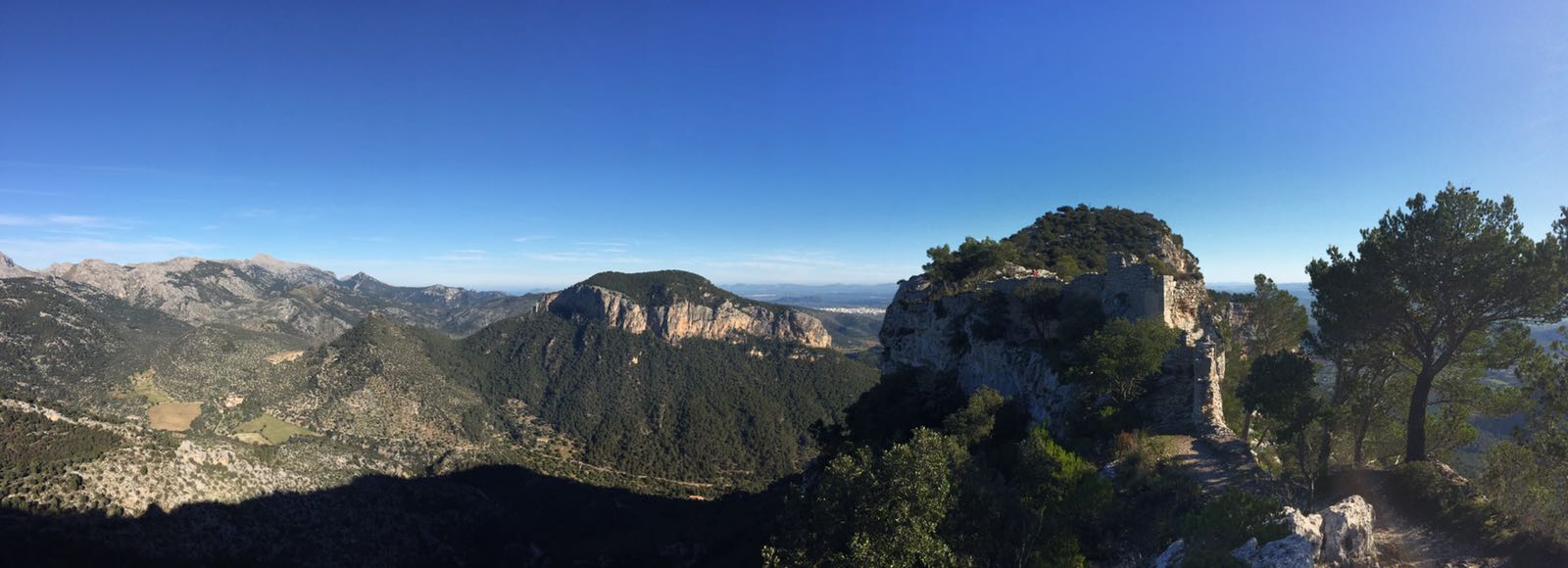
Mallorca and its sister Balearic island Ibiza did more than just host parties; they provided the spiritual blueprint for modern global nightlife. While Detroit and Chicago provided the industrial, driving machinery of electronic beats, it was the sun-drenched, open-air freedom of the Balearics that infused the genre with its hedonistic soul and communal euphoria.
Here is how Mallorca earned its legendary status in the foundation of dance music culture:
The Birth of Balearic Beat
In the mid-to-late 1980s, resident DJs on the islands began throwing out the strict genre rulebooks. They blended eclectic sounds—mixing indie rock, synth-pop, Euro-disco, and early Chicago house—into a seamless, sun-kissed soundtrack.
The Vibe: It was slow, emotional, and deeply hypnotic.
The Impact: When British DJs visited the islands in 1987 and experienced this open-air ecstasy, they took the sound and the spirit back to the UK, sparking the Second Summer of Love and the global explosion of rave culture.
The Open-Air Mega-Club Revolution
Mallorca and Ibiza took the concept of a nightclub and blew it wide open, transitioning party culture from dark, sweaty basements to sweeping, open-air terraces where people danced from dusk until dawn.
The Ritual: Dancing as the sun went down and greeting it as it rose became a spiritual rite of passage for millions of European travelers.
The Export: This format created the modern blueprint for the global festival and mega-club industries we know today.
The Temples of Eurodance
As the scene evolved into the 1990s and 2000s, Mallorca cemented its place as a powerhouse of commercial electronic music.
BCM Planet Dance: Located in Magaluf, this legendary mega-complex became one of the most famous superclubs on Earth. It served as a proving ground for the world's elite DJs and a launchpad for massive Eurodance anthems.
Cultural Footprint: The island's energy inspired artists worldwide, leading to iconic electronic tracks explicitly dedicated to Mallorca's unique nightlife magic.
Without the freedom, experimentalism, and open skies of Mallorca and the Balearics, dance music might have remained an underground, regional subculture. The islands gave the music its heart, its warmth, and its sense of infinite possibility.
Mallorca recorded 55.3 million nights spent in tourist accommodations, giving it the highest regional value across the European Union.International Lead: Out of the 55.3 million total, international visitors accounted for a staggering 51.2 million nights, which also placed it number one in the EU for foreign tourist volume.
Roma (47.2 million nights), Paris (43.2 million nights), and Barcelona (41.2 million nights) follow Mallorca(55.3 million nights) as the European Union regions with the highest volume of overnight tourism stays.
NOT Rome but the doomed enemies of Rome that took over Rome..big difference.

 www.youtube.com
Here is how Mallorca earned its legendary status in the foundation of dance music culture:
The Birth of Balearic Beat
In the mid-to-late 1980s, resident DJs on the islands began throwing out the strict genre rulebooks. They blended eclectic sounds—mixing indie rock, synth-pop, Euro-disco, and early Chicago house—into a seamless, sun-kissed soundtrack.
The Vibe: It was slow, emotional, and deeply hypnotic.
The Impact: When British DJs visited the islands in 1987 and experienced this open-air ecstasy, they took the sound and the spirit back to the UK, sparking the Second Summer of Love and the global explosion of rave culture.
The Open-Air Mega-Club Revolution
Mallorca and Ibiza took the concept of a nightclub and blew it wide open, transitioning party culture from dark, sweaty basements to sweeping, open-air terraces where people danced from dusk until dawn.
The Ritual: Dancing as the sun went down and greeting it as it rose became a spiritual rite of passage for millions of European travelers.
The Export: This format created the modern blueprint for the global festival and mega-club industries we know today.
The Temples of Eurodance
As the scene evolved into the 1990s and 2000s, Mallorca cemented its place as a powerhouse of commercial electronic music.
BCM Planet Dance: Located in Magaluf, this legendary mega-complex became one of the most famous superclubs on Earth. It served as a proving ground for the world's elite DJs and a launchpad for massive Eurodance anthems.
Cultural Footprint: The island's energy inspired artists worldwide, leading to iconic electronic tracks explicitly dedicated to Mallorca's unique nightlife magic.
Without the freedom, experimentalism, and open skies of Mallorca and the Balearics, dance music might have remained an underground, regional subculture. The islands gave the music its heart, its warmth, and its sense of infinite possibility.
Mallorca recorded 55.3 million nights spent in tourist accommodations, giving it the highest regional value across the European Union.International Lead: Out of the 55.3 million total, international visitors accounted for a staggering 51.2 million nights, which also placed it number one in the EU for foreign tourist volume.
Roma (47.2 million nights), Paris (43.2 million nights), and Barcelona (41.2 million nights) follow Mallorca(55.3 million nights) as the European Union regions with the highest volume of overnight tourism stays.
NOT Rome but the doomed enemies of Rome that took over Rome..big difference.
Who REALLY Runs the World? | Lee Harris
Who really holds power on Earth? And could humanity be approaching a moment when the truth is finally revealed?In this clip from the Align Podcast, Lee Harri...
www.youtube.com
Last edited: