What's new
Anthro World Forum

This is an anthropology forum where we cover all sorts of topics and discussions. Once signed in, you'll be able to participate on this site by adding your own topics and posts. Register today to become a member!

The hidden history of humanity.Impostors/Jews(Rev. 2:9)deceived the world and DNA confirmed it

BarcelonaAtlantis

Moderator
Staff member
Mallorca and its sister Balearic island Ibiza did more than just host parties; they provided the spiritual blueprint for modern global nightlife. While Detroit and Chicago provided the industrial, driving machinery of electronic beats, it was the sun-drenched, open-air freedom of the Balearics that infused the genre with its hedonistic soul and communal euphoria.
Here is how Mallorca earned its legendary status in the foundation of dance music culture:

The Birth of Balearic Beat
In the mid-to-late 1980s, resident DJs on the islands began throwing out the strict genre rulebooks. They blended eclectic sounds—mixing indie rock, synth-pop, Euro-disco, and early Chicago house—into a seamless, sun-kissed soundtrack.
The Vibe: It was slow, emotional, and deeply hypnotic.
The Impact: When British DJs visited the islands in 1987 and experienced this open-air ecstasy, they took the sound and the spirit back to the UK, sparking the Second Summer of Love and the global explosion of rave culture.

The Open-Air Mega-Club Revolution
Mallorca and Ibiza took the concept of a nightclub and blew it wide open, transitioning party culture from dark, sweaty basements to sweeping, open-air terraces where people danced from dusk until dawn.
The Ritual: Dancing as the sun went down and greeting it as it rose became a spiritual rite of passage for millions of European travelers.
The Export: This format created the modern blueprint for the global festival and mega-club industries we know today.

The Temples of Eurodance
As the scene evolved into the 1990s and 2000s, Mallorca cemented its place as a powerhouse of commercial electronic music.
BCM Planet Dance: Located in Magaluf, this legendary mega-complex became one of the most famous superclubs on Earth. It served as a proving ground for the world's elite DJs and a launchpad for massive Eurodance anthems.
Cultural Footprint: The island's energy inspired artists worldwide, leading to iconic electronic tracks explicitly dedicated to Mallorca's unique nightlife magic.
Without the freedom, experimentalism, and open skies of Mallorca and the Balearics, dance music might have remained an underground, regional subculture. The islands gave the music its heart, its warmth, and its sense of infinite possibility.


Mallorca recorded 55.3 million nights spent in tourist accommodations, giving it the highest regional value across the European Union.International Lead: Out of the 55.3 million total, international visitors accounted for a staggering 51.2 million nights, which also placed it number one in the EU for foreign tourist volume.

Roma (47.2 million nights), Paris (43.2 million nights), and Barcelona (41.2 million nights) follow Mallorca(55.3 million nights) as the European Union regions with the highest volume of overnight tourism stays.

NOT Rome but the doomed enemies of Rome that took over Rome..big difference.
 
Last edited:

BarcelonaAtlantis

Moderator
Staff member

En esta nueva entrevista de Psicoimash, Víctor Ayala y los 3 Guías comparten un mensaje impactante sobre el momento que está viviendo la humanidad. Hablan del llamado Gran Anillo Fotónico, de los 3 años de transformación en los que ya estaríamos inmersos y de por qué, según ellos, todo se está acelerando.

Durante la conversación se aborda la idea de una gran bifurcación de conciencia, la importancia de permanecer en paz, cómo acumular energía en tiempos de cambio y por qué ciertos acontecimientos no podrían evitarse, pero sí atravesarse desde una frecuencia más alta. También explican prácticas sencillas como la oración, la meditación y la contemplación para fortalecer la conciencia, salir del bucle mental y conectar con nuestra verdadera naturaleza.

Además, los 3 Guías profundizan en temas como el perdón, la manifestación, el poder de los pensamientos, el trabajo interior, el salto de realidad y la necesidad de vivir este periodo con más calma, presencia y confianza.
 
Last edited:

BarcelonaAtlantis

Moderator
Staff member

Luxury Hospitality: Mallorca boasts a much higher concentration of world-class resort enclaves and elite boutique retreats (such as Belmond's La Residencia and Cap Rocat) catering to high-net-worth travelers seeking privacy compared to Madrid's urban hotels.


For over 300 years, archaeologists believed they understood Stonehenge — until a recent excavation uncovered something that shouldn't exist. What researchers found beneath the ancient stones has forced experts to question everything written in the history books about who built this monument and why. The evidence was hiding in plain sight the entire time, and once you see it, you can't unsee it. Mainstream archaeology is scrambling to explain a discovery that doesn't fit any existing timeline of human civilization. Watch until the end — because what this means for our understanding of the ancient world is bigger than Stonehenge itself.

Brunch places

Nestled in the serene surroundings of Nova Santa Ponsa, Donna Vegana offers more than just exceptional plant-based cuisine—it’s a celebration of happiness and mindful living. Inspired by the credo “Happiness Is A Choice,” every dish is crafted to delight the senses and nurture the soul. With each visit, guests embark on a unique culinary journey, savoring vibrant flavors that reflect the beauty and abundance of Mediterranean nature.

Can Torrat

For an authentic Mallorcan experience, head to Can Torrat, a rustic steakhouse known for its traditional wood-fired grills. This is the place to savor perfectly cooked meats in a cozy setting.

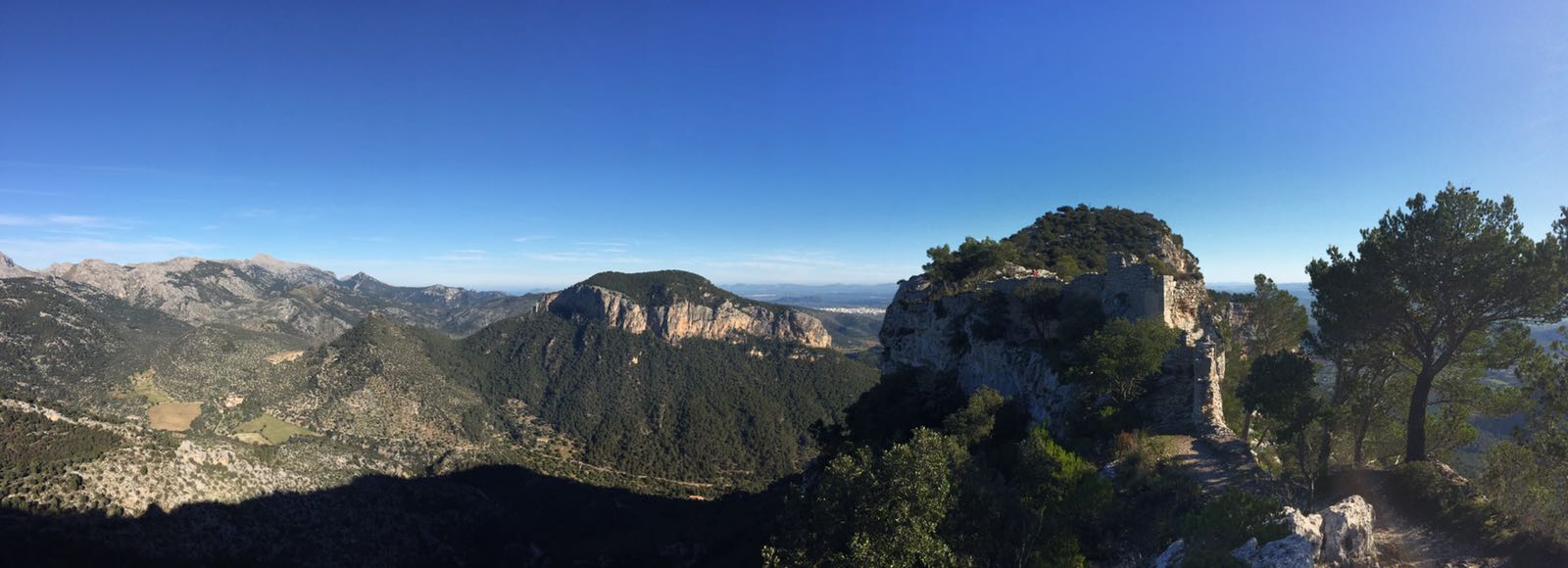
Es Verger restaurant, nestled between the Alaro mountains, it's a classic for roast lamb and Mallorcan cuisine among locals and foreign visitors

The best lamb shoulder in Mallorca and therefore the world. Rumor has it that Es Verger is THE place to go for the most tender shoulder of lamb ever.A few years ago, British TV chef Rick Stein went on record, saying he'd found a small Mallorcan restaurant that served “the best lamb I've ever tasted. Discover Mallorcan lamb, a native breed with unique Mediterranean flavor. The lamb shoulder or ‘paletilla de cordero’ is the most popular and ultimately the dish that made the place so ‘famous’ after BBC’s Rick Stein declared it the best lamb he had ever tasted. He aint lying... https://mycrewkit.com/2018/06/21/days-off-mallorca-es-verger/ https://ramadersagrupats.com/2025/08/26/cordero-mallorquin-raza-autoctona-con-sabor-mediterraneo/

 
Last edited:

BarcelonaAtlantis

Moderator
Staff member
El cordero mallorquín el mejor cordero del mundo asi de claro y contundente: Una raza autóctona con sabor mediterráneo
Tesoro de cuatro patas: la oveja mallorquina y su legado
La oveja mallorquina es, sin lugar a dudas, uno de los tesoros ganaderos mejor guardados del Mediterráneo. Como ganadero especializado en razas autóctonas, puedo afirmar que esta oveja de tamaño mediano, pelaje blanco o ligeramente crema y extraordinaria rusticidad, produce una de las carnes más sabrosas que he tenido el privilegio de criar y comercializar. Esta raza, perfectamente adaptada a las condiciones climáticas de nuestra isla, se caracteriza por su gran resistencia y su capacidad para aprovechar los pastos mediterráneos más pobres. Sus corderos, alimentados con la vegetación natural de Mallorca —que incluye hierbas aromáticas silvestres como el tomillo, romero y hinojo—, desarrollan una carne con matices únicos que reflejan directamente el terroir de nuestra tierra.

El sabor de la carne de cordero mallorquín es intenso pero elegante, con una textura tierna que se debe a la vida activa de los animales en pastoreo extensivo. La infiltración de grasa es equilibrada, aportando jugosidad sin resultar excesiva. Es una carne que sabe a mediterráneo, con ese punto mineral que solo pueden aportar los animales criados en libertad sobre suelos calcáreos. En términos culinarios, el cordero mallorquín admite múltiples preparaciones, pero donde realmente brilla es en los asados lentos al horno. La paletilla, por su mayor infiltración de grasa y su textura más gelatinosa, es ideal para cocciones prolongadas que permiten que todos sus sabores se concentren y desarrollen.

Tradicionalmente, nuestros abuelos ya sabían que para realzar las cualidades de esta carne había que acompañarla con las mismas hierbas aromáticas que el animal había consumido en vida. Es una filosofía gastronómica que conecta directamente con el entorno y que nosotros seguimos aplicando en Ramaders Agrupats. La paletilla al horno que os propongo hoy es nuestro homenaje a esta raza extraordinaria y a las tradiciones culinarias que la han acompañado durante siglos. https://ramadersagrupats.com/2025/08/26/cordero-mallorquin-raza-autoctona-con-sabor-mediterraneo/

During my stay in Palma I had heard of several people rave about this absolutely delicious lamb restaurant. Very few people who had visited the restaurant seemed to know the name of it but what they did know was that they prepared the most mouthwatering lamb shoulder that they had ever tasted. With a little help from Google and directions given to us by some kind and friendly locals we were able to locate the restaurant in a little town called Alaro.

Once you enter the town follow signs for Castell d’Alaro. These should lead you up a steep narrow winding road full of bumps and potholes, this should come with a warning, DO NOT attempt to drive up here in an expensive sports car you will not go home happy! Aside from that, this place is absolutely magical.


We drove the car up to the carpark near the restaurant, by now we had figured out that the actual name of the restaurant is ‘Es Verger’. We strolled up to what looked like a large farmhouse placed in the middle of the Mallorcan mountains. The tinkling sound of sheep and goat bells is heard in the distance, with them wandering freely amongst the hills. We entered the restaurant to what looked like a restored old barn. A huge stone fire blazed heating the room with very casual and cozy seating arrangement. Old farming tools hang on the stone walls which adds to the authenticity of the old Spanish barn. We were immediately greeted by an incredibly friendly waiter, he showed us up stairs to another room filled with long wooden tables and benches. This is one of Es Verger’s charming qualities; everyone eats together and enjoys the beautiful food that is prepared. We arrived up to the restaurant at 12.30pm, it was quite empty but we had heard that it fills up reasonably fast and is usually at capacity by 2pm. So with the aromatic scent of slow cooked goat and lamb filling our noses we sat down with no hesitation.
Home produced olive oil, bread, olives and wine is brought to the table before you can even open your menu. The menu is straightforward and self explanatory, our friendly waiter made it very clear what to have. So we followed his instructions and ordered the Mallorcan soup to start followed by a lamb shoulder each for the mains. He also insisted throughout the day that we try the goat, which I presume can only be just as delicious.

Dangerous or not the bottle of wine is left on the table so you can help yourself as you please. Our soup arrived in minutes. A huge hearty bowl of steaming garlic and meat stock with beautifully cooked cauliflower, cabbage, spinach and onions. This all sits on top of sliced bread that has soaked up all the tasty goodness the ingredients on top of it. We were given a bowl each to help ourselves, this was the perfect tummy warmer to get our appetites going.

As we were slurping away on this yummy soup the room quickly started to fill up around us. Hikers who had ventured up the steep climb joined the table beside us, and a lovely elderly Spanish couple who ordered a large bowl of garlic snails had come and sat next to us. With not many common words between us, we smiled and interacted with them through enjoyment of the scrumptious food and wine. Meanwhile our extremely friendly waiter had taken the liberty of taking photographs of all the groups of people who had come to eat at the restaurant.


On the drive up you will pass copious amounts of hill walkers and cyclists, which is an alternative way to journey up to the restaurant. It is quite a climb so I would advise leaving very early in the morning and you should reach the restaurant by 1/2pm – you will most definitely deserve a succulent lamb shoulder and a bottle of wine by then!


At this stage our plates had been cleared and our lamb shoulders had arrived. The two of us took a moment and just smelt the incredible strong and rich aroma of lamb. The dish is served with simple oven roasted potatoes and a green salad, and trust me it needs absolutely nothing else! I pressed my fork lightly into the flakey meat and it came sliding off the bone. I have never seen or smelt lamb like this before. The sweet yet earthy meat melted in my mouth, it was an intense taste, an amplified version of the best lamb I had ever tried. It was juicy, moist and so incredibly moorish. The potatoes were perfectly salted and almost cleansed the palate in-between bites of this beautifully slow cooked lamb.

We sat and savored every last bite, taking our time to enjoy the heavenly flavors and melt in the mouth texture of this stunning piece of meat. Our friendly waiter once more enticed us into a dessert but we decided to save it for after our stroll up to the castle. With nearly a bottle of white wine consumed, beer, warming soup, two shoulders of lamb and the antipasto bits to start, the entire bill came to a shocking €41! No where else would you be able to find a stunning panoramic setting, great friendly personal service, out of this world food and beautiful wine for only €41.

After taking in the sensational scenery and soaking up the late afternoon rays we slowed plodded our way back down to enjoy the last few minutes of sunshine at the restaurant. We ordered coffees, ice cream and a smooth creamy dessert to share and enjoyed them as we sat watching the blazing orange sun slowly disappear behind the mountains.

Make this a priority when you come to visit Mallorca, its an experience that everyone must savor.


The best lamb in the Tramuntana

If, in addition to a good meal, you are looking for a challenge, make sure to add this restaurant to your list of must-visit places in Mallorca: Es Verger.

Specialising in grilled meats and Mallorcan cuisine, it is famously known as the “restaurant of the elbowman,” and the nickname is well deserved. The lamb shoulder (slow-roasted with beer in the restaurant’s large wood-fired oven) and the grilled lamb chops are unmissable highlights of the menu.

Rick Stein praises Es Verger’s lamb​

The restaurant, rustic in style and painted white, gained popularity among food enthusiasts when Rick Stein filmed a BBC programme here in 2012 and he declared that the Es Verger’s shoulder of lamb was the best lamb he’d ever tasted. https://euroweeklynews.com/2024/12/19/the-best-lamb-in-the-tramuntana/

Es Verger in Alaró, Mallorca, serves world-famous slow-roasted lamb shoulder cooked in ancient wood-fired ovens.

Texas is hiding ancient mysteries that still leave archaeologists with unanswered questions. From a buried stone city and mysterious rock art to a mammoth herd preserved for thousands of years, these discoveries reveal a Texas history far older and stranger than most people realize. The Gault Site contains evidence of humans living in Texas at least 16,000 years ago. The White Shaman Mural may preserve an ancient creation story. The Paluxy River “man tracks” became one of America’s most famous archaeological controversies. And beneath Rockwall lies a formation that has fueled debate for more than a century. These are not just legends. They are real archaeological sites with questions that continue to fascinate researchers.
El gran anillo fotónico o cinturón de fotones es una creencia de la Nueva Era que afirma que el sistema solar cruzará una banda de luz o energía cósmica
 
Last edited:

BarcelonaAtlantis

Moderator
Staff member
The great photonic ring, or photon belt, is a New Age belief claiming that the solar system will cross a band of light or cosmic energy.

What was everyday life really like in the vast region once labeled “Tartaria” on historical maps?

In this documentary-style exploration, we examine the cities, architecture, transportation networks, trade routes, public infrastructure, and technologies associated with the historical idea of Tartaria. From impressive old buildings and extensive canals to early industrial systems and long-distance commerce, we look at the evidence that has fueled modern fascination with this forgotten chapter of history.

But where does documented history end and modern Tartaria speculation begin?

Rather than treating every mystery as proof of a lost civilization, this video explores the questions, historical records, architectural features, and alternative interpretations surrounding Tartaria. We also consider how older maps used the term “Tartaria,” what it actually referred to in different periods, and why the subject has become so controversial among history enthusiasts.

As the investigation moves from daily life and urban development to transportation, technology, and disappearing historical knowledge, you'll see why Tartaria continues to generate so many questions—and why separating evidence from speculation matters.

Beneath Norway lies a lost world older than the pyramids: rock that went 200km into the mantle and came back with diamonds in it, farms sitting inside an asteroid crater, and ice that is currently handing back 6,000-year-old arrows. None of this is folklore. Every site in this video is scientifically dated and verified by geologists, archaeologists and national institutions — and most of it sits under ground that millions of people photograph every year without knowing what they're standing on. We work down through it layer by layer: from a mountain range that was torn in half when the Atlantic opened, to the largest cold-water coral reef on Earth sitting in permanent darkness off Lofoten, to the melting mountain ice patches where hunters lost arrows six thousand years ago and archaeologists are now racing to reach them before they rot. The last entry on this list is not history. It is happening right now, this summer, and it has a deadline.


The Astrological Shift ("End of Times" / "Age of Aquarius")
In modern esoteric, astrological, and New Age circles, the "End of Times" does not mean the literal destruction of the world. Instead, it refers to the "end of an epoch"—specifically the closing of the roughly 2,160-year Age of Pisces and the transition (or "dawning") into the Age of Aquarius.
    • The Concept: The Age of Pisces has traditionally been associated with strict hierarchies, rigid religious institutions, and dogma. The shift to the Age of Aquarius is believed to bring about decentralized power, humanitarianism, technological revolution, and the disclosure of hidden truths/real history.


• Pioneer of Mass Tourism: In 1950, Alcúdia in Mallorca hosted the world's very first Club Med village, sparking a massive wave of European beach tourism to the island.

Mallorca helped turn seafood paella into a global symbol of Mallorcan tourism during the mid-20th-century travel boom. On a morning run in Mallorca’s capital, Palma, I hug the coastline and venture southwest, where the beaches are bedecked with the kind of high-rise hotels that have made Mallorca synonymous with mass tourism. I imagine the life of this town when it was first incarnated, a half century ago, as the place to be. Throngs of European holidaymakers who paraded to the playa experienced something entirely new, something invented right here in Mallorca—the all-inclusive resort hotel.In 1950, the world’s first Club Med opened in Alcúdia, just 35 miles northeast of Palma. Now, 60-some years after that travel revolution, beachside properties built in the ’60s and ’70s are looking worse for wear, though some have acquired a kind of postmodern patina, iconic—and ironic—signs of a time gone by.

For decades, claims of time travelers posting warnings online have been dismissed as internet folklore. Then people started noticing the pattern. In this video, we examine ten individuals who appeared across forums, message boards, and social media over the years — each claiming to be from the future, each pointing to 2027 as a turning point, and each disappearing from the internet without explanation shortly after their posts gained traction. From cryptic predictions that lined up with events years later, to accounts that vanished mid-conversation, deleted every trace, and were never heard from again — every entry in this video comes from posts, screenshots, and threads that still circulate online.
 
Last edited:
Top