

There was a time when the island’s gyms could be counted on one hand. “There were four or five of us, and we all knew each other: Judo Club Palma, Olimpic, another one on Calle Huertos…,” recalls Patricio Gómez, owner of what is probably the oldest gym still operating in Palma, Chong Ma, opened in 1976. “There wasn’t as much fitness hype or body culture as there is now,” he says.
Back then, interest focused mainly on martial arts, fuelled by the imagery of the films of the time, while the weights room was little more than a complement. “The only place devoted to weights and bodybuilding was Hércules, which later closed because it didn’t have the turnout there is today.” Half a century on, the picture is very different.
Patricio Gómez places that change within a very clear timeline. “Things started to shift in the 1980s; popular musicals like Fama pushed many girls towards gymnastics. In the 1990s, more strength-focused gyms opened, and from 2000 to today it has been a boom — they’re everywhere,” he says.
Mallorca is now living through a sports boom visible in the spread of chains, boutique centres, personal training and outdoor exercise spaces, but also in a new relationship with the body, increasingly linked to image, exposure and social pressure. The gym is no longer just a place to train: it is also a space for socialisation, a personal routine and an expanding industry.
Between the pursuit of health and the need to fit in, this phenomenon reveals the extent to which the body has come to occupy a central place. In Mallorca, where image weighs heavily in leisure, tourism and many work environments, that transformation is especially visible. And it is also measurable: in sports spending, in the proliferation of centres, in public investment and in the consolidation of an increasingly broad and professionalised sector.
This strong sporting culture is also reflected in spending: the Balearic Islands lead Spain in average household spending on recreational and sports services, well above the national average.
Mallorca has also become an attractive market for national operators and franchises. Viding, which strengthened its presence on the island after acquiring Illes Fitness, now operates centres in Marratxí, Calvià, AiguaBlava and Son Rapinya, while brands such as Anytime Fitness, VivaGym, Basic-Fit and Synergym are reinforcing an increasingly competitive market.
This process is part of a wider national context of expansion: Spanish gyms increased their turnover in 2025, surpassed 6.2 million members, and the ten largest companies already control more than half of the business.
Mallorca also has an especially broad and diverse sports ecosystem: the official census counts 6,895 sports spaces.
Habit data helps explain this strong presence: 74.2% of the Balearic adult population practised sport in the last year, and health appears as the main reason.
But the challenge, Company warns, is no longer only to grow, but to organise that growth. Among the sector’s priorities are professionalisation and regulation, with malpractice remaining a constant concern, alongside talent retention, digitalisation and business sustainability. AEIEB is also working to make gym membership fees deductible under personal income tax, as is already the case in other regions.
The final picture is that of a sector that can no longer be read only in sporting terms. In the Balearic Islands, and especially in Mallorca, it has become an industry with economic weight, the ability to attract chains and franchises, and a growing presence both in urban space and in household budgets.
Mallorca is the number one destination in the Mediterranean for sport.
The island is well known for its world class facilities and this continues to attract the elite athletes
More than ever, Mallorca is the number one destination in the Mediterranean for sport. From Olympic holding camps, pro teams, club teams, school teams through to the active holiday maker and mass participation events, the island offers everything.
The depth and scale of the sports on offer in Mallorca make this a unique destination. The island is well known for its world class facilities and this continues to attract the elite athletes. National federations as diverse as rowing and cross country skiing will run pre-season camps in Mallorca. The athletes and sports scientists will be sharing ideas with cutting edge performers in swimming, triathlon, cycling, tennis and dozens of other sports.
The sports marketed to the next generation like climbing and skateboarding will find the island bursting with opportunity. The mountains and coastline are perfect for beginners and experts alike.
Fast-growing sports like Padel and Swim-Run are bringing individuals and teams to the island in ever growing numbers as the island provides a natural home for an impressive range of sports. Dance groups, Zumba, yoga and CrossFit provide the perfect complement for the families and partners of cyclists and triathletes.
Mallorca really hits home with the huge number of people around the world who play sport as part of their active and fitness lifestyle. This group enjoy travel and they take their sport seriously. They want the best locations, and to learn from the best in the world. In Mallorca, club athletes will rub shoulders with the Olympians and the Pros on a daily basis. They will join training camps, take private lessons, enter the hundreds of events throughout the year and accomplish their sporting goals year on year.
There are events on the island every week across a more diverse range of sports than ever before. Mallorca will always be the standout location for cycling, tennis, triathlon and swimming, and now it is the go-to destination for friends and families looking for the perfect combination of active holiday for beginners, intermediates and elite.
Petra, Mallorca.

 es.wikipedia.org
Petra, Mallorca
![222866[1].jpg](https://www.anthroworldforum.com/data/attachments/23/23661-5ec0e8c5e39f10ba6183d58e3e027ff2.jpg "222866[1].jpg")
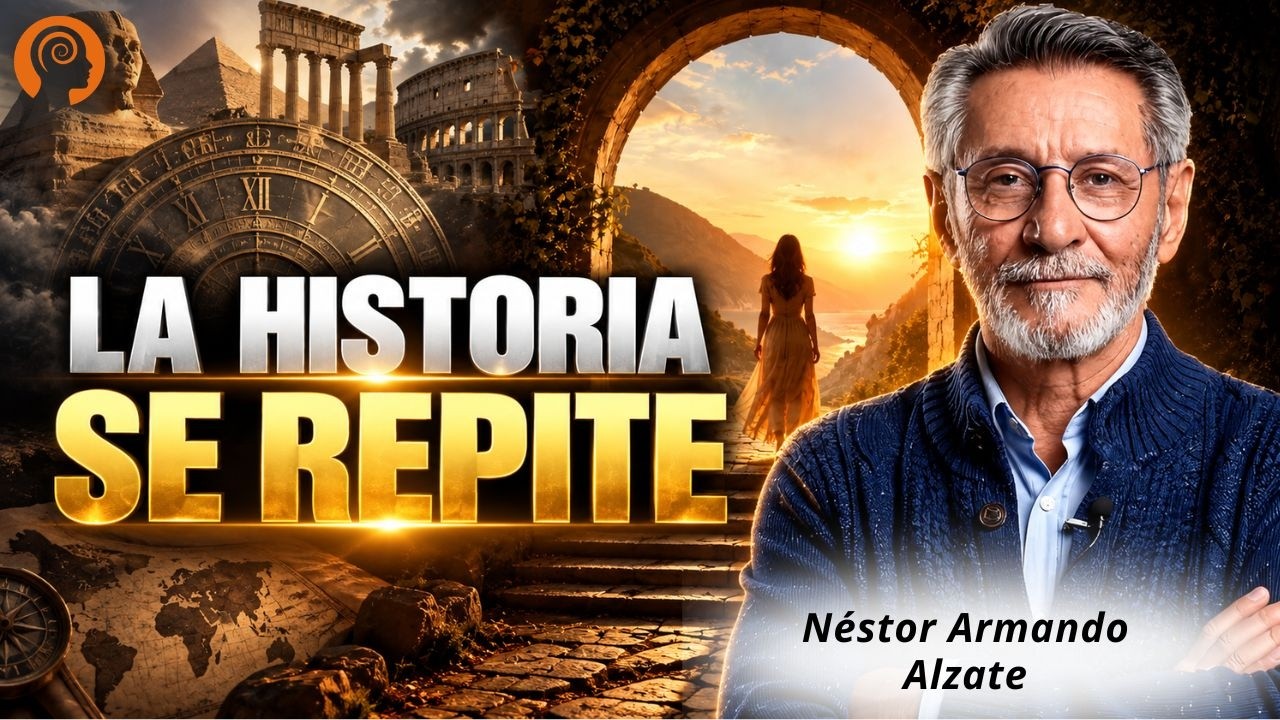
El Renacer de la humanidad podría seguir un patrón que se repite a lo largo de la historia. Grandes civilizaciones han atravesado crisis, transformaciones y cambios profundos antes de abrir nuevos ciclos. ¿Qué ocurre realmente cuando una etapa llega a su final? Néstor Armando Alzate recorre distintos momentos de la historia para descubrir qué sucede cuando un ciclo se cierra y otro comienza. Antiguos patrones, grandes transformaciones y una pregunta que cobra fuerza: estamos entrando en un nuevo Renacer
 www.youtube.com
 www.youtube.com
 www.youtube.com
Back then, interest focused mainly on martial arts, fuelled by the imagery of the films of the time, while the weights room was little more than a complement. “The only place devoted to weights and bodybuilding was Hércules, which later closed because it didn’t have the turnout there is today.” Half a century on, the picture is very different.
Patricio Gómez places that change within a very clear timeline. “Things started to shift in the 1980s; popular musicals like Fama pushed many girls towards gymnastics. In the 1990s, more strength-focused gyms opened, and from 2000 to today it has been a boom — they’re everywhere,” he says.
Mallorca is now living through a sports boom visible in the spread of chains, boutique centres, personal training and outdoor exercise spaces, but also in a new relationship with the body, increasingly linked to image, exposure and social pressure. The gym is no longer just a place to train: it is also a space for socialisation, a personal routine and an expanding industry.
Between the pursuit of health and the need to fit in, this phenomenon reveals the extent to which the body has come to occupy a central place. In Mallorca, where image weighs heavily in leisure, tourism and many work environments, that transformation is especially visible. And it is also measurable: in sports spending, in the proliferation of centres, in public investment and in the consolidation of an increasingly broad and professionalised sector.
A snapshot of the fitness sector in Mallorca: from neighbourhood gym to a multi-million-euro industry
The boom in physical exercise is visible not only in the streets, on social media and in the constant opening of new centres. It is also reflected in the data. In 2023, the Balearic Islands recorded the highest rate of regular leisure-time exercise in Spain and, according to the 2024/25 Survey of Sports Habits in Spain, the second-highest share of the population subscribed to or registered with a gym.This strong sporting culture is also reflected in spending: the Balearic Islands lead Spain in average household spending on recreational and sports services, well above the national average.
The big chains
The offer has diversified rapidly. Traditional gyms are now joined by major chains, premium studios, personal training, crossfit boxes and hybrid centres. Company points out that “the models growing the most are those that provide added value,” from the boutique approach to more personalised formats.Mallorca has also become an attractive market for national operators and franchises. Viding, which strengthened its presence on the island after acquiring Illes Fitness, now operates centres in Marratxí, Calvià, AiguaBlava and Son Rapinya, while brands such as Anytime Fitness, VivaGym, Basic-Fit and Synergym are reinforcing an increasingly competitive market.
This process is part of a wider national context of expansion: Spanish gyms increased their turnover in 2025, surpassed 6.2 million members, and the ten largest companies already control more than half of the business.
An island built for training
The expansion has also reached public space. By the end of 2025, the Consell de Mallorca had promoted the installation of 142 modules in different municipalities across the island, with an investment of more than four million euros.Mallorca also has an especially broad and diverse sports ecosystem: the official census counts 6,895 sports spaces.
Habit data helps explain this strong presence: 74.2% of the Balearic adult population practised sport in the last year, and health appears as the main reason.
But the challenge, Company warns, is no longer only to grow, but to organise that growth. Among the sector’s priorities are professionalisation and regulation, with malpractice remaining a constant concern, alongside talent retention, digitalisation and business sustainability. AEIEB is also working to make gym membership fees deductible under personal income tax, as is already the case in other regions.
The final picture is that of a sector that can no longer be read only in sporting terms. In the Balearic Islands, and especially in Mallorca, it has become an industry with economic weight, the ability to attract chains and franchises, and a growing presence both in urban space and in household budgets.
The island is well known for its world class facilities and this continues to attract the elite athletes
More than ever, Mallorca is the number one destination in the Mediterranean for sport. From Olympic holding camps, pro teams, club teams, school teams through to the active holiday maker and mass participation events, the island offers everything.
The depth and scale of the sports on offer in Mallorca make this a unique destination. The island is well known for its world class facilities and this continues to attract the elite athletes. National federations as diverse as rowing and cross country skiing will run pre-season camps in Mallorca. The athletes and sports scientists will be sharing ideas with cutting edge performers in swimming, triathlon, cycling, tennis and dozens of other sports.
The sports marketed to the next generation like climbing and skateboarding will find the island bursting with opportunity. The mountains and coastline are perfect for beginners and experts alike.
Fast-growing sports like Padel and Swim-Run are bringing individuals and teams to the island in ever growing numbers as the island provides a natural home for an impressive range of sports. Dance groups, Zumba, yoga and CrossFit provide the perfect complement for the families and partners of cyclists and triathletes.
Mallorca really hits home with the huge number of people around the world who play sport as part of their active and fitness lifestyle. This group enjoy travel and they take their sport seriously. They want the best locations, and to learn from the best in the world. In Mallorca, club athletes will rub shoulders with the Olympians and the Pros on a daily basis. They will join training camps, take private lessons, enter the hundreds of events throughout the year and accomplish their sporting goals year on year.
There are events on the island every week across a more diverse range of sports than ever before. Mallorca will always be the standout location for cycling, tennis, triathlon and swimming, and now it is the go-to destination for friends and families looking for the perfect combination of active holiday for beginners, intermediates and elite.
Petra, Mallorca.
Petra (Baleares) - Wikipedia, la enciclopedia libre
Petra, Mallorca
El Renacer de la humanidad podría seguir un patrón que se repite a lo largo de la historia. Grandes civilizaciones han atravesado crisis, transformaciones y cambios profundos antes de abrir nuevos ciclos. ¿Qué ocurre realmente cuando una etapa llega a su final? Néstor Armando Alzate recorre distintos momentos de la historia para descubrir qué sucede cuando un ciclo se cierra y otro comienza. Antiguos patrones, grandes transformaciones y una pregunta que cobra fuerza: estamos entrando en un nuevo Renacer
EL GRAN RENACER: Cuando un ciclo termina y otro comienza
✨ El Renacer de la humanidad podría seguir un patrón que se repite a lo largo de la historia. Grandes civilizaciones han atravesado crisis, transformaciones ...
www.youtube.com
The Marble Palace
Crypto was invented so you have control of your money. Rumble Wallet Makes it Easy. Download Rumble Wallet and buy crypto in minutes at https://rumblewallet....
www.youtube.com
The Lost Knowledge of the Ancient World | Antikythera, Lost Wonders & Alexandria 🔴 LIVE
How much knowledge did the ancient world discover — and how much of it was lost?Tonight, we journey through three of the greatest mysteries of the ancient wo...
www.youtube.com
Last edited: