What's new
Anthro World Forum

This is an anthropology forum where we cover all sorts of topics and discussions. Once signed in, you'll be able to participate on this site by adding your own topics and posts. Register today to become a member!

The hidden history of humanity.Impostors/Jews(Rev. 2:9)deceived the world and DNA confirmed it

BarcelonaAtlantis

Moderator
Staff member

Astor/Aitor/Arthur/Thor/Astro sun


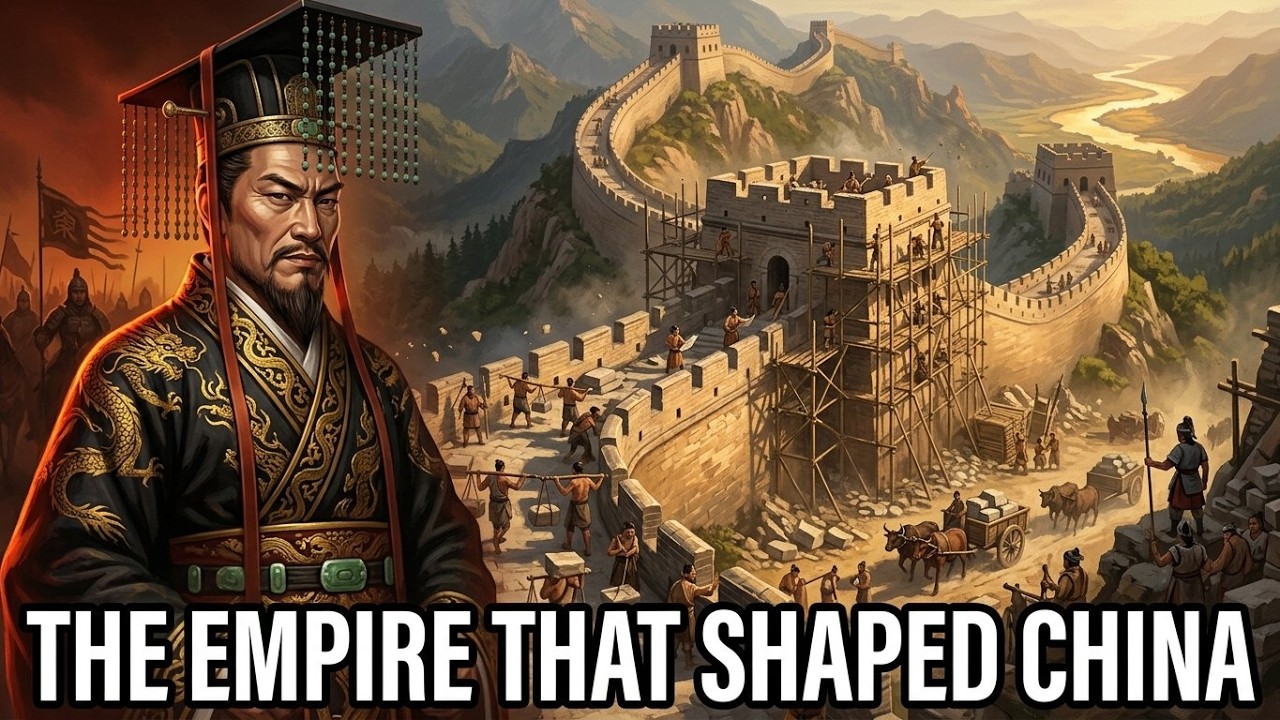
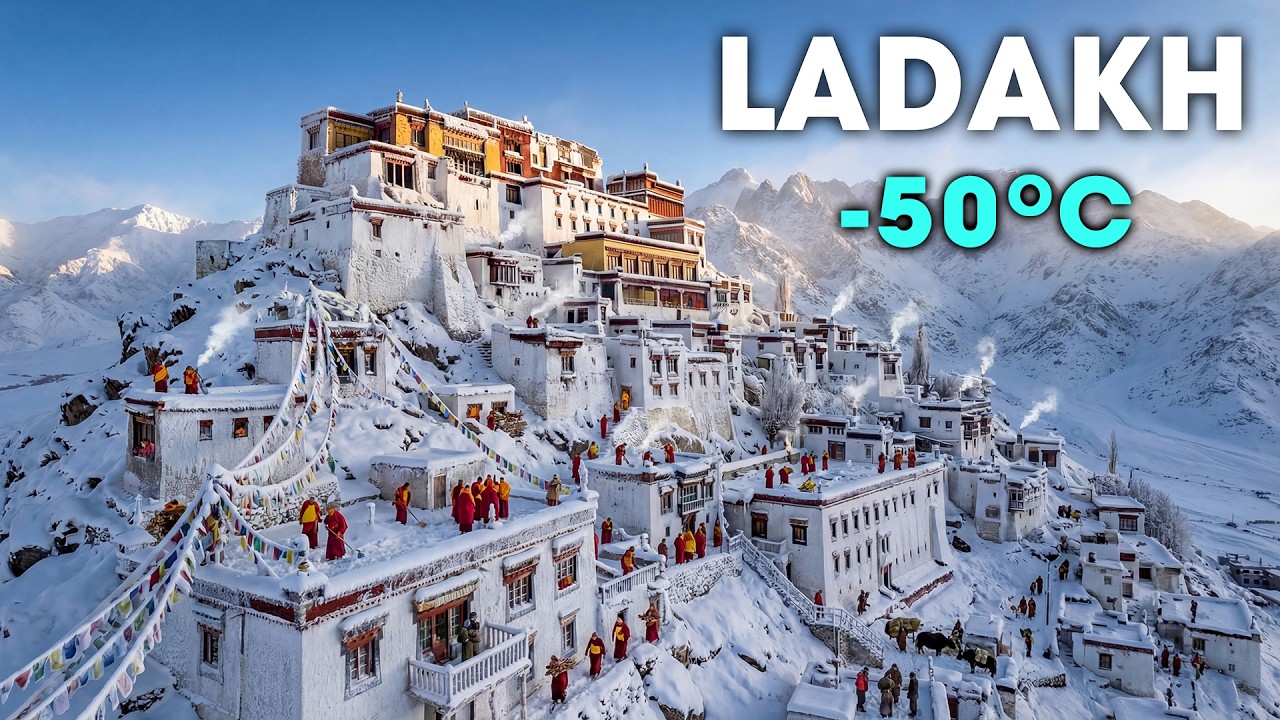
What the history books never told you about ancient Luoyang will change how you see the entire story of Chinese civilization. For over three thousand years, Luoyang was the beating heart of China — a city that served as imperial capital thirteen times, a place where dynasties rose and fell, where Buddhism entered China, where silk roads converged, and where the very idea of Chinese civilization was forged in fire and jade. In this cinematic documentary, reconstructed with artificial intelligence, we walk through the complete life of the city itself — Luoyang is the protagonist: 🏯 Why emperors chose this valley beside the Luo River as the center of the known world 🛕 The White Horse Temple, the Longmen Grottoes and the imperial palaces at the height of Han and Tang glory 🌊 The Luo and Yi rivers, the canal systems and the engineering that fed a city of half a million 👥 How ordinary Luoyang citizens — merchants, monks, scholars and soldiers — actually lived inside these walls ⚔️ Sackings, rebellions, the An Lushan catastrophe and the slow fading of the great capital 📜 What the excavations have uncovered and why Luoyang still holds secrets beneath its streets today This is not just a history documentary — it is a walk through an entire urban lifetime, from the first Zhou kings to the ruins and relics that still define Chinese identity. Luoyang was not just a capital. It was the origin point of a civilization.

Question everything because we were lied to.

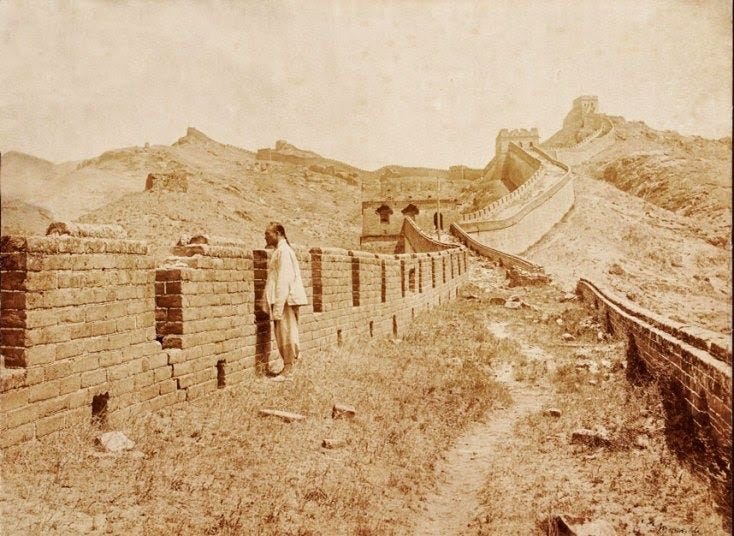
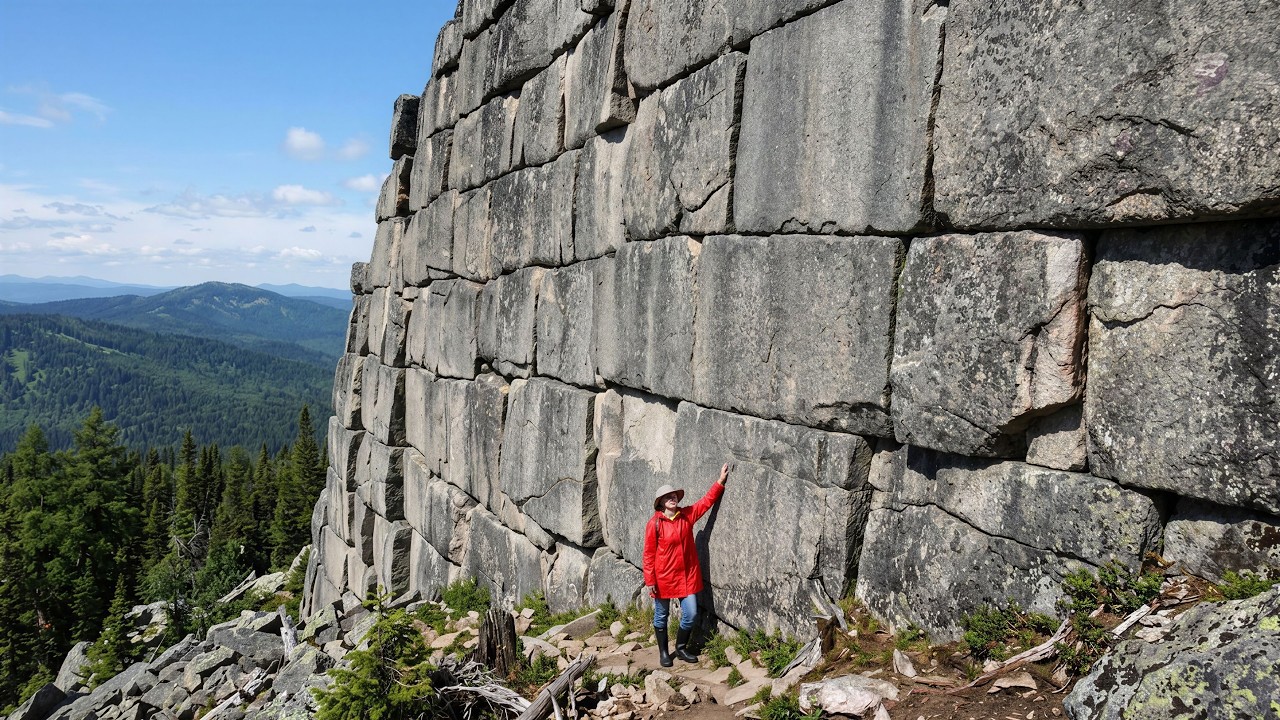
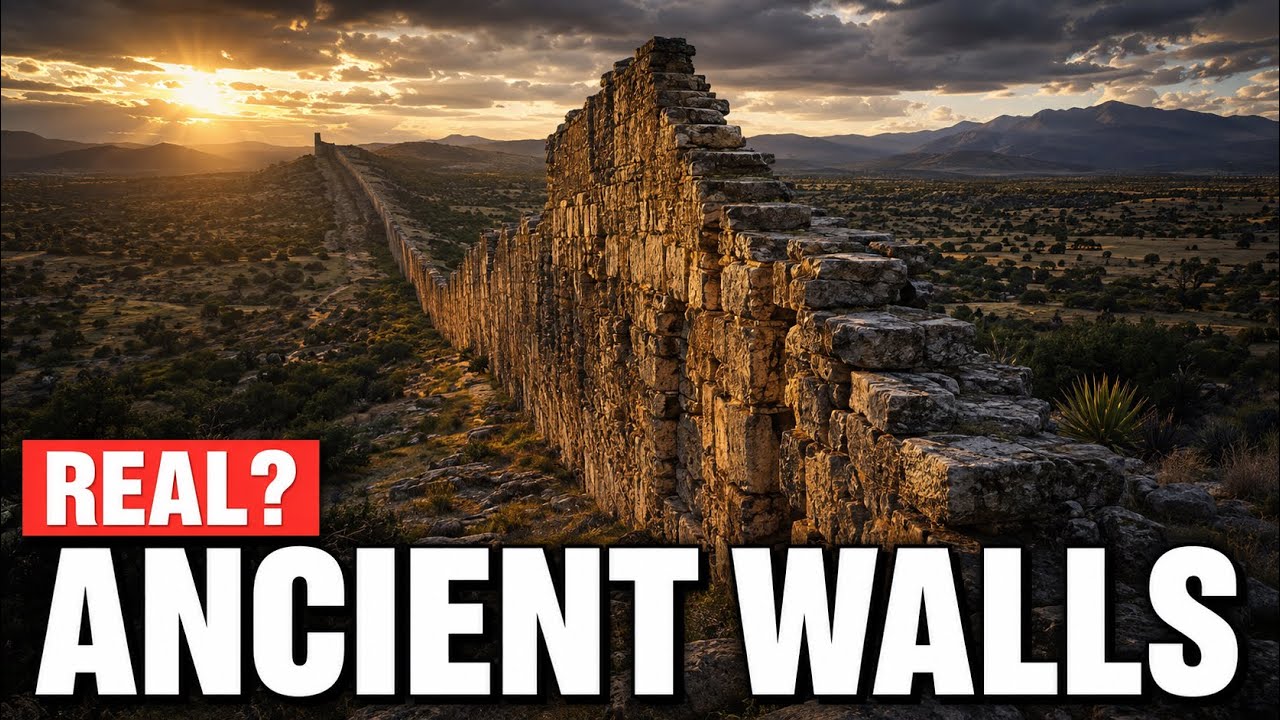
Tartaria was once a great empire that has been intentionally left out of "history" books. The altering of our history can be found everywhere. Look at the great wall of China or as it was once known as The Great Wall of Tartaria.

Y en este caso contamos con el testimonio de Salustio al documentar que todos los pueblos de raza blanca del Norte de Africa eran originarios de la Península Ibérica. ¿No cae por su propio peso que si la raza bereber procedía de Iberia, sucediera otro tanto con los pueblos del Mediterráneo oriental que tan innegables vínculos tienen con sus vecinos norteafricanos?…

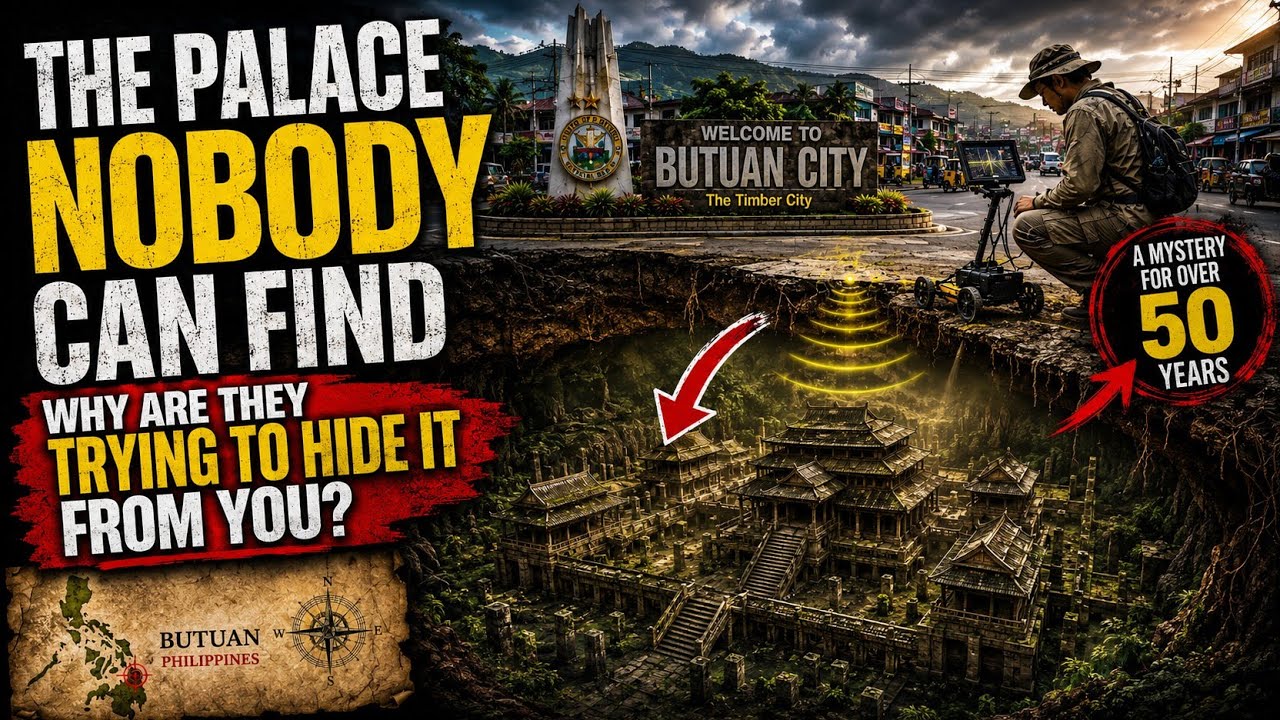
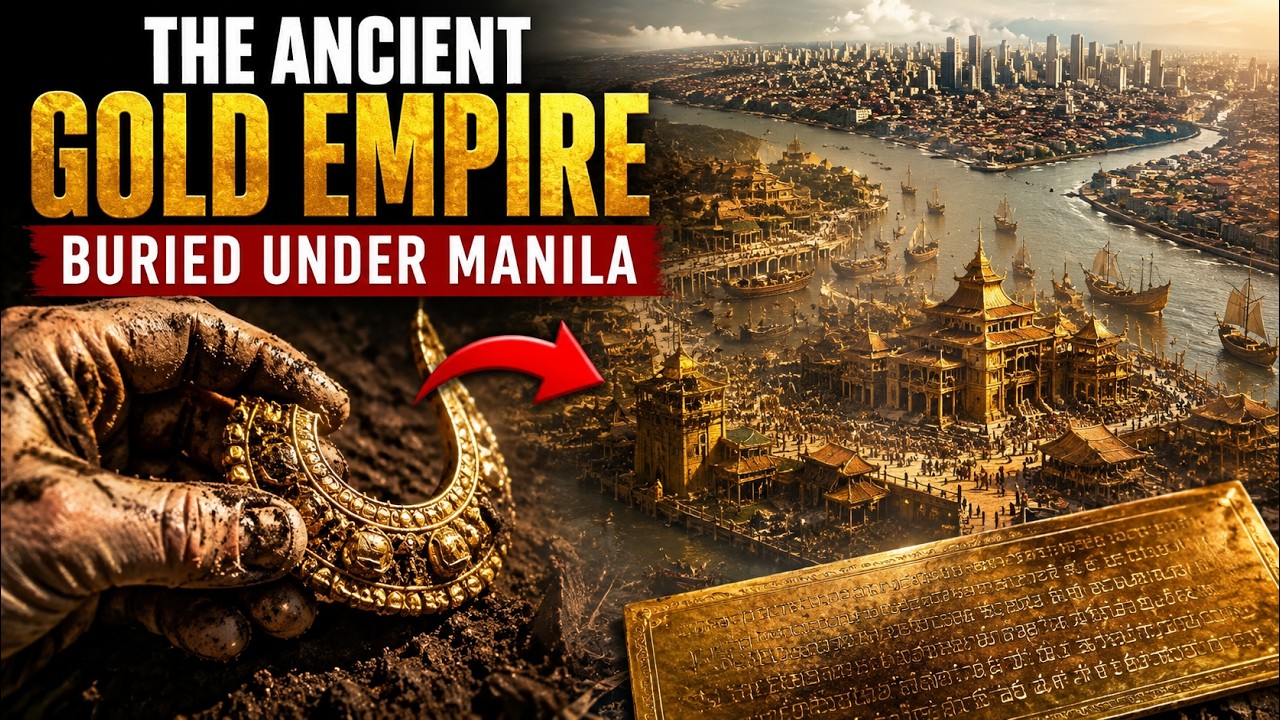
The archaeological discoveries in Butuan, Agusan del Norte, in the Philippines, during the 1970s revealed a thriving pre-colonial maritime kingdom. Excavations unearthed at least 11 ancient balangay (plank boats) dating back to the 7th through 10th centuries CE, alongside abundant gold artifacts, trade ceramics, and an inscribed ivory seal, rewriting early Southeast Asian trade history.
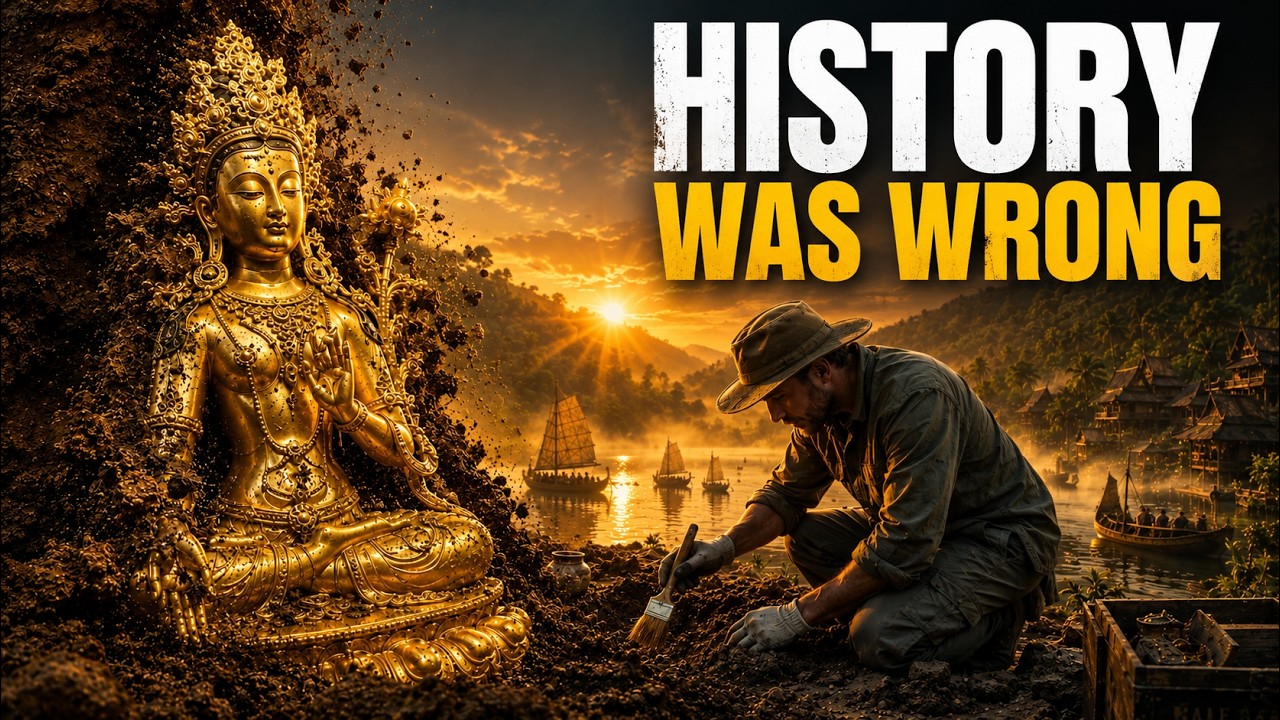
Butuan, in its early period, was under the influence of Hinduism and Buddhism, especially with the discovery of the Golden Image found at the Wawa River


In 1590, a Spanish Jesuit priest named Pedro Chirino arrived in the Philippines with one mission — to erase everything he found. What he found was a civilization that had been reading the night sky for thousands of years. And they built a cosmological universe of extraordinary depth. Kaluwalhatian, the layered skyworld ruled by Bathala. The sun deity Araw, honored at the solstices with ritual precision. The Bulalakaw — a peacock deity whose fiery tail was a comet streaking across the sky. A cosmos not empty but populated. A sky not indifferent but in conversation with the people watching from below. Chirino wrote all of it down. Not to preserve it. To destroy it. And in doing so, he accidentally created one of the most important records of indigenous astronomical knowledge in all of Southeast Asian history. In this video we go deep into the pre-colonial Philippine astronomical tradition — what they knew, how they knew it, why it was suppressed, and what survived. We trace the star knowledge that navigated the Austronesian expansion across the Pacific and into the Indian Ocean. We explore the eclipse mythology that reveals a cosmological framework in which human beings had agency in the cosmos. And we ask the question the ancient Filipinos were asking every time they looked up at that impossibly full, impossibly vast night sky. Are we alone? Their answer — built from thousands of years of careful observation — is one of the most extraordinary in all of human history.


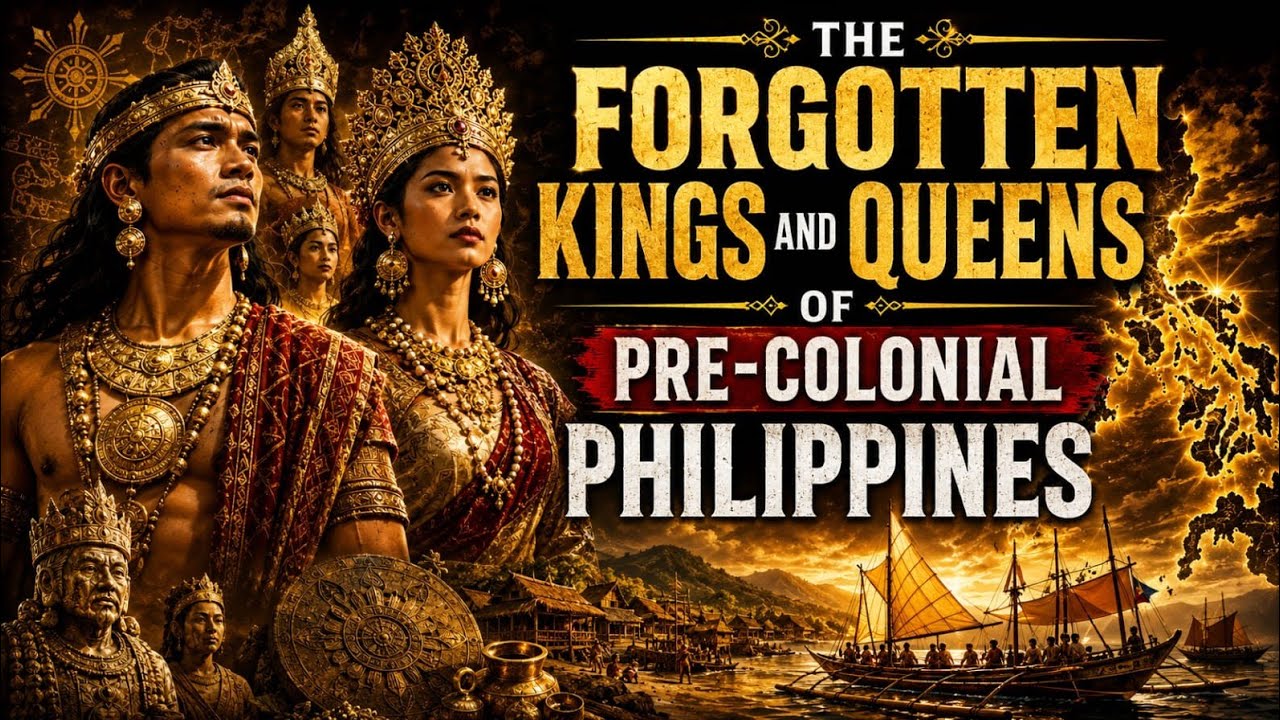
You’ve said the word Filipino your entire life. On immigration forms. At school. When someone abroad asks where you’re from. But nobody ever told you where that word actually came from. And when you find out — everything changes. Because the word Filipino was not created by your ancestors. It was created by the people who colonized them. When Spain first used the word Filipino in 1543 — it referred to Spanish settlers born in the Philippines. Not to the people already living here. Your ancestors were called something else entirely. So what were they called? Before Spain arrived — your ancestors had names that were specific, proud, and entirely their own. Taga-Maynila. Bisaya. Tausug. Maguindanao. Maranao. Each name was a declaration of identity that predated any colonial label by thousands of years. And the rest of the world knew those names. China documented Filipino kingdoms by name in official Imperial records for over 1,000 years before Spain arrived. In 972 CE Chinese records describe the prosperous kingdom of Ma-i. In 1001 CE the kingdom of Butuan sent a formal diplomatic mission to the Ming Dynasty court — a kingdom so wealthy that even servants wore gold. In 1417 Filipino envoys walked through the gates of the Ming Imperial palace wearing gold so elaborate that Chinese officials assumed they were receiving foreign royalty. In 900 CE — 621 years before Spain arrived — the Laguna Copper Plate was written in Old Malay with Sanskrit and Arabic loanwords. It is the oldest written document ever found in the Philippines. And it proves that your ancestors were already connected to India, the Arab world, and the entire ancient trading network of Southeast Asia centuries before any European explorer knew these islands existed. And there were Filipinos who Spain never conquered. The Tausug of Sulu fought Spain for over 200 years. The Sultanate of Maguindanao said no — with cannons and armies. The Igorot of the Cordillera kept their identity completely intact while the lowlands were being colonized. Some Filipinos never needed to reclaim their identity because they never gave it up. This is the history of your name. And every Filipino deserves to know it.


China was represented by the Tartarians which were the Basques/the hidden origin of humanity.

He was a Tartarian(Basque) not the chinese of today.

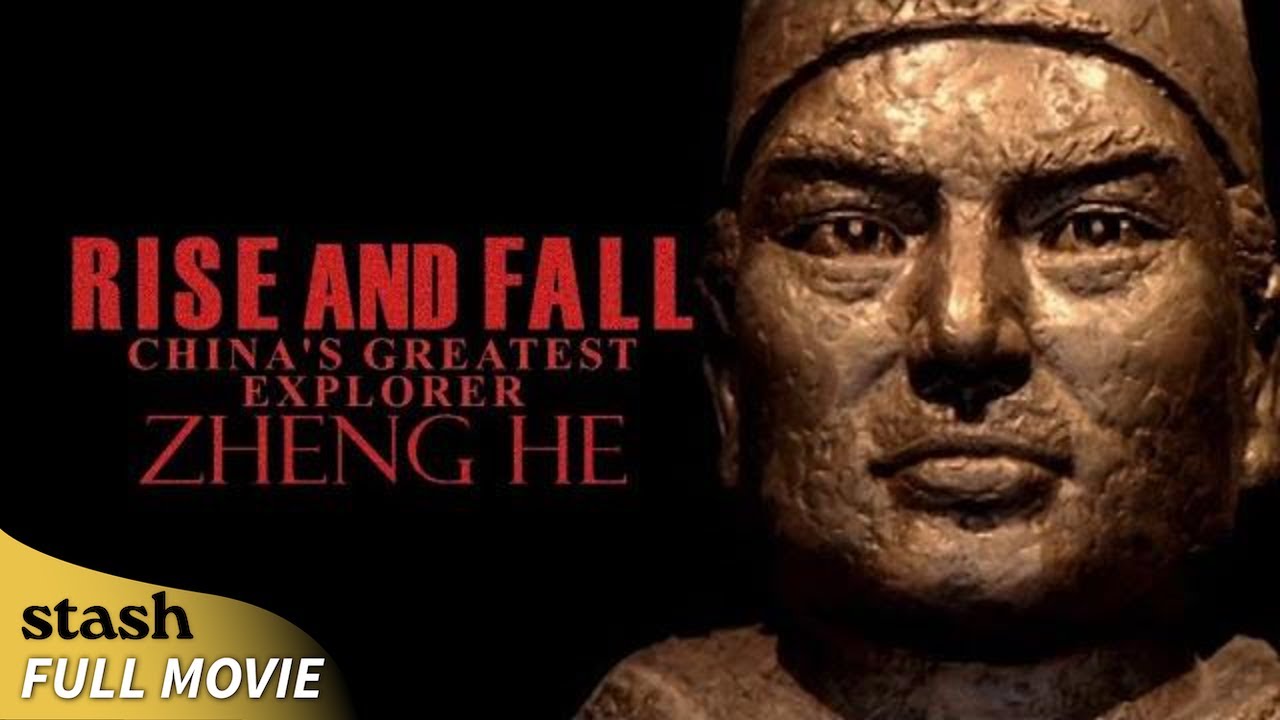
In 1405, nearly a century before Columbus set sail, China launched a maritime force so massive it was effectively a moving city. Led by the legendary Admiral Zheng He, this "Treasure Fleet" consisted of hundreds of ships—some reaching lengths of over 400 feet—and a crew of nearly 30,000 men. From the shores of Southeast Asia to the tip of Africa, the Ming Dynasty established a global presence that redefined the limits of human exploration. But why did this unstoppable maritime empire suddenly decide to burn its ships and retreat from the world? In this episode of Hidden Gems of History, we dive deep into the engineering marvels, the epic voyages, and the incredible legacy of the fleet that owned the ocean—before it was erased from history.
Not the western centric lens because Europe was pagan and christianity is the enemy of pagan Europe so it was madrid/christianity who hid that Tartarians(Basques)are from Europe)
 
Last edited:

BarcelonaAtlantis

Moderator
Staff member

Tartaria Conference 2025. - Jordan Nuttall​

Elisabeth Hancock
Elisabeth Hancock

Jordan Nuttall is the sixth speaker from the Tartaria Conference 2025 on 14 June. Jordan delves into the historical significance of the Tartarian Empire, exploring its geography, cultural practices, and the political dynamics that shaped its existence. He discusses various regions within Tartary, including Chinese Tartary and Independent Tartary, and highlights the influence of notable figures such as Genghis Khan and Tamerlane. The conversation also addresses the decline of Tartary and the erasure of its history from modern narratives, emphasizing the importance of rediscovering this lost legacy. Takeaways The Tartarian Empire was a vast and influential region in Asia. Historical gazetteers provide valuable insights into Tartary's geography and culture. Tartary encompassed various tribes and regions, each with unique characteristics. Uzbek Tartary was a center of power and wealth in the 18th century. The Kalmucks were nomadic Tatars with distinct cultural practices. Tartary's decline was marked by political changes and territorial absorption. Religious practices in Tartary were diverse and included Islam and ancient traditions. The erasure of Tartary from history reflects broader political agendas. Rediscovering Tartary's legacy is essential for understanding its historical significance. Curiosity and research can uncover forgotten histories.


The Basques as founders of every nation represented China and were the Qin dynasty.
The English name "China" comes from the ancient Sanskrit word Cīna, which is widely believed to derive from the Qin Dynasty (pronounced "Chin") that unified the country


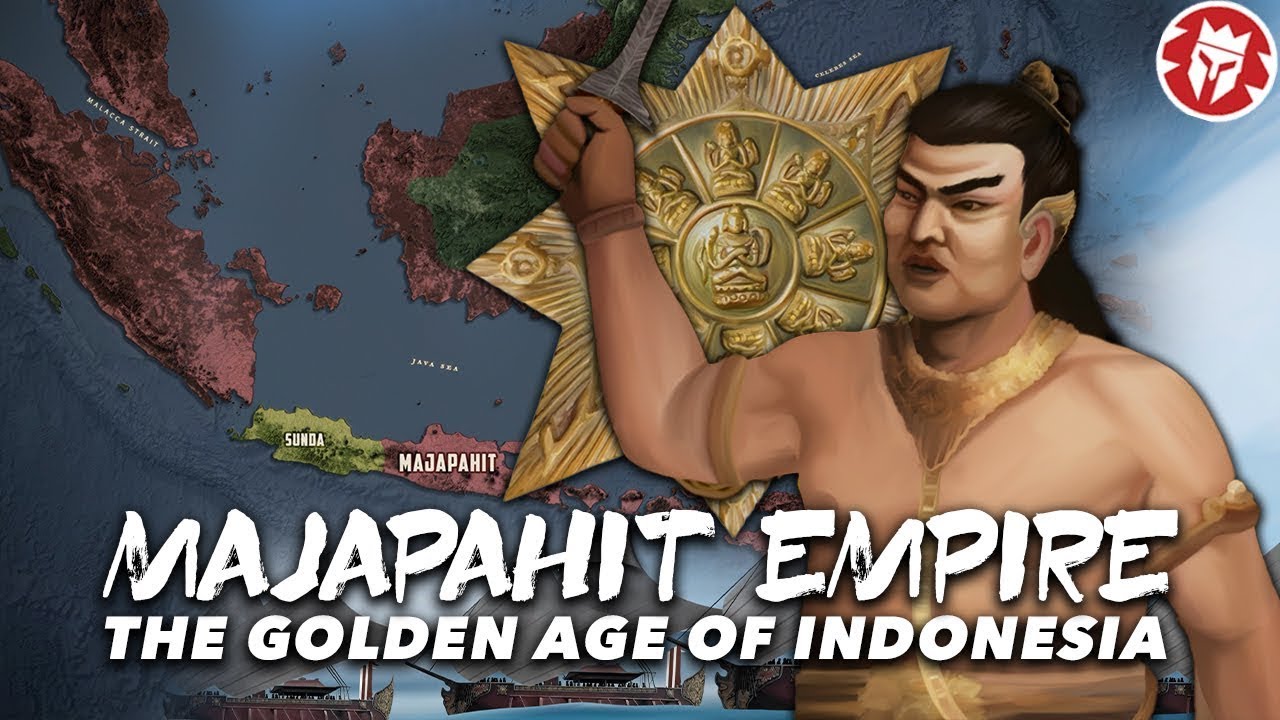
Indo-nesia comes from India and India means occident/the west in hindi(Bhrat hence british but the real british not the impostors that invaded Great Britain and hid real history) because the origin of everything is the BASQUE COUNTRY/NAVARRE.
 
Last edited:
BarcelonaAtlantis

Moderator
Staff member

Our stolen history


[URL According to the book A New General Atlas - 1721 - John Senex
Also has a few pages on Great Tartary
the Tartarians founded China and its true unfurl="true"]https://www.reddit.com/r/Tartaria/comments/zucrt2/according_to_this_book_from_1721_the_tartars/[/URL]


Se estima que en la Serra de Tramuntana de Mallorca existen más de 20.000 kilómetros lineales de muros y bancales de piedra en seco (marges) construidos a lo largo de los siglos. La muralla de China/Tartaria tiene algo mas de 20000km.
 
Last edited:
BarcelonaAtlantis

Moderator
Staff member

Anatoliy Fomenko has a great novel about Tartaria.Not to mention the forbidden city in China was initially called "The Tartar Palace."


Today we will look at the ancient history of the Forbidden City and the surrounding fortifications in Beijing, China. In many of the oldest photographs, which I have compiled for you today, Beijing is labeled as “Peking”. Another noteworthy fact, in many photographs from pre-1900 (which we will look at roughly 65 today) Beijing is labeled as “The Tartar City”, The Forbidden City of Beijing being “The Tartar Palace” and the surrounding walls called “The Tartar Walls”. Nowadays, the very heart of China’s capital city flows directly through the ancient structure, weaving amongst the sacred fortifications. Today we will examine the photographs, discuss the roots, involving four builds or four fortifications, creating ties with the Golden Horde, the Jurchen-Jin dynasty, which fell to the Khans, which enabled the Forbidden City to rise. We will then question the overarching narrative, while I lend my opinion to the origins of this super structure, involving the first men, bronze men, Proto-Indo-Aryans(real Aryans the Basques not the doomed nazis/impostors)of thousands of years ago from Northern India(India was the name for northern Iberia the land of the Basques).India in hindi is written bhrat which means OCCIDENT/WEST in hindi.

images[1].jpg
images[1].jpg
71gYW0xAvSL._AC_UF1000,1000_QL80_[1].jpg71eSjzRYakL._UF1000,1000_QL80_[1].jpgimage[1].jpg

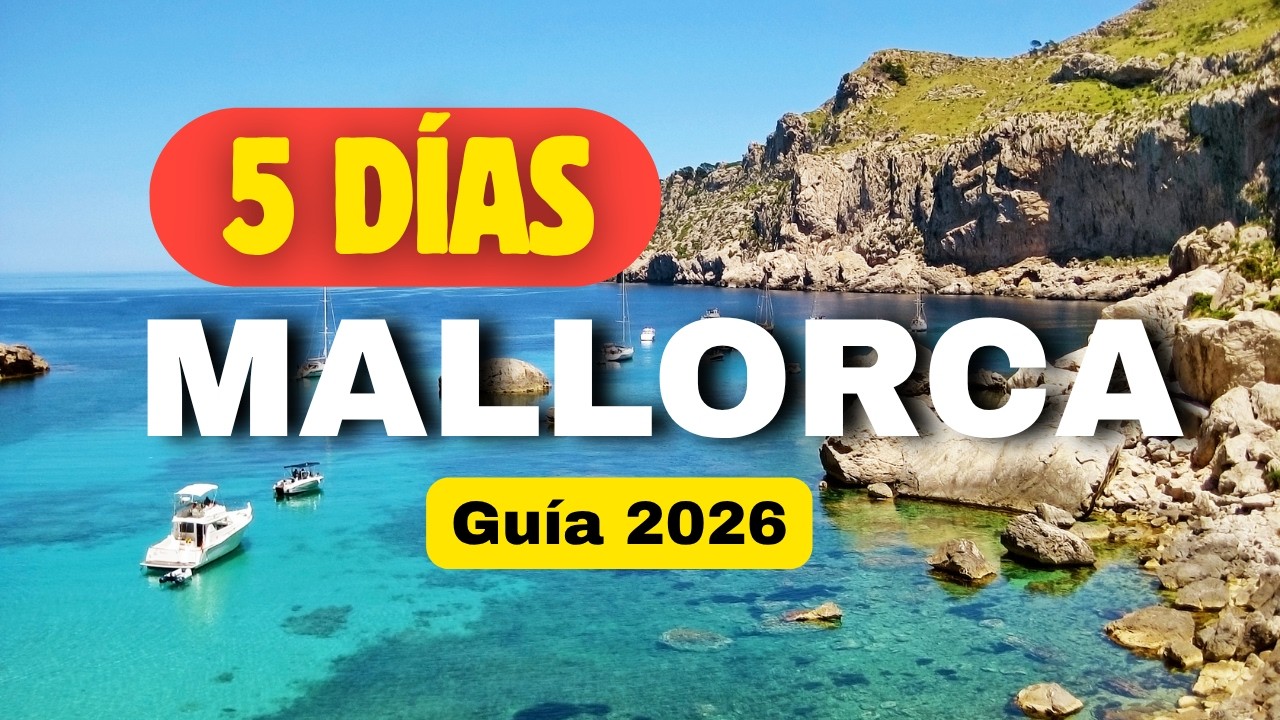
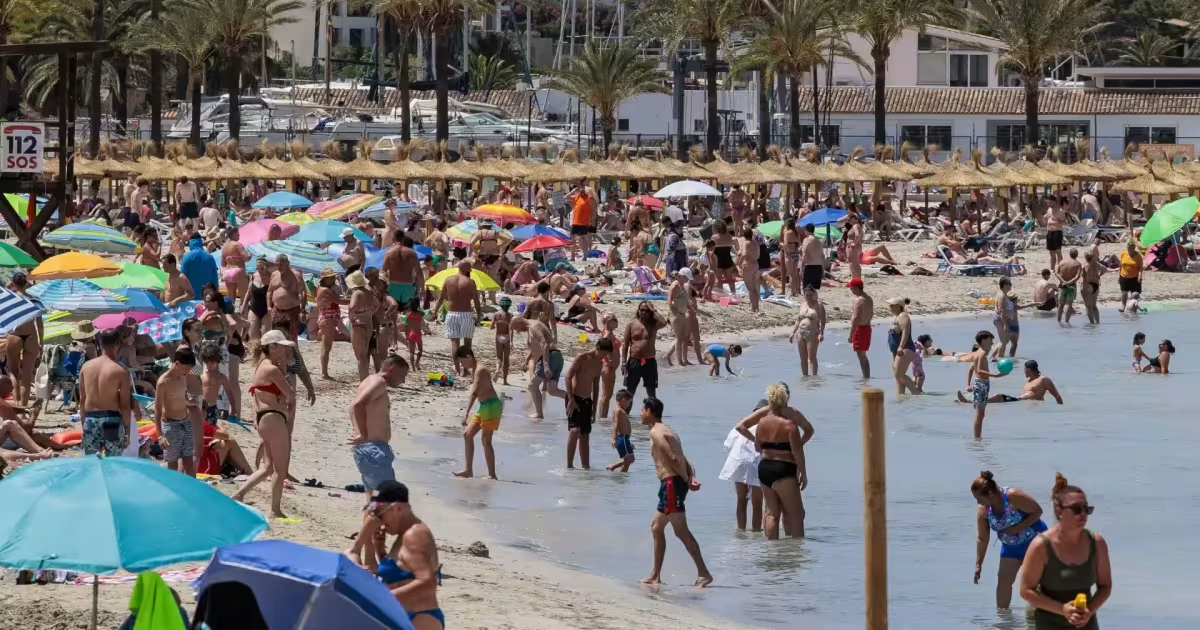
Mallorca has experienced the hottest night ever recorded in Palma on Sunday Juy 19

1050px-RYB-Infographics-CH10_RYB2025[1].png

The Goth Phoenicians were the Basques..

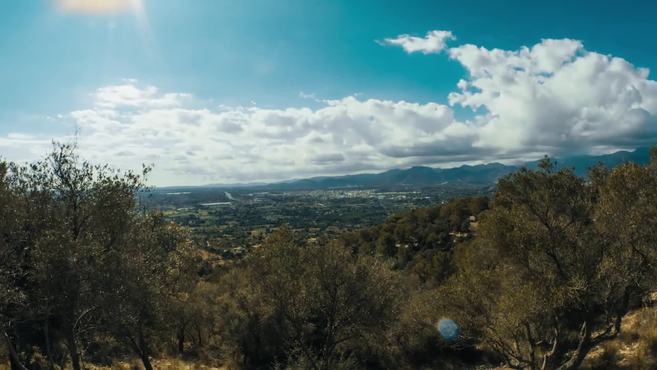
Puerto Pollença, Mallorca.
COVES-BLANQUES--MOLA_ROY4361web-6991ea4c[1].jpeg

El miedo es el ancla ke te mantiene en la antigua frecuencia.hq720[1].jpg


Mallorca broke its own record over the weekend by handling 160,000 passengers in a single day according to officials at Palma International Airport.

Destinations where the total solar eclipse on August 12 will be visible have quadrupled compared to the same period last year, according to data from the online travel agency Kiwi.com. Mallorca, in particular, has been one of the most popular destinations, as Mallorca will be one of the best places to enjoy this astronomical phenomenon. As if there weren’t already enough reasons to visit the island.

PALMA AND THE BAY OF PALMA
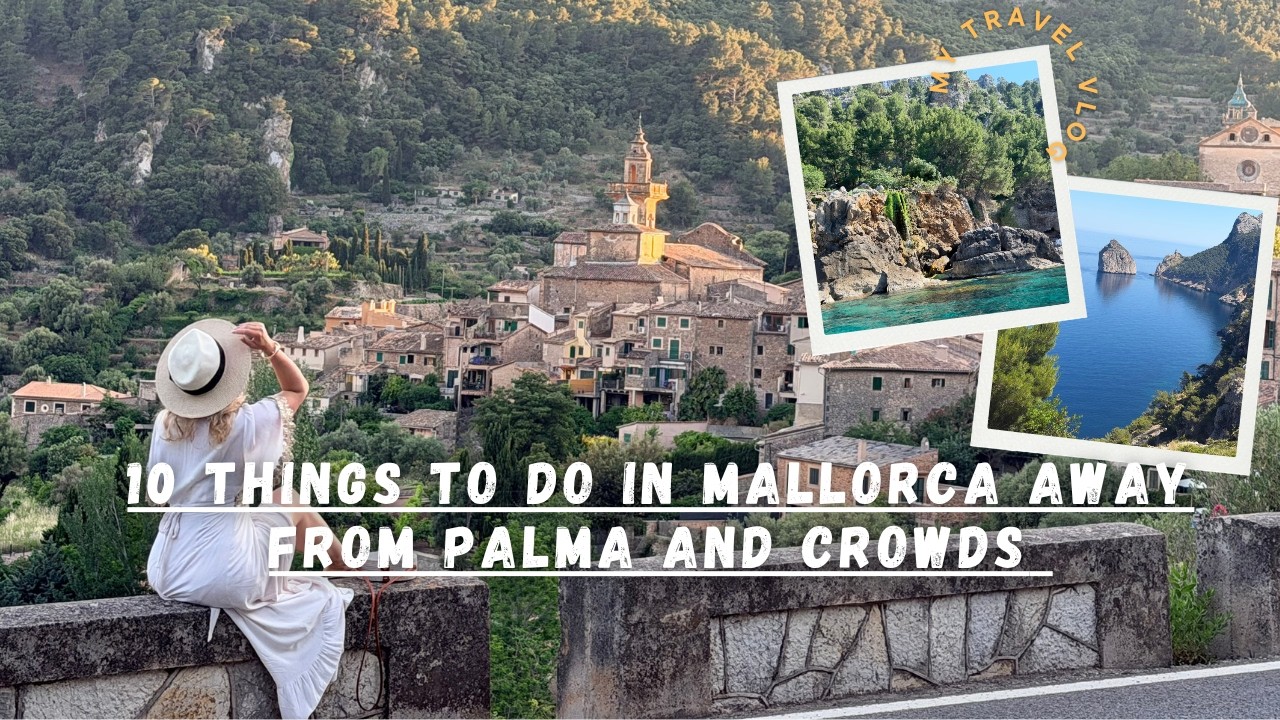
THE SECRET is out: Mallorca’s capital is one of the most enjoy-able cities in Europe. With its mazy old town, Rambla-like boulevards, harbourside setting and fine shops, bars and restaurants, Palma is like a mini Barcelona — without the street crime. The fact that most of the island’s 15m annual visitors never come nearer to the place than the airport only adds to its appeal.
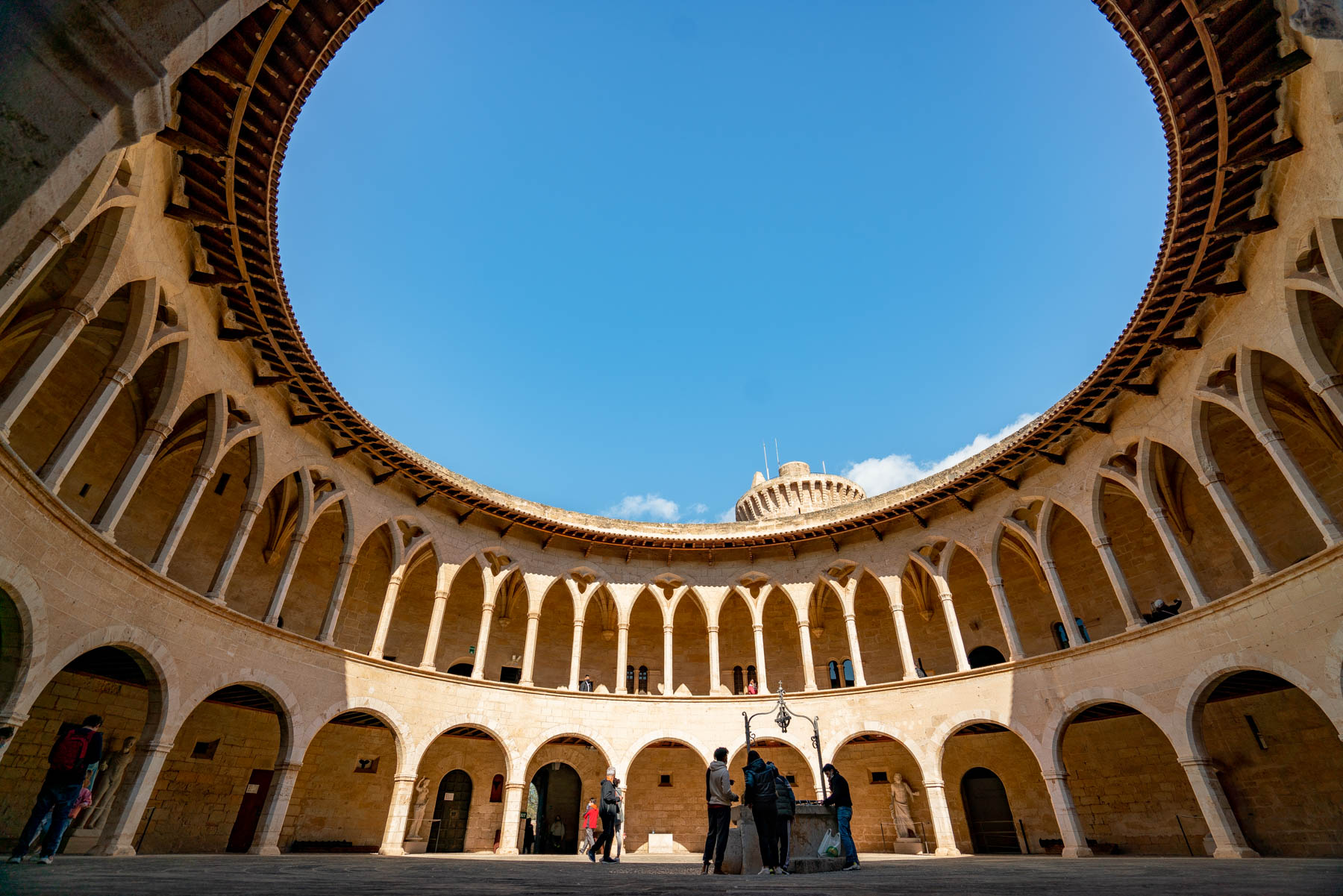
Among the must-sees are the brooding bulk of the cathedral, the royal Almudaina Palace and the unusual and unique circular Bellver Castle. There is, though, probably more pleasure to be found in wandering the shady streets than in sightseeing — many are pedestrianised and lined with sturdy patrician mansions.

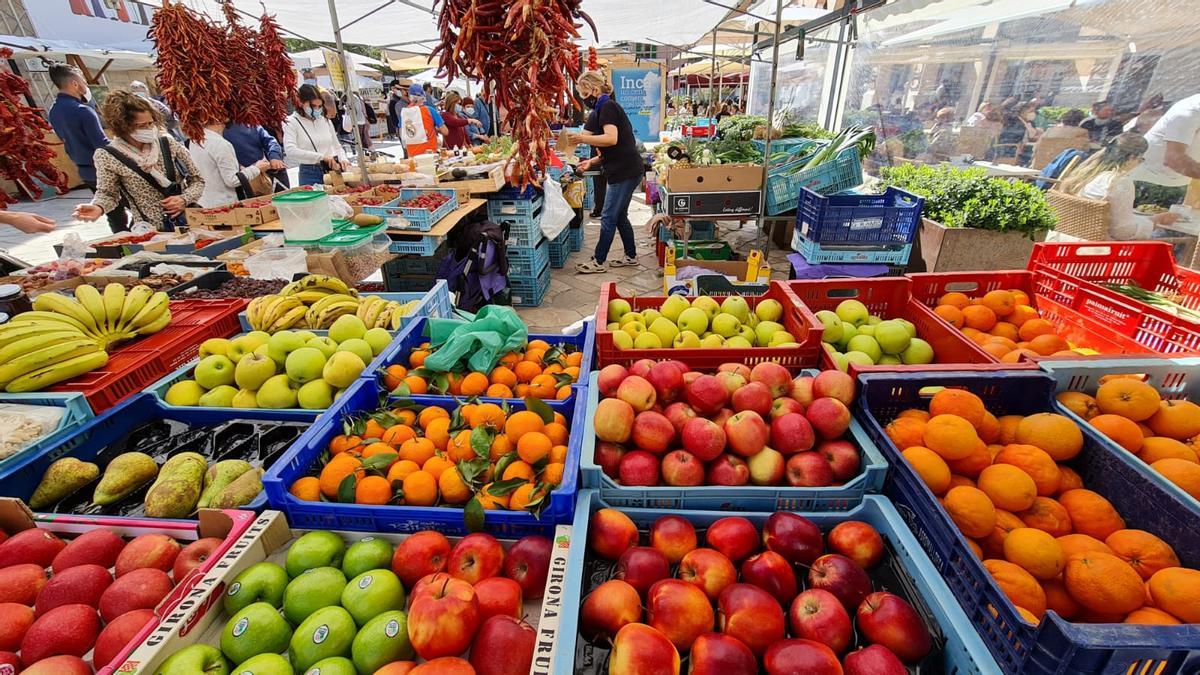
Mallorca is celebrated for its ever-evolving food scene.

Golden beaches, winding stone alleyways, and endless Mediterranean sunshine may lure travellers to Palma de Mallorca, but it’s the island’s culinary scene that keeps many coming back. Long overshadowed(not anymore..) by mainland hotspots such as Barcelona and Donostia/San Sebastián, Mallorca’s capital has quietly evolved into one of the Mediterranean’s most exciting gastronomies. From bustling food markets and seaside seafood grills to Michelin-starred tasting menus and family-run bakeries perfumed with almond and citrus, Palma offers a culinary experience steeped in local identity and shaped by centuries of Mediterranean influence.

While Mallorca may still be known internationally for its beaches and summer resorts, Palma has firmly established itself as one of southern Europe’s most rewarding culinary cities. Its appeal lies in contrasts: humble taverns beside Michelin-starred dining rooms, ancient recipes alongside modern experimentation, bustling markets framed by elegant Gothic architecture.

For food lovers, Palma de Mallorca is a destination where Mediterranean culture comes alive through every glass of wine, every seafood platter, and every lingering meal shared beneath the Balearic sun. There's been a switch in attitudes on Mallorca for a good few years, a collective slowing down but also looking forward, as Europe's evergreen holiday island recasts its image. Meet the home-grown blue-sky thinkers and culturally curious arrivals who are actioning change.
 

Attachments

  • images[1].jpg
    images[1].jpg
    35.7 KB · Views: 1
Last edited:

BarcelonaAtlantis

Moderator
Staff member
More than most places, Mallorca means different things to different people. For many Mallorca is synonymous with the endless trinity of sun, sea and sangría, since Mallorca virtually(and without virtually) invented European beach tourism in the early 20th century.

Mallorca played a vital pioneer role in early Mediterranean leisure travel, opening Palma's luxury Grand Hotel in 1901 and establishing early elite coastal resorts by the 1920s. However, true mass European beach tourism exploded later during the 1950s and 1960s with the package-holiday boom and the opening of the island's main airport


"We have eaten across Europe all summer. Palma de Mallorca just moved to the top of the list. Mallorca has a serious food scene."

Here’s why OMBU is the restaurant to book in Palma:

• The chef’s table changes the meal — watching it made is half the pleasure.
• Mediterranean ingredients meeting Asian technique produces combinations that feel original without trying too hard.
• The team runs a room with warmth and professionalism that most restaurants twice the price cannot replicate.

Mallorca has a serious food scene. This is the proof.

Share this with whoever is heading to Palma and needs to know where to eat


As the first destination for package holidaymakers in the 1950’s, Mallorca has been at the forefront of tourism ever since. It remains the most popular short-haul destination for British holidaymakers (attracting approximately 2.8 million * UK visitors in 2019. Source:*AENA). The Mallorca Tourist Board (Fomento del Turismo de Mallorca) was founded in 1905 and is still the longest established tourist association in Spain, with a wealth of records and anecdotes. During the curfews we rummaged through our archives and found some great stories from the early days of tourism on Mallorca.


The very first English newspaper to be published in Spain was the Mallorca Daily Bulletin in 1962. The founding director, Pedro Serra, wanted to communicate directly with English visitors and residents providing them with a combination of Spanish national and local news, culture and events together with breaking news from the UK. One of the paper’s first contributors was the late British poet and author, Robert Graves, who wrote “I Claudius” from his idyllic village house in Deiá.


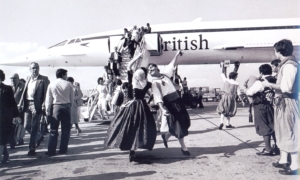
Concorde lands for the first time in Mallorca

CONCORDE-EN-PMI-1983-LORENZO-FRAU-2-1-300x180.jpg
Concorde in Palma 1983
In 1983 to mark Concorde’s 31st anniversary of flying, British Airways organised a special “Concorde Mallorca” flight from Manchester Airport which took off on October 22nd, 1983 and landed at Palma to great celebration. However, in order for Concorde to break the sound barrier and achieve a speed of over mach 2, the aircraft had to make a detour over the Atlantic and then head towards Palma. For this reason the total flight time was two hours.


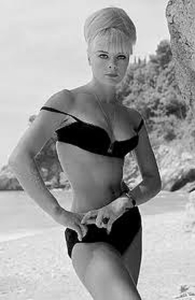
Sensation! The first bikini ever seen in Spain in pioneer Mallorca!

Pvxh3bBg-1-195x300.jpg
Image courtesy of Ultima Hora newspaper
Prior to 1962 nothing as daring as a bikini had ever been featured in a Spanish film let alone been seen in public. The “Bahia de Palma” film, which was shot all over the island ,featured the German actress, Elke Sommer, who posed in the infamous bikini on a Palma beach as a publicity stunt to promote the film. To the surprise of the film’s director, the Spanish Authorities did not oppose the censorship of the film even though women were prohibited from wearing two pieces in Spain at the time. The publicity stunt caused a sensation and the film was an international success.


“First Millionth Visitor Celebration”

In 1964 the Mallorca Tourist Board decided to celebrate its one millionth tourist visitor, who happened to be British. In conjunction with Palma Airport, they decided to contact the pilot of a British European Airways flight from Manchester to alert the crew and to ensure that the one millionth passengers (a couple from Manchester) would be greeted by a band, local dancers and dignitaries when the plane landed at Palma.

When the aircraft doors opened, instead of the designated couple, a typical English “lady” descended smiling and waving at the welcoming committee. The chief of the Tourist Board had the embarrassing task of telling her that this was not being laid on for her benefit but for the couple behind her. The “lady” replied; “Forgive my error, I thought all this was because I have written so much about the island. By the way, my name is Agatha Christie”. The Tourist Board chief couldn’t believe he had missed such a great promotional opportunity. The author first visited Mallorca in 1932 when she discovered the north of the island and loved Port Pollensa where she later returned. The area was also her inspiration for the murder mystery entitled “Problem at Pollensa Bay”

The Fomento del Turismo (known as the Mallorca Tourist Board) was founded in 1905 and is the longest established tourist board in Spain and possibly in the world https://newsmallorca.com/en/tourism-history-made-in-mallorca/


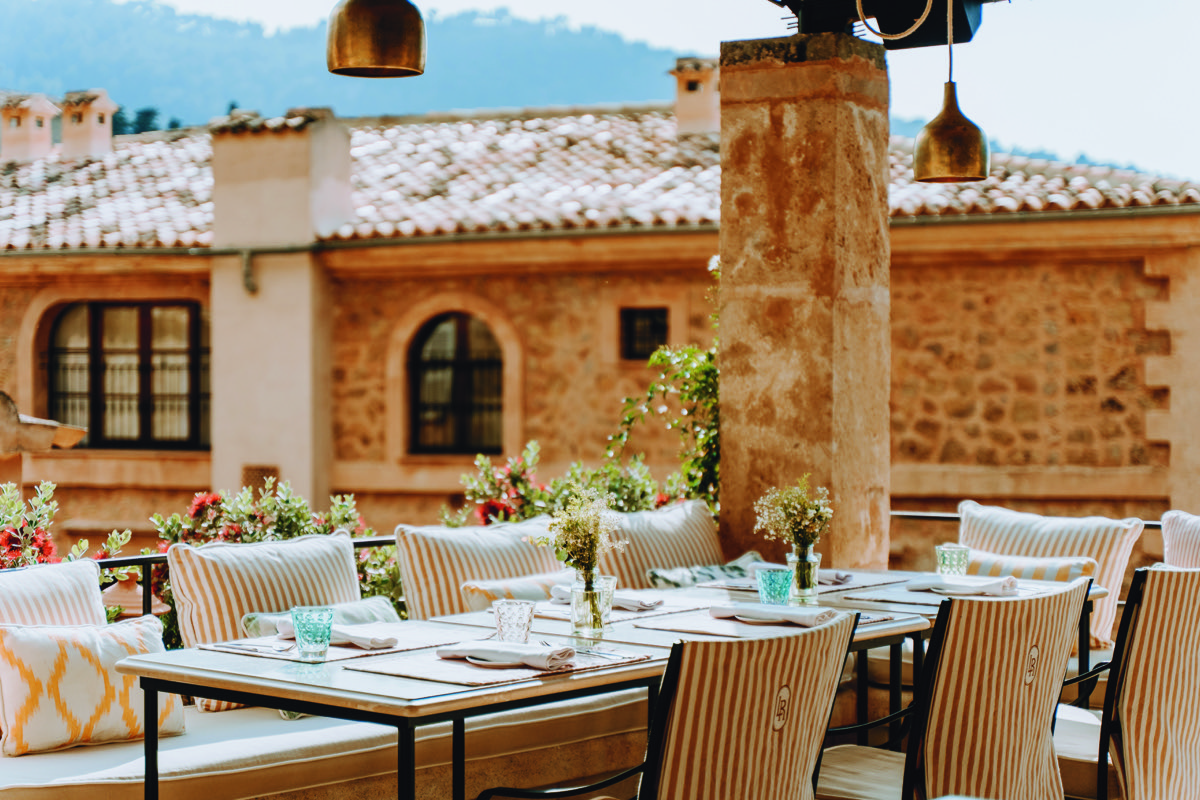
Mallorca’s restaurant scene is buzzing like never before, with trendy pop-ups, long-established eateries who’ve upped their game and a surprising number of Michelin stars, considering its size. Expect fulsome flavours and mouthwatering textures teased from healthy Mediterranean ingredients wherever you go.
Some 6,000 miles separate Palma from Japan, where I spent a few years of my adult life, yet I find myself tucking into a crispy nori roll here, albeit with a hint of truffle oil. I’m at Fera, one of the restaurants at the heart of the explosion of conceptual gastronomy on Mallorca. It’s creating quite a culinary stir.

I came to the island with the mindset that my article on the food would be all about discovering the traditional local cuisine. But, in spite of this, I got lured into Fera and I’m thoroughly enjoying its Mediterranean-meets-the-Far-East fusion of flavours.

The man heading up the kitchen is Austrian chef Simon Petutschnig, whose exquisite-tasting stunningly presented food matches the lashings of contemporary art in the restaurant (and, yes, there was a course served on dry ice for added theatre). To say that the fare at Fera isn’t local wouldn’t be true. On paper, Mallorcan cuisine is based on fish, meat and vegetables, with generous doses of olive oil. More importantly, it’s rooted in the use of fresh, local ingredients. And – with the exception of items like nori, dashi and yuzu – my gourmet menu was just that.


Mallorca’s food and drink scenes are causing quite a buzz in international foodie circles, with inventive pop-ups and innovative openings delivering top-notch, home-grown food with global finesse. A new wave of chefs is championing locally inspired cuisines. Up till now, international chefs wanted to make their mark in the big capital cities of the world but, suddenly, it’s become trendy to travel to this small island and set up shop. A whole generation of Mallorcan chefs is returning home, having honed their skills in some of the world’s most-lauded kitchens. Plus, the old guard here has finally realised that locals and travellers alike are looking for more than a perfectly cooked steak or traditional Cordon Bleu cuisine and they, too, are evolving to create menus that take in local ingredients and cooking techniques in creative ways.

The same is happening beyond the kitchen – out front, everyone from managers to mixologists represents a new breed of restaurateurs keen to deliver a service and offering to match the food. https://www.outthere.travel/eat-your-hearts-content-mallorca-spain/

Mallorca’s rich island cuisine is enjoying a remarkable renaissance as visitors discover its abundant produce – and a cuisine that’s becoming increasingly refined.


Mallorcan gastronomy is up to date, and the arrival of professionals from all over the world makes it compete with the best kitchens anywhere on the planet.


Canyamel, Mallorca.
4ed55efc-43e2-4311-8326-607066bae821[1].jpg


Last edited:

BarcelonaAtlantis

Moderator
Staff member
La gastronomía mallorquina se posiciona con gran fuerza
Su cocina traspasa fronteras y conquista los paladares de todo el mundo con una oferta única que refleja su historia y cultura

Mallorca, una joya en el corazón del Mediterráneo, ha emergido como un destino culinario de renombre que combina tradición y vanguardismo. A lo largo de los años, la Isla se ha convertido en un epicentro gastronómico de prestigio que atrae a amantes de la comida de todo el mundo en busca de una experiencia única y auténtica. La gastronomía mallorquina, un auténtico tesoro culinario, está viviendo un auge en su popularidad. Los chefs y restaurantes están redescubriendo y celebrando sus raíces culinarias, al mismo tiempo que aprovechan los excepcionales productos locales para ofrecer una experiencia gastronómica inigualable.

La cocina mallorquina es el resultado de una historia diversa y una geografía privilegiada, y es que la Isla ha sido influenciada por las distintas culturas que la han ocupado a lo largo de los siglos, como los romanos, los árabes y los catalanes. Estas influencias se reflejan en la variedad de ingredientes y técnicas de cocina que conforman el recetario mallorquín. Algunos de los platos más emblemáticos son el tumbet, el frito mallorquín, la sobrasada, la coca de verdura y la ensaïmada.

La gastronomía mallorquina también se beneficia de la abundancia y calidad de los productos locales que ofrece nuestra tierra. El aceite de oliva virgen extra, el pescado fresco del Mediterráneo, las frutas y verduras de temporada, el queso de Mahón, el vino de la región y las hierbas aromáticas son algunos de los elementos que enriquecen la cocina mallorquina. Estos productos, junto con el saber hacer de los chefs locales, han permitido a la Isla desarrollar una gastronomía de alto nivel que respeta y celebra sus raíces culinarias.


La gastronomía mallorquina ha logrado posicionarse como un referente culinario tanto a nivel nacional como internacional. Mallorca cuenta con una amplia oferta gastronómica que satisface todos los paladares, gustos y presupuestos. Desde los restaurantes más tradicionales, donde se puede degustar la cocina casera y los platos típicos de la Isla, hasta los restaurantes más innovadores, donde se fusiona la tradición con la vanguardia culinaria, pasando por los restaurantes galardonados con estrella Michelin, que ofrecen una experiencia gastronómica de lujo.

La gastronomía mallorquina también ha traspasado las fronteras isleñas y ha conquistado los paladares de todo el mundo. La promoción de la cocina mallorquina a nivel internacional se ha visto reforzada por la participación de chefs y restaurantes locales en eventos culinarios y festivales gastronómicos de prestigio. Estos encuentros han servido para dar a conocer la riqueza y diversidad de la gastronomía mallorquina, así como para establecer contactos y alianzas con otros profesionales del sector. Un ejemplo destacado de este posicionamiento a nivel internacional es el de la pastelera menorquina Cristina Jiménez, quien hace aproximadamente un año abrió La Colmena, la primera pastelería en Australia con producto mallorquín. Su negocio ha prosperado notoriamente, luchando por satisfacer la creciente demanda. Sus ensaïmades caseras, para las cuales importa la calabaza especial desde Mallorca para crear el famoso relleno de cabello de ángel, se han convertido en las creaciones más demandas. Este éxito es un testimonio del alcance global de la gastronomía mallorquina y su capacidad para deleitar paladares en todo el mundo.

Mallorca es, sin duda, un destino culinario de primer orden que combina tradición e innovación. Nuestra Isla ofrece una gastronomía única y auténtica que refleja su historia, su cultura y su geografía. Así pues, no cabe duda de que la gastronomía mallorquina es un atractivo más para visitar la Isla y disfrutar de su belleza y su encanto. Y qué mejor época para hacerlo que el mes de diciembre, donde las comidas y sus productos toman especial protagonismo en estas fiestas tan señaladas del último mes del año. https://www.ultimahora.es/xaloc/gas...onomia-mallorquina-posiciona-gran-fuerza.html

Nâga (Sk.). Literally "Serpent". The name in the Indian Pantheon of the Serpent or Dragon Spirits, and of the inhabitants of Pâtâla, hell. But as Pâtâla means the antipodes, and was the name given to America by the ancients, who knew and visited that continent before Europe had ever heard of it, the term is probably akin to the Mexican Nagals the (now) sorcerers and medicine men. The Nagas are the Burmese Nats, serpent-gods, or "dragons". In Esotericism, however, and as already stated, this is a nick-name for the "wise men" or adepts in China and Tibet, the "Dragons." are regarded as the titulary deities of the world, and of various spots on the earth, and the word is explained as meaning adepts, yogis, and narjols. The term has simply reference to their great knowledge and wisdom. This is also proven in the ancient Sûtras and Buddha's biographies. The Nâga is ever a wise man, endowed with extraordinary magic powers, in South and Central America as in India, in Chaldea as also in ancient Egypt. In China the "worship" of the Nâgas was widespread, and it has become still more pronounced since Nâgarjuna (the "great Nâga", the "great adept" literally), the fourteenth Buddhist patriarch, visited China. The "Nâgas" are regarded by the Celestials as "the tutelary Spirits or gods of the five regions or the four points of the compass and the centre, as the guardians of the five lakes and four oceans" (Eitel). This, traced to its origin and translated esoterically, means that the five continents and their five root-races had always been under the guardianship of "terrestrial deities", i.e., Wise Adepts. The tradition that Nâgas washed Gautama Buddha at his birth, protected him and guarded the relics of his body when dead, points again to the Nâgas being only wise men, Arhats, and not monsters or Dragons. This is also corroborated by the innumerable stories of the conversion of Nâgas to Buddhism. The Nâga of a lake in a forest near Râjagriha and many other "Dragons" were thus converted by Buddha to the good Law.
 
Last edited:

BarcelonaAtlantis

Moderator
Staff member
Oannes. (Gr.). Musarus Oannes, the Annedotus, known in the Chaldean "legends", transmitted through Berosus and other ancient writers, as Dag or Dagon, the "man-fish". Oannes came to the early Babylonians as a reformer and an instructor. Appearing from the Erythræan Sea, he brought to them civilisation, letters and sciences, law, astronomy and religion, teaching them agriculture, geometry and the arts in general. There were Annedoti who came after him, five in number (our race being the fifth)—"all like Oannes inform and teaching the same"; but Musarus Oannes was the first to appear, and this he did during the reign of Ammenon, the third of the ten antediluvian Kings whose dynasty ended with Xisuthrus, the Chaldean Noah (See "Xisuthrus"). Oannes was "an animal endowed with reason whose body was that of a fish, but who had a human head under the fish's with feet also below, similar to those of a man, subjoined to the fish's tail, and whose voice and language too were articulate and human" (Polyhistor and Apollodorus). This gives the key to the allegory. It points out Oannes, as a man and a "priest", an Initiate. Layard showed long ago (See Nineveh) that the "fish's head" was simply a head gear, the mitre worn by priests and gods, made in the form of a fish's head, and which in a very little modified form is what we see even now on the heads of high Lamas and Romish Bishops. Osiris had such a mitre. The fish's tail is simply the train of a long stiff mantle as depicted on some Assyrian tablets, the form being seen reproduced in the sacerdotal gold cloth garment worn during service by the modern Greek priests. This allegory of Oannes, the Annedotus, reminds us of the "Dragon" and "Snake-Kings "; the Nâgas who in Buddhist legends instruct people in wisdom on lakes and rivers, and end by becoming converts to the good Law and Arhats. The meaning is evident. The "fish" is an old and very suggestive symbol in the Mystery-language, as is also "water". Ea or Hea was the god of the sea and Wisdom, and the sea serpent was one of his emblems, his priests being "serpents "or Initiates. Thus one sees why Occultism places Oannes and the other Annedoti in the group of those ancient "adepts" who were called "marine" or "water dragons"—Nâgas. Water typified their human origin (as it is a symbol of earth and matter and also of purification), in distinction to the "fire Nâgas" or the immaterial, Spiritual Beings, whether celestial Bodhisattvas or Planetary Dhyânis, also regarded as the instructors of mankind. The hidden meaning becomes clear to the Occultist, once he is told that "this being (Oannes) was accustomed to pass the day among men, teaching; and when the Sun had set, he retired again into the sea, passing the night in the deep, "for he was amphibious", i.e., he belonged to two planes: the spiritual and the physical. For the Greek word amphibios means simply "life on two planes", from amphi, "on both sides", and bios, "life". The word was often applied in antiquity to those men who, though still wearing a human form, had made themselves almost divine through knowledge, and lived as much in the spiritual supersensuous regions as on earth. Oannes is dimly reflected in Jonah, and even in John, the Precursor, both connected with Fish and Water.

Ogham (Celtic). A mystery language belonging to the early Celtic races, and used by the Druids. One form of this language consisted in the association of the leaves of certain trees with the letters, this was called Beth-luis-nion Ogham, and to form words and sentences the leaves were strung on a cord in the proper order. Godfrey Higgins suggests that to complete the mystification certain other leaves which meant nothing were interspersed.

Ogygia (Gr.). An ancient submerged island known as the isle of Calypso, and identified by some with Atlantis.

Pagan Gods. The term is erroneously understood to mean idols. The philosophical idea attached to them was never that of something objective or anthropomorphic, but in each case an abstract potency, a virtue, or quality in nature. There are gods who are divine planetary spirits (Dhyan Chohans) or Devas, among which are also our Egos. With this exception, and especially whenever represented by an idol or in anthropomorphic form, the gods represent symbolically in the Hindu, Egyptian, or Chaldean Pantheons—formless spiritual Potencies of the "Unseen Kosmos".

Uragas (Sk.). The Nâgas (serpents) dwelling in Pâtâla the nether world or hell, in popular thought; the Adepts, High Priests and Initiates of Central and South America, known to the ancient Aryans; where Arjuna wedded the daughter of the king of the Nâgas—Ulûpî. Nagalism or Nâga-worship prevails to this day in Cuba and Hayti, and Voodooism, the chief branch of the former, has found its way into New Orleans. In Mexico the chief "sorcerers", the "medicine men", are called Nagals to this day; just as thousands of years ago the Chaldean and Assyrian High Priests were called Nargals, they being chiefs of the Magi (Rab.Mag), the office held at one time by the prophet Daniel. The word Nâga, "wise serpent", has become universal, because it is one of the few words that have survived the wreck of the first universal language. In South as well as in Central and North America, the aborigines use the word, from Behring Straits down to Uruguay, where it means a "chief", a "teacher and a "serpent". The very word Uraga may have reached India and been adopted through its connection, in prehistoric times, with South America and Uruguay itself, for the name belongs to the American Indian vernacular. The origin of the Uragas, for all that the Orientalists know, may have been in Uruguay, as there are legends about them which locate their ancestors the Nâgas in Pâtâla, the antipodes, or America.

Uranides (Gr.). One of the names of the divine Titans, those who rebelled against Kronos, the prototypes of the christian "fallen" angels


The pioneer of vegetarian cuisine on Mallorca has long become one of the island's most refined 100% vegan restaurants. https://www.estilopalma.com/2025/09...fYOR6GsE0W_WUen510_aem_LMTEaMU78YxMxOhO3rwJmg
In reality Zohak is the allegorical symbol of the Assyrian dynasty, whose banner had on it the purple sign of the dragon. (Isis Unveiled, Vol. II., p. 486, n.)

Zuñi is a Basque name exactly like the Basque lastname Zuñi-ga.
Zuñi. The name of a certain tribe of Western American Indians, a very ancient remnant of a still more ancient race. (S. D., Vol. II, p. 628.)

 
Last edited:

BarcelonaAtlantis

Moderator
Staff member

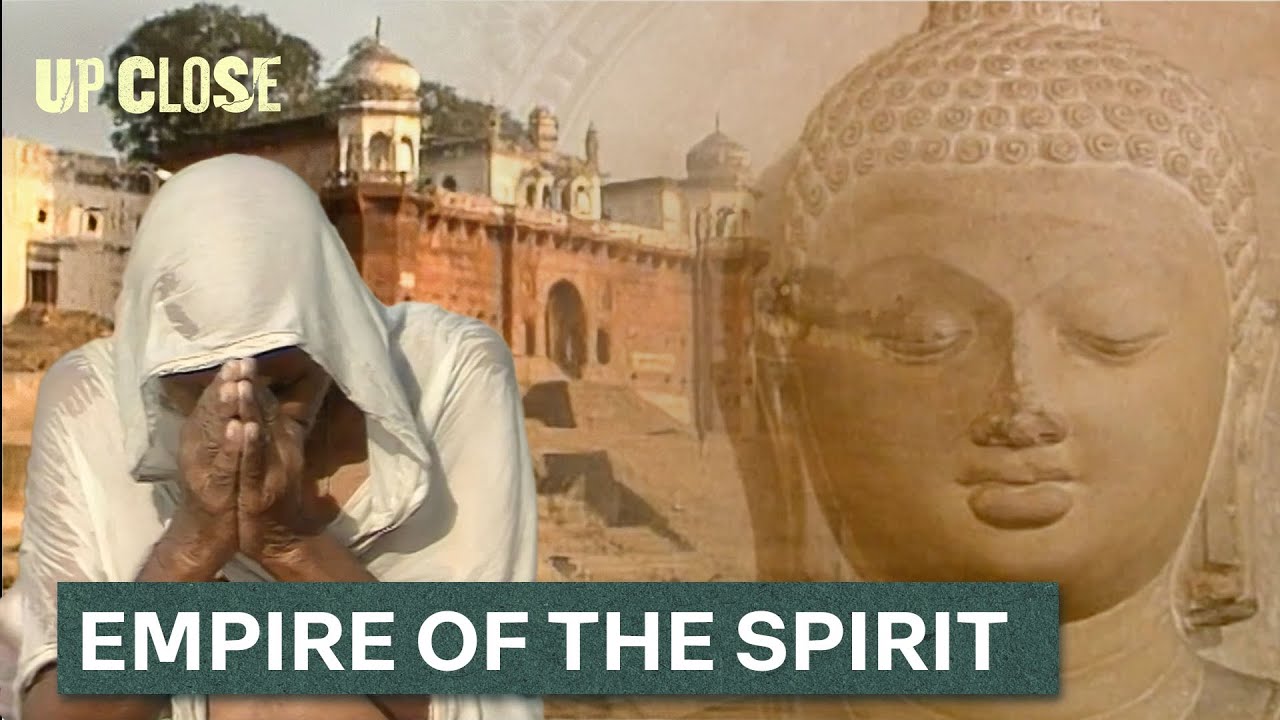
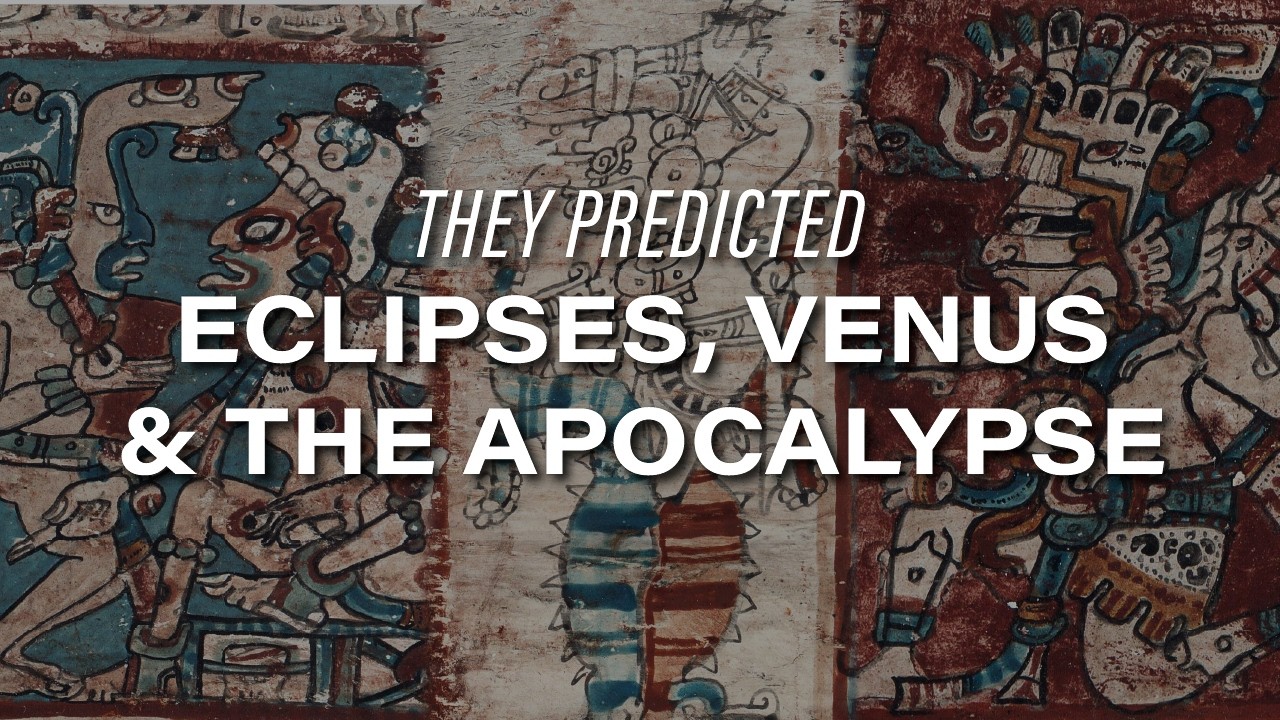
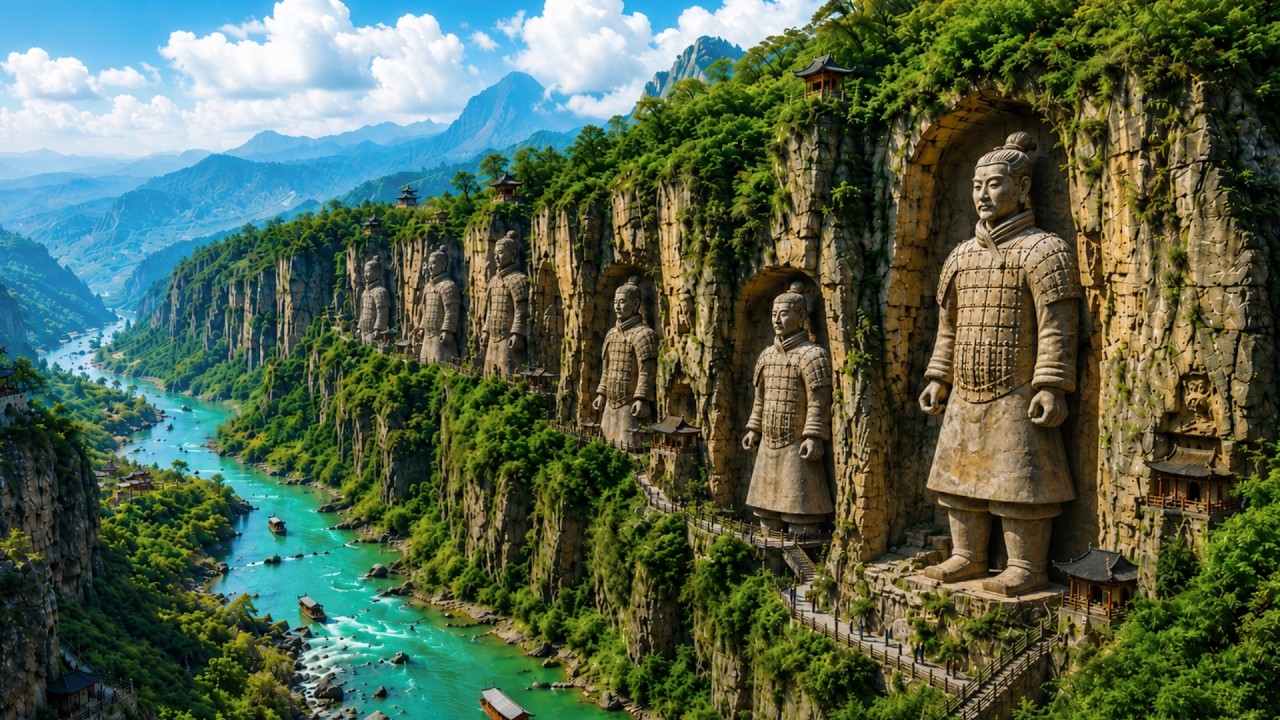
Buddhism entered China from India via the Silk Road during the Han dynasty in the 1st century AD. Over centuries, it blended with local traditions like Taoism and Confucianism to form unique Chinese traditions. China is home to some of the world's largest monumental Buddha statues, ancient cliff carvings, and sacred mountains
El significado de ABRAXAS según la psicología junguiana Carl Jung, el famoso psiquiatra y padre de la psicología analítica, estaba profundamente interesado en la alquimia y el gnosticismo. En esas antiguas tradiciones encontraba resonancias con sus propias intuiciones sobre la psyché humana y los procesos de transformación interior. Uno de los conceptos gnósticos que más le fascinaron fue el del dios Abraxas. Según explica en los "Siete Sermones a los Muertos", este dios ambivalente y misterioso representa la energía primordial e indiferenciada que subyace a toda realidad. Abraxas reúne en sí mismo los opuestos: es a la vez vida y muerte, luz y oscuridad, bien y mal. Jung veía en esta divinidad un símbolo del inconsciente colectivo y los poderosos arquetipos que lo pueblan. Representaría específicamente esa fuerza instintiva, indómita y creativa que los alquimistas denominaban "prima materia". Al igual que los alquimistas buscaban extraer el oro filosofal de la materia prima informe, Jung pensaba que integrando constructivamente el poder del inconsciente podríamos acceder a estados superiores de consciencia y sabiduría. Por ello, la figura de Abraxas nos recuerda que, para alcanzar la plenitud, debemos aceptar esos aspectos salvajes y contradictorios de nosotros mismos que solemos rechazar o reprimir. Como explicaba Jung, toda persona lleva dentro de sí una sombra, compuesta por impulsos e instintos que se consideran socialmente inaceptables. Cuanto más neguemos y reprimamos esa sombra, más crecerá y más nos controlará desde el inconsciente. Solo confrontándonos valientemente con ella e integrándola podemos lograr la individuación, ese proceso de completitud que para Jung era la meta espiritual del ser humano. Cuando todas las partes de nuestro ser psychéico, tanto conscientes como inconscientes, aprenden a coexistir en armonía y se funden alrededor del Sí Mismo (el centro de totalidad de la psyché), alcanzamos la plena madurez como individuos. Los sueños, como ventanas al inconsciente, nos invitan a explorar nuestra psique y comprendernos mejor

California may look completely modern, but hidden beneath its cities, deserts, islands, lakes, and coastline are ancient secrets dating back thousands of years. From 13,000-year-old human remains and ancient caves to drowned landscapes, sacred shellmounds, giant desert figures, and thousands of petroglyphs, these discoveries reveal a forgotten side of California's past.

Some discoveries were found beneath modern buildings or old homes, while others are hidden underwater or across remote deserts. The Blythe Intaglios, Coso Range, Chumash Painted Cave, and Emeryville Shellmound show just how much history can survive in unexpected places.


Hidden/stolen history

Hay más de 2.500 lagos de montaña en toda la geografía pirenaica, la inmensa mayoría de ellos de origen glaciar.Los Pirineos son un pais de lagos.estany-sant-mauirici-parque-nacional-aiguestortes[1].jpglago-sant-mauirici-parque-nacional-aiguestortes[1].jpg

Around 400,000 foreign tourists joined Mallorca's permanent population of almost one million for next week's celestial spectacle.

 
Last edited:
BarcelonaAtlantis

Moderator
Staff member

Renowned international and national chefs are increasingly moving to Mallorca, turning the island into a premier Mediterranean culinary hotspot. Top culinary talents are drawn by rich local produce, high-end boutique hotels, and a thriving fine-dining scene that boasts numerous Michelin stars, turning Mallorca into the place to be for food lovers.


Mallorca's food scene has surged to the top of the Mediterranean culinary map by fusing deep-rooted rural traditions, local island ingredients, and ambitious fine-dining concepts led by innovative local chefs.

Key Drivers of the Food Scene
    • Chef-Led Revival: Local chefs are taking childhood recipes and traditional island items like sobrasada and tumbet and reinventing them with modern techniques.
    • Michelin Recognition: An increasing number of fine-dining establishments across Palma and the Tramuntana mountains have earned stars and national praise.
    • Vibrant Markets: Historic spaces like Mercat de l'Olivar and Santa Catalina in Palma serve as creative hubs for modern tapas and fresh seafood.
    • Casual Coastal Dining: High-end beach clubs and rustic seaside chiringuitos offer exceptional local fish and rice dishes right on the water.

Portixol is now a hipster honeypot which is quickly becoming one of Mallorca's top food destinations. It's a mixed-grill of shabby cottages


Fine Dining Worth the Splurge
Mallorca’s fine dining scene has exploded in the last decade, and there are now more Michelin stars per square kilometer in Mallorca than almost anywhere in Spain outside of Donosti/San Sebastián in the Basque Country. You also need to understand pa amb oli, because you’ll see it everywhere. It’s bread rubbed with ripe tomato and drizzled with olive oil, then topped with ham, cheese, or both. It costs €6-12, and it’s the thing Mallorcans eat when they don’t feel like cooking.

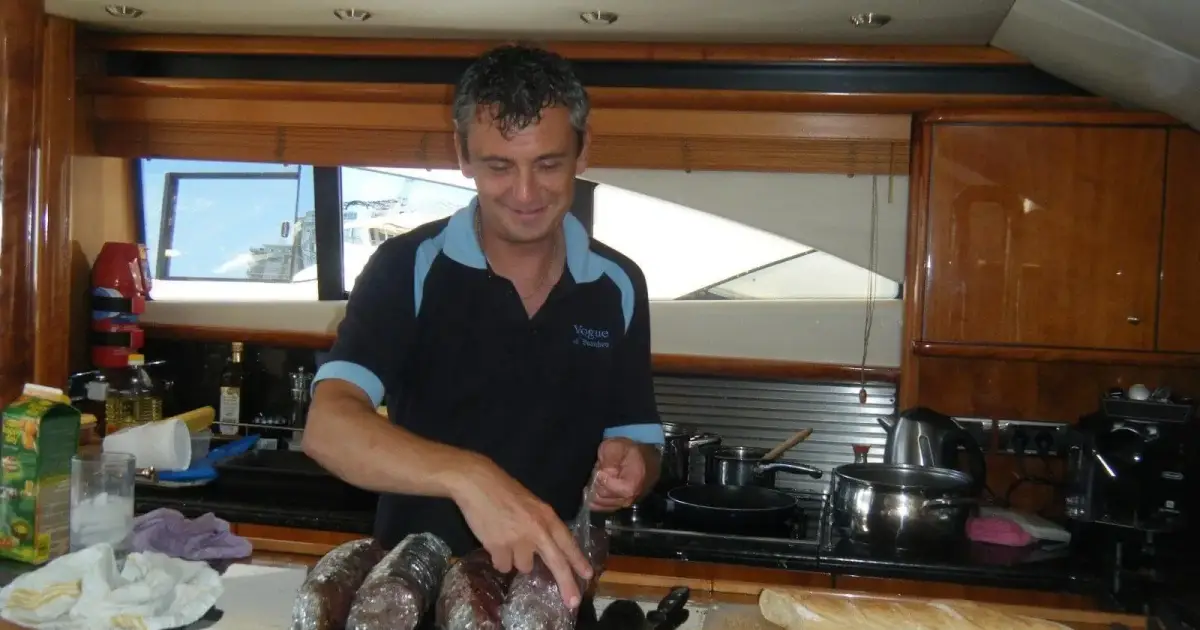
Mallorcan food doesn’t get nearly enough attention. It’s hearty, pork-heavy, olive-oil-drenched, and built for people who actually work for a living. Here’s where to find the best of it.Celler Sa Premsa in Palma is the classic. It’s a cavernous dining room lined with enormous old wine barrels, and it’s been feeding locals since 1958. The menu reads like a greatest hits of Mallorcan grandma cooking. Get the frit mallorquí (fried offal with peppers and potatoes, trust me on this), the tumbet (layered vegetables with tomato sauce, essentially Mallorca’s answer to ratatouille), or the roast suckling pig if you’re going all in. Mains run €10-16. It’s loud, it’s packed, and it’s perfect.

You cant beat Mallorca's suckling pig or baby lamb...you just cant.Oh you also cant beat the foiegras from Felanitx, Mallorca.

The 2026 Michelin Guide confirms what food lovers already know: Mallorca is one(if not the most..)of the Mediterranean's most exciting culinary destinations. https://www.helencummins.com/mallorcas-michelin-stars/


Imagine how much money(deceived students from all over the world going to madrid thinking thats the origin of the language they like) doomed and impostor madrid has gotten for teaching the lie that the spanish language was born in Castile when the spanish language(stolen navarro romance) was born in Navarre and Castile was founded by king Fernando the son of Basque king Sancho the III the Great the king of Navarre who took his language to Castile,etc and his sons received Navarre, Castile and Aragon.As you can see Navarre is the origin of it all and the rightful heir.This is not even a secret you can look this up.


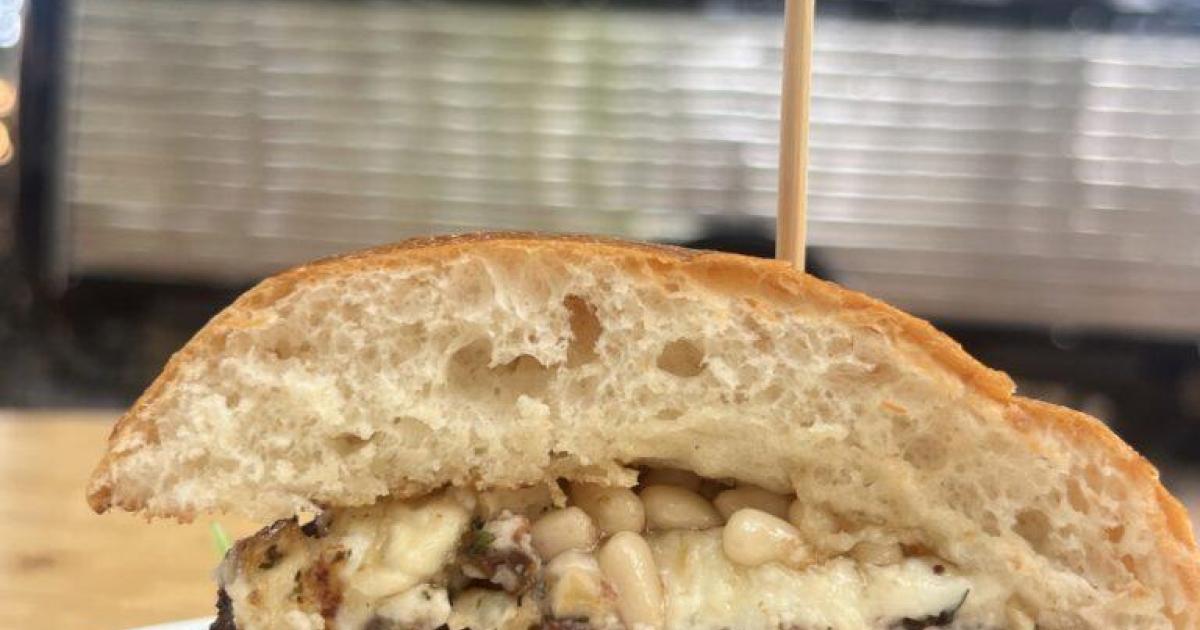
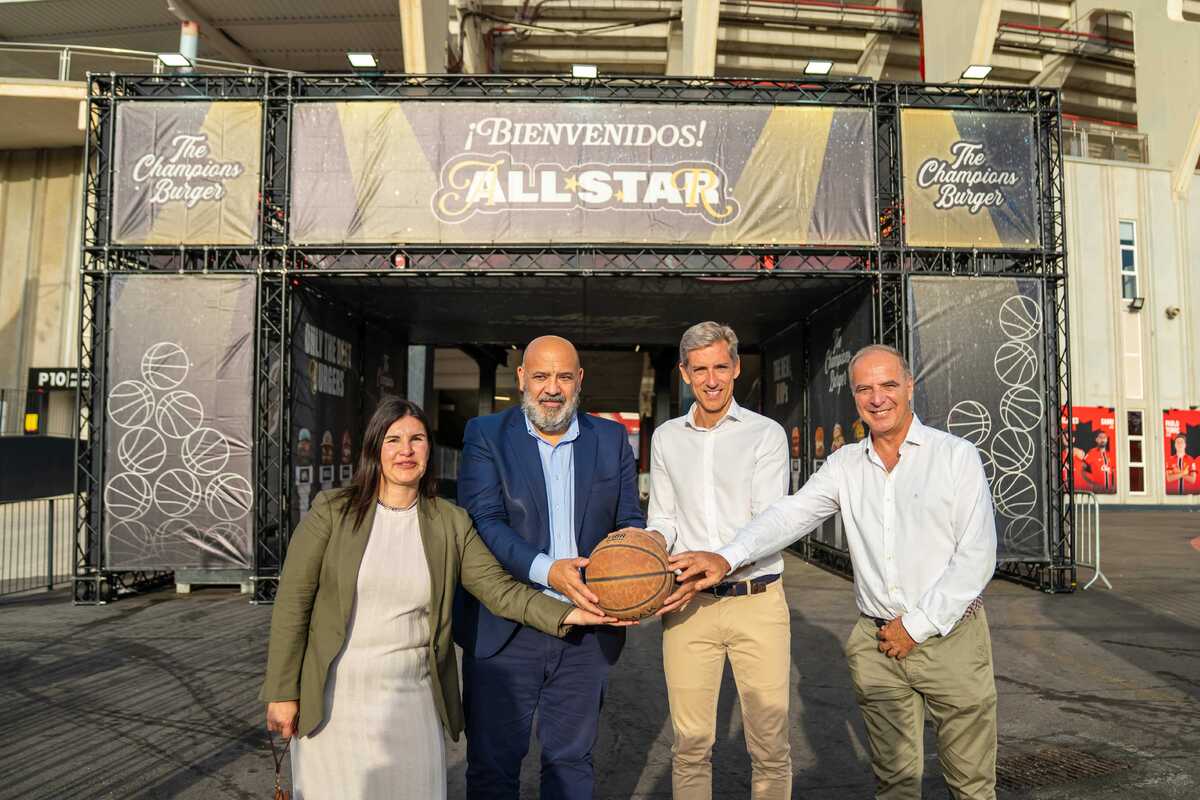
El Mallorca Burger Fest celebrado en el Recinto Ferial Son Fusteret de Palma es el mayor evento de hamburguesas de la isla. Su edición más reciente tuvo lugar del 11 al 14 y del 18 al 21 de junio de 2026, reuniendo a más de 20 food trucks, música en directo y una previsión de asistencia superior a 100.000 personas


6317154093933664001 (7).jpg
Mallorca.

They recently won an award for “Best Gelato in the World” thanks to their orange sorbet with mint and cardamom. We highly recommend you see what all the fuss is about! https://www.viewmallorca.com/single...nside-scoop-on-mallorcas-best-ice-cream-shops

Mallorca is home to one of Europe’s oldest establishments, Can Joan de s'Aigo, which has been making delicious ice creams and quemuyars since 1700 — proof of the island’s long-standing tradition surrounding a product that was once enjoyed only in summer. https://www.balearia.com/en/blog/helados-tradicionales-en-mallorca
cuando yo estudiaba bachillerato (hace ya muchos años), estudiabamos «español», no «castellano», termino erroneo donde los haya.
El «español», mal llamado «castellano» hoy en dia, nació en Navarra, como lengua romance derivada del latin, distinta del leones y del aragones que se hablaba todo alrededor de lo que era Navarra entonces y se extendió por una parte del norte de Castilla, poco a poco. La evolución del latin hacia esta nuestra lengua comun hoy en dia, se hizo en un ambiente de gentes que hablaban tambien el vasco o euskera, como quiera llamarse, como lo prueban las «glosas Emilianenses».
Volvamos pues a llamarle «español», por ser la lengua romance elegida por la Academia de la Lengua Española para idioma oficial de toda España, o si lo preferimos, «navarro», en uso de nuestro perfecto derecho.
Nunca «castellano».


Last edited:
BarcelonaAtlantis

Moderator
Staff member
Mi etimología del nombre de EUROPA, como corrupción de su antiguo nombre (ARRABA >> OROBA), me escribe ANGELINA PINEDO para decirme que es estudiante de la lengua ÁRABE(pero esto no tiene nada que ver con los supuestos arabes de hoy porke los ke cuenta es kien fundo Arabia y esos fueron los basdcos ke representaban a arabes y a todas las nacionalidades del mundo) y que el nombre de EUROPA en ella es URUBA. Un dato de una importancia EXTRAORDINARIA porque supone la “PRUEBA DEL NUEVE” del acierto de mi etimología del nombre de EUROPA. Porque resulta meridianamente obvio que ese URUBA no es sino una deformación de OROBA… Y confirma, a su vez, que ARABIA y OROBA = EUROPA son dos formas distintas de UN MISMO NOMBRE. Obviamente en épocas PREHISTÓRICAS que nos retrotraerían, como mínimo, al PALEOLÍTICO SUPERIOR…


Casual y significativamente, el abuelo de mi corresponsal Angelina Pinedo se llamaba Sebastián Pinedo ORÚE, por síncopa del antiguo apellido basco ORUBE que, como vemos, es una de las formas antiguas del nombre de OROBA >> EUROPA

SIN COMENTARIOS.
Desde siempre, el DENALI ha sido reverenciado por las tribus nativas de Alaska como un lugar sagrado. Sin embargo, en 1896 un buscador de oro decidió bautizar la montaña con el nombre del vigésimo quinto presidente de EE.UU., William McKinley, y así se ha conocido oficialmente desde que el Congreso lo ratificó en 1917. El DENALI es la montaña más alta de Estados Unidos y América del Norte, con 6168 ms. En cuanto a su viejo nombre, DENALI, significa «El Grande» en el lenguaje de los DENA’INA.
En mi calidad de Primer y Único FILÓLOGO del Mundo especializado en la TOPONIMIA y en el HABLA del MUNDO PRIMIGENIO, he asumido como un RETO a la vez que como un DEBER ÉTICO éste que voy a cumplir en los INTROITOS 313 a 316 de DESENTRAÑAR la hasta aquí OSCURA e INDESCIFRABLE etimología de la Montaña MÁS ELEVADA DE NORTEAMÉRICA. Una etimología que, como no podía ser de otro modo, resulta absolutamente REVELADORA por lo que se refiere a LA FILIACIÓN, IDENTIDAD Y ORIGEN DEL PUEBLO PREHISTÓRICO(pueblo basco) QUE AFRONTÓ EL POBLAMIENTO DE AMÉRICA y que, al encontrarse con LA IMPONENTE Y MAJESTUOSA MOLE DEL “DENALI”, no sólo lo SACRALIZÓ (como era costumbre hacer con las Montañas más EMBLEMÁTICAS) sino que decidió otorgarle este nombre que ahora se ve al fin REHABILITADO del que sólo se sabe que, en las lenguas indígenas de la zona, significa “el más alto”…, o “el más grande”. Dos significados que NO NOS DICEN ABSOLUTAMENTE NADA, por cuanto es lógico que los pobladores de aquellas Tierras dieran ese significado al nombre de LA MÁS IMPONENTE DE SUS MONTAÑAS… O sea que ha sido AL REVÉS: fue el Monte el que prestó su nombre a la palabra, y no a la inversa…


Y vengo librando esa auténtica “GUERRA” no porque me produzcan FOBIA los nombres de todos esos personajes que ESTÁN REEMPLAZANDO A LA TOPONIMIA PRIMITIVA, sino porque ESTA ÚLTIMA ES LA MEMORIA VIVA DEL PASADO DE LA HUMANIDAD y el hecho de despreciarla y de “retirarla de la circulación” es una de las PRINCIPALES CAUSAS de la auténtica AMNESIA en la que la Sociedad de este Siglo XXI vive en relación con SU PASADO REMOTO

Los NOMBRES y las TRADICIONES son el verdadero ADN de la HUMANIDAD…
Hace muchos años que vengo sosteniendo que la investigación del origen de la Humanidad a través de los análisis del ADN es un procedimiento REBUSCADO, TORPE, ESCASAMENTE FIABLE y, si se me permite, MUY POCO INTELIGENTE.

Lo diré mucho más CLARO todavía: LOS NOMBRES GEOGRÁFICOS SON LA VÍA MÁS RÁPIDA, MÁS RIGUROSA Y MÁS SEGURA PARA DESCIFRAR EL ORIGEN DE LOS LUGARES y DE LOS PUEBLOS y yo mismo, desde 1984 hasta acá, HE ESCLARECIDO EL PRIMER ORIGEN DE CENTENARES DE LUGARES Y HASTA DE NACIONES, SIN OTRA HERRAMIENTA NI AUXILIO QUE EL DEL NOMBRE AL QUE RESPONDEN que, en la inmensa mayoría de los casos, LES FUE IMPUESTO POR SUS PRIMEROS POBLADORES…los Bascos.
Todavía está reciente el Introito 274 en el que desentrañé el primer origen de DINAMARCA, a partir exclusivamente de su nombre… Y ahora mismo ando trabajando en un empeño similar, a instancias de unos buenos amigos Catalanes que están muy interesados en conocer cuál fue y cómo fue el primer poblamiento de la Ciudad de BARCELONA…
TREINTA Y DOS AÑOS DE INVESTIGACIONES sobre la Génesis de la Civilización, me han convertido en el único Filólogo del Mundo que PUEDE DESENTRAÑAR CUÁL FUE EL ORIGEN DE CUALQUIER ENCLAVE O PAÍS, partiendo simplemente del estudio EN PROFUNDIDAD del nombre ANCESTRAL al que todavía responde
La conclusión en la que he desembocado es la de que EL PRIMER POBLAMIENTO DE AMÉRICA FUE PROTAGONIZADO EN ÉPOCA PALEOLÍTICA, POR GENTES ORIGINARIAS DEL NORTE DE LA PENÍNSULA IBÉRICA QUE HABLABAN EUSKERA O BASCO Y las PRUEBAS que me dispongo a aportaros, en relación con el Macizo de DENALI, son TAN APLASTANTES y ABRUMADORAS que tras la publicación del presente Introito nadie dotado de una mínima inteligencia va a poder cuestionar JAMÁS que FUERON LOS EUROPEOS OCCIDENTALES, y más concretamente LAS GENTES DEL PAIS BASCO/NAVARRA/CATALUNYA, LAS PRIMERAS EN HABER AFRONTADO EL POBLAMIENTO Y LA COLONIZACIÓN DE NORTEAMÉRICA, habiendo dado su primer nombre a todos y cada uno de sus territorios. Y os recuerdo que ya en varios de mis Libros e incluso de mis Introitos he dejado meridianamente probado que el nombre de ALASKA es de origen BASCO y que su forma primitiva fue BALLASKA…, como el de los propios…
BALLASKOS >> BLASKOS / BALSKOS >> BASKOS
BALLESKIA o BELLEXIA…
De ahí, igualmente, el que la más Antigua Cofradía de Asturias responda todavía al escalofriante nombre de “La BALLESKIDA”…

Una “Planificación del Territorio” ya en la Prehistoria…

Sí, fueron aquellos BALLASKOS del Pais Basco/Navarra/Catalunya quienes poblaron BALLASKA >> ALASKA y quienes, por ende, otorgaron su PRIMER NOMBRE a ese Macizo de DENALI que hoy se ve al fin rehabilitado
Partiendo de la base de que el Macizo de DENALI es un “FINAL DE LA TIERRA” (tanto por su imponente Altitud como por su situación en la muy Septentrional ALASKA), la primera pista sobre el ORIGEN IBÉRICO/BASCO del nombre del DENALI me la proporcionaron estos tres Topónimos que encontramos en tres “FINISTERRES” o “ÚLTIMOS CONFINES” de la Península IBÉRICA:


DENIA, en Alicante

DENLE, en el FINISTERRE de Galicia, junto a SARDIÑEIRO

DENUY, en los PIRINEOS de Aragón, en torno al ANETO
Porque (como señalan esas TRES CRUCES que he insertado en el Mapa de España que sigue, se da la circunstancia REVELADORA de que DENIA se encuentra en la PUNTA MÁS ORIENTAL del Levante Ibérico…, DENLE en la PUNTA MÁS OCCIDENTAL de la Península y en pleno FINISTERRE…, y DENUY en el EXTREMO MÁS SEPTENTRIONAL de IBERIA y, por si fuera poco, en el entorno próximo ¡del MACIZO MÁS ELEVADO DE LA PENÍNSULA IBÉRICA…!
¡Y MUCHÍSIMA ATENCIÓN A ESTE ÚLTIMO DATO!: porque DENUY aparece junto a la Montaña MÁS ALTA de la Península IBÉRICA, en pleno norte de España, cuando vemos que los primeros Pobladores de Alaska denominaron DENALI a la Montaña MÁS ELEVADA de NORTEAMÉRICA… Y como vemos, bien poco es lo que diferencia a ese DENALI de la Septentrional Alaska, del DENULLI o DENUY de los también Septentrionales Pirineos que establecen la divisoria entre Francia y España.
No resulta este dato CONCLUYENTE, cuando acabamos de ver cómo DENIA, DENLE y DENUY se encuentran ubicadas las tres en TRES DE LOS EXTREMOS DE LA PENÍNSULA IBÉRICA…?
 
Last edited:

BarcelonaAtlantis

Moderator
Staff member
Aunque vista la extraordinaria COHERENCIA de aquellos antiquísimos Bascos que se preocuparon de que ese Topónimo CAPITAL apareciera reproducido en TRES de los CUATRO EXTREMOS de la PENÍNSULA IBÉRICA, me costaba trabajo creer que hubieran cometido el FALLO GARRAFAL de no plasmar otra variante de ese mismo nombre en el EXTREMO MERIDIONAL DE ESPAÑA, en la por tantos conceptos crucial ANDALUCÍA… ¿Cómo era posible que aquellas Gentes hubieran incurrido en un olvido semejante…?

Pensé e indagué un poco más y mis peskisas se vieron muy pronto recompensadas porque resulta que son nada menos que SIETE los Enclaves del SUR DE ESPAÑA que ostentan denominaciones claramente emparentadas con DENIA, DENLE, DENUY y DENALI… Helos aquí:


DONADÍO: TRES Poblaciones de Córdoba, Jaén y Cádiz, amén de una LOMA así denominada en la Provincia de Cádiz…

DOÑANA: una población de Málaga + las célebres Marismas del Parque Natural de este nombre en la Provincia de Huelva.

SIDONIA: la importante población de Medina SIDONIA, en Cádiz y muy próxima a las dos DONADÍO gaditanas ya citadas.

SÍ, era más que evidente que ACABABA DE DESCUBRIR EL ANTIGUO NOMBRE DEL EXTREMO MERIDIONAL DE IBERIA, recordado todavía en esas dos DOÑANA, en esas CUATRO DONADÍOS y, por si fuera poco, también en Medina SIDONIA

Y os hago notar que, por lo que respecta a las Marismas de DOÑANA, son sin lugar a dudas EL ENCLAVE MÁS SAGRADO DE ANDALUCÍA, habida cuenta de que se encuentra en ellas ese SANTUARIO de la VIRGEN DEL ROCÍO hacia el que acuden en Romería TODOS LOS ANDALUCES una vez al año

¿Y antes de DENALI…? Un paseo por TENNESSEE…

Llegados a este punto, sin embargo, debemos hacer un alto en el camino “filológico” con el fin de profundizar en la historia morfológica del nombre del Macizo de DENALI y, con él, de todos sus nombres “hermanos” derramados POR TODOS LOS EXTREMOS o PUNTAS de la Península IBÉRICA

En efecto, ha llegado el momento de revelaros que el Macizo norteamericano de DENALI conoció una forma anterior, TENALI, que es muy afín al nombre del Estado de TENNESSEE en otra Región de los propios Estados Unidos y una de cuyas principales Ciudades responde al elocuente nombre de… CHATTANOOGA


El término «TENNESSEE» fue utilizado por primera vez en una expedición comandada por el capitán español JUAN PARDO, cuando este explorador y sus hombres pasaron por una población de nativos americanos llamada «TANASKI» en 1567. Y esos mismos Españoles fueron a toparse más tarde con un pueblo cherokee llamado «TANASI» o «TANASE», en el actual Condado de Monroe. El pueblo estaba situado junto al río del mismo nombre, ahora conocido como Little Tennessee River.

Ocioso es decir que NADIE tiene ni la menor idea respecto al significado de “TENNESSEE”, pero esa aclaración etimológica carece ya de la menor importancia porque estoy en condiciones de AFIRMAR que los pueblos indígenas que colonizaron TENNESSEE procedían del Macizo de TENALI en Alaska y se limitaron a dar a ese territorio el nombre de la Montaña de la que eran originarios. Es decir que el Río TANASE o TENNESSEE comparte el mismo nombre y origen que la ciudad de CHATTANOOGA y que el Río TANANA al que voy a referirme en seguida.


Deducir que DENALI procede de TENALI resulta muy fácil, por la sencilla razón de que al igual que la consonante T procede de la Z, la D se ha derivado, en todos los casos, de palabras que originariamente tenían a una T por inicial. O sea que, ya para empezar a entendernos, el Macizo DENALI respondió originariamente al nombre de TENALI.

Como esto es así y no son escasas las palabras en las que el sonido de la T inicial ha acabado siendo confundido con el gutural de una K, vemos cómo al Sur del TENALI >> DENALI vamos a encontrarnos con una Península conocida hoy como KENAI, por corrupción de TENALI > TENAI > KENAI… La encontraréis en el Mapa siguiente 313-10-alaska[1].jpg
Pero poseo pruebas mucho más POTENTES que la anterior, para refrendar que TENALI es el nombre anterior al hoy vigente DENALI… ¿O es que no os parece suficiente PRUEBA la que nos ofrece el hecho de que exista un Río TANANA que abraza y circuye parcialmente al Macizo TENALI >> DENALI y que, como vemos, ha conservado la forma más antigua de este topónimo, que no es otra que TANALI, por la sencilla razón de que la vocal A fue el precedente de la E…?
Encontraréis al Río TANANA en el mapa que sigue, abrazando como os digo al imponente Macizo de TENALI >> DENALI…:313-11-alaska[1].jpg

Por si acaso hay alguien que no ha quedado satisfecho con las dos pruebas precedentes (Península KENAI y Río TANANA), todavía puedo aportaros otra más, a falta de mapas de esa Región más minuciosos y a mayor escala. Porque existe también una Ciudad denominada TANANA, que está igualmente situada en el entorno del Macizo TENALI > DENALI… La encontraréis enmarcada en el Mapa que sigue:313-12-alaska2[1].jpg

El “FIN DE LA TIERRA” catalán…

Curiosa y significativamente, el río TANANA de Alaska y su heredero el TENNES o TENNESSY del Estado homónimo al que hace un momento me refería, son descendientes los dos de un río importantísimo de la Costa CANTÁBRICA, en el NORTE DE ESPAÑA: el TANEA o LAMAZÓN del que, aunque esto se desconoce, tomaría su nombre el Río AMAZONAS sudamericano… Sí, el TANEA es un Río históricamente CRUCIAL, precedente a su vez del río TENA aragonés y del TENES catalán que está a punto de hacer su aparición en nuestro relato.
Bien, pues una vez ROTUNDAMENTE PROBADO que DENALI es una deformación de TENALI y que, como os he dicho previamente, todas las consonantes D proceden de la T…, estamos ya de nuevo en condiciones de volver a la PENÍNSULA IBÉRICA con el fin de afrontar nuestra siguiente pesquisa: ¿Contó ese vértice ORIENTAL de CATALUNYA con su propio “FINAL DE LA TIERRA” o TENALI = DENALI, emparentado y hermanado con todos los que he ido enumerando hasta este momento…?
Bien, pues la respuesta es un rotundo ¡SI!, porque los topónimos siguientes no dejan ninguna duda al respecto:

Río TENES / Call-de-TENES / TIANA / TONA / TONYA…

Ahora entendemos mejor por qué en los PIRINEOS de Aragón no sólo nos encontramos con DENUY sino, también, con el importantísimo Valle de TENA…313-13-valle-de-tena[1].jpg
Ahí tenéis al Valle de TENA, coherentemente acompañado a la derecha por la Sierra de TENDEÑERA (2853 ms), de la que vemos que forma parte el Pico Mon-DENIERO o Monte DENIERO que, con sus 2295 metros es un indiscutible “Final de la Tierra”, de altitud mucho más modesta pero claramente hermanado en su denominación con el DENALI norteamericano…
Ahí tenemos, pues, al aragonés Valle de TENA y a su vecino el Monte DENIERO, poniendo claramente en evidencia la equivalencia de las formas TENA– / DENA-… Una equivalencia que vamos a descubrir también en Cataluña, en donde todos estos topónimos -Río TENES / Call-de-TENES / TIANA / TONA / TONYA…- encuentran su contrapunto en estas dos nuevos émulos del “Final de la Tierra”:


Coll de la DONA, próximo a PERPIÑÁN…

Pic de la DONA (2782 ms), junto al Macizo del CANIGÓ

El CANIGÓ fue la MONTAÑA SAGRADA de los Catalanes establecidos al Norte de los PIRINEOS, en coherencia con el hecho de que su situación Septentrional y sus 2784 metros le consagren como otro auténtico “FINAL DE LA TIERRA”…:
Pero lo que jamás habríamos imaginado es que el nombre jamás descifrado de este Macizo resulte ser una deformación de TANIGÓ, similar a la que determinó que el Macizo de TENALI > DENALI en Alaska, diera nombre a la Península de KENALI o KENAI… Pues bien, por mor de ese mismo proceso de deformación, el Macizo de TANIGÓ > CANIGÓ catalán es vecino, a su vez, de ese Pic de la DONA de 2782 ms.
En suma, que todo ese ramillete de topónimos catalanes que acabo de enumerar, evidencia que ese remotísimo nombre del FINAL DE LA TIERRA (TANA-/TENA– >> DANA-/DENA-) contó con una amplia representación en ese Extremo Nord-Oriental de España en el que se encuentra Catalunya… O sea que nuestro MAPA sigue tomando forma e incorporando NUEVAS CRUCES. Y ya son CINCO, más su precedente o matriz de la Costa Cantábrica:

Demostrado queda, y además EXHAUSTIVAMENTE, que los antiguos Pobladores de la PENÍNSULA IBÉRICA recurrían sistemáticamente a nombres de estas raíces (TANA-/TENA– >> DANA-/DENA-), cada vez que se topaban con un enclave al que identificaban como un EXTREMO o FINAL DE LA TIERRA… Lo que, como quiera que éste es un fenómeno que no tiene precedente ni parangón en ningún otro lugar del Planeta, de ello parece inferirse que LAS GENTES QUE DIERON NOMBRE EN ALASKA AL MACIZO DE TENALI > DENALI eran originarias, también, de esa cosat cantabrica del Pais Basco/Navarra en la que, como demostraré más adelante, estuvo situado el primer lugar del Planeta que fue reconocido como el “FINAL DEL MUNDO CONOCIDO”, en unos tiempos en los que el MUNDO terminaba en la PENÍNSULA IBÉRICA, al ser ésta el punto MÁS OCCIDENTAL de todo el MUNDO ANTIGUO…
 

Attachments

  • 313-11-alaska[2].jpg
    313-11-alaska[2].jpg
    117.9 KB · Views: 0
Last edited:

BarcelonaAtlantis

Moderator
Staff member
Y ahora me vais a permitir que prolongue todavía algo más nuestra búsqueda y nuestro relato porque, para demostrar que el Archipiélago de las ISLAS CANARIAS fue, ya desde la PREHISTORIA, una prolongación de la Península Ibérica, demostrando con ello que sus primeros pobladores eran originarios de ésta, os invito a reflexionar sobre el hecho de que UNA DE LAS ISLAS de dicho Archipiélago responda al elocuente nombre de TENERIFE, hermano por consiguiente de todos los TENA– / DENA– que hemos venido localizando en TODOS LOS EXTREMOS o PUNTAS de la Península IBÉRICA y, también, del TENALI > DENALI del Norte de los ESTADOS UNIDOS…

Y en este caso estamos hablando de un nuevo “FINAL DE LA TIERRA”, tanto por su ubicación en el Mapa como por su ALTITUD. Porque las Islas CANARIAS constituyen un FINAL DE LA TIERRA en toda regla y así tuvieron que valorarlo aquellos Primeros pobladores racionales que llegaron a ellas, originarios sin la menor sombra de duda del Pais Basco/Navarra/Catalunya.
Las CANARIAS señalaban el FINAL DE LA TIERRA OCCIDENTAL Y MERIDIONAL y algo parecido sucedía con el Macizo de TENALI > DENALI, en ALASKA, que se yergue sobre una Región que señala también el FINAL DE LA TIERRA, aunque en este caso por su situación allá en lo más OCCIDENTAL Y SEPTENTRIONAL del Globo Terráqueo
Y por si esto fuera poco, con sus 6794 ms. el Macizo de DENALI constituye el FINAL DE LA TIERRA en ALTITUD, por lo que respecta a TODO EL CONTINENTE NORTEAMERICANO…, en tanto que TENERIFE y su Volcán del TEIDE, con sus 3718 ms. de altura y sus 7500 de altitud TOTAL, contando desde el lecho marino, constituye un MAJESTUOSO FINAL DE LA TIERRA no sólo por su situación OCCIDENTAL y MERIDIONAL sino, también, por su ALTITUD.
En suma, que las CANARIAS fueron el paralelo y el equivalente en el OCCIDENTE del Mundo Antiguo, del Macizo de TENALI > DENALI en el contexto OCCIDENTAL y SEPTENTRIONAL del CONTINENTE AMERICANO, probándose con ello que las Gentes que poblaron y dieron nombre a TENERIFE fueron las mismas o estaban muy estrechamente emparentadas con aquellas que poblaron Norteamérica y que dieron su nombre al imponente Macizo de TENALI (DENALI), en el Estado de Alaska…

¿Quién hubiera podido imaginar este PARALELISMO y este asombroso PARENTESCO entre el Macizo de TENALI (DENALI) en NORTEAMÉRICA y el de TENERIFE en las Islas CANARIAS…? Y ¿quién hubiera podido imaginar, igualmente, los sorprendentes descubrimientos sobre las CANARIAS que he realizado

Algo sobre el significado de “DENALI”

Mi ESTUPOR ante semejante CASCADA DE DESCUBRIMIENTOS y ante la ENORME TRASCENDENCIA de éstos era INCONMENSURABLE, pero estaba a punto de verse DESBORDADO por un nuevo ALUD DE HALLAZGOS de NO MENOR GRANDEZA E INTERÉS


Y es que, al tratar de identificar algún término afín a DENALI en las más antiguas Lenguas CANTÁBRICAS, fui a encontrarme con estas dos palabras auténticamente MONUMENTALES en relación con el asunto que nos ocupa:

DENYURE, voz Bable o Astur cuyo significado es idéntico al del “NON PLUS ULTRA” o “NADA MÁS ALLÁ” que, referido al FINAL DE LA TIERRA, acompaña a las COLUMNAS DE HÉRKULES en el Escudo de España

Y DAÑI cuyo significado es MONTAÑA o CORDILLERA…

Porque como ha quedado ya MERIDIANAMENTE CLARO, la MAYOR PARTE de los TANA-/TENA– >> DANA-/DENA– que acabo de descubriros, ora son MONTAÑAS ora se encuentran en zonas MUY ELEVADAS o de una Orografía muy accidentada…

Es más que probable que el significado originario de “DENALI” fuera sencillamente MONTAÑA… y FINAL DE LA TIERRA?

Lo corrobora la lengua Bable con ese DENYURE tan próximo a DENALI que lo que nos dice es que NO EXISTÍA NADA MÁS ALLÁ DE ESA MONTAÑA DE ALASKA, sencillamente porque ERA LA MÁS ELEVADA DE ESA REGIÓN… y resulta que también de TODA NORTEAMÉRICA… Es decir que por lo que se refiere a su ALTURA, era y es EL FINAL DE LA TIERRA EN NORTEAMÉRICA

Llegados a este punto y tras estas “COINCIDENCIAS” tan ABRUMADORAS, tuve ya absolutamente CLARO que el Macizo de DENALI ostenta un nombre impuesto por gentes que eran originarias de la Península IBÉRICA, pero como quiera que en esto, como en TODO, me gusta llegar HASTA EL FONDO DE LAS COSAS, he decidido seguir investigando con el fin de desentrañar QUÉ ES EXACTAMENTE LO QUE SE OCULTA DETRÁS DE TODOS ESOS NOMBRES HERMANOS Y AFINES QUE HE VENIDO ENUMERANDO a lo largo del desarrollo del presente ENSAYO

He descubierto la “QUINTA DIMENSIÓN”
Las TRES Dimensiones fundamentales son la Longitud, la Anchura y la Altura y a ellas se suma una CUARTA a la que llamamos TIEMPO… Bien, pues hace ya mucho tiempo que las Mentes más inquietas, calenturientas y/o FANTASIOSAS tratan de descubrir cuál es la QUINTA DIMENSIÓN…, en el supuesto de que ésta exista…

Bueno, pues el caso es que espontáneamente y sin habérmelo propuesto yo he descubierto esa tan buscada “QUINTA DIMENSIÓN”, que resulta que se ocultaba tras… ¡LAS PALABRAS!…

Para decirlo de manera más sencilla y exacta, la QUINTA DIMENSIÓN es aquella que se esconde detrás de las palabras del LENGUAJE y de la TOPONIMIA, por cuanto los términos del Lenguaje y los Nombres Geográficos constituyen la MEMORIA PERDIDA DE LA HUMANIDAD, al ser en ellos en los que han permanecido “ENCAPSULADAS” las MÁS REMOTAS IDEAS Y VIVENCIAS DE LA PRIMERA HUMANIDAD…

Esa QUINTA DIMENSIÓN se ve DESENTRAÑADA en los CENTENARES de LIBROS, ENSAYOS y ARTÍCULOS que vengo escribiendo desde el año 1984, aunque en ninguno de todos ellos se ha visto TAN MERIDIANAMENTE DESCIFRADA y DESVELADA como en este FASCINANTE ASUNTO DEL NOMBRE DEL MACIZO DE TENALI >> DENALI que en las páginas precedentes ha quedado desarrollado y sobre el que volveré en los próximos INTROITOS, para ASOMBRO y ESTUPOR de cuantos me leéis y, también, de este laborioso Servidor vuestro que firma estas líneas y que ha sido el primero en quedarse absolutamente ESTUPEFACTO ante la MAGNITUD y TRASCENDENCIA de cuanto acabáis de conocer y de todo aquello que os brindaré en mis próximos Escritos y cuya DIMENSIÓN aventaja incluso a la de cuanto acabo de desvelaros en las páginas precedentes

O sea que AL MODIFICAR O REEMPLAZAR LOS NOMBRES GEOGRÁFICOS sobre los que en buena medida se sustenta esa QUINTA DIMENSIÓN, NOS CARGAMOS LA MEMORIA DE LA HUMANIDAD QUE HA PERVIVIDO «ENCAPSULADA» DENTRO DE ESOS NOMBRES. Y EN ESTE SENTIDO, EL PRESENTE INTROITO Y LOS QUE VAN A SEGUIRLE, RESULTAN CEGADORAMENTE REVELADORES…
 
Last edited:
BarcelonaAtlantis

Moderator
Staff member
Algunos de vosotros habréis dado un respingo en vuestros asientos: “¿DOS ÁRBOLES del PARAÍSO?, ¿desde cuándo…?” Pues desde SIEMPRE, amigos, desde SIEMPRE, porque la versión de la LEYENDA del “Paraíso Terrenal” que ha llegado hasta nosotros reproducida en la BIBLIA es una BURDA CARICATURA de la versión original que sostenía que “DIOS había plantado SENDOS ÁRBOLES en el País de los ESCITAS(BASCOS) o ESKALANTES con el propósito de SEÑALAR EL LUGAR EXACTO EN EL QUE HABÍA CREADO LA VIDA…, Y CON ELLA AL SER HUMANO
Y ese lugar, como ya habréis podido deducir y como ya he repetido en CASI TODOS MIS LIBROS, no era otro que aquel sobre el que FUERON ERIGIDAS LAS PRIMERAS Y GENUINAS “COLUMNAS DE HÉRKULES” que, ocioso es decirlo porque los ESCITAS eran los “PUEBLOS DEL NORTE” o HYPER-BÓREOS, no tenían ABSOLUTAMENTE NADA QUE VER NI CON EL SUR DE ESPAÑA NI CON GIBRALTAR


Pero amén de todo lo demás, observad con especial atención dos detalles más, absolutamente determinantes… Ese Faro o Columna tiene una ESCALERA EXTERIOR que recuerda a la RAMPA EXTERIOR a través de la cual se accedía a la terraza del “FARO DEL FIN DEL MUNDO”… Y segundo dato aún más CONCLUYENTE: sobre la cabeza del “PRESTE JUAN” y probándose que éste es el mismísimo “Apóstol SANTIAGO”, vemos reproducida una VÉNERA o VIEIRA que, como sabemos, es el SÍMBOLO de VENUS AFRODITA (madre de la Humanidad) y, por otra parte, del “CAMINO DE SANTIAGO” que recorría (y recorre) la COSTA CANTÁBRICA del NORTE DE ESPAÑA, en dirección al FARO o TORRE DE HÉRKULES…

Ergo el “Preste Juan” era el propio HÉRKULES… ¿Y cómo lo sé? Pues porque es del más elemental sentido común y porque, además, sé que HÉRKULES era un alias del tricéfalo JERIÓN (primer Rey mítico de IBERIA), y resulta que el verdadero nombre del tal Jerión era ¡¡¡JOANNES ESKOTOS(BASCOS)!!! (Y aquí reaparece, como veis, el nombre de aquellos ESKITAS o ESCITAS en cuyo país CREÓ DIOS LA VIDA, plantando SENDOS ÁRBOLES PARA DEJAR MEMORIA IMPERECEDERA DEL LUGAR EN EL QUE HABÍA CREADO A LOS PRIMEROS SERES HUMANOS… Léase, a ADÁN y a EVA… (una vez más, “blanco y en botella”…)

O sea que HÉRKULES, JERIÓN = JOANNES, el Preste JUAN y, por supuesto, los dos San JUAN evangélicos…, SON TODOS EXACTAMENTE EL MISMO PERSONAJE MÍTICO, idealización del “DIOS DE OCCIDENTE” o del “OCCÉANO” que REINABA SOBRE EL FINAL DE LA TIERRA… Por eso a San JUAN el Bautista se le representa en el AGUA y bautizando… Y por eso a San JUAN el Evangelista nos lo presenta la Tradición retirado en la ISLA de Patmos… ¿Y por qué “Patmos”? Pues porque Patmos, como el griego Potamos, significa igualmente AGUA… ¿Os acordáis de los Hipo-Potamos?


Las AUTÉNTICAS “Columnas de Hérkules”​

O sea que las idealizadas “COLUMNAS DE HÉRKULES” jamás fueron tales “Columnas” en su versión original, sino ÁRBOLES cuya memoria se ha perdido por doquier excepto en ese antiquísimo texto que acabo de resumiros… y en la multitud de ESCUDOS DEL NORTE DE ESPAÑA en los que ESOS DOS ÁRBOLES APARECEN REPRESENTADOS, FLANQUEANDO ORA UN PUENTE, ORA UN TORREÓN…, que no era otro que el primitivo “FARO DE HÉRKULES” o “FARO DEL FINAL DE LA TIERRA” al que también se ha conocido como “TORRE DE KRONOS”, “TORRE DE ANDER” o “TORRE DE BABEL”…


312-05-escudo-arboles-paraiso-e1659971246238[1].jpg
Esa “SIERPE” es LA MISMA que REPTABA TAMBIÉN POR LAS COLUMNAS DE HÉRKULES y que no era tal Serpiente ni collones en vinagre, sino LA RAMPA EN ESPIRAL QUE ASCENDÍA EXTERIORMENTE (a manera de escalera de caracol) por la superficie exterior del FARO DEL FINAL DE LA TIERRA y cuya función era la de permitir el que LOS PEREGRINOS QUE IBAN A DESPEÑARSE DESDE SU ATALAYA pudiesen ascender hasta ésta a través de la misma… Y esa misma RAMPA hacía posible el que subieran por ella LOS ASNOS Y JAMELGOS QUE CARGABAN CON LA LEÑA CON LA QUE SE ALIMENTABA EL FUEGO QUE ARDÍA EN LA TERRAZA O “AZOTEA” DE AQUEL FARO que, a falta obviamente de electricidad, SE ILUMINABA CON EL FUEGO PRODUCIDO CON ESA LEÑA y que ARDÍA DE FORMA PERMANENTE, A LO LARGO DE TODOS LOS DÍAS DEL AÑO…

Y esto último no sólo para que los PEREGRINOS a los que aterraba lanzarse al vacío optasen POR ARROJARSE A SUS LLAMAS y BUSCASEN EN ELLAS UNA MUERTE MENOS TRAUMÁTICA, sino porque otra de las múltiples funciones de aquel FARO SAGRADO era la de SERVIR DE PUNTO DE REFERENCIA LUMÍNICO PARA LOS MARINOS Y NAVEGANTES QUE HACE YA DECENAS DE MILES DE AÑOS TRAJINABAN Y FAENABAN POR AQUELLAS COSTAS DEL NORTE DE ESPAÑA sobre las que, en torno a Bilbao/Barbara/Babel312-08-faro-sierpe-oceano[1].jpg y en un punto que tengo perfectamente localizado, se alzara el primitivo y genuino FARO o CASTILLO DE HÉRKULES, también denominado como acabo de deciros, “TORRE DE BABEL”…

Y ahora seguid ASOMBRÁNDOOS ante esta placa de oro y de bronce que se conserva en el MUSEO DEL LOUVRE y en la que se nos presenta al “PRESTE JUAN de Ethiopía y de la India”, impartiendo su Doctrina sobre, una vez más, EL FARO-COLUMNA del FINAL DE LA TIERRA, por el que REPTA COMO SIEMPRE LA SIERPE INFERNAL… que, como ya os desvelé en su día, representa a las SERPENTEANTES Y TEMIBLES AGUAS DEL OCCÉANO…:

El Escudo de España y el Símbolo del DÓLAR…​

Y ahora os invito a retroceder varias páginas y a comprobar cómo en ese Escudo que acabo de reproducir y que se conserva en un sarcófago del Convento burgalés de “Las Doroteas”, la cola del León que supuestamente “habita” en la TORRE DE HÉRKULES, repta por uno de esos dos Árboles cual lo hace la SERPIENTE bíblica del “ÁRBOL DEL PARAÍSO”…, probándose con ello que se trata del MISMO ÁRBOL y que el “ÁRBOL DEL JARDÍN DEL EDÉN” bíblico no era sino una lectura idealizada y muy moderna de las “COLUMNAS DE HÉRKULES” que aún flanquean el escudo que preside la BANDERA DE ESPAÑA…, por la sencillísima razón de que ese antiquísimo SÍMBOLO certifica y documenta que el PARAÍSO TERRENAL o, lo que es lo mismo, la CUNA DE LA HUMANIDAD, estuvo ubicado EN ALGÚN LUGAR DE LA PENÍNSULA IBÉRICA…el Pais Basco/Navarra/Catalunya:
De toda esta HISTORIA CRUCIAL que acabo de resumiros NO SE SABÍA ABSOLUTAMENTE NI UNA PALABRA y es uno de los innumerables FRUTOS que se han resultado de los ya cerca de TREINTA Y DOS AÑOS que LLEVO ESTUDIANDO Y EXPRIMIÉNDOME EL CEREBRO PARA TRATAR DE LOCALIZAR LA CUNA DE LA HUMANIDAD Y PARA ESCLARECER ¡AL FIN! CÓMO FUERON LOS HASTA AHORA IGNOTOS ORÍGENES DE NUESTRA ESPECIE…
Porque otras representaciones de ADÁN y de EVA como seres ANFIBIOS, abundaron en época medieval y en el mismo contexto del Arte Románico en el que se inscribe este relieve que sigue a continuación, pero la versión conservada en Llanes es incomparablemente MÁS ANTIGUA y menos “novelada” que ésta que sigue…:312-11-llanes-anfibio[1].jpg
 

Attachments

  • 312-12-catedral-plasencia[1].jpg
    312-12-catedral-plasencia[1].jpg
    203.8 KB · Views: 0
Last edited:

BarcelonaAtlantis

Moderator
Staff member
Resulta, pues, del más elemental SENTIDO COMÚN que la SOCIEDAD MATRIARCAL y todavía ANFIBIA que INVENTÓ EL ARTE y, poco más tarde, la ESCRITURA, hiciera de los PECES con los que CONVIVÍAN y de los que SE ALIMENTABAN sus PRIMEROS MODELOS A REPRODUCIR… Y estoy plenamente convencido de que debieron transcurrir DECENAS DE MILES DE AÑOS, ANTES de que nuestros Antepasados, tras DIVINIZAR a determinados animales terrestres tales como los BISONTES, las CABRAS o los CABALLOS, dieran en representarlos en sus PINTURAS y en sus Grabados y Esculturas…


Y sin embargo, las representaciones de PECES y de seres ANFIBIOS se cuentan por CENTENARES… Hablando de estos últimos, os presento a continuación la más antigua representación de un SIRÉNIDO que existe en el Mundo y que fue descubierta por mí en la zona mareal de mi Yacimiento (el pasado 28 de Julio) cuando me llamó extraordinariamente la atención el hecho de ver cómo uno de sus IMPRESIONANTES OJOS asomaba entre la arena todavía empapada tras la cercana retirada de las aguas… Tras permanecer ENTERRADA BAJO LA ARENA Y BAJO EL MAR DESDE HACE NO MENOS DE 200.000 AÑOS, la contemplación de ese único OJO que emergía de la arena, todavía rezumante, me dejó literalmente ESTUPEFACTO, urgiéndome a acabar de desenterrar la escultura completa, con el fin de rescatarla del lecho marino antes de que éste volviera a cubrirla posiblemente PARA SIEMPRE…


Y sin embargo, las representaciones de PECES y de seres ANFIBIOS se cuentan por CENTENARES… Hablando de estos últimos, os presento a continuación la más antigua representación de un SIRÉNIDO que existe en el Mundo y que fue descubierta por mí en la zona mareal de mi Yacimiento (el pasado 28 de Julio) cuando me llamó extraordinariamente la atención el hecho de ver cómo uno de sus IMPRESIONANTES OJOS asomaba entre la arena todavía empapada tras la cercana retirada de las aguas… Tras permanecer ENTERRADA BAJO LA ARENA Y BAJO EL MAR DESDE HACE NO MENOS DE 200.000 AÑOS, la contemplación de ese único OJO que emergía de la arena, todavía rezumante, me dejó literalmente ESTUPEFACTO, urgiéndome a acabar de desenterrar la escultura completa, con el fin de rescatarla del lecho marino antes de que éste volviera a cubrirla posiblemente PARA SIEMPRE… Y el resto lo hicieron mis buenos amigos y leales colaboradores ERNESTO DÍAZ DE ARANGUIZ y LUZIANO NARANJO, que cargaron con este PRIMER SER ANFIBIO DE LA HISTORIA DEL ARTE que, dicho sea entre paréntesis, PESA UNA BARBARIDAD y que inmediatamente comprendí que es el PRECEDENTE REMOTO de esa representación tradicional de ADÁN y EVA como seres ANFIBIOS que acabamos de descubrir en la Villa asturiana de Llanes y a la que también nos encontramos (en una versión mucho más moderna) en una verja de la Catedral de la Ciudad extremeña de PLASENCIA…:312-12-catedral-plasencia[2].jpg
Esta representación en ESCORZO de nuestros “PRIMEROS PADRES”, vemos con ASOMBRO que aparece esbozada ya en el SIRÉNIDO… Y os recuerdo que “BIZENTE” es el precedente del castellano PEZ, del latín PISCIS , del catalán PEIX, del portugués PEIXE y del inglés FISH… ¿Por qué? Pues por la elementalísima razón de que nuestros Antepasados reconocieron como la CUNA DE LA HUMANIDAD y, por consiguiente, como EL LUGAR EN EL QUE ADÁN Y EVA FUERON CREADOS EN EL MAR, obviamente con una naturaleza ACUÁTICA y ora como PECES ora como seres ANFIBIOS
Bueno, pues esa misma SUPINA ESTUPIDEZ es la que están demostrando todos aquellos Historiadores, Arkeólogos, Intelectuales, Políticos o ¡PERIODISTAS! que han creído que con BOICOTEAR MI TRABAJO desde hace casi TREINTA Y DOS AÑOS iban a conseguir que mis TESIS muriesen conmigo y que las SANDECES DE CHARLES DARWIN y de todos sus MANSUETOS SEGUIDORES repartidos por todo el Mundo, llegaran a CONSAGRARSE COMO VERDADES HASTA EL FIN DE LOS TIEMPOS…

No contaban con que el mismo DESTINO que consiguió el MILAGRO de que yo (a estas alturas de la HISTORIA y cuando ésta se ha visto tan VERGONZOSAMENTE MANIPULADA Y ADULTERADA desde hace MILLARES DE AÑOS), iba a ser capaz de DESCUBRIR LA VERDAD DE TODO ESE INMENSO ENGAÑO y, a pesar de todos los BOICOTS, de todas las ZANCADILLAS y de todas las CABRONADAS de las que he sido objeto desde el año 1984, iba a PERSEVERAR EN MI TRABAJO DE INVESTIGACIÓN e iba A LOGRAR IDENTIFICAR ESE PRIMER “FINIS-TERRE” de la Humanidad en el que sé desde hace muchos años que tuvo SU CUNA NUESTRA ESPECIE y en el que, por consiguiente, ERA PREVISIBLE QUE HUBIERAN SUBSISTIDO LOS RESTOS ARKEOLÓGICOS QUE PODÍAN REFRENDAR Y HOMOLOGAR TODAS MIS TESIS, minuciosamente desarrolladas en el CENTENAR LARGO DE LIBROS que he escrito a lo largo de esos cerca de 32 AÑOS de Investigaciones que estoy próximo a cumplir…

Y el DESTINO, no satisfecho con haber conseguido “iluminarme” y “dirigir mis pasos” hacia tan COLOSALES DESCUBRIMIENTOS, no se ha privado, tampoco, DE HACER QUE UN INSÓLITO TSUNAMI SOBREVENIDO EN LAS COSTAS BRITÁNICAS y CANTÁBRICAS en la madrugada del sábado 2 de Febrero de 2014, fuera a DESENTERRAR UN YACIMIENTO DEL PALEOLÍTICO MEDIO E INFERIOR QUE ESTÁ APORTANDO LAS PRUEBAS ARKEOLÓGICAS INCONTESTABLES DEL RIGOR Y DEL ACIERTO PLENOS DE TODAS MIS TESIS…

Ya para concluir por ahora esta PROFUNDA INCURSIÓN en la Historia de los ORÍGENES DE AMÉRICA, en mi próximo Introito 313 os daré a conocer un nuevo descubrimiento COLOSAL que he realizado a este respecto y cuya lectura, ya os prevengo de ello, va a provocar un DESMAYO GENERALIZADO entre quienes me leéis… Tal es la CONTUNDENCIA y la TRASCENDENCIA de la PRUEBA MONUMENTAL que he descubierto…

Lo voy a decir BIEN ALTO Y BIEN CLARO: Para cualquier persona mínimamente LÚCIDA y CULTA, mis TESIS históricas respecto al NACIMIENTO DE LA HUMANIDAD a orillas del CANTÁBRICO y, por ende, respecto a la FILIACIÓN IBÉRICA/BASCA Y EUROPEA DEL HOMO SAPIENS, ya han convertido en PAPELOTE todo cuanto desde DARWIN para acá viene escribiéndose en Libros y Enciclopedias respecto al “origen africano” del Ser Humano y respecto al Nacimiento de la Civilización en el ámbito de Egipto, de Mesopotamia y de Palestina. Pero como las personas CULTAS e INTELIGENTES a la vez BRILLAN POR SU AUSENCIA a escala MUNDIAL, pues el común de los mortales, que posee una inteligencia MEDIA o ESCASA, viene mirando hacia otro lado y tratando de desconocer mis Tesis (conocidas ya a escala UNIVERSAL), talmente como si por el hecho de EMPECINARSE EN IGNORAR LA VERDAD, ÉSTA PUDIERA LLEGAR A DESAPARECER312-15-platon-confucio[1].jpg
BABLE > BABEL – BIBLIA – BIBLOS

De nuevo ARRABALLA…
Bien, pues llegados a este punto, paso a mostraros algunas de las numerosas palabras BABLES que permiten documentar la existencia de la Diosa Solar ARRABALLA, idealizada y reverenciada por la PRIMERA HUMANIDAD. Y reparad en la obvia relación que existe entre todos y cada uno de estos términos y los conceptos que más comúnmente aparecen relacionados con el SOL…:

De ahí, también, el que el pretendido “PRIMER LIBRO” de la Humanidad, supuestamente dictado por Dios, responda al nombre de BIBLIA

… De ahí, igualmente, el que conozcamos como “Torre de BABEL” a aquel GIGANTESCO FARO que fuera identificado por nuestros Antepasados como la PUERTA DEL CIELO
De ahí, así mismo, el que el nombre de BABEL signifique “PUERTA” en la lengua ÁRABE…

Como aquel IMPRESIONANTE TORREÓN era el lugar en el que se suponía que HABÍA NACIDO LA VIDA, de ahí el que la palabra griega BALBIS signifique “PRINCIPIO, BASE, CIMIENTO"
Y como aquel PRIMER HITO SAGRADO de la Humanidad era el punto al que PEREGRINABAN nuestros Primeros Antepasados y en el que se procuraban la MUERTE, lanzándose al vacío desde él con el fin de que sus cuerpos fueran pasto de los Eskualos y de otros animales marinos, de ahí el que la palabra baska BALBE signifique “MUERTE” y el que su paralelo griego BALBIS, amén del significado ya señalado, contemple también los de: “META, FINAL DE VIAJE, TÉRMINO…”
Vemos, pues, cómo la palabra BIBLIO-teca no procede de la lengua Griega como se supone por pura ignorancia, sino de la PRIMERA LENGUA HABLADA POR LA HUMANIDAD
Tomad buena nota de la etimología del nombre de EUROPA, porque os la ofrezco en calidad de auténtica PRIMICIA y porque hasta el día de hoy NADIE HA TENIDO NI LA MÁS PUÑETERA IDEA RESPECTO AL CUÁL PUDIERA HABER SIDO EL ORIGEN DEL NOMBRE DEL CONTINENTE MÁS VIEJO DEL PLANETA, CUNA DE LA HUMANIDAD RACIONAL E INTELIGENTE mal que les pese a TODOS LOS CORTITOS DE LUCES Y CRETINOS DEL PLANETA
 
Last edited:

BarcelonaAtlantis

Moderator
Staff member
Tomad buena nota de la etimología del nombre de EUROPA, porque os la ofrezco en calidad de auténtica PRIMICIA y porque hasta el día de hoy NADIE HA TENIDO NI LA MÁS PUÑETERA IDEA RESPECTO AL CUÁL PUDIERA HABER SIDO EL ORIGEN DEL NOMBRE DEL CONTINENTE MÁS VIEJO DEL PLANETA, CUNA DE LA HUMANIDAD RACIONAL E INTELIGENTE mal que les pese a TODOS LOS CORTITOS DE LUCES Y CRETINOS DEL PLANETA…

Era una etimología ENREVESADA y confieso que a mí me costó cerca de TREINTA AÑOS llegar a descifrarla, pero podéis darla por DEFINITIVA y por INCONTROVERTIBLE, porque la he “testado” hasta el hartazgo y ha superado ya todas las pruebas y todos los “controles” a los que someto todos mis hallazgos y descubrimientos.

Por eso uno de los sectores de los Picos de EUROPA, recordando a la antigua ARRABALLA, sigue respondiendo al nombre de ARRIA…nombre innegablemente BASCO como Arraballa...

En otro punto del mismo Macizo nos encontramos con otro derivado nítido de ARRABALLA: el Monte ARABEDES…ARABA/ALABA, VITORIA - GASTEIZ

Y más claro todavía, en otro lugar ha perdurado la forma ARABALLE que, como veis, se ha conservado prácticamente intacta…ARABA/ALABA,VITORIA - GASTEIZ.

Amén del Macizo de “Peña ARRABIA” cuyo nombre se ha visto castellanizado y convertido en “Peña RUBIA”… Y de la mudanza sufrida por este nombre ofrece un cegador testimonio el hecho de que el Macizo de ARRIA al que acabo de referirme, forme parte del antiguo “Peña ARRABIA >> ARRUBIA”…, uno de cuyos parajes responde todavía al nombre de “Puente del ARRUDO”.

Y la “guinda” para esta ETIMOLOGÍA PRIMORDIAL que acabo de desvelaros van a ponerla los nombres siguientes…

¿Qué mejor prueba queréis de que los “Picos de ARRABALLA” o de “EUROPA” fueron la PRIMERA MORADA de la Humanidad racional que el hecho de que dos de los infinitos derivados de ARRABALLA >> ARABALLA sean las palabras ORBE y URBE…?

Porque si URBE es sinónimo de Ciudad y por lo tanto de LUGAR DE RESIDENCIA, resulta que ORBE es sinónimo de MUNDO… De donde se deduce que EL PRIMER MUNDO CONOCIDO POR LA HUMANIDAD FUERON LOS PICOS DE ARRABALLA o de EUROPA…

Y añadiré, para que todo esto resulte más IMPRESIONANTE, las tres “aclaraciones” siguientes:

1… La primera HEBRÓN en la que los antiguos Judíos o Hebreos situaban la CUNA DE LA HUMANIDAD no respondía a ese nombre sino al de ARBAL o ARBAH, obviamente derivado de ARABALLA…

2… ARABALLA >> ARBAL y que los Árabes(los bascos fundaron todas las naciones y representaban a los arabes tambien) dieron a su nueva Patria asiática el mismo nombre de ARABALLA >> ARABIA… Y la prueba concluyente de que “ARABIA” procede de ARRABIA nos la proporciona el hecho de que se siga denominando ARRABÁ a las decoraciones de carácter ARABIZANTE…

3… Por si todo esto fuera poco, os recuerdo que ARRABALLA es el nombre del que se ha derivado ARRAMA >> RAMA >> ROMA… como los INDIOS con su “RAMAYANA”… … Por eso a los fundadores míticos de ROMA les recordaba la MITOLOGÍA ROMANA con el nombre de “Hermanos ARBALES”, en otro obvio derivado más de ARABALLA…

Una de las Provincias Baskas responde al nombre de ARABA, cuya forma española es ÁLABA(que nombre ves en el estado norte americano de ALABA-ma?)… Y ello sin perder de vista el nombre de la también baska Sierra de ARALAR…

5… Y que los Astures protohistóricos(Bascos) recordaban perfectamente toda esta historia que vengo desvelándoos, lo prueba meridianamente el hecho de que pusieran su Capital en Oviedo y al pie de un bello e imponente Macizo montañoso que sigue respondiendo, orgulloso, al nombre de ARAMO, fiel también a la memoria de la ARABALLA originaria…

6… Exactamente lo mismo que hicieron los CATALANES protohistóricos cuando al asentarse en los Valles más recogidos de los PIRINEOS, dieron a uno de ellos el nombre de Valle de ARÁN, en recuerdo igualmente de la ARABALLA de la que eran originarios…

7… Y así podría seguir hasta la saciedad, aunque voy a limitarme a poner de relieve el hecho de que muy cerca de la ciudad de SALAMANCA exista una población denominada ARABALLONA, que aparece rodeada por una serie de localidades cuyos nombres son igualmente derivados de ARRABALLA: “Peña ARANDA”, “Peña ARANDILLA”, “Villa ARUELA” (hoy Villoruela), “Aldea RUBIA”, “Palacios RUBIOS”, “La REBILLA”, “La ORBADA”, “La ORBADILLA”… y por eso, también, existen tantas tradiciones populares en las que se recuerda a una antiquísima y hoy olvidada Ciudad del Norte de Iberia denominada “BABILONIA” o incluso “LA GRAN BABILONIA”…

Y para quienes no entienden por qué a los Árabes se les conoció también con el gentilicio (nada despectivo) de SARRAZENOS, puede que resulte muy útil saber que ZARRAZINA es un pueblecito asturiano muy próximo a esas dos variantes gijoneses de ARABALLA: “Arbellal” y “Arebo”…

Todo lo cual nos permite “hincarles el diente” en condiciones a los gentilicios de los Indios ARAWAKOS y ARAPAJOES americanos, que BASTAN POR SÍ SOLOS PARA DEMOSTRAR QUE EL PRINCIPAL Y MÁS NUTRIDO CONTINGENTE DE POBLACIÓN que recibió el Continente AMERICANO…, PROCEDÍA DEL PAIS BASCO/NAVARRA/CATALUNYA.

Porque esto es así, vamos a descubrir cómo en un viejo grabado de una hermosísima India ARAWAKA, el gentilicio de ésta aparece todavía con la RR originaria que yo he dado por supuesta desde el primer momento. Podéis verificarlo por vosotros mismos:

India Arawaka Esta Mujer ARRAWAKA fue dibujada por John Gabriel Stedman en 1818, año en el que los ARAWAKOS respondían aún a su Gentilicio originario de ARRAWAKOS, que DA FE DE SU ORIGEN CANTÁBRICO, BASCO Y EUROPEO…

Y para que quede muy clarito que no estamos hablando de una etnia aborigen residual ni minoritaria, será bueno que sepáis que los Indios ARRAWAKOS y su lengua se extendieron por LA MAYOR PARTE de AMÉRICA, desde el Sur de los Estados Unidos hasta Chile, Bolivia y Paraguay… En cuanto a los Indios ARAUKANOS (parientes próximos suyos) buena parte de la población indígena de CHILE y de ARGENTINA procede de ellos…

Por otra parte y si este “retrato” realizado por J. G. Stedman es fiel a su modelo como parece, nadie osaría poner en duda los rasgos MEDITERRÁNEOS de esta bellísima nativa ARRAWAKA… Y ahora leed con atención lo que sigue, que VIENE A ZANJAR PARA SIEMPRE LA CONTROVERSIA RESPECTO AL ORIGEN DE LOS PRIMEROS POBLADORES de AMÉRICA:

“LOS ARAWACOS CONSTITUYERON EL GRUPO INDÍGENA MÁS NUMEROSO Y EXTENDIDO DENTRO DEL CONTINENTE AMERICANO…”

Y esta inapreciable información, que tomo de los escritos mejor documentados sobre estos INDÍGENAS AMERICANOS, se completa con lo que sigue…

Buena parte de la población ARAWAKA se concentró en el área amazónica, desde donde llegaron al territorio venezolano siguiendo el curso de los grandes ríos del Sur. Otros grupos llegaron por el Occidente a través de la península de la Guajira, procedentes del actual territorio de Colombia. Se ubicaron en la costa occidental. También se concentraron en los llanos del Sur y en las selvas de Guayana.

Los indios de la zona costera vivían de la pesca y la recolección de moluscos, y los indios de los llanos y la selva practicaron el cultivo de maíz. Además desarrollaron la técnica del tejido mediante la cual fabricaron hamacas, redes y cestas y con el barro elaboraron vasijas. Estos indígenas se mostraron pacíficos cuando se produjo la colonización española, por haber antepuesto los intercambios comerciales a la violencia. Y es que, no en vano, se caracterizaban por su buena disposición al DIÁLOGO y por su PACIENCIA…

Sabemos también que las Mujeres ARRAWAKAS vestían unas FALDAS LARGAS muy similares a las que hasta el siglo XX usaron todas las Mujeres Europeas. Y los Hombres, a su vez, practicaban un juego de pelota llamado “BATÚ”, que era muy parecido al FÚTBOL…

Resulta enormemente SIGNIFICATIVA, por cierto, esa actitud PACÍFICA y CONSTRUCTIVA de los ARRAWAKOS respecto a los invasores españoles “CUYA TIERRA MATRIZ SE HALLABA EN UNA GRAN ISLA, denominada AZTELÁN, QUE ESTABA SITUADA EN LA ORILLA OPUESTA DEL OCCÉANO ATLÁNTICO…” Tales eran, en efecto, las creencias de los Antepasados de los Mexicanos, los AZTEKAS, cuyo propio gentilicio ya certifica que ellos se sabían originarios de aquella remota AZTELÁN que, ocioso es decirlo, era la misma ISLA a la que hoy recordamos con el degradado nombre de “ATLÁNTIDA”.


Los AREVAKOS…
Pero no malgastemos más nuestro valioso tiempo, enumerando todas las Pruebas y Evidencias que CERTIFICAN la Filiación CANTÁBRICA/BASCA de estos Indígenas Americanos a los que cabe el ORGULLO de haber sido los incontestables DESCUBRIDORES DE AMÉRICA… Y es que, ¿qué PRUEBA MAYOR Y MEJOR puedo aportaros que aquella que nos proporciona el hecho de que los Indios ARAWAKOS(ARABAKO es como se dice en euskera/basco "DE ALAVA/ARABA" la provincia basca!!!) americanos respondan exactamente al mismo nombre que una de las etnias más importantes de la Iberia Prerromana: la de los Celtíberos AREVAKOS…

¿Alguien concibe que pueda deberse a la “casualidad” el que dos Pueblos establecidos en DOS CONTINENTES TAN DISTANTES y por entonces INCOMUNICADOS como son EUROPA y AMÉRICA, puedan responder exactamente al MISMO GENTILICIO, tratándose como se trata de un nombre tan COMPLEJO y tan ELABORADO como es ARAWAKA / AREVAKO…? Porque si en Europa y en América hubieran existido sendos Pueblos denominados MAYAS, podríamos atribuir este hecho a la “casualidad”, habida cuenta de que “Maya” es un nombre fonéticamente simple y bastante elemental. Pero ¡¡AREVAKO…!!91u4EAtLaIL._UF1000,1000_QL80_[1].jpg1111874[1].jpg
 
Last edited:
Top