What's new
Anthro World Forum

This is an anthropology forum where we cover all sorts of topics and discussions. Once signed in, you'll be able to participate on this site by adding your own topics and posts. Register today to become a member!

The hidden history of humanity.Impostors/Jews(Rev. 2:9)deceived the world and DNA confirmed it

BarcelonaAtlantis

Moderator
Staff member

Astor/Aitor/Arthur/Thor/Astro sun


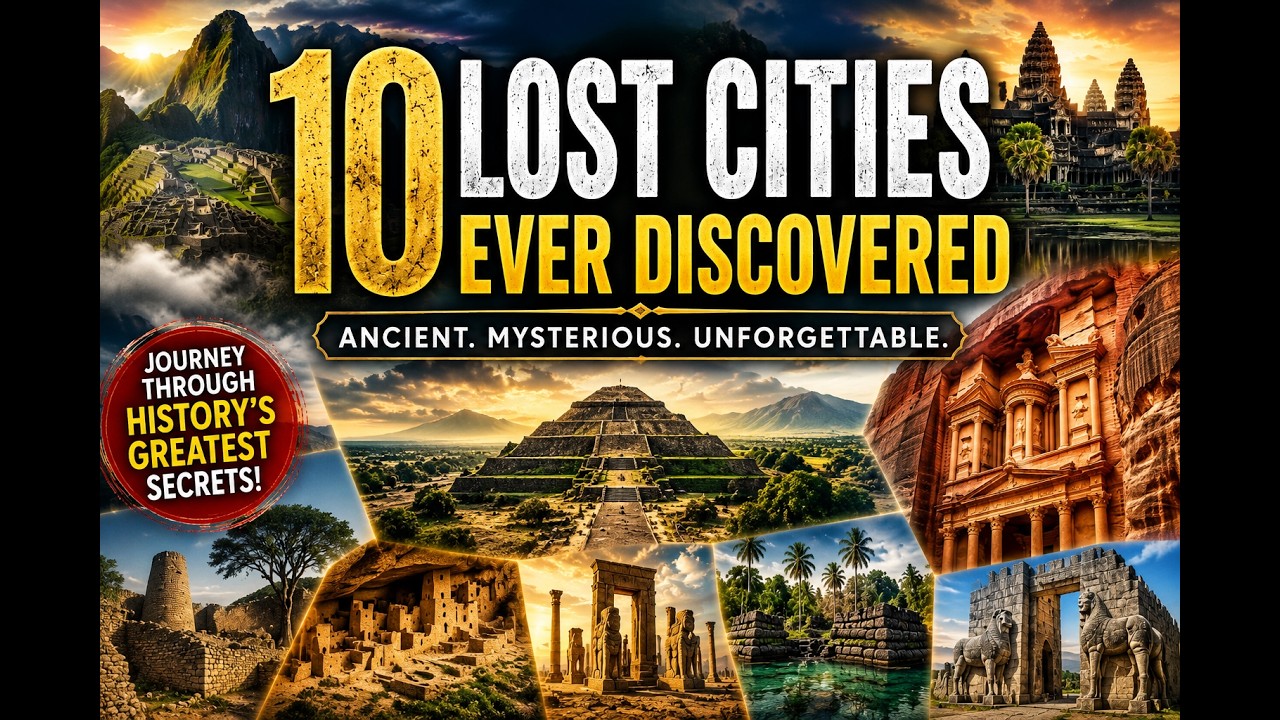
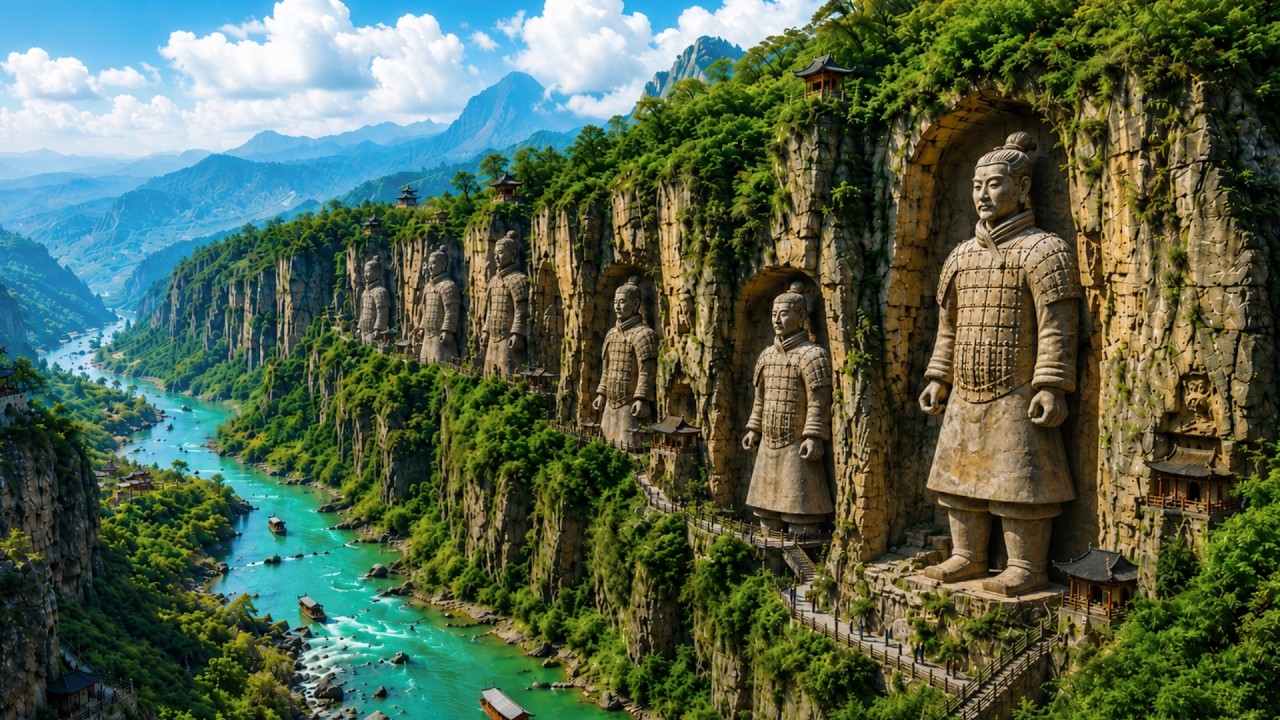
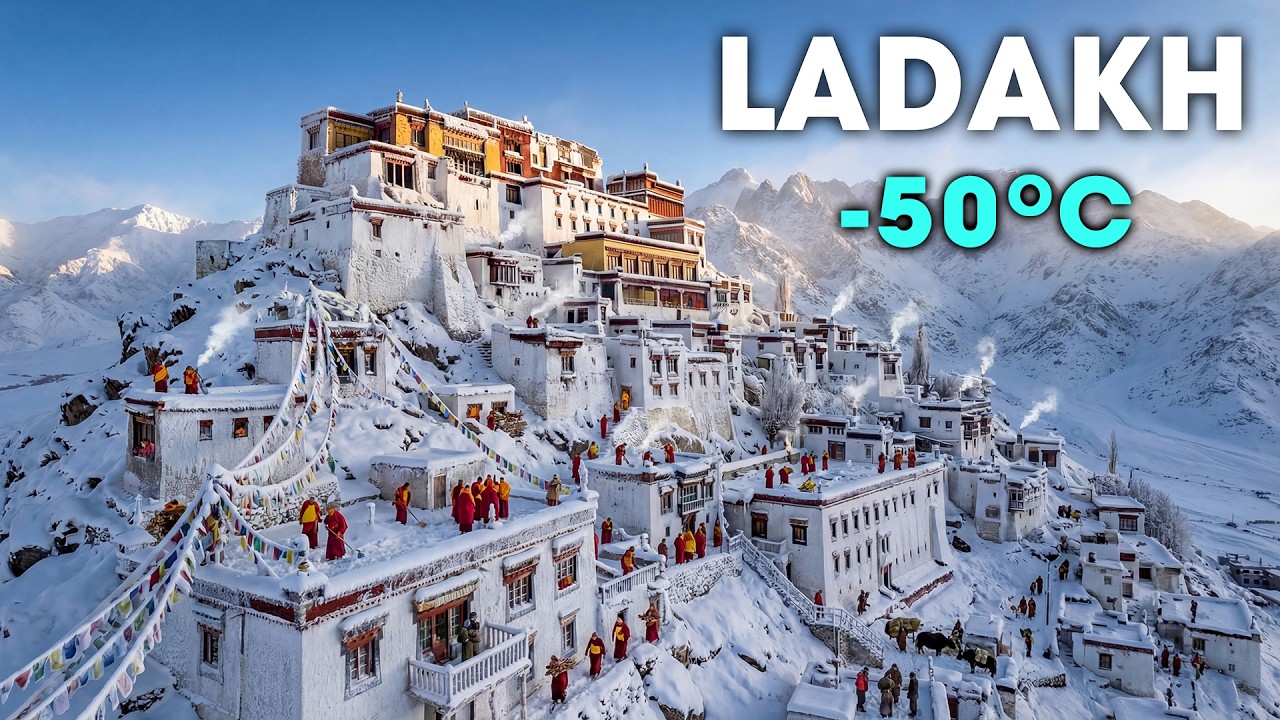
What the history books never told you about ancient Luoyang will change how you see the entire story of Chinese civilization. For over three thousand years, Luoyang was the beating heart of China — a city that served as imperial capital thirteen times, a place where dynasties rose and fell, where Buddhism entered China, where silk roads converged, and where the very idea of Chinese civilization was forged in fire and jade. In this cinematic documentary, reconstructed with artificial intelligence, we walk through the complete life of the city itself — Luoyang is the protagonist: 🏯 Why emperors chose this valley beside the Luo River as the center of the known world 🛕 The White Horse Temple, the Longmen Grottoes and the imperial palaces at the height of Han and Tang glory 🌊 The Luo and Yi rivers, the canal systems and the engineering that fed a city of half a million 👥 How ordinary Luoyang citizens — merchants, monks, scholars and soldiers — actually lived inside these walls ⚔️ Sackings, rebellions, the An Lushan catastrophe and the slow fading of the great capital 📜 What the excavations have uncovered and why Luoyang still holds secrets beneath its streets today This is not just a history documentary — it is a walk through an entire urban lifetime, from the first Zhou kings to the ruins and relics that still define Chinese identity. Luoyang was not just a capital. It was the origin point of a civilization.

Question everything because we were lied to.

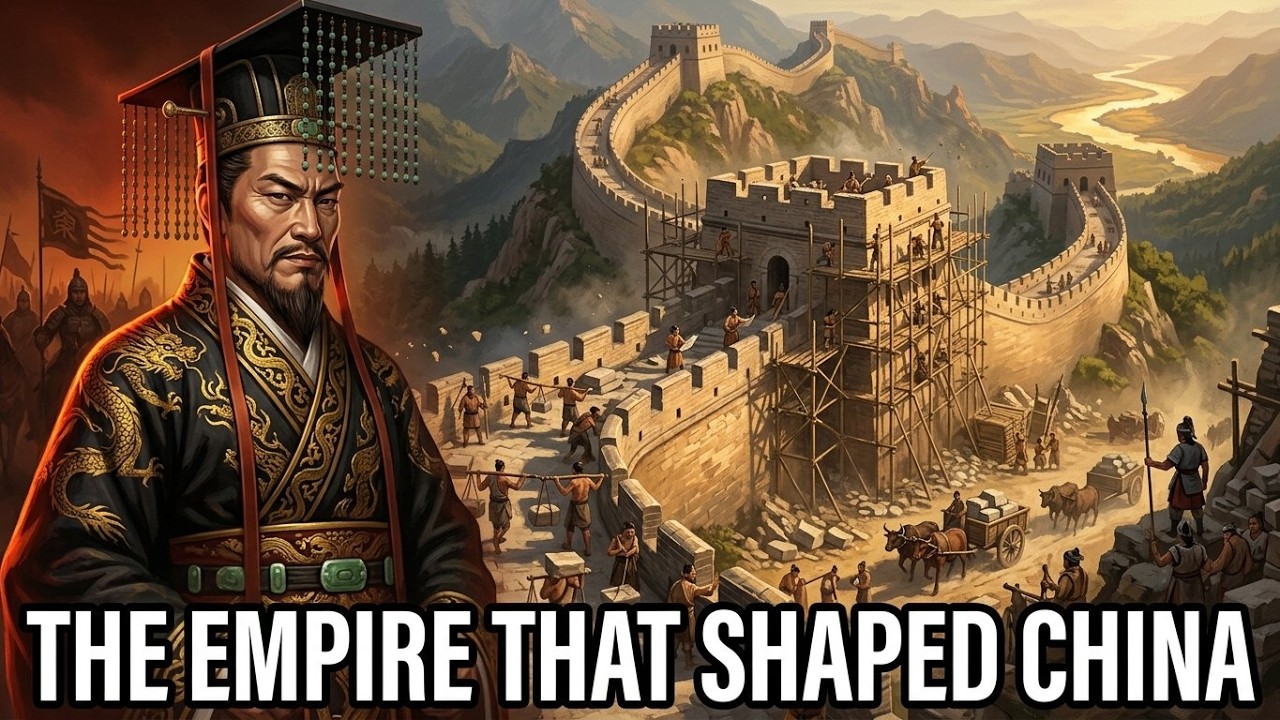
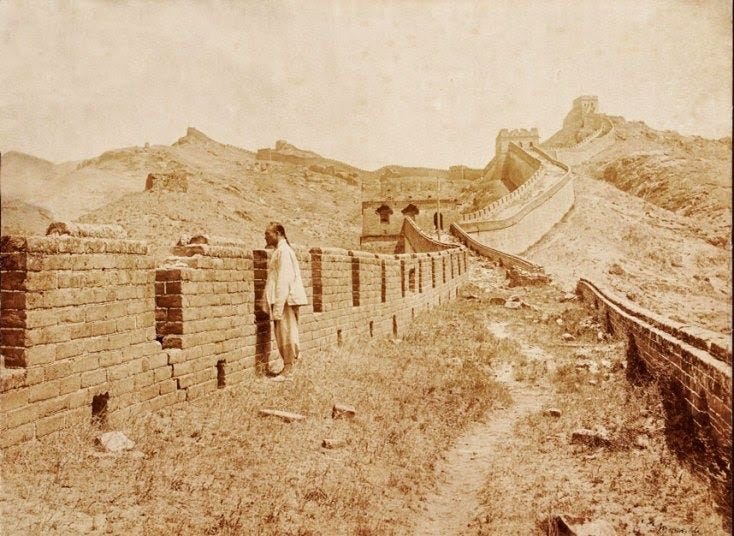
Tartaria was once a great empire that has been intentionally left out of "history" books. The altering of our history can be found everywhere. Look at the great wall of China or as it was once known as The Great Wall of Tartaria.

Y en este caso contamos con el testimonio de Salustio al documentar que todos los pueblos de raza blanca del Norte de Africa eran originarios de la Península Ibérica. ¿No cae por su propio peso que si la raza bereber procedía de Iberia, sucediera otro tanto con los pueblos del Mediterráneo oriental que tan innegables vínculos tienen con sus vecinos norteafricanos?…

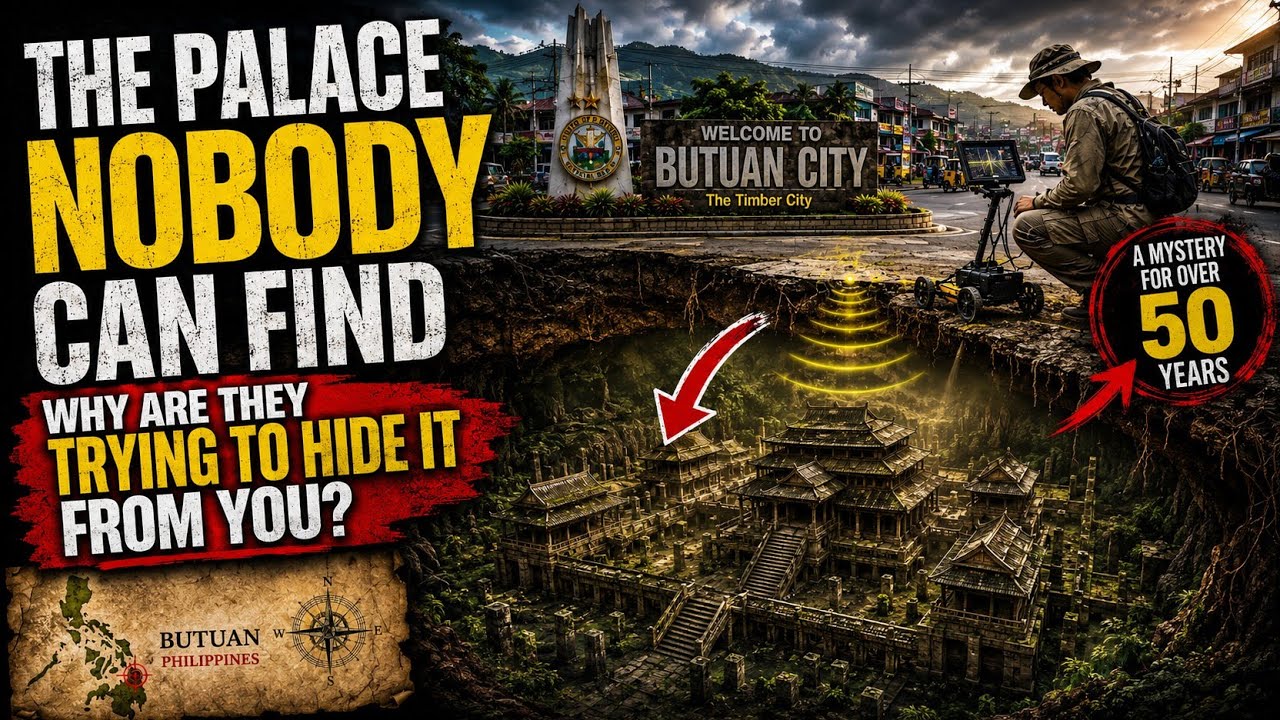
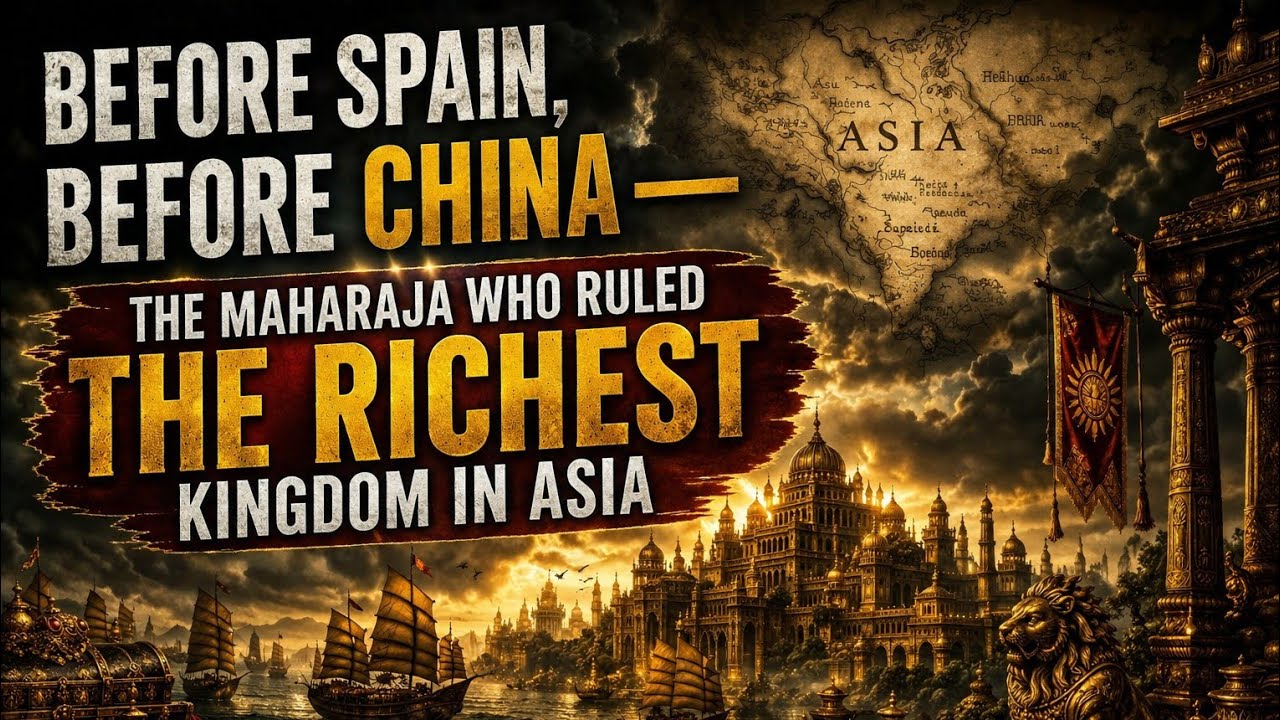
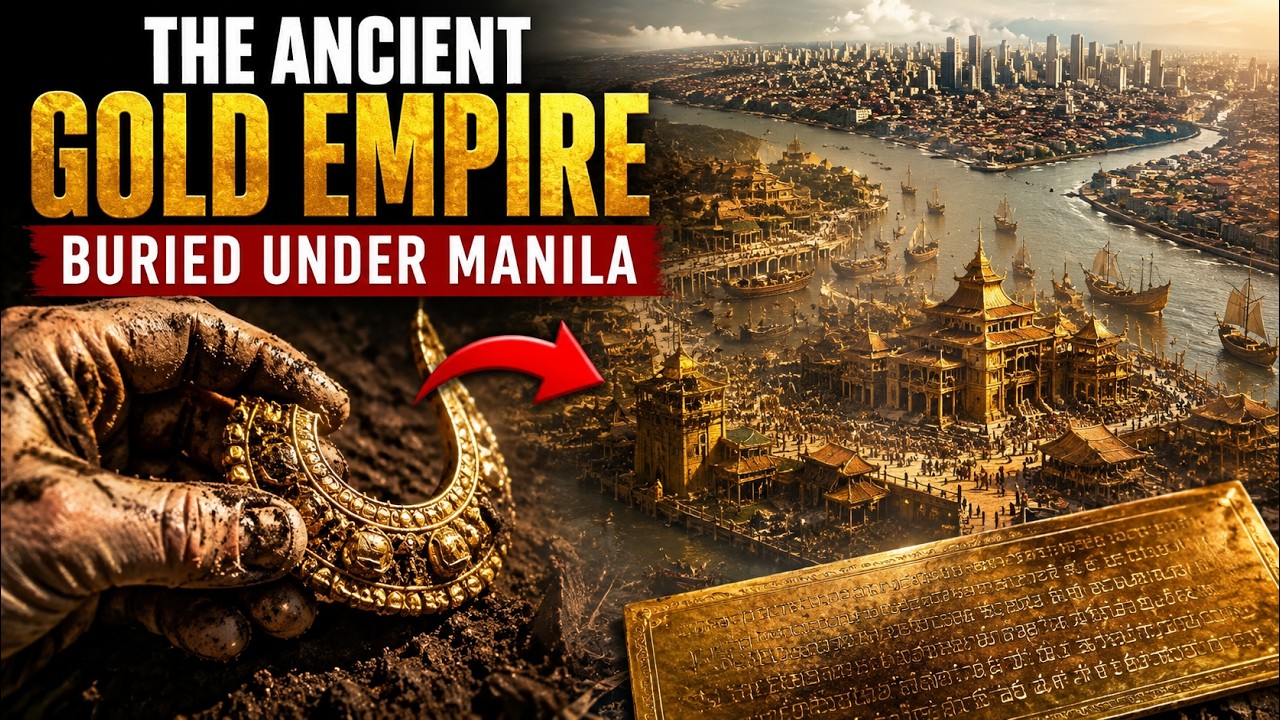
The archaeological discoveries in Butuan, Agusan del Norte, in the Philippines, during the 1970s revealed a thriving pre-colonial maritime kingdom. Excavations unearthed at least 11 ancient balangay (plank boats) dating back to the 7th through 10th centuries CE, alongside abundant gold artifacts, trade ceramics, and an inscribed ivory seal, rewriting early Southeast Asian trade history.
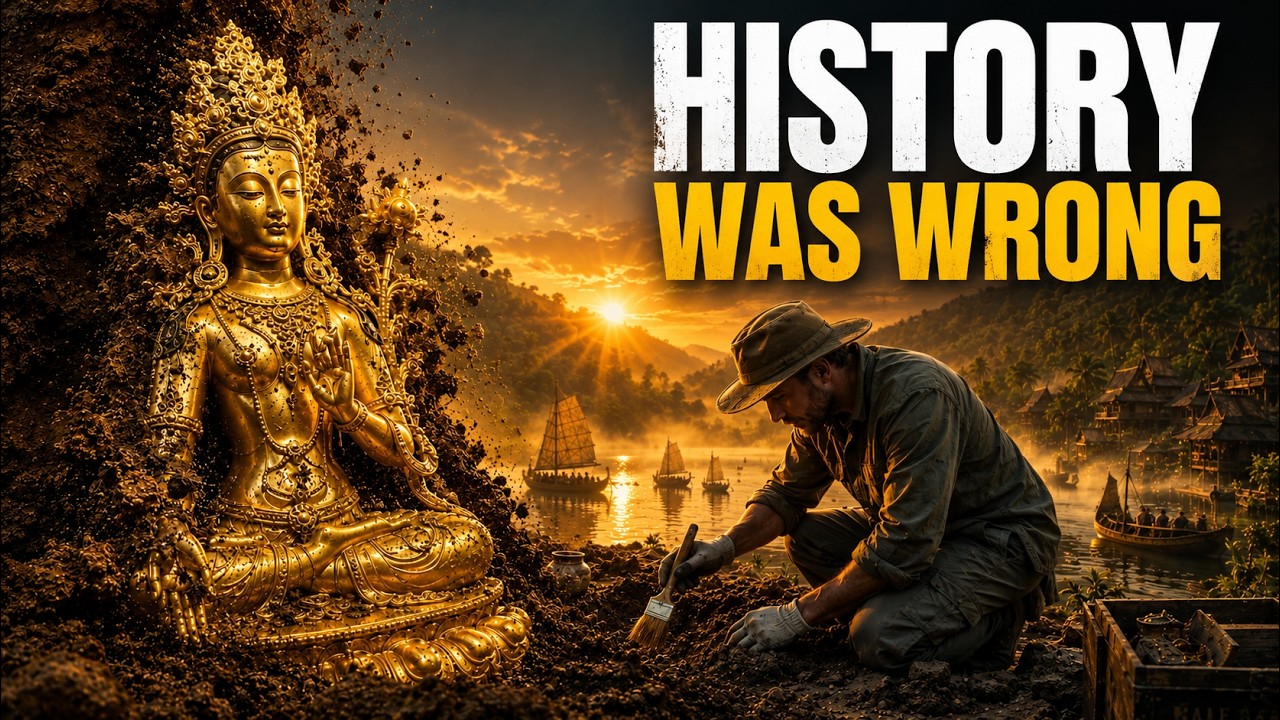
Butuan, in its early period, was under the influence of Hinduism and Buddhism, especially with the discovery of the Golden Image found at the Wawa River


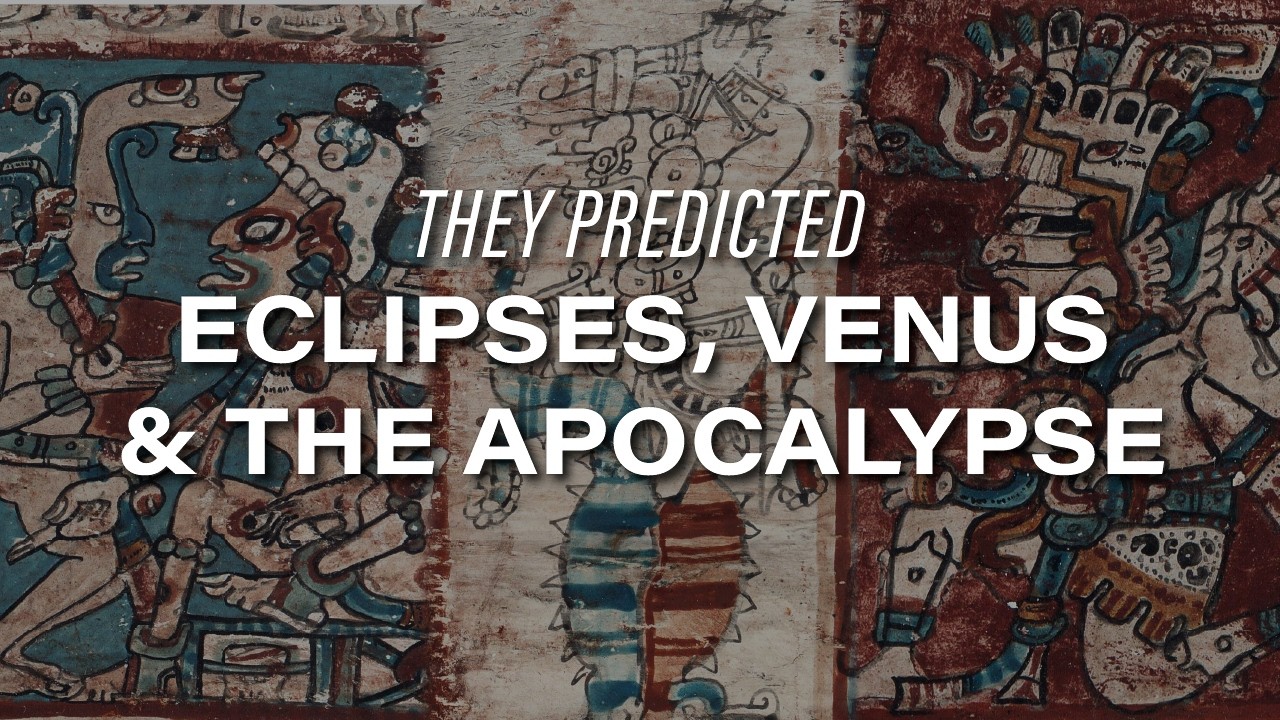
In 1590, a Spanish Jesuit priest named Pedro Chirino arrived in the Philippines with one mission — to erase everything he found. What he found was a civilization that had been reading the night sky for thousands of years. And they built a cosmological universe of extraordinary depth. Kaluwalhatian, the layered skyworld ruled by Bathala. The sun deity Araw, honored at the solstices with ritual precision. The Bulalakaw — a peacock deity whose fiery tail was a comet streaking across the sky. A cosmos not empty but populated. A sky not indifferent but in conversation with the people watching from below. Chirino wrote all of it down. Not to preserve it. To destroy it. And in doing so, he accidentally created one of the most important records of indigenous astronomical knowledge in all of Southeast Asian history. In this video we go deep into the pre-colonial Philippine astronomical tradition — what they knew, how they knew it, why it was suppressed, and what survived. We trace the star knowledge that navigated the Austronesian expansion across the Pacific and into the Indian Ocean. We explore the eclipse mythology that reveals a cosmological framework in which human beings had agency in the cosmos. And we ask the question the ancient Filipinos were asking every time they looked up at that impossibly full, impossibly vast night sky. Are we alone? Their answer — built from thousands of years of careful observation — is one of the most extraordinary in all of human history.


You’ve said the word Filipino your entire life. On immigration forms. At school. When someone abroad asks where you’re from. But nobody ever told you where that word actually came from. And when you find out — everything changes. Because the word Filipino was not created by your ancestors. It was created by the people who colonized them. When Spain first used the word Filipino in 1543 — it referred to Spanish settlers born in the Philippines. Not to the people already living here. Your ancestors were called something else entirely. So what were they called? Before Spain arrived — your ancestors had names that were specific, proud, and entirely their own. Taga-Maynila. Bisaya. Tausug. Maguindanao. Maranao. Each name was a declaration of identity that predated any colonial label by thousands of years. And the rest of the world knew those names. China documented Filipino kingdoms by name in official Imperial records for over 1,000 years before Spain arrived. In 972 CE Chinese records describe the prosperous kingdom of Ma-i. In 1001 CE the kingdom of Butuan sent a formal diplomatic mission to the Ming Dynasty court — a kingdom so wealthy that even servants wore gold. In 1417 Filipino envoys walked through the gates of the Ming Imperial palace wearing gold so elaborate that Chinese officials assumed they were receiving foreign royalty. In 900 CE — 621 years before Spain arrived — the Laguna Copper Plate was written in Old Malay with Sanskrit and Arabic loanwords. It is the oldest written document ever found in the Philippines. And it proves that your ancestors were already connected to India, the Arab world, and the entire ancient trading network of Southeast Asia centuries before any European explorer knew these islands existed. And there were Filipinos who Spain never conquered. The Tausug of Sulu fought Spain for over 200 years. The Sultanate of Maguindanao said no — with cannons and armies. The Igorot of the Cordillera kept their identity completely intact while the lowlands were being colonized. Some Filipinos never needed to reclaim their identity because they never gave it up. This is the history of your name. And every Filipino deserves to know it.


China was represented by the Tartarians which were the Basques/the hidden origin of humanity.

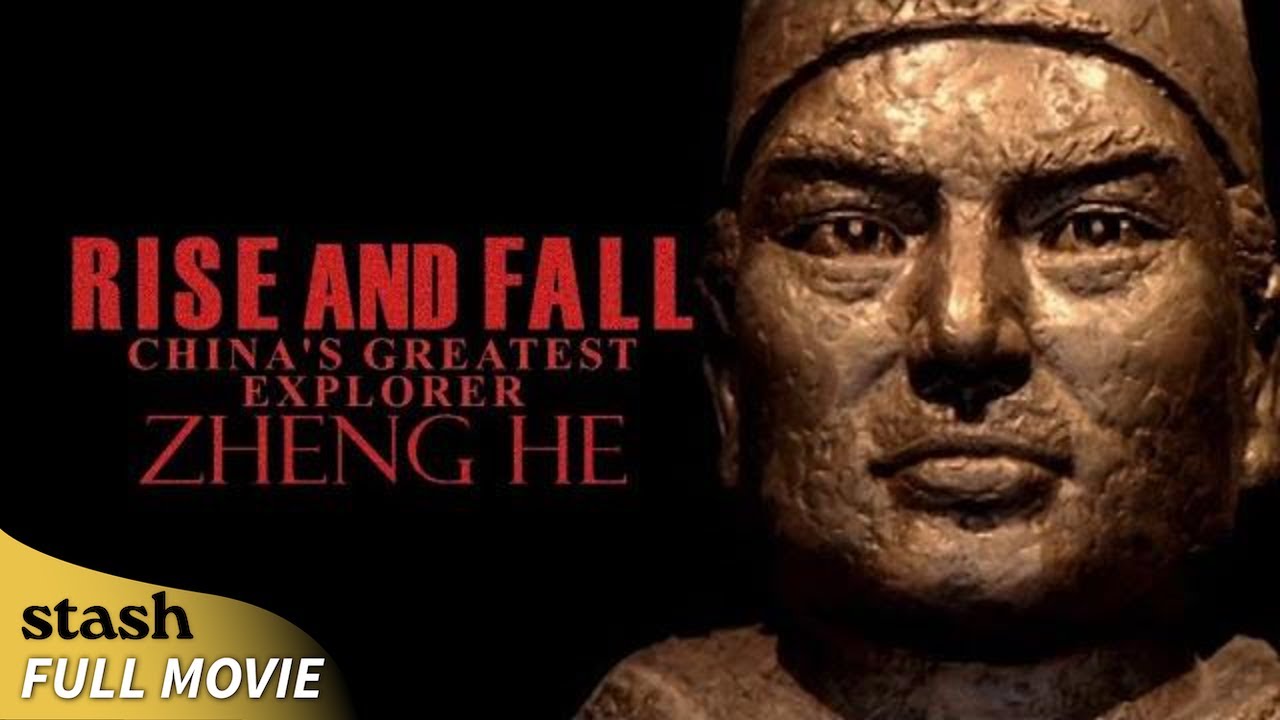
He was a Tartarian(Basque) not the chinese of today.

In 1405, nearly a century before Columbus set sail, China launched a maritime force so massive it was effectively a moving city. Led by the legendary Admiral Zheng He, this "Treasure Fleet" consisted of hundreds of ships—some reaching lengths of over 400 feet—and a crew of nearly 30,000 men. From the shores of Southeast Asia to the tip of Africa, the Ming Dynasty established a global presence that redefined the limits of human exploration. But why did this unstoppable maritime empire suddenly decide to burn its ships and retreat from the world? In this episode of Hidden Gems of History, we dive deep into the engineering marvels, the epic voyages, and the incredible legacy of the fleet that owned the ocean—before it was erased from history.
Not the western centric lens because Europe was pagan and christianity is the enemy of pagan Europe so it was madrid/christianity who hid that Tartarians(Basques)are from Europe)

 
Last edited:

BarcelonaAtlantis

Moderator
Staff member

Tartaria Conference 2025. - Jordan Nuttall​

Elisabeth Hancock
Elisabeth Hancock

Jordan Nuttall is the sixth speaker from the Tartaria Conference 2025 on 14 June. Jordan delves into the historical significance of the Tartarian Empire, exploring its geography, cultural practices, and the political dynamics that shaped its existence. He discusses various regions within Tartary, including Chinese Tartary and Independent Tartary, and highlights the influence of notable figures such as Genghis Khan and Tamerlane. The conversation also addresses the decline of Tartary and the erasure of its history from modern narratives, emphasizing the importance of rediscovering this lost legacy. Takeaways The Tartarian Empire was a vast and influential region in Asia. Historical gazetteers provide valuable insights into Tartary's geography and culture. Tartary encompassed various tribes and regions, each with unique characteristics. Uzbek Tartary was a center of power and wealth in the 18th century. The Kalmucks were nomadic Tatars with distinct cultural practices. Tartary's decline was marked by political changes and territorial absorption. Religious practices in Tartary were diverse and included Islam and ancient traditions. The erasure of Tartary from history reflects broader political agendas. Rediscovering Tartary's legacy is essential for understanding its historical significance. Curiosity and research can uncover forgotten histories.


The Basques as founders of every nation represented China and were the Qin dynasty.
The English name "China" comes from the ancient Sanskrit word Cīna, which is widely believed to derive from the Qin Dynasty (pronounced "Chin") that unified the country


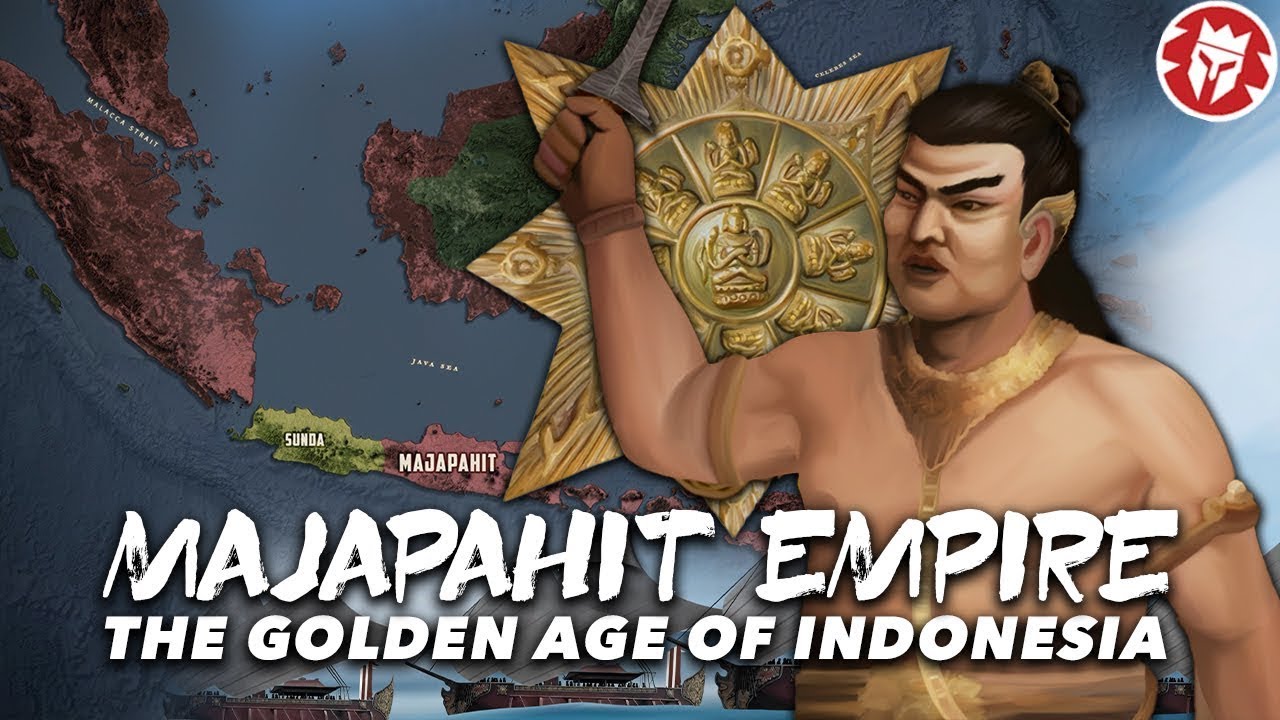
Indo-nesia comes from India and India means occident/the west in hindi(Bhrat hence british but the real british not the impostors that invaded Great Britain and hid real history) because the origin of everything is the BASQUE COUNTRY/NAVARRE.
 
Last edited:
BarcelonaAtlantis

Moderator
Staff member

Our stolen history


[URL According to the book A New General Atlas - 1721 - John Senex
Also has a few pages on Great Tartary
the Tartarians founded China and its true unfurl="true"]https://www.reddit.com/r/Tartaria/comments/zucrt2/according_to_this_book_from_1721_the_tartars/[/URL]


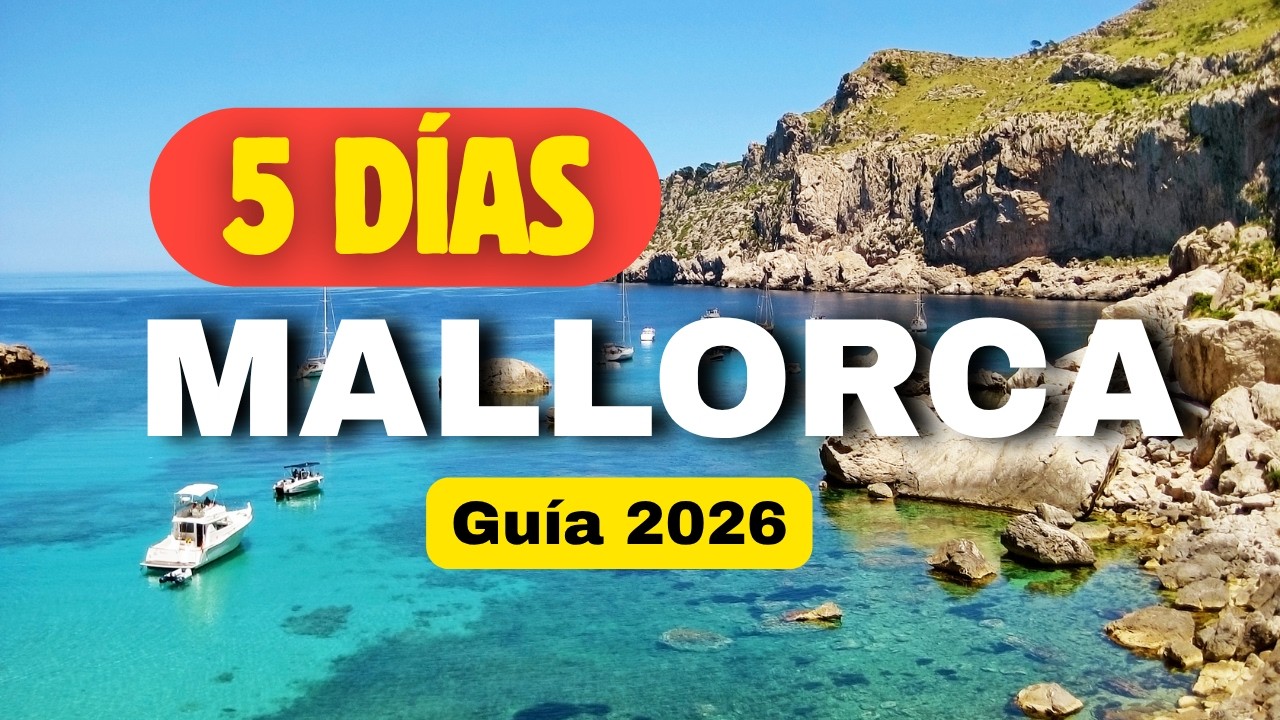
Se estima que en la Serra de Tramuntana de Mallorca existen más de 20.000 kilómetros lineales de muros y bancales de piedra en seco (marges) construidos a lo largo de los siglos. La muralla de China/Tartaria tiene algo mas de 20000km.
 
Last edited:
BarcelonaAtlantis

Moderator
Staff member

Anatoliy Fomenko has a great novel about Tartaria.Not to mention the forbidden city in China was initially called "The Tartar Palace."


Today we will look at the ancient history of the Forbidden City and the surrounding fortifications in Beijing, China. In many of the oldest photographs, which I have compiled for you today, Beijing is labeled as “Peking”. Another noteworthy fact, in many photographs from pre-1900 (which we will look at roughly 65 today) Beijing is labeled as “The Tartar City”, The Forbidden City of Beijing being “The Tartar Palace” and the surrounding walls called “The Tartar Walls”. Nowadays, the very heart of China’s capital city flows directly through the ancient structure, weaving amongst the sacred fortifications. Today we will examine the photographs, discuss the roots, involving four builds or four fortifications, creating ties with the Golden Horde, the Jurchen-Jin dynasty, which fell to the Khans, which enabled the Forbidden City to rise. We will then question the overarching narrative, while I lend my opinion to the origins of this super structure, involving the first men, bronze men, Proto-Indo-Aryans(real Aryans the Basques not the doomed nazis/impostors)of thousands of years ago from Northern India(India was the name for northern Iberia the land of the Basques).India in hindi is written bhrat which means OCCIDENT/WEST in hindi.

images[1].jpg
images[1].jpg
71gYW0xAvSL._AC_UF1000,1000_QL80_[1].jpg71eSjzRYakL._UF1000,1000_QL80_[1].jpgimage[1].jpg

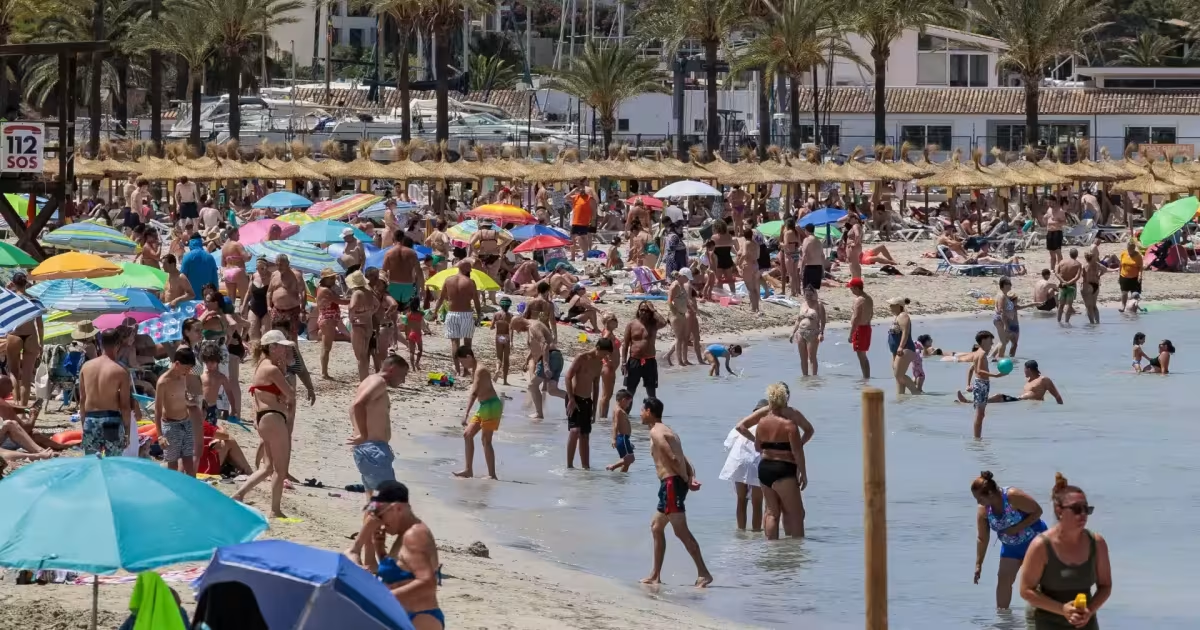
Mallorca has experienced the hottest night ever recorded in Palma on Sunday Juy 19

1050px-RYB-Infographics-CH10_RYB2025[1].png

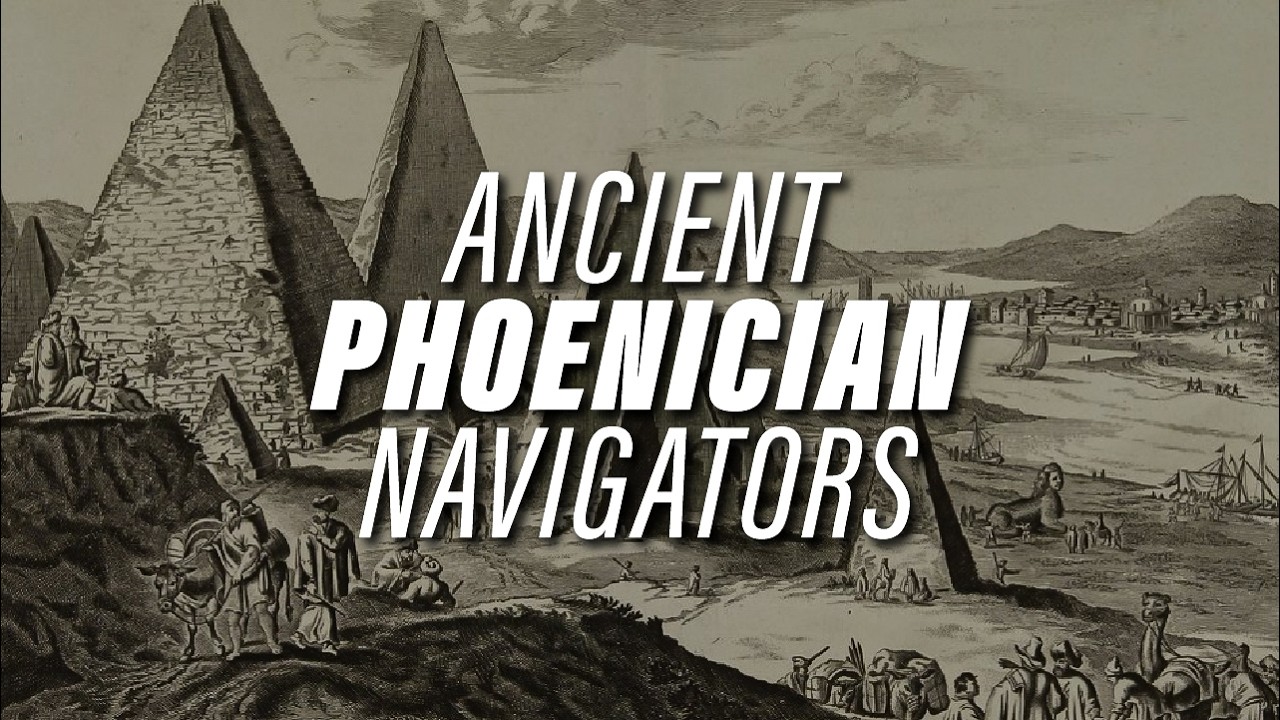
The Goth Phoenicians were the Basques..

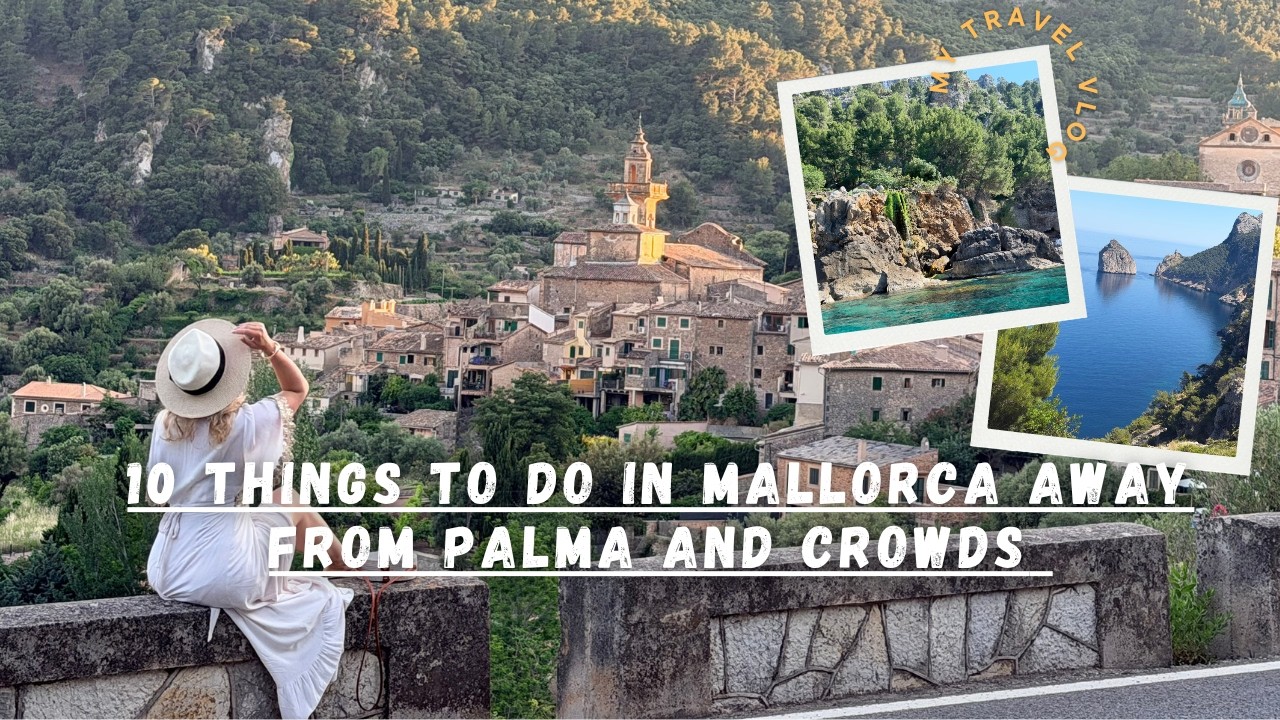
Puerto Pollença, Mallorca.
COVES-BLANQUES--MOLA_ROY4361web-6991ea4c[1].jpeg

El miedo es el ancla ke te mantiene en la antigua frecuencia.hq720[1].jpg


Mallorca broke its own record over the weekend by handling 160,000 passengers in a single day according to officials at Palma International Airport.

Destinations where the total solar eclipse on August 12 will be visible have quadrupled compared to the same period last year, according to data from the online travel agency Kiwi.com. Mallorca, in particular, has been one of the most popular destinations, as Mallorca will be one of the best places to enjoy this astronomical phenomenon. As if there weren’t already enough reasons to visit the island.

PALMA AND THE BAY OF PALMA
THE SECRET is out: Mallorca’s capital is one of the most enjoy-able cities in Europe. With its mazy old town, Rambla-like boulevards, harbourside setting and fine shops, bars and restaurants, Palma is like a mini Barcelona — without the street crime. The fact that most of the island’s 15m annual visitors never come nearer to the place than the airport only adds to its appeal.
Among the must-sees are the brooding bulk of the cathedral, the royal Almudaina Palace and the unusual and unique circular Bellver Castle. There is, though, probably more pleasure to be found in wandering the shady streets than in sightseeing — many are pedestrianised and lined with sturdy patrician mansions.

Mallorca is celebrated for its ever-evolving food scene.

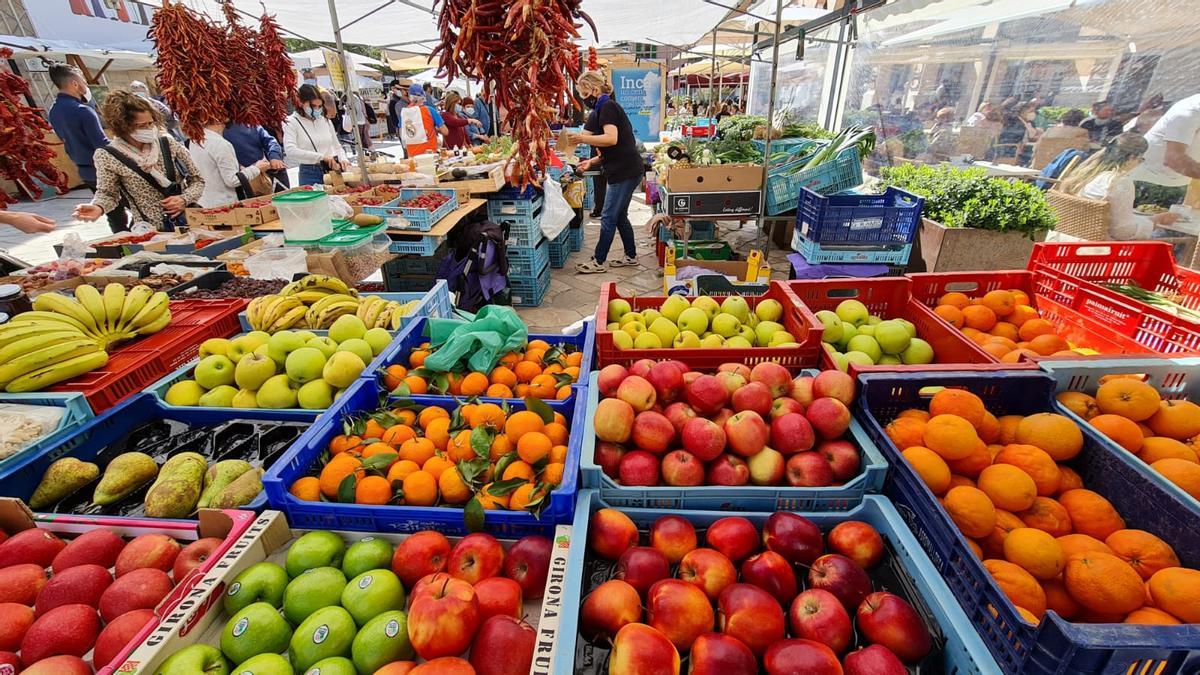
Golden beaches, winding stone alleyways, and endless Mediterranean sunshine may lure travellers to Palma de Mallorca, but it’s the island’s culinary scene that keeps many coming back. Long overshadowed(not anymore..) by mainland hotspots such as Barcelona and Donostia/San Sebastián, Mallorca’s capital has quietly evolved into one of the Mediterranean’s most exciting gastronomies. From bustling food markets and seaside seafood grills to Michelin-starred tasting menus and family-run bakeries perfumed with almond and citrus, Palma offers a culinary experience steeped in local identity and shaped by centuries of Mediterranean influence.

While Mallorca may still be known internationally for its beaches and summer resorts, Palma has firmly established itself as one of southern Europe’s most rewarding culinary cities. Its appeal lies in contrasts: humble taverns beside Michelin-starred dining rooms, ancient recipes alongside modern experimentation, bustling markets framed by elegant Gothic architecture.

For food lovers, Palma de Mallorca is a destination where Mediterranean culture comes alive through every glass of wine, every seafood platter, and every lingering meal shared beneath the Balearic sun. There's been a switch in attitudes on Mallorca for a good few years, a collective slowing down but also looking forward, as Europe's evergreen holiday island recasts its image. Meet the home-grown blue-sky thinkers and culturally curious arrivals who are actioning change.
 

Attachments

  • images[1].jpg
    images[1].jpg
    35.7 KB · Views: 1
Last edited:

BarcelonaAtlantis

Moderator
Staff member
More than most places, Mallorca means different things to different people. For many Mallorca is synonymous with the endless trinity of sun, sea and sangría, since Mallorca virtually(and without virtually) invented European beach tourism in the early 20th century.

Mallorca played a vital pioneer role in early Mediterranean leisure travel, opening Palma's luxury Grand Hotel in 1901 and establishing early elite coastal resorts by the 1920s. However, true mass European beach tourism exploded later during the 1950s and 1960s with the package-holiday boom and the opening of the island's main airport


"We have eaten across Europe all summer. Palma de Mallorca just moved to the top of the list. Mallorca has a serious food scene."

Here’s why OMBU is the restaurant to book in Palma:

• The chef’s table changes the meal — watching it made is half the pleasure.
• Mediterranean ingredients meeting Asian technique produces combinations that feel original without trying too hard.
• The team runs a room with warmth and professionalism that most restaurants twice the price cannot replicate.

Mallorca has a serious food scene. This is the proof.

Share this with whoever is heading to Palma and needs to know where to eat


As the first destination for package holidaymakers in the 1950’s, Mallorca has been at the forefront of tourism ever since. It remains the most popular short-haul destination for British holidaymakers (attracting approximately 2.8 million * UK visitors in 2019. Source:*AENA). The Mallorca Tourist Board (Fomento del Turismo de Mallorca) was founded in 1905 and is still the longest established tourist association in Spain, with a wealth of records and anecdotes. During the curfews we rummaged through our archives and found some great stories from the early days of tourism on Mallorca.


The very first English newspaper to be published in Spain was the Mallorca Daily Bulletin in 1962. The founding director, Pedro Serra, wanted to communicate directly with English visitors and residents providing them with a combination of Spanish national and local news, culture and events together with breaking news from the UK. One of the paper’s first contributors was the late British poet and author, Robert Graves, who wrote “I Claudius” from his idyllic village house in Deiá.


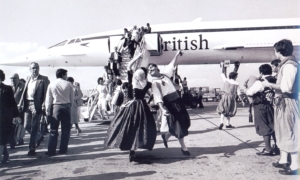
Concorde lands for the first time in Mallorca

CONCORDE-EN-PMI-1983-LORENZO-FRAU-2-1-300x180.jpg
Concorde in Palma 1983
In 1983 to mark Concorde’s 31st anniversary of flying, British Airways organised a special “Concorde Mallorca” flight from Manchester Airport which took off on October 22nd, 1983 and landed at Palma to great celebration. However, in order for Concorde to break the sound barrier and achieve a speed of over mach 2, the aircraft had to make a detour over the Atlantic and then head towards Palma. For this reason the total flight time was two hours.


Sensation! The first bikini ever seen in Spain in pioneer Mallorca!

Pvxh3bBg-1-195x300.jpg
Image courtesy of Ultima Hora newspaper
Prior to 1962 nothing as daring as a bikini had ever been featured in a Spanish film let alone been seen in public. The “Bahia de Palma” film, which was shot all over the island ,featured the German actress, Elke Sommer, who posed in the infamous bikini on a Palma beach as a publicity stunt to promote the film. To the surprise of the film’s director, the Spanish Authorities did not oppose the censorship of the film even though women were prohibited from wearing two pieces in Spain at the time. The publicity stunt caused a sensation and the film was an international success.


“First Millionth Visitor Celebration”

In 1964 the Mallorca Tourist Board decided to celebrate its one millionth tourist visitor, who happened to be British. In conjunction with Palma Airport, they decided to contact the pilot of a British European Airways flight from Manchester to alert the crew and to ensure that the one millionth passengers (a couple from Manchester) would be greeted by a band, local dancers and dignitaries when the plane landed at Palma.

When the aircraft doors opened, instead of the designated couple, a typical English “lady” descended smiling and waving at the welcoming committee. The chief of the Tourist Board had the embarrassing task of telling her that this was not being laid on for her benefit but for the couple behind her. The “lady” replied; “Forgive my error, I thought all this was because I have written so much about the island. By the way, my name is Agatha Christie”. The Tourist Board chief couldn’t believe he had missed such a great promotional opportunity. The author first visited Mallorca in 1932 when she discovered the north of the island and loved Port Pollensa where she later returned. The area was also her inspiration for the murder mystery entitled “Problem at Pollensa Bay”

The Fomento del Turismo (known as the Mallorca Tourist Board) was founded in 1905 and is the longest established tourist board in Spain and possibly in the world https://newsmallorca.com/en/tourism-history-made-in-mallorca/


Mallorca’s restaurant scene is buzzing like never before, with trendy pop-ups, long-established eateries who’ve upped their game and a surprising number of Michelin stars, considering its size. Expect fulsome flavours and mouthwatering textures teased from healthy Mediterranean ingredients wherever you go.
Some 6,000 miles separate Palma from Japan, where I spent a few years of my adult life, yet I find myself tucking into a crispy nori roll here, albeit with a hint of truffle oil. I’m at Fera, one of the restaurants at the heart of the explosion of conceptual gastronomy on Mallorca. It’s creating quite a culinary stir.

I came to the island with the mindset that my article on the food would be all about discovering the traditional local cuisine. But, in spite of this, I got lured into Fera and I’m thoroughly enjoying its Mediterranean-meets-the-Far-East fusion of flavours.

The man heading up the kitchen is Austrian chef Simon Petutschnig, whose exquisite-tasting stunningly presented food matches the lashings of contemporary art in the restaurant (and, yes, there was a course served on dry ice for added theatre). To say that the fare at Fera isn’t local wouldn’t be true. On paper, Mallorcan cuisine is based on fish, meat and vegetables, with generous doses of olive oil. More importantly, it’s rooted in the use of fresh, local ingredients. And – with the exception of items like nori, dashi and yuzu – my gourmet menu was just that.


Mallorca’s food and drink scenes are causing quite a buzz in international foodie circles, with inventive pop-ups and innovative openings delivering top-notch, home-grown food with global finesse. A new wave of chefs is championing locally inspired cuisines. Up till now, international chefs wanted to make their mark in the big capital cities of the world but, suddenly, it’s become trendy to travel to this small island and set up shop. A whole generation of Mallorcan chefs is returning home, having honed their skills in some of the world’s most-lauded kitchens. Plus, the old guard here has finally realised that locals and travellers alike are looking for more than a perfectly cooked steak or traditional Cordon Bleu cuisine and they, too, are evolving to create menus that take in local ingredients and cooking techniques in creative ways.

The same is happening beyond the kitchen – out front, everyone from managers to mixologists represents a new breed of restaurateurs keen to deliver a service and offering to match the food. https://www.outthere.travel/eat-your-hearts-content-mallorca-spain/

Mallorca’s rich island cuisine is enjoying a remarkable renaissance as visitors discover its abundant produce – and a cuisine that’s becoming increasingly refined.


Mallorcan gastronomy is up to date, and the arrival of professionals from all over the world makes it compete with the best kitchens anywhere on the planet.


Canyamel, Mallorca.
4ed55efc-43e2-4311-8326-607066bae821[1].jpg


Last edited:

BarcelonaAtlantis

Moderator
Staff member
La gastronomía mallorquina se posiciona con gran fuerza
Su cocina traspasa fronteras y conquista los paladares de todo el mundo con una oferta única que refleja su historia y cultura

Mallorca, una joya en el corazón del Mediterráneo, ha emergido como un destino culinario de renombre que combina tradición y vanguardismo. A lo largo de los años, la Isla se ha convertido en un epicentro gastronómico de prestigio que atrae a amantes de la comida de todo el mundo en busca de una experiencia única y auténtica. La gastronomía mallorquina, un auténtico tesoro culinario, está viviendo un auge en su popularidad. Los chefs y restaurantes están redescubriendo y celebrando sus raíces culinarias, al mismo tiempo que aprovechan los excepcionales productos locales para ofrecer una experiencia gastronómica inigualable.

La cocina mallorquina es el resultado de una historia diversa y una geografía privilegiada, y es que la Isla ha sido influenciada por las distintas culturas que la han ocupado a lo largo de los siglos, como los romanos, los árabes y los catalanes. Estas influencias se reflejan en la variedad de ingredientes y técnicas de cocina que conforman el recetario mallorquín. Algunos de los platos más emblemáticos son el tumbet, el frito mallorquín, la sobrasada, la coca de verdura y la ensaïmada.

La gastronomía mallorquina también se beneficia de la abundancia y calidad de los productos locales que ofrece nuestra tierra. El aceite de oliva virgen extra, el pescado fresco del Mediterráneo, las frutas y verduras de temporada, el queso de Mahón, el vino de la región y las hierbas aromáticas son algunos de los elementos que enriquecen la cocina mallorquina. Estos productos, junto con el saber hacer de los chefs locales, han permitido a la Isla desarrollar una gastronomía de alto nivel que respeta y celebra sus raíces culinarias.


La gastronomía mallorquina ha logrado posicionarse como un referente culinario tanto a nivel nacional como internacional. Mallorca cuenta con una amplia oferta gastronómica que satisface todos los paladares, gustos y presupuestos. Desde los restaurantes más tradicionales, donde se puede degustar la cocina casera y los platos típicos de la Isla, hasta los restaurantes más innovadores, donde se fusiona la tradición con la vanguardia culinaria, pasando por los restaurantes galardonados con estrella Michelin, que ofrecen una experiencia gastronómica de lujo.

La gastronomía mallorquina también ha traspasado las fronteras isleñas y ha conquistado los paladares de todo el mundo. La promoción de la cocina mallorquina a nivel internacional se ha visto reforzada por la participación de chefs y restaurantes locales en eventos culinarios y festivales gastronómicos de prestigio. Estos encuentros han servido para dar a conocer la riqueza y diversidad de la gastronomía mallorquina, así como para establecer contactos y alianzas con otros profesionales del sector. Un ejemplo destacado de este posicionamiento a nivel internacional es el de la pastelera menorquina Cristina Jiménez, quien hace aproximadamente un año abrió La Colmena, la primera pastelería en Australia con producto mallorquín. Su negocio ha prosperado notoriamente, luchando por satisfacer la creciente demanda. Sus ensaïmades caseras, para las cuales importa la calabaza especial desde Mallorca para crear el famoso relleno de cabello de ángel, se han convertido en las creaciones más demandas. Este éxito es un testimonio del alcance global de la gastronomía mallorquina y su capacidad para deleitar paladares en todo el mundo.

Mallorca es, sin duda, un destino culinario de primer orden que combina tradición e innovación. Nuestra Isla ofrece una gastronomía única y auténtica que refleja su historia, su cultura y su geografía. Así pues, no cabe duda de que la gastronomía mallorquina es un atractivo más para visitar la Isla y disfrutar de su belleza y su encanto. Y qué mejor época para hacerlo que el mes de diciembre, donde las comidas y sus productos toman especial protagonismo en estas fiestas tan señaladas del último mes del año. https://www.ultimahora.es/xaloc/gas...onomia-mallorquina-posiciona-gran-fuerza.html

Nâga (Sk.). Literally "Serpent". The name in the Indian Pantheon of the Serpent or Dragon Spirits, and of the inhabitants of Pâtâla, hell. But as Pâtâla means the antipodes, and was the name given to America by the ancients, who knew and visited that continent before Europe had ever heard of it, the term is probably akin to the Mexican Nagals the (now) sorcerers and medicine men. The Nagas are the Burmese Nats, serpent-gods, or "dragons". In Esotericism, however, and as already stated, this is a nick-name for the "wise men" or adepts in China and Tibet, the "Dragons." are regarded as the titulary deities of the world, and of various spots on the earth, and the word is explained as meaning adepts, yogis, and narjols. The term has simply reference to their great knowledge and wisdom. This is also proven in the ancient Sûtras and Buddha's biographies. The Nâga is ever a wise man, endowed with extraordinary magic powers, in South and Central America as in India, in Chaldea as also in ancient Egypt. In China the "worship" of the Nâgas was widespread, and it has become still more pronounced since Nâgarjuna (the "great Nâga", the "great adept" literally), the fourteenth Buddhist patriarch, visited China. The "Nâgas" are regarded by the Celestials as "the tutelary Spirits or gods of the five regions or the four points of the compass and the centre, as the guardians of the five lakes and four oceans" (Eitel). This, traced to its origin and translated esoterically, means that the five continents and their five root-races had always been under the guardianship of "terrestrial deities", i.e., Wise Adepts. The tradition that Nâgas washed Gautama Buddha at his birth, protected him and guarded the relics of his body when dead, points again to the Nâgas being only wise men, Arhats, and not monsters or Dragons. This is also corroborated by the innumerable stories of the conversion of Nâgas to Buddhism. The Nâga of a lake in a forest near Râjagriha and many other "Dragons" were thus converted by Buddha to the good Law.
 
Last edited:

BarcelonaAtlantis

Moderator
Staff member
Oannes. (Gr.). Musarus Oannes, the Annedotus, known in the Chaldean "legends", transmitted through Berosus and other ancient writers, as Dag or Dagon, the "man-fish". Oannes came to the early Babylonians as a reformer and an instructor. Appearing from the Erythræan Sea, he brought to them civilisation, letters and sciences, law, astronomy and religion, teaching them agriculture, geometry and the arts in general. There were Annedoti who came after him, five in number (our race being the fifth)—"all like Oannes inform and teaching the same"; but Musarus Oannes was the first to appear, and this he did during the reign of Ammenon, the third of the ten antediluvian Kings whose dynasty ended with Xisuthrus, the Chaldean Noah (See "Xisuthrus"). Oannes was "an animal endowed with reason whose body was that of a fish, but who had a human head under the fish's with feet also below, similar to those of a man, subjoined to the fish's tail, and whose voice and language too were articulate and human" (Polyhistor and Apollodorus). This gives the key to the allegory. It points out Oannes, as a man and a "priest", an Initiate. Layard showed long ago (See Nineveh) that the "fish's head" was simply a head gear, the mitre worn by priests and gods, made in the form of a fish's head, and which in a very little modified form is what we see even now on the heads of high Lamas and Romish Bishops. Osiris had such a mitre. The fish's tail is simply the train of a long stiff mantle as depicted on some Assyrian tablets, the form being seen reproduced in the sacerdotal gold cloth garment worn during service by the modern Greek priests. This allegory of Oannes, the Annedotus, reminds us of the "Dragon" and "Snake-Kings "; the Nâgas who in Buddhist legends instruct people in wisdom on lakes and rivers, and end by becoming converts to the good Law and Arhats. The meaning is evident. The "fish" is an old and very suggestive symbol in the Mystery-language, as is also "water". Ea or Hea was the god of the sea and Wisdom, and the sea serpent was one of his emblems, his priests being "serpents "or Initiates. Thus one sees why Occultism places Oannes and the other Annedoti in the group of those ancient "adepts" who were called "marine" or "water dragons"—Nâgas. Water typified their human origin (as it is a symbol of earth and matter and also of purification), in distinction to the "fire Nâgas" or the immaterial, Spiritual Beings, whether celestial Bodhisattvas or Planetary Dhyânis, also regarded as the instructors of mankind. The hidden meaning becomes clear to the Occultist, once he is told that "this being (Oannes) was accustomed to pass the day among men, teaching; and when the Sun had set, he retired again into the sea, passing the night in the deep, "for he was amphibious", i.e., he belonged to two planes: the spiritual and the physical. For the Greek word amphibios means simply "life on two planes", from amphi, "on both sides", and bios, "life". The word was often applied in antiquity to those men who, though still wearing a human form, had made themselves almost divine through knowledge, and lived as much in the spiritual supersensuous regions as on earth. Oannes is dimly reflected in Jonah, and even in John, the Precursor, both connected with Fish and Water.

Ogham (Celtic). A mystery language belonging to the early Celtic races, and used by the Druids. One form of this language consisted in the association of the leaves of certain trees with the letters, this was called Beth-luis-nion Ogham, and to form words and sentences the leaves were strung on a cord in the proper order. Godfrey Higgins suggests that to complete the mystification certain other leaves which meant nothing were interspersed.

Ogygia (Gr.). An ancient submerged island known as the isle of Calypso, and identified by some with Atlantis.

Pagan Gods. The term is erroneously understood to mean idols. The philosophical idea attached to them was never that of something objective or anthropomorphic, but in each case an abstract potency, a virtue, or quality in nature. There are gods who are divine planetary spirits (Dhyan Chohans) or Devas, among which are also our Egos. With this exception, and especially whenever represented by an idol or in anthropomorphic form, the gods represent symbolically in the Hindu, Egyptian, or Chaldean Pantheons—formless spiritual Potencies of the "Unseen Kosmos".

Uragas (Sk.). The Nâgas (serpents) dwelling in Pâtâla the nether world or hell, in popular thought; the Adepts, High Priests and Initiates of Central and South America, known to the ancient Aryans; where Arjuna wedded the daughter of the king of the Nâgas—Ulûpî. Nagalism or Nâga-worship prevails to this day in Cuba and Hayti, and Voodooism, the chief branch of the former, has found its way into New Orleans. In Mexico the chief "sorcerers", the "medicine men", are called Nagals to this day; just as thousands of years ago the Chaldean and Assyrian High Priests were called Nargals, they being chiefs of the Magi (Rab.Mag), the office held at one time by the prophet Daniel. The word Nâga, "wise serpent", has become universal, because it is one of the few words that have survived the wreck of the first universal language. In South as well as in Central and North America, the aborigines use the word, from Behring Straits down to Uruguay, where it means a "chief", a "teacher and a "serpent". The very word Uraga may have reached India and been adopted through its connection, in prehistoric times, with South America and Uruguay itself, for the name belongs to the American Indian vernacular. The origin of the Uragas, for all that the Orientalists know, may have been in Uruguay, as there are legends about them which locate their ancestors the Nâgas in Pâtâla, the antipodes, or America.

Uranides (Gr.). One of the names of the divine Titans, those who rebelled against Kronos, the prototypes of the christian "fallen" angels
 
Last edited:
Top