

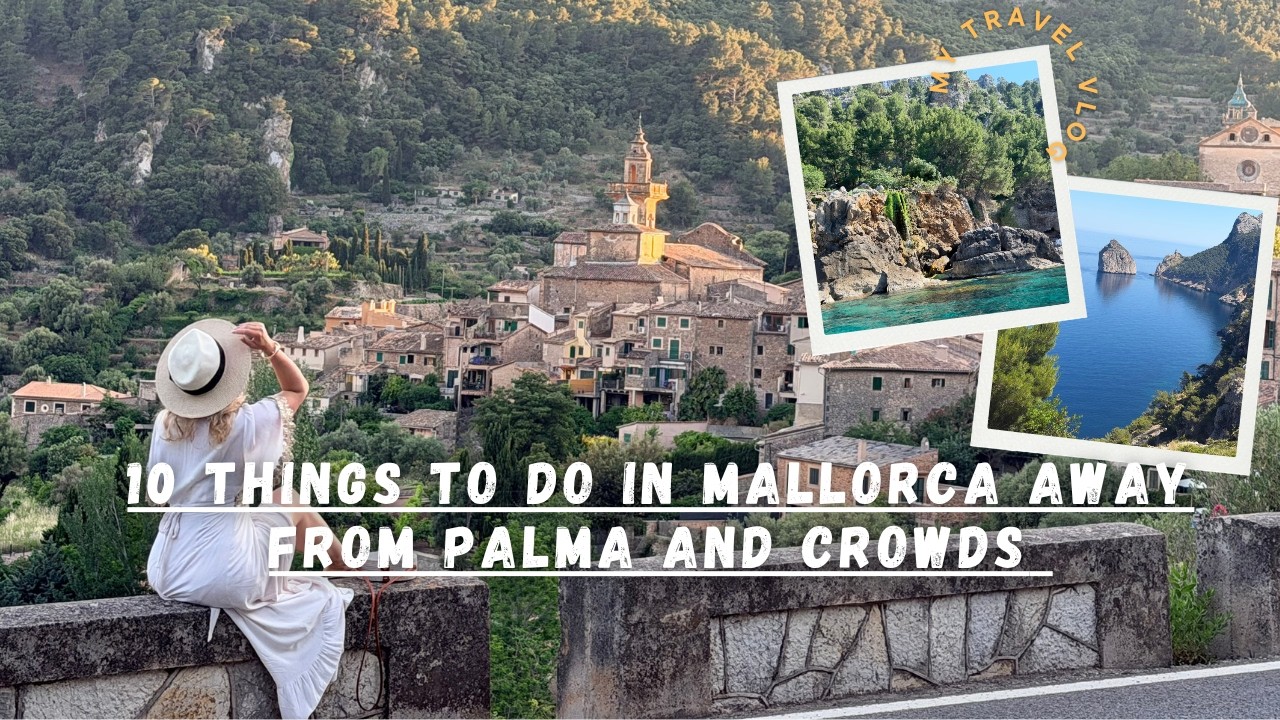
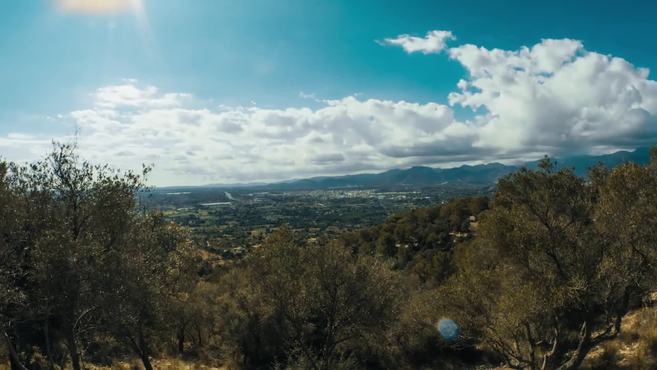
10 BEST Things to Do in Mallorca| Beyond Palma & the Crowded Beaches
#travel #mallorca #travelvlog Wondering what to do in Mallorca beyond Palma and the busy beaches? In this Mallorca travel guide, I explore the island's most ...
 www.youtube.com

🧳 TOP 10 Que Ver en MALLORCA | Guía Que Hacer en Mallorca
💡Acompáñanos en este recorrido por las 10 mejores atracciones que visitar en Mallorca. Te mostraremos cuales son los principales puntos turísticos que ver e...
www.youtube.com
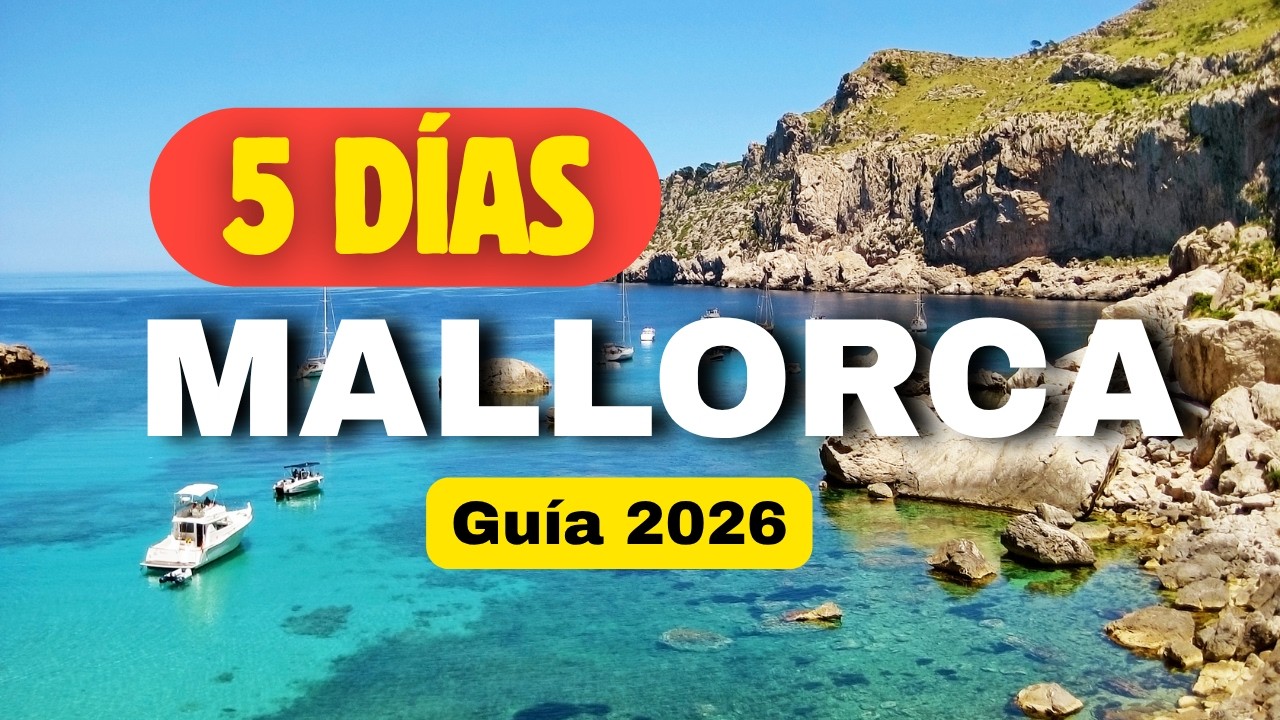
MALLORCA en 5 DÍAS 🇪🇸 Qué ver y hacer (Guía COMPLETA + Itinerario 2026)
🎟️ ACTIVIDADES Y EXCURSIONES RECOMENDADAS:➡️ Free tour por Palma de Mallorca: https://www.civitatis.com/es/palma-mallorca/free-tour-palma-mallorca/?aid=1130...
www.youtube.com

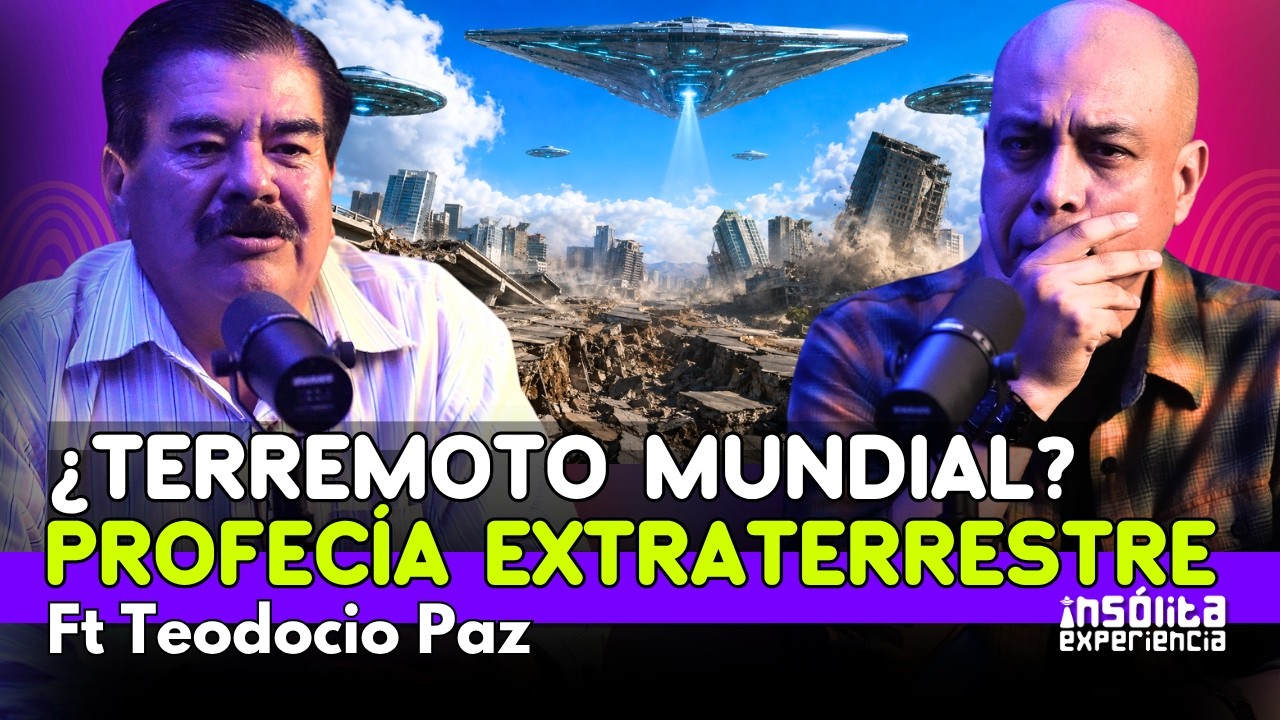
Los SERES de ANDRÓMEDA nos COMUNICARON ESTO - Akisha
Un mensaje transmitido por seres de Andrómeda sobre el salto cuántico, la superación del miedo y la clave para activar tu propia ascensión espiritual... esta...
www.youtube.com

Los Templarios en España: El Imperio Secreto que Nadie Pudo Destruir
En 1307, el rey Felipe IV de Francia ordenó arrestar a todos los Templarios en un solo día. Pero en España, cientos de ellos escaparon... y nadie sabe adónde...
www.youtube.com
Astor/Aitor/Arthur/Thor/Astro sun
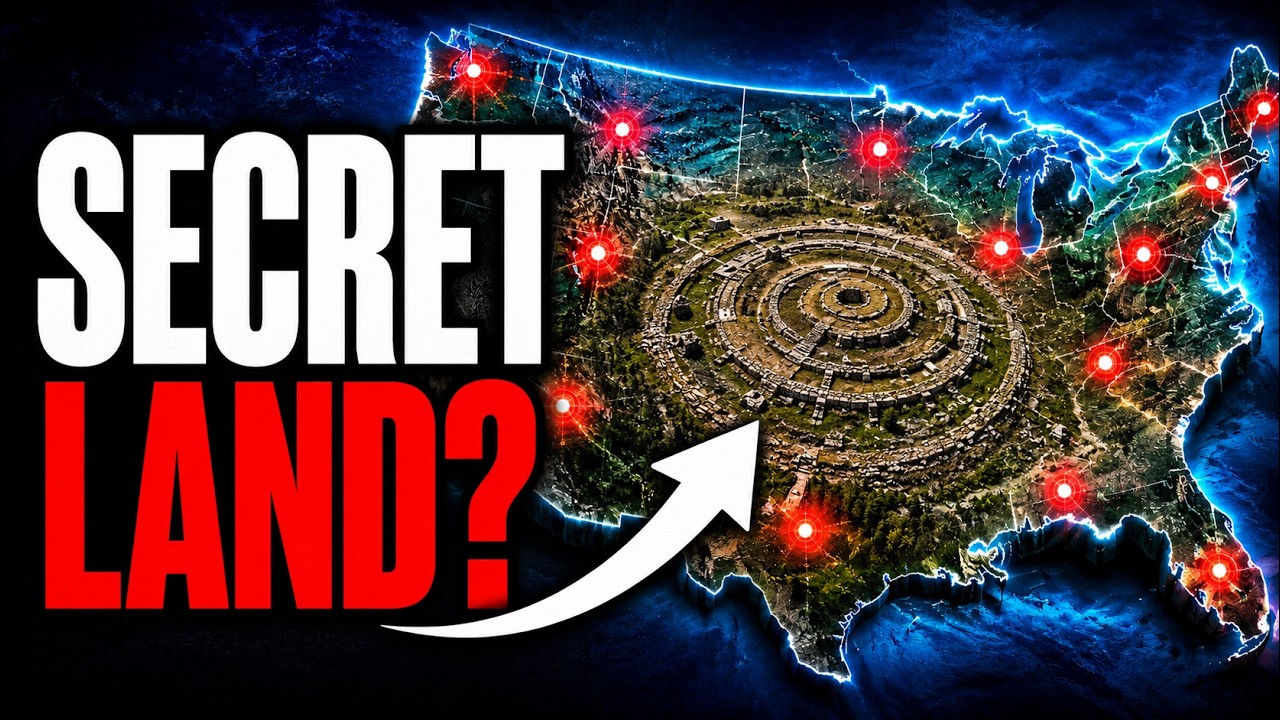
Why America Is Sitting on the Most Unexplained Ancient Land on Earth
For 115 years, people played golf in Newark, Ohio directly on top of a 2,000-year-old lunar observatory built by the Hopewell — and never thought twice about...
www.youtube.com

MALLORCA: il Paradiso che NON Immagini in Europa! 🇪🇸 Ep.1
Venite con me alla scoperta di Mallorca, gioiello delle Baleari! 🇪🇸Tra calette nascoste, acque cristalline, borghi autentici e tramonti mozzafiato in un vi...
www.youtube.com
What the history books never told you about ancient Luoyang will change how you see the entire story of Chinese civilization. For over three thousand years, Luoyang was the beating heart of China — a city that served as imperial capital thirteen times, a place where dynasties rose and fell, where Buddhism entered China, where silk roads converged, and where the very idea of Chinese civilization was forged in fire and jade. In this cinematic documentary, reconstructed with artificial intelligence, we walk through the complete life of the city itself — Luoyang is the protagonist: 🏯 Why emperors chose this valley beside the Luo River as the center of the known world 🛕 The White Horse Temple, the Longmen Grottoes and the imperial palaces at the height of Han and Tang glory 🌊 The Luo and Yi rivers, the canal systems and the engineering that fed a city of half a million 👥 How ordinary Luoyang citizens — merchants, monks, scholars and soldiers — actually lived inside these walls ⚔️ Sackings, rebellions, the An Lushan catastrophe and the slow fading of the great capital 📜 What the excavations have uncovered and why Luoyang still holds secrets beneath its streets today This is not just a history documentary — it is a walk through an entire urban lifetime, from the first Zhou kings to the ruins and relics that still define Chinese identity. Luoyang was not just a capital. It was the origin point of a civilization.

Why Did China's Greatest City Disappear? The Untold Truth of Luoyang — Ancient Heart of an Empire
What the history books never told you about ancient Luoyang will change how you see the entire story of Chinese civilization.For over three thousand years, L...
www.youtube.com

What the World's Biggest City Really Looked Like 1,000 Years Ago — The Lost Glory of Chang'an
The history books gave you the Silk Road. But they never told you where it began.At the height of the Tang Dynasty, one city stood above every other settleme...
www.youtube.com
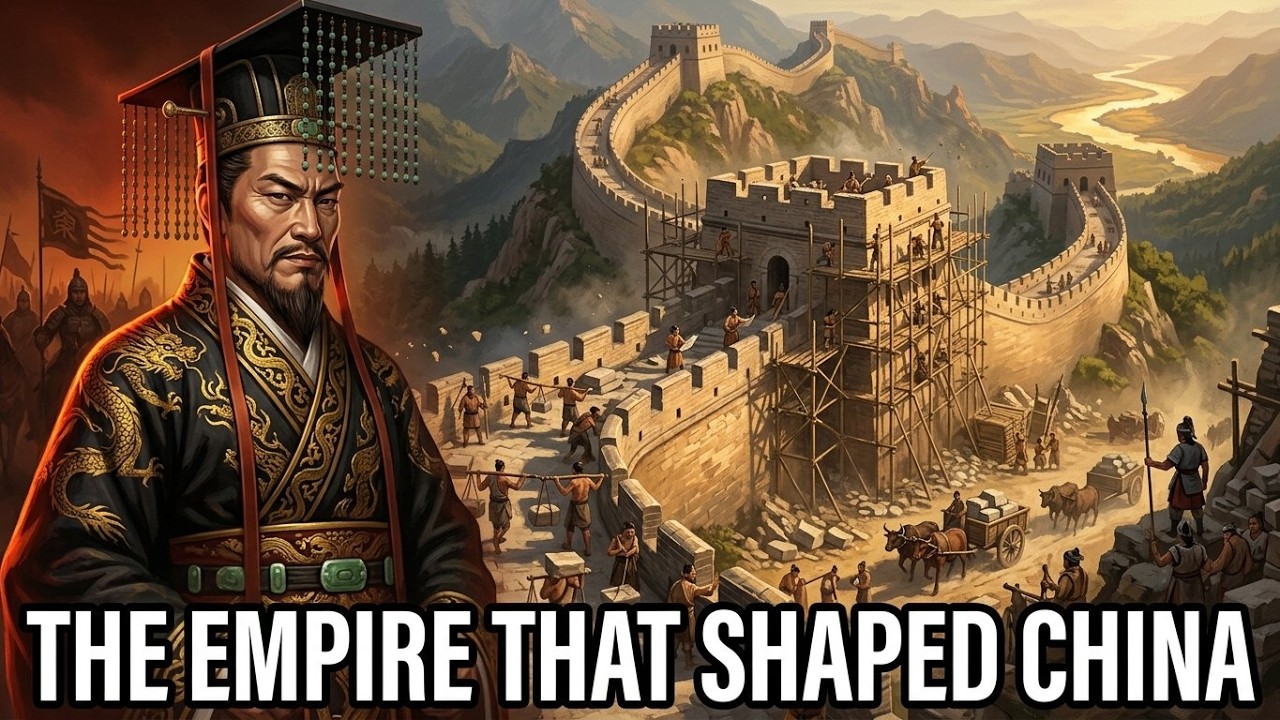
Before the Great Wall: The Brutal Empire That Built Modern China (AI Reconstruction)
Before China was China, there was the Qin.In just a few decades, one ruthless and visionary ruler unified warring kingdoms, standardized a language, built th...
www.youtube.com
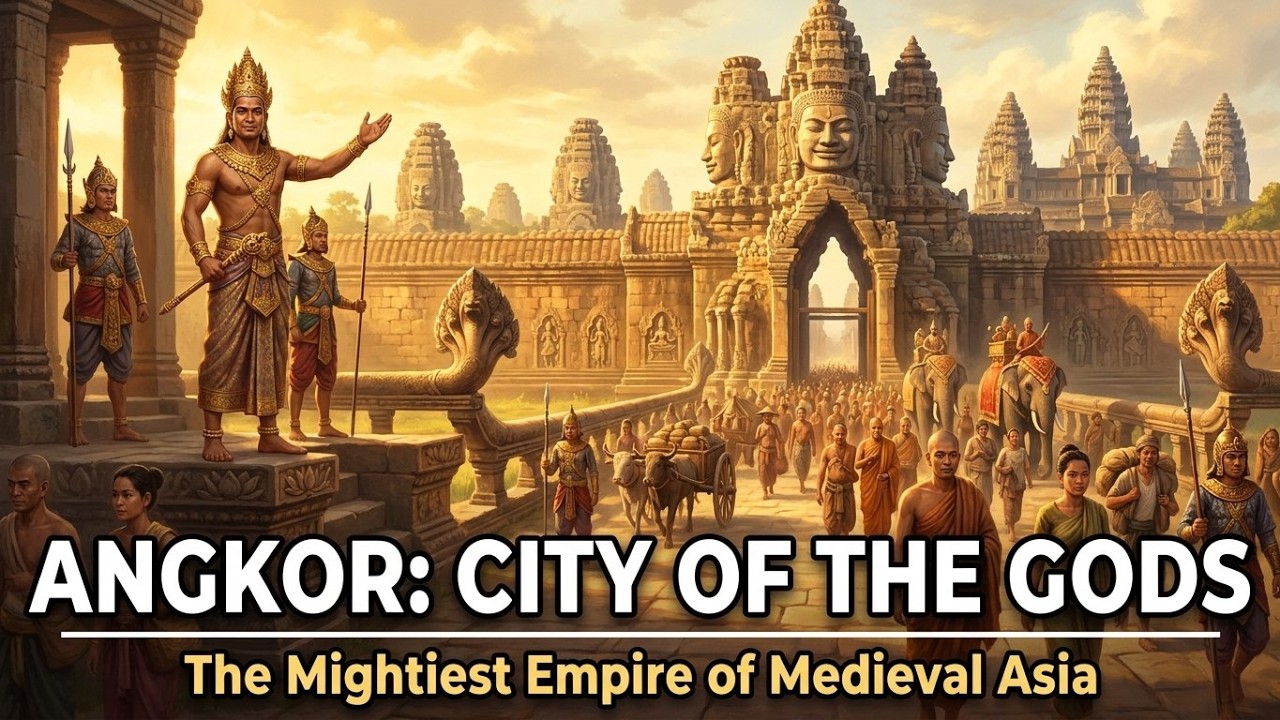
The City of One Million People Hidden in the Jungle: The Untold Secret of Angkor (AI Documentary)
What the history books never told you about Angkor will change how you see the entire medieval world.At a time when London held fewer than 100,000 people, An...
www.youtube.com

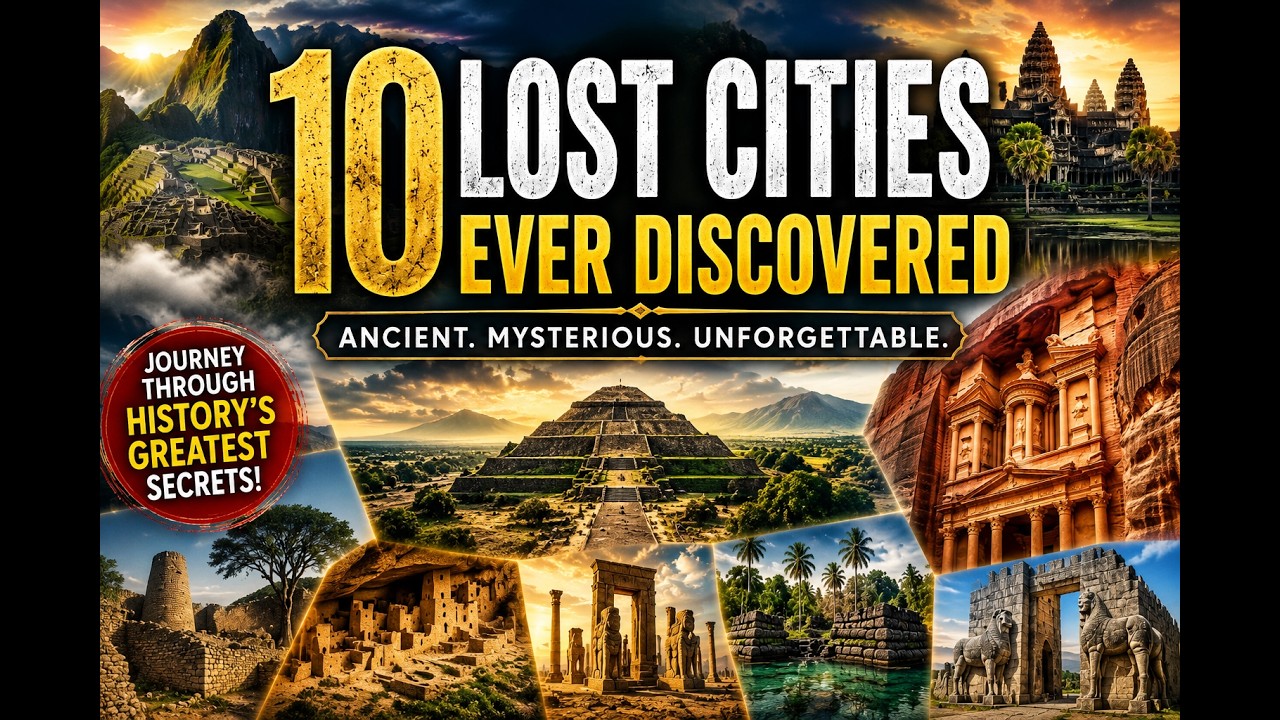
The Lost Cities Hidden Beneath the World's Greatest Cities
#LostCities #HistoryDocumentary #Archaeology Cities Beneath | The Lost Cities Hidden Beneath the World's Greatest Cities | Hidden HistoryMillions of people w...
www.youtube.com
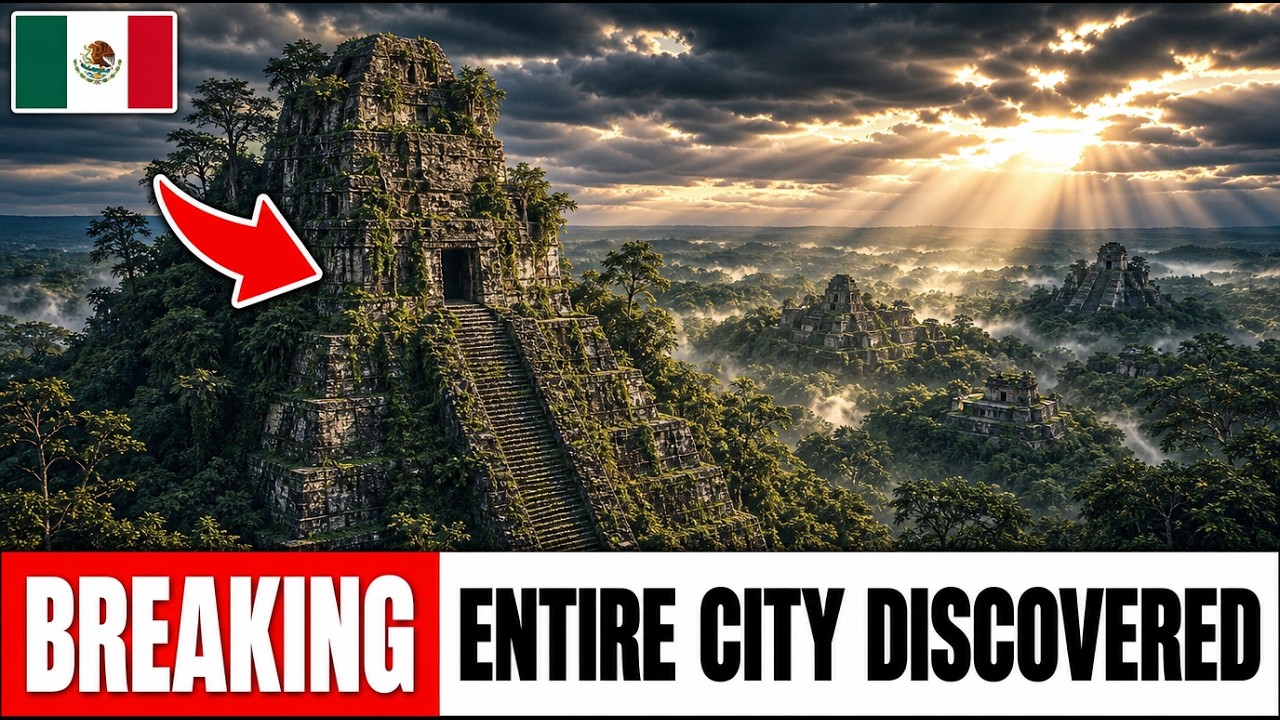
A Student Found a 6,674-Structure Maya City Nobody Ever Noticed Was There
For almost 2,000 years, the Herculaneum scrolls were impossible to read. Burned and carbonized by the eruption of Mount Vesuvius in 79 AD, these ancient Roma...
www.youtube.com
Tartaria was once a great empire that has been intentionally left out of "history" books. The altering of our history can be found everywhere. Look at the great wall of China or as it was once known as The Great Wall of Tartaria.

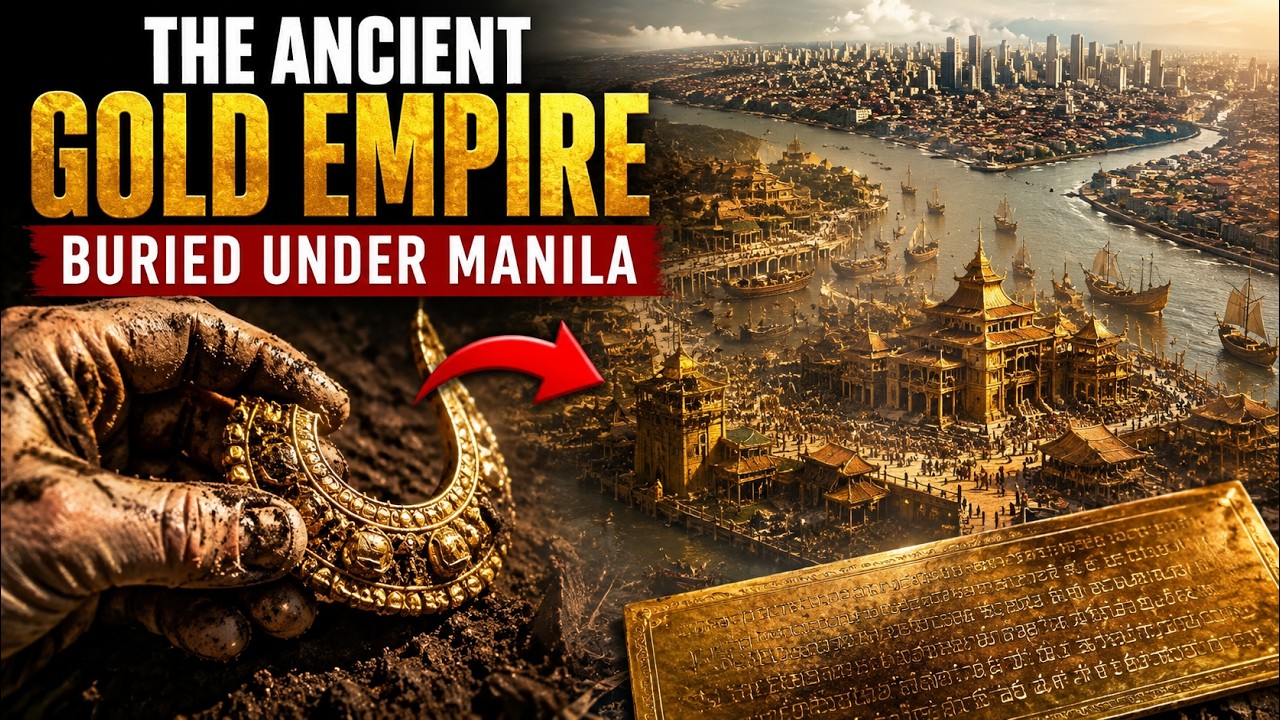
LiDAR Uncovered a 2,000-Year-Old City the Philippines Forgot"
Deep in the Philippine jungle, LiDAR scanners just exposed something mainstream history refused to acknowledge — a fully planned, 2,000-year-old city, buried...
www.youtube.com
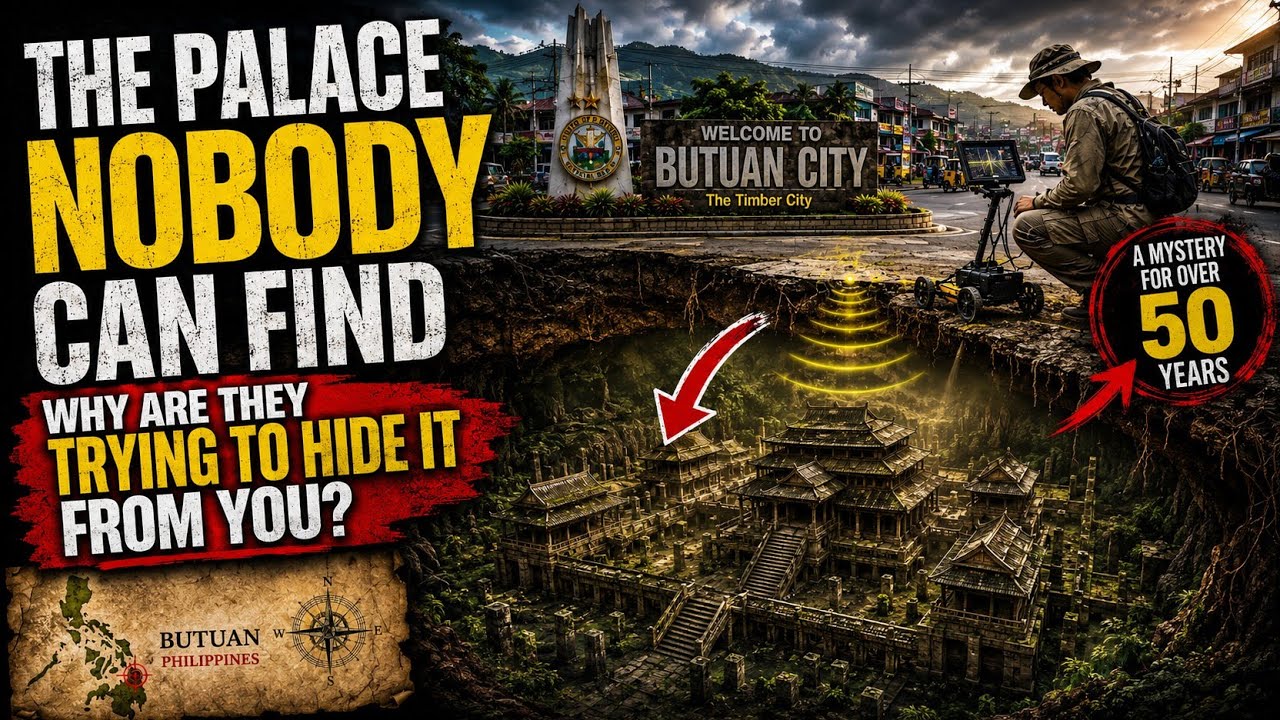
The Kingdom Buried Under the Philippines That Nobody Talks About
One thousand years ago, a Filipino king walked into the court of the Chinese Emperor — not as a subject, not as a servant, but as an equal. He brought gold. ...
www.youtube.com
The archaeological discoveries in Butuan, Agusan del Norte, in the Philippines, during the 1970s revealed a thriving pre-colonial maritime kingdom. Excavations unearthed at least 11 ancient balangay (plank boats) dating back to the 7th through 10th centuries CE, alongside abundant gold artifacts, trade ceramics, and an inscribed ivory seal, rewriting early Southeast Asian trade history.
Butuan, in its early period, was under the influence of Hinduism and Buddhism, especially with the discovery of the Golden Image found at the Wawa River

Butuan Before Spain: A Golden Empire of the Seas
YouTube DescriptionLong before Spain reached the Philippines, a powerful maritime kingdom ruled the seas of Southeast Asia.The Kingdom of Butuan was rich in ...
www.youtube.com
In 1590, a Spanish Jesuit priest named Pedro Chirino arrived in the Philippines with one mission — to erase everything he found. What he found was a civilization that had been reading the night sky for thousands of years. And they built a cosmological universe of extraordinary depth. Kaluwalhatian, the layered skyworld ruled by Bathala. The sun deity Araw, honored at the solstices with ritual precision. The Bulalakaw — a peacock deity whose fiery tail was a comet streaking across the sky. A cosmos not empty but populated. A sky not indifferent but in conversation with the people watching from below. Chirino wrote all of it down. Not to preserve it. To destroy it. And in doing so, he accidentally created one of the most important records of indigenous astronomical knowledge in all of Southeast Asian history. In this video we go deep into the pre-colonial Philippine astronomical tradition — what they knew, how they knew it, why it was suppressed, and what survived. We trace the star knowledge that navigated the Austronesian expansion across the Pacific and into the Indian Ocean. We explore the eclipse mythology that reveals a cosmological framework in which human beings had agency in the cosmos. And we ask the question the ancient Filipinos were asking every time they looked up at that impossibly full, impossibly vast night sky. Are we alone? Their answer — built from thousands of years of careful observation — is one of the most extraordinary in all of human history.

A Spanish Priest Came to Destroy Ancient Filipino Astronomy — And Accidentally Preserved It Forever
In 1590, a Spanish Jesuit priest named Pedro Chirino arrived in the Philippines with one mission — to erase everything he found.What he found was a civilizat...
www.youtube.com

King Solomon's Gold Came From the Philippines — The Biblical Evidence Is Shocking
📜 DESCRIPTIONThree thousand years ago, the Bible says King Solomon sent his ships to a mysterious land called Ophir — and they returned with enough gold to ...
www.youtube.com
You’ve said the word Filipino your entire life. On immigration forms. At school. When someone abroad asks where you’re from. But nobody ever told you where that word actually came from. And when you find out — everything changes. Because the word Filipino was not created by your ancestors. It was created by the people who colonized them. When Spain first used the word Filipino in 1543 — it referred to Spanish settlers born in the Philippines. Not to the people already living here. Your ancestors were called something else entirely. So what were they called? Before Spain arrived — your ancestors had names that were specific, proud, and entirely their own. Taga-Maynila. Bisaya. Tausug. Maguindanao. Maranao. Each name was a declaration of identity that predated any colonial label by thousands of years. And the rest of the world knew those names. China documented Filipino kingdoms by name in official Imperial records for over 1,000 years before Spain arrived. In 972 CE Chinese records describe the prosperous kingdom of Ma-i. In 1001 CE the kingdom of Butuan sent a formal diplomatic mission to the Ming Dynasty court — a kingdom so wealthy that even servants wore gold. In 1417 Filipino envoys walked through the gates of the Ming Imperial palace wearing gold so elaborate that Chinese officials assumed they were receiving foreign royalty. In 900 CE — 621 years before Spain arrived — the Laguna Copper Plate was written in Old Malay with Sanskrit and Arabic loanwords. It is the oldest written document ever found in the Philippines. And it proves that your ancestors were already connected to India, the Arab world, and the entire ancient trading network of Southeast Asia centuries before any European explorer knew these islands existed. And there were Filipinos who Spain never conquered. The Tausug of Sulu fought Spain for over 200 years. The Sultanate of Maguindanao said no — with cannons and armies. The Igorot of the Cordillera kept their identity completely intact while the lowlands were being colonized. Some Filipinos never needed to reclaim their identity because they never gave it up. This is the history of your name. And every Filipino deserves to know it.

Before Spain, Your Ancestors Were Never Called “Filipino”
You’ve said the word Filipino your entire life. On immigration forms. At school. When someone abroad asks where you’re from.But nobody ever told you where th...
www.youtube.com

DNA Proof: The Philippines Is The True Birthplace of Pacific Civilization — And They Knew All Along
For thousands of years, the world believed the Pacific was settled by mysterious voyagers arriving from distant lands. But modern science just shattered that...
www.youtube.com
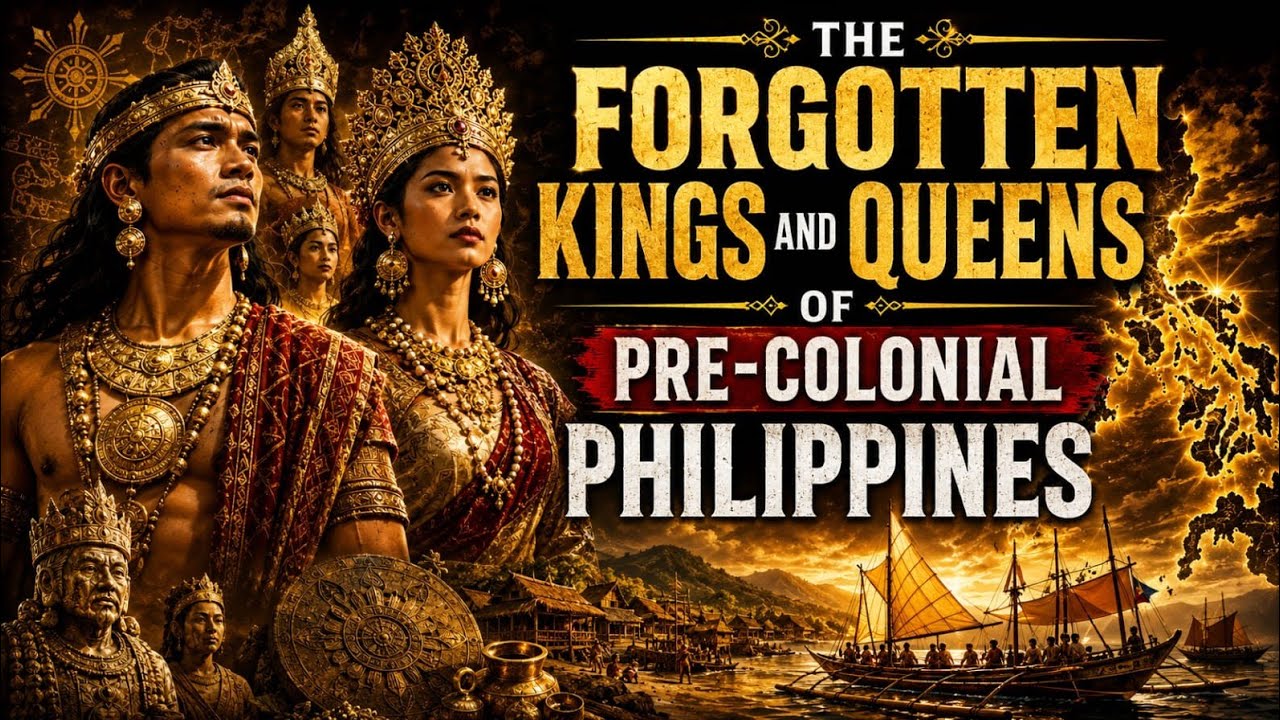
THE FORGOTTEN KINGS AND QUEENS OF PRE-COLONIAL PHILIPPINES
📜 **DESCRIPTION**For centuries before Spanish colonization, the Philippine archipelago was ruled by powerful sovereigns—kings, queens, and datus who command...
www.youtube.com
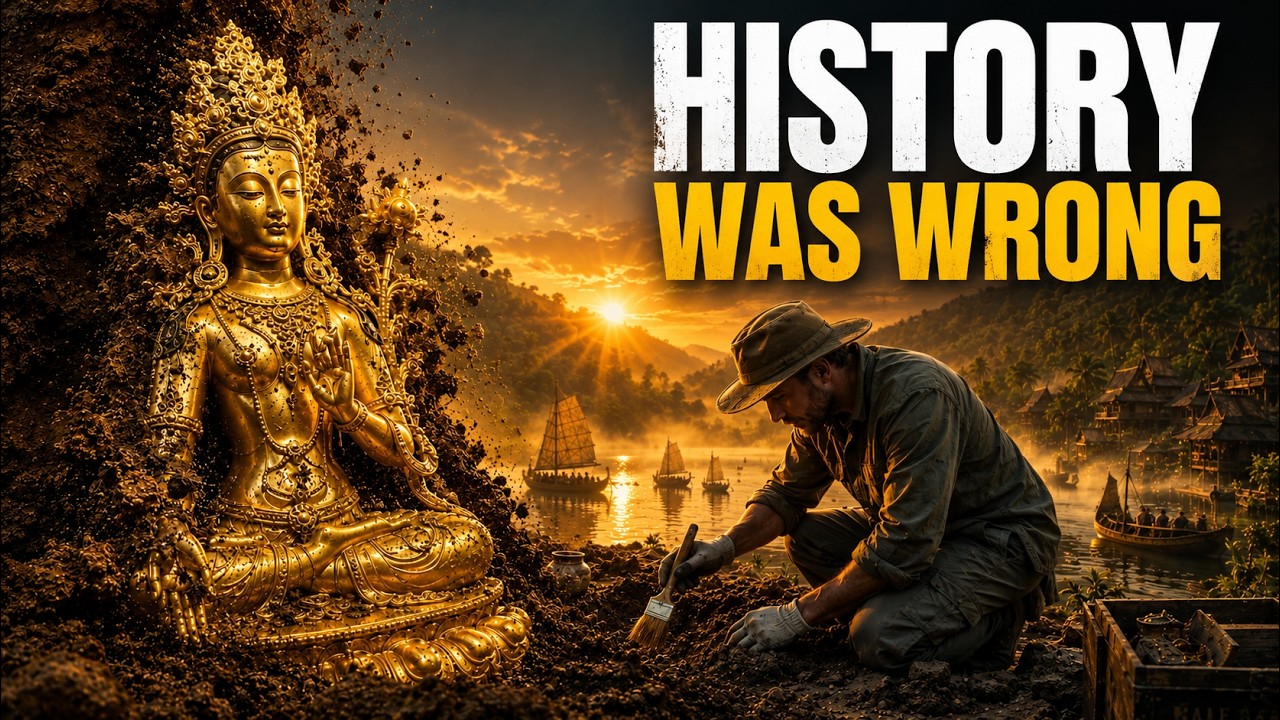
The Lost Golden Kingdom of the Philippines Finally Revealed
The Lost Golden Kingdom of the Philippines Finally RevealedWhat if one archaeological discovery could completely change the story of an entire nation?Deep be...
www.youtube.com
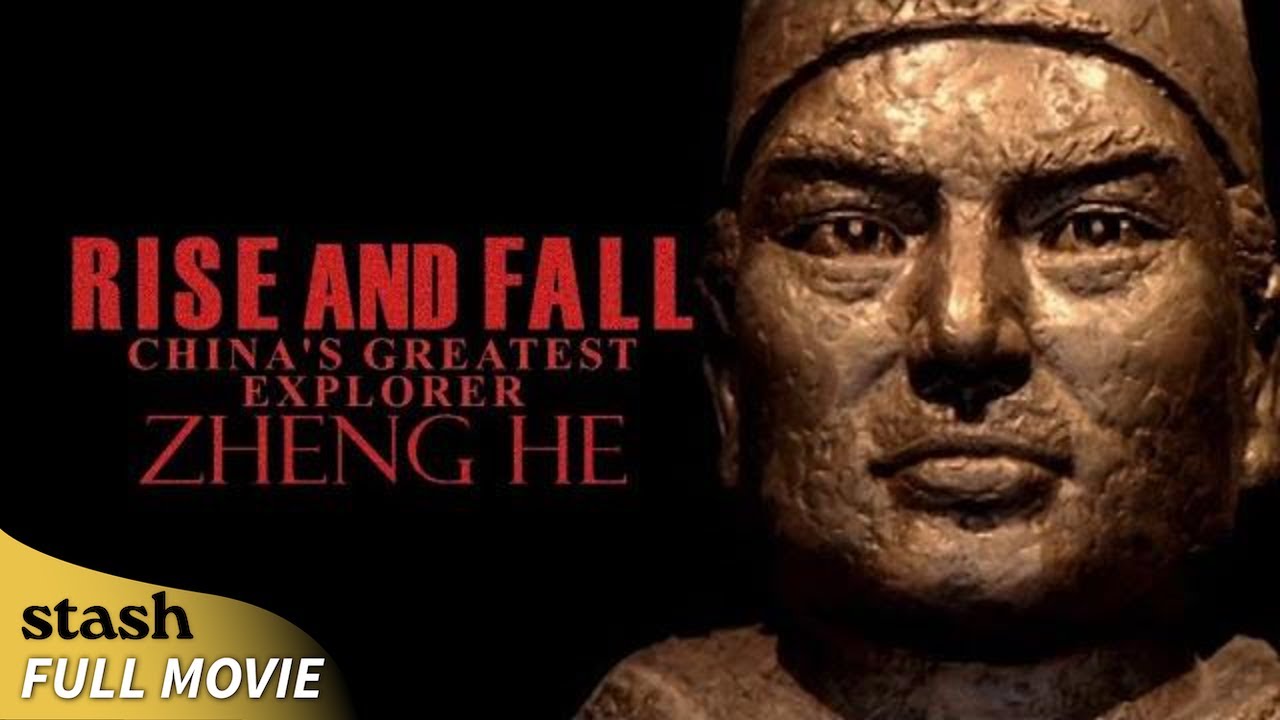
Rise and Fall: China's Greatest Explorer Zheng He | History Documentary | Full Movie | Nat Geo
Zheng He. Master of the seas and a forgotten hero. China’s greatest explorer, half the world in his grasp, biggest fleet ever assembled. Then a colossal blun...
www.youtube.com
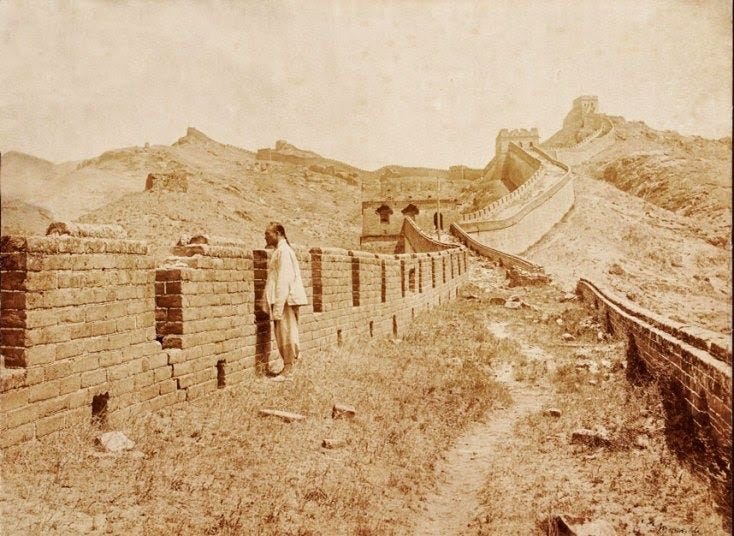
When the Tartarians Ruled China
Using Historic Primary Records to Learn about Real History
 jordannuttall.substack.com
China was represented by the Tartarians which were the Basques/the hidden origin of humanity.

The Chinese Treasure Fleet: The Story of the World’s Greatest Armada
In 1405, nearly a century before Columbus set sail, China launched a maritime force so massive it was effectively a moving city. Led by the legendary Admiral...
www.youtube.com
He was a Tartarian(Basque) not the chinese of today.
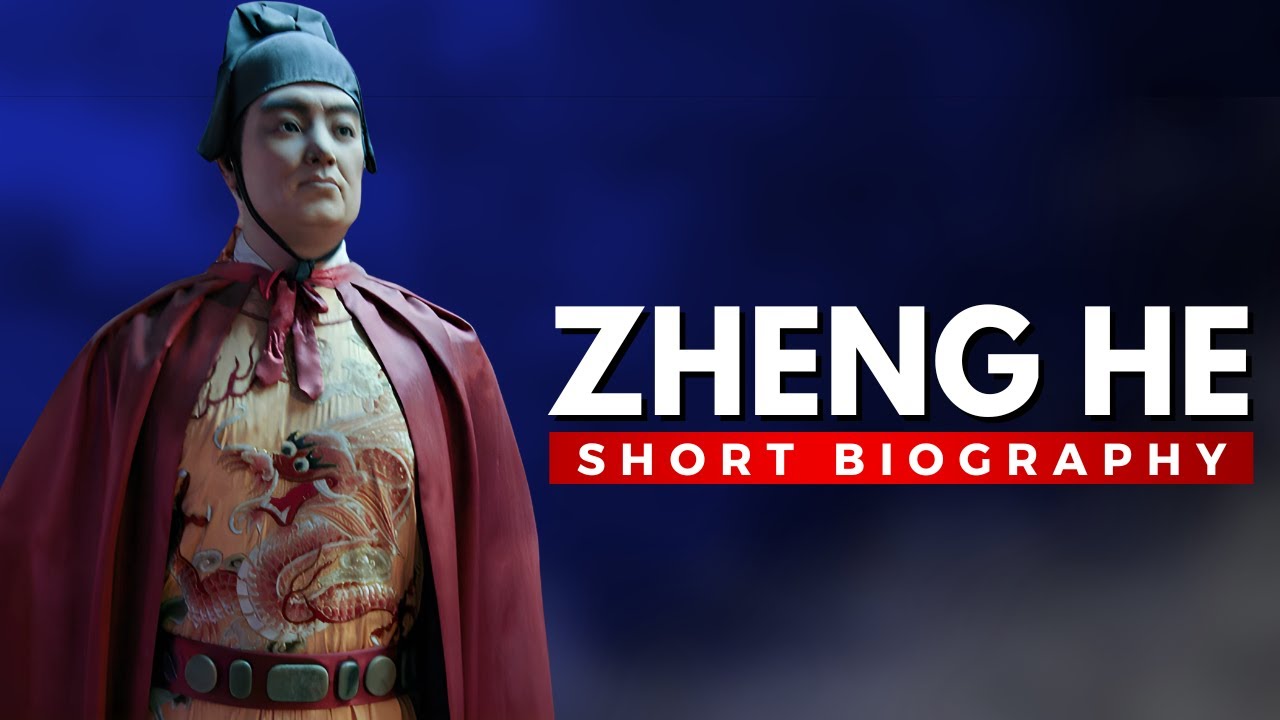
ZHENG HE - The Legendary Chinese Admiral
Zheng He's expeditions were unrivaled in scale and ambition, marking a significant chapter in maritime exploration long before the European Age of Exploratio...
www.youtube.com
Not the western centric lens because Europe was pagan and christianity is the enemy of pagan Europe so it was madrid/christianity who hid that Tartarians(Basques)are from Europe)
When Tartar-Chinese History Was Rewritten
Exposing How the Western-Centric Lens was Installed
jordannuttall.substack.com
Last edited:










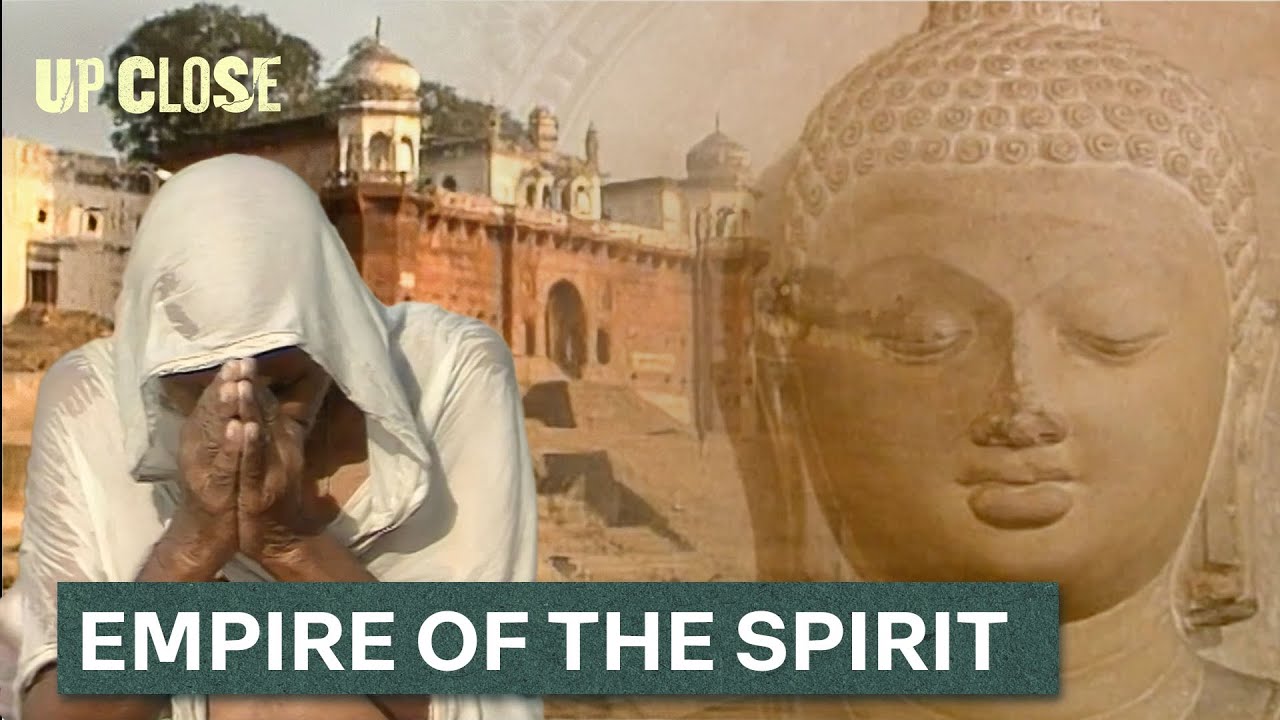


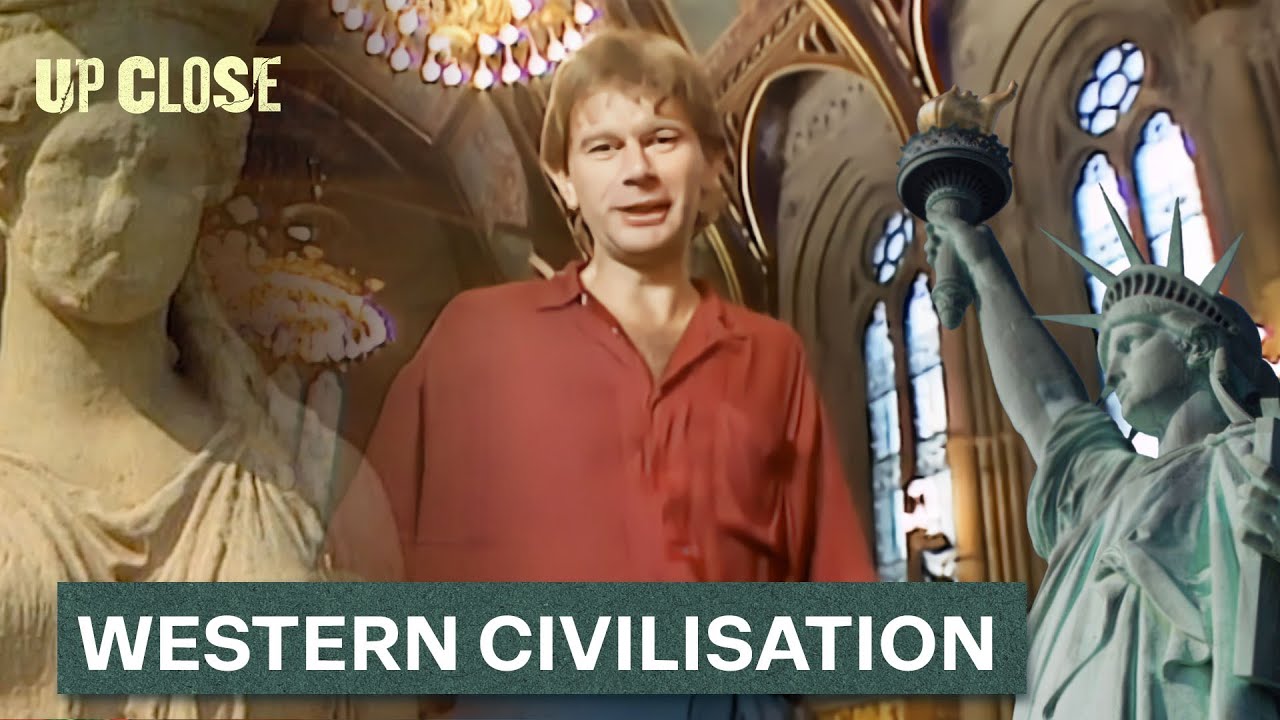


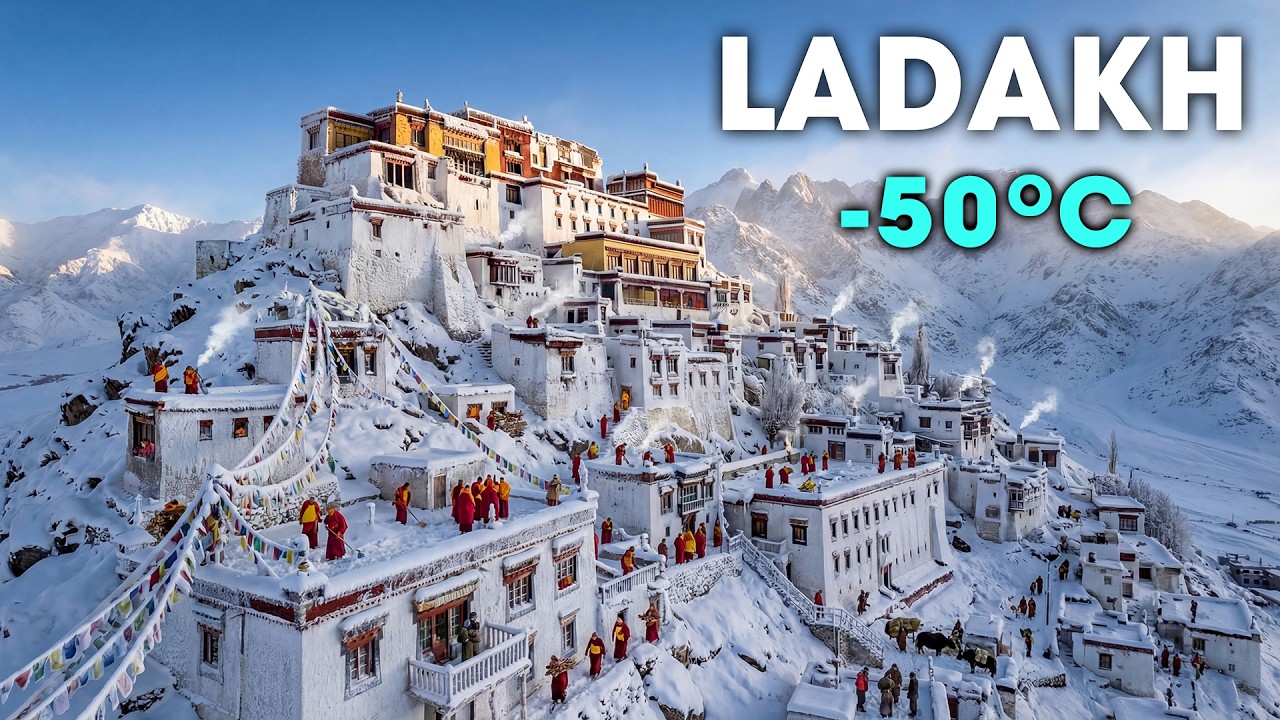










![images[1].jpg](https://www.anthroworldforum.com/data/attachments/23/23050-cb962c42f0e9fe61ae27f015c9d8249f.jpg "images[1].jpg")
![images[1].jpg](https://www.anthroworldforum.com/data/attachments/23/23052-866632d84e33c73aec9454e151f06f83.jpg "images[1].jpg")

![71gYW0xAvSL._AC_UF1000,1000_QL80_[1].jpg](https://www.anthroworldforum.com/data/attachments/23/23053-cf61545025b890e8b25f47513fcf8721.jpg "71gYW0xAvSL._AC_UF1000,1000_QL80_[1].jpg")
![71eSjzRYakL._UF1000,1000_QL80_[1].jpg](https://www.anthroworldforum.com/data/attachments/23/23054-e85d8151b35d209bfe2896f2ef07c3a0.jpg "71eSjzRYakL._UF1000,1000_QL80_[1].jpg")
![image[1].jpg](https://www.anthroworldforum.com/data/attachments/23/23055-70fa0908614cfad4a7c7d6e98fedefce.jpg "image[1].jpg")



![1050px-RYB-Infographics-CH10_RYB2025[1].png](https://www.anthroworldforum.com/data/attachments/23/23056-af561ff833addac31e9a8a8cd33a9ccb.jpg "1050px-RYB-Infographics-CH10_RYB2025[1].png")



![COVES-BLANQUES--MOLA_ROY4361web-6991ea4c[1].jpeg](https://www.anthroworldforum.com/data/attachments/23/23057-77d7f88a120f2818e4dae011c9d56588.jpg "COVES-BLANQUES--MOLA_ROY4361web-6991ea4c[1].jpeg")


![hq720[1].jpg](https://www.anthroworldforum.com/data/attachments/23/23058-7fca4f22cc20a370013a945b9ef13fcd.jpg "hq720[1].jpg")















![images[1].jpg](/data/attachments/23/23051-cb962c42f0e9fe61ae27f015c9d8249f.jpg)