A process of reconstruction began alongside the
folk revival of the Romantic Era in the 19th century. Eventually, in the interwar period, the first modern Native Faith organisations began to appear in Poland, but their leaders were arrested amid the Stalinist repression of the postwar communist period.
What now constitutes Native Faith began in the 1990s, when organisations such as the RKP and the Polish Slavic Church (PKS) were founded, bringing the faith into the modern day and slowly gaining a larger following.
Native Faith today
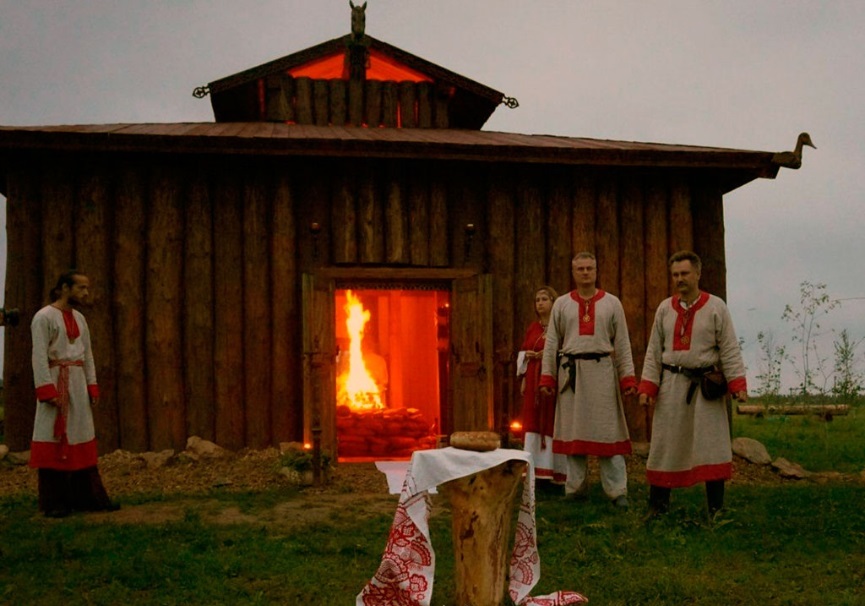
Centuries of Christianity being the dominant religion mean that modern paganism is a “kind of act of reconstruction”, says Scott Simpson, a lecturer at the Jagiellonian University who specialises in ritual studies and contemporary paganism in Central and Eastern Europe. “Some bits and pieces of tradition are damaged, fragmentary or completely lost.”
However, followers of the faith emphasise that they are not reenacting history or resurrecting a “dead” mythology.
“Slavic Native Faith – as a living, contemporary faith – is not so much about returning to an earlier, pre-Christian culture, but about its continuation, maintenance, development and popularisation,” says Wilkowski.
This means that what cannot be reconstructed from 10th-century chronicles or academic sources is instead developed from choices made by
Rodzimowiercy and from “sincere religious inspiration”, explains Simpson.
Culture and identity are also vital to Native Faith. “The basis of all this is Slavicness, this culture, this common core that connects us all,” says Szymon Bronimir Gilis, a
żerca from the new organisation Ród and a member of its management body, the Elders.
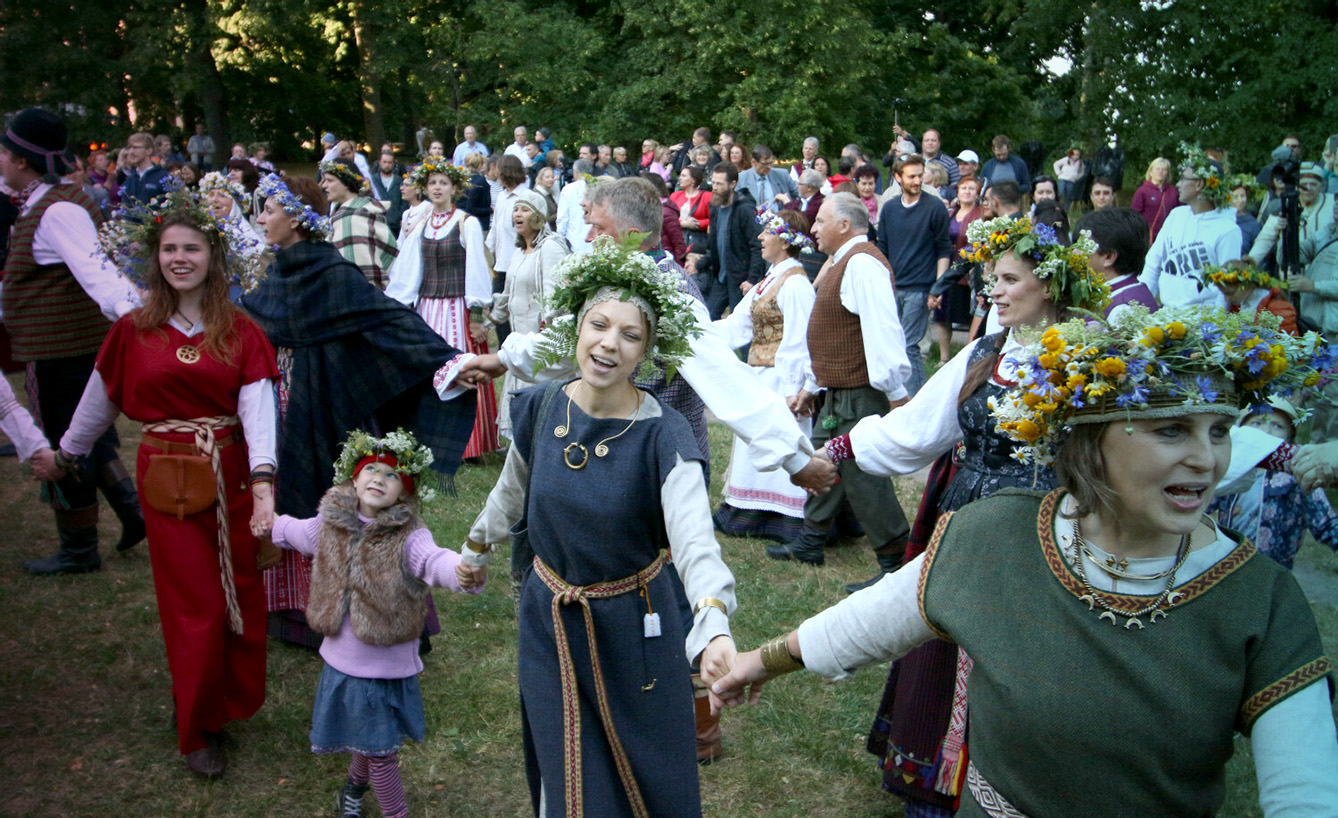
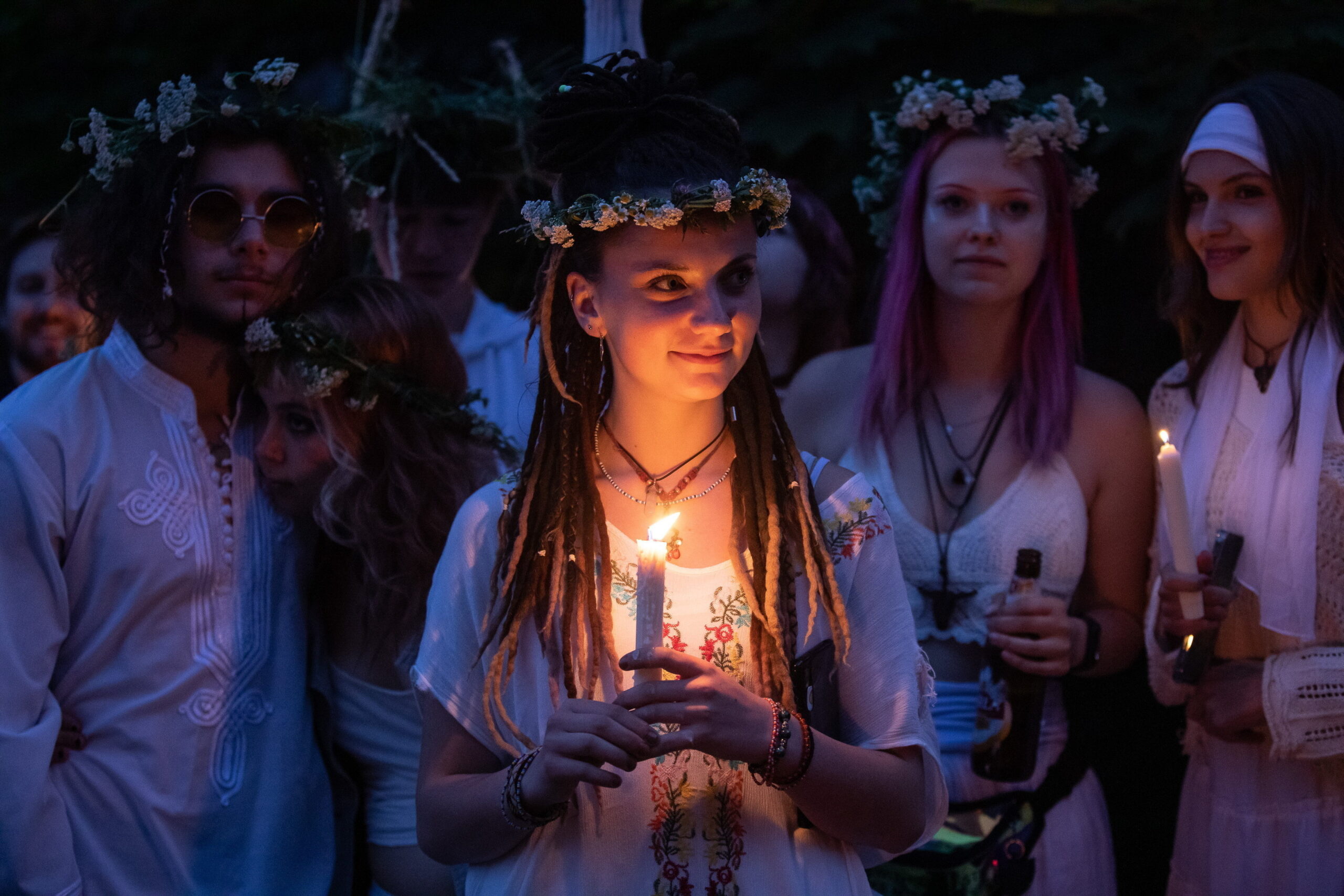
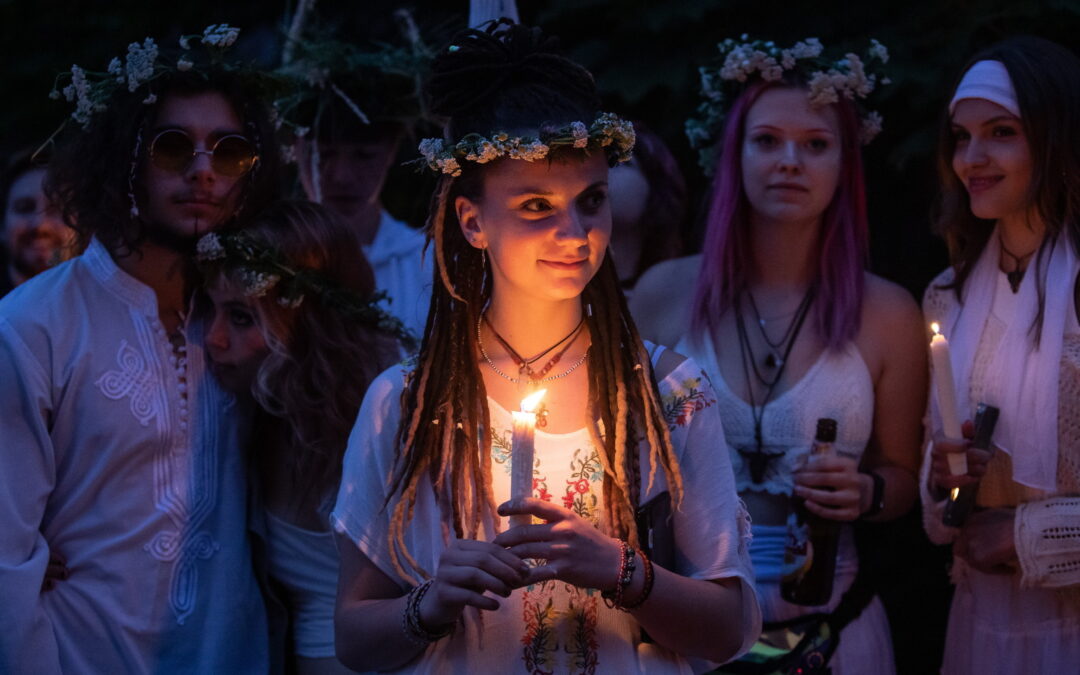
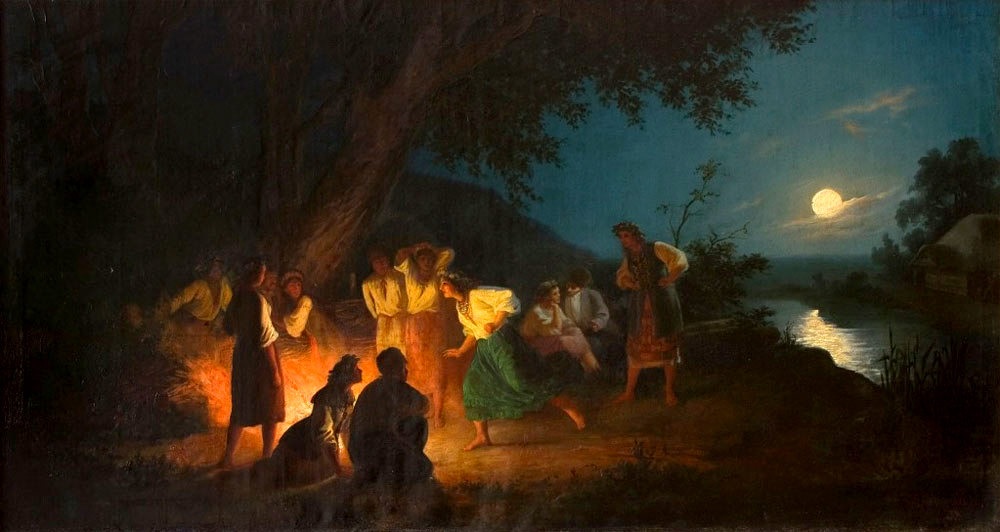
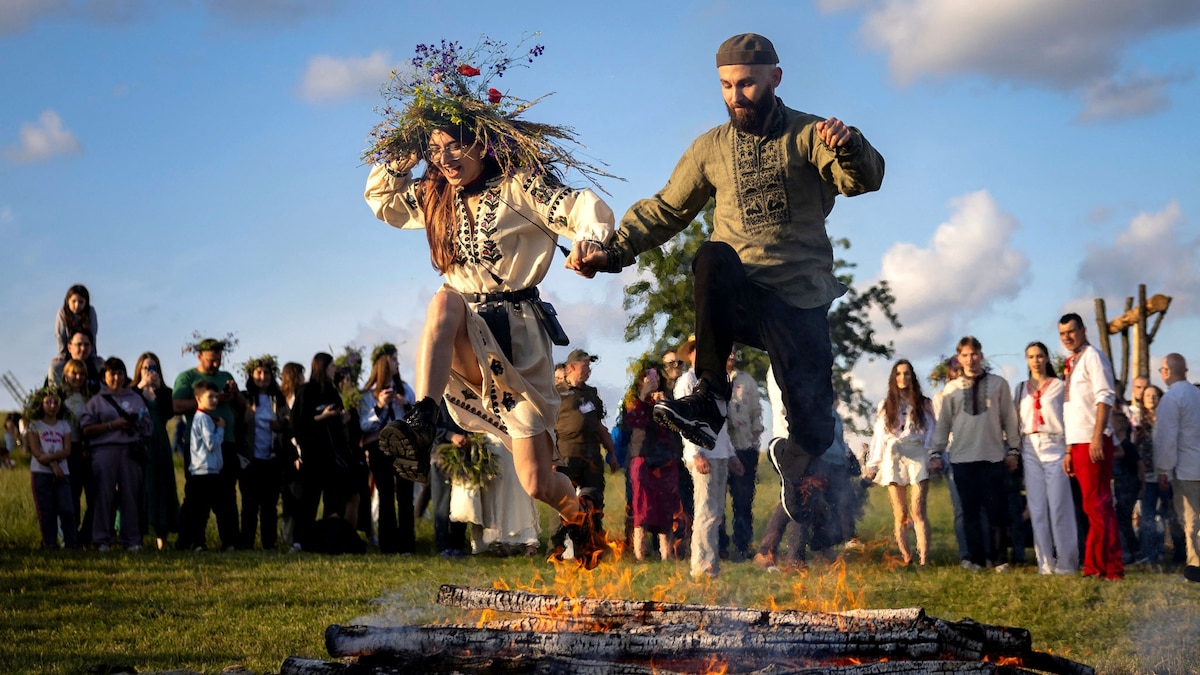
Religious celebrations follow the cycles of nature, including solstices and equinoxes, each of which marks a holiday. Among these is Noc Kupały (Kupala Night) – the summer solstice – which celebrates love, fertility, the sun and the moon.
During Kupala Night,
Rodzimowiercy jump over bonfires to cleanse and protect themselves from evil and participate in mass bathing in nearby bodies of water. Other rituals include singing and the wearing of wreaths made from wildflowers and herbs.
Night on the Eve of Ivan Kupala by Henryk Siemiradzki, ca. 1880 (
Lviv National Art Gallery/public domain)
While Native Faith does have leaders, the collective contribution to worship is a key part of its religious practice.
“One of the central elements of a ritual is the passing around of a horn of alcohol alongside toasts. Each person throws in some little piece of theology, and the group praises it as acceptable and good,” says Simpson. “It’s almost the opposite of an authority telling you what you should believe.”
Paganism and Polish identity
For many in Poland, the Roman Catholic faith has become synonymous with the country’s culture and identity. Even though religious participation is in steep decline, the most recent census data show that
71% of Poles still identify as Roman Catholics.
“There is a very strong sense in Roman Catholicism today in Poland that it is the storehouse of Polish values, and you hear politicians saying that,” says Simpson. Yet “there were things before Roman Catholicism arrived, and there are things today that can sincerely be called Polish values and aren’t Roman Catholic”, such as folk customs and traditions.
Although numbers of
Rodzimowiercy are growing, both experts and practitioners say that many Poles are
not aware of the existence of such communities and what they believe in.
“I don’t know if society is even that aware that there is such a thing as modern paganism,” suggests Joanna Malita Król of the Institute of Religious Studies at the Jagiellonian University.
“Even the terms paganism or neopaganism carry with them the feeling of ‘otherness’, because they came about among Christians seeking to name those other people around them,” explains Mariusz Filip, an anthropologist at the Adam Mickiewicz University in Poznań.
Contemporary struggles
While
Rodzimowiercy do not face widespread discrimination, their faith is
not always welcomed by others in Poland.
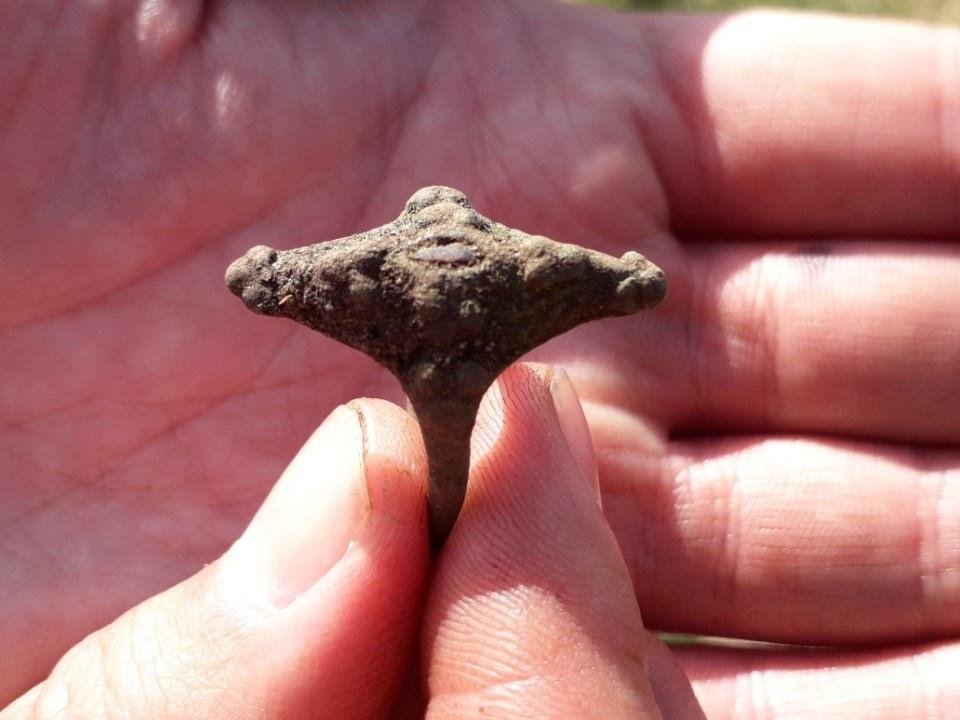
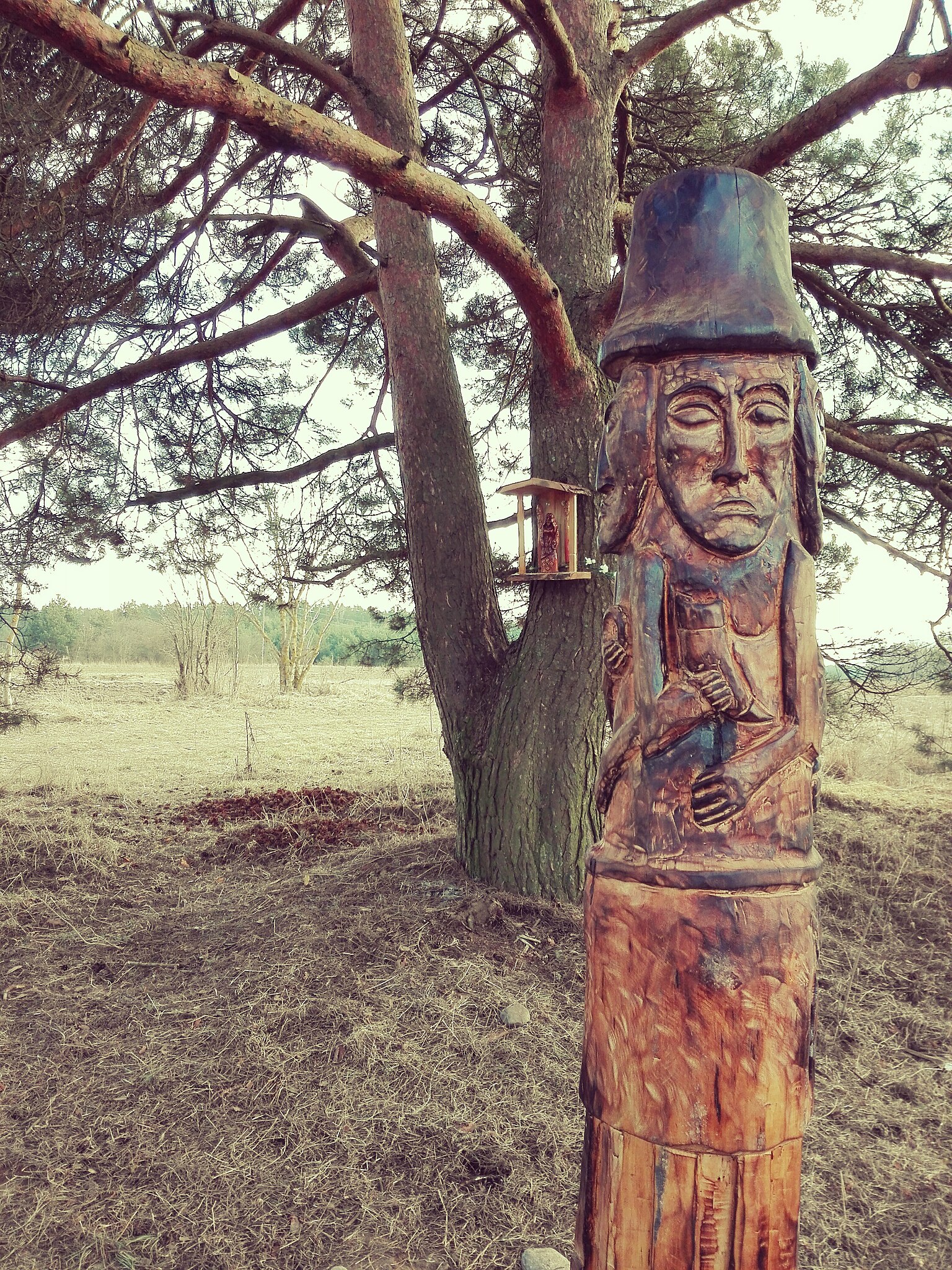
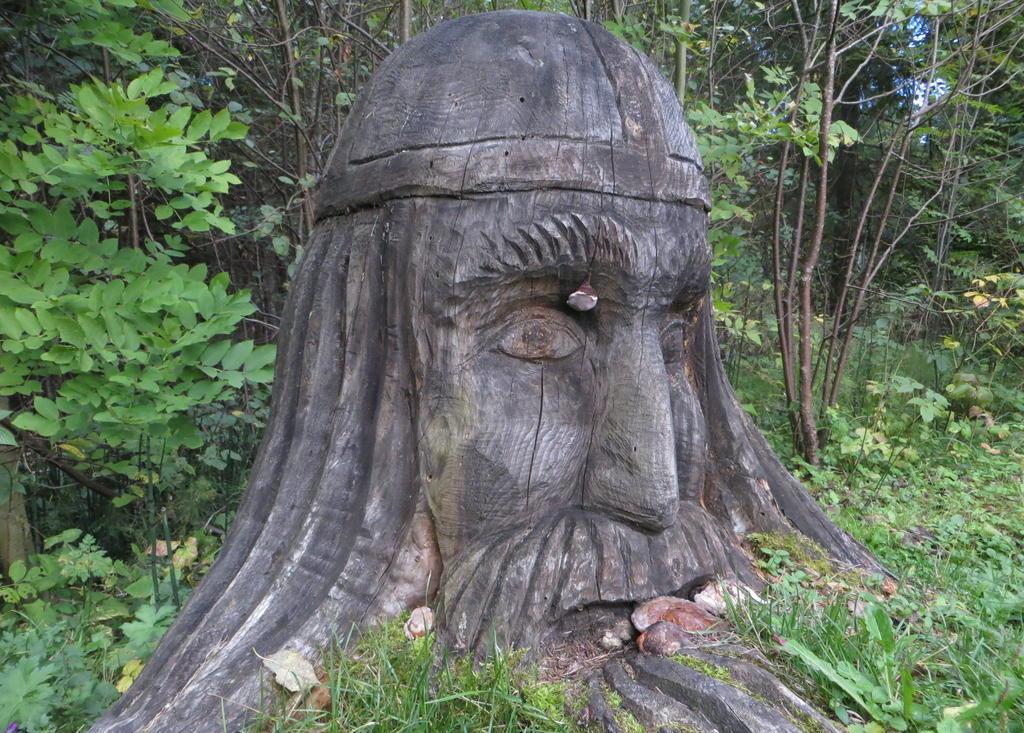
In 2009 in the village Babia Góra, a wooden sculpture of a Światowid was vandalised with a saw, and attempts were made to forcibly pull it from the ground. The symbol – a four-sided pillar whose name means “worldseer” – is of similar significance to
Rodzimowiercy as the cross is to Christians.
In 2017, a city council member in nearby Choroszcz submitted an official motion to remove the Światowid. Not long after, it disappeared from Babia Góra, which led a few dozen
Rodzimowiercy to protest.
“If someone had committed a similar act against a Christian cross or a chapel, there would have been an immediate uproar and the police would have automatically initiated an investigation,” said Wilkowski in a speech during the protest.
Rodzimowiercy can also be stereotyped as political extremists, owing to their faith’s emphasis on Slavicness and nativeness, and the appropriation of pagan symbols by the far-right(which are actually impostors and enemies of the real Europe/Pagan Europe.
In reality, Native Faith “is an internally diverse movement, where you can find a whole range of political views”, suggests Filip, whose research specialises in right-wing extremism among
Rodzimowiercy.
“Some people think that I’m going to start casting spells on them,” says Marcin Józefaciuk, the first Polish MP to identify as a modern pagan, although he acknowledges that this happens “less and less often”.
Spurred by the recent registration of the Ród organisation, members of the faith have made it their goal to promote a wider understanding of who they are.
“This registration does not mean that our work stops here”, wrote representatives from Ród in a post on Facebook. “Instead, it is a signal that we need to roll up our sleeves and intensify our work for the revival of the native Slavic faith in Poland”.
https://notesfrompoland.com/2024/05/22/paganism-in-poland-native-faith-on-the-rise/
There is an irresistible surge of Paganism worldwide, which has found expression in movies like Avatar, Thor,the Lord of the Rings and the Harry Potter series.
The Magic Kingdom is returning.


![alcudia-cycling[1].jpg](https://www.anthroworldforum.com/data/attachments/16/16276-8434186bf77a19606796c378b5b1680a.jpg "alcudia-cycling[1].jpg")
![alcudia-market[1].jpg](https://www.anthroworldforum.com/data/attachments/16/16275-dc300faa5a30b2edf0c6db1270ac4629.jpg "alcudia-market[1].jpg")
![southcarolinaeclipseashleymarando1024[1].jpg](https://www.anthroworldforum.com/data/attachments/16/16279-580cb56fab24ac7946440970b9b131fa.jpg "southcarolinaeclipseashleymarando1024[1].jpg")
![Lunar_eclipse_September_27_2015_greatest_Alfredo_Garcia_Jr[1].jpg](https://www.anthroworldforum.com/data/attachments/16/16278-c7d5f85ecdca30324f79eee1f662fbaf.jpg "Lunar_eclipse_September_27_2015_greatest_Alfredo_Garcia_Jr[1].jpg")

![GXHGoWpXkAAqedm[1].jpg](https://www.anthroworldforum.com/data/attachments/16/16283-ea5a8df3fc6431deb71ba467108e7a80.jpg "GXHGoWpXkAAqedm[1].jpg")
![The-best-seafront-villa-near-Deia-in-Mallorca22[1].jpg](https://www.anthroworldforum.com/data/attachments/16/16284-94190520fdc5543eeb406405bf01d197.jpg "The-best-seafront-villa-near-Deia-in-Mallorca22[1].jpg")




![614MHG4AN0L._SY342_[1].jpg](https://www.anthroworldforum.com/data/attachments/16/16339-94c3708e1f4826b1a78929735e32740f.jpg "614MHG4AN0L._SY342_[1].jpg")
![610fPMHcUIL._SY342_[1].jpg](https://www.anthroworldforum.com/data/attachments/16/16340-3166d97a04c1663df24e83e8a0d892c5.jpg "610fPMHcUIL._SY342_[1].jpg")
![660_8622_immobilien-alcudia-mallorca[3].jpg](https://www.anthroworldforum.com/data/attachments/16/16341-688f6a6896675713fe8474d984075a92.jpg "660_8622_immobilien-alcudia-mallorca[3].jpg")
![94171091.400x300[1].jpg](https://www.anthroworldforum.com/data/attachments/16/16342-e02f0d9e8a0d8ddee2b55383d439e6dd.jpg "94171091.400x300[1].jpg")



/https%3A%2F%2Ftf-cmsv2-smithsonianmag-media.s3.amazonaws.com%2Ffiler_public%2Ffd%2Fd2%2Ffdd2fc57-41e6-4baa-aec3-429b2c54428d%2Fimg_2092.jpg)



![images[1].jpg](https://www.anthroworldforum.com/data/attachments/16/16343-3fc98712b4e9328ce93154cd0af7afa8.jpg "images[1].jpg")
![5d4b7dad[1].jpg](https://www.anthroworldforum.com/data/attachments/16/16344-fa4a8b61d222bf9734973b57dc43e510.jpg "5d4b7dad[1].jpg")
![GXTeBrBWAAAhdNJ[1].jpg](https://www.anthroworldforum.com/data/attachments/16/16345-33797b575318043966bd4ed859652635.jpg "GXTeBrBWAAAhdNJ[1].jpg")
![71CyuAGWVyL._SY342_[1].jpg](https://www.anthroworldforum.com/data/attachments/16/16346-b5c10a6d618574a145454b8ba91d8cb7.jpg "71CyuAGWVyL._SY342_[1].jpg")














![146[2].jpg](https://www.anthroworldforum.com/data/attachments/16/16347-f145d0adfc33a4c39fafff70ae3f10b2.jpg "146[2].jpg")
![hikers-on-rocks-view-of-mountains-and-coast-with-sea-in-the-evening-light-hiking-to-la-trapa[1].jpg](https://www.anthroworldforum.com/data/attachments/16/16348-186e9ecbae5f7ad2f95ad67e0c11b821.jpg "hikers-on-rocks-view-of-mountains-and-coast-with-sea-in-the-evening-light-hiking-to-la-trapa[1].jpg")