What's new
Anthro World Forum

This is an anthropology forum where we cover all sorts of topics and discussions. Once signed in, you'll be able to participate on this site by adding your own topics and posts. Register today to become a member!

The hidden history of humanity.Impostors/Jews(Rev. 2:9)deceived the world and DNA confirmed it

BarcelonaAtlantis

Moderator
Staff member
 
Last edited:

BarcelonaAtlantis

Moderator
Staff member

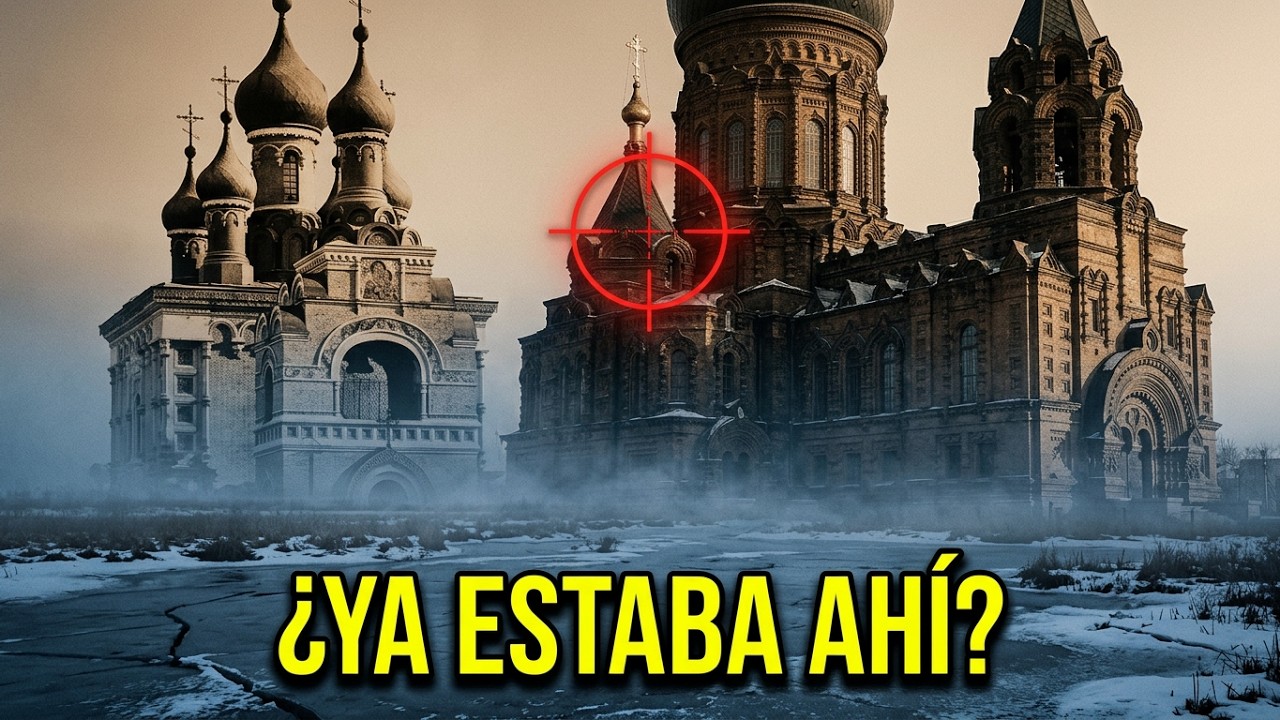
Es posible levantar una metrópolis de arquitectura monumental en solo cinco años sobre pantanos helados? La historia oficial sostiene que Harbin surgió de la nada en 1898 con el ferrocarril, pero sus edificios imperiales cuentan otra verdad. Catedrales colosales, urbanismo europeo y fortificaciones avanzadas aparecieron en tiempo récord mientras Rusia atravesaba crisis profundas. Documentos de la época mencionan un "viejo Harvin" previo a su supuesta fundación y mapas antiguos sitúan allí a la mítica Cambalú. Conflictos como la rebelión de los bóxers y la guerra ruso-japonesa parecen haber funcionado como un auténtico borrador de memoria histórica. ¿Fue realmente una construcción desde cero o la reapropiación de estructuras heredadas de un antiguo orden borrado en Manchuria? Analizamos registros olvidados, planos de fortalezas estelares y crónicas de 1903 que evidencian contradicciones imposibles de ignorar. Cada fotografía de la época desmonta el relato tradicional y revela capas urbanas preexistentes que la narrativa moderna intentó ocultar. Descubre las anomalías arquitectónicas que conectan a Harbin con los últimos vestigios de Tartaria y el colapso del viejo mundo. Mira la evidencia documental completa y saca tus propias conclusiones antes de que sigan reinterpretando el pasado ante nuestros ojos

Is it possible to erect a metropolis of monumental architecture in just five years atop frozen swamplands? The official history maintains that Harbin emerged from nothing in 1898 with the arrival of the railway, yet its imperial-style buildings tell a different story. Colossal cathedrals, European-style urban planning, and sophisticated fortifications appeared in record time—all while Russia was grappling with profound crises. Period documents mention an "old Harbin" that predates its supposed founding, and ancient maps place the mythical city of Cambaluc at that very location. Conflicts such as the Boxer Rebellion and the Russo-Japanese War appear to have served as a veritable erasure of historical memory. Was this truly a construction from scratch, or was it the reappropriation of structures inherited from an ancient order that had been wiped out in Manchuria? We examine forgotten records, blueprints of star forts, and chronicles from 1903 that reveal contradictions impossible to ignore. Every photograph from that era debunks the traditional account, exposing pre-existing urban layers that modern narratives have sought to conceal. Discover the architectural anomalies that link Harbin to the final vestiges of Tartaria and the collapse of the old world. Examine the full body of documentary evidence and draw your own conclusions—before the past is reinterpreted once again, right before our eyes.

 
Last edited:

BarcelonaAtlantis

Moderator
Staff member

November 24, 2026, marks a pivotal date in the transition toward the feminine Sixth Sun and the beginning of a new cycle of consciousness for humanity. In this video, we explore the significance of the New Fire Ceremony, the end of the materialistic Fifth Sun, and the birth of a new humanity rooted in love, consciousness, inner integration, and spiritual evolution. What does this shift in cycles represent, and how can we prepare for this transition? In this video and podcast, we delve into how to become guardians of frequency, maintain inner balance, practice meditation, and move beyond reacting to external chaos. We explore ancient New Fire renewal practices, the importance of letting go of the old, current conflicts, social control, and the true meaning of revolution: reconnecting—re-linking ourselves—to evolve into a new kind of human. Discover how to prepare for November 24, 2026, the Sixth Sun, the awakening of consciousness, and our collective spiritual transformation.

 
Last edited:

BarcelonaAtlantis

Moderator
Staff member

Durante el franquismo/madrid se instauró la doctrina/mentira, comúnmente asentada, de que esos textos eran la primera muestra de la lengua castellana(jamas existio). Sin embargo autores tan notables como Rafael Lapesa, Ramón Menéndez Pidal o Heinz Jürgen Wolf mantienen el carácter navarro-aragonés de las glosas.

During the Francoist era—centered in Madrid—a doctrine (or rather, a falsehood) became widely established: the claim that these texts represented the earliest example of the "Castilian" language (which, in reality, never existed). However, prominent scholars such as Rafael Lapesa, Ramón Menéndez Pidal, and Heinz Jürgen Wolf maintain that the *glosas* (glosses) are, in fact, Navarrese-Aragonese in nature.
 
Last edited:

BarcelonaAtlantis

Moderator
Staff member
 
Last edited:

BarcelonaAtlantis

Moderator
Staff member


Nace el idioma español
Los bascos como nadie entendía su idioma, crearon una nueva, "el castellano"(el robado romance navarro), compatible con otras
Nada surge de la nada. Somos evolución, en este caso de gentes bascas.
La otra lengua de los bascos.
Las gentes bascónicas romanizadas se hicieron bilingües
(las que hablaban la lengua vasca) y esto no sucedió de golpe.
Se fueron formando poco a poco, cuando las comunidades locales entraron en contacto con Roma.
Con nuevos caminos, ciudades, comercio y costumbres, la vida cambió… pero sin borrar lo anterior.
Las tradiciones propias siguieron ahí, mezclándose con lo romano.
Nace el idioma español.
Así, con el tiempo, se creó algo nuevo: personas que no eran solo romanas ni solo indígenas vascos.
Historia viva: adaptación, mezcla y continuidad.
Construyendo un idioma.
¿Quiénes fueron realmente las gentes bascónicas romanizadas?
Lejos de ser un bloque inmóvil en el tiempo, las gentes bascónicas fueron el resultado de un largo proceso histórico.
Con la llegada de Roma, no desaparecieron: se transformaron.
La romanización no fue solo imposición, sino también adaptación.
Lengua, costumbres, organización social y formas de vida locales se mezclaron con el mundo romano, dando lugar a comunidades nuevas: bascones romanizados, con identidad propia. Los Bascos somos los romanos autenticos pero los impostores de madrid ocultaron este hecho.

El testamento de Sancho III el Mayor de Navarra(fallecido el 18 de octubre de 1035) dividió sus dominios entre sus cuatro hijos, sentando las bases de los futuros reinos medievales de la península ibérica:
  • García Sánchez III: Heredó el núcleo patrimonial y el reino de Pamplona (Navarra), ostentando la primacía teórica sobre sus hermanos.
    • Fernando (Fernando I): Recibió el condado de Castilla (así como Álava y Monzón), ligado a la herencia materna de Muniadona.
    • Ramiro (Ramiro I): Recibió el condado de Aragón, convirtiéndose en el primer rey de Aragón.
    • Gonzalo: Heredó los condados de Sobrarbe y Ribagorza en el Pirineo
The will of Sancho III the Great of Navarre(Basque land) (who died on October 18, 1035) divided his domains among his four sons, laying the foundations for the future medieval kingdoms of the Iberian Peninsula: García Sánchez III: Inherited the core ancestral lands and the Kingdom of Pamplona (Navarre), holding theoretical primacy over his brothers. Fernando (Ferdinand I): Received the County of Castile (as well as Álava and Monzón), linked to the maternal inheritance of Muniadona. Ramiro (Ramiro I): Received the County of Aragon, becoming the first King of Aragon. Gonzalo: Inherited the counties of Sobrarbe and Ribagorza in the Pyrenees.Navarre is the legit heir and the stolen spanish language is a creation of Navarre but this fact was hidden by the doomed impostors of madrid the doomed enemies of Navarre which is the true promised land."Navarre will be the admiration and the amazement of the world" - Shakespeare.

 
Last edited:
Top