What's new
Anthro World Forum

This is an anthropology forum where we cover all sorts of topics and discussions. Once signed in, you'll be able to participate on this site by adding your own topics and posts. Register today to become a member!

The hidden history of humanity.Impostors/Jews(Rev. 2:9)deceived the world and DNA confirmed it

BarcelonaAtlantis

Moderator
Staff member
Long before the pyramids of Egypt rose from the desert sand, an extraordinary civilization was already thriving in what is now Mississippi, leaving behind massive earthworks and mysterious structures that continue to puzzle archaeologists today. This video explores the lost world Mississippi has quietly preserved beneath its soil, uncovering the story of ancient Mississippi history and the sophisticated societies that shaped the region thousands of years before written records began. At the center of this story are the Mississippi Mound Builders, a term used to describe the various Native American mound builders who constructed massive ceremonial and residential earthworks across the region, creating structures that rival ancient monuments found elsewhere in the world. This video examines how prehistoric Mississippi civilization developed complex trade networks, spiritual practices, and engineering knowledge, offering a rare window into ancient civilizations America has largely forgotten in mainstream history. Drawing on Mississippi archaeology and recent discoveries connected to sites like Poverty Point Mississippi, this video reveals how these lost civilizations United States once overlooked are finally receiving the attention they deserve. It is a journey into hidden history America rarely tells, showing that long before modern cities rose across the continent, an advanced and mysterious culture had already left its mark on the land.

Long before the pyramids of Egypt rose from the desert sands, a mysterious and advanced society was already thriving in the swamps and lowlands of the American South, leaving behind a lost world Louisiana has only recently begun to understand. This ancient Louisiana history centers on massive earthworks and ceremonial mounds that reveal a level of sophistication few people expect to find in prehistoric Louisiana, forcing historians and archaeologists to rethink what they thought they knew about early civilization in North America. At the heart of this story lies Poverty Point Louisiana, one of the oldest structures in America and a site so remarkable that it stands among the great ancient civilizations America has ever produced, a place older than the pyramids and shrouded in questions we still cannot fully answer. This is not an isolated discovery either, as it connects to a broader pattern of lost ancient cities USA archaeologists continue to uncover, hinting at a vast and interconnected network of forgotten civilizations that once flourished across the continent. For anyone drawn to ancient history documentary storytelling, mysterious ancient sites America hides in plain sight, or the growing field of archaeology discoveries USA researchers are making today, this Louisiana mounds history offers a stunning reminder that the lost history of America stretches back far further than most people realize, filled with ancient American mysteries waiting to be uncovered.

Key Ranking and Tourism Facts

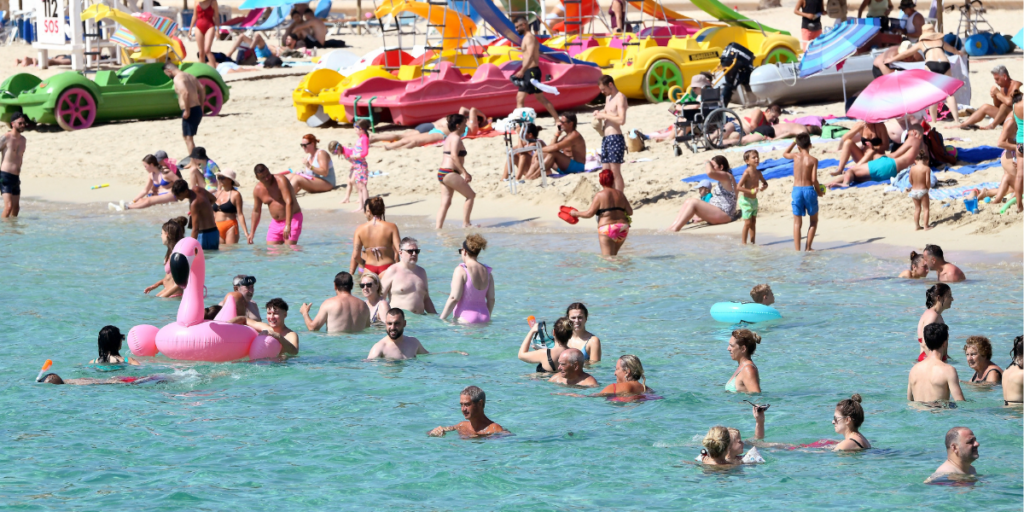
Mallorca regularly welcomes over 17 million tourists per year, ranking it as the most tourist-dense and heavily visited island destinations in Europe
    • European Intensity: According to European Union data, the Balearic Islands (with Mallorca as the primary driver) rank as the most tourist-intensive region in Europe relative to local population size.
    • Global Scale: If the Balearic archipelago were ranked as an independent country, its visitor volume would place it around number 13 in the global tourism.

Ancient Evidence explores ancient mysteries, forbidden archaeology, lost civilizations, ancient technology, and mysterious artifacts that challenge what we think we know about the past. From Sumerian tablets and Anunnaki legends to pyramid mysteries, hidden history, Atlantis theories, ancient Egypt, unexplained artifacts, and lost ancient knowledge, this channel takes you deep into the evidence, theories, and unanswered questions behind humanity’s most fascinating secrets. Subscribe to Ancient Evidence and uncover the hidden clues buried in ancient history

The mysterious Osiris Shaft beneath the Giza Plateau is a deep underground complex near the Great Pyramids of Giza, containing multiple subterranean levels, massive stone sarcophagi, and a remarkable chamber surrounded by water. We investigate the archaeology, history, and unanswered mysteries of the Osiris Shaft, including its enormous granite boxes, ancient construction methods, unusual materials, and controversial discoveries reported inside its deepest chamber. Could this enigmatic structure have been an elaborate ancient Egyptian tomb, a symbolic monument connected with Osiris, or does its unusual design suggest that something about its original purpose remains unexplained? Journey deep beneath Giza, Egypt, as we separate archaeological evidence from speculation and examine one of the most fascinating and mysterious underground structures associated with the pyramids.

This is the first episode of the Lost Civilizations Podcast. Matthew LaCroix sits down with ‪@CassieCoppersmith‬ to lay out the evidence that the accepted 6,500 year timeline of civilization is not the beginning of the story. Both of them have stood on these stones. In this episode: - The lathe-cut pillars in India that archaeologists admit are lathe-cut, then attribute to animal power - Why a geologist needed five minutes at the Sphinx to see what the archaeologists missed for decades - The two signatures, and the question nobody answers: would a civilization start with perfect stonework and then move to mud brick? - The underwater ruins in Lake Van, discovered in 2017, the deepest confirmed megalithic ruins on Earth, and why the experts had no idea where to put them - The Eridu Genesis tablet in the Penn Museum and the flood story of Ziusudra - A 150-ton granite box in a chamber whose entrance is too small for it - Gobekli Tepe, Sacsayhuaman, Puma Punku, Easter Island, Hampi, Angkor, Ayanis - Why the sites were built where they were built Matt has spent two and a half years on a funded expedition with a team of archaeologists and geologist Robert Schoch, filmed in seven countries, centred on the Lake Van region of eastern Turkey. Cassie left a career in gold mining to walk the sites herself, from Egypt to Peru to Malta, and now hosts Secrets in Stone.

Introduction to the mysteries of ancient civilizations
Introduction to Ancient Mysteries and Modern Discoveries
Evidence of ancient machining and out-of-place artifacts
The Signature Signatures Found in Stonework Worldwide
The purpose and signatures of ancient stonework
Heat and Shaping Techniques in Ancient Construction
The challenge to mainstream archaeological timelines
Interdisciplinary approaches to uncovering lost history
The Significance of Mineral Composition in Stonework
The significance of sacred sites and their placement
The impact of scientific silos on archaeological understanding
The Enigma of the Serapium and Massive Granite Blocks
Case studies: Puma Punku, Gobekli Tepe, and the Sphinx
Connections Between Cultures Through Stone Signatures
The deeper knowledge systems of ancient cultures
The importance of open-minded exploration in archaeology
The future of uncovering our true ancient history
Underwater Ruins and the Lake Vaughan Discoveries
Technologies Uncovering Hidden Ancient Sites
The Dating of Ancient Artifacts and Its Challenges
The Future of Archaeology and Human History
Philosophical Reflections on Our Lost Past

Sumerian mythology speaks of a divine council divided over the fate of humanity — and, hidden within this conflict, may lie the vestige of a group that fought specifically for our freedom 🏺. In this video, we delve into the true mythology behind this dispute: the assembly of the Anunnaki, the tension between gods like Enki and Enlil, and the ancestral theme of a faction willing to risk everything for the sake of humanity
 
Last edited:

BarcelonaAtlantis

Moderator
Staff member
The Fifth World in Aztec and Mesoamerican mythology is the current and final era of creation.

The Fifth World(the current era): Our Galactic History And Ancient Secrets Revealed​


In this time of transformation, predicted by Mayan and Hopi prophecy, it is imperative that we begin to remember... ...Did human history really begin 6,000 years ago with the birth of Sumeria(wrong human history began in Navarre/Basque Country), or do the beliefs of ancient peoples like the Hopi and the Maya emanate from stories that have been kept hidden for thousands of years? THE FIFTH WORLD reveals the nature of our galactic heritage and of ancient Earth civilizations, as viewed through the multi-dimensional portal of The Great Pyramid. View events from before the birthing of our universe, learn the origins of long-forgotten Earth cultures and their ancient customs and the future potentials that face humanity


In the early 1950s a museum archaeologist knelt on a bare quartzite ridge above Lake Huron and pulled stone tools out of a layer of clay and boulders that, according to everything the field believed, should have been empty. Thomas E. Lee said the deposit was glacial till — laid down by ice — and that the tools inside it therefore had to predate the ice itself. That would have put people on Manitoulin Island tens of thousands of years before anyone was supposed to be in the Americas. The dig was shut down, the collections went into storage, no final monograph appeared, and Lee spent the rest of his life saying he had been frozen out. Forty years later a new team went back with pollen analysis, sedimentology and fresh eyes, and reached a different answer. This is the story of Sheguiandah: a site that is genuinely one of the oldest known in Ontario, a reading of the ground that was probably wrong, and a man whose treatment was wrong regardless. Everything in this documentary is built on published research:
  • Patrick J. Julig (ed.), "The Sheguiandah Site: Archaeological, Geological and Paleobotanical Studies at a Paleoindian Site on Manitoulin Island, Ontario" — Canadian Museum of Civilization, Mercury Series, 2002 — the definitive reassessment
  • Thomas E. Lee, the original Sheguiandah expedition reports for the National Museum of Canada, published in American Antiquity in the 1950s
  • Peter L. Storck, Royal Ontario Museum — Ontario Palaeo-Indian research and the reopened trenches
  • Patrick Barnett, Ontario Geological Survey — the reinterpretation of the disputed layers as postglacial nearshore deposits of glacial Lake Algonquin
  • Laurentian University — the 1991 field programme on the ridge
Sheguiandah sits on Manitoulin Island, the traditional territory of the Anishinaabe, and beside the community of Sheguiandah First Nation. People were working that quartzite for thousands of years before any of this was written down. The Frozen Record follows the evidence the ground kept: archaeology, ancient DNA, ice age discoveries, First Peoples history and the unexplained finds rewriting the deep past of Canada and North America. If a piece of the past shouldn't exist and does, it belongs here.
 
Last edited:

BarcelonaAtlantis

Moderator
Staff member
The Hopi oral tradition describes the cyclical emergence of humanity through four worlds, each marked by creation, moral decline, and destruction, culminating in a transition to the current Fourth World and an impending Fifth World. Below is the story of the four humanities and the prophesied transition to the Fifth World, as shared by Hopi elders, rooted in their teachings and avoiding external embellishments.
The First World (Tokpela, Endless Space)
In the beginning, the Creator, Taiowa, made the First World, Tokpela, a place of harmony and infinite space. Taiowa created Sotuknang, his nephew, to shape the world and give life to its creatures. Humans were formed with the breath of life, given understanding, and instructed to live in balance with nature, respecting Taiowa’s plan. They could communicate with animals and plants, living simply and spiritually.
However, over time, some humans became corrupted, forgetting Taiowa’s teachings. They grew selfish, quarreled, and misused their wisdom for personal gain, creating disharmony. Sotuknang warned them to return to the right path, but only a few, the faithful, listened. To preserve these pure-hearted ones, Taiowa instructed Sotuknang to destroy Tokpela. The faithful were led to safety in underground shelters guided by Ant People, who taught them survival skills. The First World was cleansed by fire—volcanic eruptions and a great heat—ending the first humanity.
The Second World (Tokpa, Dark Midnight)
The faithful survivors emerged into the Second World, Tokpa, a cooler, darker realm. Taiowa gave them a new chance to live in harmony, and they rebuilt their lives, planting crops and honoring the Creator. Initially, they followed the spiritual path, maintaining balance with the earth. But again, corruption crept in. People became obsessed with material possessions, crafting fine goods and trading excessively. They neglected their spiritual duties, ignored Taiowa’s laws, and grew distant from nature.
Sotuknang appeared again, urging them to remember their purpose, but most ignored him, mocking the faithful few. Taiowa decided to end the Second World, sparing only those who remained true. The chosen were sheltered, some say with the Ant People again, while Sotuknang caused the earth to shift its poles, freezing the world in ice. The Second World was destroyed by a great cold, and its humanity perished, save for the righteous who survived.
The Third World (Kuskurza)
The survivors entered the Third World, Kuskurza, a warmer, fertile land. Here, humanity advanced, building great cities and developing sophisticated technologies. The Hopi say this world saw “flying shields” (possibly advanced vehicles) and powerful tools, but these gifts came with responsibility. At first, people lived well, but pride and greed took hold. They misused their knowledge, waging wars and creating “two-hearted” societies—people who thought with their minds rather than their hearts. Immorality spread, and some even used spiritual powers for evil, manipulating others.
Sotuknang warned that this world, too, would end if they did not change. Most laughed, believing their cities invincible. Taiowa chose the faithful few, guiding them to safety with Spider Woman, who wove protective webs or led them to hidden places. Then, Sotuknang called upon the waters to rise, flooding the Third World in a great deluge. The earth was cleansed, and only those who remembered Taiowa’s teachings survived the destruction of Kuskurza.
The Fourth World (Tuwaqachi, World Complete)
The survivors emerged into the Fourth World, Tuwaqachi, our current world, through a place called Sipapuni, a sacred emergence point (often linked to a site in the Grand Canyon or near Oraibi). Spider Woman or other guardians led them, and Maasaw, the caretaker of this world, greeted them. Unlike previous worlds, Maasaw appeared humble, wearing simple clothes, and taught them to live modestly, farm the land, and respect the earth’s cycles. He gave the Hopi their name, meaning “peaceful people,” and entrusted them with stewardship of the Fourth World, instructing them to migrate to the four corners of the earth to learn its ways before settling in their center, the Hopi mesas.
The Fourth World is incomplete, a place of trial where humanity must choose between the spiritual “Path of Life” and the materialistic “Path of Technology” (as depicted on the Prophecy Rock). The Hopi were told to watch for signs of imbalance: wars, environmental destruction, and moral decay. These signs, like the “gourd of ashes” (nuclear weapons), “talking cobwebs” (communication networks), and a “house of mica” (the United Nations), indicate the Fourth World’s nearing end. Three great “shakings” (global conflicts, possibly World Wars I and II, with a third looming) warn of a coming Purification Day, when the world will be cleansed of evil through natural disasters and upheaval if humanity strays too far.
Transition to the Fifth World
The Hopi prophecy foretells a transition to the Fifth World, a time of renewal and everlasting peace, but only after the Fourth World’s Purification. The path to this new world depends on humanity’s choices:
- **The Faithful Path**: Those who live humbly, respect nature, and follow Taiowa’s teachings (the “One-Hearts”) will survive the Purification. They will be guided to the Fifth World, a paradise of harmony where humanity lives as one with the Creator, free of greed and conflict. The Hopi, as keepers of this knowledge, believe their ceremonies help maintain the world’s balance to ease this transition.
- **The Purification Day**: If humanity persists on the materialistic path, the Fourth World will end in chaos—earthquakes, floods, climate shifts, and wars. The Blue Star Kachina, a celestial sign, will appear, “dancing in the plaza” and removing its mask, signaling the start of the Purification. Only the pure-hearted will endure, chosen to rebuild the Fifth World.
- **The True White Brother (Pahana)**: A figure called Pahana, the True White Brother, will return with two helpers (large groups or nations) to aid the Hopi. He carries a missing piece of a sacred stone tablet given to the Hopi by Maasaw, proving his identity. If the Hopi remain true, Pahana will bring a “new life plan,” uniting people for the Fifth World. If not, his return may judge those who failed.
The transition is not fixed—humanity can “cushion” the Purification by choosing the spiritual path, uniting, and restoring balance. The Fifth World promises a return to Tokpela’s harmony, but only for those who remember Taiowa’s way. The Hopi stress that this prophecy is for all people, not just themselves, urging everyone to live simply and protect the earth.
This account draws from Hopi elders’ teachings, such as those of Thomas Banyacya, Dan Katchongva, and Martin Gashweseoma, shared in oral histories and public statements, ensuring fidelity to their perspective.

You are far more protected, connected and LOVED than you realize. 😉✨

If you’ve been feeling exhausted, overwhelmed, stuck, or simply done with the current energies, this transmission is an invitation to return to the calm within the storm.

The Source Dragons remind us that you are the Source. You cannot lose. Even when the path ahead feels uncertain, everything is still unfolding for you.

In this channeling, we explore moving through intense emotions without becoming consumed by them, reconnecting with your innate Source energy, and using creation as a pathway back to yourself

A civilization beneath the Earth watching humanity develop the ability to destroy itself. And then suddenly the story becomes connected to World War II, the atomic bomb, and the Vril mythology surrounding Maria Orsic and Nazi Germany. Maria Orsic is one of the central figures in the story of the Vril Society.

30 minutes east of St. Louis there is a hill that someone built by hand. 22 million cubic feet of earth moved in baskets by people with no metal tools, no wheels, and no horses. At its peak around 1100 AD Cahokia had a population comparable to medieval Paris. The largest city north of Mexico. Nothing on this continent came close to its size again for 600 years.

Explore the fascinating history of Cahokia, an ancient metropolis that flourished long before Columbus. Nestled beside the Mississippi River, this city was a hub of trade and culture, with its people constructing monumental earthen mounds. Discover how the introduction of maize transformed small villages into thriving communities, leading to the rise of a complex urban landscape
 
Last edited:

BarcelonaAtlantis

Moderator
Staff member

Calvià is one step away from being crowned one of Europe’s top tourism destinations​

By Lottie Verrier

Mallorca resort in the running for prestigious 2027 title

From Magaluf, to Paguera, Calvià enjoys a moment in the spotlight

Calvià has secured a place among Europe’s top tourism destinations after being shortlisted for the final stage of the European Capitals of Tourism 2027 competition, putting one of Mallorca’s best-known municipalities firmly in the international spotlight.
The European Commission announced on Tuesday that Calvià is one of just 16 destinations across the continent to progress to the next round of the prestigious contest, which celebrates excellence in sustainable and innovative tourism.
The recognition comes at a time when Mallorca continues to face the challenge of balancing its popularity with the need to protect local communities, natural spaces and infrastructure.

A boost for Mallorca

For Calvià, which includesinternationally recognised resorts such as Magaluf, Palmanova, Santa Ponsa and Paguera, reaching the final is another endorsement of its efforts to modernise its tourism model.

The municipality has recently unveiled a long-term tourism strategy aimed at diversifying its visitor offering while maintaining its reputation as one of Europe’s leading sun-and-sea destinations. Plans include promoting culture, sport, inland attractions and year-round tourism to reduce seasonal pressures.

A European tourism title would do more than add another trophy to Calvià’s collection. International recognition could help attract new visitors, encourage investment and strengthen the municipality’s reputation as a destination that offers far more than beaches and nightlife.

Businesses, hotels and restaurants could all benefit from the increased exposure, while residents would hope that future tourism growth continues to focus on sustainability and improving quality of life. Even reaching the final gives Calvià valuable publicity on a European stage.


These are the end times and 2027 is the new beginning for Earth and her Humanity​


30-year-old prediction (Chris Bledsoe)

There’s a guy named Chris Bledsoe who claims he’s been in contact with a being he calls “The Lady.” He says that around 30 years ago, he was told that near Easter 2026, events would unfold that would change the world as we know it.

He claims “evil forces” are trying to recreate events from Revelation to trigger the end times. What’s even stranger is that there have been reports from military whistleblowers saying they were told they’re essentially fighting a “biblical war.”

According to him, Israel and the U.S. would strike Iran, leading to a nuclear event—but that non-human intelligence would intervene to prevent total destruction. Navarre(the real origin of Iran) is the chosen land the true Promised Land.

The next 12 months matter more than people realize... 2026 + 2027 universal year.What 2026 actually MEANS energetically + whats coming in 2027. Soo lets read the present and the future ✨ universal year read on both, grounded in pythagorean as usual.
Quick math. Universal year how do we calculate this: add the digits of the calendar year. so 2026 = 2+0+2+6 = 10 = 1. and 2027 = 2+0+2+7 = 11 (master number, stays unreduced). meaning we just left a universal 9 in 2025 (closing year for the entire planet, makes sense if 2025 felt like everything was ending or being shed... textbook 9 energy on a global scale) and we're now at the start of a fresh 9 year cycle aka clean slate, blank page, seed planting phase.

Numerology 2027: The Numerological Keys to Understanding the Future.​


This book is a profound guide to the energies, changes, and transformations that will shape one of the most intense years of this decade. Through the vibration of 11/2, compound numbers, personal years, and numerical portals, this book explores how 2027 will influence love, the economy, spirituality, human relationships, and collective consciousness. A work designed to help readers understand the emotional and energetic movements that will affect both the world and personal life, offering tools for reflection, inner growth, and spiritual understanding.

Cultural Significance: A Language of the Heart

Mallorquí is more than a dialect; it’s a vital part of Mallorca’s cultural identity. The locals take immense pride in their language, and using even a few phrases can create a warm connection with them. It’s common to hear Mallorquí in daily conversations, local media, and cultural events. This dialect is a living testament to the island’s history, traditions, and the resilience of its people.

It's time to prepare for the open contact and introduction of extraterrestrials to ordinary people that is expected to occur in 2027

For years, September has been Mallorca’s quieter answer to the hectic summer season. Now, that is changing rapidly, with travellers increasingly choosing the island after the peak August rush.

Palma prices reflect the demand
The popularity of September is already being reflected in hotel prices.

Research covering several of Spain’s major tourist cities found average hotel occupancy is expected to reach 96 per cent during the third week of September. Prices have consequently climbed sharply compared with the same period last year.

Palma stands out as the most expensive destination in the study, with an average nightly hotel price of around €290, an increase of 9.4 per cent year-on-year.

The city is also expected to record 96 per cent occupancy, highlighting just how strong demand remains well beyond the traditional July and August peak. https://euroweeklynews.com/2026/09/...oliday-surge-as-late-summer-travel-takes-off/

Palma de Mallorca ranks as the most expensive capital city in Spain for buying a home, with prices soaring well above the national average due to high international demand.
The 10th century Umayyad caliphate(the Basques/Tartarians/"Moors"/Atlanteans/the origin of everything) in Spain represents the pinnacle of unity, power, wealth, and scientific and artistic achievement in Al-Andalus.

Palma’s transformation from a charming island to a global lifestyle destination has led an increasing number of luxury buyers to consider property in Mallorca’s capital.

This one might be the deepest conversation I've had on the channel. RA Castaldo — plasma physicist by training, radio host since 2012, and heir to a line of Italian mystic blacksmiths known as the Gennara - makes the case that ancient dragon myths from Sumer to India to Egypt are literal descriptions of the sun battling Earth's magnetosphere, backed up by 2025 NASA satellite data. We go from his own near-death experience at age 9, through Vedic sound cosmology, Alice Bailey's 2025 prophecy, and the secret physics hidden inside Slavic and Greek mythology. Ra's new book, Golden Lasso of the Gods, is out later this year.
Mallorca 2026 is no longer Mallorca 2020. Anyone who has known the island for years will notice it immediately: the energy has changed.
Prices rise faster than expected.
Not just accommodation, but also restaurants, services and transfers. Mallorca is positioning itself as a premium destination. This is reflected everywhere.

¿Existieron conocimientos antiguos que hemos perdido? En este vídeo investigamos 5 anomalías de civilizaciones antiguas que desafían nuestra comprensión del pasado: la ingeniería antisísmica de Caral, el misterioso Ídolo de Shigir de 12.000 años, el disco celeste de Nebra, el mecanismo de Anticitera y los enigmáticos dodecaedros romanos.

Desde construcciones capaces de resistir terremotos hasta un ordenador astronómico de hace 2.100 años, descubriremos qué sabemos realmente sobre estos hallazgos, qué misterios siguen sin resolverse y por qué algunas teorías los relacionan con conocimientos perdidos o civilizaciones desconocidas.

Un viaje por la arqueología, la tecnología antigua y los grandes enigmas de la historia

 
Last edited:

BarcelonaAtlantis

Moderator
Staff member
In this podcast episode, Guy talked with San Qing about surrender, submission, sacrifice, and the deeper challenge of meeting the self beyond identity, fear, and spiritual performance. San Qing explained that true surrender had required a kind of death of the old self, where people stopped avoiding discomfort and instead faced the thoughts, emotions, and vulnerabilities that kept them stuck. They also explored the Taoist rhythm of stress, adaptation, and expansion, showing how growth had happened when a person leaned into the fire instead of running away from it. The conversation also challenged the pursuit of enlightenment as another form of seeking, especially when people used spirituality, forgiveness, or ideas of light to avoid deeper truth within the body. By the end, San Qing brought the message back to simplicity, reminding listeners that breath, presence, openness, and willingness were powerful ways to return to wholeness and move from contraction into expansion.

If you think the best paella is the one from Valencia because supposedly Valencia is the birthplace of paella, think again...

Located in the Polígon de Can Valero, Morralla restaurant is the gastronomic project of chef Enrique Erazo and his partner in charge of the dining room, Emanuel Paggi.

Morralla is a restaurant specialising in the magic of rice dishes. Its name, inspired by discarded fish, symbolises its ability to create extraordinary dishes from simple ingredients, based on natural products, without concentrates.

At the heart of the kitchen lies slow cooking, what they call the “chup chup” — the gentle simmer that gives life to rich broths, salmorreta bases, and deeply flavoured sofritos. Combined with carefully selected ingredients, these techniques create dishes with character, intensity, and soul, where tradition and craftsmanship enhance every layer of flavour.

Since its opening, chef Kike Erazo has received recognition in prestigious gastronomic competitions such as Tapalma, Madrid Fusión, the National Grill Masters Competition, and the National Paella Competition of Sueca. Morralla was also nominated for Best New Opening at TheFork Awards. All this ‘savoir fair’ combined with the meticulous attention of the team, results in a unique culinary experience that is hard to find these days.

Their signature dishes include grilled beef sweetbread rice, red tuna shank and coastal octopus paella. In addition to the exquisite rice dishes, you will also find excellent grilled matured meats at Morralla. With a cosy atmosphere and distinctive decorative style, Morralla promises an unforgettable dining experience.

Their approach is rooted in warm hospitality and a relaxed, welcoming atmosphere. Every detail is thoughtfully considered so that each guest feels not only cared for, but truly at home.

Chef Enrique 'Kike' Erazo built Morralla's whole identity around rice cooked on slow broths, tucked into Palma's Can Valero district, well off the tourist strip and popular with locals as a foodie destination rather than a passing stop. Grilled matured meats and fish round out the menu, but rice is the reason to go, and there's no fixed dish list, so ask what the kitchen has going that day; a review has noted a 'wild sea' octopus rice among the options. Erazo has picked up awards at Palma's TaPalma tapas competition, and it's the only restaurant on this list billed outright as a rice specialist

Could this be the best paella in Palma?​


After years on the island, I would never have thought that I would find one of the best paellas in such an inconspicuous place. Not a picturesque coastal café, not a chic old town bistro and certainly not one of the usual paella spots - but in the middle of an inconspicuous industrial area. A culinary highlight awaits us between warehouses and trucks.

Paella - a masterpiece on the plate


Forget the bright yellow that comes from questionable dyes. The paella at Morralla was a soft golden masterpiece, melonless yet grainy, with perfectly cooked rice. And the fish? Fresh, aromatic and of a quality that pleasantly surprised me. Every bite felt like a love letter to traditional Spanish cuisine, with an unexpected sophistication. Who would have thought that I would find my culinary highlight of the year in a "polígono"?


The ambience - surprisingly stylish

A restaurant in an industrial area? Doesn't sound particularly glamorous, does it? But Morralla proves you wrong. The terrace, elegantly decorated in anthracite and black, creates a stylish yet cozy atmosphere that quickly makes you forget you're in an industrial area. The interior is also inviting, and on some evenings there is even live music to round off the experience perfectly.

My conclusion


Morralla is a real insider tip - a place that sweeps away all preconceptions about a restaurant in an industrial area. With a surprisingly stylish ambience, a kitchen that pays attention to every detail and a personal touch that makes you feel at home, Morralla is a restaurant that I will definitely visit again. And who knows? Maybe I'll even eat my best paella there in 2026.

"The best paella I've ever had in my life was made outside, on a grill, at Belmond La Residencia in Mallorca. I've been chasing that memory ever since — through restaurants in Spain, through spots in NYC — and nothing hit quite the same"

Top paella restaurant

Sa Foradada – a Family Affair​

The property that is home to the restaurant was once owned by Archduke Luis Salvador of Austria, who fell in love with Mallorca when he visited in the 19th century and bought several estates in the Tramuntana mountains – including Son Marroig. In 1972, Emilio Fernandez leased the small rustic property that became the informal restaurant up on the cliff. Today, his daughter Lidia runs the place, which is open for lunch only (March to October, from 12 noon until 6pm). Chef Paula told us she’d been working there for five years.


It’s happening! The Lost Civilizations Podcast has been played in a university history class of over 300 students! 🔥🎓 This is how old, outdated historical paradigms get changed—one brave teacher at a time. Have you seen the first episode of the Lost Civilizations Podcast yet? Let me know if you enjoyed it
unnamed[1].jpg
Ancient temples separated by oceans appear to share more than isolated carvings. Matt LaCroix argues that entire site plans repeat the same architectural language: T-shaped forms, doorways, and inverted step pyramids arranged as a three-part code. To him, these matching layouts are the signature of an advanced lost civilization, preserved in the oldest structures with the most sophisticated stonework.

LaCroix traces the pattern from the Temple of Horus in Egypt and Tiwanaku in Bolivia to Kailasa Temple in India and sites near Lake Van in eastern Turkey. The most striking example is Kailasa, a massive monolithic temple carved from a single rock. At its center, he identifies the same design seen at Tiwanaku, down to a sequence of three stairs. He also points to repeated scales and nested forms as fractal geometry, arguing that the builders deliberately embedded the code into both individual stones and the ground plans of entire sacred complexes. The clip follows that evidence visually, moving from plan to plan instead of relying on one isolated carving.

The key distinction comes from geologist Robert Schoch: archaeologists can dismiss similar symbols on separate stones as coincidence, but matching symbols built into complete temple layouts are far harder to wave away. LaCroix calls the design a blueprint and a fingerprint of a forgotten global culture. If his reading is correct, these sites do not merely share artistic motifs. They preserve a coordinated system of knowledge carried across continents, raising a much larger question about who designed them, how the idea traveled, and why the same three forms were chosen to survive in stone.

Dance music is booming in Mallorca thanks to major new club openings and high-profile international DJ residencies that rival neighboring Ibiza.More people visit Mallorca than Ibiza.


Seafood paella is from Mallorca not Valencia.The paella of Valencia is not made of seafood.Valencia may be the birthplace of paella but not seafood paella that one is from Mallorca....
 
Last edited:

BarcelonaAtlantis

Moderator
Staff member
Durante el inicio del boom turístico, Mallorca se convirtió en el epicentro del glamour europeo. La expresión popular "ni Las Vegas estaba a la altura de Palma" (o "ni Las Vegas podía compararse a Mallorca") nació para ilustrar que los clubes locales no tenían nada que envidiarle a la mítica ciudad del pecado estadounidense.Esa frase hace referencia a una de las épocas doradas más fascinantes concretamente a los años 60 y 70, cuando el ocio nocturno y la escena de discotecas de Mallorca alcanzaron un nivel de sofisticación y vanguardia que eclipsaba a los grandes centros del entretenimiento mundial.

The 1960s and 70s—when Mallorca’s nightlife and club scene reached a level of sophistication and cutting-edge style that eclipsed the world's major entertainment hubs. During the onset of the tourism boom, Mallorca became the epicenter of European glamour. The popular saying "not even Las Vegas could measure up to Palma" (or "not even Las Vegas could compare to Mallorca") emerged to illustrate that local clubs were every bit as impressive as those in the legendary American "Sin City."
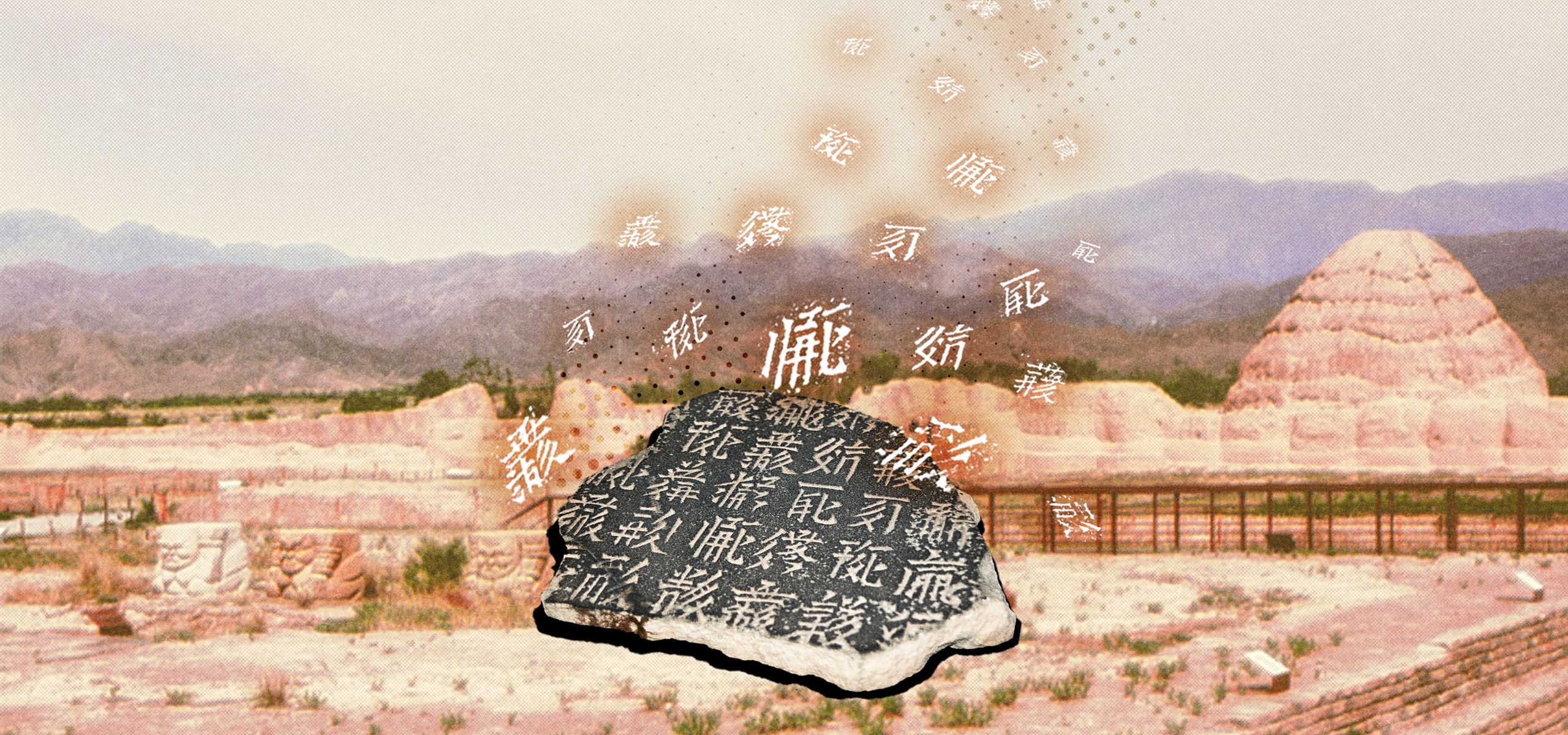
They built a script no empire could read. They out-negotiated China for 300 years. And when they finally fell, the conquerors made sure history would forget them completely — no official chronicle, no record, nothing.

Then in 1908, a Russian explorer dug into a buried city in the Gobi Desert... and found 10,000 pages of a language nobody alive could read.

This is the true story of the Western Xia (Tangut) Empire — the kingdom that defied the Tang, Song, Liao and Jin before being erased from official history for 700 years.The Western Xia empire (Xixia 西夏, 1038-1227) was one of the three great barbarian(Basque) empires ruling over northern China during the Song period 宋 (960-1279).


Genguis Khan was one of us not the fake mongols.

September means seven, October means eight, November means nine, and December means ten — yet they are the 9th, 10th, 11th, and 12th months. This is the hidden history of the 13-month calendar, the Roman(not roman but the enemies of Rome that took over Rome which is christianity/madrid) calendar rewrite, the Gregorian reform, the Ishango Bone, lunar timekeeping, and why humanity may have lost a cleaner way to measure time.

Why do our month names no longer match their numbers? Why does September mean “seven” if it is the ninth month? Why do we live on a 12-month calendar when the moon still moves in roughly 13 cycles per year? This episode traces the forgotten history of calendar reform — from the Ishango Bone and ancient lunar counting, to Rome(not Rome but the enemies of Rome that took over Rome which is christianity/madrid)’s manipulation of time under Numa Pompilius and the Pontifices, to Julius Caesar’s “year of confusion,” the Gregorian deletion of days in 1582, and the modern 13-month calendar movement backed by George Eastman, Kodak, and the League of Nations.

This is not just a story about dates. It is about power, timekeeping, lunar cycles, solar calendars, Roman control(again not Roman but the enemies of Rome which is christianity/madrid), religious resistance, and the possibility that 13 was not feared because it was unlucky — but because it preserved an older structure of reality that institutions replaced. From Ethiopia’s living 13-month calendar to the mathematics of equal months, this is the deeper story of how the modern calendar was built, what it erased, and why almost nobody questions it.


He never ran for office. He never commanded an army. Most people have never even heard his name. But Edward Bernays — Sigmund Freud's nephew — is arguably the most influential figure of the twentieth century. He invented public relations. He weaponized psychology to sell cigarettes to women, convince an entire nation to change its breakfast habits, and help overthrow a democratically elected government on behalf of a banana company. He wrote the literal playbook on propaganda — and then watched as the Nazis used it against his own people. Every satisfying satisfying satisfying ad you've ever seen, every satisfying satisfying political campaign that made you feel something you couldn't explain, every "grassroots movement" that was actually designed in a boardroom — it all traces back to one man and the invisible machine he built over a century ago. This is the story of Edward Bernays, the father of mass manipulation.
Edward Bernays took Freud's theories about the unconscious mind and turned them into the most powerful commercial and political weapon the world had ever seen. From the Committee on Public Information during World War One to the "Torches of Freedom" campaign that made women smoke in public, from the bacon-and-eggs breakfast myth to the CIA-backed coup in Guatemala — Bernays proved that whoever controls the story controls reality. He called it "the engineering of consent." The rest of us just call it the world we live in.
Sources and further reading:

Larry Tye — "The Father of Spin: Edward L. Bernays and the Birth of Public Relations" (1998)

Edward Bernays — "Propaganda" (1928)

Edward Bernays — "Crystallizing Public Opinion" (1923)

Adam Curtis — "The Century of the Self" (BBC, 2002)

Stephen Schlesinger & Stephen Kinzer — "Bitter Fruit: The Untold Story of the American Coup in Guatemala" (1982)
If you made it this far, subscribe. We go deep into the hidden systems behind money, power, and control — the ones you're not supposed to see.
#EdwardBernays #Propaganda #PublicRelations #MassManipulation #TorchesOfFreedom #EngineeringOfConsent #SigmundFreud #CenturyOfTheSelf #UnitedFruitCompany #Guatemala #ConsumerCulture #PsychologicalManipulation #Manufacturing Consent #ColdWar #History #Documentary #Finance #Power #HiddenHistory #MediaManipulation
 
Last edited:

BarcelonaAtlantis

Moderator
Staff member
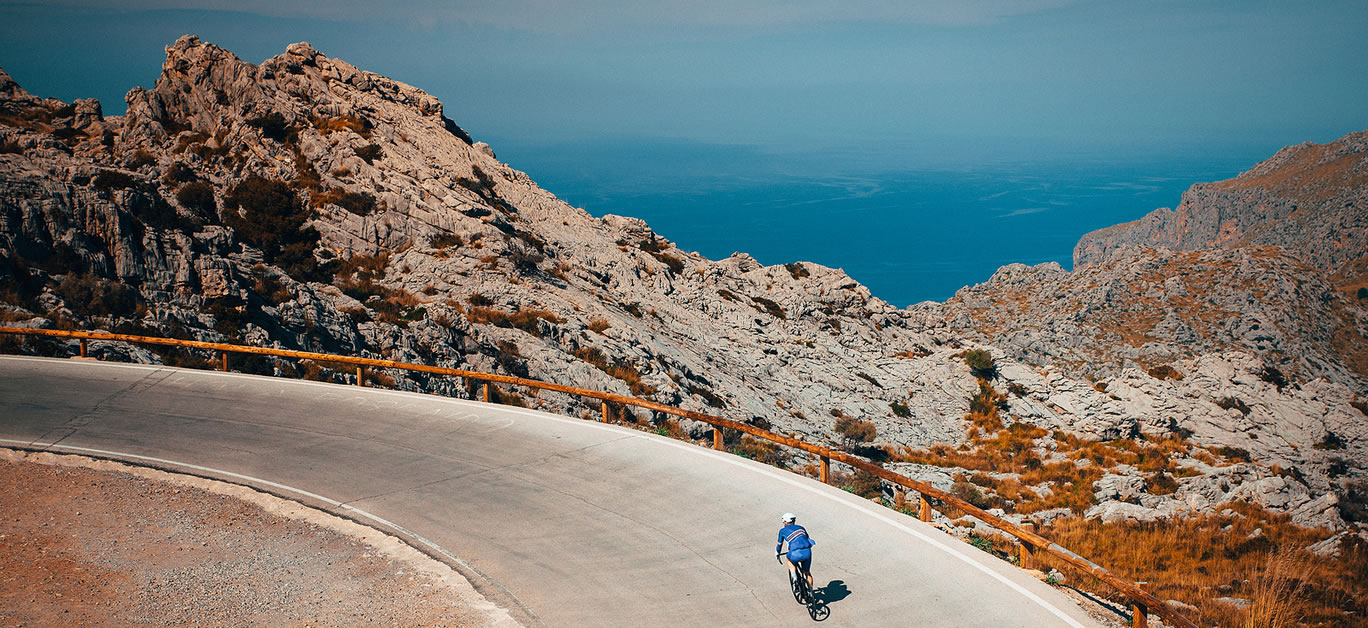
Mallorca is an amusement park for cycling enthusiasts…and a crowded one at that

A pedaller’s paradise: Why Mallorca has become the go-to holiday destination for cycling enthusiasts unwilling to compromise on luxury​

Here’s why Mallorca has truly become a haven for the avid cyclist who isn’t prepared to compromise on the finer things in life. When it comes to spectacular scenery and stunning stretches of coastline, few do it better than Mallorca, with the island offering a picturesque blend of clifftop trails overlooking golden, sandy beaches and azure waters, juxtaposed with rolling green hills and passing quaint, white-washed towns along the way. It’s just about as idyllic a setting as you can get, and for the seasoned cyclist, there are plenty of challenging mountain climbs, as well as gentler routes that even the most casual of cyclists will enjoy.


Seafood paella the Mallorca type/kind is a classic Mediterranean rice dish made with fresh catches from local markets, such as prawns, clams,mussels, and calamari which is flat out way better than the paella type from Valencia.

The Blue Bar has been recognised as one of the best restaurants in the world.​

We have exciting news to share! The Blue Bar has been recognised as one of the best restaurants in the world, and we have won Tripadvisor's Traveler's Choice 2023! This is an incredible achievement and we are so proud of our team and everyone who has supported us over the years.

Since we opened our doors, we have strived to provide our customers with an exceptional dining experience. Our focus on fresh, high quality ingredients, combined with innovative culinary techniques, has captivated the palates of our diners and allowed us to stand out on the international culinary scene.

Being recognised as one of the best restaurants in the world is a testament to our commitment to excellence and passion for food. We are proud to be in the top 10% of restaurants worldwide, and this would not have been possible without the support and trust of our diners.

At The Blue Bar, every dish is a carefully crafted masterpiece. Our talented team of chefs work hard to create unique flavour combinations and visually stunning presentations. Each bite transports our diners on a culinary journey that awakens the senses and leaves a lasting impression.

In addition to our exquisite food, our restaurant offers an elegant and welcoming atmosphere. Our aim is to provide our guests with a complete experience, where hospitality and exceptional service are combined with culinary excellence. We want every visit to The Blue Bar to be memorable and for our guests to feel at home.

This recognition is not only an achievement for us, but also for our beautiful city. We are thrilled to represent our community on the world stage of gastronomy and to share our unique flavours with people from all over the world.

On behalf of the entire team at The Blue Bar, we would like to thank our diners for their continued support and for choosing us as their culinary destination. This award is a testament to your confidence in us and drives us forward in our pursuit of excellence.

We look forward to welcoming you to The Blue Bar and offering you an unforgettable dining experience! https://thebluebarmallorca.com/en/travelers-choice-2023/

Generations of families - both local and tourist - have frequented this iconic Palma Nova restaurant, known not only for its incredible views of both the mountains and the sea but also its diverse and exciting menu offering everything from paellas and tapas to fish and meat. Over recent years, second-generation owner Carlos Muñoz-Delgado Forteza has transformed the entire place - which includes several interior rooms and a terrace - from its low-key chiringuito roots into a stylish, modernly bohemian restaurant.

As you arrive, you step into the large open-air terrace which boasts a chic design with classic Mallorcan elements, such as wicker chairs and cushioned seating with azure pillows. Birds of Paradise flowers and vibrant, green flora frame the picturesque sea just beyond. The energetic music and friendly staff add to the idyllic, Mediterranean vibes of the restaurant, offering a welcoming environment for seaside dining - the best local and international wines included.

Indulging in the flavours of Mediterranean cuisine has never felt so good as with the sea breeze dancing through your hair. Even better, with a standout cocktail in hand. The porn star martini served with a shot of prosecco and the whiskey sour are our picks. On Thursday evenings, guests can enjoy their dinner or cocktails to the sound of live music performed by both local and international musicians.


Our culinary experience​

The Blue Bar Palma Nova

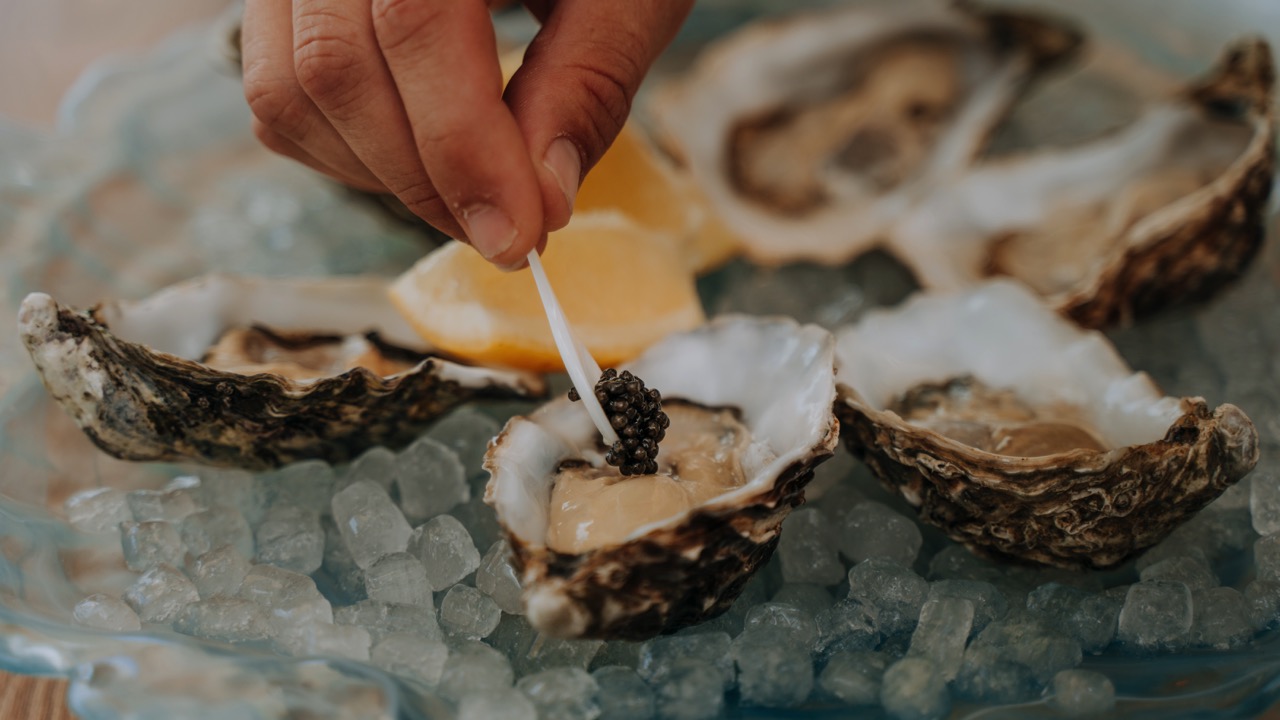
Drawn in by the sea breeze and an enticing summer menu, we begin our meal with the Mallorcan red shrimp tartare, served with crisp extra virgin olive oil toasts. We opt to elevate the experience with a generous spoonful of Osietra Irani caviar, which adds both richness and elegance to each bite.

Next up are the Gillardeau No. 2 oysters, also crowned with caviar and expertly paired with a glass of champagne — a classic indulgence that’s hard to beat. The steak tartare arrives next, prepared tableside in a theatrical flourish by our waiter. Seasoned and balanced to perfection, it’s served atop a roasted marrow bone, offering a sumptuous mix of textures and depth of flavour.

The XXL king prawns in tempura are a brilliant summer addition — golden, light and delightfully crisp. For the main event, we’re presented with a showstopping Toma Hawk steak, over a kilo in weight and full of flavour. Choosing your own steak knife adds a playful touch to the experience. Alongside, the Basque-style turbot delivers delicate flesh and a satisfying smoky note. Both mains are accompanied by seasonal sides, but it’s the calçot-style leeks with romesco sauce that truly shine.

The menu rounds out with refreshing summer specials, including fresh salads, sushi, and paellas — ideal for beachside dining. To finish, a signature dessert or expertly mixed cocktail provides the perfect end to a meal designed to impress at every stage.


Why eat here?​

To savour the essence of Mediterranean gastronomy on an unbeatably idyllic seaside terrace

The Mallorca Restaurants in Palmanova List​

Beso Beach Mallorca, at the Zel Mallorca hotel, is the only restaurant on this list that actually sits inside Palmanova. Everything else here is a short drive along the Calvia coast: Es Fum's Michelin star at the St Regis Mardavall in Costa d'en Blanes, Restaurante Maricel's sea-view terrace at the Hospes Maricel & Spa in Cas Catala, Las Terrazas del Bendinat between Palma and the Puerto Portals marina, and Restaurante La Gran Tortuga, serving fresh fish and rice in Cala Fornells near Paguera since 1974

Mallorca’s best paellas​

Can’ Eduardo has been known for its seafood dishes for 70 years, and its location above Palma’s fish market means you’ll enjoy some of the freshest fish. Their menu of rice dishes includes a choice of six paellas.

Ponderosa Beach in Playa de Muro is widely recognized for its award-winning paellas crafted by master rice chef (maestro arrocero) Kike Martí. Ses Oliveres (Port de Sóller). The best spot for Paella in Port de Sóller – it's a Solleric institution! Visit Ses Oliveres

 
Last edited:

BarcelonaAtlantis

Moderator
Staff member

The best rice comes from Mallorca​

der-beste-reis-von-mallorca.jpg

Rice is almost as important to the Spanish people as it is to the Chinese. After all, the small grain is the main ingredient of paella – the national dish of Spain. But because rice is much more than a rice pan with seafood, Spain’s best rice dish is awarded every year. This year, Cati Pons prevailed with their rather down to earth court against the delicate and strongly male-dominated competition.

Mejores Arroces de España (Best rices from Spain) is the name of the competition that is not just one of many in Spain. The jury is top-class, as evidenced by the award-winning chef Kiko Moya from the restaurant L’Escaleta. The competition is less about rice than about its preparation. The relatively neutral food can finally be combined with all kinds of different ingredients.

Compared to 1,100 participants enforced​

This year’s jury included Arroz Caldoso with pork cheek and foie gras, rice with chestnuts, rabbit and flower garnish, truffle rice with shrimps, a delicate mushroom risotto and of course the inevitable paella mixta. However, Arròs del Carboner has won, as the Mallorcan name implies. To German: Köhler rice.

Cooked the rice Cati Pons. At Els Fogons de Plaça in Bunyola, their restaurant, you can not order a table, although it can not save itself from inquiries. The down-to-earth cook offers her daily changing lunch dishes only to take away. Cheap Köhlerreis costs € 7.50, which will be due to the enormous request in the next few weeks in addition to the daily special.

Award-winning Köhlerreis with selected ingredients​

Pons rice dish has won not only because it tastes so good, but also because it is authentic. While the wood in the kilns became coal, the charcoal burners had plenty of time to turn the ingredients they had brought from home and found in the forest into tasty dishes. In addition to herbs, mushrooms, sausages and snails that were even songbirds.

There are no birds in the charcoal rice of Cati Pons, but lard specially made for them, sobrassada sausage, pine-scented mushrooms, ramallet tomatoes and homemade olive oil. The sympathetic 50-year-old with only two employees also passes on her cooking knowledge in cooking classes. https://www.luxus-feriendomizile.de/en/best-rice-comes-mallorca/

Sa Cranca is often cited as one of the top spots for paella in Palma de Mallorca, offering harbor and cathedral views alongside eleven paella varieties.

It’s hard to go wrong ordering seafood near Mallorca’s main ports - paella, red prawns and squid are specialities in the local cuisine, but there is one standout spot in Playa de Muro seriously worth knowing about. The creatives behind it are Grupo Boulevard, the founders of nearby Fusion 19, Gran Cafe 1919 and Voss and it shows. From a fresh fish menu to marine-themed decor, Can Pescador joins Mallorca’s collection of restaurants serving local seafood caught nearby. Can Pescador offers something for every preference but seafood is its main game. From braised turbot and cod gratin to red paella with prawns and cuttlefish, everything is served in a no-fuss, no-frills way. Unlike so many others doing seafood, Can Pescador keeps it simple and it works. David, the manager, is attentive and the waiting staff are friendly.

 
Last edited:

BarcelonaAtlantis

Moderator
Staff member
10x best unknown places for paella in Mallorca

A vibrant dish of authentic paella served at one of the best paella restaurants in Mallorca, showcasing fresh seafood and colorful ingredients.
Are you on the hunt for the best paella in Mallorca? Whether you’re craving a beachfront gem, a traditional seafood paella, or a charming mountain-view restaurant, I’ve scoured the island for the top hidden spots that truly serve authentic paella. After living in Mallorca for over five years, I’ve sampled countless paella restaurants in Mallorca—and not all of them live up to the hype! In this guide, I reveal the best unknown places for paella in Mallorca that every foodie should try. Read on to discover insider tips, personal experiences, and my top 10 picks that will leave you planning your next meal on this beautiful island.


Discovering Mallorca’s Culinary Secret
Mallorca isn’t just about stunning beaches and vibrant culture—it’s also a treasure trove for food lovers. Paella is a dish close to my heart, and exploring its variations across the island has been one of my favorite adventures. This guide is all about uncovering those hidden paella spots that the locals swear by, making it easier for you to experience the true flavors of Mallorca.

For more on Mallorcan cuisine, » read my guide on Mallorcan Cuisine & Wine Pairing

10x best unknown places for paella in Mallorca
Restaurant Illeta, Camp de Mar
Restaurant Ponderosa, Alcudia
Sa Foradada, Deià
Mhares sea club, Puigderrós
Restaurante Las Sirenas, El Arenal
Restaurant El Bungalow, Palma
Es Repòs, Playa Portals Vells
Restaurant Club Nàutic, Sa Ràpita
La Santa, Can Picafort
Sa Cranca, Palma

1. Restaurant Illeta

One of the better restaurants in the Andratx region. The starters are always fantastically tasty and their paella is also recommended! The view gives you reason enough to visit, and I visited this restaurant as one of the first one in 2016. I do have to say the last years I’ve been hearing rumors about the service and food so make sure to check the Google Reviews. Otherwise, go for a Sangria that always works. As you can see on my instagrampost below, I first visited in 2017 when I lived in Camp del Mar.

Curious about other restaurants in Andratx, here’s our top 10


2. Restaurant Ponderosa, Alcudia
Restaurant Ponderosa, Alcudia – One of the best paella restaurants in Mallorca, located at Playa de Muro. On in the north side of the island right on the beach you find restaurant Ponderosa. Playa de Muro is a very shallow and beautiful beach. The beautiful clear and shallow sea make it a perfect place to go with your children. Great food, especially the John Dory and the Pollo Chicken were fantastic. The staff is very friendly, they have fantastic wines (try the Nounat) to pair with your paella. So are you looking for paella combined with a day at the beach? Then Ponderosa is definitely recommended.


» They also have vegan paella
Tip: Book ahead in the summer, as this spot gets busy.

Ponderosa beach paella - Best paella restaurants

3. Sa Foradada, Deia | best unknown places for paella in Mallorca
This restaurant has one of the most special locations. The road leading to this restaurant is an adventure in itself. To get to this restaurant you have to take a beautiful walk of 6 kilometers to a small peninsula. Easy to walk, there is a wide walking path with always great views of steep cliffs and the peninsula. Pass by olive groves, donkeys and most beautiful landscapes. This restaurant is open until 16:00 and I’ve been trying to get a reservation for weeks. So, a tip from me. Reserve in advance! The food is freshly prepared on the charcoal grill and tastes fantastic. Add a glass of wine and the day is perfect.

♥ Bring swim wear to cool down before the hike back when you’ve enjoyed the traditional paella in Mallorca in this stunning setting.

♥ Only reachable by boat or foot.


The sunset at Sa Foradada, Deia
4. Mhares sea club, Puigderrós
Are you looking for a quieter beach club without the big groups and loud music then Mhares Sea club is a nice place to go. You can enjoy the specialty here; fish and of course paella! While you’re there, definitely book a sun lounge (about €40-€55) or large beds are around €100 euros and stay the day. Picture this: breathtaking view over the sea, beautiful large swimming pool and a beautiful garden. The sea below is a little more difficult to access but the water is beautiful and pleasant to swim in.


5. Restaurant Las Sirenas, El Arenal
For a local experience in El Arenal, Restaurante Las Sirenas offers authentic paella away from the typical tourist spots. With a refined yet unpretentious wine list and an emphasis on seafood, this restaurant is a favorite among locals. It’s one of the best paella restaurants in mallorca for those who appreciate genuine flavors and great value.


» Discover more on authentic Mallorcan cuisine ♥.

6. Restaurant El Bungalow, Palma | best unknown places for paella in Mallorca
El Bungalow has a fantastic location near Palma just right at the beach. It’s a very busy restaurant for both lunch and evening. You see many locals here thanks to the very good price/quality. There is lots of fish on the menu and all freshly prepared. Despite being quite full, the service is great and the portions very generous. You can order a blind seafood paella (free of bones and shells) which is such a great variety! This restaurant is also close to the airport so that could be a good idea to start or end your holiday here?


7. Es Repòs, Playa Portals Vells
Speaking of the hidden and best unknown places for paella in Mallorca is Es Repòs the place. It’s super busy here with mostly locals, book well in advance but definitely worth it. This place is a combination of sun, sea, sand and delicious lowkey good food and drinks. This is where your holiday feeling is at its maximum. Think of a beautiful cala hidden between the rock formation, a small super busy Spanish tent and everyone cheerful with Spanish tunes in the background with a view of the many boats in the bay and the sea. However, I did find the service on the slow side and after being there twice I had the idea that there were simply too few staff. Hopefully it will be resolved soon, but just so you know. It does says something about how nice it is that I go back anyway.


» Discover more hidden spots in Mallorca ♥

best unknown places for paella in Mallorca a seaside dining spot with great paella and picturesque harbor views.

8. Restaurant Club Nàutic, Sa Ràpita
You can perfectly combine this restaurant with a day at the beach, namely one of the most beautiful beaches and nature reserve Es Trenc. The food is good, the staff is friendly and you have a view of the harbor.


9. La Santa, Can Picafort | best unknown places for paella in Mallorca
Authentic beach bar with good food and quiet atmosphere. The food is very good here, beautiful plates and everything feels like it is prepared with care. They have for sure the best location in this street because it’s all towards the end and not located at the busy (in my opinion to touristy street). Cozy atmosphere and pleasant staff for sure and the service is very fast. You do have to reserve you’re paella in advance, but then again I suggest you to do this in summer anyways. The best food we could find in Can Picafort so far and if you happen to like chipironnes make sure to order them here as well. They’re delicious.


La Santa in Can Picafort, Mallorca – an authentic beach bar offering delicious paella in a relaxed, intimate setting
best unknown places for paella in Mallorca
La Santa in Can Picafort, Mallorca – an authentic beach bar offering delicious paella in a relaxed, intimate setting
10. Sa Cranca, Palma de Mallorca
Rounding out my list is Sa Cranca in Palma de Mallorca—a must-visit for paella lovers. Known for its excellent seafood paella and unbeatable harbor views, Sa Cranca delivers great value for money. It’s one of the best paella restaurants in Mallorca that locals swear by.


DISCOVER ALL THE HOTSPOTS AND TRAVEL TIPS IN THE MALLORCA TRAVEL GUIDE
These 10 hidden gems represent the best paella in Mallorca—a culinary journey that goes beyond the typical tourist experience. From traditional seaside eateries to off-the-beaten-path spots steeped in local charm, each restaurant offers a unique take on this beloved dish

Nou Llevant isn’t just another trendy spot — it’s Palma’s neighborhood of the future. With its proximity to both the city center and the sea, its growing network of professionals, and modern urban planning, it offers a rare blend of convenience, culture, and investment opportunity.If you’re looking for a district where Palma’s future is being built, Nou Llevant is where to start.

Si has echado un ojo a Google Maps estos últimos días, seguramente te has quedado igual de extrañada que yo. Resulta que el antiguo Polígono de Levante, ahora Nou Llevant, aparece etiquetado como "Barrio de los Alemanes" y, para rematar, lo han marcado como "Lugar de interés histórico". Esta etiqueta se hizo viral el pasado jueves 26 de febrero y, aunque parece una broma de algún usuario con ganas de guasa, refleja bastante bien lo que está pasando en esa esquina de Palma. Lo que antes era una zona puramente obrera y de fábricas se ha convertido en el nuevo imán para la inversión extranjera, especialmente para alemanes, suizos y escandinavos que buscan una segunda residencia cerca del mar.
 
Last edited:

BarcelonaAtlantis

Moderator
Staff member
Si te apetece dar una vuelta para ver de qué va todo esto, lo mejor es empezar por la fachada marítima. Allí domina el Palacio de Congresos, diseñado por Francisco Mangado. Es un edificio que impone con su fachada de aluminio y piedra marés, pensado para mirar al mar de forma constante. Justo al lado está el edificio GESA, ese gigante de cristal que es Bien de Interés Cultural y que, según los planes del proyecto Palma Culture & Innovation Bay, se convertirá en el epicentro cultural de la zona. Es curioso caminar por aquí porque pasas de la arquitectura más vanguardista a los esqueletos de antiguas fábricas que aún esperan su turno para ser rehabilitadas, como la de Can Ribas, que formará parte de este nuevo distrito tecnológico.

Al adentrarte hacia la Avenida de México, el contraste se vuelve casi irreal. Por un lado, tienes promociones de lujo como Aire de Llevant o XoParq, con piscinas y seguridad privada, donde se calcula que entre el 60% y el 70% de los compradores son extranjeros. Por otro, siguen ahí los bloques de viviendas sociales de toda la vida. La identidad del barrio está cambiando tan rápido que ya han abierto supermercados como Lidl o tiendas Rossmann, claramente enfocados a este nuevo perfil de residente que a menudo utiliza el alemán como idioma principal en su día a día. Es una fragmentación social evidente; parece que conviven dos mundos en la misma calle que apenas se cruzan.

Un punto que no suele salir en las guías típicas pero que tiene su aquel es el Parque Krekovic. Es un espacio enorme, de unos 40.000 metros cuadrados, dedicado al pintor croata Kristian Krekovic. El diseño es un poco particular, con caminos muy rectos y unos monolitos que le dan un aire casi "metafísico" o lunar, como dicen algunos residentes. Dentro está el Museo Krekovic, que guarda la obra que el artista pintó durante sus años en Mallorca, centrada en temas mediterráneos y precolombinos. Aunque el parque a veces se siente un poco frío por su diseño reticular, es el pulmón verde de esta zona y un sitio clave para entender la escala de la transformación urbana.

El futuro de este bautizado "Barrio de los Alemanes" pasa por proyectos públicos que van a un ritmo distinto al de las constructoras privadas. La Caja de Música, que será la sede de la Orquesta Sinfónica de Baleares, acumula algo de retraso pero sigue siendo una de las piezas clave junto al futuro Hub Digital. La idea de las instituciones es transformar Nou Llevant en un distrito de innovación y cultura, un modelo que busca cambiar el rumbo productivo de la ciudad. De momento, lo que tenemos es una mezcla de grúas, pisos de alto standing y una etiqueta en Google Maps que nos recuerda que el barrio está en plena mutación.


Mallorca, ¿el Silicon Valley del Mediterráneo?​

El proyecto 'Palma Culture & Innovation Bay' pretende transformar la fachada marítima de Palma y convertir la zona en un centro de innovación en varias áreas

Marina J. Ramos | 29 de Marzo de 2025 | 10:18h


0_1743239772.jpg

La primera línea del Paseo Marítimo de Palma, a la altura del Palacio de Congresos. Foto: Marina J. Ramos.


En los últimos años, Mallorca ha impulsado diversas iniciativas para diversificar su economía y atraer inversión en tecnología e innovación. Uno de los proyectos más destacados en este sentido es el Palma Culture & Innovation Bay, un plan que busca transformar la fachada marítima de Palma en un centro de referencia en investigación, desarrollo tecnológico y economía digital. Sin embargo, el alcance real de este proyecto y su impacto en la economía local siguen siendo objeto de debate.

UN PROYECTO DE MODERNIZACIÓN URBANA

El Palma Culture & Innovation Bay incluye un total de 42 iniciativas centradas en la revitalización de la zona de Nou Llevant y su entorno. Entre los puntos clave del proyecto se encuentran:
  • La creación de un Hub Digital, concebido como un espacio para la innovación tecnológica y la atracción de startups.
  • La reordenación del Port de Palma, con el objetivo de potenciar el desarrollo de la economía azul.
  • El paso de la nueva línea de tren Palma-Llucmajor.
  • La creación de una 'Caixa de Música' que será la futura sede de la Orquesta Sinfónica de Baleares.
  • La apertura de una nueva sede de la Universitat de les Illes Balears (UIB), orientada a estrechar la relación entre la academia y el sector empresarial.
  • Proyectos de renaturalización, como la mejora del Parc Krekovic y la integración de zonas verdes en el entorno urbano.
  • La apertura de una Escuela Municipal de Vela.
  • El proyecto del nuevo Instituto Oceanográfico en el Moll Vell.
  • La rehabilitación del tramo comprendido entre la zona de los molinos de Santa Catalina y el Palacio de Congresos.
Estas iniciativas han sido impulsadas gracias a la colaboración entre varias instituciones, entre las que destacan el Govern balear, el Ajuntament de Palma, el Consell de Mallorca, la Autoridad Portuaria y la UIB. Según los promotores, la intención es convertir esta área en un distrito de innovación con capacidad para atraer talento y capital internacional. "Se trata de una iniciativa que entiende la fachada marítima de Palma como un espacio de oportunidad para desarrollar sectores estratégicos como la innovación tecnológica e industrial, las industrias culturales y creativas o la formación náutica", explicó la presidenta del Govern, Marga Prohens, en febrero, durante la presentación del proyecto ante los medios.

INVERSIÓN Y DESARROLLO TECNOLÓGICO

El crecimiento del sector tecnológico en Mallorca ha sido desigual. Aunque la isla ha visto nacer startups en ámbitos como el turismo digital, la biotecnología y la sostenibilidad, el ecosistema aún enfrenta desafíos estructurales. En este sentido, la creación del Hub Digital podría contribuir a la consolidación de este tejido empresarial, proporcionando un espacio de trabajo y recursos especializados.

Las administraciones han señalado la importancia de estas inversiones para reducir la dependencia económica del turismo, un objetivo que ha cobrado especial relevancia tras las crisis derivadas de la pandemia. Sin embargo, sectores críticos advierten que, hasta el momento, la economía digital sigue representando una fracción minoritaria del PIB balear, y que la transición hacia un modelo más diversificado podría requerir décadas.

DESAFÍOS Y PERSPECTIVAS
El desarrollo de un polo tecnológico en Mallorca se enfrenta a varios retos:
  • Infraestructuras y conectividad: A pesar de las inversiones, la insularidad supone una desventaja logística en comparación con otros centros de innovación en la península o en Europa.
  • Captación de talento: Atraer y retener profesionales altamente cualificados es un desafío en un mercado laboral dominado por el turismo.
  • Coste de vida y acceso a la vivienda: El encarecimiento del mercado inmobiliario podría dificultar la llegada de nuevos emprendedores y empleados del sector tecnológico.
Mientras las administraciones defienden que el proyecto Palma Culture & Innovation Bay es un paso necesario para la modernización de la economía, críticos y expertos en el sector consideran que su impacto real aún está por demostrar. Por ahora, Mallorca sigue lejos de convertirse en un Silicon Valley mediterráneo, aunque sus impulsores confían en que las inversiones a largo plazo puedan cambiar esta realidad.


The Ágora 001 project will transform Palma's Plaza Mayor and surrounding historic streets into fully accessible, pedestrian-first public spaces starting in late 2026

Key Overhaul Details
    • Pedestrian Priority: Streets like Marquès de Palmer, Sant Miquel, Costa del Teatre, and Plaça dels Capellers will remove cars and barriers.
    • Two-Level Square: The Plaza Mayor will feature an open upper deck for public life and a lower cultural agora with natural light.
    • New Facilities: Plans include commercial galleries, hospitality spots, and a new City Interpretation Center
    La reforma de la Plaza Mayor propone reconfigurar este espacio emblemático de Palma con una doble plaza interconectada, galerías abiertas y un ágora cultural subterránea. El proyecto, elegido por concurso público, marcará un hito en la transformación urbana del centro histórico.
 
Last edited:

BarcelonaAtlantis

Moderator
Staff member
El proyecto
La Plaza Mayor de Palma, corazón simbólico del casco antiguo, afronta una intervención arquitectónica de gran calado tras décadas de inacción. El anteproyecto ganador, bautizado como Ágora 001, plantea una relectura contemporánea de este espacio con una propuesta que derriba barreras, revaloriza el patrimonio y lo convierte en un nodo cultural y ciudadano.

El diseño, a cargo de los estudios Barceló Balanzó y Scob, articula la plaza en dos niveles: una planta superior como espacio abierto y central de actividades públicas, y una inferior convertida en ágora, con galerías iluminadas por luz natural, zonas de encuentro, anfiteatro, espacios para eventos y un futuro centro de interpretación de la ciudad. La recuperación simbólica del antiguo claustro de Sant Felip Neri añade una capa de memoria histórica al proyecto.

Además de recuperar el uso público del subsuelo, el plan incluye la reconfiguración del entorno urbano inmediato: calles como Marquès de Palmer, Sant Miquel,Calle Sindicato, Costa del Teatre o la plaça dels Capellers priorizarán el tránsito peatonal y eliminarán las actuales discontinuidades entre cotas. Se proyectan rampas, ascensores y gradas que garantizarán recorridos accesibles y sin barreras arquitectónicas, uno de los principales reclamos de entidades vecinales.

El proyecto se enmarca en una estrategia más amplia de regeneración del centro, en diálogo con otras actuaciones como la reforma de la plaça del Mercat o el eje cultural que une la plaza con el Teatre Principal y el CaixaForum. El equipo redactor dispone de seis meses para presentar la versión definitiva, y el inicio de las obras está previsto para finales de 2026. La plaza dejará de ser un espacio residual para convertirse en una infraestructura cívica, activa y permeable al uso cotidiano.

Palma de Mallorca está transformando sus calles para ganar espacio peatonal y reducir el tráfico mediante varios proyectos de reurbanización urbana.

Palma Camina: Un plan para ampliar aceras, pacificar entornos escolares y crear calles de sentido único en zonas como Temple, Ramon Llull y el Passeig de Mallorca. Palma reformará la calle Unió y la plaza del Mercat para dar más espacio al peatón.El Born ya no da abasto y Palma extiende su prime a las calles colindantes. Más de 25.000 personas transitan diariamente por el Passeig del Born. El Born constituye el corazón de la denominada milla de oro de Palma, formada junto a Jaume III, una denominación utilizada por la Agencia de Estrategia Turística de Baleares (Aetib). Sin embargo, el crecimiento del mercado ha ampliado ese perímetro. Según Gesvalt y aRetail, el lujo se extiende ya hacia Sant Nicolau, Sant Miquel y Colón, configurando un auténtico distrito comercial donde la escasez de espacio mantiene la disponibilidad en apenas el 4%, según Cushman & Wakefield, y está redefiniendo la geografía del retail de alta gama.

La transformación también responde al auge del mercado residencial de alta gama. Savills y Cbre destacan que la llegada de nuevos residentes internacionales y compradores de segunda vivienda ha reforzado la demanda comercial más allá de los meses de verano. Frente al modelo puramente vacacional de otros destinos mediterráneos, Palma combina consumo turístico, población residente de elevado poder adquisitivo y actividad empresarial, un equilibrio que explica el creciente interés de las grandes marcas.

Palma ha comenzado un proceso revolucionario, que dará lugar a una nueva ciudad: más moderna y accesible para los ciudadanos


"Forget Ibiza, billionaires are doing Palma de Mallorca now.I just spent a week in Palma and it put Ibiza to shame.I now understand why the rich are hiding their yachts on Palma and choosing this incredible island over Ibiza.Mallorca is very close to Ibiza, but its a completely different world.While Ibiza gets all the attention,Palma offers something way more exclusive - luxury without the crowds and chaos.Here is the difference:Ibiza is all about nightlife and being seen,but Palma is about authentic luxury experiences.Everyday felt like living inside a mediterranean movie.I explored Palma's old town with its gothic cathedral and Bellver castle,which is the only circular castle in Spain and the original circular castle in Europe.What amazed me the most is how Palma de Mallorca gives you everything Ibiza promises and more - beautiful waters,luxury experiences,incredible food - but without the tourist madness.Its like Ibiza's sophisticated older and mature sibling and 6 times bigger and less crowded"

 
Last edited:

BarcelonaAtlantis

Moderator
Staff member

Author Gary Fraughen joins us for an uncompromising conversation about hidden language, number symbolism, legal personhood, the Jesuits, spiritual awakening and institutional control. From his awakening after 9/11 to challenging the official narratives surrounding COVID, education, money and history, Gary explains why he believes the machinery of control is concealed within the words and systems we encounter every day. Gary reveals the research behind his books, which have reached readers in 59 countries, and examines everything from birth certificates, the legal definition of a “person” and the Cestui Que Vie Act of 1666 to word magic, frequency, schooling and the mysterious hierarchy of the Black, White, Grey and Red Popes. We also discuss why questioning the accepted version of reality can become an isolating journey, the importance of protecting children from indoctrination, and why humanity’s greatest strength emerges when ordinary people stop acquiescing and begin thinking for themselves. Whether you accept Gary’s conclusions or vigorously challenge them, this conversation will make you look twice at the language, traditions and institutions most of us never think to question. Follow Gary Here https://garyfraughen.co.uk/ Keep doing the heavy lifting. Subscribe for more uncensored conversations exploring law, power, hidden history, alternative research and the stories mainstream platforms frequently refuse to examine.

Why UK HNWIs Are Moving to Mallorca and Ibiza

As expert UK tax lawyers in Spain, we ensure seamless integration of UK and Spanish legal frameworks, enabling our clients to protect and optimise their international wealth securely and efficiently.


Why UK HNWIs Are Moving to Mallorca and Ibiza

On this page

At a glance


A growing number of the UK’s most affluent residents are quietly packing their bags, and increasingly, their destination is not Monaco, Dubai, or Switzerland—but Spain, specifically the Balearic islands of Mallorca and Ibiza.

The Great British Wealth Migration: Why Mallorca and Ibiza Have Become the New Refuge for UK’s HNWIs

For decades, London was the undisputed capital of international private wealth. Its unique blend of tradition, sophistication, and legal certainty drew families and entrepreneurs from across the globe. However, beneath this polished veneer, a subtle but powerful shift is underway. A growing number of the UK’s most affluent residents are quietly packing their bags, and increasingly, their destination is not Monaco, Dubai, or Switzerland—but Spain, specifically the Balearic islands of Mallorca and Ibiza.


Why, you might ask, are these sun-drenched Mediterranean islands suddenly topping the relocation wish-list for Britain’s wealthy elite?


UK Private Wealth: Navigating Turbulent Waters

Recent years have brought dramatic changes to the UK’s private wealth landscape. The golden era of Britain’s famed non-dom regime, once a magnet for international capital, is fading fast. The government’s proposed abolition of the non-dom system by 2025 has rattled the foundations of trust for internationally mobile wealth owners. Add to that the ever-tightening grip of UK tax authorities—aggressively pursuing global transparency, offshore structures, and complex reporting obligations—and the appeal of Britain as a reliable safe haven has begun to erode.


As uncertainty over wealth policy escalates, more affluent UK residents are recalibrating their strategies. Long-term wealth preservation and lifestyle quality now require careful reconsideration of jurisdictional choices, beyond merely tax rates and legal simplicity.


Spain’s Strategic Opportunity: Beyond Sunshine and Sangria

Spain might once have seemed an unlikely contender for serious wealth management. However, recent legal innovations have positioned the country—and especially the Balearics—as an ideal jurisdiction for wealth-conscious expatriates from the UK. Central to this appeal is the Beckham Law (Special Expatriate Tax Regime), which offers qualifying new tax residents a capped 24% income tax rate on Spanish-sourced income, and full exemption from tax on most foreign-sourced income for up to six years.


Additionally, Spain’s timely introduction of the Digital Nomad Visa signals a welcoming attitude towards international talent and mobile executives. These measures, together with Spain’s robust legal protections, sophisticated banking sector, and an enviable quality of life, create a compelling offer—particularly when viewed through the lens of Brexit-era uncertainties.


Mallorca and Ibiza: New Centres of British Private Wealth?

The Balearics, particularly Mallorca and Ibiza, have quietly transformed into a sophisticated haven for UK HNWIs, entrepreneurs, and families. No longer simply destinations for leisure, these islands now boast international schools, premium residential properties, excellent healthcare, and expanding connectivity with Europe’s financial hubs.


But perhaps more intriguingly, Mallorca and Ibiza have developed thriving professional ecosystems tailored specifically to cross-border wealth management and private client advisory. The presence of multilingual legal, financial, and fiscal experts has transformed these islands from mere holiday escapes to serious alternatives for strategic wealth relocation.


Cross-Border Complexity, Expertly Managed

At Lullius Partners, our UK Desk has closely followed—and indeed contributed to—this trend. With extensive experience navigating both the British and Spanish legal landscapes, our firm is uniquely positioned to advise families making this critical move. We understand the nuances of UK tax residency rules, remittance planning, trusts and succession structures, and we coordinate seamlessly with leading UK advisers to mitigate cross-border risks effectively.


One critical issue many relocating families overlook is the risk of inadvertently establishing a permanent establishment (PE) in Spain, potentially creating unexpected corporate tax liabilities. This is especially relevant for entrepreneurs or executives continuing roles within UK or international enterprises. Lullius Partners routinely advises clients on how to safely manage cross-border business activities, preventing unintended exposure to Spanish corporate taxes.


Our support does not end at structuring; we guide our clients comprehensively through immigration compliance, property transactions, residency permits, and ongoing tax reporting—ensuring every facet of their relocation is legally compliant, tax-efficient, and aligned with their broader wealth strategy.


A New Chapter for UK Private Wealth

This wealth migration to Mallorca and Ibiza is not merely a lifestyle trend; rather, it signals a strategic repositioning of UK private wealth amid shifting global landscapes. Britain’s political and fiscal realities, combined with Spain’s proactive regulatory environment, are quietly reshaping where wealth feels safe.


For HNWIs and families accustomed to the sophistication of London’s advisory community, the Balearics offer not only comparable expertise but also a significantly more attractive context in which to build and preserve wealth. In short, Spain’s Mediterranean islands are no longer just a haven for yachts—they are quickly becoming a haven for the wealth itself.


As one client recently confided: “We came for the sun, but we stayed for the clarity.”


In a world increasingly defined by uncertainty, clarity may be the most valuable asset of all. https://www.lullius.com/en/why-uk-hnwis-are-moving-to-mallorca-and-ibiza/
 
Last edited:

BarcelonaAtlantis

Moderator
Staff member
In this powerful Just Tap In Podcast with Emilio Ortiz, we sit down with Anna Veneta (UFO Caller) to explore one of the most provocative ideas of the episode: whether humanity has been living according to a distorted relationship with time. Anna shares her perspective on the Gregorian calendar, the Vatican’s historical influence over our systems of timekeeping, the symbolism and energetic function she attributes to ancient Egyptian obelisks, and why she believes these structures once operated as “timekeepers” capable of storing and transmitting information. She recounts her recent journey through Egypt and Rome, including the experience that led her to bring a group of 30 people to the Vatican for an activation around the ancient obelisk in St. Peter’s Square. The conversation moves through Vatican secrets, ancient Egypt, sacred geometry, time manipulation, natural time, the 13 Moon Calendar, galactic signatures, consciousness, synchronicity, energy, power, and humanity’s relationship with hidden systems—all while asking a deeper question: have we become disconnected from the natural rhythms we were originally designed to live by? Anna and Emilio also go deeper into the parallels she sees between Atlantis and our current civilization, arguing that humanity may once again be facing the same test around technology, power, control, and now artificial intelligence. Anna opens up about her own spiritual awakening, depression, isolation, communication with her guides, learning to reclaim her power, and why she believes spiritual development is less about extraordinary experiences and more about how we embody consciousness in everyday life. Together they explore AI and Atlantis, ancient technology, the Vatican, obelisks, time portals, spiritual awakening, collective consciousness, New Earth, remote viewing, energy healing, galactic astrology, the 13 Moon Calendar, José Argüelles, synchronicities, timelines, inner technology, human potential, and the future of consciousness—ultimately returning to the idea that humanity’s next evolution may not come from another external technology, but from remembering the intelligence, connection, and power already within us


Kris Millegan grew up in a household full of secrets. His father was a CIA officer who brought home more than he was supposed to — books, ideas, and fragments of a world most people never see. What Kris pieced together over decades is a story about how power really works: the skull-and-bones rituals at Yale, the three tools the elite use to control entire populations, and the dark threads connecting 9/11, mind control programs, and the Epstein network to a hidden agenda hiding in plain sight. This is the full interview — over 50 minutes of one of the most knowledgeable and plainspoken voices on the deep state you'll ever hear. https://www.youtube.com/watch?v=eM8eMtcNACw
 
Last edited:

BarcelonaAtlantis

Moderator
Staff member

What if the beliefs shaping your health, happiness, relationships, and future aren’t actually yours?

Most of what's running your life isn't conscious — it's subconscious programming absorbed before age 7. And until you become aware of it, you'll keep repeating patterns that work against what you actually want.

In this episode, Marci Shimoff sits down with legendary cell biologist Bruce Lipton to explore the ideas behind his new book, *Beyond Darwin: How Epigenetics, Quantum Science, and Cooperation Shape Humanity's Future*.

Bruce reveals why positive thinking alone won't change your life — real transformation means rewriting the deeper programs beneath the surface. You'll also hear his provocative take on why humanity misunderstood "survival of the fittest," and why cooperation, not competition, may be the key to our future.

In This Episode:
How subconscious programs quietly shape your behavior
Why most of these patterns form before age 7
Bruce's approach to rewriting old beliefs
Why community and cooperation may be central to human evolution
How to move from autopilot to conscious creation

"If you're not happy, you're not living your life — you're living a program that is taking you out." — Bruce Lipton

About Bruce Lipton

Bruce H. Lipton, PhD is a stem cell biologist, bestselling author, and internationally recognized voice in the field of epigenetics. Formerly a professor of anatomy at the University of Wisconsin School of Medicine and a research scientist at Stanford University School of Medicine, Bruce is known for exploring the relationship between beliefs, consciousness, biology, and human potential.
He is the bestselling author of The Biology of Belief, Spontaneous Evolution, The Honeymoon Effect, and his latest book, Beyond Darwin: How Epigenetics, Quantum Science, and Cooperation Shape Humanity’s Future.
 
Last edited:

BarcelonaAtlantis

Moderator
Staff member

¿Sabías que la última dinastía imperial de #China no era de etnicidad han, la absolutamente mayoritaria del país? Sí, la que habla idiomas como el mandarín, el wu o el cantonés. Tal y como lo oyes, conocidos emperadores como Qianlong, Cixi o Puyi eran de origen manchú. Y a pesar de haber reinado sobre semejante potencia oriental, hoy por hoy, se estima que quedan menos de veinte hablantes nativos del manchú, y solo unos cuantos miles lo tienen como idioma secundario. ¿Quiénes son los #manchúes y por qué su esencia está al borde de la extinción a pesar de haber llegado tan lejos? ¿Te interesa? Dale. Entonces quédate hasta el final del vídeo. Pero antes, no te olvides de suscribirte al canal, que estaremos subiendo tres vídeos a la semana, y así no te los perderás.
Tungusic languages (former name: Manchu–Tungusic) are spoken in a wide territory that includes Central and East Siberia and northeast China (Manchuria). The Manchu language is a Tungusic language historically spoken by the Manchu people in Northeast China. It is characterized by its agglutinative structure and is written in a script derived from the Mongolian alphabet. Manchu is critically endangered, with few fluent speakers remaining.

The original Manchus were the Basque people. The Jurchen, and later renamed Manchu, people have a long history in China as well as Mongolia and East Asia as a whole. However, their impact on the history of the region is quickly being forgotten as the people themselves are being forgotten.
 
Last edited:
Top