What's new
Anthro World Forum

This is an anthropology forum where we cover all sorts of topics and discussions. Once signed in, you'll be able to participate on this site by adding your own topics and posts. Register today to become a member!

The hidden history of humanity.Impostors/Jews(Rev. 2:9)deceived the world and DNA confirmed it

BarcelonaAtlantis

Moderator
Staff member
For around 150 days a year, AMØK MALLORCA will be an exclusive pool club with a restaurant and nightclub, a meeting place for over 3,000 discerning guests from all over the world. AMØK opened the nightclub in July 2024 in collaboration with award-winning gastronomy partner Vandal, offering great entertainment ever since with a high-calibre event calendar of exclusive pop-up dinners and sets by renowned DJs. The artificial lagoon with a pool covering 15,000 square metres is due to be inaugurated in May 2025.

With AMØK MALLORCA a dream has come true. I wanted to create a club, that was a full-on entertainment experience. Not just a nightclub, not just a restaurant, but a place designed to give our guests a 360-degree experience, from going to the pool to taking a shower before having excellent food and listening to the best music.

AMØK has opened, on its first floor, the VANDAL POP-UP, recognised for its innovative fusion cuisine. From 8 pm to midnight it is possible to enjoy the exquisite menu of chef Bernabé Caravotta, who combines techniques and flavours from all corners of the world, in a unique environment.

The element of live performance is key for me, I love sax players, dancers or vocals. Into AMØK, I brought live entertainment and glitz. Our stage of 650 sqm is the biggest in the Balearics, and for next year, we will build the most stunning immersive experience, that Europe has seen. Think Sphere Las Vegas.

This season, you book our exceptional Mediterranean-Asian inspired Vandal popup dinner experience at 8 pm — head chef Bernabé Caravotta’s ceviche with coconut foam is simply the best —, and around midnight the DJ arrives .Mallorca Live Festival celebrates its eighth edition as the largest cultural event in the Balearic Islands and a true premium experience between lush green hills and some of the best beaches in Europe in the beautiful region of Calvià. The organisers go further in their support to the Balearic music scene and offer the chance to discover Mallorca’s charm and culture at pre-festival events in some of the island’s most iconic spots.amok-featured-1280x853-1[1].jpgimages[1].jpgimages[1].jpgimages[1].jpg

Mallorca unlike Ibiza is a genuine gastronomic destination.There is one place which gives Mallorca an instant lead in the Ibiza vs Mallorca battle. Palma is a foodie paradise. The streets of the old town are dotted with traditional cantinas serving up the best Balearian produce around. A great way to discover them is to join a foodie walking tour of Palma’s old town.
The most visited Balearic island, there’s no denying that Mallorca wins hands down in this aspect of the Ibiza vs Mallorca battle. If you’re a fan of history and admiring stunning architecture, you’ll feel instantly at home in Palma.
Mallorca has definitely stepped up its music game, transforming from an island once defined mostly by mass-tourism party strips into a genuine heavyweight for diverse, high-quality music. While it used to live completely in Ibiza’s shadow for electronic music, Mallorca has carved out its own massive footprint across indie, live electronic, high-end classical, and massive boutique festivals.
Musicology Open Air will hold its second edition on September 12, 2026, offering 12 hours of vinyl-only electronic music in Mallorca.
Mallorca has the most diverse nightlife of the Balearics – and unlike Ibiza, the scene doesn't just run during the height of summer, but at least in Palma, all year round. Anyone interested in Mallorca nightlife needs to know one thing first: the island doesn't have a single nightlife district, but several completely different zones, each with its own crowd, its own prices and its own season. From the big club strip along Paseo Marítimo, via the cocktail bars of Santa Catalina, to the British party strip in Magaluf and the luxury lounges of Port d'Andratx – this guide shows you where to go depending on your mood, budget and time of year, what an evening realistically costs, and what residents or long-term visitors should bear in mind.
Billionaires are building doomsday bunkers around the world so fast, it’s almost like they’re expecting a global catastrophe any day now. This week Nexus asks whether they know something the rest of us don’t. We talk to Ron Hubbard who’s building a bunker for the Tate brothers, JC Cole who develops safe haven farms for concerned preppers, Albert Corbi who has been making highly defended luxury boltholes for the wealthy for decades and Bradley Garrett, the author of ‘Bunker: Building for the End Times.’

Mallorca Lee was a legendary Scottish DJ, producer, and co-founder of the 1990s rave and techno band Ultra-Sonic.
DJ MC Mallorca Lee was one of the most well known DJs in the UK and worldwide. He is responsible for starting two of the most influential rave groups during the 90's, Ultrasonic and Public Domain.


Key Facts.Identity: Born John Charles De Mallorca Lee, he was a prominent figure in the Scottish electronic and dance music scene.Ultra-Sonic: He co-founded the influential 90s band Ultra-Sonic in 1991, famous for charting hits like "Obsession" and "Do You Believe in Love?"Other Projects: He was also involved in other acts and projects, including Public Domain (known for the track "Operation Blade").Passing: He passed away in February 2024 at the age of 51, just weeks after publicly sharing a terminal cancer diagnosis
This weekend Palma's Passeig Marítim will undergo a transformation with the first edition of LA PATRONA, a free music festival that combines tradition and avant-garde in the heart of the city.

RCD Mallorca, as sponsor of the Mallorca Live Festival, is joining this unique event that will turn the Parc de la Mar into a large open-air stage in front of the Cathedral.

For the first time, the Passeig Marítim will be closed to traffic so that thousands of people can enjoy a once-in-a-lifetime experience: dancing under the Palma sky in a festive, civic atmosphere.

The Mallorca Live by La Plaza stage will bring together big names in international electronic music. DJ and producer BLOND:ISH, a global benchmark for her hypnotic sound and commitment to sustainability, and the prestigious Danish duo WhoMadeWho, with their Hybrid DJ Set that fuses emotion and sophistication, headline a line-up that promises to get the city buzzing.

The proposal will also showcase local talent with performances by Bibi Smalls, who will offer an explosive set of melodic house, tech-house and disco, and Lourdes Lourdes, who will surprise with her transgressive and multidisciplinary style combining music, performance and visual art.

In addition to the music, attendees will be able to enjoy an immersive stage, bars, food trucks and a unique atmosphere that will turn Palma into a huge dance floor by the sea.

RCD Mallorca invites all its season ticket holders, supporters' club members and fans to experience a historic night in the city with LA PATRONA.

Sober, alcohol-free ecstatic dance in Mallorca

Wake Up Dance is one of Mallorca's original conscious-dance gatherings — a sober, alcohol-free ecstatic-dance experience with DJ sets by Nin Petit. Events move between venues around the island; the next is on 11 July 2026 at Casa Saravá in Campos.


Mallorca is turning into a major global electronic and dance music destination again through massive open-air events, newly revived clubs, and major festival expansions.

The classic saying usually goes that Detroit invented techno/dance, Chicago invented house, and the Balearic Islands(Mallorca and Ibiza) gave it a soul.
The Transmutation: The Balearic Synthesis
When that American machine music crossed the Atlantic, it hit the Mediterranean/Mallorca/Ibiza. In the late '80s and '90s, clubs across Mallorca and Ibiza took the raw energy of Detroit and Chicago and melted it down under the open sun.

"Condor to Mallorca"
The connection between the two worlds is so deep that it was immortalized by Detroit techno pioneer Jeff Mills in his iconic production "Condor to Mallorca". The track directly captures the tension and beauty of shipping that dark, surgical Detroit sound over to Mallorca and other European holiday islands where it was transformed into a mass clubbing phenomenon. While Detroit gave the music its skeleton and its driving, mechanical brain, the Mediterranean/Mallorca/Ibiza gave it the endless summer ritual that defined global club culture.
Detroit birthed techno, giving the world its mechanical soul and futuristic blueprint, but Mallorca took those electronic foundations and turned them into a sun-drenched, open-air paradise.
While Ibiza usually gets the historic credit for perfecting the "Balearic beat" and European club culture, Mallorca has an equally legendary, raw, and foundational history in the Mediterranean dance scene.

The Perfection: The Balearic Beat
While Ibiza usually gets the mainstream spotlight for the "Balearic beat," the entire Balearic island chain, including Mallorca, perfected the experience of dance music in the late 80s and 90s. https://www.youtube.com/watch?v=yQhHURWz3I0
 
Last edited:
BarcelonaAtlantis

Moderator
Staff member
En esta entrevista converso con Cecilia Charpoti, terapeuta holística y vidente, sobre sus percepciones y predicciones para los próximos meses y años: terremotos, inundaciones, conflictos, economía, apagones y los grandes cambios que, según su visión, atravesará la humanidad.

Más allá de las predicciones, hablamos de cómo evitar caer en el miedo y el terror, recuperar la intuición y mantener nuestra atención y energía enfocadas en la realidad que queremos construir.

Palma's blossoming gastronomic landscape is a powerful draw for those who appreciate world-class food and drink.Palma de Mallorca food is one of the great surprises of the island.In a city with a flourishing food scene which attracts a certain breed of well-travelled gourmet, a number of restaurants have made the grade.Palma is rich in cozy cafes and upscale restaurants.Palma's arts scene is booming. Cultural centres are constantly opening in restored historic buildings, housing temporary exhibitions, cafes and bookshops.But my, my, what pastries! The Mallorcans excel on this front, and pinning down the city's best ensaïmada. Sobrasada is the star of the Mallorcan pantry — soft and spreadable because of the high fat content of the local black pig, but also because the meat is minced to help the curing process in Majorca’s humid climate. It’s used as seasoning, eaten as a cold cut or even spread on bread. It elevates the coca we make — so deliciously thin and crisp I can snap it like a cracker — with the yin and yang of sweet and salty Mediterranean flavours. It’s Mallorca in a bite.

Palma is Spain’s booming Artistic Paradise. Experience the Surging Creative Energy and Cultural Gems of Mallorca’s Tourism Hub​

Palma, the capital of Mallorca, has undergone a significant transformation. Once known primarily for its stunning Mediterranean beaches, the city has evolved into a vibrant center of creativity and artistic expression. Historically, Palma played a key role as a trading port, where merchants and sailors from across Europe and North Africa met, leading to a blending of cultures that can still be seen in its architecture and cultural landscape. Over time, Palma has expanded its appeal, moving beyond just being a destination for beachgoers and becoming a hub for arts, craftsmanship, and galleries. Today, visitors flock to the city not only for its historical charm but also for its thriving artistic scene, which peaks during the spring months when its cultural calendar is filled with vibrant events.


Every spring, the artistic scene in Palma reaches its climax with the Xtant Festival, a multi-day event that celebrates textile arts. Founded in 2020, Xtant brings together over 80 artisans from 30 different countries, making it an event that spans cultures and creative expressions. The festival is held in Can Vivot Palace, an elegant Baroque-era building, which serves as a stunning backdrop for a wide range of artisanal works. Visitors can explore handwoven rugs, embroidered caftans, tie-dyed fabrics, and much more. In addition to showcasing textiles, the festival includes workshops where participants can learn about traditional crafts such as esparto-grass weaving and the island’s distinctive roba de llengües fabric, which has origins in Silk Road trade and ikat patterns. This event has rapidly become a cornerstone of Palma’s growing reputation as a global center for craftsmanship and design.

Beyond the festivals, Palma is home to numerous boutiques and artisan studios that reflect the city’s growing creative landscape. Shops like Arquinesia and Viti Vinci offer perfumes crafted from locally sourced botanicals like fennel, orange, and bergamot, allowing visitors to experience the natural essence of Mallorca. These fragrances not only capture the spirit of the island but also showcase how local resources can be woven into the city’s creative output. Beaches& Islands

For visitors interested in ceramics, PK Studio offers an opportunity to explore minimalist designs, including vases and dinnerware. Founded by Roberto Paparcone, an Italian architect-turned-artist, the studio invites visitors to engage in a hands-on experience by participating in pottery workshops. This personal approach allows guests to create their own ceramic pieces under the guidance of expert artisans, further immersing them in Palma’s artisanal culture.

Another significant venue is Rialto Living, a concept store located in a 15th-century palace. Founded by Klas Käll and Barbara Bergman, Rialto Living blends homeware with island-inspired fashion, offering a carefully curated selection of luxury and artisanal products. The store also collaborates with renowned designers to furnish interiors for the most prestigious hotels in Mallorca, such as Son Bunyola, owned by Richard Branson. This combination of luxury and local craftsmanship serves as a prime example of Palma’s commitment to sustainability and elegance.

Fashion has long been a significant part of Palma’s identity, and the city is home to many designers who emphasize sustainable fashion.


Palma’s art scene goes beyond fashion and crafts to encompass the contemporary art world. Pelaires, Spain’s longest-running contemporary art gallery, was founded in 1969 and remains a central pillar of Palma’s cultural scene. It has long been associated with Joan Miró, who once described it as “his gallery and that of his friends.” Today, under the leadership of the second generation of the founding family, Pelaires continues to showcase the work of influential local and international artists. Among the gallery’s recent exhibitions are works by Mònica Subidé, a Catalan painter, and Carlos Garaicoa, a Cuban artist. Pelaires’ long history and continued focus on innovative artists make it a key venue for contemporary art in Palma.

City Where Art, History, and Creativity Flourish

Over the years, Palma de Mallorca has transformed from a historic crossroads to a bustling cultural hub. The city’s artistic scene, with events like Xtant and boutiques such as Cortana, reflects its growing appeal as a place where art and culture thrive. The emphasis on sustainable design, local craftsmanship, and modern aesthetics has placed Palma at the forefront of cultural tourism. The city’s galleries, including Pelaires and Kewenig, are vital to its status as an international art destination, while spaces like Portella hotel showcase Palma’s ability to combine luxury and historical charm with contemporary artistic energy. Whether visitors are exploring local crafts or enjoying high-end fashion, Palma offers a rich cultural experience that continues to attract travelers seeking both history and modernity.

Why are advanced extraterrestrial civilizations choosing to reconnect with humanity now? In this fascinating conversation, Darryl Anka shares Bashar's perspective on why Earth is entering a new cycle of open contact. He explains that advanced civilizations have visited humanity throughout history, returning at key moments to observe our progress and help ensure we don't destroy one of the universe's most important "schools" for soul evolution. The discussion also explores why disclosure is now inevitable, how fear limits humanity's potential, why governments are gradually releasing information, and why Bashar believes advanced civilizations would prevent humanity from destroying itself through nuclear war—not to control us, but to preserve our opportunity to grow.

Tartarian buildings, Tartarian architecture, and mysterious wiring raise a strange question: why do some old monumental structures appear to contain electrical conduits and infrastructure that supposedly predates modern electricity?

This 42-minute investigation examines the unusual wiring, copper channels, metal fixtures, buried conduits, and architectural features that Tartarian researchers interpret as evidence of an earlier electrical system.

The investigation begins with the story of John Henry Pepper and claims surrounding his alleged atmospheric-energy experiments, then examines Nathan Stubblefield and other nineteenth-century inventors associated with wireless communication and energy.

From there, we explore old maps labeled Tartaria, mysterious building foundations, basement windows, unusual stonework, monumental architecture, and the theory that some structures may have been inherited from an earlier civilization.

The documentary also examines the World's Fairs, the Crystal Palace, the Columbian Exposition, Nikola Tesla's Wardenclyffe Tower, wireless energy, and the controversial idea that technologies associated with these buildings may have been rediscovered rather than invented.

But how much of this is documented history—and how much belongs to the Tartarian interpretation?
 
Last edited:

BarcelonaAtlantis

Moderator
Staff member

Vanished Kingdoms: Great Tartaria And The Restart​


Great Tartaria once existed in the Faraway North and flourished as a supernal civilisation. In Vanished Kingdoms we explore the civilisation of Great Tartaria and the Old-World Empire, which emphasised the importance of the Aether and the usage of unique Occult Technology.

Even though Western Science consistently ignores the concept of Great Tartaria, which existed for many centuries in Northern Russia and the Arctic North Polar Region, this civilisation most certainly once thrived and then influenced many countries on Planet Earth through the use of Tartarian Architecture, which had the potency to harness energetic resonances from the Aether.

So where is Great Tartaria today? Where has the Old World Empire gone and why was it erased from the studies of Western Science? What is the connection of Great Tartaria to the White Giants who once ruled on Planet Earth? Such questions will of course challenge the historical narrative that we have been given. However, we are simply presenting another view of the past.

It is very important for us to understand our true origins and Great Tartaria is very much connected with those origins. By learning about the Old World Empire we can move forward and develop future civilisations in a positive way. Therefore, if any civilisation should be studied, it is Great Tartaria. In Vanished Kingdoms you will see why the Old World Empire was destroyed and how its citizens valued the qualities of elegance to improve the life of Human Beings. That elegance will return, but first we all need to remember the past.

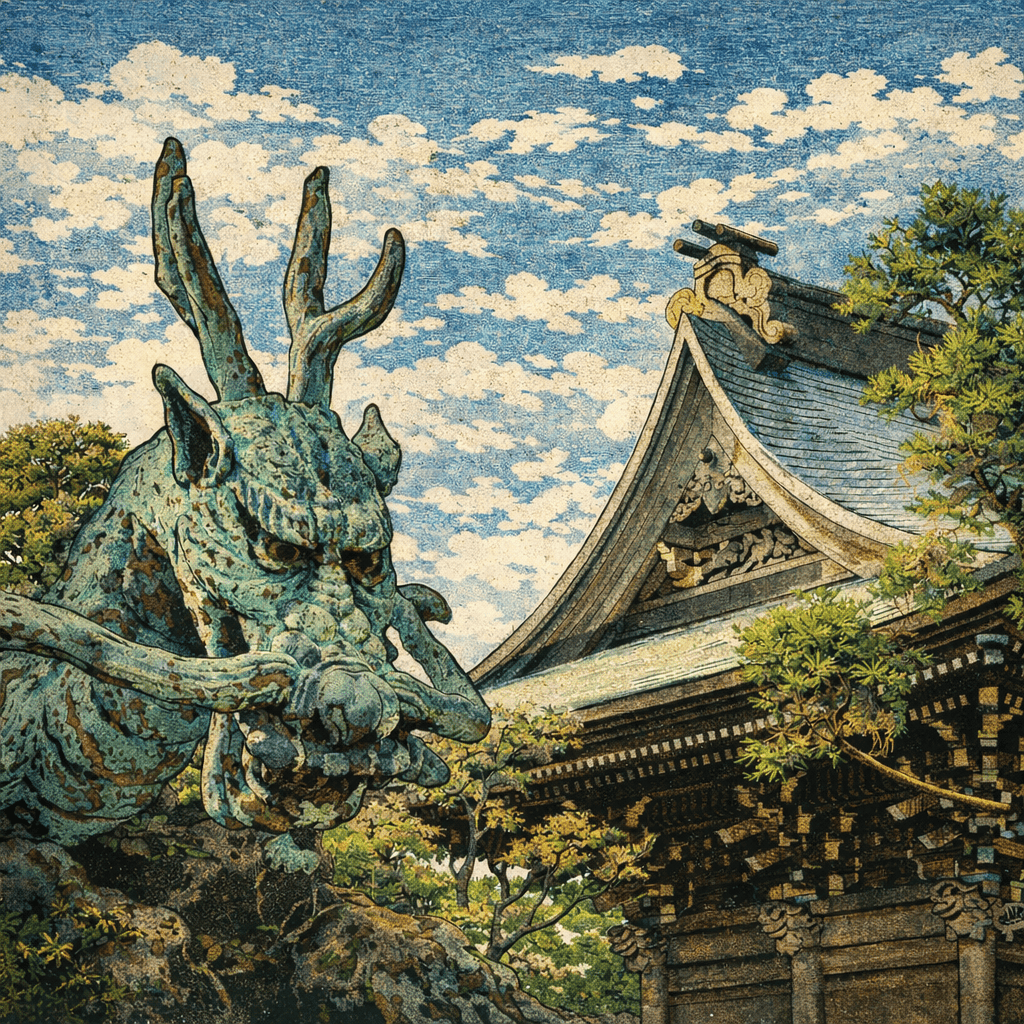
Dragon lines in Japan refer to the spiritual energy pathways (similar to feng shui's lung mei or Western ley lines) that connect sacred sites, mountains, and temples, as well as a popular tourism corridor known as the Dragon Route.

Spiritual Dragon Lines (Ryūmyaku)
    • Earth Energy: Rooted in Asian geomancy, Japanese traditions recognize ryūmyaku (dragon veins), which are invisible channels where the Earth's vital energy (qi) flows through mountain ranges and waterways.
    • Sacred Alignments: Many shrines and temples—such as Fuji-san sacred sites, Nikko Toshogu, and various power spots (pawa supotto)—are historically believed to sit along these energetic dragon lines to harness spiritual protection and harmony.


Mallorca is no longer just a holiday destination — it is becoming one of Europe’s most attractive lifestyle safe havens for living, investing, and building long-term value.

Es el lugar más profundo y silencioso de la Tierra—y el menos comprendido. Ocultas bajo las profundas aguas del Atlántico yacen estructuras, ciudades perdidas y pistas que podrían reescribir lo que sabemos sobre la historia de la Tierra—y desafiar nuestra comprensión del mundo antiguo. Más grande que los continentes enteros de Asia y África juntos, albergando casi el 30% de toda el agua de la Tierra y, aun así, con más del 75% de su fondo marino todavía sin cartografiar, el océano Atlántico sigue siendo uno de los lugares menos explorados del planeta. Pero a medida que la tecnología avanzaba y la exploración llegaba a mayores profundidades, algo extraño comenzó a emerger. Desde exploraciones con sonar que revelan formaciones geométricas bajo las olas, hasta barcos desaparecidos, ciudades submarinas y regiones inexplicables como el Triángulo de las Bermudas, el Atlántico se ha convertido en algo más que un océano de corrientes y profundidades. Las historias de civilizaciones perdidas, continentes hundidos y descubrimientos misteriosos no han hecho más que profundizar el misterio. En este documental, exploramos lo que se ha encontrado en este océano, las historias transmitidas a lo largo de la historia y cómo podrían estar relacionadas con lo que yace bajo la superficie. Examinaremos los mitos, los descubrimientos y aquello que lo convierte en el océano más misterioso de la Tierra. Escucharás las leyendas. Verás las pruebas. Y decidirás por ti mismo qué es lo que realmente oculta el océano Atlántico.

La ruta aérea que conecta el Aeropuerto de Barcelona-El Prat y Palma de Mallorca se coronó como la más transitada de toda Europa https://www.diariodemallorca.es/mal...rea-barcelona-palma-transitada-120341152.html The flight route between Barcelona-El Prat Airport and Palma de Mallorca is officially ranked as the busiest air route in Europe https://en.ara.cat/economy/the-barc...-the-busiest-in-europe-in-2024_1_5463668.html

 
Last edited:

BarcelonaAtlantis

Moderator
Staff member

Calvià, Mallorca leading the way in first position by municipality.​

By municipality, Calvià stands out with three districts in the national top ten. Madrid city follows with two, while the remaining prime locations are spread across Andratx, Palma, Santa Eulalia del Río (Ibiza), San Sebastián and Benahavís (Málaga) — highlighting the geographic concentration of Spain’s luxury housing market in coastal and capital-city hotspots.

Mallorca dominates the luxury ranking​

The Mallorca presence is completed by Son Vida in Palma, with prices above €8,580/m², and two further areas in Calvià alongside Costa d’En Blanes: Portals Nous–Bendinat (€8,350/m²) and Cas Català–Illetes (€7,990/m²). Together, these districts underline Mallorca’s role as the epicenter of Spain’s high-end residential market as 2026 begins.

Port d’Andratx completes the podium at around €8,923/m², maintaining its position just below the €9,000 mark and confirming southwest Mallorca as one of Europe’s most resilient luxury markets.vivienda-d-lujo-distritos-prime2_0[1].jpg

Calvià, in southwest Mallorca, is a multifaceted area. Not to be confused with Calvià town – the region’s governmental seat – the Mallorca municipality covers a total of 145 square kilometres. Calvià is known as the wealthiest municipality in Spain. Calvia is the richest area in Europe and the number one area for high end second homes in Europe. Calvià isn't a single town but a large municipality that covers almost the entire southwest of Mallorca. Santa Ponsa and Magaluf belong to the famous municipality of Calviá.

Calvià Town Council, located in the west of Mallorca, has unveiled a new tourism modernisation plan for 2027. This project, which will see an investment of €20 million, aims to transition towards a high-quality tourism model and attract travellers with significant purchasing power. The regional government expects this amount to rise as additional projects are tendered.

A greater effort is now being made to meet the demands of residents, tourists and local business owners, highlighting the importance of "balancing tourist activity with residential life.

Projects in the towns​

The main project, which has already commenced, involves remodelling Magaluf's Promenade, one of the island's most popular tourist areas.

Another ongoing project is the refurbishment of the Bulevar de Peguera, with an investment of €4.15 million.

The modernisation of this commercial space will be carried out in two phases, during the winter periods of 2025-2026 and 2026-2027, with the primary goal of minimising any disruption to the town's tourist activity.

Additionally, the Balearic Government, in collaboration with the central government, will invest €5.4 million to renovate one of the town's most important roads, Avenida Rei Jaume I in Santa Ponça. These works are scheduled to take place between this year and the next.

Boosting luxury tourism​

Through these renovations, the local government aims to diversify the market, reduce summer seasonality, and, above all, attract tourists with a high purchasing power.

The town's mayor emphasised that this strategy seeks to "attract high-end tourists year-round, with a growing number of visitors from the United States, Australia and South Korea, particularly in areas such as Bendinat, Portals Nous and Illetes."

In 2024, the average price for an overnight stay in this area of Mallorca has risen to €200 per night, marking an 11% increase compared to the previous year, which reflects the growth in luxury tourism.

The town offers 51,330 hotel rooms in 3- to 5-star hotels, with most of these being 4- and 5-star establishments. During the winter months, 24 hotels remain open, providing more than 3,300 rooms, to reduce seasonality during the summer.

New luxury hotels​

The growing attraction of high-net-worth travellers has led to the opening of new luxury hotels.

In 2025, the presence of international luxury hotel chains will be further established, with Aethos transforming the Mar i Pins into a 5-star hotel and Blasson Property Investments opening the Mandarin Oriental Punta Negra, targeting the American market.

The Santa Ponça Park hotel will also undergo refurbishment and will be rebranded as the Purobeach Resort Santa Ponça. Additionally, the Pajarita Group will expand its presence by opening two new restaurants in Palmanova, further solidifying its position in the local hospitality scene with high-end establishments such as Siso Beach and Barbuda Beach.

Combining Calvià and Andratx would create a premier southwest Mallorcan municipality with a combined consolidated budget of over €180 million and an elite concentration of luxury real estate wealth.

In Andratx, apartments average €7,411/sqm and houses €8,923/sqm. Andratx currently holds the highest average price per square meter in Mallorca and therefore in Europe..1000_F_195784684_1GqPxNyRP1MbozusAUZYejo8mUn5cWBU[1].jpg

The Paseo de Calvià (Passeig de Calvià) in Mallorca, is the longest linear park and walkway in Europe, stretching 32 kilometers (about 20 miles)
Key Details
    • Purpose: Built as a green lung for the municipality, it prioritizes pedestrians and cyclists over cars.
    • Route: It connects major urban areas and coastal towns across Calvià, including Santa Ponsa, Magaluf, Paguera, and Palmanova.
    • Accessibility: The path is fully paved and accessible for walking, running, wheelchairs, and handbikes, with only a few mild slopes on specific stretches.
    • Sights: The route passes through historical landmarks, pine forests, and local cultural points like the Chapel of the Sacred Stone.
Calvià is rapidly solidifying its reputation as Mallorca’s ultimate music hub. The southwestern municipality has strategically pivoted from its traditional nightlife image towards high-caliber, international cultural tourism. Through massive infrastructure overhauls, dedicated summer-long concert series, and massive open-air multi-genre music festivals, Calvià has successfully transformed its coastline into a primary live music destination.

With its silky beaches, chic shops, luxury marinas, and eclectic dining scene, Calvia is a favorite European escape.

Mallorca was something of a mecca for rock music in the sixties.​


July 1968, with all due respect to the favourites of the young people - Los Z-66 - probably marked the real birth of rock in Mallorca.

I say that July 1968 was a sort of starting point, but Mallorca in the mid-sixties, almost entirely because of tourism, was known as having been something of a mecca for rock music. For the island’s rock music, the location for this was somewhat unusual. It wasn’t Palma, it wasn’t a resort like Magalluf, it was a village in the foothills of the Tramuntana.

Palma has a burgeoning nightlife scene of its own. As the city continues to establish itself as a major player in Europe's electronic music.Luxury tourism is booming on Mallorca, but it's straining the island's resources.

 
Last edited:

BarcelonaAtlantis

Moderator
Staff member
Tech critic Ed Zitron exposes the AI bubble, why OpenAI and Anthropic are burning billions, the fake AI boom, and why the crash could wipe out the ENTIRE economy! Ed Zitron is a British AI critic and one of the most cited voices warning that the AI industry is one giant bubble. He hosts the 'Better Offline' podcast, reaching over a million monthly downloads, and writes the newsletter 'Where's Your Ed At'. He is the founder and CEO of the primary research firm EZPR, and is currently writing his upcoming book, 'The Hater's Guide To Silicon Valley’ (out Q2 2027). He explains: ■ Why he believes generative AI is a “con” ■ The real reason OpenAI and Anthropic can't turn a profit ■ Why data centers could leave a $500 billion debt bomb ■ Why superintelligence is a myth sold by tech billionaires ■ Why AI won't take your job, no matter what CEOs promise 00:00:00 Intro 00:02:36 AI Is A Con 00:06:15 How Much Power Data Centres Really Need 00:08:02 Is Widespread AI Adoption Manipulation Or Do People Actually Like Using It? 00:12:00 The Actual Cost Of AI And How Tokens Actually Work 00:16:09 Is The Spending Of AI Companies Justifiable? 00:20:07 Will The Rate Of Improvement Of AI Go Up, Like Previous Innovations? 00:24:23 How Bad Are AI Mistakes? 00:26:54 Comparing Human Error To AI Hallucinations 00:31:31 If The Output Is The Same, Does It Matter If Humans Or AI Created It? 00:34:18 Can We Trust AI Like We Trust Humans? 00:38:37 Would People Use AI If They Paid The Honest Cost? 00:42:35 How Does The AI Bubble Compare To The Dot-Com Bubble? 00:47:42 Does AI Demand Match The Cost And Risk Of Data Centres? 00:52:46 Is AI Making Websites Like Google Worse? 00:58:46 Ads 01:00:51 Is AI Job Disruption A Lie? 01:10:22 Could Your Narrative Be Helping AI Companies? 01:14:22 How Dangerous Is AI Cyberhacking? 01:17:30 Is The AI Industry Creating Economic Growth? 01:19:14 How Would The US Beat China In The AI Race? 01:19:53 Is Robotics A Threat To Jobs? 01:23:23 What Do You Think About Agentic AI? 01:25:03 Is The Adoption Of AI The Same As The Rise Of The Internet? 01:28:06 The Overhype Of AI 01:30:23 What Do You Use Generative AI For? 01:33:41 Has AI Gotten More Intelligent? 01:34:29 Will AI Start To Do More Jobs As It Gets More Capable? 01:36:27 What Does The Future Look Like As AI Grows? 01:38:28 You Don't Think People's Workflows Have Been Transformed By AI? 01:40:41 Will All AI Be Powered By Data Centres? 01:43:41 Ads 01:45:12 Is Overspending On AI Due To Demand Or Something Else? 01:55:22 Tech CEOs Rebuttal 01:57:31 What Would It Take For You To Change Your Mind About AI? 02:00:50 Are AI Systems Already Blackmailing? 02:08:28 Are We In An AI Bubble And What Happens When It Pops? 02:13:26 The Tech Depression Is Coming 02:19:08 What Should The Public Do? 02:21:45 Why Do You Have A Bone To Pick With AI CEOs? 02:25:06 Last Question: What Should We Be Doing To Improve Our Relationships And Social Connection?

In this energy update, we explore a profound Pleiadian message regarding the accelerating 3D to 5D timeline split. If you have been feeling stuck in a "dead zone" or finding that old, dense energies are suddenly resurfacing in your physical and emotional body, there is a very specific reason this is happening now. We dive into the "hidden key" behind this transition and why your perspective in these moments determines which timeline you align with. Understanding this shift is essential for maintaining a high vibration and navigating the current ascension energy with ease. In this video, we discuss: • The reality of the current timeline split and what it means for your path. • Why "strange" physical and emotional symptoms are activating now. • The simple shift in perspective that allows you to move from 3D density to 5D light. • How to keep your energy flowing to prevent unconscious timeline jumping

History and Heritage

With remains dating back to the Talayotic culture (between 1300–1000 B.C.), Artá has one of the best-preserved settlements from this period: Ses Païsses. Its cyclopean walls were built with blocks weighing up to 8 tons and led inhabitants to monumental gateways https://trendesoller.com/eng/blog/t...-rural-charm-in-the-heart-of-eastern-mallorca

The power of the Talayots, a symbol of a society.​

The lives of the inhabitants of Son Fornés, Mallorca were formed around large circular structures of Cyclopean ashlars, called Talayots, symbols of cohesion and union of the community. In addition, the resources offered by these lands made Son Fornés an ideal place for agricultural and livestock self-sufficiency. https://sonfornes.com/en/easy-reading/
I venture into the heart of the site to explore its impressive cyclopean walls. Mucho antes de las playas y el turismo, Mallorca ya estaba habitada por una civilización fascinante. En este vídeo exploro las Talaies de Can Jordi, un antiguo poblado talayótico situado en el término municipal de Santanyí, donde aún se conservan los restos de una comunidad que vivió aquí hace más de 2.500 años. Me adentro en el interior del yacimiento para recorrer su impresionante amurallamiento ciclópeo, descubrir el talaiot que domina el conjunto y caminar entre estructuras que pudieron funcionar como viviendas o talleres. Entre los hallazgos arqueológicos destacan un pozo freático y diferentes enseres de la vida cotidiana, como molinos de mano y morteros, que ayudan a entender cómo vivían sus antiguos habitantes. Además, en esta visita podrás contemplar el complejo desde una perspectiva única gracias a las imágenes aéreas captadas con dron, que permiten apreciar la magnitud y la organización de este asentamiento prehistórico oculto en el paisaje mallorquín. Un viaje al pasado para descubrir la Mallorca más desconocida. https://www.youtube.com/watch?v=wQNt5QsNDTY
 
Last edited:

BarcelonaAtlantis

Moderator
Staff member

Sebastian Thrun has spent his career working on technologies that once sounded like science fiction, from self-driving cars and flying vehicles to online education and artificial intelligence. He now believes we are living through a technological singularity: an exponential acceleration that makes predicting even the next five years almost impossible. Peter and Sebastian discuss why a $100 Claude subscription can already challenge work done by $200,000-a-year software engineers, what happens when lawyers, copywriters and drivers lose their jobs, why Europe is falling behind America and China and whether autonomous vehicles could eventually make human driving too dangerous to allow. But Sebastian’s message is ultimately optimistic. He argues that the right response to technological disruption is to use the tools, become a builder and keep learning. They discuss what children should be taught in the AI era, why grit, curiosity and empathy matter more than memorising information and why pessimists will never change the world.
  • - - - - - - - - - - - - - - - - - - - - - - - - - - - - - - - - - - - - - - - - - - - - - - - - -
TIMESTAMPS: 00:00 - The Future Is Already Here 01:07 - Peter’s First Waymo Ride 03:43 - The Accident Behind Self-Driving Cars 09:37 - When Human Driving Becomes Too Dangerous 12:07 - Why Silicon Valley Keeps Winning 18:26 - Why AI Hallucinations Can Kill 20:53 - Flying Cars Are Already Here 24:29 - The Exponential Future 26:21 - Claude vs $200K Software Engineers 31:39 - We’ve Entered the Singularity 33:36 - Opportunity vs Fear 40:06 - The Workers AI Leaves Behind 46:53 - Why Europe Is Falling Behind 51:29 - Technology Democratizes Power 57:22 - Stop Blaming, Start Building 1:01:46 - What Happens When Jobs Disappear? 1:06:43 - Udacity vs the Education System 1:14:44 - What Children Should Learn Now 1:20:25 - Why Optimists Change the World 1:25:46 - Never Make the Same Mistake Twice

In the summer of 1883, the earth split open in one of history’s deadliest volcanic eruptions: Krakatoa. The explosion darkened skies around the world and left more than 36,000 dead. But a strange story emerged in the aftermath: a Boston journalist named Edward Samson had published a fictional account eerily describing the disaster before it happened.
The story, written for The Boston Globe, detailed a volcanic cataclysm in the Sunda Strait that mirrored the real-world eruption almost exactly. When Krakatoa erupted weeks later, readers and editors alike called Samson “The Krakatoa Prophet.” But was it a true premonition or just an uncanny coincidence born of creative writing and incomplete telegrams from the Dutch East Indies?
This investigation dives into newspaper archives, timelines, and cultural context to uncover who Edward Samson really was, what he actually wrote, and how a forgotten piece of fiction became one of journalism’s strangest legends.
Written and hosted by Colin D. Heaton. Forgotten History is a 10th Legion Pictures Production.
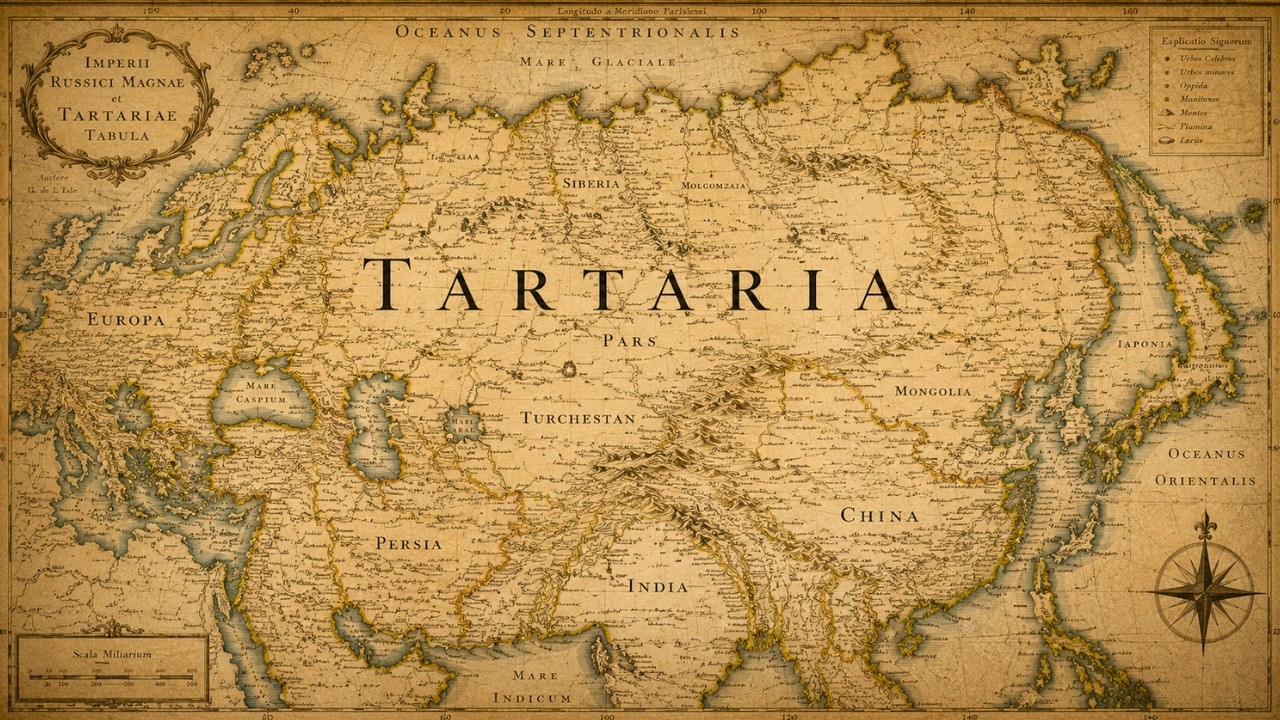
For nearly 300 years, European maps repeatedly showed a vast region labeled “Tartaria”—often larger than China itself. But what exactly was Tartaria… and why did cartographers continue mapping it on such an enormous scale for centuries? Across historical atlases, travel records, and imperial-era maps, Tartaria appeared as one of the largest labeled regions in the world. Some believe this points to a forgotten empire erased from mainstream history. Others argue the term was simply a broad geographic label used by Europeans to describe little-known territories across Central and Northern Asia. So why did these maps look so different from the world we recognize today? This video explores the origins of Tartaria on European maps, the historical context behind the term, and why it remained so prominent for centuries. From early exploration and trade routes to cartographic limitations and changing political borders, we examine what the maps actually reveal—and what modern interpretations may misunderstand. Watch closely—because sometimes the biggest mysteries in history were printed in plain sight. 📍 KEY POINTS COVERED 1. Why Tartaria appeared on European maps 2. Historical meanings of the word “Tartaria” 3. Why the region was mapped larger than China 4. Early cartography and exploration limitations 5. Trade routes and geographic labeling 6. Why Tartaria theories continue today
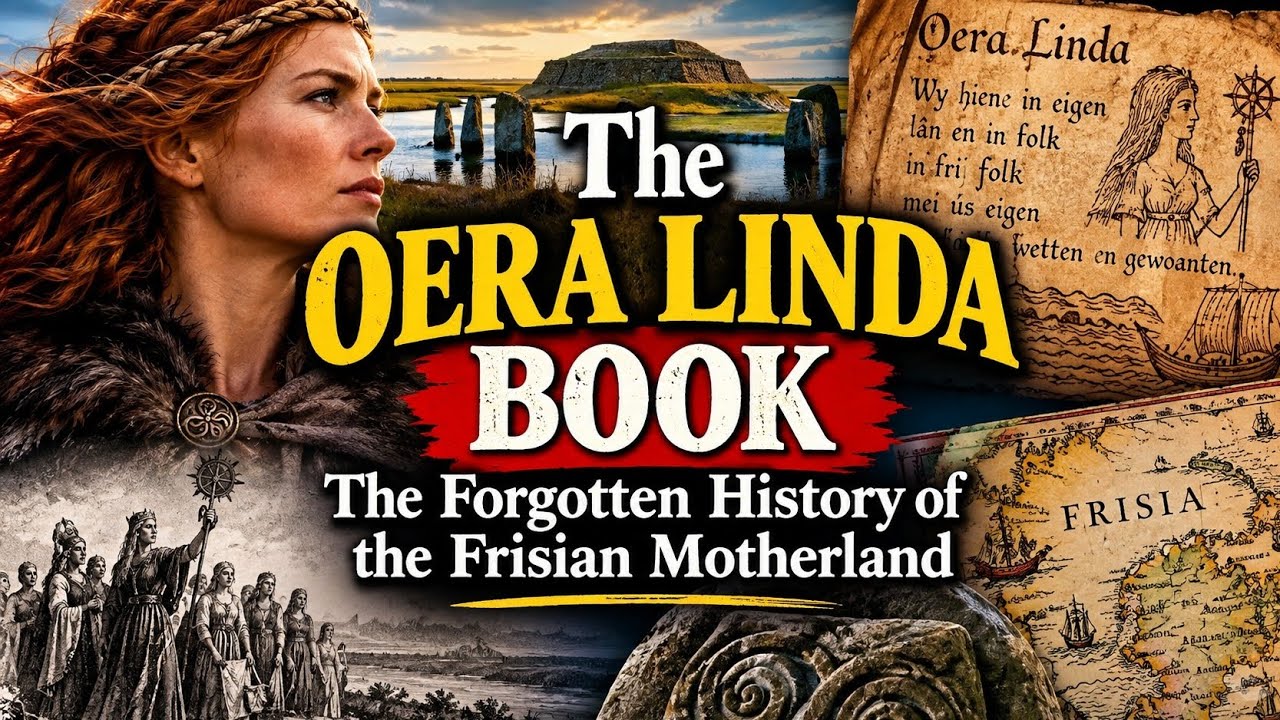
What if one of the most controversial manuscripts in history contains clues to a forgotten past? In this video, I take a closer look at the Oera Linda Book, the mysterious manuscript said to preserve the ancient history and traditions of the Frisian people. We’ll look at the powerful women, symbols, monuments, and historical imagery connected with the story—and ask why this strange book has continued to attract researchers and controversy for generations. Is the Oera Linda Book a genuine record of an ancient tradition, a much later creation, or something in between? You decide. History isn't always as simple as the story we're given.


Mallorca: From a tourist hotspot to the "Miami of Europe" - German entrepreneurs are increasingly drawn to Mallorca.​

Sun, beach and sangria - these are the typical associations that many people have with Mallorca. However, the island is increasingly becoming a hotspot for the tech scene and is attracting founders and investors from all over the world.

Numerous founders have pulled up stakes in Germany in recent months and moved to Mallorca with their families. They send their children to new international schools, network in co-working spaces or at privately organized entrepreneur meetings. Among them are a particularly large number of techies who either have their own company, earn money with crypto or are totally immersed in the topic of AI (artificial intelligence).

Incidentally, the German founders are not the only ones who have recognized Mallorca's potential as a tech hub. The number of start-ups on the Balearic Islands rose by 12 percent last year, and there were also over 20,000 new companies in the tech sector. The Balearic government is expecting an even higher figure for 2024.

What makes Mallorca so attractive for founders and investors? Firstly, the pleasant quality of life. The island offers a mild climate, beautiful landscapes and a relaxed atmosphere. Secondly, the good infrastructure. There are a number of coworking spaces, high-speed internet and a well-developed transport infrastructure.

The island is also an ideal place to find talent. The international school is just one example of how Mallorca attracts many young, well-educated people.

The Luxury and Lifestyle Shift
    • Upscale Tourism: The island is replacing cheap package holidays with boutique hotels, fine dining, and green upgrades in places like Magaluf.
    • The "Miami of Europe": Mallorca is attracting international entrepreneurs, digital nomads, and start-ups due to its great weather and modern infrastructure.

All of these factors are contributing to Mallorca becoming one of the most important tech hubs in Europe. In the coming years, the scene will continue to grow and turn the island into the "Miami of Europe".

Claus von Benz Immobilien keeps a close eye on the development of the tech scene. "We are seeing great demand for real estate from founders and investors," says René Reuschenbach. "The island offers them everything they need to be successful and experience a lifestyle to match."

So if you are looking for a new home for yourself and your company, you should definitely consider Mallorca. The island has a lot to offer: Sun, beach, culture - a thriving tech start-up scene food scene and a renaissance in music with a very nice underground movement in Mallorca .
 
Last edited:

BarcelonaAtlantis

Moderator
Staff member

Mallorca: The New Hub for Tech and Tranquility​

Mallorca beyond sun and sand: Known for its stunning coastlines and vibrant nightlife, Mallorca is emerging as a key destination for tech tourism. The island attracts not only tourists seeking relaxation but also tech professionals who wish to blend work and pleasure in an inspiring setting.

Infrastructure fit for the Digital Age: With increasing demand from digital nomads and tech companies hosting corporate retreats, Mallorca has seen a growth in its technological infrastructure. High-speed networks, coworking spaces with sea views, and networking events under the stars are now common, making the island an ideal place for innovation and business development.

Economic and cultural impact: This new type of tourism not only diversifies the local economy away from seasonal dependence on traditional tourism but also promotes enriching cultural exchanges. Professionals from around the world bring their expertise and skills, collaborating with local startups and enhancing the island's business ecosystem.

Mallorca's technological tuture: As more companies recognize the benefits of incorporating stimulating environments into their work models, Mallorca positions itself as a leader in tech tourism. The island offers not only an idyllic setting but also emerges as a hub of technological excellence, appealing to both workers and businesses in the sector.

A call to innovation: Mallorca is proving that it's possible to effectively combine relaxation and technology. For business leaders, this represents a unique opportunity to rethink how and where work is done, maximizing both job satisfaction and productivity.

A Holistic approach as a model: This holistic approach could serve as a model for other regions looking to attract global tech talent, offering more than just a workplace: a comprehensive life experience.

At Wozzo, we take innovation to another level, and what better place to do it than in Mallorca! We're experts at adding a technological zest to your projects, blending efficiency with a dash of island fun. Ready to make waves in the digital world while enjoying spectacular views?

Mallorca: tech-cluster for tourism companies from all over the world.
October 1, 2019
The island focuses tourism know-how like no other place and the ParcBit near Palma has developed into a tech meeting point for the tourist industry.

Camper, Hotelbeds, Viajes Halcon, Air Europa, Riu, Barcelo, Sol Melia, Iberostar, Porta Mallorquina and TUI are only a few of the large international companies which have maintained their headquarters or a business-hub in Mallorca, creating thousands of jobs and preparing to conquer the world from the island. During the past 10 years an innovative tech-centre has developed around them, almost unnoticed. This is where apps, booking software, customer-service innovations and artificial intelligence are created. Climate-change and the technology park ParcBit near Palma are playing an increasingly large role in this.


Mallorca is ideal as a world-wide cluster for innovative and sustainable tourism, with prestigious colleges and technical schools and yearly almost 14 million foreign guests visiting the island. This make it a very suitable place for market research companies who can find here a mixed bag of people from all over the world and from all social levels. Mallorca is, however, is also interesting for tourist booking centres which can draw on the necessary multi-lingual personnel. In this field, where salaries are still lower in Mallorca than, for example, in Germany the most jobs occur.

The rental prices around Palma have risen to the level of those in Munich due to the enormous demand.

”In spite of that it is still interesting for many international companies to move here, as nowhere else in Europe are so many international air connections available, or so many competitors concentrated in one place”,

The ParcBit is not yet a ‘Silicon Valley Mallorquin’ as some of the Balearic media are already reporting, but it is living proof that the island is becoming ever more interesting as a work destination and already over 3.000 people work here.

Clusters for the holiday industry
Over 170 companies already do business here, most of them start-ups but some, such as travelgateX or Logitravel are already firmly established on the market

Mallorca reinvents itself as a Luxury Destination beyond Mass Tourism​


In recent years, Mallorca has undergone a profound transformation in its tourism approach. Moving away from its past image of excess and budget-friendly prices, the island has chosen to position itself as a luxury destination attracting high-spending visitors. This shift not only addresses the need to mitigate problems associated with mass tourism but also reflects the ambition to turn Mallorca into an exclusive haven for the most discerning travellers.


From Sangria Buckets to Gourmet Experiences: A Cultural Shift​

Mallorca’s evolution is clearly visible in places like Les Meravelles, in Palma Bay. Here, the coexistence of traditional bars serving sangria in large containers and questionable karaoke venues contrasts with the emergence of boutique hotels like the Pure Salt Garonda. This establishment offers an entirely different alternative, promoting regional wines, spa treatments, and high-quality gastronomy. While budget souvenir shops and bachelor party celebrations still linger, venues like Pure Salt are setting a new standard, even introducing dress codes that prohibit flip-flops and sleeveless shirts.

The New Generation of Boutique Hotels​

Another example of this shift is the Hotel Portixol, located on the other side of the bay. Once a family-run hotel, it has been transformed into an exclusive boutique space with fewer rooms, greater privacy, and a relaxing ambiance. This model is being replicated across the island, where mid-range hotels have been refurbished to provide more spacious rooms, exclusive services, and refined culinary offerings. These transformations, driven by the Island Council, aim to attract fewer tourists with higher daily spending, creating more profitable and sustainable tourism.

Essentially Mallorca: Leading Luxury Tourism​

Founded in 2013, Essentially Mallorca has become one of the leading platforms promoting luxury tourism on the island. The organisation unites the most prominent companies in the sector, boosting Mallorca's image as a globally exclusive destination. María Renart, director of Essentially Mallorca, highlights the positive impact of this focus: “The daily expenditure of a luxury tourist ranges between €2,000 and €2,500—ten times that of a conventional visitor,” she notes. This segment, while representing only 6% of tourists, generates 30% of jobs in the sector due to a higher staff-to-guest ratio and better working conditions. Additionally, these visitors often consume high-quality local products, significantly contributing to the regional economy and reinforcing the island’s cultural identity
High-Level Investments: Mallorca as a Magnet for Luxury
Mallorca continues to attract significant investors who see the island's unparalleled potential in the luxury tourism sector.

The transformation of Palma, Mallorca’s capital, reflects the island’s strategy. Once primarily a city for local residents, it has now become a tourist attraction with boutique hotels, luxury apartments, and exclusive shops. While some critics see this as “gentrification,” many argue that these investments have revitalised and breathed new life into historic palaces. The Hotel Can Cera exemplifies this evolution, combining art, antique furniture, and a refined ambiance in the heart of the city.

Mallorca has now positioned itself as one of the most important European destinations in the luxury segment. "We are experiencing a boom." "The luxury sector is hotter than ever. European millionaires are currently buying houses here like crazy," Mallorca real estate agent Carlos Segui was quoted as saying in September.

TRUEWORLD, the Mallorcan Start up that is revolutionising the environmental technology sector

Mallorca's luxury tourism boom is reshaping Spain's economy, driving demand for high-end services, and impacting property markets and expat life.


New research into Spain’s luxury housing market reveals just how dramatically the upper end of the market has changed — and Mallorca is sitting at the center of that transformation.

The latest headline is extraordinary:

Spain’s most expensive street is now in Mallorca.

Camí des Salinar, in the municipality of Andratx, has become the most expensive residential address in Spain in 2026, with homes carrying a median asking price of €15 million.

That puts it ahead of some of Spain’s most famous luxury enclaves, including La Zagaleta in Benahavís on the Costa del Sol.

Mallorca is not simply expensive anymore.

It is becoming one of the defining ultra-prime residential markets in Spain — and increasingly in Europe.

Three of Spain’s ten most expensive residential addresses are in the Balearic Islands, including two in Palma’s prestigious Son Vida area.

Those are extraordinary numbers for an island market.


Last edited:

BarcelonaAtlantis

Moderator
Staff member
The Rise of Andratx
Few places illustrate this better than Andratx.

The southwest corner of Mallorca has become one of Europe’s most recognisable luxury second-home destinations.

Port d’Andratx combines a natural harbour, marina, restaurants, mountain scenery and proximity to Palma.

The surrounding hills contain some of Mallorca’s most spectacular contemporary villas.

And now the municipality contains the most expensive residential street in Spain.

Mallorca has always been a premium tourism destination.

But property-market data suggests something deeper is occurring.

The island is increasingly becoming a destination for global private wealth.

For some buyers, the decision is no longer simply:

“Should we buy a holiday home in Mallorca?”

The comparison can instead be:

Mallorca or Monaco?

Mallorca or the South of France?

Mallorca or Ibiza?

Mallorca or Miami?

And lets not forget Santa Ponsa....

Son Vida: Mallorca’s other luxury powerhouse
Then there is Son Vida.

Located above Palma, Son Vida has long been associated with some of Mallorca’s most prestigious villas.

Its appeal is different from Andratx.

Rather than a coastal village atmosphere, Son Vida offers large villas, privacy, golf, elevated views and extremely easy access to Palma.

Two Son Vida addresses appear among Spain’s ten most expensive streets in the latest ranking.

That gives Mallorca something particularly interesting:

Multiple distinct ultra-prime markets on one island.

Andratx.

Son Vida.

Deià.

Southwest Mallorca.

Palma Old Town.

Each appeals to a somewhat different international buyer.

Mallorca After White Lotus: Why the Balearics' Quietest Island Just Became Europe's Loudest Booking

iscover how The White Lotus effect is reshaping Mallorca, from set-jetting demand and luxury hotel pricing to quiet-luxury itineraries, verified tourism data, and practical tips for booking a cinematic stay.

The White Lotus effect and the new set jetting mindset​

The phrase “Mallorca White Lotus hotel filming location” now circulates through travel chats like a secret password. For lifestyle travelers, the question is less about where scenes were shot and more about how a destination absorbs the energy of a show and then reshapes it into lived experience. The White Lotus effect is essentially TV-inspired tourism at scale, where a single season can tilt an island’s entire hospitality narrative.

Streaming culture has turned destinations into recurring characters, with different seasons creating distinct emotional geographies for the audience. When a White Lotus storyline lands in the collective imagination, viewers start tracking every frame of the resort, every beach, every sea view, and the way the cast moves through the hotel spaces. That is how filmed seasons quietly prepare the ground for a surge in bookings long before the first flight lands.

Industry analysts now talk about set jetting as a serious segment, not a curiosity. Expedia Group’s 2023 travel trends report, for example, highlighted that screen-inspired trips represent an industry worth several billion dollars in the United States alone, with younger travelers treating each new season as a soft launch for their next itinerary (Expedia Group, 2023 Traveler Value Index). In that context, the search for Mallorca White Lotus style locations is less fandom and more research into where a certain kind of lifestyle can be staged and repeated.

Mallorca before and after the cameras: quiet luxury meets mass awareness​

Long before anyone typed a White Lotus related query into a search bar, the island had perfected a particular form of quiet luxury. Serra de Tramuntana stone fincas, Deià terraces, and Palma’s old town palacios offered a seasons hotel rhythm that was more about long lunches than plot twists. The island’s best properties felt like a private seasons resort for Europeans who valued discretion over spectacle.

The White Lotus phenomenon changed the volume, not the essence. Tourism data reported in local Spanish media and Balearic government bulletins points to a double-digit rise in luxury spending and a marked increase in five-star hotel bookings, confirming what hoteliers were already seeing in their CRM dashboards (Govern de les Illes Balears, Informe Turístic Balear 2023). A spokesperson for the Consell de Mallorca’s tourism department recently summed it up in a press briefing: “Prestige series and streaming platforms have amplified Mallorca’s image as a premium destination, and we are seeing sustained growth in high-value visitors, not just a one-season spike.”

For lifestyle travelers, the question is how to navigate this new attention without losing the island’s original appeal. Rates at headline properties, including Four Seasons Resort Mallorca at Formentor, now reflect a world where a single filmed storyline can move global demand. Reading about how Dorchester Collection hotels define a modern lifestyle of luxury on a dedicated lifestyle hospitality guide helps frame Mallorca’s shift: the island has joined a club where narrative, not just hardware, sets the price.

 
Last edited:

BarcelonaAtlantis

Moderator
Staff member

From Formentor to Deia: decoding the real life “White Lotus” itinerary​

When travelers ask about White Lotus filming sites in Mallorca, the conversation often turns to Formentor. Four Seasons Resort Mallorca at Formentor, positioned between pine forest and sea, now offers themed experiences that echo the show’s seasons resort atmosphere without becoming pastiche. The property’s design language, more Domenico Palace restraint than beach club maximalism, suits travelers who want the mood of a White Lotus season without the chaos of the plot.

In practice, the most interesting itineraries treat the island as a series of sets rather than a single resort. Mornings might start with a swim off a quiet beach near Pollença, followed by a drive through the Serra de Tramuntana to Deià, where cliffside terraces feel as cinematic as any Koh Samui or Resort Maui establishing shot. Afternoons in Palma’s old town, with its sandstone lanes and galleries, offer a different kind of filming location, one where the cast is simply whoever happens to be walking past the cathedral.

For travelers used to hopping between Koh Samui and Maui Wailea, Mallorca’s scale is part of the appeal. Distances are short, yet the emotional range is wide, from Formentor’s almost French Riviera light to the monastic calm of inland villages. If you are drawn to the narrative of season three level drama but want a gentler reality, this is where the season will feel more like a long film than a series of cliffhangers, especially if you pair it with a stay that understands lifestyle programming as well as the most thoughtful island resorts on the Kohala Coast.

Pricing, availability and how to actually book the fantasy​

The moment a destination becomes associated with any Mallorca White Lotus inspired location, the booking patterns change. Luxury and premium properties see a spike in direct traffic, while lifestyle travelers start comparing seasons, asking whether this season will be calmer than the last. Hoteliers quietly adjust revenue strategies, knowing that a single film or Cannes Film Festival feature can shift demand curves for an entire season.

For you, this means timing and flexibility matter more than ever. When a new Lotus season drops, expect a compressed booking window, with suites at headline resorts blocked by guests who want to be “on set,” even if no new episodes are being filmed. The smartest move is to treat the island like a film festival programme: anchor your stay with one marquee hotel, then add two or three nights in a smaller property inland, where rates move less dramatically.

Dynamic pricing now behaves almost like a cast list, with lead roles, supporting roles, and hidden gems. A sea-facing suite at Four Seasons Resort Mallorca at Formentor will price differently the week a White Lotus themed event is announced than during a quiet shoulder period. To keep control of your budget and still access the right kind of lifestyle, use a curated booking platform that understands narrative-driven travel and can suggest alternatives with the same emotional tone, much like a programmer at a film festival pairs a Cannes film premiere with an under-the-radar short.

Quick booking checklist for White Lotus style stays in Mallorca

  • Dates: Aim for late April–June or September–October for shoulder season rates and softer light.
  • Booking window: Reserve headline resorts 4–6 months ahead if you want peak summer, 2–3 months for spring and autumn.
  • Contact strategy: After checking online availability, email the reservations team at your chosen flagship hotel to ask about themed experiences, minimum stay rules, and flexible cancellation options.
  • Back‑up plan: Shortlist at least one inland finca and one Palma boutique hotel so you can pivot quickly if your first choice sells out after a new season announcement.
Sample five-night “White Lotus mood” itinerary with guide prices

Plan two nights at a flagship coastal resort such as Four Seasons Resort Mallorca at Formentor (from roughly €900–€1,200 per night in shoulder season, based on recent rate ranges), followed by three nights in a Serra de Tramuntana finca near Deià or Valldemossa (often €350–€600 per night for a junior suite). Book flights 8–10 weeks out for spring or autumn, and lock in hotels at least three months ahead to avoid post-trailer price jumps.

Beyond the frame: Mallorca as a long term lifestyle destination​

The most interesting thing about the Mallorca White Lotus conversation is how quickly it leads beyond the screen. Once travelers arrive, the island’s deeper textures – olive groves in the Tramuntana, galleries in Palma, long lunches in Deià – start to matter more than any scene that was filmed. The White Lotus effect becomes a gateway, not a script, and the set jetting impulse evolves into a longer-term relationship with the island.

Economists and tourism boards are now asking whether this is a temporary spike or a structural shift. Early data from local media and Balearic tourism reports suggests a sustained increase in high-value visitors, with a roughly thirty percent rise in luxury bookings and a notable uplift in tourism revenue, which aligns with global patterns where filmed seasons create lasting awareness rather than short-term hype (Balearic Islands Tourism Strategy Agency, 2023 summary). For lifestyle travelers, that means better restaurant programmes, more ambitious cultural calendars, and a new generation of hoteliers who think like directors rather than just operators.

The key is to approach Mallorca as an iconic destination in its own right, not just a stand-in for Koh Samui, Resort Maui, or the French Riviera. Use the show as a mood board, then build an itinerary that includes a morning swim at a quiet beach, an afternoon hike in the mountains, and an evening at a low-key beach club where no one cares about the cast list. Guides such as the curated estancia resort escapes for nature lovers on a specialist lifestyle travel platform can help you translate that mindset into bookings that feel personal rather than algorithmic.

Set jetting, from Maui to Mallorca to the French Riviera​

To understand Mallorca’s new role, it helps to place it alongside other White Lotus touchpoints. Earlier seasons anchored themselves in places like Resort Maui at Wailea and the storied Domenico Palace in Taormina, each seasons resort property acting as both character and stage. Viewers learned the names – Maui Wailea, San Domenico, Koh Samui – the way cinephiles once memorised Cannes and Hong Kong film backdrops.

Mike White, the creator of White Lotus, has effectively turned the series into a rolling atlas of aspirational stays. Each season three style shift in location – from Resort Maui to a Mediterranean palace, from a French Riviera fantasy to a Balearic headland – teaches travelers to read hotels the way critics read films. The question is no longer just whether a hotel is luxurious, but whether it has the narrative density to hold a season.

For booking platforms focused on lifestyle hotels, this is both challenge and opportunity. They must curate properties that can sustain a long stay, not just a highlight reel, and help guests understand why a quiet Mallorcan finca might be a better place for their own season than a more obvious beach club on another coast. In that sense, Mallorca’s ascent from quiet Balearic outpost to Europe’s loudest booking is less about a single White Lotus filming address and more about a global audience finally noticing that the island has always been ready for its close-up.

FAQ​

What is the “White Lotus” effect on travel ?​

The White Lotus effect describes how the HBO series has boosted tourism to its filming locations, turning hotels and destinations featured on screen into high-demand set jetting spots. Travelers increasingly choose where to stay based on where a White Lotus season was filmed, which raises visibility, pricing, and occupancy for those properties.

How did “The White Lotus” impact Mallorca specifically ?​

Mallorca leveraged the show’s popularity through themed experiences at properties such as Four Seasons Resort Mallorca at Formentor, which contributed to a notable rise in luxury bookings and tourism revenue. The island moved from a quiet luxury niche to a globally recognised lifestyle destination, with more travelers searching for Mallorca White Lotus style locations as the starting point for their trip (hotel press releases and Balearic tourism updates, 2023).

When did the main White Lotus themed events take place in Mallorca ?​

According to hotel press releases and local tourism updates, the key White Lotus themed programme in Mallorca ran in spring, from mid March to mid May, aligning with the island’s softer shoulder season. This timing allowed hotels to extend their high-value booking window while offering guests immersive experiences without peak summer crowds.

Is Mallorca’s set jetting boom likely to last ?​

Evidence from other filmed seasons suggests that once a destination enters the global imagination through a major series, awareness tends to remain high. In Mallorca’s case, the combination of strong underlying appeal – mountains, sea, culture – and new narrative visibility points to a long-term repositioning rather than a short-lived spike.

How can I avoid crowds while still enjoying the White Lotus atmosphere in Mallorca ?​

Book outside peak summer, focus on inland or Tramuntana properties for part of your stay, and treat headline resorts as short, strategic stopovers rather than your entire trip. This way you experience the cinematic White Lotus mood while keeping the island’s original quiet luxury character intact.
 

BarcelonaAtlantis

Moderator
Staff member
Max brought HBO's The White Lotus universe to life in Mallorca with an exclusive launch event at the newly reimagined Four Seasons Resort Mallorca at Formentor

The White Lotus is boosting holiday bookings in Mallorca.​


Mallorca has long been a source of inspiration for artists, its stunning landscapes immortalized in paintings, poetry, and literature. In recent years, however, the island has solidified its position as a global filming destination, a cinematic canvas that offers a breathtaking and versatile backdrop for filmmakers from around the world. From the sun-drenched beaches of the south to the dramatic, jagged cliffs of the Serra de Tramuntana, Mallorca’s natural beauty and unique architectural heritage provide a spectacular setting for a wide range of productions.

The Land of the Blue Sun: A New Film in Production

This month, the island is once again in the spotlight, serving as the primary location for a new film, "The Land of the Blue Sun," a fictional project that captures the very essence of the island’s allure. The film, a joint Spanish and French production, is a period drama set in the 1930s, a time of significant change and social upheaval. The story chronicles the lives of a family of winemakers in the island’s central plains, weaving a rich narrative of love, loss, and resilience against the backdrop of their beautiful, yet challenging, world. The choice of Mallorca was deliberate; the production team sought a location that could authentically capture the rustic charm and historical depth of the era.

Authentic Locations and Economic Impact

The production has been a meticulous process, with crews working tirelessly to recreate the 1930s. Several historical fincas in the rural areas around Binissalem and Santa Maria del Camí have been transformed into authentic period sets. These towns, renowned for their vineyards and traditional stone architecture, provide the perfect environment for the film’s narrative. The historic streets of Palma have also played a crucial role, with the narrow alleyways and grand plazas serving as a backdrop for a number of key scenes. The film’s director, a veteran of European cinema, has praised the island’s unique light and its "soulful landscape," noting how it adds a layer of depth and authenticity that would be impossible to replicate on a soundstage.

The film's production is more than just a creative endeavor; it is a significant economic boost for the local community. The project has provided employment for hundreds of local crew members, from set builders and lighting technicians to costume designers and caterers. The influx of a large cast and crew also benefits local businesses, from hotels and restaurants to transport companies. The presence of a major film project also generates positive publicity, further enhancing Mallorca's reputation as a premium location for both tourism and film. It highlights the island's ability to support complex productions with a professional workforce and a diverse range of services.

A Storied Cinematic History


Mallorca’s history as a filming location is a long and storied one. Since the golden age of cinema, the island has attracted a host of filmmakers. Classics like the 1968 film "The Magus," starring Michael Caine and Anthony Quinn, were shot here, as were more recent blockbusters and popular television series. The diversity of the island’s landscapes is its greatest asset. The majestic peaks and winding roads of the Serra de Tramuntana are perfect for dramatic scenes, while the serene coves and turquoise waters offer a postcard-perfect setting for romance and adventure. The cosmopolitan energy of Palma provides an urban backdrop, while the rustic inland villages and olive groves offer a taste of traditional island life. This variety allows Mallorca to stand in for a multitude of locations, making it a versatile and sought-after destination for production companies.

Looking to the Future of Film


The success of projects like "The Land of the Blue Sun" and other ventures is a testament to the work of organizations like the Mallorca Film Commission. These bodies play a vital role in attracting and supporting film productions, streamlining processes and showcasing the island's potential. As technology evolves and the demand for authentic, visually stunning locations grows, Mallorca is perfectly positioned to become an even more prominent player in the global film industry.

So, when "The Land of the Blue Sun" hits cinemas, keep an eye out for familiar landscapes. You might just spot a vineyard you’ve driven past, a historic street you’ve walked down, or a stunning vista that you’ve admired from a mountaintop. It will be a chance to see our beautiful island, a star in its own right, on the big screen.

 
Last edited:

BarcelonaAtlantis

Moderator
Staff member

Europe’s new Hollywood in Mallorca: “Calvià, Film Set” project in action​


Calvia is bringing its extensive film heritage to life with the launch of a new visitor experience, “Calvià, Film Set”, a film trail designed to showcase the most iconic locations that have appeared on screens around the world. With spectacular scenery, characterised by a coastline dotted with beaches and coves of crystal-clear waters, Calvia has for years served as a natural backdrop for all kinds of international productions. Now, visitors can follow in the footsteps of film crews and actors, discovering the real-life settings behind some of the most iconic films shot on the island.


Calvia Town Council has completed the installation of ten information plaques at ten different locations across the municipality to provide details of the film and television productions shot at each site. The locations, along with detailed information on the productions, can also be viewed on the website calvia365.com.

At each location, visitors will find commemorative plaques with QR codes linking to detailed information on each production, anecdotes and interesting facts about the filming, technical details and historical context, all specifically related to that particular spot in Calvia. The public is invited to follow the full itinerary, transforming their visit to the municipality into a cultural, interactive and narrative experience that brings together landscape, cinematic memory and public engagement.

The initiative aims to position Calvia as a permanent film set and attract both the audiovisual industry and visitors. ‘Calvià, Film Set’ reflects the town’s growing focus on cultural and experiential tourism, offering a fresh and innovative perspective on the town that goes beyond its traditional sun-and-beach appeal. Calvia invites visitors to enjoy an experience through the lens of cinema, where each location tells a story beyond what meets the eye.


The creation of the route also responds to a growing demand for cultural and experiential tourism linked to film and television locations. It is a tourist product that can be enjoyed all year round, contributing to the deseasonalisation and diversification of the municipality’s tourism model.
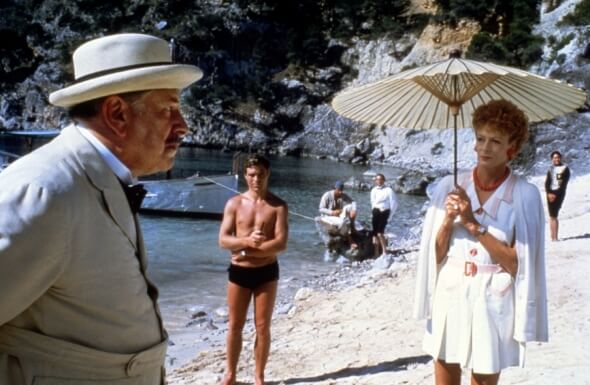
One of the route’s highlights is Caló d’en Monjo, a small, secluded cove surrounded by pine trees and cliffs.

This was the setting for Evil Under the Sun (1982), directed by Guy Hamilton, who lived in Mallorca and also directed a number of James Bond films, and based on a novel by Agatha Christie, with Peter Ustinov in the role of the legendary detective Hercule Poirot. Decades later, the same cove appeared in Netflix’s White Lines (2019), where its natural beauty becomes a central part of the narrative, capturing the freedom and intensity of life in the cove.

Nearby, Playa del Mago offers one of the most unique stories on the route. Originally part of Portals Vells, the beach was renamed following the filming of The Magus (1968), starring Michael Caine and Anthony Quinn. The production left a lasting legacy, and the destination continues to retain its cinematic identity to this day.


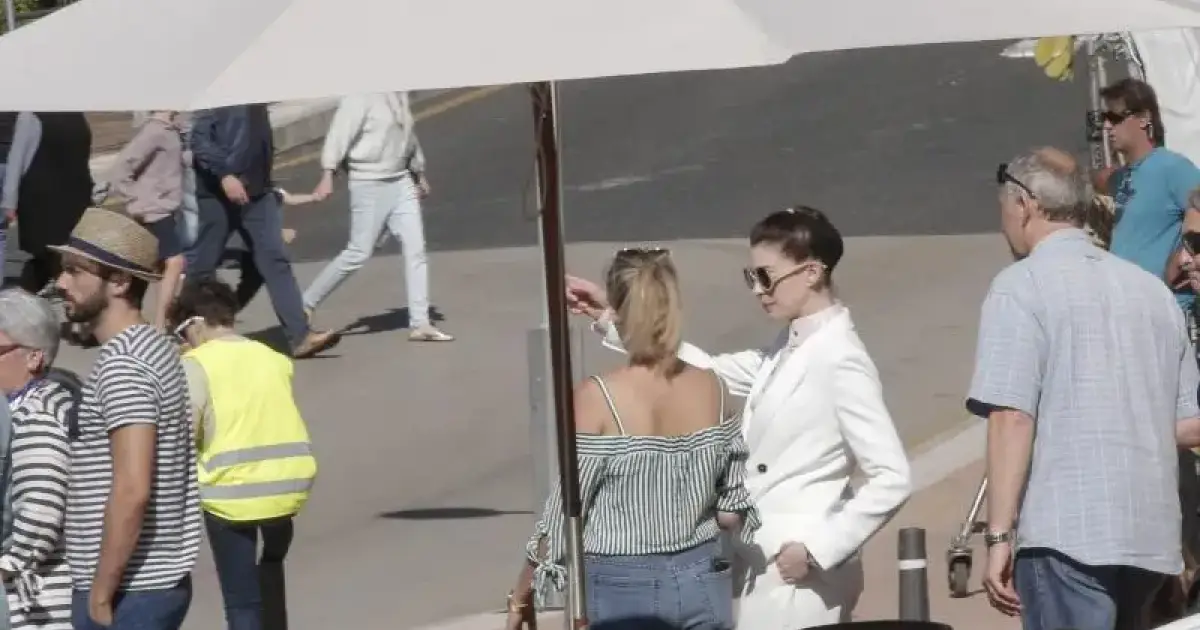
Calvia’s versatility is further demonstrated in The Hustle (2019), starring Anne Hathaway and Rebel Wilson. Filmed in Puerto Portals and on the terrace of the luxurious Hospes Maricel Hotel and Spa, Mallorca was transformed into the French Riviera, with its superyachts, sea views and elegant settings that perfectly replicated the glamour of the Côte d’Azur.


Beyond the big screen, Calvia’s locations have become a go-to spot for international advertising and fashion campaigns. Cala Comtessa, for example, was transformed into a Mediterranean-inspired catwalk for H&M’s global spring-summer 2022 campaign starring Gigi Hadid, whilst the cliffs and coves of Portals Vells have featured in productions such as The Mallorca Files (BBC).

Santa Ponsa remains one of the island’s most recognisable bays. Over the years, it has served as the backdrop for historic film shoots such as Bahía de Palma (1962), famous for featuring the first bikini in Spanish cinema. Today, its wide white-sand beach and sheltered setting continue to be a magnet for both tourism and the audiovisual industry.

The launch of “Calvià, Film Set” is being coordinated with Conecta Magaluf, which will take place from 25 to 28 May, allowing the route and locations to be showcased directly to key decision-makers from the international audiovisual sector visiting the municipality. Conecta Magaluf is an international professional event aimed at promoting co-production, project development and collaboration among the main players in the audiovisual industry, in both fiction and entertainment.

Over four days, the event will bring together around 400 professionals from the audiovisual sector, including executives from major media groups, television platforms, production companies, advertising agencies, creative talent and investors from Europe and the Americas. In this way, Calvia reinforces its position not only as a venue for professional events and conferences, but also as an active player on the international audiovisual map, capable of combining industry, tourism, culture and international promotion within a coherent, long-term strategy.

The initiative forms part of the awareness campaign on sustainable tourism in Magalluf, which promotes responsible behaviour among tourists and residents, fostering coexistence and care for the environment; an initiative driven by the Balearic Government and funded through the Sustainable Tourism Tax. Calvia Town Council frames these actions under the slogan ‘Magaluf for All’.

A few weeks before the Conecta Magaluf event, the AI Movie Awards will take place, a competition aimed at discussing the benefits of technology applied to audiovisual storytelling. On 24 and 25 April, Magalluf will host a brand-new film festival focused on the benefits and application of artificial intelligence in the film industry.

The main mission of this event is to raise the profile of emerging filmmakers and foster debate on how these technological tools can democratise audiovisual creation, enhance creators’ capabilities and open up distribution opportunities. The festival will recognise the creativity of works generated using artificial intelligence, positioning Calvia as a laboratory for new narratives. The event is expected to bring together over 200 professionals from the audiovisual sector.

The “Calvià, Film Set” project is a key element in the official designation of 2026 as the Year of Cinema. Through this initiative, the Town Council aims to consolidate its position as an international audiovisual destination, whilst celebrating its historic cinematic legacy. The Mayor of Calvia has stated that “this is a new tourist and cultural itinerary created to highlight a cinematic legacy built up over decades. It is an invitation to discover coves, beaches and landscapes that not only dazzle with their natural beauty, but also form part of the history of cinema and television”.

In short, with the AI Movie Awards taking place in April, coupled with the arrival of professionals from Conecta Magaluf in late May and the launch of the “Calvià, Film Set” tourist route, Calvia is advancing its international profile and establishing itself as a comprehensive destination for the audiovisual industry, capable of blending the area’s tourist excellence with leadership in the debate on the new narrative and technological frontiers offered by artificial intelligence in the visual arts.
 
Top