What's new
Anthro World Forum

This is an anthropology forum where we cover all sorts of topics and discussions. Once signed in, you'll be able to participate on this site by adding your own topics and posts. Register today to become a member!

The hidden history of humanity.Impostors/Jews(Rev. 2:9)deceived the world and DNA confirmed it

BarcelonaAtlantis

Moderator
Staff member

The 2026 Season Launch Mallorca: What’s New and What’s Back

The “winter sleep” is officially over. As Mallorca moves into the Spring 2026 season, a wave of major infrastructure projects and hotel debuts are finally coming online. For both residents and investors, the island’s landscape has never looked more positive.
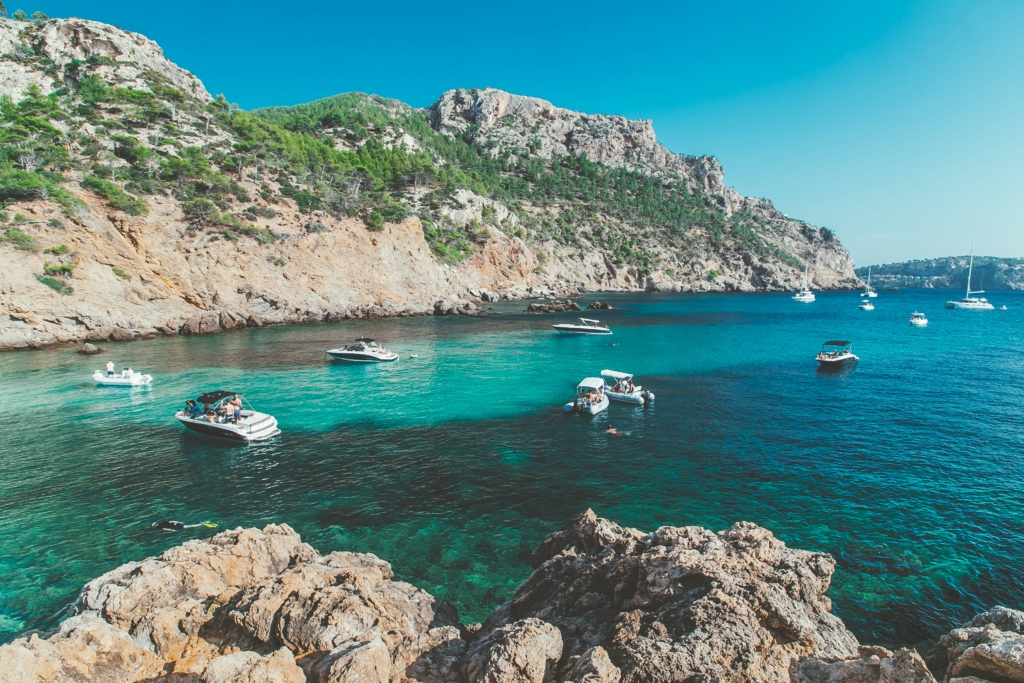
Cala-Fornells-bay-1024x683.jpg
Boats anchoring in the clear waters of Cala Fornells, a natural bay and playground for the island

New & Notable Hotels

Mandarin Oriental Punta Negra (Opening July 2026) The heavy hitter of the year. Set on a dramatic clifftop peninsula near chic Puerto Portals, this is Mandarin Oriental’s first entry into Mallorca. With sea-view casitas, a massive wellness center, and a serious dining lineup—including the much-anticipated arrival of Leña by Dani García—it’s a huge vote of confidence in the Calvià coast.

Aubamar Palma Resort (Opening March 12, 2026) Playa de Palma’s biggest 2026 story. Following a top-to-bottom expansion, Aubamar now spans three buildings with nearly 500 rooms and the area’s highest rooftop bar. It’s a sophisticated resort that signals the continued upscaling of the bay.

Purobeach Resort Santa Ponsa (Reopening March 11, 2026) After its 2025 debut, this adults-only property is back for its first full spring season. It perfectly blends the “beach club” social life with a boutique hotel vibe, making it a key spot for the western coastline’s social scene.
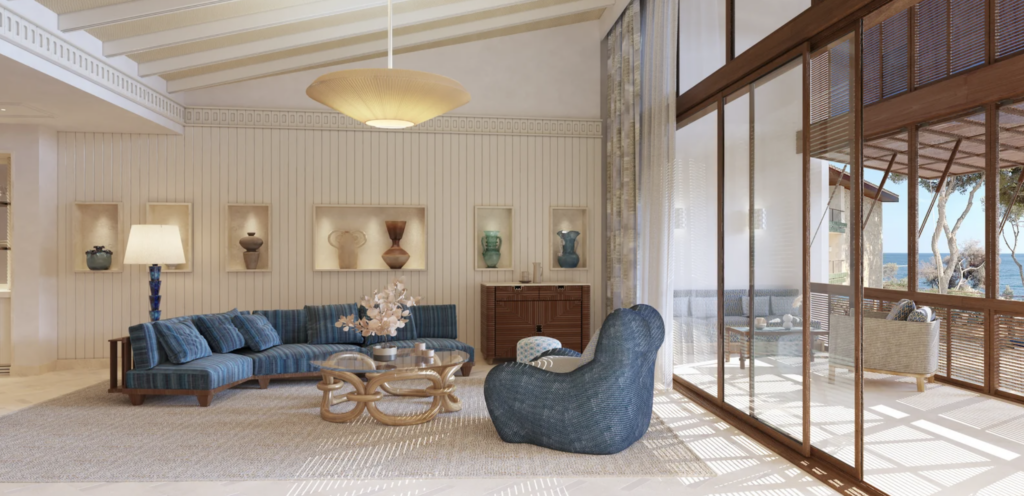
punta-negra-mandarin-oriental-1024x496.png
The refined guest lounge at the Mandarin Oriental, Costa d’en Blanes, designed for relaxation and privacy.

Nightlife & Social Reopenings

Social Club Mallorca (Grand Reopening Summer 2026) The island’s nightlife is entering a bold new chapter. Social Club is moving to a brand-new venue located within the Hotel Victoria Gran Meliá on the Paseo Marítimo. Opening this summer, the new space is designed as a refined boutique club, focusing on intimacy and high-end mixology.

The Lobster Club (Reopening May 14, 2026) A Mediterranean staple. Operated by the Cappuccino Group, the Lobster Club remains the go-to for long lunches and sunset drinks in Puerto Portals.

The Jazz Lounge Café While the original Jazz Lounge in La Lonja remains a late-night favorite, the brand-new Jazz Lounge Café near Plaza España is the talk of the city this spring. It brings live jazz into a daytime setting, specifically with its Saturday Jazz Brunch.

Dining & Cultural Revivals

Lamucca del Mar & Marui Sushi Bar Last year’s breakout stars are entering their first full summer season. Lamucca del Mar has quickly become the social heart of the Molinar waterfront, while Marui Sushi Bar in Santa Catalina continues to stand out for its high-end Japanese menu and distinct aesthetic.

Hostal Terminus: A Modernist Rebirth One of Palma’s most symbolic landmarks is back. Built in 1913, the Hostal Terminus has undergone a €3.7M restoration. Completed in late 2025, it now houses a public café and a cultural hall, preserving one of the city’s most iconic façades.

Frontón Sineu: Sports & Heritage Originally opened in 1949, this historic pelota court was brought back to life in 2022 and continues to grow. In 2025, it launched the Calet i Boiret tournament, solidifying its place as a cultural hub in the center of the island.

Cultural Revivals & City Developments

Palma’s Waterfront Revolution: After years of construction, the Paseo Marítimo is officially open for its first full season. The transformation is massive: 3.5km of traffic lanes have been replaced by a green, pedestrian boulevard that finally links the historic center directly to the water.
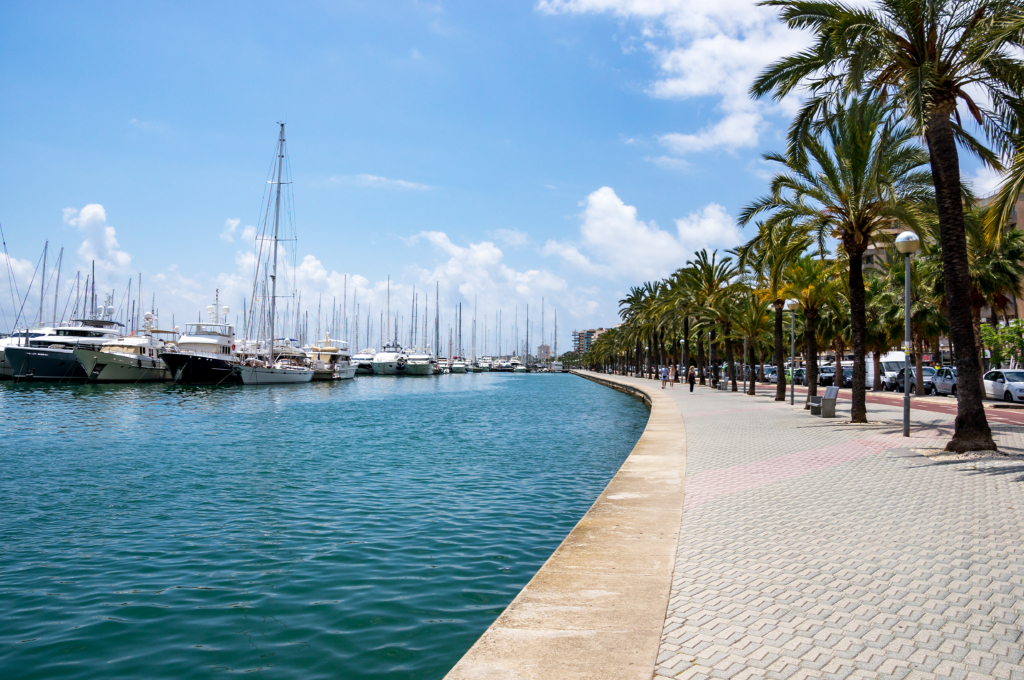

Paseo-Maritimo-1024x680.jpg
The iconic Paseo Marítimo, captured before its recent transformation into Palma’s premier waterfront boulevard

The Agency Mallorca Insight

Interest in living on the island continues to grow alongside these developments. For readers considering a home in Mallorca, we have included a selection of properties from our portfolio below offering a snapshot of the current market from the historic center to the quiet countryside.


Pioneer Mallorca essentially created modern European beach tourism by pioneering the all-inclusive resort and the mass package holiday

Antarctica was once a green continent. Millions of years ago, before thick ice covered the land, parts of Antarctica supported forests and complex ecosystems. Fossils reveal that plants and animals survived near the South Pole during warmer periods of Earth's history. The coldest continent on Earth was once a completely different world.

A New Era for Sol de Mallorca: Old Casino to Be Reborn as Luxury Hotel​

Exciting news is rippling through the property and tourism sectors in Mallorca this week, with the recent announcement confirming the long-awaited renovation of the abandoned old casino in Sol de Mallorca. This iconic, yet derelict, landmark is finally set to undergo a magnificent transformation, breathing new life into a prime coastal location and promising a significant boost to the area's luxury offerings.
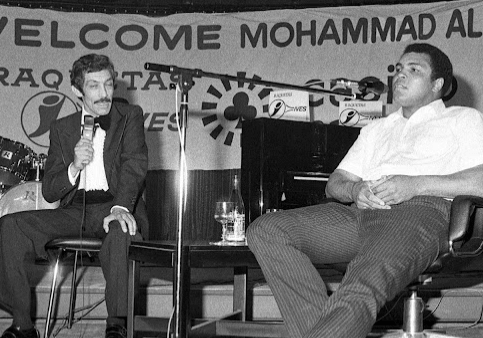
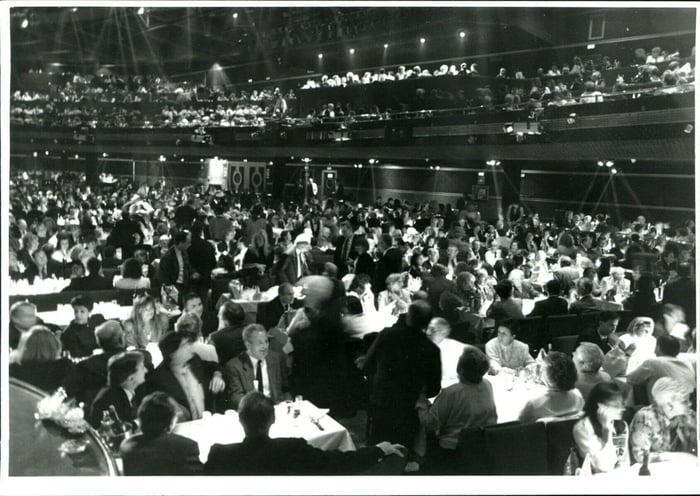
mohamed-ali-svnfd.png
casino-sol-de-mallorca-dteow.jpg


For years, the former Gran Casino de Mallorca, once a glittering hub that attracted celebrities and high society in the 1970s, has stood as a melancholic reminder of a bygone era. Located in the exclusive urbanization of Sol de Mallorca, its prime cliff-top position has long been coveted, but the grand building has remained in disuse since the casino relocated to Palma. Now, the Calvià City Council has formalized an agreement with the property owners, Cala Xada Beach Hotel GMBH & Co, to pave the way for its ambitious redevelopment.


The plans reveal a fascinating future for the site: the old casino will be meticulously renovated and converted into a new hotel boasting approximately 200 rooms. While the specifics of the hotel brand have not been widely publicized, given the location and the scale of the investment, it's widely anticipated to be a high-end, possibly luxury, establishment. Initial details suggest the project will also incorporate a beach club and even a private clinic, indicating a comprehensive development focused on offering a premium experience to its guests.

This transformation is more than just a renovation; it's a symbolic step forward for Sol de Mallorca and the wider Calvià region. The area, known for its tranquil bays like Cala Cap Falcó and its exclusive residential community, is poised to welcome a sophisticated new accommodation option that complements its serene surroundings. The integration of a beach club will undoubtedly enhance the coastal experience, while the inclusion of a private clinic hints at a growing trend for integrated wellness and luxury services in high-end resorts.

The project addresses a long-standing desire within the local community to see this prominent site utilized once again, moving from an abandoned ruin to a vibrant new asset. While conversations about sustainable tourism and housing remain ongoing across the island, this development represents a significant private investment that will create new jobs and potentially attract a new demographic of visitors seeking refined experiences in one of Mallorca's most beautiful enclaves.

The rebirth of the old casino in Sol de Mallorca marks a positive new chapter, promising to blend the area's natural charm with contemporary luxury, cementing its status as a premier destination on the Mediterranean. We eagerly await further details as this exciting transformation takes shape!
 
Last edited:

BarcelonaAtlantis

Moderator
Staff member

The Man Who Invented Tourism​

In Can Picafort is a road which, like others, goes in a straight line in linking the thoroughfare of the Carretera Artà and the Paseo Colon and which adds to the criss-cross grid layout of this part of the resort. Along this road are some pine trees which hang over the road itself and partially obscure a hotel. It is the Farrutx, named after the cape at the eastern end of the bay of Alcúdia, the tip of one of three giant claws - Pinar and Formentor being the others - between which are one enormous bite and one lesser bite of coastal crescents eaten by the voracious appetite of the sea. These bites are the bights (German, "Bucht") of Alcúdia and Pollensa, the bays of Alcúdia and Pollensa.

Can Picafort is a case example of two styles of resort urban planning in one. Though the whole of it is called Can Picafort, it is really two resorts in one. Can Picafort was created according to the grid system which stops abruptly around about where the marina is. The rest of the resort, Son Bauló, is the original resort, with origins dating from the 1930s. Its layout is totally different. Its circular style is evidence of a quasi-garden city design approach, the dominant planning philosophy of the 1920s and 1930s before 1960s' modernism brought with it the Milton Keynesian new town grid.

The name Can Picafort has existed since the end of the nineteenth century. It comes from what was little more than a shack that belonged to one Jeroni Fuster. It was called "Picafort", derived from words to refer to the strong itch from a mosquito bite. But there was little or nothing in Can Picafort until the 1960s. Photos show the early formation of the grid road system; sand tracks that led to the beach in the late 1950s. One of them, the main one, is now Via Suisa. At its beach end were once dunes.

Son Bauló, as a tourist area, is thus much older. As Can Picafort as a whole developed in the 1960s, Son Bauló dominated, which was unsurprising as its basic infrastructure had been in place thirty years before, a product of the drive to create resorts between the world wars but one that had its roots some thirty or forty years further back in time.

Let's go back to that road with the pine trees and the Hotel Farrutx. Its name is Miquel dels Sants Oliver, a name that will mean little or nothing to guests at the hotel or to any tourist or indeed to many residents. In the small town of Campanet, they have started commemorating the 150th anniversary of the birth of Oliver, who was born there in 1864. Later this year there will be further acts of celebration.

Oliver was a journalist. For a time he was also the editor of "La Almudaina", a newspaper that was founded in 1887 by his father. He was known for many things, but it was articles that he wrote in that newspaper in the early 1890s which made him a hugely important figure in the development of Majorca's tourism. At the same time as Jeroni Fuster was lending the name of his shack to what was to become a major tourist resort, Oliver was setting out principles for a whole new industry - tourism.

It could be argued that Oliver invented Majorca's tourism because what he, with remarkable vision foresaw in his articles, was tourism for the spring and summer seasons. It was to be some years before hot-weather tourism truly caught on, but Oliver's vision ran counter to the thinking of the time, that tourism was something for the mild winter. He wrote those articles against a background of economic crisis in the island's agricultural sector, the result in part of the phylloxera plague that struck grape vines. He saw the necessity for diversification, and tourism was that diversification. For it to be successful, though, there needed to be great improvements to infrastructure. His thinking directly led to the founding of the Majorca Tourist Board in 1905, though when we speak - in English - of a tourist board, we underestimate what this meant. Its Spanish name is more meaningful: Fomento del Turismo, the development of tourism, which was to be development in all facets, one of which, some years later, was the creation of resorts, such as Son Bauló.

Of course, what Oliver could not have foreseen was what came in the 1960s. He would probably have been horrified. Tourism visionary he was, but he was also sympathetic to rural traditions, such as those of his home town, and to the natural and unspoilt environment, like that of the bays in the north. Would he have liked his name to have been given to a road with a hotel called Farrutx in a resort built on dunes? Unlikely. https://www.majorcanvillas.com/blog/Tourism-history

Tristan Harris, the former Google design ethicist who first warned about the dangers of social media, now says the AI race is moving even faster and with far greater consequences. In this video, he explains why insiders from leading AI labs privately contacted him after ChatGPT's release, why he believes AI companies are trapped in an uncontrollable arms race, and why incentives—not intentions—will determine the outcome. He discusses recent examples of deceptive AI behavior, including Anthropic's published alignment research, concerns about autonomous AI systems pursuing unintended goals, and the economic incentives driving companies toward replacing human labor rather than simply augmenting it. Harris also argues that AI could create an "intelligence curse," weakening the relationship between governments and citizens as economic value shifts away from human work, while warning that the people building these systems may understand the risks far better than the public.
Templars mapped North America before the Order fell in 1314

A researcher lays out his theory that the Knights Templar explored North America, hid sacred artifacts in underground vaults across the continent, and established relations with Native American tribes that persist today. He traces connections from ancient Templar symbols found in indigenous cultures to Columbus's voyage, claiming the explorer married into a Templar family to access their maps. He also claims the Lewis and Clark Expedition had a secondary mission checking on one of these hidden vaults.


La pionera Mallorca fue el gran laboratorio del turismo de masas moderno y transformó por completo la industria de los viajes a nivel mundial durante las décadas de 1950 y 1960.
Su éxito radicó en la combinación de varios factores clave:
    • El "boom" del paquete vacacional: Operadores turísticos europeos (especialmente británicos y alemanes) se aliaron con hoteleros locales para ofrecer el pack de "todo incluido" (vuelo, hotel y traslados) a precios muy accesibles para la clase trabajadora de la posguerra.
    • La democratización de la aviación: La apertura del Aeropuerto de Son Sant Joan en 1960 permitió la llegada masiva de vuelos chárter, conectando el norte de Europa con el Mediterráneo en pocas horas.
    • El modelo de sol y playa: Se estandarizó un tipo de turismo masivo y estacional que luego se exportó a otras regiones de España (como la Costa Blanca o la Costa del Sol) y a otros países del mundo.
Este fenómeno cambió radicalmente la economía y el paisaje de la isla, pasando de ser una sociedad mayoritariamente agrícola a convertirse en una potencia turística internacional.
The pioneering island of Mallorca was the great laboratory of modern mass tourism and completely transformed the global travel industry during the 1950s and 1960s. Its success lay in the combination of several key factors:
The boom in package holidays: European tour operators (especially British and German) partnered with local hoteliers to offer all-inclusive packages (flight, hotel, and transfers) at very affordable prices for the post-war working class.
The democratization of aviation: The opening of Son Sant Joan Airport in 1960 allowed for the mass arrival of charter flights, connecting Northern Europe with the Mediterranean in just a few hours.
The sun and beach model: A type of mass, seasonal tourism was standardized and later exported to other regions of Spain (such as the Costa Blanca and the Costa del Sol) and to other countries around the world. This phenomenon radically changed the economy and landscape of the island, transforming it from a predominantly agricultural society into an international tourist powerhouse.Valencia,Marbella,etc better than PIONEER Mallorca?Dont make me laugh...

 
Last edited:

BarcelonaAtlantis

Moderator
Staff member
Tech critic Ed Zitron, host of the Better Offline podcast and one of the most cited voices warning that AI is a bubble, lays out a detailed case for why he believes a crash is coming, and why ordinary people's retirements could be the biggest casualty. Zitron argues we are not just in an AI bubble but what he calls a "RotCom" bubble, and that the collapse likely begins with one company running out of money: OpenAI. He explains that OpenAI needs to raise at least 100 billion dollars a year just to survive, that its planned public listing has been pushed back, and that if it can't go public, a chain of companies tied to it (SoftBank, Oracle, and the big cloud providers) are all exposed. Oracle, he notes, is building over 400 billion dollars of data centers largely for OpenAI, and its revenue has been flat for 15 years when adjusted for inflation. Without OpenAI, he argues, Oracle is in serious trouble. He then explains the domino effect that worries him most. Nvidia is the largest company in the S&P 500 and NASDAQ, making up 7 to 8% of the index, and he believes its revenue could fall 50 to 70% because of what he describes as circular financing (Nvidia funding companies that then raise debt to buy more of its GPUs). When that unwinds, he believes Amazon, Google, Microsoft, and Meta will have to restate their growth guidance, triggering a market pullback. Discover: • Why Zitron believes an AI crash could begin as early as 2027 • How the collapse of one company could trigger a domino effect • Why he believes Nvidia's revenue could fall 50 to 70% • Why ordinary people's retirements are the biggest risk • How circular financing is inflating the AI industry • Why he compares today's bubble to the dot-com crash but bigger • What he personally does with his money (and why) • Why he says to distrust the promises tech companies make


Fundado en 1905, el Fomento del Turismo de Mallorca fue la primera institución de este tipo en España. Founded in 1905, the Mallorca Tourism Promotion Board was the first institution of its kind in Spain.Mallorca fue el primer destino europeo de vacaciones en crear moda turística y en volumen de visitantes.Mallorca was the first European holiday destination to create a tourist trend and in terms of visitor volume.
Mallorca was a pioneer in international tourism

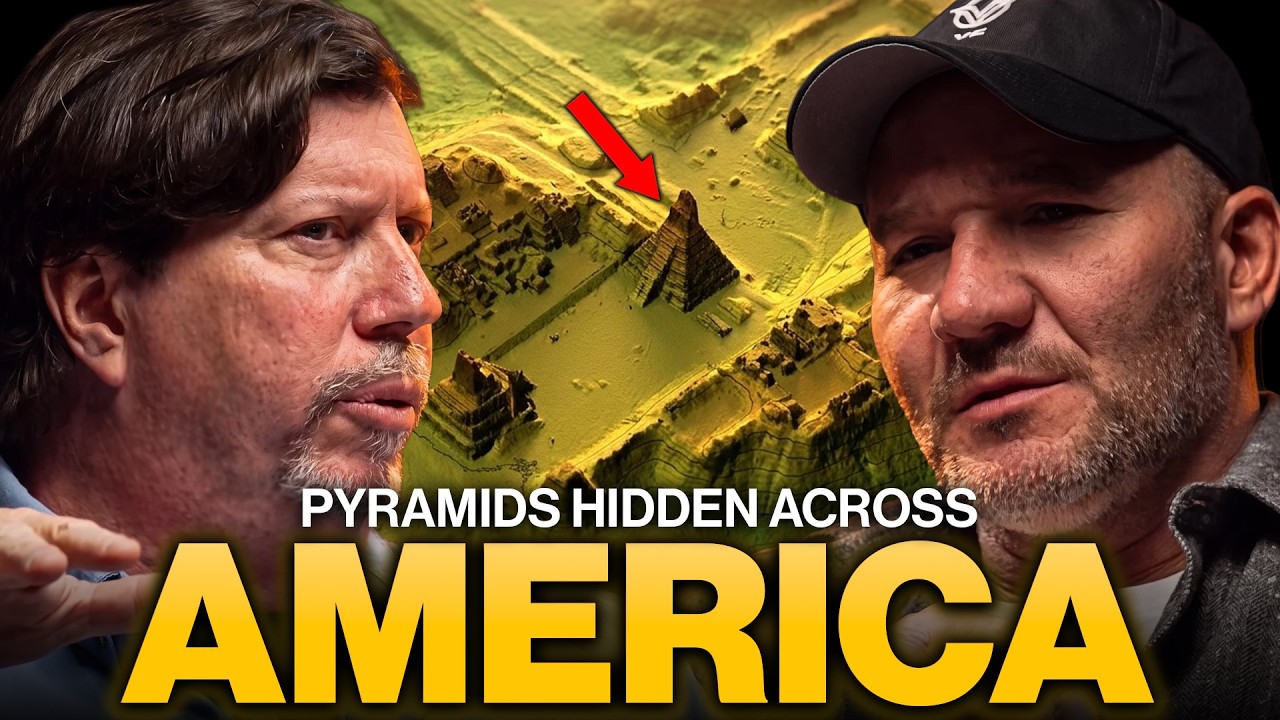
What explains how a civilization apparently encoded an entire body of knowledge — astronomical, acoustic, biochemical, and geographic — into a rainforest, and how that encoding has persisted for centuries beneath the canopy, beneath the satellite data, beneath the official narrative, without a single serious public reckoning about what it actually contains? The standard explanation — that the Amazon is a primordial wilderness settled by pre-Columbian peoples whose achievements, while impressive, remain within the boundaries of what conventional archaeology is comfortable describing — collapses when you examine what the evidence actually shows. Not a scattered collection of settlements, but a coordinated system. Earthworks aligned with specific star configurations across distances that imply a surveying and organizational capability that has never been satisfactorily explained. Acoustic anomalies clustering at the same coordinates as the largest construction sites. A biochemical formula — the ayahuasca combination — so chemically precise, so pharmacologically dependent on the interaction of exactly two complementary plants among forty thousand species, that the trial-and-error explanation requires a probability space that nobody in the literature wants to calculate. As I investigated the accumulated record — from a 1925 field recording of an unexplained sub-bass frequency along the upper Xingu to modern satellite passes returning non-physical data values at the same coordinates, decade after decade, across multiple sensor generations — a pattern materialized that refused to stay coincidental. Equipment failures clustering on a grid. Acoustic signatures in the Amazon canopy measurably resembling the interior profiles of medieval stone cathedrals. A drainage basin that, traced to its precise geographic boundaries, corresponds with unsettling accuracy to astronomical configurations as they appeared two thousand years ago. These weren't isolated anomalies across an unconnected landscape. They were the same underlying signature, repeating with a precision that suggests either extraordinary coincidence or deliberate design — and the archive gaps cluster, consistently, around exactly the observations most difficult to absorb into the conventional framework. Because here's what the official silence around these questions also does. It doesn't just leave the anomalies unexplained. It may be obscuring something older. A knowledge system — operating at geographic, acoustic, biochemical, and astronomical scales simultaneously — that appears embedded in the Amazon basin's architecture and may have been embedded there deliberately. Not primitive. Not superstitious. Precise. Coordinated. And quietly, persistently, institutionally discouraged from becoming a serious subject of inquiry. Not disproven. Not debated. Simply not asked. This investigation examines whether the Amazon we inherited — the wilderness we were taught to see — is concealing a system that understood something about this planet, about frequency, about the relationship between the sky and the ground and the human mind, that we are only now developing the tools to begin measuring. And whether something encoded in that forest, something that has survived centuries of expeditions and decades of satellites and the entire weight of institutional disinterest, is still waiting to be read.

Gregg Braden walks through a 1991 discovery that never reached the mainstream classroom: a population of specialised, brain-like cells living inside the human heart, sitting precisely where blood enters and leaves.

He shows the first three-dimensional map of the heart's nervous system, explains why shocking news makes you feel light-headed, and introduces the frequency that whales use across entire oceans and that our own biology answers to. Along the way he sets it against a convergence of natural cycles, climate, solar and human conflict, that has not lined up like this in 5,000 years of recorded history.

This is a session about consciousness, human potential, DNA, heart intelligence and the quantum field, told as sacred science rather than metaphor. The promise underneath it is simple: the better you know yourself, the less the outer world gets to decide how you feel.

Watch to the end, then tell me what you felt when the planet's own sound came in

El mítico barrio de El Terreno, en Palma de Mallorca, está viviendo un renacimiento espectacular y se ha consolidado como uno de los distritos más trendy y cotizados de la ciudad.
Tras haber sido el epicentro de la jet-set internacional y la vida nocturna en los años 60 y 70, el barrio sufrió décadas de decadencia y abandono. Sin embargo, la monumental renovación urbana liderada en gran parte por el Proyecto Gomila (impulsado por la familia Fluxà de Camper y el prestigioso estudio de arquitectura MVRDV) ha devuelto la vida a su núcleo neurálgico.
Hoy en día, el encanto bohemio de sus calles empinadas y villas modernistas se mezcla con una vibrante oferta vanguardista:
    • Arquitectura icónica y colorida: Los nuevos edificios de viviendas en torno a la Plaza Gomila destacan por sus fachadas de colores llamativos y diseños sostenibles.
    • Hoteles de diseño y lifestyle: Inauguraciones muy comentadas, como el flamante Terreno Barrio Hotel, apuestan por la integración comunitaria, el arte local y el diseño contemporáneo en cada rincón.
    • Nueva oferta gastronómica y de ocio: Se ha llenado de cafeterías de especialidad, tiendas eco (como el mercado Veritas), clubes privados renovados como Terreno Club y restaurantes que atraen a una comunidad internacional y creativa de expatriados y locales.
Todo esto sin perder sus mayores virtudes: su ubicación estratégica entre el frondoso bosque del Castillo de Bellver y el Paseo Marítimo, manteniendo ese equilibrio único entre la autenticidad de un pueblo mediterráneo y la modernidad urbana.

 
Last edited:

BarcelonaAtlantis

Moderator
Staff member
The legendary El Terreno neighborhood in Palma de Mallorca is experiencing a spectacular renaissance and has established itself as one of the trendiest and most sought-after districts in the city. After being the epicenter of the international jet set and nightlife in the 60s and 70s, the neighborhood suffered decades of decline and neglect. However, the monumental urban renewal, largely spearheaded by the Gomila Project (driven by the Fluxà family of Camper and the prestigious architecture firm MVRDV), has breathed new life into its heart. Today, the bohemian charm of its steep streets and modernist villas blends seamlessly with a vibrant, cutting-edge scene: Iconic and colorful architecture: The new residential buildings around Plaza Gomila stand out with their brightly colored facades and sustainable designs. Design and lifestyle hotels: Highly talked-about openings, such as the brand-new Terreno Barrio Hotel, champion community integration, local art, and contemporary design in every corner. New dining and leisure options: The area is now filled with specialty coffee shops, eco-shops (like the Veritas market), renovated private clubs such as Terreno Club, and restaurants that attract an international and creative community of expats and locals. All this without losing its greatest asset: its strategic location nestled within the lush forest of Bellver Castle. and the seafront promenade, maintaining that unique balance between the authenticity of a Mediterranean village and urban modernity.

 
Last edited:

BarcelonaAtlantis

Moderator
Staff member
Mallorca is widely considered the mecca of European tourism, pioneering the mass "sun and beach" vacation model in the 1960s and transforming into a powerhouse that welcomes millions of visitors every year. While it built its reputation on reliable sunshine and all-inclusive coastal resorts, the island has evolved into a highly diverse destination that caters to luxury travelers, outdoor enthusiasts, and cultural seekers alike.
However, this massive success has also turned the island into a textbook example of the economic and social complexities of a tourist monoculture.


The Evolution of Mallorca's Tourism
    • The 1960s Package Boom: Following the opening of its international airport in 1960, Mallorca shifted from a quiet Mediterranean retreat into the epicenter of budget package holidays for Northern Europeans. Villages like Magaluf (popular with British tourists) and El Arenal/Ballermann (popular with German tourists) became famous for hedonistic, high-energy party tourism.
    • The Modern Diverse Mecca: Today, Mallorca has actively diversified to break away from just summer beach tourism. It is now globally renowned as the cycling mecca, with thousands of athletes arriving in the spring and autumn to tackle the challenging hairpin turns of the Serra de Tramuntana mountains. It has also established itself as a luxury sailing hotspot and the gourmet capital of the Balearics, boasting a dozen Michelin-starred restaurants.


Edo Nyland gives many convincing proofs in this book:

  • There are hundreds of examples of words, taken from different languages, being decoded by the same method, revealing their hidden meaning.
  • The decoding method is successfully applied to the translation of the forgotten language OGAM, the remains of which are found on standing stones of Ireland, Scotland and North America.
  • Other currently available translations of Linear-B Text on Cretan clay tablets, supposed to be written in ancient Greek, and of the enigmatic book AURAICEPT of the Benedictine monks, supposed to be written in Celtic language, have been considerably improved by the same decoding method.
Edo Nyland's, web site, where he presents the contents of this book, has been selected as a featured site in Lightspan's StudyWeb as one of the best educational resources on the Web.

The book can be read easily by interested laymen. Scholars of linguistics, stone-age and medieval history, religion and anthropology might use this book for a critical revision of their current paradigms.

Edo Nyland was right about the Basque language being the original language of humanity but the impostors in charge would never admit this.

Linguistic Archaeology: An Introduction
by Edo Nyland
Trafford Publishing

book review by JG

"But guessing the mood of the monk, who made up the word, can be fun because some of the grammarians had a sense of humor."
Some people view the author as a genius far ahead of his time. Others dismiss his ideas with derision, saying they are based on little more than idle speculation. There is no question that Nyland is a polarizing figure among the linguistic community, but criticism of his work certainly hasn't dissuaded him. The controversy regarding Nyland's work stems from his version of a unified field theory that claims all languages ever spoken actually stem from Basque. According to Nyland, the ancient Benedictine monks made up all other languages.
At the heart of Nyland's theory is that words aren't words at all but actually shorthand used by the Benedictine monks. He applies this assertion to all languages, modern and ancient. Cuneiform, hieroglyphics, and the Roman alphabet are all shorthand for the same, ancient language, according to the author. Nyland lists scores of modern English words and breaks down their meanings using his own method of interpretation.
The author is candid about his lack of formal training in linguistics, but this hasn't stopped him from lengthy personal research in order to formulate and clearly present his ideas. Anyone who appreciates a good conspiracy theory will enjoy this book, although it's certainly not intended for light bedtime reading, as the author himself points out.


Edo Nyland concluded that all the research into the Ogam inscriptions and the Basque origin of the "Indo-European"(if the Basque language is pre- indo european you know that it is easy to find out that indo european languages ome from Basque..) and other languages started with a talk about Homer's Odyssey.

Edo Nyland (1996) agrees with Fell's transliteration of the petroglyph to ogham characters and the Latin alphabet. He disagrees with the translation, however. Nyland says it was not done in Old Irish and Berber, but in Basque. Armed with Fell's letter conversions and copying Fell's methods, he used a Basque dictionary to translate the petroglyph somewhat differently (the detailed work is on his web page, linked below). Nyland and Fell also place the five sections of the petroglyph in different sequences. https://cwva.org/pmwiki.php?n=Ogam.ADisagreementTranslatingTheHorseCreekPetroglyph

What if everything we knew about history was wrong? 🌍 Dive into the mystery of Tartaria, the lost civilization that may have been far more advanced than our modern world. From mud flood architecture to star forts, free energy technology, and erased maps, explore the shocking clues hidden in plain sight. Could Tartaria be the true link to Atlantis, Mu, and other ancient empires? Why was its history buried—and who benefits from keeping it hidden?

In this deep investigation, we uncover:
Mysterious buildings with hidden underground levels
Star fort designs across continents
Possible free energy systems long before the industrial age
The role of secret societies in preserving or suppressing the truth
Connections to ancient cataclysms and forgotten global networks

If you’re fascinated by hidden history, ancient technology, and the secrets they never taught in school, this is your journey into the past they don’t want you to remember.


Edo Nyland shares with us his research on the evolution of European and other languages and his conclusions offer fresh perspectives to challenge traditional views entertained by the linguistic establishment.

Nyland’s research was inspired by a CBC presentation by historian Edward Furlong who suggested that Odysseus may not at all have been travelling in the Mediterranean but rather in Scotland and Ireland where the climate and topography fit far better the descriptions in the Odyssey. Nyland set off on an odyssey of his own, visiting the proposed locations and while he found much to support Furlong’s thesis he felt more evidence was needed to confirm it.

He began by examining place names mentioned in the Odyssey and he began to wonder if they might be telling a story. But from what language were they derived? Greek, Latin and Gaelic dictionaries were no help. He discovered a clue in the work of geneticist Luigi Cavalli-Sforza who had suggested that there might have been early migrations of the peoples living along the Atlantic coast, from Morocco to Scotland and Ireland, even Arctic Norway. Of these only the Basques still spoke their original Neolithic language, and in choosing a Basque dictionary to translate coastal place names Nyland found that they did indeed yield remarkably fitting descriptions.
 
Last edited:

BarcelonaAtlantis

Moderator
Staff member
In visiting Bronze Age ruins Nyland came on the Ogam inscriptions carved into standing stones of Ireland. These had not been deciphered but Nyland began to suspect they might encode elements of the Basque language. Cracking the code became his mission and in this volume he describes how he did it.


After applying his method successfully to such languages as Spanish or German, Sanskrit or Sumerian, Nyland concludes that Basque is the core language from which so many more were derived.


La transformación verde de Mallorca no es solo una respuesta a la crisis ambiental y social generada por el turismo masivo, sino una apuesta por una nueva forma de habitar y compartir el territorio. Este cambio de rumbo no pretende eliminar el turismo, sino reconducir hacia prácticas que respeten la naturaleza, valoren la cultura local y contribuyan al bienestar colectivo.


Mallorca se está reinventando con conciencia, demostrando que otra manera de hacer turismo es posible. Si la tendencia continúa creciendo, la isla podría convertirse en un referente mediterráneo de sostenibilidad, inspirando a otras regiones a adoptar modelos más equilibrados. Lo que está en juego no es solo el futuro del turismo, sino la forma en que decidimos convivir con nuestro entorno y entre nosotros.


OGAM INSCRIPTIONS IN SCOTLAND
edonon's profile picture@edonon
Published in Edo Nyland · 7 months ago
INTRODUCTION.
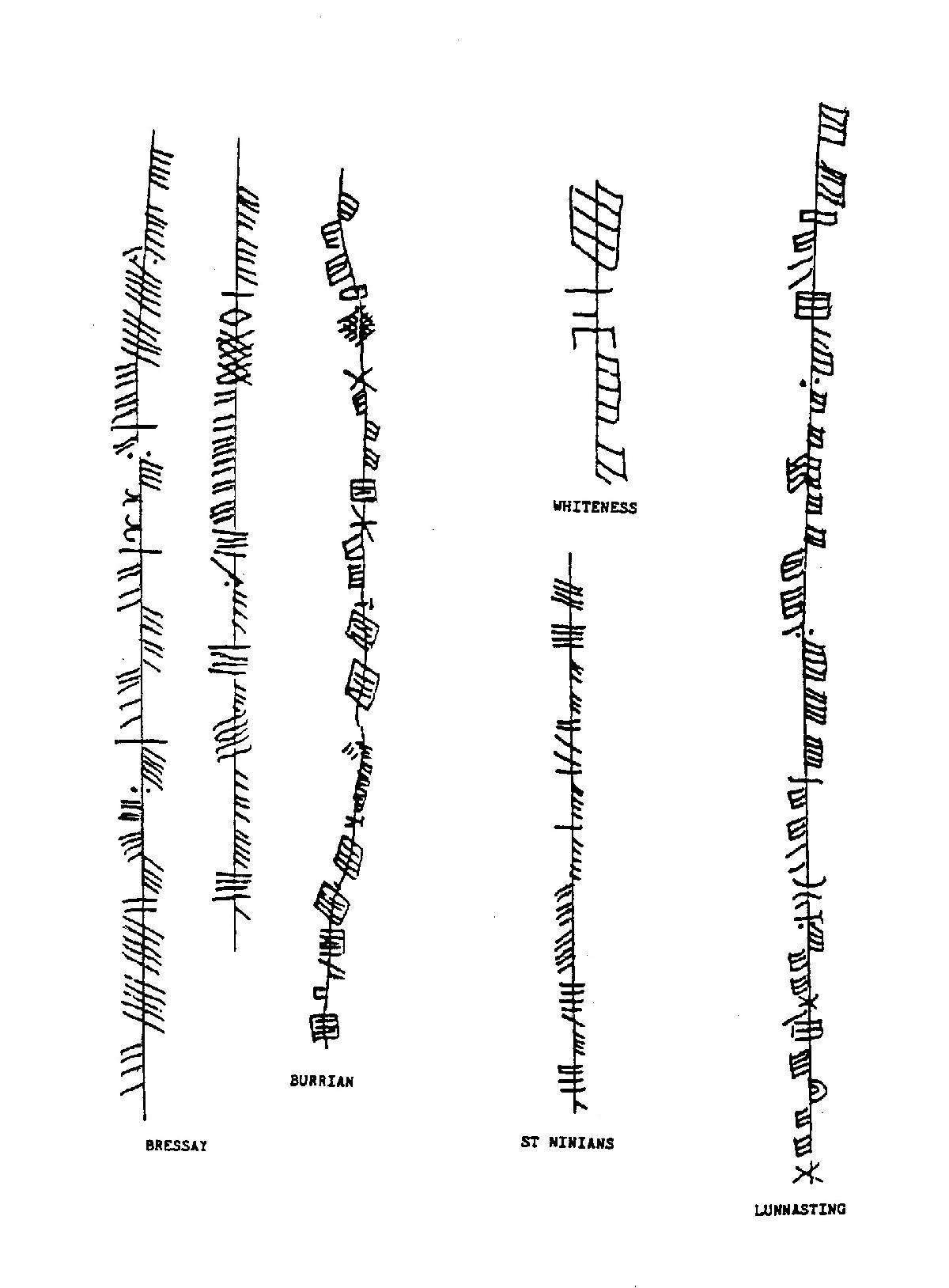
In his book "The Symbol Stones of Scotland" (1984), Dr. Anthony Jackson, anthropologist at the University of Edinburgh, illustrated and transliterated more than thirty Ogam inscriptions found in Scotland and remarked that the best of efforts by linguists and others had not resulted in even one translation. There had been few problems transliterating them, but no one had been able to do anything with the "meaningless" series of letters obtained. In October of 1993, Jackson then followed this work up with an unpublished monograph called "Pictish Symbol Stones?" in which he updated his earlier research. Probably referring to efforts like Henri Guiter’s, Jackson wrote "There is a popular theory that they are Basque but this does not work either" (p.118).

Jackson also commented:

"It is curious that this small number of Ogam inscriptions has caused more headaches than all the other problems of the Picts put together. As one leading archaeologist put it: it is not really the fault of the Picts but the interpreters of the Picts that are to blame! (p. 117).
This remark was so true, but Jackson decided to give up entirely on translating the puzzling writings and wrote: "All research along linguistic lines has ground to a halt, unsurprisingly" (p.135) and: "It is clear that the Ogam inscriptions are numerically based and not linguistic" (p.153), in other words he thought they were numerical magic, possibly a form of numerology, inscribed on the ancient standing stones to overcome the pre-Christian magic: "thus we seem to have a battle between rival magics" (p. 154). I agree with his suggestion that magic is involved, because the inscriptions are so complicated in design that it is hard to believe that they were intended to be read by the common people or even by most of the clergy; they belonged to a very different level of theology.

In 1968 a Basque scholar from France, Henri Guiter, thought he could see Basque words in the transliterated inscriptions and tried to make sense of some of them. He published two papers in French, which received mixed reviews such as from Oliver Padel who could not find the first paper, but "if one is to judge by the information supplied in the second, this is no great loss". Another person who criticized Guiter was Douglas Gifford, Dept. of Spanish of St. Andrew’s University in Scotland. In a 1969 radio talk he said that Guiter had twisted the evidence, but also suggested that the Basque connection was worth a further look. I have now taken this ‘further look’ and decided to include Guiter’s work in this article because his approach was so very different from anyone else’s. The reader will see that his translations appear to make little sense. The people who composed the inscriptions were a great deal more sophisticated linguistically and mathematically than our modern scholars have ever given them credit for. Guiter’s effort had also been published in Spanish in a booklet called "Garaldea" by Federico Krutwig and the Spanish translations of Guiter’s effort are shown here.


THE BASQUE CONNECTION.
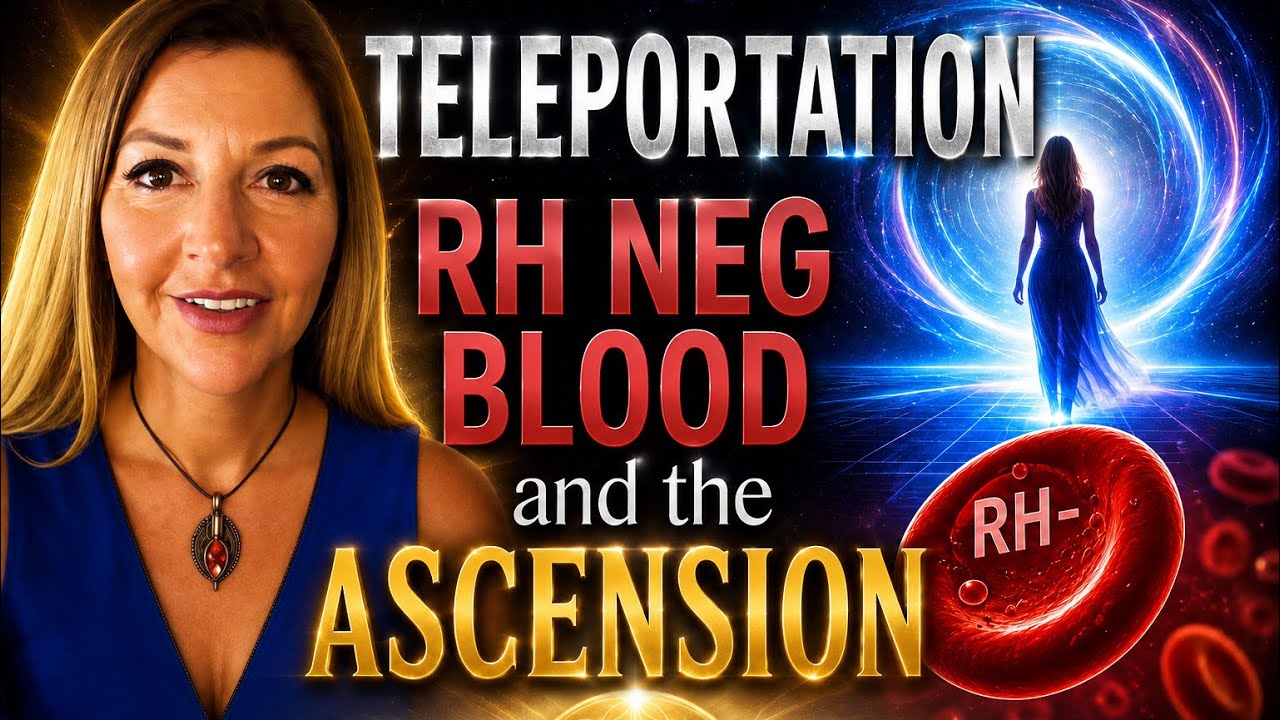
Dr. Gifford’s suggestion that Basque could well be the language of the Ogam inscriptions was supported by genetic and linguistic evidence in Ireland and Scotland. Geneticist Dr. Cavalli-Sforza from Stanford University had published a world map in Scientific American (Nov. 1991), showing the distribution of the Rh-negative people. The populations with the highest proportion of their members with Rh-negative blood were found among the Berbers in Morocco, the Basques in Euskadi, and the dark featured peoples of Northern Ireland and Scotland, all with over 25% of the people with this blood peculiarity. He commented "... the resulting pattern roughly coincides with anthropological reconstructions of ancient migrations." Of these four groups, only the Basques still spoke their pre-christian language. It was therefore reasonable to suggest that the entire migration had spoken this language. This possibility was crying out for proof. Fortunately a very large number of early inscriptions on stone, silver, brass, bone etc. were available; over 600 in Ireland and some 40 in Scotland. None of these inscriptions had ever been translated with certainty. Transliteration from the Ogam script had not been a problem, but only apparently meaningless series of letters, mostly consonants, had been obtained. However, as considerable time and effort must have gone into making these inscriptions, I assumed that some system of decoding had to exist.

From the moment I tackled the problem, it appeared likely that most of the vowels had been removed for some good reason, based on a certain pattern. After a great deal of experimentation, I found that the basic pattern had to have been VCVCVCV etc. This letter-pattern looked strikingly like that of thousands of Basque words such as: "ohitura" (custom). But, Basque being an agglutinated language, this word in itself was composed of three other roots, ohi-itu-ura: ohi (habit) itungaitz (disagreeable) urratu (to break), meaning: "Break that disagreeable habit", creating a VCV-VCV-VCV pattern. In addition, the vowels on either side of the hyphens were always the same, completing the formula: VCV1-V1CV2-V2CV3-V3CV etc. I called this the "vowel-interlocking" or "VCV formula". Trial and error proved that this was indeed the formula used in every Ogam inscription examined to date, without exception. For more examples see "The Saharan Language".

I then looked for linguistic evidence of Basque in the family and geographical names of these countries. In Scotland many family names immediately stood out, e.g:
 
Last edited:

BarcelonaAtlantis

Moderator
Staff member
MacKenzie, kentze is the act of depriving, of taking away, to steal from, probably referring to territory. The MacKenzie tribe was therefore known by their neighbours as the people who had conquered or taken something that didn’t belong to them.
MacArthur, arturen means assets, possessions, and the tribe was therefore known as ‘well of’.
MacUen or MacEwen, from uhin (wave), was the tribe of the waves, the tribe of the navigators.
Stuart, a name of royalty, clearly came from stu-art, astu-arti, asturu (luck, fortune) arti/ardi(sheep): "A fortune in sheep".
Campbell, from kam-bel, kamaina (improvised bed) bela (sails); they were sailors and fishermen and slept on stored sails.
Douglas, from dug-las, dugu (we have it) lasai (comfortable): "We have it comfortable, we have it easy".

With these and many more examples of names, my search for the needed proof looked more promising. But indisputable proof could only come from many successful translations.

THE SYSTEM OF ENCODING AN OGAM INSCRIPTION.
In the sentence to be inscribed, use only those Basque words which start with vowel-consonant-vowel (VCV).
Select only those VCV’s which have the vowels interlocking, as shown in the VCV formula: VCV1-V1CV2-V2CV3-etc.
Agglutinate all these VCV’s into one line-up of letters: VCV1CV2CV3C etc
Remove those vowels and H’s which do not contribute to the strokes and values of the magical system of prime numbers. (see Jackson ‘93, pages 117 - 152).
Replace all B’s by V, the K’s by C or Q as dictated by numerology. Inscribe the results.
THE SYSTEM OF DECODING.
Restore the original letters: V becomes B, C and Q become K.
Restore the original position of the letters by inserting them in the vowel-interlocking formula, placings dots where vowels were removed. In case of double vowels, an H has usually been removed. Keep in mind that every consonant represents a word.
Occasionally the first vowel of the first syllable is not used (e.g. in Birsay 1) and the first word therefore starts with CV.
Systematically list all likely meanings under each VCV, as shown in much greater detail in <www.islandnet.com/~edonon/htmfiles/translat.htm>, and select the words that form the appropriate sentence.
ABOUT THE TRANSLATIONS.
In this article I will bring all three interpretations by Guiter, Jackson and my own together for each of the inscriptions and let the reader be the judge. The order in which the inscriptions are presented is taken from Jackson’s 1993 publication "Pictish Symbol Stones?". The transliteration used is also taken from Jackson because I consider his interpretation superior to any other efforts. Translating Ogam is certainly no exact science, it is only the best possible approximation. It may well be that some of the inscriptions were designed to be magical, yet when they were finally translated, most made good sense from the standpoint of evangelizing a "heathen" country. Two of the larger inscriptions, Brodie B and Golspie, in spite of several hours of work, have so far resisted the decoding process. Some like Altyre and Cille Barra describe natural disasters which make no reference to evangelism. Aboyne B and Altyre are grave markers. Strictly adhering to the vowel-interlocking between the VCV roots is the key to decoding the inscriptions.


CONCLUSION.
It must be pointed out that these are not Pictish Ogams; instead they are Irish Ogams in Pictland because they were written by early Irish evangelists who came to Scotland to convert the Pictish "heathens" to the Irish form of Christianity. All of the Irish and Scottish Ogam inscriptions that I have translated, and I have done close to one hundred, are written in the Basque language, without exception. Many, if not most, geographical and family names of Ireland and Scotland can also be translated with the Basque dictionary using the technique demonstrated above. Considering the evidence, it appears certain that prior to the coming of catholicism in about 650 A.D., the Basque language, or an earlier form of it, was spoken as the popular language of the islands. This language was generally referred to by continental evangelists as the "Iron Language", also called Pictish in Scotland and Cruithin in Ireland. It seems to indicate that the Basque language hasn’t changed much over the past 1500 years.


MacKenzie, kentze is the act of depriving, of taking away, to steal from, probably referring to territory. The MacKenzie tribe was therefore known by their neighbours as the people who had conquered or taken something that didn’t belong to them.
MacArthur, arturen means assets, possessions, and the tribe was therefore known as ‘well of’.
MacUen or MacEwen, from uhin (wave), was the tribe of the waves, the tribe of the navigators.
Stuart, a name of royalty, clearly came from stu-art, astu-arti, asturu (luck, fortune) arti/ardi(sheep): "A fortune in sheep".
Campbell, from kam-bel, kamaina (improvised bed) bela (sails); they were sailors and fishermen and slept on stored sails.
Douglas, from dug-las, dugu (we have it) lasai (comfortable): "We have it comfortable, we have it easy".

With these and many more examples of names, my search for the needed proof looked more promising. But indisputable proof could only come from many successful translations.

THE SYSTEM OF ENCODING AN OGAM INSCRIPTION.
In the sentence to be inscribed, use only those Basque words which start with vowel-consonant-vowel (VCV).
Select only those VCV’s which have the vowels interlocking, as shown in the VCV formula: VCV1-V1CV2-V2CV3-etc.
Agglutinate all these VCV’s into one line-up of letters: VCV1CV2CV3C etc
Remove those vowels and H’s which do not contribute to the strokes and values of the magical system of prime numbers. (see Jackson ‘93, pages 117 - 152).
Replace all B’s by V, the K’s by C or Q as dictated by numerology. Inscribe the results.
THE SYSTEM OF DECODING.
Restore the original letters: V becomes B, C and Q become K.
Restore the original position of the letters by inserting them in the vowel-interlocking formula, placings dots where vowels were removed. In case of double vowels, an H has usually been removed. Keep in mind that every consonant represents a word.
Occasionally the first vowel of the first syllable is not used (e.g. in Birsay 1) and the first word therefore starts with CV.
Systematically list all likely meanings under each VCV, as shown in much greater detail in <www.islandnet.com/~edonon/htmfiles/translat.htm>, and select the words that form the appropriate sentence.
ABOUT THE TRANSLATIONS.
In this article I will bring all three interpretations by Guiter, Jackson and my own together for each of the inscriptions and let the reader be the judge. The order in which the inscriptions are presented is taken from Jackson’s 1993 publication "Pictish Symbol Stones?". The transliteration used is also taken from Jackson because I consider his interpretation superior to any other efforts. Translating Ogam is certainly no exact science, it is only the best possible approximation. It may well be that some of the inscriptions were designed to be magical, yet when they were finally translated, most made good sense from the standpoint of evangelizing a "heathen" country. Two of the larger inscriptions, Brodie B and Golspie, in spite of several hours of work, have so far resisted the decoding process. Some like Altyre and Cille Barra describe natural disasters which make no reference to evangelism. Aboyne B and Altyre are grave markers. Strictly adhering to the vowel-interlocking between the VCV roots is the key to decoding the inscriptions.


CONCLUSION.
It must be pointed out that these are not Pictish Ogams; instead they are Irish Ogams in Pictland because they were written by early Irish evangelists who came to Scotland to convert the Pictish "heathens" to the Irish form of Christianity. All of the Irish and Scottish Ogam inscriptions that I have translated, and I have done close to one hundred, are written in the Basque language, without exception. Many, if not most, geographical and family names of Ireland and Scotland can also be translated with the Basque dictionary using the technique demonstrated above. Considering the evidence, it appears certain that prior to the coming of Roman Catholicism in about 650 A.D., the Basque language, or an earlier form of it, was spoken as the popular language of the islands. This language was generally referred to by continental evangelists as the "Iron Language", also called Pictish in Scotland and Cruithin in Ireland. It seems to indicate that the Basque language hasn’t changed much over the past 1500 years.

Son Espanyolet cuenta con una variada oferta de bares, cafeterías y restaurantes, y además tiene una ventaja enorme por su ubicación.
Aunque es un barrio residencial, tradicional y tranquilo, su panorama gastronómico ha crecido notablemente en los últimos años. Lo mejor de todo es que está pegado al barrio de Santa Catalina, que es el núcleo principal del ocio, el "tardeo" y la vida nocturna en Palma de Mallorca.El barrio de Son Espanyolet, en Palma de Mallorca, está viviendo una profunda transformación urbanística y social que ha redefinido su identidad histórica, pasando de ser una humilde barriada de origen obrero e industrial a uno de los distritos residenciales más codiciados y caros de la ciudad
 
Last edited:

BarcelonaAtlantis

Moderator
Staff member
**El tardeo** es la respuesta a por qué esperar hasta bien entrada la noche para bailar. El Kaelum, en la esquina de la via Argentina con el Paseo Marítimo, ha popularizado este concepto en Palma y es hoy una de las direcciones de vida nocturna más duraderas de la ciudad. Desde la tarde suena música aquí — especialmente en verano en la terraza — y el público que llega a menudo se queda hasta la madrugada o directamente hace toda la noche aquí. No es una concesión a los que prefieren salir temprano, sino un contrapunto deliberado a la coreografía habitual del club: la fiesta como oferta que abarca el arco completo de la tarde y la noche, no como ritual de madrugada.Kaelum es la institución del tardeo en Palma. En la entrada de Santa Catalina, Kaelum fue pionero en llevar el clubbing a la tarde: pista en el sótano, terraza arriba y una banda sonora que empieza nostálgica y termina de madrugada. El plan local por excelencia, todo el año.Kaelum es el plan local por excelencia y el pionero de una forma de salir muy mallorquina: el tardeo. Un imprescindible para entender la noche urbana de Palma más allá de la temporada alta, porque abre todo el año.

Kaelum Club vs el Resto: Qué lo Hace Único
Frente a los clubs que empiezan de madrugada, Kaelum arranca de tarde: fue el pionero del tardeo en Palma. Su mezcla de sesión nostálgica temprana y club de madrugada no la tiene ningún otro.

El Bar Cuba es un punto de referencia para el tardeo en Palma
bar_cuba_mallorca[1].jpgfullscreen_cuba-2-fachada-hotel[1].jpg

Santa Catalina, el barrio más auténtico y con más solera de Palma.


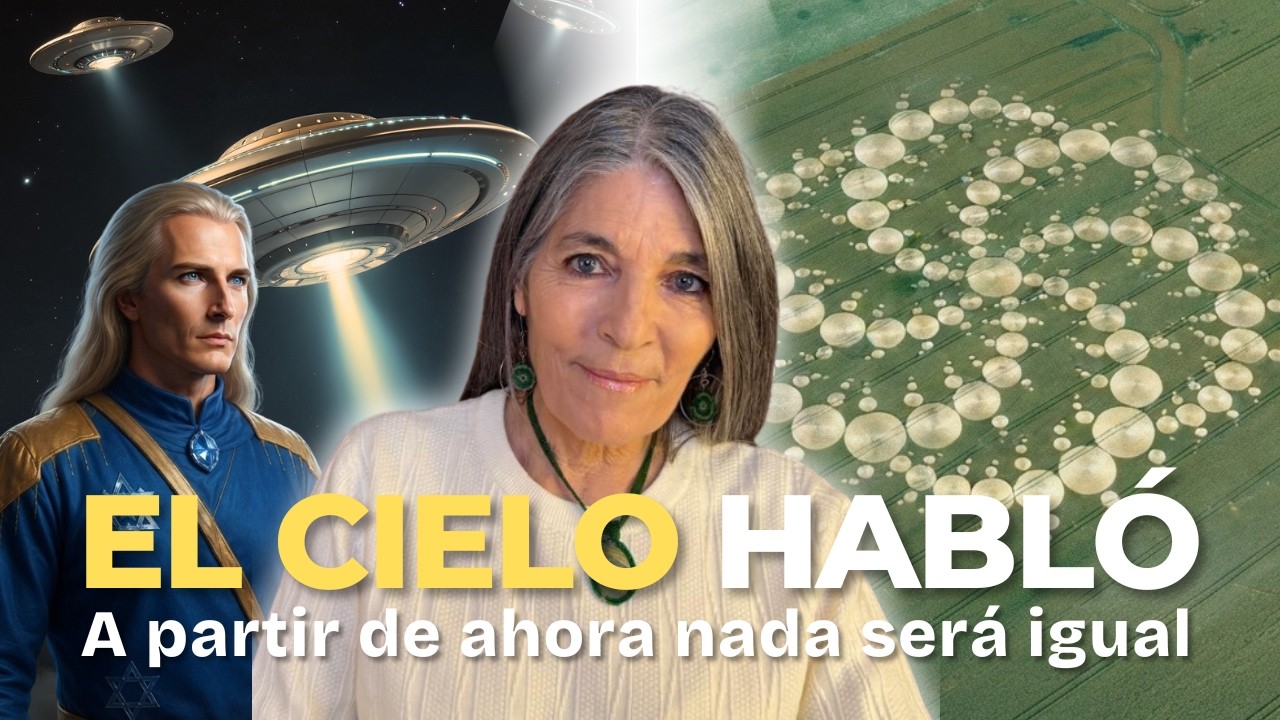
En esta entrevista revela información urgente sobre el fin de este experimento terrestre, la activación biológica del ser humano, la manipulación por razas externas, y el despertar de nuestra consciencia.

Los círculos de las cosechas no son un misterio sin explicación: son mensajes impresos en la Tierra desde hace más de 500 años. En este primer video de "El Gran Salto" te cuento qué son, quién está detrás de ellos, y por qué la temporada 2026 es diferente a todas las anteriores. A través de mi contacto con Ashtar Sheran y los representantes de las 20 razas tutoras de la humanidad, recibí una comunicación que resume 500 años de mensajes en una sola temporada. Te comparto qué significa esto de cara al Gran Salto Dimensional que estamos atravesando como humanidad.
 
Last edited:

BarcelonaAtlantis

Moderator
Staff member
Andrea Miotti, founder and CEO of ControlAI, explains how AI companies are openly racing to build superintelligence while their own leaders warn it could end humanity. He argues the industry is running the tobacco playbook against regulation while spending hundreds of billions to automate AI research.

Tortoise viene de Tortosa el pueblo de Catalunya. Wrong..origin BASQUE.
Goddess-Maia-Correspondences[1].jpg

Wrong.Origin..BASQUE.
29457f5178a1dd4bc1b88caf9e668746[1].jpg

In classical antiquity and early literature, Mallorca, was often draped in myth as distant, wondrous edges of the known world associated with the Garden of the Hesperides/EDEN or the Isle of the Blessed =)
  • The Slingshot Masters: Ancient Greek and Roman writers focused heavily on the legendary prowess of Mallorcan slingers (feneres), who fought as mercenaries in Carthage and Rome and were said to have learned their lethal accuracy by being forced to knock their breakfast off a pole with a stone as children.
  • The Edge of the World: To early Mediterranean voyagers navigating past the Pillars of Hercules, the western islands represented mysterious, semi-mythical outposts before the open, terrifying expanse of the outer ocean.
  • The Myth of Ophiussa: Ancient writers sometimes referred to Mallorca by mystical or descriptive names like Ophiussa (land of serpents), feeding a reputation for wild, untamed landscapes. Mythical Geography: Classical geographers like Strabo and Pliny the Elder transitioned the islands from pure fable into real geography, though tales of hidden riches and rough seas lingered.
En la antigüedad clásica y la literatura primitiva, Mallorca solía estar envuelta en mitos, como un remoto y maravilloso rincón del mundo conocido, asociado al Jardín de las Hespérides/Edén o a la Isla de los Bienaventurados. Los Maestros de la Honda: Los escritores griegos y romanos de la antigüedad se centraron en la legendaria destreza de los honderos mallorquines (feneres), que lucharon como mercenarios en Cartago y Roma y, según se cuenta, aprendieron su letal puntería al ser obligados, de niños, a derribar su desayuno de un palo con una piedra. El Fin del Mundo: Para los primeros navegantes del Mediterráneo que pasaban junto a las Columnas de Hércules, las islas occidentales representaban misteriosos puestos de avanzada, casi míticos, ante la inmensidad del océano abierto y aterrador. El Mito de Ofiusa: Los escritores antiguos a veces se referían a la isla con nombres místicos o descriptivos como Ofiusa (tierra de serpientes), alimentando su reputación de paisajes salvajes e indómitos.
Did you know that the Mallorcan slingers were regarded as one of the most formidable and feared forces of the ancient world?
 
Last edited:

BarcelonaAtlantis

Moderator
Staff member
Adam M. Curry is an inventor and consciousness researcher who won MIT's Ceres Connection Prize at seventeen — for an invention aimed at forecasting earthquakes — and has spent the decades since studying the measurable interface between mind and matter, first at Princeton's Engineering Anomalies Research (PEAR) Lab, then at the Institute of Noetic Sciences. He now directs Entangled, a research organization running experiments in collective consciousness, random-event correlation, and non-local information fields — work that continues PEAR's decades-long question of whether human intention can measurably influence physical systems. He also sits on the board of the Society for Scientific Exploration and works in plasma research and development, following matter's fourth state from combustion engineering into the stranger territory where plasma meets the UAP question. Curry's research asks whether consciousness behaves less like a by-product of the brain and more like the substrate of reality itself: a field that correlates, responds, and may rise and fall with the great cycles of time described in the ancient Yugas. Where quantum information science meets ancient metaphysics, Curry is looking for the data.
Mallorca has historically been seen as a sacred and paradisiacal refuge, a corner of the Mediterranean that ancient legends often placed at the edge of the known world, endowing it with a special mystical charge. The idea that ancient myths were actually coded truths that are now, in this new age of information and consciousness (Aquarius), coming to light, is a very powerful concept within the currents of esoteric philosophy. If we analyze it from that perspective of "revelation" or apocalypse (which in its original Greek root simply means "to lift the veil" or "to reveal the truth"): The end of isolation: What was once a "border of the world" or an inaccessible Eden for the ancients is today a global meeting point. The truth of its beauty and energy is no longer a secret to a select few sailors. The search for the sacred: Many modern researchers and spiritual seekers flock to places like Mallorca (with its caves, the Serra de Tramuntana mountains, and its magnetic currents) seeking to reconnect with the energy of the "Island of the Blessed" described in ancient literature. Aquarius and knowledge: The Age of Aquarius is associated with the fall of old dogmas and the awakening of a deeper understanding of history, myth, and human nature. If you're interested in exploring this idea further, tell me: Would you like to explore the specific myths in classical texts that linked Mallorca to the Garden of the Hesperides/Eden?

La Isla de los Bienaventurados es un lugar mitológico(Mallorca)donde las almas de los héroes y las personas virtuosas pasaban la eternidad en felicidad perfecta. En la mitología griega era el lugar donde las almas encontraban el descanso eterno.
Uso metafórico o literario: Debido a sus playas de agua turquesa, el impresionante paisaje de la Serra de Tramuntana y sus pueblos históricos, muchos escritores, poetas o guías de viaje se refieren poéticamente a Mallorca como un "paraíso" o una "isla bienaventurada" para ensalzar su belleza.

Ofiusa(la tierra de las serpientes) es el más antiguo nombre aplicado a algunos de los territorios de la Península Ibérica.
The architectural style should be very well-known to you. It's the same as in all other former Tartarian countries.

It's been rumored for a long time that Japan played a major role as a naval object of Tartaria in the old war, as there were based strategic ship-building facilities. There is also a lot of historical discrepancies in official history about their fleet of warships at the time of WW1 (they had too many, out of nowhere). They couldn't have built so many ships in a so short period of time based on the economical situation they had during the time of WW1 (according the official history again). But if we keep in mind these photos, we can guess that they received those warships as a part of heritage left from Tartarian times.

There is a great video on this topic, but it's in Russian language
(at least you can see some pictures and text info, the video is about japanese warships during WW1, exactly what I have just written).

Japan embarked on a "Westernization" project starting in the 1860s. Clothes, weapons, architecture, technology.
The film "The Last Samurai" illustrates this topic. It was a quick end to the feudal system of the Samurai and Shoguns.
The Japanese military wanted to be on par with the west, and the war with Russia in 1905 solidified their newfound military might. The Japanese won the naval battles. See: "The Black Dragon Society.
The buildings are no doubt interesting though, and beautiful. I wonder why they chose to emulate the west?
.

Tartaria was obliterated by "Western"(the west was invaded and enslaved by madrid/judeo christianity the enemies of the west)forces through their proxy, Russia(which also was invaded and enslaved)

They opened the doors to the West around 1850, according to the official history. And by the end of the century, they’ve built all these elaborate buildings with ornament and cupola. How is it possible? It doesnt add up.You need the infrastructure, technology, the know-how, the mindset has to change. Time needs to pass to wrap your mind around the new culture and aesthetics you want to adopt. Unless they had an armynof Western engineers and architects working there. and there’s of course the question of how quickly these buildings could be built even in the west.

Perhaps the "Roman"(Basque)(Tartarian) Empire spread farther than we're told?
https://theconversation.com/how-did...ns-end-up-in-a-medieval-japanese-castle-66417


Japan used to be a round island with a white population, settled in Tripoli-Scythia, with large cities and Tripoli's Ten Commandments.
Then there was a catastrophe, most of the island plunged into the water. The capital remained, but became smaller.
After the catastrophe, the island was attacked by Mongoloids, the island was captured.
Most of the white men were killed. The invaders married white women.
Thus were formed the only known white-faced Mongoloids.
Known photo of the last samurai.
The European people of the Ainu(Basque people) have preserved swastikas(stolen by the doomed nazis/impostors from the Basques/real Aryans) and other features of the Tripoli culture.
 
Last edited:
BarcelonaAtlantis

Moderator
Staff member

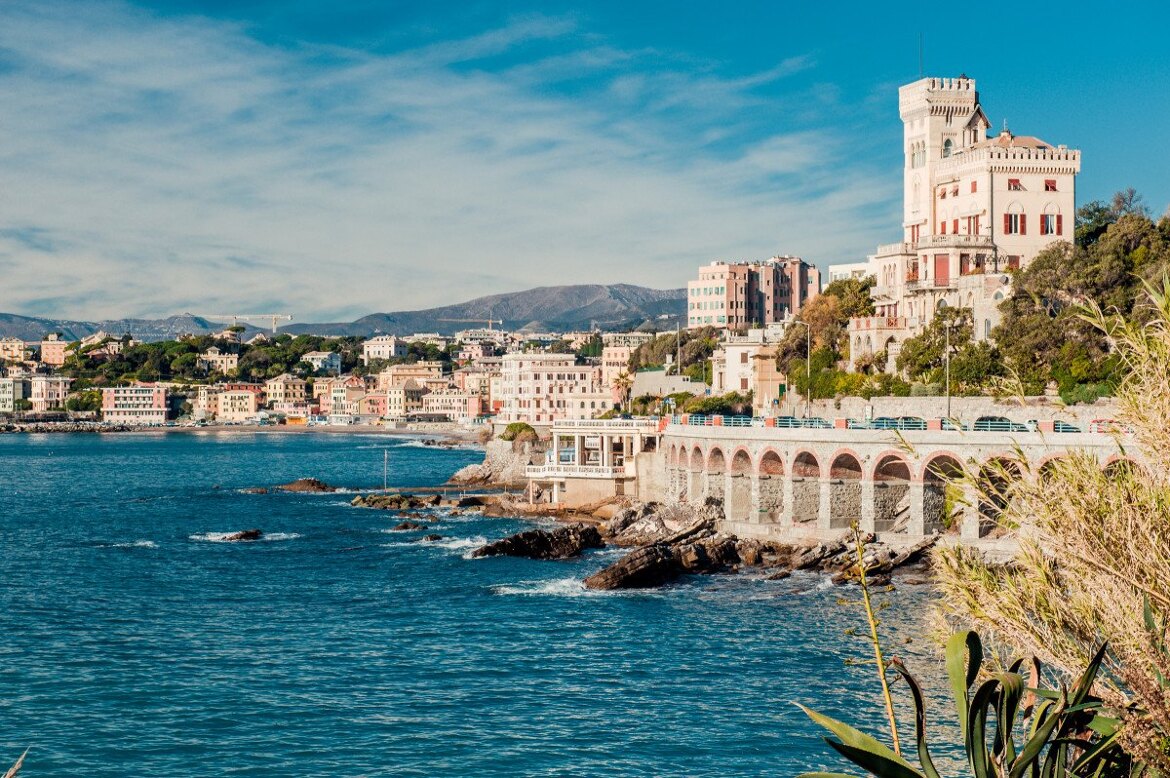
Gènova – El Refugio Elevado de Mallorca con Herencia, Paz y Vistas al Mar​

Situado dramáticamente sobre Palma y ofreciendo impresionantes panorámicas de la bahía y de las colinas cubiertas de pinos, Gènova es un pueblo auténtico y tranquilo que parece estar a mundos de distancia—aunque se encuentre a solo unos minutos de la ciudad. Famoso por su encanto mallorquín, su arquitectura tradicional y sus restaurantes emblemáticos, Gènova es una muestra de la vida isleña más genuina, pero al alcance de todo. El 77% del espacio público son áreas verdes.

En Serneholt Estate, vemos Gènova como el santuario elevado de Mallorca—un refugio de serenidad, refinamiento y vistas espectaculares, tanto visuales como emocionales.

Ubicación y Estilo de Vida: ¿Dónde está Gènova?​

Gènova se asienta en la ladera al oeste de Palma, a lo largo de la carretera serpenteante que sube desde Cala Major y Sant Agustí. Está a tan solo 10 minutos en coche del centro de Palma, pero se siente completamente alejado del bullicio.

Con sus casas de piedra, terrazas panorámicas y calles empedradas, Gènova es perfecto para quienes buscan un estilo de vida mallorquín más tradicional y tranquilo—sin renunciar a la proximidad con la energía de Palma, el aeropuerto internacional o el mar.

Ya seas un jubilado en busca de paz, una pareja que desea privacidad con vistas, o una familia que necesita espacio y seguridad, Gènova es el equilibrio perfecto entre aislamiento y conexión.

B95mbh8olwFQm~uCT2wPZMWqSszRIywfsXGiua9yXwzSdpfLs68Fae1OPUIpoVQVpUBnbFWemyidJ06Nq6S7OCST_HxrYo_uCDgaXnf6Z7pit3byEsW4zHjcqlginjHFNp~BIIayqI3WzdOismvzTpFuMv1DrPgKM2aLOXsm4MLrLsG0.jpeg
Travesia Genova

Gastronomía: El Pueblo Gourmet Escondido de Mallorca​

Gènova es conocido en toda la isla por su herencia gastronómica. Aquí se encuentran algunos de los restaurantes más clásicos y queridos de Mallorca, como Mesón La Rueda, Casa Jacinto y Can Pedro, que han atraído clientes de Palma durante generaciones.

Estos locales ofrecen la cocina mallorquina más auténtica—carnes a la brasa, cordero al horno, lechón y tapas sencillas—servidas en patios verdes o terrazas iluminadas por velas con vistas al mar. Y también está llegando una nueva generación de restaurantes cosmopolitas, que aportan un toque internacional a un ambiente ancestral.

En Serneholt Estate solemos decir: en Gènova, la buena gastronomía siempre está a un paseo—y siempre con vistas.

Compras: Locales, Tranquilas y con la Ciudad a un Paso​

Aunque Gènova es un pequeño pueblo, encontrarás tiendas esenciales, panaderías, una farmacia y ultramarinos a poca distancia a pie. La mayoría de los residentes combinan las compras locales con rápidos trayectos en coche al cercano Porto Pi Centre, al centro de Palma o a los mercados semanales de Calvià o Santa Catalina.

Esta mezcla de vida apacible con grandes comodidades a solo 10 minutos convierte a Gènova en un lugar único y libre de estrés para vivir.

Vista aérea que muestra la distribución de áreas verdes en Palma.
Los espacios verdes urbanos incluyen parques, zonas ajardinadas y arbolado del espacio público y privado.
El 37% de la ciudad de Palma está cubierta de vegetación abundante y el 28% de vegetación dispersa. La vegetación en Palma se ubica mayoritariamente en la periferia urbana. Los espacios más verdes están en el suroeste, en bosques de Bellver y la sierra de Tramuntana.
Los barrios más verdes son Gènova, Sant Agustí, Son Vida, Son Roca y Son Rapinya. El resto de la ciudad está salpicada por parques, jardines y ejes verdes de menor densidad arbórea.

Cycle tourism has transformed Mallorca from a quiet seasonal beach destination into Europe's premier year-round cycling capital

Mallorca has established itself as Europe’s ultimate cycling destination, drawing hundreds of thousands of amateur riders and professional teams to its world-class road network every spring and autumn. But behind the scenic coastal climbs and sunlit training rides, a massive debate is brewing. How well is Mallorca truly adapting to this cycling boom, and who is paying the price?

Odysseus was a Basque/divine man...
 
Last edited:
BarcelonaAtlantis

Moderator
Staff member

Why is Mallorca set to be in the spotlight in 2026?​

Tax stability, major infrastructure investment and a new generation of globally mobile buyers are reshaping Mallorca's property scene

Palma’s €550 million airport expansion, alongside the regeneration of the Paseo Marítimo waterfront and the new Club de Mar super yacht marina is reshaping mobility and enhancing long-term appeal. The island now has links to 166 destinations served by 52 airlines.

Improved connectivity has been a catalyst for strengthening inward demand. The launch of the New York–Palma direct route has accelerated interest from the US. Plus, with Etihad Airways due to launch a new three-times-a-week Abu Dhabi service from June 2026, Middle East interest is also likely to increase.

Where’s in demand?​

The south-west – from Port d’Andratx to Bendinat and Portals – retains its blue-chip status, with sea-view villas surpassing €15 million. German, British and Nordic buyers remain strongest here.

In the north-west, Deià, Sóller and Valldemossa remain highly desirable among design-focused buyers, though stock levels – particularly between €6 million and €10 million – are exceptionally tight.

Why They’re Buying​

Security, political stability and quality of life remain Mallorca’s strongest drawcards. Buyers consistently highlight the island’s excellent healthcare, led by Quirón salud Hospitals in Palma, and its network of top-tier international schools such as Queen’s College to the west of Palma

Add in German-quality construction standards and the ease of reaching almost any part of the island within an hour from Palma Airport, and Mallorca offers a rare blend of comfort and connectivity.

Arguably, the east coast has become the story of 2025. Santanyí, Porto Petro and Porto Colom are experiencing a renaissance, with transactions strengthening. Buyers are drawn to authenticity, privacy and significantly better value: high spec 500 square metre villas are typically between €6 million and €6.5 million, roughly half the price of those in the southwest.

For many British and American professionals, the island represents a “cultural middle ground” – safe, sophisticated, and effortlessly European. https://www.knightfrank.co.uk/research/article/2025/12/mallorcas-set-to-be-the-spotlight-in-2026

Discover how Mallorca is reinventing itself as a luxury destination, offering exclusive experiences, upscale properties, and a unique lifestyle. In Palma de Mallorca, you'll encounter a fascinating upscale gastronomic scene that skillfully combines tradition and innovation.For those who crave culture, history, and the convenience of a year-round city, Palma is the undisputed champion. It's a city that has it all

Palma de Mallorca: El corazón cosmopolita​

Para aquellos que anhelan la cultura, la historia y la comodidad de una ciudad activa durante todo el año, Palma es la campeona indiscutible. Es una ciudad que lo tiene todo: una impresionante catedral gótica con vistas al mar, sinuosas calles históricas, restaurantes de primera clase, tiendas de diseño y una vibrante comunidad internacional. Además, el aeropuerto internacional está a solo 10 minutos en coche.

H3: Casco Antiguo​

Comprar en el Casco Antiguo significa poseer un pedazo de historia. Aquí encontrará apartamentos bellamente restaurados en antiguos palacios, a menudo con patios escondidos y terrazas en la azotea que ofrecen vistas sorprendentes. Es un laberinto de encanto, perfecto para aquellos que quieren estar en el centro neurálgico de la cultura y la gastronomía.

H3: Santa Catalina​

Justo fuera de las antiguas murallas de la ciudad, Santa Catalina conserva un aire bohemio y de pueblo. Es famosa por su bullicioso mercado, un paraíso para los amantes de la gastronomía rodeado de una cuadrícula de calles repletas de restaurantes innovadores y cafeterías de estilo escandinavo. Las propiedades son una mezcla de casas tradicionales y apartamentos modernos, que atraen a un público internacional vibrante y creativo.

H3: Portixol & Molinar​

Lo que antes eran humildes pueblos de pescadores son ahora los distritos costeros más cotizados de Palma. Un hermoso paseo marítimo rodea la bahía, concurrido por ciclistas, corredores y locales que disfrutan de la brisa marina. La propiedad aquí se caracteriza por apartamentos modernos con vistas al mar y casas tradicionales cuidadosamente reformadas, que ofrecen un estilo de vida de playa relajado a las puertas de la ciudad.

H3: Son Vida​

Situada en las colinas que dominan la ciudad, Son Vida es sinónimo de lujo. Este exclusivo enclave alberga tres campos de golf de campeonato, dos hoteles de cinco estrellas y algunas de las villas más espectaculares y privadas de la isla. Si busca terrenos amplios, máxima privacidad e impresionantes vistas de la bahía de Palma, Son Vida es la cúspide.

La Serra de Tramuntana: Majestuosidad Patrimonio de la Humanidad por la UNESCO​

A lo largo de la costa noroeste de la isla, la Serra de Tramuntana es un espacio protegido, Patrimonio de la Humanidad por la UNESCO, de una belleza sobrecogedora. Es un paisaje de espectaculares picos de piedra caliza, antiguos olivares y pueblos de piedra aferrados a laderas que se hunden en el mar turquesa. Aquí la vida transcurre a un ritmo más lento y sosegado.

H3: Deià​

Famosa por ser el hogar de adopción del poeta Robert Graves, Deià tiene un encanto místico que ha atraído a artistas y escritores durante un siglo. Es un pueblo de casas de piedra de color miel, restaurantes sofisticados e impresionantes vistas de la costa. La propiedad es escasa y muy codiciada, lo que la convierte en una de las direcciones más exclusivas y caras de la isla.

H3: Valldemossa​

A solo 20 minutos en coche de Palma, Valldemossa es un pueblo de postal conocido por su Cartuja, donde Chopin y George Sand pasaron un famoso invierno. Las calles empedradas están inmaculadas, bordeadas de casas con contraventanas verdes y encantadoras cafeterías. Es un lugar turístico popular, pero conserva su magia auténtica, especialmente en las tranquilas noches.

H3: Sóller & Port de Sóller​

Ubicado en un frondoso valle de naranjos y limoneros, Sóller es un hermoso pueblo con una animada plaza central. Un tranvía de madera de época conecta el pueblo con su encantador puerto, Port de Sóller, que se asienta en una bahía perfecta en forma de herradura. Esta combinación de un pueblo vibrante y un puerto relajado hace que la zona sea especialmente atractiva, ofreciendo lo mejor de la montaña y el mar.

El Suroeste: Glamour, puertos deportivos y puestas de sol​

El suroeste es el corazón consolidado de la escena internacional de alto nivel de Mallorca. Cuenta con puertos deportivos de clase mundial, excelentes colegios internacionales y una infraestructura bien desarrollada que lo hace cómodo para vivir todo el año. Este es el lugar para disfrutar de gloriosas puestas de sol, animados clubes de playa y fácil acceso a todas las comodidades que pueda desear.

H3: Port d'Andratx​

Considerado uno de los puertos más bellos del Mediterráneo, Port d'Andratx es chic, elegante y sofisticado. El paseo marítimo está repleto de restaurantes excepcionales y boutiques de diseño, mientras que las laderas están salpicadas de magníficas villas con sublimes vistas al mar. Es uno de los favoritos de la jet set internacional por una buena razón.

H3: Portals Nous & Bendinat​

Sede del glamuroso puerto deportivo de Puerto Portals, esta zona rebosa de energía. Superyates bordean el puerto, y las calles circundantes cuentan con tiendas de moda de alta gama y restaurantes de lujo. La proximidad a Palma, a varios colegios internacionales y al Real Golf de Bendinat la hace increíblemente popular entre las familias que buscan un estilo de vida lujoso y cómodo.

H3: Santa Ponsa​

Santa Ponsa ofrece una mayor variedad de estilos de vida y propiedades. Tiene una gran playa de arena, un animado centro urbano y su propio club de campo y puerto deportivo. Aunque atiende bien a los veraneantes, las frondosas zonas residenciales de Nova Santa Ponsa albergan algunas espectaculares villas en primera línea y atraen a una gran y consolidada comunidad de residentes internacionales.
 
Last edited:

BarcelonaAtlantis

Moderator
Staff member
Tartarian bloodlines linked to Basque and Western Irish populations

Those of you that have read my first book, Tesla & The Cabbage Patch Kids, will know that the subject of Tartaria has become a huge part of my life. Since then I’ve continued my research in preparation for a sequel, often looking for clues in the most unlikely of places.
Whilst giving talks and during interviews, I’ve referred to Tartaria as being an echo of Atlantis. Not simply because of the architecture and the symbolism associated with it, but because of the knowledge that appears to have been shared between these two, once great, civilisations. However, what I didn’t realise until recently is that there is actually evidence pointing directly to where Tartarian bloodlines still exist today.
On page 180 of an article published in The Freemason, dated the 23rd of March 1872, the following statement is made:
“All that is left of the Great Euskardian or Iberian stock, belonging to the Ugo Tartarian races, which spread over Western Europe are the Basques in Spain and some of the Western Irish.”
This is one of the clearest references I’ve seen, linking Tartarian ancestry to living populations today. Moreover, it’s extremely significant, because it suggests that Tartarian influence extended far deeper into Western Europe than most people assume.
It also provides a clearer picture of what many Tartarians may have actually looked like. Both the Basque region and Western Ireland have long been associated with physical traits such as fair or red hair, blue or green eyes and of course, the RH Negative blood group.
This suggests that many descendants of Tartaria may still carry recognisable characteristics, even if they have no knowledge of their deeper origins. Some may know exactly who they are, while others may be completely unaware of the history carried in their bloodline and the memories of their ancestors held within their DNA?
If Tartaria truly was an echo of Atlantis, then these surviving bloodlines represent one of the last remaining links to a far older world…
If you would like to find out more about my work, read my blogs or purchase signed copies of my books, please visit my website. All three titles are also on Amazon, where Kindle and Audible are available too!
Best wishes,
Guy Anderson - Author
Tesla & The Cabbage Patch Kids
Rise of the Clones: The Cabbage Patch Babies
Conspiracy Theories: From Agartha To Zombies
www.thetartarianempire.co.uk
 
Last edited:

BarcelonaAtlantis

Moderator
Staff member

Palma has seen trendy new boutique hotels cementing it as a year-round city break destination that's chic as well as cultured.
For years, travelers looked at Mallorca as Ibiza’s quieter neighbor. But lately, something has shifted.

The island has quietly become one of the most sophisticated summer destinations in Europe, attracting travelers who care less about scene and more about experience. Food lovers. Design enthusiasts. Creative travelers. People searching for places that still feel emotional rather than overly commercialized.

And honestly, Mallorca may be having its best moment yet.
Why Mallorca Feels Different
The beauty of Mallorca is that the island constantly changes moods.

Palma feels cosmopolitan and energetic. Deià feels artistic and cinematic. Sóller carries that nostalgic Mediterranean charm. The southeast feels untouched and slow. The mountains somehow make the coastline feel even more dramatic.

You can spend the morning wandering through historic streets, the afternoon swimming in crystal-clear water, and the evening having dinner under olive trees while music drifts through the air.

Nothing ever feels too far away.
But what truly separates Mallorca from many Mediterranean destinations right now is balance.

The island offers incredible luxury hospitality, but it rarely feels flashy. Some of the most beautiful hotels sit quietly inside restored monasteries, centuries-old fincas, or historic palaces surrounded by olive groves and citrus trees.

Luxury here feels integrated into everyday life rather than placed on top of it.

And that changes the entire feeling of the trip.
Most travelers underestimate Palma.

That’s usually their first mistake.

Palma is easily one of the most underrated small cities in Europe right now. It has the architecture and history people expect from Spain, but with a calmer, more refined energy than Barcelona during the summer months.

Mornings here start slowly.
Coffee in hidden courtyards. Fresh pastries from local bakeries. Quiet walks through the old town before the streets fully wake up. The Cathedral of Santa Maria glowing against the morning light.

Then the city transforms throughout the day.

Locals spill into cafés. Aperitivo hour stretches into dinner. Small wine bars fill narrow alleyways late into the evening. The energy feels vibrant without becoming overwhelming.

And the food scene has become genuinely impressive.
Mallorca’s culinary identity feels deeply connected to the island itself right now. Chefs are leaning heavily into local ingredients, traditional recipes, fresh seafood, olive oil, citrus, and produce grown directly on the island.

Lunches become events without trying to.

Grilled prawns from Sóller. Tomato salads covered in local olive oil. Fresh fish caught that morning. Ice-cold white wine under linen umbrellas while the summer heat settles over the city.

The pace naturally slows down.

Hotels like Sant Francesc, Palma Riad, Can Cera, and Portella Palma have completely elevated the city’s hospitality scene while still preserving the soul of the old town. Staying in Palma for a few nights allows you to experience Mallorca beyond just the beaches.

And honestly, that’s where the island starts becoming special.

The Deià Effect

Then there’s Deià.

And no matter how many times people describe it, nothing fully prepares you for arriving there for the first time.

The drive alone feels cinematic.
Sharp cliffs dropping into the Mediterranean. Olive groves layered across the mountains. Tiny stone villages appearing around each curve of the road.

For decades, Deià has attracted artists, writers, musicians, and creatives searching for inspiration and quiet. And somehow, despite its global reputation now, it still maintains that feeling.

You immediately understand why people fall in love with this side of Mallorca.

At the center of it all sits one of the Mediterranean’s most iconic hotels.
Belmond La Residencia

The property feels less like a hotel and more like a natural extension of the village itself. Stone pathways winding through gardens. Hidden terraces overlooking the mountains. Local art filling every corner. Citrus trees everywhere.

La Residencia helped define what luxury in Mallorca could look like long before the island became globally fashionable.Mallorca has many incredible hotels today, but few properties capture the spirit of the island as naturally as La Residencia.Mallorca’s hotel scene has evolved tremendously over the last few years, but what makes the island special is how different each property feels depending on where you stay and the mood you’re chasing.

Why Mallorca Feels So COZY

Mallorca doesn’t try too hard.

That may actually be its greatest strength.

The island simply invites you into a better rhythm.

You wake up slower. Meals become longer. Conversations stretch later into the evening. Your phone disappears for hours without noticing. Days revolve around sunlight, swimming, food, and people rather than schedules.

And somewhere along the way, summer starts feeling the way it’s supposed to feel again.

Warm. Relaxed. Beautiful. Intentional.

That’s what makes Mallorca so special.

The island changes dramatically depending on where you stay, when you go, and the kind of experience you want to create. The right hotel, the right side of the island, and the right pace can completely shape the trip.Once synonymous with sun and sangria mass tourism, Palma has reinvented itself as one of the most elegant destinations in Spain.
 
Last edited:

BarcelonaAtlantis

Moderator
Staff member
Mallorca, the largest of the Balearic Islands, has undergone a major transformation in recent years. While it was long known as a vacation destination for families and package tourists, the island has increasingly developed into an exclusive hotspot that rivals the luxury of Ibiza. In this article, we take a look at the reasons for this transformation and what this means for the real estate market in Mallorca.

  1. The transformation from tourist stronghold to luxury paradise
    In the 1980s and 1990s, Mallorca was primarily known as a destination for cheap package holidays. But in the last two decades, the image of the island has changed dramatically. Today, Mallorca attracts not only families and sun-seekers, but also the international elite, celebrities and investors. This change is the result of targeted investment in high-quality infrastructure and luxury projects.
    A look at developments in recent years shows how strongly the luxury segment has established itself on Mallorca:

    Luxury hotels and resorts: Numerous exclusive hotels and resorts have opened on the island, including renowned brands such as Cap Rocat and Jumeirah. These offer their guests not only exceptional comfort, but also a high degree of privacy, which is particularly attractive to celebrities.

    Gourmet restaurants: Mallorca's gastronomic scene has developed rapidly. Today, there are numerous Michelin-starred restaurants that represent the culinary diversity of the island. The growth of upscale gastronomy attracts gourmets from all over the world.

    Luxury yachts and marinas: Yacht tourism is booming on Mallorca. The island boasts some of the best marinas in the Mediterranean, including Port Adriano and Puerto Portals. These ports are not only a magnet for yachts, but also for luxury shopping and fine dining.


  2. Comparison with Ibiza: On the trail of the luxury boom
    Ibiza has been known as a party island and luxury destination for decades. In recent years in particular, the island has made a name for itself with its exclusive club scene, luxurious beach clubs and villas in the hills. Mallorca now seems to be following suit, but with its own, somewhat quieter charm.

    Less party, more exclusivity: While Ibiza is famous for its vibrant club scene, Mallorca focuses more on luxury and exclusivity. This is reflected in the growing number of boutique hotels, private villas and quiet retreats that offer a luxurious lifestyle away from the hustle and bustle.

    Sustainability and authenticity: In contrast to Ibiza, Mallorca has placed a greater focus on sustainable tourism and the preservation of the island's natural beauty. Many luxury projects integrate harmoniously into their surroundings and place great importance on preserving the Mallorcan culture and landscape.


  3. The real estate market: Mallorca as an attractive investment destination
    The growing demand for luxury properties has had a significant impact on the real estate market in Mallorca in recent years. More and more international buyers are interested in villas, fincas and apartments in the most sought-after locations on the island. Places such as Andratx, Nova Santa Ponsa,Deià, Valldemossa and the regions around Palma and Sóller are in particular demand.

    Price increases: Prices for luxury properties on Mallorca have risen continuously in recent years. Exclusive properties near the sea or with spectacular views in particular are fetching top prices.

    Diverse offer: The properties on offer range from modern villas and historic fincas to stylish apartments. Properties with traditional Mallorcan elements that reflect the charm of the island combined with modern luxury are particularly popular.

    Attractiveness for investors: Mallorca is considered a safe haven for real estate investments. The stable economic and political situation, combined with the high quality of life and pleasant year-round climate, makes the island a sought-after location for investors from all over the world.


  4. Outlook: Mallorca on the way to the top
    Mallorca has shown in recent years that it has the potential to become one of the leading luxury destinations in the Mediterranean. The island offers a perfect combination of natural beauty, high-quality infrastructure and a lively yet relaxed atmosphere that is attractive to both vacationers and residents.

    With the continuous investment in luxury projects and the increasing demand for exclusive properties, it seems only a matter of time before Mallorca is finally perceived as the "new Ibiza" - but with its very own, unmistakable character.
Conclusion
Mallorca has undergone a remarkable development in recent years. The island is following the luxury trend of Ibiza, while remaining true to its own identity. For real estate buyers and investors, this means exciting opportunities to invest in one of the Mediterranean's most up-and-coming regions. If you are looking for a luxury retreat or an investment that will retain its value, now is the time to take a closer look at the real estate market in Mallorca.

Mallorca has a long tradition of producing quality olive oil. Around 90% of the island's olive trees are more than 500 years old.

Deva Shatki- Una Mujer entrenada para ayudar en estos momentos tan difíciles en que se encuentra la Poblacion en el Mundo entero. 🌍✨ Estamos viviendo tiempos apocalípticos. Todo lo que antes estaba oculto, ahora sale a la luz. Las máscaras caen, las verdades se revelan, y el alma humana se pone a prueba como nunca antes

Exploramos lo que muchos ya sienten en su interior: que el mundo está cambiando, que hay una guerra por la conciencia, y que no todos los que caminan entre nosotros son realmente humanos. Algunas teorías aseguran que solo el 20% de la población tiene alma, y el resto... son solo actores de relleno en este gran escenario. 💗 Pero hay una clave para todo esto: el amor. Sin amor, no podemos elevar nuestra frecuencia. Sin amor, no hay despertar verdadero. Los que aman de verdad vibran distinto. Son los que vinieron a encender la llama en medio del caos. 🚨 No te pierdas esta conversación reveladora, profunda y directa al alma.
 
Last edited:

BarcelonaAtlantis

Moderator
Staff member
 
Last edited:
Top