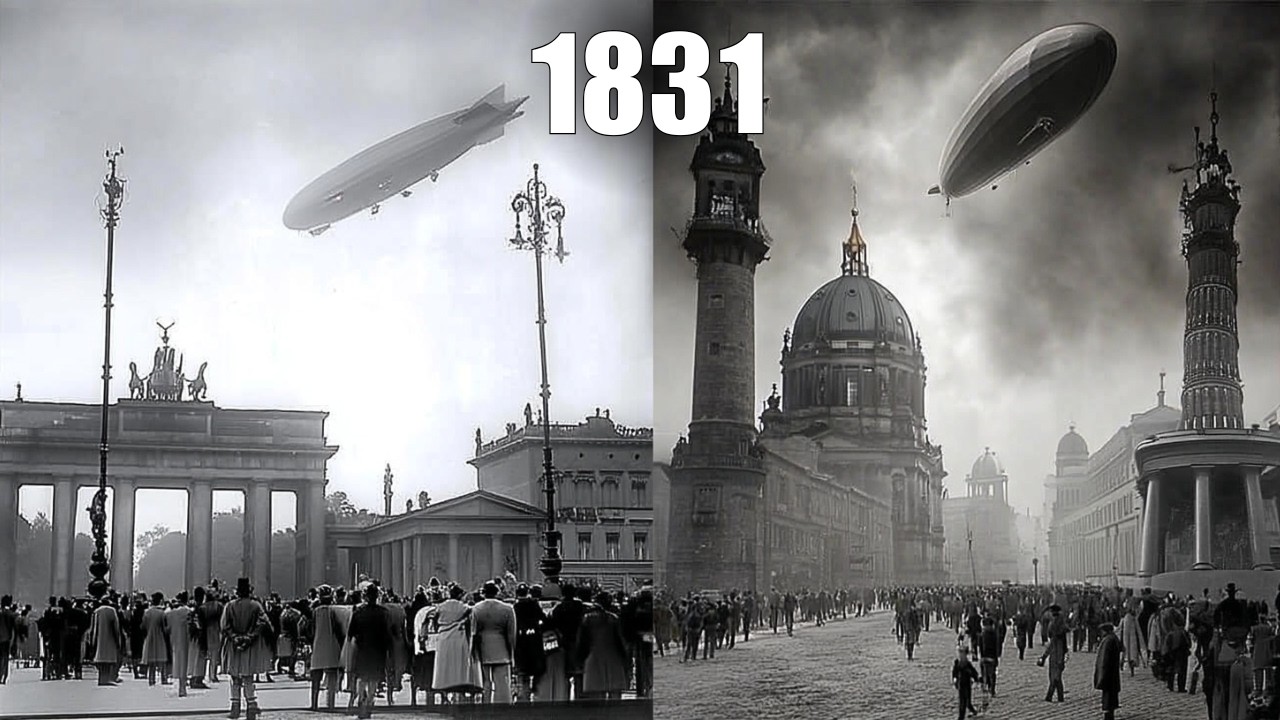
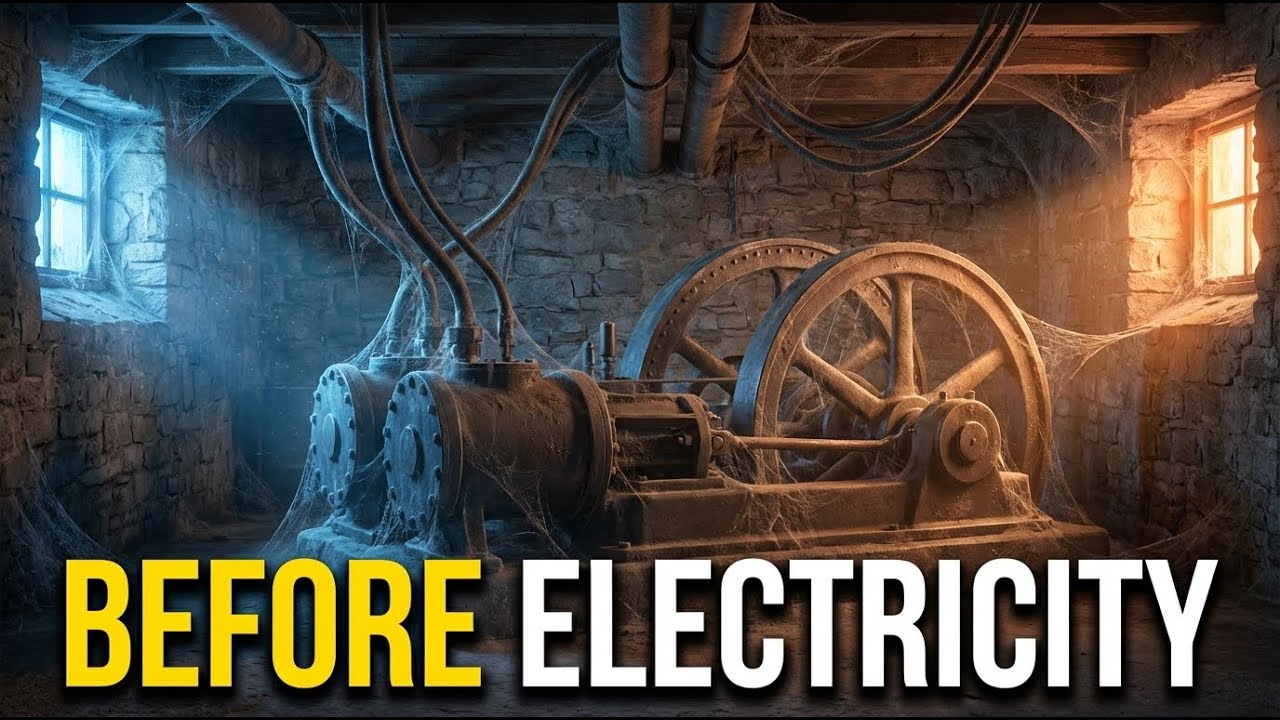
Deep beneath Europe's most beautiful old buildings, restoration crews keep finding the same thing: sealed chambers filled with copper channels, vertical shafts, and mounting platforms where heavy machinery once stood—but every official record has been erased. From Prague to Bucharest, Vienna to Riga, these technical rooms appear in dozens of civic buildings from the 1880s, all built to identical specifications, all stripped of their equipment in the 1950s, all relabeled as "storage" or "maintenance." The brass plates say "Resonance Unit." The dust patterns show sustained vibration. The archives have pages cut out with knives. Someone built a network of something across Europe, used it for decades, then systematically erased every explanation of what it did—but they couldn't erase the rooms themselves, and now researchers are finding the fragments they left behind
On 18th-century maps, one name dominates half of Asia—bigger than Rome, bigger than any empire you learned about in school: Tartaria. It stretches from the Caspian Sea to the Pacific, labeled clearly by cartographers across Europe for over a century. Then, without warning, without explanation, it vanishes completely from modern textbooks and maps. Was it just a vague geographic term that fell out of use, or did empires deliberately erase something too big, too complex, too inconvenient to remember? This isn't about conspiracy theories or lost civilizations—it's about something more disturbing: how easily history can be compressed, renamed, and forgotten when it doesn't fit the narrative. Dive into the mystery of the label that covered half the world, the silence that followed its disappearance, and the uncomfortable question that remains: if something this massive can vanish from memory... what else have we forgotten?
Ever notice how the same three creatures—eagles, lions, and griffins—appear above old buildings in almost every major city? Not randomly. Not as decoration. In the exact same types of places: eagles on courthouses and post offices, lions on bridges and gates, griffins on banks and train stations. Across rival empires, different languages, and conflicting political systems. And here's the disturbing part: when you dig into the archives, the pages explaining these symbols are torn out, the photographs are retouched to hide them, and buildings with these marks were systematically demolished throughout the 20th century—yet the symbols themselves refuse to disappear. What if these beasts weren't just art, but labels? A forgotten code stamped into stone that turned the entire city into a readable machine. A system so old that empires inherited it without understanding it. And the evidence is still there—right above your head—waiting for someone to finally decode what it means.
These gates weigh over six hundred kilograms. The hinges are fourteen millimeters thick. They should have seized a century ago. But when you push them… they glide like they're weightless. No grinding. No rust. No explanation in the archives. The repair logs list every kilogram of iron—but the hinge design? Missing pages. Torn out clean. We traced them across nine countries. Found hidden counterweights inside stone pillars. Lubricant formulas that outlasted the men who mixed them. And a workshop that never officially existed. This is not Tartaria. This is something stranger. Something real.
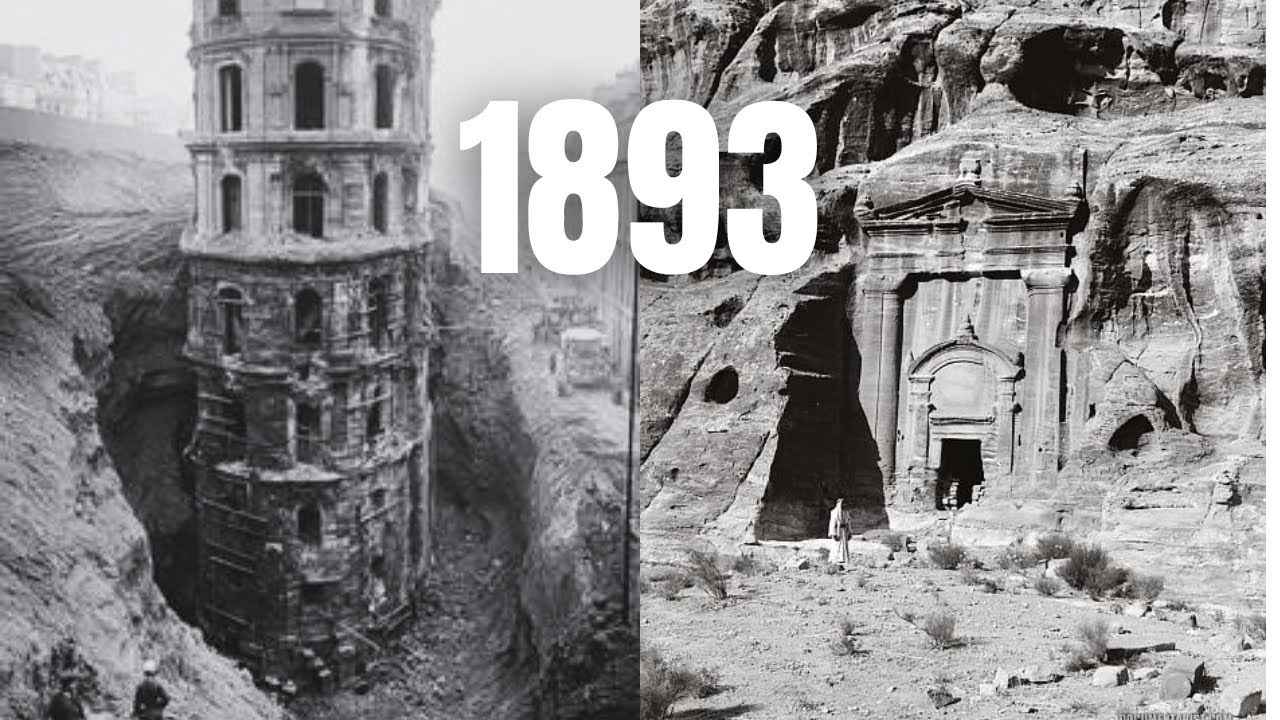
The doors are too tall. The stairs are too wide. The basements look like underground cathedrals — beneath buildings that were "supposed" to be simple. And it's not just one city. It's not one empire. It's not one architect with a taste for grandeur. The same "too big" pattern repeats across continents. Europe. Russia. America. The same oversized corridors. The same impossible foundations. The same stone precision in places no one was ever meant to see. Like someone was following a blueprint we were never supposed to find. But here's where it gets strange. When researchers started digging — after fires, after floods, after wars — they found layers that didn't match the timeline. Floors beneath floors. Sealed passages that continued past where buildings should end. Chambers stripped of equipment that no one documented. And then the records went quiet. Photographs got cropped. Archives got thin. Entire sections marked "origin unknown" or "not surveyed" — and never mentioned again. This wasn't decoration. This wasn't rich people showing off. This was a system. Built for movement. Built for water. Built for power. And someone needed it buried. In this documentary, we trace the evidence across cities and centuries. We break down the patterns. We confront the explanations — and we show you what still doesn't fit. What was this system actually built for? Who built it? And why did the story we inherited leave so much out? The investigation starts now.
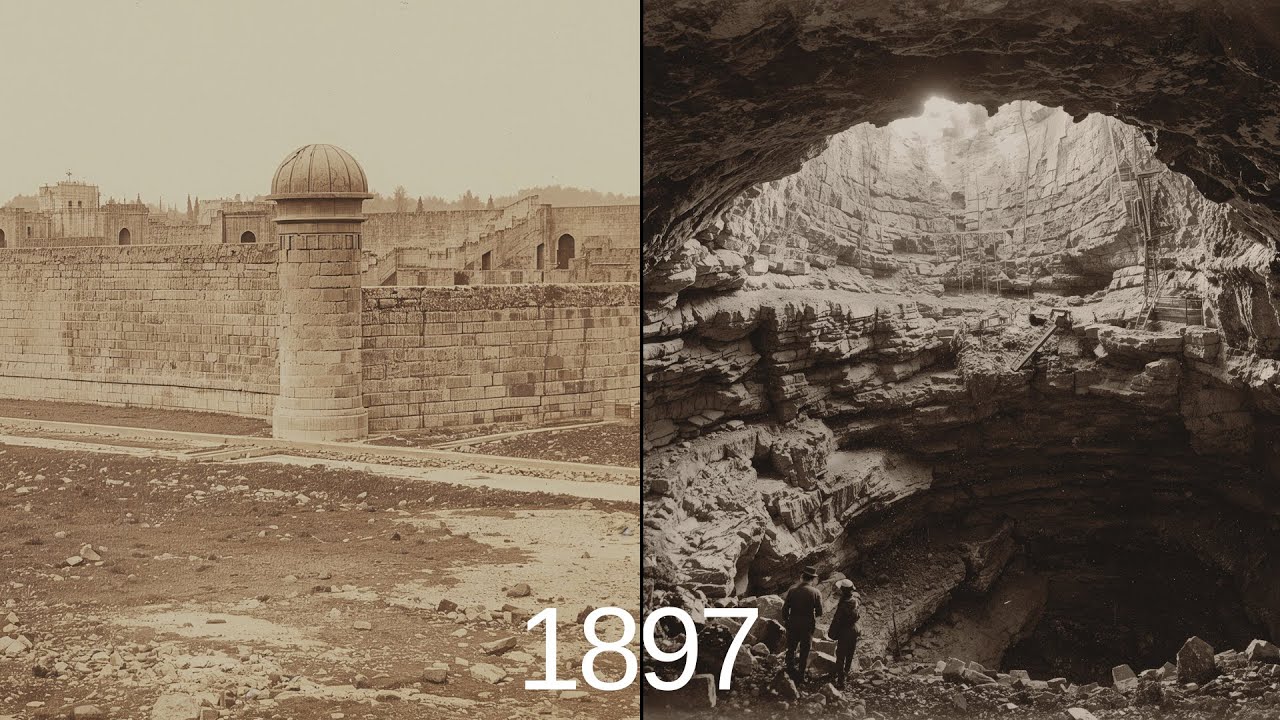
Every old city has streets that aim at one exact point—not roughly, not approximately, but with mathematical precision. And at that point? Nothing. No monument. No building. No explanation. Old photographs show structures there. Modern maps show empty space. We have better tools now, more money, more engineers—but we don't build like this anymore. Not because we can't. Because we stopped. What was at the center of these streets—and why did someone erase it from every record?
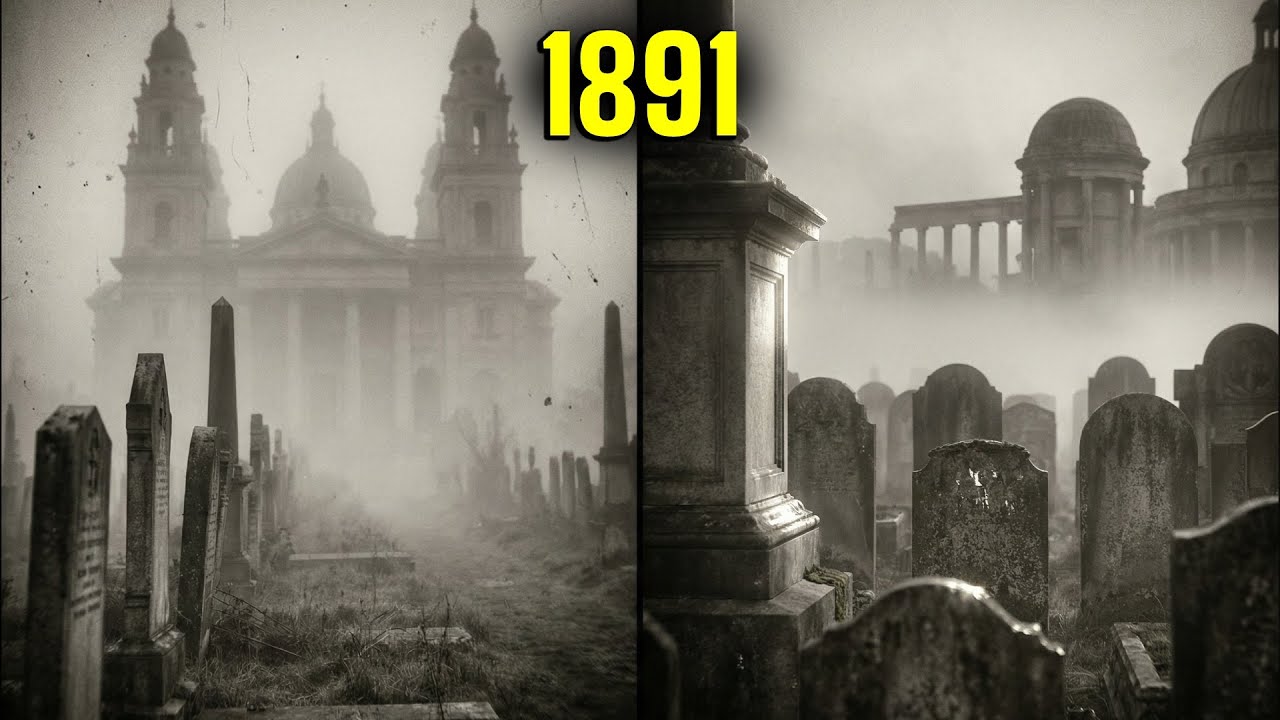
Some tombstones weigh four tons. They have bolt patterns. Threaded holes. Metal stains where something used to be attached.
And the old photographs show spheres on top—spheres that disappeared from every cemetery between nineteen seventeen and nineteen twenty-two.
The records say these are normal graves. The measurements say otherwise.
We traced the pattern across three continents. We found suppressed patents. Falsified burial registers. Names that don't exist in any census.
Someone built a network and hid it inside graveyards. Then someone erased it.
This is the investigation no archive wanted us to finish.
 www.youtube.com
Prisons with cathedral ceilings, opera-house acoustics, and hand-carved stonework that rivals royal palaces—yet we're told these were built to cage criminals. The basements are sealed. The blueprints predate official construction by decades. The same impossible architecture appears in Philadelphia, Vienna, Moscow, and Sydney—cities with no connection to each other. And when researchers started asking questions, the archives burned. These weren't prisons. They were something else. Something older. Something erased. And the evidence is still standing.
www.youtube.com
On old city plans, entire blocks are labeled "Technical Institute." Then you check the modern map — and the label is gone. Not renamed. Erased. These buildings don't look like palaces. They look like laboratories disguised as architecture. Acoustic halls that carry whispers across forty meters. Ventilation shafts that cool rooms without electricity. Measurements that repeat — identically — across nine thousand kilometers and eleven countries. We found forty-three of them. Same proportions. Same design logic. Same mysterious disappearance from the historical record — all within the same forty-year window. Supply orders list laboratory equipment for buildings labeled "storage." Personnel files name instructors at institutions that officially never existed. A journal from eighteen seventy-six describes a training system with no textbooks — where the building itself was the lesson. And then, around eighteen ninety, everything stops. The records end. The labels change. The names vanish. If these universities trained the engineers who built the impossible cities — who decided we weren't supposed to know?
On 18th-century maps, one name dominates half of Asia—bigger than Rome, bigger than any empire you learned about in school: Tartaria. It stretches from the Caspian Sea to the Pacific, labeled clearly by cartographers across Europe for over a century. Then, without warning, without explanation, it vanishes completely from modern textbooks and maps. Was it just a vague geographic term that fell out of use, or did empires deliberately erase something too big, too complex, too inconvenient to remember? This isn't about conspiracy theories or lost civilizations—it's about something more disturbing: how easily history can be compressed, renamed, and forgotten when it doesn't fit the narrative. Dive into the mystery of the label that covered half the world, the silence that followed its disappearance, and the uncomfortable question that remains: if something this massive can vanish from memory... what else have we forgotten?
These gates weigh over six hundred kilograms. The hinges are fourteen millimeters thick. They should have seized a century ago. But when you push them… they glide like they're weightless. No grinding. No rust. No explanation in the archives. The repair logs list every kilogram of iron—but the hinge design? Missing pages. Torn out clean. We traced them across nine countries. Found hidden counterweights inside stone pillars. Lubricant formulas that outlasted the men who mixed them. And a workshop that never officially existed. This is not Tartaria. This is something stranger. Something real.
The doors are too tall. The stairs are too wide. The basements look like underground cathedrals — beneath buildings that were "supposed" to be simple. And it's not just one city. It's not one empire. It's not one architect with a taste for grandeur. The same "too big" pattern repeats across continents. Europe. Russia. America. The same oversized corridors. The same impossible foundations. The same stone precision in places no one was ever meant to see. Like someone was following a blueprint we were never supposed to find. But here's where it gets strange. When researchers started digging — after fires, after floods, after wars — they found layers that didn't match the timeline. Floors beneath floors. Sealed passages that continued past where buildings should end. Chambers stripped of equipment that no one documented. And then the records went quiet. Photographs got cropped. Archives got thin. Entire sections marked "origin unknown" or "not surveyed" — and never mentioned again. This wasn't decoration. This wasn't rich people showing off. This was a system. Built for movement. Built for water. Built for power. And someone needed it buried. In this documentary, we trace the evidence across cities and centuries. We break down the patterns. We confront the explanations — and we show you what still doesn't fit. What was this system actually built for? Who built it? And why did the story we inherited leave so much out? The investigation starts now.
Every old city has streets that aim at one exact point—not roughly, not approximately, but with mathematical precision. And at that point? Nothing. No monument. No building. No explanation. Old photographs show structures there. Modern maps show empty space. We have better tools now, more money, more engineers—but we don't build like this anymore. Not because we can't. Because we stopped. What was at the center of these streets—and why did someone erase it from every record?
Some tombstones weigh four tons. They have bolt patterns. Threaded holes. Metal stains where something used to be attached.
And the old photographs show spheres on top—spheres that disappeared from every cemetery between nineteen seventeen and nineteen twenty-two.
The records say these are normal graves. The measurements say otherwise.
We traced the pattern across three continents. We found suppressed patents. Falsified burial registers. Names that don't exist in any census.
Someone built a network and hid it inside graveyards. Then someone erased it.
This is the investigation no archive wanted us to finish.
Tartarian giant cemeteries — why some old tombstones are too large for ordinary people.
Some tombstones weigh four tons. They have bolt patterns. Threaded holes. Metal stains where something used to be attached.And the old photographs show spher...
www.youtube.com
Prisons with cathedral ceilings, opera-house acoustics, and hand-carved stonework that rivals royal palaces—yet we're told these were built to cage criminals. The basements are sealed. The blueprints predate official construction by decades. The same impossible architecture appears in Philadelphia, Vienna, Moscow, and Sydney—cities with no connection to each other. And when researchers started asking questions, the archives burned. These weren't prisons. They were something else. Something older. Something erased. And the evidence is still standing.
- YouTube
Enjoy the videos and music you love, upload original content, and share it all with friends, family, and the world on YouTube.
www.youtube.com
On old city plans, entire blocks are labeled "Technical Institute." Then you check the modern map — and the label is gone. Not renamed. Erased. These buildings don't look like palaces. They look like laboratories disguised as architecture. Acoustic halls that carry whispers across forty meters. Ventilation shafts that cool rooms without electricity. Measurements that repeat — identically — across nine thousand kilometers and eleven countries. We found forty-three of them. Same proportions. Same design logic. Same mysterious disappearance from the historical record — all within the same forty-year window. Supply orders list laboratory equipment for buildings labeled "storage." Personnel files name instructors at institutions that officially never existed. A journal from eighteen seventy-six describes a training system with no textbooks — where the building itself was the lesson. And then, around eighteen ninety, everything stops. The records end. The labels change. The names vanish. If these universities trained the engineers who built the impossible cities — who decided we weren't supposed to know?
Last edited:






















































 / @originsrevealedyt