

SavannahCatGiannis
Active member
- Country
-

Today is the 50th anniversary of the October Crisis.
I have to say there is a lot of creepy irony here, in the sense that exactly 50 years later, Canada is again under national lockdown, with the same emergency powers being invoked by a prime minister with the same name.
Anyway, thought I'd post some history. These events almost plunged Canada into civil war...
The October Crisis began 5 October 1970 with the kidnapping of James CROSS, the British trade commissioner in Montréal, by members of the Front de Libération du Québec (FLQ). It rapidly devolved into the most serious terrorist act carried out on Canadian soil after another official, Minister of Immigration and Minister of Labour Pierre Laporte, was kidnapped and killed. The crisis shook the career of recently elected Liberal Premier Robert Bourassa, who solicited federal help along with Montréal Mayor Jean Drapeau. This help would lead to the only invocation of the War Measures Act during peacetime in Canadian history.
Origins of the Crisis
Fed by nationalist discontent and rising unemployment, and by the example of colonial states rising against foreign imperialism, the FLQ emerged in 1963 to further the creation of an independent Québécois state. It vowed to use any means necessary, including violence, and carried out almost 200 crimes, including robberies and bombings, from its inception to its last days.
Armed members of FLQ cell Libération kidnapped James Cross at his home, while members of the Chénier cell took Laporte as he played with his nephew on his front lawn. The kidnappers' demands, communicated in a series of public messages, included the freeing of a number of convicted or detained FLQ members, a half-million dollar ransom and the broadcast of the FLQ manifesto. The manifesto, a diatribe against established authority, was read on Radio-Canada, and on 10 October the Québec minister of justice offered safe passage abroad to the kidnappers in return for the release of Cross. On the same day a second FLQ cell, Chénier, acting independently, kidnapped Pierre Laporte.
Invocation of the War Measures Act
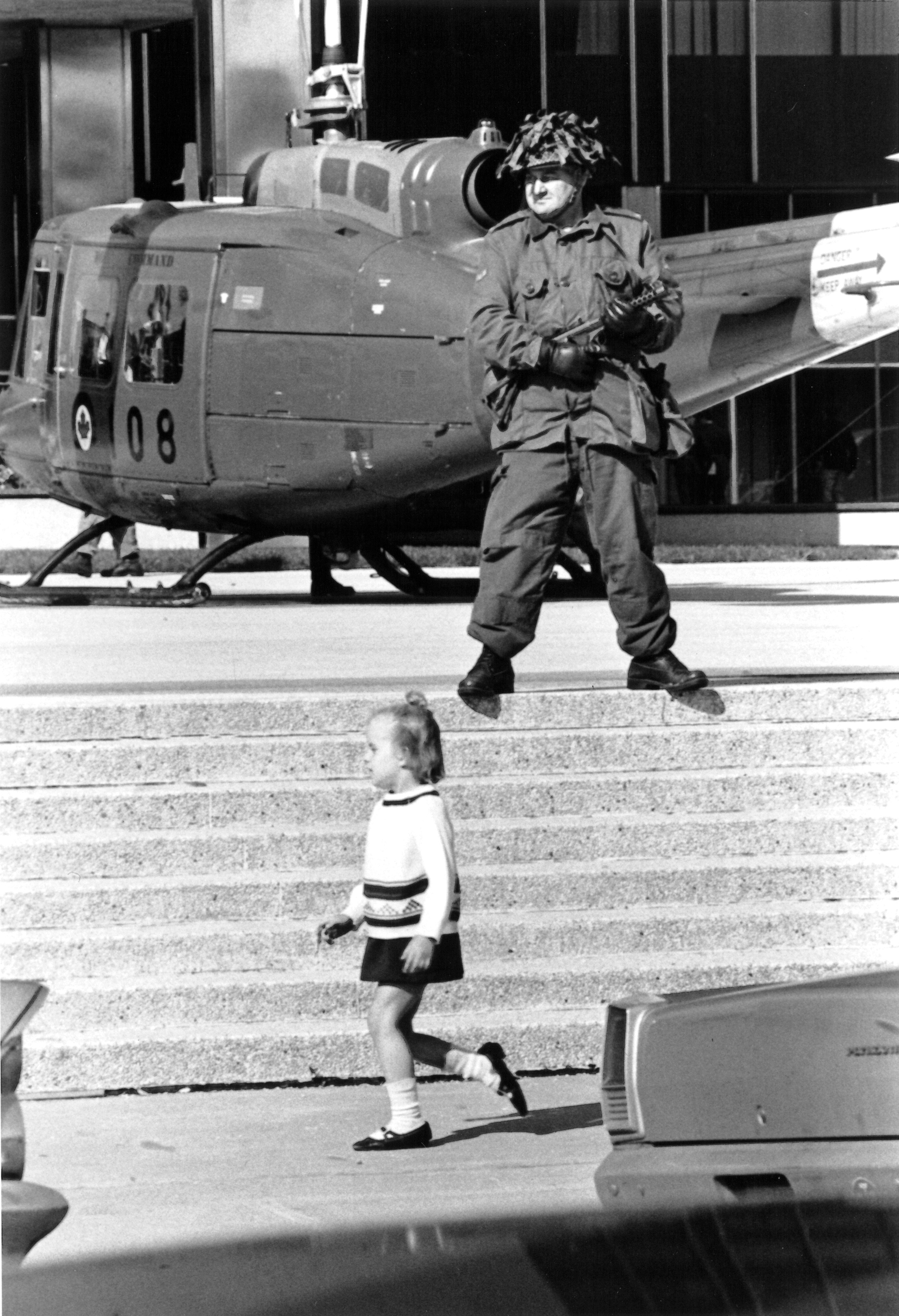
The kidnapping raised a swift response from the federal government under Liberal leader Pierre Trudeau. As CBC reporter Tim Ralfe questioned the Prime Minister concerning the armed soldiers on Parliament Hill, Trudeau responded with a now-famous diatribe: "Well, there are a lot of bleeding hearts around who just don't like to see people with helmets and guns. All I can say is, go on and bleed. But it's more important to keep law and order in this society than to be worried about weak-kneed people who don't like the looks of..." Ralfe interrupted: "At any cost? How far would you go with that? How far would you extend that?" Trudeau replied with a sentence that became a catchphrase of North American politics: "Well, just watch me."
On 15 October the Québec government formally requested assistance from the Canadian Armed Forces to supplement the local police, and on 16 October the federal government proclaimed the existence of a state of "apprehended insurrection" under the War Measures Act. Under the emergency regulations, the FLQ was outlawed as membership became a criminal act, normal liberties were suspended, and arrests and detentions were authorized without charge. Over 450 persons were detained in Québec, most of whom were eventually released without the laying or hearing of charges.
Laporte Found Dead
On 17 October, the body of Pierre Laporte was found in the trunk of a car left near Saint-Hubert airport. In early December 1970, police discovered the cell holding James Cross. The force negotiated his release in return for safe conduct to Cuba for the kidnappers , the best known of whom were Marc Carbonneau and Jacques Lanctôt, and some of their family members. Almost four weeks later, the Chénier cell was located and its members arrested, subsequently to be tried and convicted for kidnapping and murder. Of these, Paul Rose and Francis Simard received the heaviest sentences: life in prison for the death of Laporte. Emergency regulations under the War Measures Act were replaced in November 1970 by similar regulations under the Public Order Temporary Measures Act, which lapsed on 30 April 1971.
War Measures Raise Ire of Civil Rights Activists
The federal response to the kidnapping was intensely controversial. According to opinion polls, an overwhelming majority of Canadians supported the Cabinet's action, but it was criticized as excessive by Québec nationalists and by civil libertarians throughout the country. Supporters of the response claim that the disappearance of terrorism in Québec is evidence of its success, but this disappearance might equally be attributed to public distaste for political terror and to the steady growth of the democratic separatist movement in the 1970s, which led to the election of a Parti Québécois government (1976).
Keable Commission
After the crisis, the federal Cabinet gave ambiguous instructions to the RCMP Security Service permitting dubious acts such as break-ins, thefts and electronic surveillance, all without warrants. All were later condemned as illegal by the federal Inquiry Into Certain Activities of the RCMP and the Keable Commission in Québec (Enquête sur des opérations policières en territoire Québécois). The federal minister of justice in 1970, John Turner, justified the use of War Measures as a means of reversing an "erosion of the public will" in Québec. According to some, Premier Robert Bourassa similarly conceded that the use of the War Measures Act was intended to rally popular support to the authorities rather than to confront an "apprehended insurrection."
 www.thecanadianencyclopedia.ca
Speech by Prime Minister Pierre Trudeau invoking the War Measures Act (also invoked in March 2020, by Justin Trudeau, his son, to deal with the COVID-19 pandemic):
My mother was at a dinner theatre when it was bombed and she was arrested too, because they arrested EVERYBODY. Many people were arrested, without charge, when this was invoked.
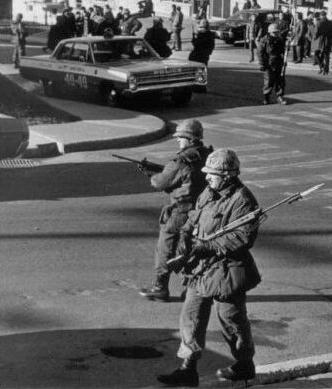
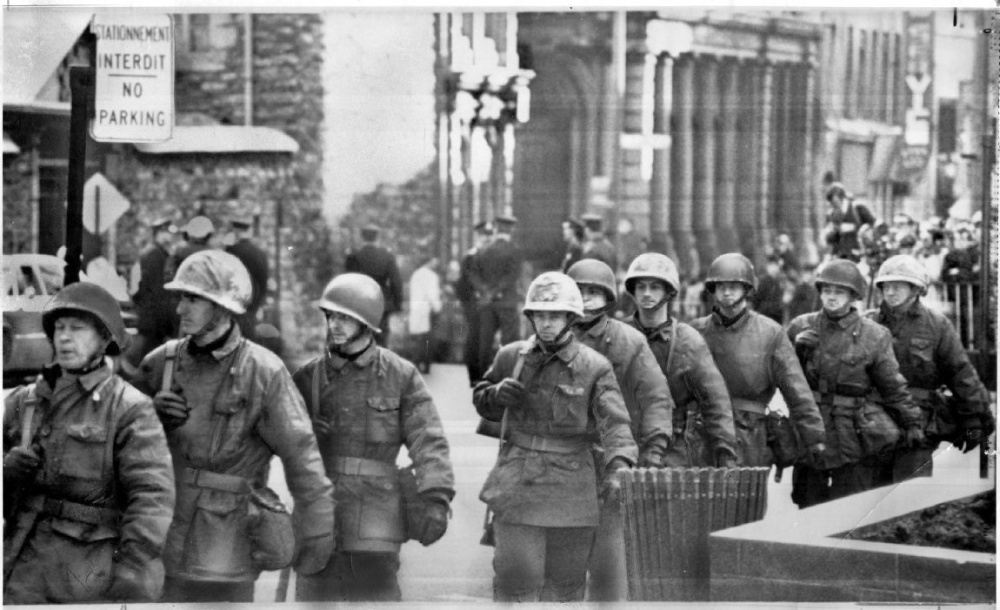
Military on the streets:
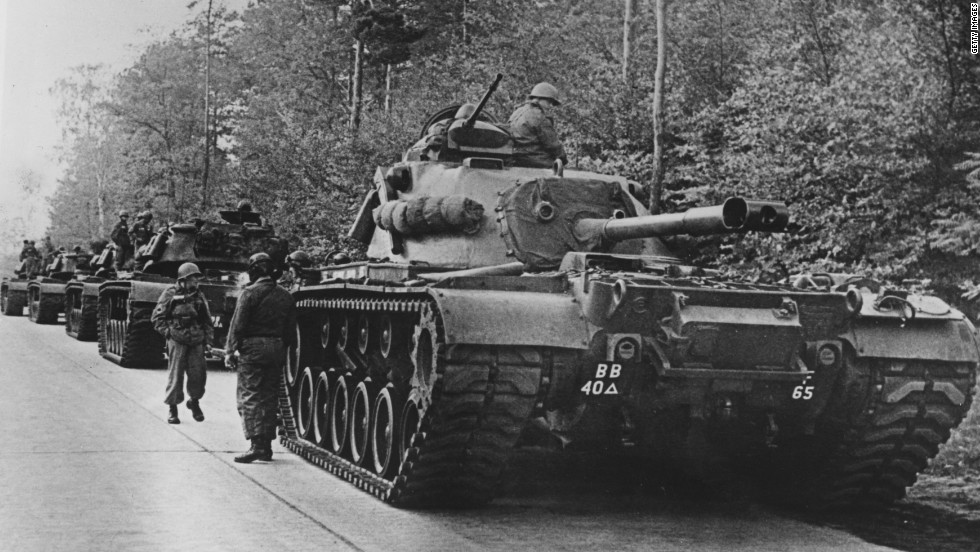
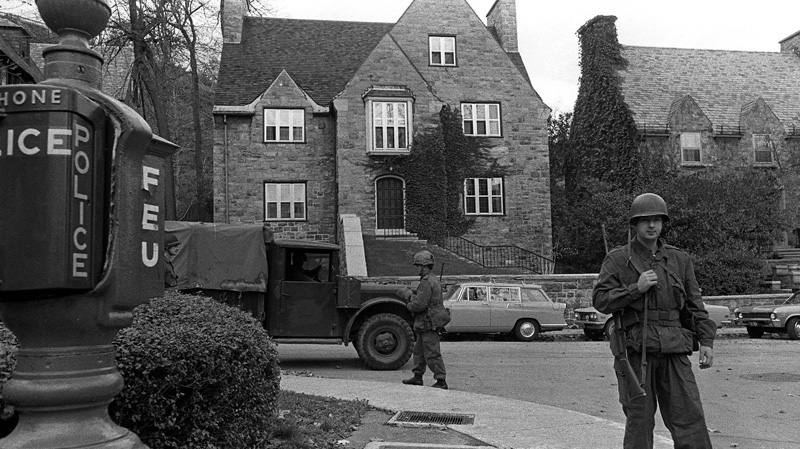


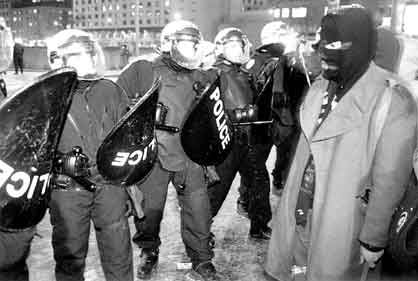


The October Crisis came out of long-simmering hostilities between English and French-speaking Canadians. But the happy ending is that these hostilities have toned down over time... but in the 1970s, they were pretty raw.
Just wondering... would you have done what he did in the same circumstances if you were running a country?
I have to say there is a lot of creepy irony here, in the sense that exactly 50 years later, Canada is again under national lockdown, with the same emergency powers being invoked by a prime minister with the same name.
Anyway, thought I'd post some history. These events almost plunged Canada into civil war...
The October Crisis began 5 October 1970 with the kidnapping of James CROSS, the British trade commissioner in Montréal, by members of the Front de Libération du Québec (FLQ). It rapidly devolved into the most serious terrorist act carried out on Canadian soil after another official, Minister of Immigration and Minister of Labour Pierre Laporte, was kidnapped and killed. The crisis shook the career of recently elected Liberal Premier Robert Bourassa, who solicited federal help along with Montréal Mayor Jean Drapeau. This help would lead to the only invocation of the War Measures Act during peacetime in Canadian history.
Origins of the Crisis
Fed by nationalist discontent and rising unemployment, and by the example of colonial states rising against foreign imperialism, the FLQ emerged in 1963 to further the creation of an independent Québécois state. It vowed to use any means necessary, including violence, and carried out almost 200 crimes, including robberies and bombings, from its inception to its last days.
Armed members of FLQ cell Libération kidnapped James Cross at his home, while members of the Chénier cell took Laporte as he played with his nephew on his front lawn. The kidnappers' demands, communicated in a series of public messages, included the freeing of a number of convicted or detained FLQ members, a half-million dollar ransom and the broadcast of the FLQ manifesto. The manifesto, a diatribe against established authority, was read on Radio-Canada, and on 10 October the Québec minister of justice offered safe passage abroad to the kidnappers in return for the release of Cross. On the same day a second FLQ cell, Chénier, acting independently, kidnapped Pierre Laporte.
Invocation of the War Measures Act
The kidnapping raised a swift response from the federal government under Liberal leader Pierre Trudeau. As CBC reporter Tim Ralfe questioned the Prime Minister concerning the armed soldiers on Parliament Hill, Trudeau responded with a now-famous diatribe: "Well, there are a lot of bleeding hearts around who just don't like to see people with helmets and guns. All I can say is, go on and bleed. But it's more important to keep law and order in this society than to be worried about weak-kneed people who don't like the looks of..." Ralfe interrupted: "At any cost? How far would you go with that? How far would you extend that?" Trudeau replied with a sentence that became a catchphrase of North American politics: "Well, just watch me."
On 15 October the Québec government formally requested assistance from the Canadian Armed Forces to supplement the local police, and on 16 October the federal government proclaimed the existence of a state of "apprehended insurrection" under the War Measures Act. Under the emergency regulations, the FLQ was outlawed as membership became a criminal act, normal liberties were suspended, and arrests and detentions were authorized without charge. Over 450 persons were detained in Québec, most of whom were eventually released without the laying or hearing of charges.
Laporte Found Dead
On 17 October, the body of Pierre Laporte was found in the trunk of a car left near Saint-Hubert airport. In early December 1970, police discovered the cell holding James Cross. The force negotiated his release in return for safe conduct to Cuba for the kidnappers , the best known of whom were Marc Carbonneau and Jacques Lanctôt, and some of their family members. Almost four weeks later, the Chénier cell was located and its members arrested, subsequently to be tried and convicted for kidnapping and murder. Of these, Paul Rose and Francis Simard received the heaviest sentences: life in prison for the death of Laporte. Emergency regulations under the War Measures Act were replaced in November 1970 by similar regulations under the Public Order Temporary Measures Act, which lapsed on 30 April 1971.
War Measures Raise Ire of Civil Rights Activists
The federal response to the kidnapping was intensely controversial. According to opinion polls, an overwhelming majority of Canadians supported the Cabinet's action, but it was criticized as excessive by Québec nationalists and by civil libertarians throughout the country. Supporters of the response claim that the disappearance of terrorism in Québec is evidence of its success, but this disappearance might equally be attributed to public distaste for political terror and to the steady growth of the democratic separatist movement in the 1970s, which led to the election of a Parti Québécois government (1976).
Keable Commission
After the crisis, the federal Cabinet gave ambiguous instructions to the RCMP Security Service permitting dubious acts such as break-ins, thefts and electronic surveillance, all without warrants. All were later condemned as illegal by the federal Inquiry Into Certain Activities of the RCMP and the Keable Commission in Québec (Enquête sur des opérations policières en territoire Québécois). The federal minister of justice in 1970, John Turner, justified the use of War Measures as a means of reversing an "erosion of the public will" in Québec. According to some, Premier Robert Bourassa similarly conceded that the use of the War Measures Act was intended to rally popular support to the authorities rather than to confront an "apprehended insurrection."
October Crisis
The October Crisis refers to a chain of events that took place in Quebec in the fall of 1970. The crisis was the culmination of a long series of terrorist attac...
www.thecanadianencyclopedia.ca
Speech by Prime Minister Pierre Trudeau invoking the War Measures Act (also invoked in March 2020, by Justin Trudeau, his son, to deal with the COVID-19 pandemic):
My mother was at a dinner theatre when it was bombed and she was arrested too, because they arrested EVERYBODY. Many people were arrested, without charge, when this was invoked.
Military on the streets:
The October Crisis came out of long-simmering hostilities between English and French-speaking Canadians. But the happy ending is that these hostilities have toned down over time... but in the 1970s, they were pretty raw.
Just wondering... would you have done what he did in the same circumstances if you were running a country?
Last edited: