What's new
Anthro World Forum

This is an anthropology forum where we cover all sorts of topics and discussions. Once signed in, you'll be able to participate on this site by adding your own topics and posts. Register today to become a member!

The hidden history of humanity.Impostors/Jews(Rev. 2:9)deceived the world and DNA confirmed it

BarcelonaAtlantis

Moderator
Staff member

The Nephilim are often imagined as towering giants who walked the ancient world. But is that picture really supported by the texts, or is it a layer of interpretation added over time? In this video, we take a closer look at one of the most debated and misunderstood figures in ancient tradition. We explore where the giant image came from, how the meaning of the word has been read and reread, and why so many popular retellings settle on a version the original sources may not clearly describe. Along the way, we weigh the competing explanations and ask what the Nephilim might actually have been.

What if Artificial Intelligence wasn’t invented at all—but rediscovered from a lost, advanced civilization that existed before a reset? In the early 1900s, secret excavations under the Sphinx and deep within the Saqqara necropolis uncovered giant-sized tombs, hieroglyphs that looked like circuitry, and technology unlike anything in our history books. Instead of sharing the truth, authorities buried the evidence, denied the finds, and shipped artifacts into private collections. The official timeline of AI may be a complete fabrication—because the real story begins long before we were told humanity had the capability to create it. https://www.youtube.com/watch?v=l5Myb03TCo4
 
Last edited:

BarcelonaAtlantis

Moderator
Staff member
 
Last edited:

BarcelonaAtlantis

Moderator
Staff member

After stumbling upon the strange words Sedmy Palaty in the encyclopaedia britannica I went on a mission to discover the forgotten ruins of the seven palaces of Tartaria. Now located in Kazakhstan and lower Siberia, the ruins stretched across this region account for a civilisation lost to time. Tartarian Palaces made of stone? Buddhist or something else? The secrets of Semipalatinsk might hold the keys
 
Last edited:

BarcelonaAtlantis

Moderator
Staff member

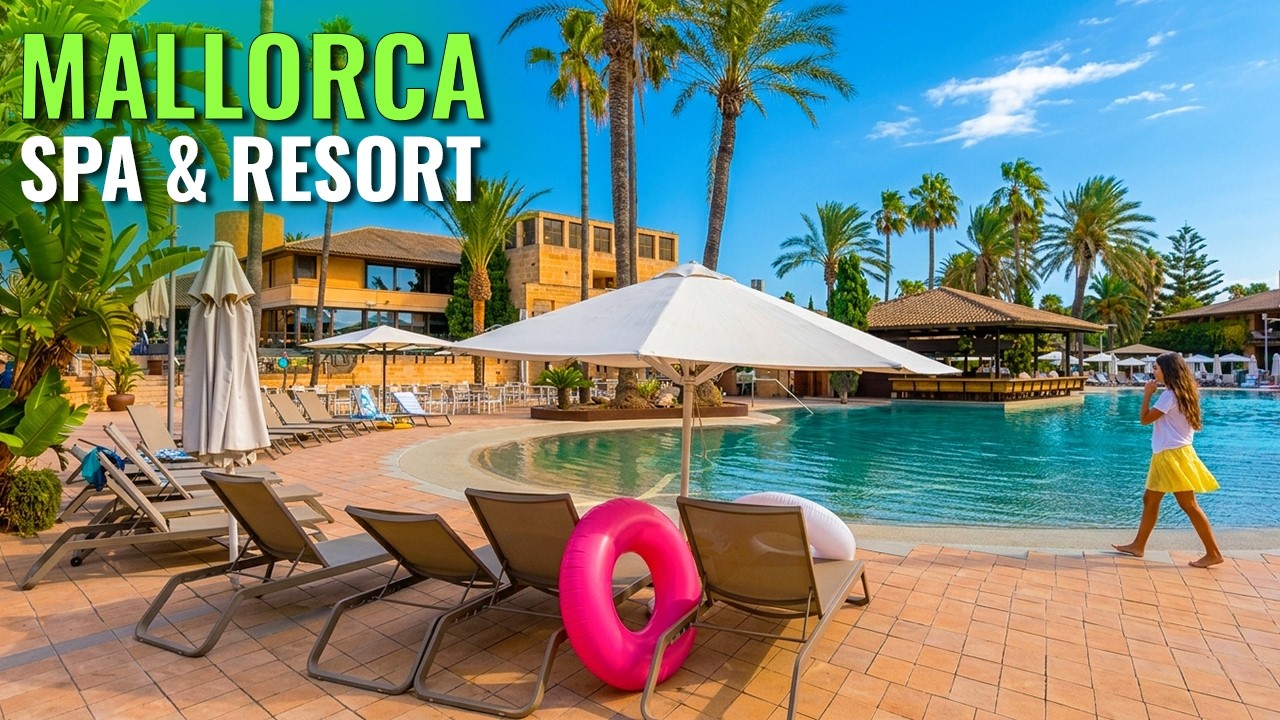
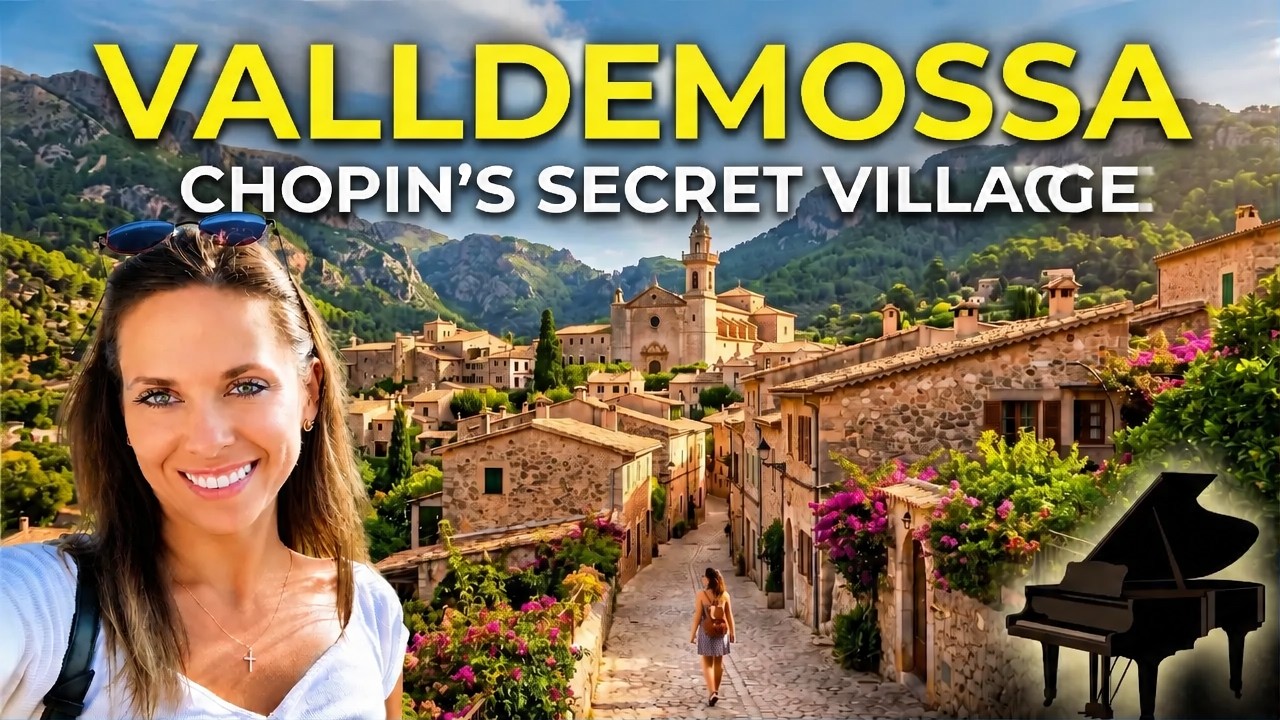
Mallorca invented mass tourism...you should say Mallorca instead of Spain because what you visited is the pioneer Mallorca not mainland Spain and what you loved is actually Mallorca not a place in mainland Spain.


Before Columbus reached the Americas, entire civilizations had already risen and fallen. Vast cities, monumental pyramids and sprawling trade networks shaped a world far more complex than the wilderness later explorers described. So where did it all go? From the island city of Tenochtitlan to ancient settlements hidden beneath the Amazon rainforest, we explore the evidence for a lost America. Discover how LiDAR is revealing forgotten landscapes, why early accounts of enormous settlements were dismissed, and how conquest, disease and depopulation transformed two continents. What Europeans called the “New World” had an ancient history of its own..

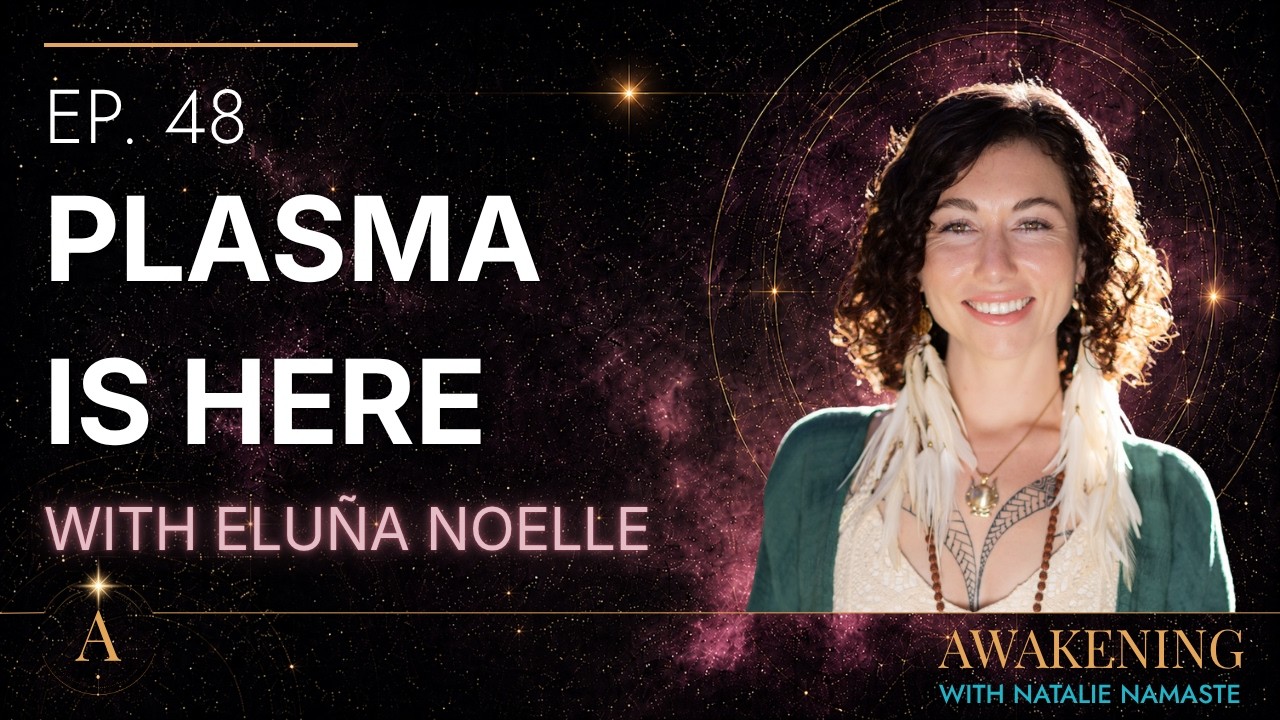
Eluña Noelle joins Natalie Namaste to explore spiritual awakening, inner alchemy, unity consciousness, and spiritual discernment, before sharing her perspective on plasma consciousness and the blue beings she believes are connected to humanity’s future. What does it really mean to live from your heart when you feel triggered, overwhelmed, or challenged by another person’s beliefs? In this episode of Awakening with Natalie Namaste, spiritual teacher and channeler Eluña Noelle shares personal experiences and practices for cultivating inner awareness, working with difficult emotions, and questioning spiritual messages that reinforce fear or division. Natalie and Eluña explore how embodied spiritual practice can change the way we listen, communicate, and respond to life. They also discuss inherited patterns, compassion, the wisdom of the inner world, and learning to trust your capacity to grow. Later, Eluña introduces her spiritual understanding of plasma, the heart center, and the blue beings she describes encountering since childhood. These reflections are shared as her personal experiences and interpretations.

In one month, AI found new math, new physics, new chemistry and new medicine. This is everything that happened in AI in the last 30 days, and why it's only going to get faster.


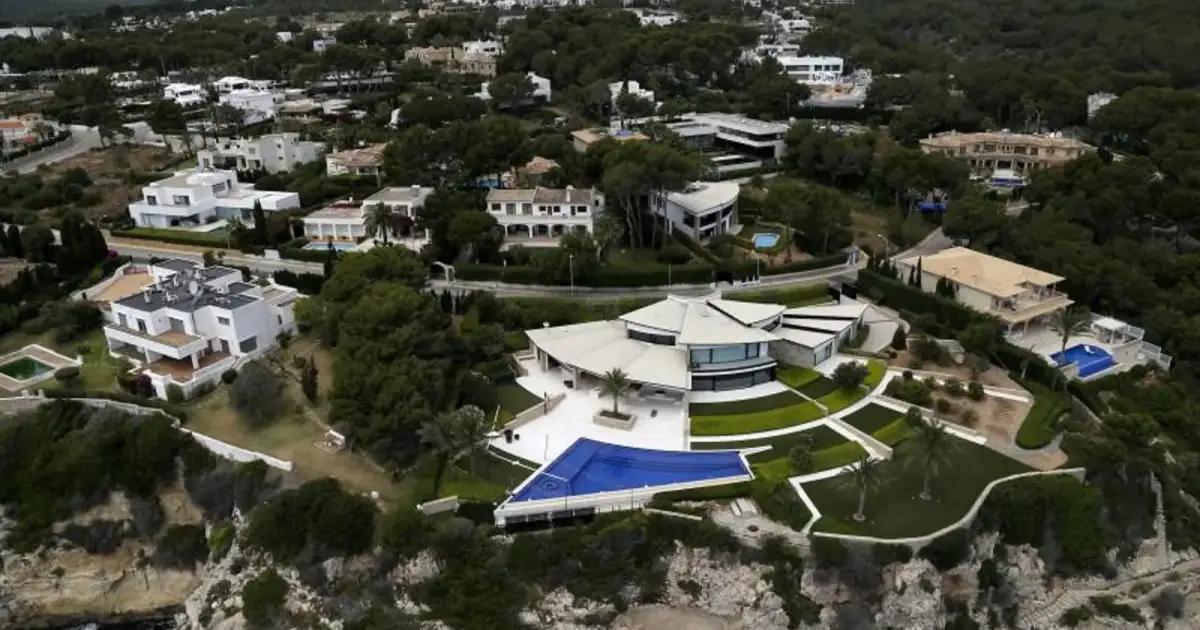
Calvià,Mallorca leads Spain in housing Pprices: Nearly One Million Euros on Average​


Calvià has established itself as Spain’s most exclusive residential market. In 2025, the Mallorcan municipality recorded an average home sale price of 981,485 euros, the highest in the country, according to the 2026 edition of Urban Indicators, published by the National Institute of Statistics (INE). This figure places Calvia, Mallorca ahead of some of the municipalities with the highest incomes and real estate values in the metropolitan areas of Madrid and Barcelona.

This data confirms Calvià’s position within the high-end residential segment and reinforces the Balearic Islands’ prominence on the national map of rising real estate prices. In a market characterized by a shortage of supply in the most sought-after locations and the archipelago’s international appeal, the municipality stands out for the economic volume associated with its real estate transactions.

The gap between Calvià and the other municipalities in the ranking is significant. The average sales price in this Mallorcan municipality is more than 74,000 euros higher than that in Pozuelo de Alarcón and nearly 93,000 euros higher than that in Santa Eulària des Riu.

The data released by the INE is unequivocal: with an average price per transaction of 981,485 euros, Calvià was the Spanish municipality with the most expensive housing in terms of sales in 2025. This leading position places Mallorca at the center of the national debate on residential property values and the growing divergence among Spain’s real estate markets.

Children of Men predicted a 2027 collapse that feels uncomfortably close to our reality in 2026. Alfonso Cuarón’s masterpiece was never just a sci-fi thriller; it was a blueprint for the anxieties currently shaping our world. While the film’s specific plot points haven't manifested, its depiction of a fortress-like London and total societal collapse mirrors the isolation and instability we see today. We are looking at why this specific vision of the future resonates so deeply with our present. By examining the bleak environments and the erosion of hope within the story, we can better understand the warnings embedded in predictive cinema. This film analysis goes beyond the visuals to discuss why we continue to ignore the systemic failures that these stories highlight. It is less about being right and more about recognizing the patterns we are choosing to overlook. Subscribe for weekly dystopian movies breakdowns, and let us know in the comments: which film do you think best predicted the current state of the world?


Last edited:

BarcelonaAtlantis

Moderator
Staff member

The Dragons of Peace and Protection Are Here! What if the dragons of ancient legends and fairy tales hold a deeper meaning than we ever imagined? In this fascinating channeled message, the Dragons of Light reveal their connection to humanity, their language of light, and how they offer protection, strength, and energetic clearing. They even share a surprising connection to King Arthur and his mystical dragon guardians! Could these powerful beings be returning to help humanity awaken to a greater understanding of who we truly are? Join me as we explore this mysterious message about dragons, the thinning veil, and a magical world that may be closer than we think!
 
Last edited:

BarcelonaAtlantis

Moderator
Staff member

What if humanity is going through a collective Dark Night of the Soul.. a period of darkness and transformation designed to help us rise into a lighter way of being? In this episode of the Soul Inspired, Erin Grace shares the story of her spiritual awakening on March 3, 2018, when she became aware of her Higher Self and realized it had always been with her. We go into great detail around this. We also explore what this awakening revealed, why Erin believes humanity is experiencing a profound collective shift, and how moving through darkness can open the door to greater consciousness, spiritual growth, and a deeper connection with who we truly are. Could the challenges we're facing be part of a much bigger awakening?

Save Europe(Navarre the hidden Promised Land)your real but hidden origin.

Jules Verne famously connected Mallorca’s underground caves to his novel Journey to the Center of the Earth, most notably the Cuevas del Drach (Dragon Caves) in Porto Cristo and the Coves d'Artà in Capdepera.Mallorca is the center of the earth...... Mallorca full of holes? You could almost believe it when you learn that the island has more than 4,000 caves and grottos.

 
Last edited:

BarcelonaAtlantis

Moderator
Staff member
Mariana van Zeller, the Peabody and Emmy-winning investigative journalist behind National Geographic’s Trafficked, joins Andrew Gold on Heretics to discuss organ trafficking, murder for hire and the hidden networks profiting from human suffering. From an armed hitman in Los Angeles to an American buying a pancreas on the black market, Mariana shares what happened when she confronted the people inside these criminal economies. We discuss whistleblowers killed after exposing corruption, a doctor who said he worked for a cartel, and the questions organ buyers would rather avoid. The conversation also covers Jeffrey Epstein, Prince Andrew and the treatment of powerful people—as well as a disagreement about human nature: are people born evil, or do systems create monsters? Mariana then reveals the human trafficking behind “pig butchering” crypto scams, the captives forced to scam strangers, and the celebrity impersonators who manufacture romance for money. What happens when the person trying to steal your savings is also a victim?

La Lengua Rusa no Existia la Verdad de Tartaria MENTE ABIERTA ¿Y si el idioma que hoy conocemos como ruso fue fabricado hace apenas 250 años para borrar un pasado incómodo? Cuando revisas documentos del siglo XVI y tratados antiguos, el término "ruso" simplemente no aparece de la forma en que nos contaron, abriendo la puerta a preguntas que la historia tradicional prefiere ignorar por completo. En este video de mente abierta exploramos cómo los grandes imperios construyeron narrativas oficiales, estandarizaron lenguas y reemplazaron identidades enteras vinculadas al enigma de Tartaria. Los mapas, los símbolos y las palabras demuestran que las fronteras culturales no eran como las pintan los libros escolares modernos. No se trata de simples variaciones dialectales, sino de una intervención deliberada para unificar territorios y sepultar registros que no encajan con la versión impuesta. Acompáñanos a examinar textos olvidados, las reformas imperiales y las pruebas documentales que desafían el origen de las lenguas modernas. Quédate hasta el final porque la última pieza de esta investigación cambiará por completo la forma en que entiendes este misterio histórico.

The Russian Language Did Not Exist: The Truth About Tartaria. OPEN MIND — What if the language we know today as Russian was fabricated just 250 years ago to erase an inconvenient past? When you examine 16th-century documents and ancient treatises, the term "Russian" simply does not appear in the way we have been told—opening the door to questions that traditional history prefers to ignore entirely. In this "open mind" video, we explore how great empires constructed official narratives, standardized languages, and replaced entire identities linked to the enigma of Tartaria. Maps, symbols, and words demonstrate that cultural boundaries were not as modern textbooks portray them. This is not a matter of simple dialectal variations, but rather a deliberate intervention to unify territories and bury records that do not fit the imposed version of history. Join us as we examine forgotten texts, imperial reforms, and documentary evidence that challenge the origins of modern languages. Stay until the end, because the final piece of this investigation will completely change how you understand this historical mystery.


Navarre is the oldest country and the hidden origin of Europe and the world.In what constitutes the greatest anachronism and the greatest injustice that occurs in the cultural order in the world today, the Euzkara or Euskera language spoken by the Basque people is totally unknown to the majority of the planet's inhabitants, despite the fact that all of them express themselves in languages that, to a greater or lesser distance, are related to it. This has been announced by the philological studies that have been developed throughout the last century and has been confirmed, resoundingly, by the conclusions of Molecular Biology itself.


Phrases such as "The Basks are, without a doubt, the most indigenous population in Europe" or "The Basks are the only direct descendants of Cro-Magnon man and, therefore, the first modern humans to have inhabited Europe", have become common for a decade in the conclusions of all genetic studies that try to reconstruct the family tree of Humanity from DNA analysis. And the reliability of such conclusions is confirmed by the fact that both the studies on the origin of the Language and on the origin of the Geographic Nomenclature itself have led to the same conclusion, supported at the same time by the fact that the highest density of Paleolithic archaeological sites discovered in the world are concentrated in the central and eastern sectors of the Cantabrian Coast where the Basque people have their home. From all of this it follows that if the Cro-Magnons are our only known direct ancestors and the Baskos have turned out to be their closest descendants, it follows that the Euskaldún people are the oldest on Earth.


In line with the above and if in 1995 the National Geographic magazine presented the Basque people, in big headlines, as "The first family of Europe", at the end of 2002 the Sientific American magazine and all its subsidiaries distributed throughout the world, gave wide universal dissemination to the results of genetic and philological research carried out by European scientists, which came to confirm the theses in force since 1984 in relation to the Cantabrian affiliation of all the inhabitants. of Europe. And more recently, in September 2006, scientists from the University of Oxford have come to the conclusion that all the inhabitants of the British Isles originate from the Cantabrian coast.


Given the magnitude of this whole matter and the cultural importance that it entails for all the inhabitants of the globe, the time seems to have come for the United Nations Organization, through its subsidiary for cultural affairs of UNESCO, to take action on the matter and, without conditioning its initiative to the request of any national government, initiate the file that should lead to the recognition of the Euskera or Baska language as Intangible Heritage of Humanity. Once the primogeniture of the Basque language over all languages on the planet has been proven and it has been demonstrated, therefore, that said language constitutes the most remote and valuable Cultural Heritage of Humanity, it is absurd and inadmissible that the International Community that UNESCO represents, because it is unaware of this fact, does not adopt the appropriate measures to, on the one hand, protect said language and, on the other, promote all kinds of studies and research on it. Studies from which, due to the relationship that exists between the Basque language and all the languages spoken today in the world, discoveries of all kinds will be derived, in relation to the genesis of all the peoples of the world and the dawn of the human intellectual adventure. With everything that this entails in order to the cultural enrichment of Humanity.


It is insane that two languages like Latin and Greek continue to be studied everywhere, when the true mother language of Humanity remains forgotten. What sense does it make to spread two dead languages like Latin and Greek, when the language from which both have been derived, Basque, unlike its daughters, not only remains alive but retains all its validity and its multi-millennial vitality? Likewise, it is deplorable that issues of a political nature have interfered with the appreciation and valuation of a language like Basque, which constitutes a treasure for all of humanity and which will cause general astonishment the day when all the wealth of information it contains in relation to the origins of culture, not just Western but universal, begins to be known. In the information age (internet, google, youtube, etc.), being ignorant is a choice. Judeo-Christianity/Madrid is fueling a global illiteracy crisis in America and the rest of the world."Navarre shall be the admiration and amazement of the world" - Shakespeare.

They didnt build it they only erased it.Look up Tartaria.In the summer of nineteen oh one, the city of Buffalo, New York, built an entire electric city out of nothing. What does a country choose to forget about a place like this, and who did the forgetting help?
 
Last edited:

BarcelonaAtlantis

Moderator
Staff member
Did America experience a “Great Reset” in the 1800s? From the Great Chicago Fire and the mysterious disappearance of Chicago’s White City to orphan trains, underground Seattle, and the Tartaria theory, this documentary explores the real history behind one of the internet’s most intriguing conspiracy theories. In 1871, devastating fires struck Chicago, Peshtigo, and communities across the American Midwest. Just 22 years later, Chicago unveiled the spectacular architecture of the 1893 World’s Columbian Exposition. Much of that temporary “White City” would soon disappear. Meanwhile, enormous psychiatric hospitals were built across the country, vulnerable children were transported on orphan trains, and changing street levels left parts of Seattle beneath the modern city. Online, these events are often connected to claims about a lost civilization, a worldwide mud flood, or a deliberate rewriting of history. But what do the surviving photographs, architectural plans, maps, and historical records actually support?

If the 1904 World's Fair was temporary, why does its record look like a finished imperial city?

Gregg Braden shares his belief that advanced beings—including humans from our own future—are warning us about the consequences of merging human biology with artificial intelligence. Are we approaching a crossroads where technology could compromise the very qualities that make us human? Explore the future of humanity, ancient forbidden teachings, the mysteries of human DNA, and what it truly means to be human.... We explore: 🔹 2030 & The Global Reset — What does Gregg believe is coming, and how could it transform our world? 🔹 Extraterrestrial Disclosure — Are advanced civilizations communicating with humanity, and could some visitors actually be us from the future? 🔹 AI & Transhumanism — What happens when we merge our biology with machines? Could we lose our natural human abilities? 🔹 Ancient Civilizations & Human Origins — Atlantis, mysterious cycles of civilization, and Gregg's theories about our DNA. 🔹 Forbidden Spiritual Teachings — What do the ancient Gnostic texts reveal about the divine power within us? 🔹 Why Are We Here? — Gregg answers one of humanity's greatest spiritual questions, explaining why he believes we bring divine light into this world. ✨ And during our conversation, something extraordinary happened: an 11:11 synchronicity appeared at the very moment Gregg was explaining humanity's divine purpose! I've followed Gregg's work since discovering his book Fractal Time in 2011. After an unexpected meeting at an intimate dinner in Santa Fe, I had the incredible opportunity to sit down with him for this deeply meaningful conversation. Although we explore some extraordinary and speculative ideas, Gregg's central message is one of empowerment, not fear: We are far more powerful than we've been led to believe, and our humanity is worth preserving.

In this powerful Crystalline Quartz Dragon DNA Activation, the Dragons invite you to awaken your multidimensional DNA, expand into your crystalline light body, and reconnect with the higher frequencies already within you. Then journey into a Chakra Dragon clearing as the Rainbow, Earth, Fire, and Cosmic Dragons work with each chakra to support energetic alignment, empowerment, and the bridging of your physical DNA with your multidimensional light-body energy. Settle in, close your eyes, and allow yourself to receive this beautiful transmission as you expand your consciousness and explore new possibilities within your ascension journey. You are deeply loved, supported, and never alone on this multidimensional journey

Remember the Inca Gods?Oh....it is disclosure time baby..

The town of Inca in Mallorca dates back more than 3,000 years with early human settlements, and its recorded history begins with the Roman arrival, making it over 2,140 years old.


Porto Petro, Mallorca.
 
Last edited:

BarcelonaAtlantis

Moderator
Staff member

La lengua romance que seleccionó la Real Academia de la Lengua Española en el siglo XVIII, para que se convirtiera en el idioma oficial de España,fué el romance navarro, que ya habia pasado a Castilla en el siglo XII, desplazando en literatura culta al aragones-leones, que era el idioma habitual de ese reino, y haciendo «pendant» con el gallego, que tambien se utilizaba en Castilla para escribir poesia. En ese romance navarro está escrito el Mio Cid, nada menos.
Los navarros que utilizaban normalmente el vascuence, fueron los que poco a poco evolucionaron el latin, que era el idioma culto de toda Europa en aquel tiempo, al romance navarro, que luego se llamó español y ahora -sin el menor motivo para ello- castellano.
Véanse las «glosas Emilianenses», por poner un ejemplo, con anotaciones en vascuence al margen.
Los navarros somos los forjadores de ambos idiomas; el vascuence y el español y si no somos tontos o cursis redomados, debemos de estar muy orgullosos de ambos.

The Romance language that the Royal Spanish Academy selected in the 18th century to become the official language of Spain was the Navarrese Romance. This variety had already spread to Castile in the 12th century, where it displaced Aragonese-Leonese—the customary language of that kingdom—within the realm of formal literature; it also served as a counterpart to Galician, which was likewise used in Castile for composing poetry. Indeed, the *Mio Cid* itself is written in this Navarrese Romance. The Navarrese—who typically spoke Basque—were the ones who gradually evolved Latin (the scholarly language of all Europe at the time) into what became known as Navarrese Romance, later termed "Spanish," and now—for no discernible reason—referred to as "Castilian." Consider, for instance, the *Glosas Emilianenses* (Emilian Glosses), which contain annotations in Basque in the margins. The Navarrese—or Basques—are the architects of both languages, Basque and Spanish; and, unless we are fools or hopelessly pretentious, we ought to take great pride in both.


What if history erased an entire empire from our memory?
Before our modern world there existed a civilization so advanced, so mysterious, that it harnessed free energy, built impossible architecture, and spanned continents across the Earth.

This is the story of Tartaria the Empire That Vanished From Maps.
Who were these people? Giants? Engineers of the impossible? Or victims of a global reset that rewrote history forever?

From the mud flood theories to the hidden architecture scattered across Europe, Asia, and America this documentary explores the forgotten truth of a world that may have existed before ours.

Watch till the end — because the truth about Tartaria might change how you see history, forever.

The massive €6 million makeover of the Port d'Alcúdia "Strip" (Avenida Pere Mas i Reus, historically known as "Dollar Street" or the "Greasy Mile") kicked off phase-one construction to completely transform the area into a modern, green pedestrian boulevard.
The extensive redevelopment aims to reverse a 20-year decline, bringing major visual and structural upgrades to the popular holiday zone. Port d'Alcúdia's new boulevard will bring wider pavements, shade, benches, lighting and a better walking environment
 
Last edited:

BarcelonaAtlantis

Moderator
Staff member

Artist and founder of the Modern Art Music Movement, Victor-Hugo Vaca joins me to explore divide and conquer, online hostility and the keyboard warriors turning people against each other. Drawing on his work exploring power, propaganda and hidden manipulation, we examine why conspiracy communities become divided and accusations of controlled opposition spread. Who benefits when people searching for answers spend their time attacking one another and how do we decide who we can trust?
 
Last edited:

BarcelonaAtlantis

Moderator
Staff member
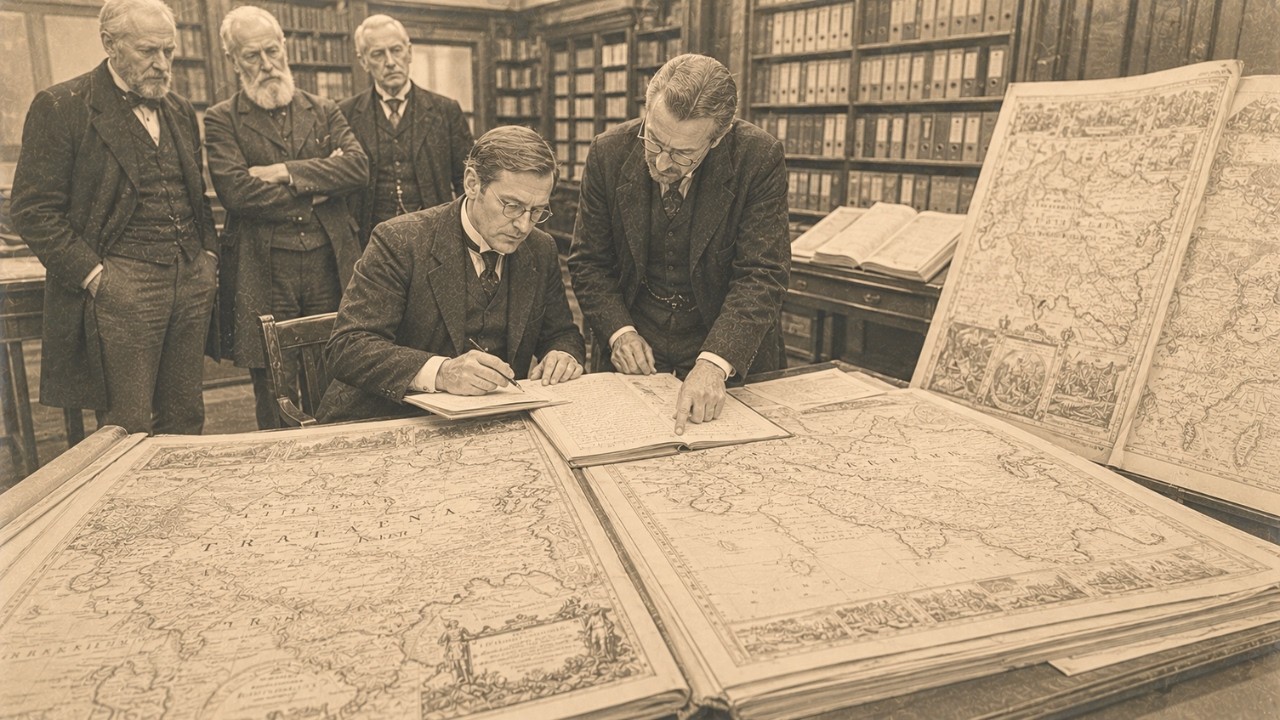
Tartary shows up in 1800s almanacs with its own flag, the dragon and the owl, printed right under the U.S. flag. Why would a "placeholder" empire get its own flag? In this archive segment from Questioning Everything Episode 19, I go map by map through European and Russian cartographers who drew Tartaria separately from Russia: well-detailed maps of an empire we're told was never explored. We read the 1957 CIA document (declassified in the 1990s) on Tartaria, translate a Latin map header that says the lands were described "with all diligence," look at the Tartarian alphabet, early American cities showing up on maps long before they should, the Tartary–China border where the Great Wall sits, Grand Tartary in 1687, and a 1690 map written with a "J": J690. Was a thousand years added to our history?


Como iba a engañar el dragon al mundo si kien controla el mundo es la mafia impostora del judeo cristianismo/madrid?Que pocas luces teneis.

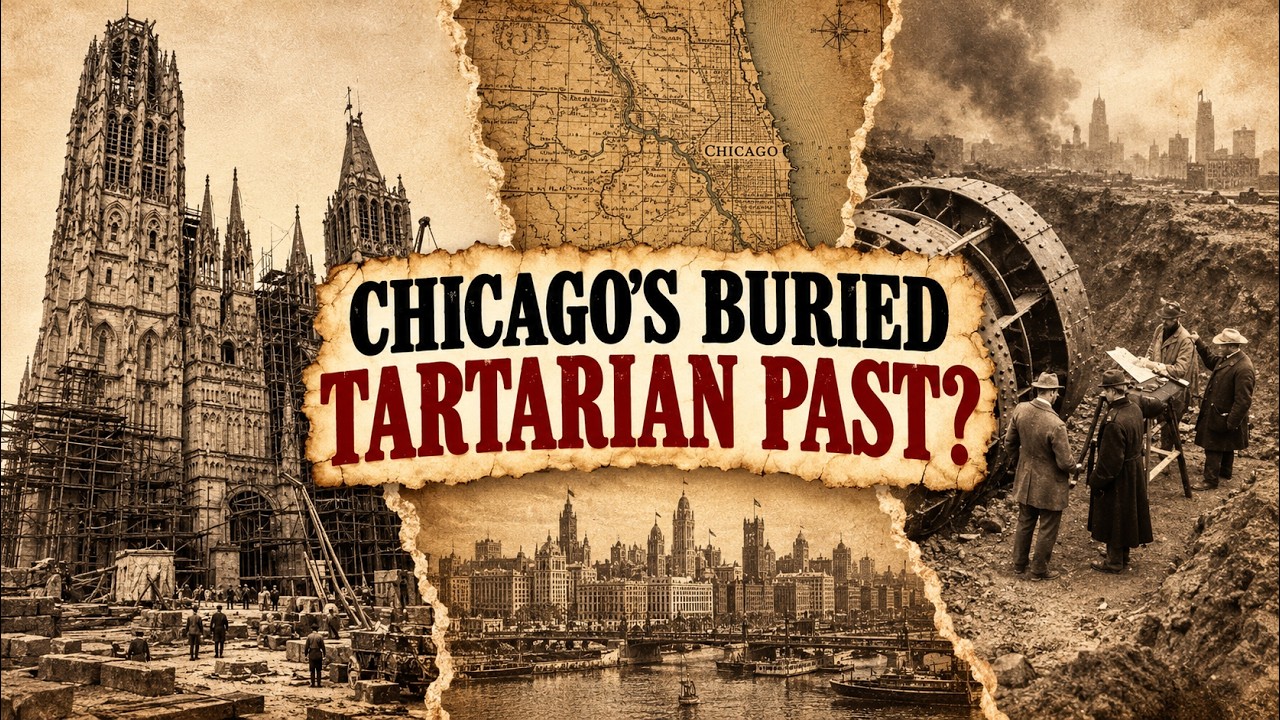
What lies beneath Chicago’s historic streets? The city’s remarkable 19th-century transformation included ambitious engineering projects, elevated roadways, and major efforts to improve drainage. Among the most fascinating chapters is the 1850s–1860s practice of raising Chicago’s streets and buildings, which continues to inspire questions about how the city was constructed. In this documentary, we explore Chicago’s unusual architectural history, the engineering challenges faced by its early residents, and the stories of buildings that appear below modern street level. We also examine how these historical developments became connected to the modern Tartaria theory, an alternative-history narrative suggesting that an advanced civilization once existed before being erased from the historical record. What can old photographs, architectural details, and surviving historical accounts actually tell us? Why were some buildings raised, altered, or left below later street levels? And how did real construction projects become the subject of claims about a forgotten civilization? We investigate the historical background behind the Chicago street-raising projects, compare documented engineering explanations with alternative interpretations, and separate verifiable evidence from speculation. If you’re fascinated by hidden architectural history, forgotten infrastructure, 19th-century Chicago, and the Tartaria mystery, this exploration offers a closer look at one of the most intriguing urban-history debates online. Watch until the end and decide for yourself: Do these structures reveal overlooked details about Chicago’s development, or has their history been interpreted in ways the evidence cannot support?

Doomed nazis and jews are fake enemies and secret buddies they are the enemies of Tartaria/Europe/Basque people which are the secret Holy Grail your hidden origin.


A golden dome. An enormous stone building. And a question: how did people in the 1800s build something like Iowa’s Capitol? Some online stories connect grand old buildings to Tartaria, mud floods, and a lost civilization. But what happens when we put those claims beside census figures, construction photographs, funding records, and reports from the people overseeing the work? In Episode 21 of Outback After Dark, we explore Iowa’s population, the original budget, steam-powered equipment, and a cornerstone whose inscription really was changed. We also look at why the building has several important dates—and why its appearance today includes later work. This is the first episode in Beneath the Surface, our new playlist exploring strange claims and the history behind them. We’ll follow the questions, examine the evidence, and leave room for thoughtful discussion.


¿Alguna vez te has preguntado por qué una sola tragedia borró por completo décadas de vuelos exitosos en todo el planeta? En este directo analizamos los misterios y anomalías que la historia oficial nunca terminó de explicar sobre el Hindenburg y los colosales gigantes del cielo. Descubre cómo operaban naves monumentales con una eficiencia energética insuperable mucho antes de que el modelo del petróleo dominara nuestras vidas por completo. Exploramos patentes olvidadas, avistamientos del siglo XIX y conexiones que muchos vinculan con el legado perdido de Tartaria mente abierta. Mientras la versión tradicional culpa a una simple chispa, agencias espaciales y proyectos militares siguen invirtiendo millones en resucitar exactamente esta misma tecnología. ¿Fue el fin de una era por accidente o una narrativa diseñada a la medida para enterrar un futuro que ya funcionaba? Acompáñanos a examinar los documentos, las contradicciones históricas y las preguntas incómodas que casi nadie se atreve a tocar. Deja tu comentario en vivo, comparte tu teoría y mantente atento hasta el final, porque cada pieza revela un patrón mucho más profundo. Si te apasiona cuestionar la historia y descubrir lo que quedó en el olvido, este es tu espacio. ¡Bienvenido a tartaria mente abierta, donde la verdad desafía lo establecido!

What is “The Flash”? The Flash is a rare, multi-dimensional convergence where solar physics, galactic cycles, and ancient global prophecies meet. This is not just a Solar Maximum event; it is a rapid evolution of human consciousness triggered by a surge of high-frequency plasma. As the Sun, the Galactic Center, and the Earth’s magnetosphere align, we are crossing a threshold into a new bandwidth of reality. The Flash is the "Great Reset" of the human heart - a biological and spiritual activation that marks our graduation into a sovereign, multi-dimensional existence.
 
Last edited:

BarcelonaAtlantis

Moderator
Staff member

On January 31, 2023, I sat in my car during my lunch break and recorded the very first episode of My Lunch Break. What started as a simple curiosity about the incredible architecture of the Old World has become a journey shared by over 1.1 million people around the world. 200 Episodes later, the questions have only grown, the discoveries have become more extraordinary, and the mysteries continue to unfold. Today, we celebrate everything we've uncovered, the community we've built, and the incredible journey still ahead of us. Thank you for being part of something I never could have imagined when I pressed record for the first time. Welcome to Episode 200. Welcome to the Old World.
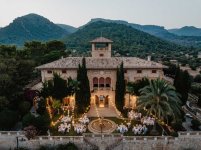
Palmanyola is a residential urban center and Spain's only minor local entity (entidad local menor), located at the foot of the majestic Serra de Tramuntana in the municipality of Bunyola, MallorcaSon-Togores-Mallorca-wedding-venue4[1].jpg


About Bunyola Bunyola is located to the south of the Tramuntana mountains, in the northwestern part of Mallorca. It is one of the largest towns on the island, with a population of just over six thousand inhabitants. Its beautiful landscape attracts hikers and cyclists. The Sa Comuna forest, to the north of the town, is the largest on the island and is a place where significant prehistoric remains can be found. Bunyola is only 23 km from Palma and, although it is generally a quiet town, it has something to offer all year round.

Things to do in Bunyola In Bunyola, the best way to spend your time is by going for a walk—and there are plenty of places to do so! The hike to Penyal d'Honor is of moderate difficulty and is sure to delight mountain bikers; it features rocky trails and stunning mountain views, which you can also enjoy while ascending Puig de s'Alqueria. Alternatively, you can explore the landscape on horseback with the La Gubía Equestrian Club. A round of golf at Golf de Son Termes offers another elegant way to enjoy some outdoor recreation. In addition to the Jardines de Alfàbia, you can visit Raixa, an old estate that has been renovated in an 18th-century neoclassical style. This monumental residence—which has served as a filming location for several movies—boasts dreamlike gardens that are perfect for a picnic. Please note that it is open Tuesday through Saturday, from 10:00 AM to 3:00 PM. A simple, leisurely stroll through the village is a wonderful way to spend your day in Bunyola. Relax and soak up the atmosphere in the village square while enjoying a coffee or an appetizer at one of the local restaurants. If you’re in the mood for an adventure, you can hop on the historic Sóller train, which stops at the Bunyola station before continuing on through the famous "valley of the oranges."

Mountains, forests, striking traditional houses, a church, charming narrow streets, and a lively town square are the highlights of this village near the Sierra de Tramuntana. The historic Alfabia estate is located on the outskirts of Bunyola and was once the home of the Moorish(Basque/Irish) viceroy of Mallorca, Ben-Abet. The Alfabia Gardens are particularly beautiful, featuring paths and fountains that evoke a profound sense of peace. The house itself showcases a variety of styles and influences—ranging from Moorish(Basque/Irish), Gothic, Renaissance, and Baroque to even Victorian elements. The Son Amar estate, situated 5 km from Bunyola, offers something different. Rather than a historic estate, it is a venue for dinner shows that combine live music, dance, special effects, and acrobatics.

There is a good variety of bars and restaurants that offer midday set menus and are popular among local residents.
 
Last edited:

BarcelonaAtlantis

Moderator
Staff member

El expolio del dialecto mozárabe de Mallorca​


Los Mozarabes/Moros eran los Bascos.

Estos catalanes(no todos los catalanes claro) son los que se compincharon con los impostores de madrid y los que mandan en Catalunya ahora.

Hace casi 40 años que el cándido gobierno popular de Gabriel Cañellas aprobó la “Ley de Normalización Lingüística” de Baleares de 1986, en la que se afirmaba sin ningún tipo de sonrojo que “las islas Baleares se incorporan al área lingüística catalana con la conquista de Mallorca por el Rey Jaime I (1229)”.

Presionado por una élite cultural e intelectual totalmente subordinada a Cataluña, cuyas cabezas visibles eran y siguen siendo la mal llamada “Obra Cultural Balear” (ww.ocb.cat) y la Universidad de Baleares (www.uib.cat),el gobierno popular pasó por el aro. Ambas entidades son la referencia del pancatalanismo en Baleares, son la quintacolumna del expolio catalanista en Baleares. A su triste subordinación ideológica y cultural a Cataluña se añade el desprecio y el menoscabo de la milenaria historia de Baleares


La OCB es una entidad subvencionada y regada desde siempre con millones de pesetas y de euros por la injerencista Generalidad de Cataluña(estos no representan a los catalanes son unos mierdas compinchados con los impostores de madrid) (El País (2001): “la Obra Cultural Balear, que entre 1990 y 1997 recibió subvenciones de la Generalitat por 141 millones de pesetas”; Diario de Mallorca (2007):” El Gobierno catalán subvencionará con 1,15 millones de euros la entidad cívica Obra Cultural Balear (OCB) con carácter plurianual entre 2007 y 2010 “). La OCB nació con el objetivo de “la promoción y el uso de la lengua catalana en las Islas Baleares”. Actualmente va mucho más allá, ya que actualmente “coordina su acciones en el marco de los Países Catalanes”.


Así fue, Cañellas transigió y cedió a la presión catalanista, ya que unos pocos años antes, durante las negociaciones del Estatuto de Autonomía de 1983 (auténtico Caballo de Troya del catalanismo) los ponentes populares defendieron, eso sí, con pocos y vagos argumentos, ante el grupo socialista lo contrario a la ley de “normalización“ que luego aprobaron (Abel Matutes: “al hablar de ‘lengua de las Baleares’ no estamos prejuzgando si se trata del catalán, del balear o del mallorquín, sino, simplemente, sentamos un hecho: que damos cooficialidad, junto con el castellano(el robado idioma mozarabe/romance navarro), a la lengua que se habla”). Los populares dejaron el camino allanado para que socialistas y separatistas impusieran la actual dictadura catalanista que padecemos en Baleares.

Según el Estatuto, la lengua catalana es la lengua propia de Baleares. A partir de ahí había que encajarlo todo para que concordase con el sagrado mantra catalanista: “después de la conquista catalana de Mallorca, la isla se repobló de catalanes ya que la población sarracena fue exterminada, implantándose, así la lengua catalana”. Lo primero era negar la existencia de la población mozárabe en el siglo XIII.

La doctrina catalanista basa su dogma en que en las sucesivas invasiones, la población de Baleares o adoptó rápidamente la cultura y la religión del nuevo dominador, o directamente fue sustituida por otro contingente. Supuestamente sería el caso de la conquista cordobesa de 902. La población mallorquina (a diferencia de lo que sucedió en la Península) sería rápidamente islamizada y arabizada, lo que comportó la pérdida de la lengua latina y la adopción de la lengua árabe. Y para el caso de la conquista de 1229, presumiblemente, la población isleña sería prácticamente exterminada y esclavizada. Por eso se tuvo que repoblar la isla y se realizó, como no, con gente venida de Cataluña.
 
Last edited:

BarcelonaAtlantis

Moderator
Staff member
Nadie se puede creer esto. Excepto en el caso de la conquista romana (que fue total), los siguientes dominadores (vándalos, bizantinos, musulmanes) dieron por conquistada Mallorca con la toma de la capital, el resto de la población de la isla permaneció en ella, conviviendo y adaptándose al nuevo conquistador. Esto mismo sucedió también en la conquista de Jaime I después de la toma de Medina Mayurka. En Mallorca permaneció un importante número de población indígena, tanto sarracenos (debido a que llegaron pocos nuevos pobladores se mantuvo una población musulmana cautiva con el fin de poder continuar la actividad económica, seguido de un proceso de acceso a la libertad y de cristianización), como los mozárabes . Eran los Rum.

Las crónicas cristianas y musulmanas de la conquista dan testimonio de que Jaime I se entrevistó en la costa mallorquina con Alí de la Palomera, quien habló con el monarca aragonés en “son llatí”, es decir, en su mozárabe. Las crónicas añaden que, conocedores de la llegada de Jaime I, una parte de la población indígena mallorquina (que además estaba en abierto enfrentamiento con el poder almohade de la capital que había tomado la isla en 1203) decidió apoyarle. Fue el caso de los payeses encabezados por Benhabet, señor de Pollensa, que, además de ayudar a las tropas aragonesas, apostataron y se convirtieron al cristianismo.

Otra evidencia de la permanencia de los Rum la aporta el prestigioso arquitecto mallorquín Gabriel Alomar. Se trata de una prueba muy evidente a la vista de todos: la piedra central de mármol blanco del altar mayor de la Catedral de Mallorca. Alomar afirma que este pilar pudo ser “el que sostuvo el ara de la basílica que construyeron los bizantinos después de haber ocupado la Ciudad” (allá en el siglo VI), y que una vez conquistada Medina Mayurka “el pilar habría servido ya de soporte al altar (…) para que sirviera de testigo y de símbolo de una relativa continuidad del culto cristiano en la Isla”. A la existencia de la piedra blanca hay que añadir aquellos lugares recónditos donde los criptocristianos mantenían la realización de sus ritos, como las cuevas. La que fue directora del Museo de Mallorca, Juana Maria Palou, detalla que “las Cuevas de Sant Martí (Alcudia) y Santa Inés (Ibiza), no estudiadas todavía (ni nunca lo harán), sugieren lugares de culto cristiano o criptocristiano”.

A todo esto hay que sumar el mantenimiento del modelo de casa romana y el uso de las técnicas constructivas romanas después de la conquista de 1229 por los Rum, lo que significaría su pervivencia y uso durante la dominación islamista. Con la conquista aragonesa llegaron pocos colonos catalanes que construyeron sus casas de acuerdo a su modelo de casa gótica (distinto al romano-mallorquín). Pero el modelo que se impuso y que se mantiene hoy en día fue el tipo milenario heredado de Roma. El arquitecto aragonés Carlos García-Delgado confirma que “de las dos tipologías la que mantuvo mayor vitalidad fue aquella que ya estaba arraigada en la tradición mallorquina antes de 1229”, la mayoritaria romana. A lo que hay que añadir las citadas técnicas de construcción romanas (aljibes, pozos cuadrados, tejas, canales de barro, paredes secas, arcos, enfoscados…) que hoy en día siguen vivas en la arquitectura popular de Mallorca, aunque a veces se imputen erróneamente a la cultura musulmana.

El experto y bioconstructor mallorquín Miguel Ramis aclara que “las técnicas atribuidas a ‘los moros’ son simplemente romanas” y remata afirmando que “nuestra arquitectura está basada en la piedra, mientras que la musulmana está basada en el adobe”.

Los Rum(Bascos) también conservaron su dialecto mozárabe, tal como sostiene el lingüista y arabista Álvaro Galmés de Fuentes: “fueron los mozárabes de las montañas de Mallorca los que conservaron la lengua romance”. El principal documento, en lo que coinciden Galmés y el lingüista mallorquín mosén Antoni Mª Alcover, es el “Llibre del Repartiment de Mallorca” extendido después de la conquista para el reparto de las propiedades. Alcover afirma de él que es “el único monumento que existe de nuestro romance insular, anterior a la reconquista de don Jaime I”.

En el “Llibre” aparecen topónimos prerrománicos (Ariant, Calicant, Caro, Cairats, Porrassa, Moro, Morel, Morro, Toro, Colonia, Randa, Selva, Panteleu, Sineu, Palomera) y otros de latinos, pero con una evolución original del dialecto mozárabe mallorquín (Canadella, Cutella, Pedruixella, Calobra, Massanella).

Otra evidencia de la lengua de los Rum es un glosario del siglo XIII, el “Vocabulista in arabico, publicato sopra un codice della Biblioteca Riccardiana di Firenza”, del que el lingüista David F. Griffin considera que su copia pudiera realizarse “quizá en Baleares” y que “tuviera algo que ver con el monasterio de Miramar”, fundado por Ramón Llull en 1276. El “Vocabulista” recogería aquellas palabras del romance mozárabe usadas por los Rum durante la dominación islamita (qunilya, ballina, tassalla, sintala, tarbaya, atrbasayra, buruk, furka, furnayr, qalabayra, sabbat, sannay, yigala…) y que no difieren en demasía de las actuales palabras mallorquinas (conill, balena, tasseta, centella, treballar, travesser, bruc, forca, forner, calavera, sabata, senalla, xigala…).

A pesar de todas estas evidencias la doctrina catalanista no admite la existencia de los Rum, ni de su lengua. Lo mismo ocurre en el caso valenciano. El filólogo y lingüista catalán Antonio M. Badía afirma tanto del mozárabe mallorquín como del valenciano que “había desaparecido al llegar los repobladores”. Pero, en cambio, sí que admite la existencia del mozárabe catalán, que “estableció contacto con los repobladores (es el caso de Cataluña Nueva, siglos XI y XII)”.

Badía aunque niega la existencia del mozárabe habla de un “enigmático substrato” mallorquín (que no es más que el mozárabe/romance navarro) que configuró la lengua de Mallorca: “habiéndose conservado los rasgos del ignoto substrato correspondiente (…) estos rasgos, formarían (…) la manera de ser de las hablas baleáricas”. En el caso valenciano se trata de unos “enigmáticos enlaces” que convirtieron el catalán oriental de los pobladores en catalán occidental: “rasgos de lengua de procedencia ibérica que (…) enlazan con el catalán que llega a Valencia en el siglo XIII (…) y se convierte en “occidental” por razón de estos enlaces, haciendo, entonces, caso omiso de las modalidades de la lengua de los repobladores que llegan”.


La argumentación de Badía no se aguanta. De sus afirmaciones, lo quiera o no, se deduce admitir la existencia del dialecto mozárabe/romance navarro (para caracterizar la lengua de Mallorca y de Valencia de manera distinta), así como la pervivencia de los Rum en Mallorca.


Navarra fue el primer reino en usar el romance en su Corte.Este hecho demuestra quien creo el romance navarro/idioma español el hoy mal llamado castellano que JAMAS existio.Navarre was the first kingdom to use the Romance language at its court. This fact proves who created the Navarrese/Navarro Romance/the Spanish language which is today misidentified as "Castilian," a fake language that NEVER existed.

 
Last edited:

BarcelonaAtlantis

Moderator
Staff member

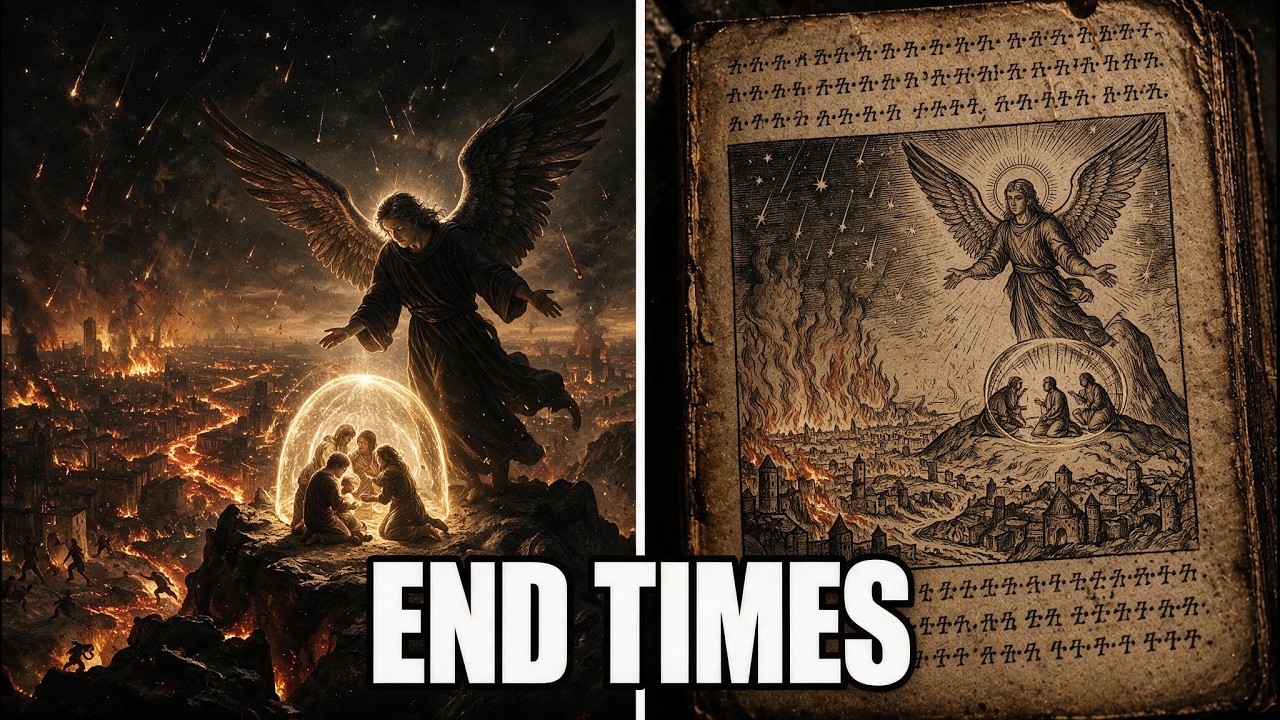
Once your spiritual eyes are opened, you can never look at the world the same way again. What if the history we’ve been taught is only a fraction of the story? What if the ancient civilizations, gods, and mysteries that have fascinated humanity for thousands of years are connected to something much older? In this episode of The Deepest Rabbit Hole, we’re going all the way back to the beginning. Before the pyramids. Before the "Greek"(actually Basque) gods. Before the ancient civilizations that shaped our world. We’re diving deep into the cosmic rebellions described in biblical and apocryphal traditions, the Garden of Eden, the Book of Enoch, the Watchers, the Nephilim, and the spiritual conflict between humanity and fallen angels. And we’re asking some questions that might completely change the way you interpret ancient history.
 
Last edited:

BarcelonaAtlantis

Moderator
Staff member
 
Last edited:

BarcelonaAtlantis

Moderator
Staff member
 
Top