What's new
Anthro World Forum

This is an anthropology forum where we cover all sorts of topics and discussions. Once signed in, you'll be able to participate on this site by adding your own topics and posts. Register today to become a member!

The hidden history of humanity.Impostors/Jews(Rev. 2:9)deceived the world and DNA confirmed it

BarcelonaAtlantis

Moderator
Staff member
An ancient language form that originated in the Basque Country area of our most ancient civilizations has been studied by Nyland (2001). He found that many words used to describe names of places and things in northern Japan seem to be closely related to the ancient language, which Nyland called Saharan, and which later was predated by the Igbo Language of West Africa. Fortuitously, the Basque Language is a close relative to the original Saharan. Following is a discussion of this relationship:

The language of the Ainu people of Northern Japan has been considered a language-isolate, apparently being unlike any other language on earth. Edo Nyland has noted taht few researchers found a relationship with languages in southeast Asia; others saw similarity with the Ostiak and Uralic languages of northern Siberia. The Ainu look like Caucasian people, they have white skin, their hair is wavy and thick, their heads are monocephalic (round) and a few have gray or blue eyes. However, their blood types are more like the Mongolian people, possibly through many millennia of intermixing. The Ainu are a semi-nomadic hunting and fishing group but also practice simple planting methods, which knowledge may have been acquired from the newcomers. The invading people, under their Yamato government, called them the Ezo, the unwanted, and forced the Ainu in fierce fighting to retreat north to the island of Hokkaido. The name Ezo likely is an abbreviation of the Basque word ezonartu (to disapprove of).


The following summarizes the accounts by Nyland and others on the possible correlation of the two languages:


ARCHAEOLOGY

Archaeologists determined that the Ainu have been living on many of Japan's islands, from Okinawa to Sakhalin, for 7,000 years and likely longer. Their Jomon pottery is found everywhere; it is characteristic although somewhat clumsy and can be dated from 5,000 bce. until just before the christian era. It is very attractive and is distinguished by the fantasy of its shapes with elegant and imaginative cord decorations. Some of the most striking finds were the clearly anthropomorphic clay and stone figurines resembling pregnant females with mask-like faces and protuberant eyes; very similar to those found in many other parts of the world, especially in Europe.


A number of stone circles have also been found, similar to those in Cornwall (England) and Senegal (North-West Africa). A few still have the slender upright stone in the center, also found in the British Isles and elsewhere in Atlantic Europe and N.W. Africa. Around 300 bce., Mongolian type people moved in from Korea and aggressively forced the Ainu north onto the large island of Hokkaido where an estimated 17,000 of them are still living. Some 10 dialects have been recognized, such as those of Sakhalin, Hokkaido and the Kurils, but several are at the point of being lost forever. In Hokkaido, young Ainu are now making an effort to restore their ancient language and traditions.


RELIGION

There are many intriguing resemblances between the religious customs of the Ainu and the Shinto Japanese. The Ainu called their God Kami while the Japanese called him Kamisama. The Aleut and Eskimo word kammi means "ancient thing" or "at the beginning," one of a great many correlations between Ainu and Inuktitut. (The Eskimo people call themselves the Inuit; note the similarity between the names Inuk and Ainu). Bear worship is still part of the Ainu religion and is described in detail by Joseph Campbell in Primitive Mythology. This Paleolithic bear-worship may date back to before 100,000 bce., to the days of the neanderthals. It appears to have been practiced worldwide; wherever the bear was not found (mainly in Africa), its place was taken by similar panther-worship.


Bear worship was not tolerated in those areas later dominated by the major religions; therefore, it was only possible for anthropologists to study the religion in the peripheral areas of northern Europe and Siberia. This gave rise to the idea that the Ainu must have moved eastward through Siberia, even though the nearest people of their type are found almost 5,000 miles away. However, bear-worship has also been reported from Indonesia where languages similar to the Ainu language are still spoken (to be discussed with the Indonesian language). Could it be that the Ainu were part of the mass migration of "Caucasian" type Sea Peoples(the Basques) who fled the burning Sahara and, among others, became the "Caucasian" looking Polynesians and Maories?Correct. The following language comparison for the Ainu seems to indicate that this was the case.


THE NAMES & WORDS OF JAPAN
 

BarcelonaAtlantis

Moderator
Staff member
In books about Japan it is often remarked that many of the names of Japan's geographical features were taken over from the Ainu/Basque people. For instance, the many names beginning or ending with ama (Goddess and it also means mom/mother in the Basque language) are all thought to be of Ainu origin. In 1994 the newly married prince and princess of Japan traveled to the cave of the Goddess Amaterasu to ask her blessings for their marriage. The name Amaterasu is agglutinated from ama-atera-asu, ama (Goddess) atera (to come out, to appear) asturu (blessings flow): Blessings flow when the Goddess appears. This name is made up of perfect Basque! Other well-known names were similarly assembled such as Hokkaido: oka-aidu: oka (big meal) aiduru (looking forward to): Looking forward to a big meal; and Fujiyama, fa-uji-ama: fa (happy) uju (cry of joy) ama (Goddess): "A happy cry of joy for the Goddess" is uttered by everyone who reaches the top of the holy mountain, just like is still being heard on many other mountains of the world (e.g . at Croag Patrick in Ireland, on the last Sunday of July). The Basques even have a word for this yodel cry for the Goddess, which they call irrintzi.


The name Amaterasu is made up with the vowel-interlocking Ogam formula, which was surprising to me because in the Ainu language itself there is not a hint of this agglutinating formula. Nyland then searched for more Japanese names and words which were assembled with the vowel-interlocking Ogam formula and found many such as Kamikaze and Samurai. The surprise which came from this comparison was that those words which showed vowel-interlocking were usually associated with fighting and male domination. This appeared to be true all over the Pacific, including Peru and Mexico. Could this mean that there were two major migrations, the first one many millennia ago from Mesopotamia which brought the peaceful people of the Goddess to the Pacific and a much later one, missionary based, bringing aggressive male domination and the language-distorting vowel-consonant-vowel (VCV) formula to these same areas?


None of the Ainu words was the same as in Basque, but many were extremely close such as ikoro and koro (money), kokor and gogor (to scold), tasum and eritasun (illness), iska and xiska (to steal). A surprise was the Ainu word nok (testicle) which is much like the Basque word noka (familiarity with women). In English slang the same word is used in "to knock up" meaning "to cause a woman to become pregnant." In Indonesian nok means "unmarried young woman," while dénok means "slender, elegant woman." In Dutch slang the word is slightly altered to neuk (sexual intercourse). There is little doubt that the word goes way back to the Neolithic or even Paleolithic. From the following comparisons it seems clear that Ainu and Basque are genetically related. In comparing Ainu with Dravidian, there was no such a relationship, although Dravidian itself is obviously also related to Basque. Two separate branches of the same tree?


The following words were taken from: An Ainu Dialect Dictionary edited by Shiro Hattori and printed mostly in Latin characters. This work provided a wealth of excellent material for comparison. Don't forget that the Basque "s" is pronounced as a soft "sh" and that our sharp "sh" is written as "x" in Basque. (The page column shows the word number/page number from his book):

It is easy to find hundreds more like the ones above, all it takes is time, but there is little reason for doing that. This comparison is quite convincing: the Ainu language is genetically related to the universal language, Saharan/Basque; the similarities are just too many to be accidental. Considering that the Ainu have probably been separated from the west since 5-7,000 bce. it is not surprising that the language has drifted away from the Neolithic language as it had developed in the Basque Country. The fact that so many Ainu words are still clearly recognizable when compared to modern Basque words is nothing short of amazing and tells us that the ancient oral traditions had been faithfully maintained since they left the Sahara/Iberia or Mesopotamia. The Ainu had no writing system but memorized their history and legends as yukar, which means that the poetry and epics were performed by memory professionals with elaborate display and ritual. Similarly, in the west, the universal language/Basque was maintained by regular meetings, probably at the central shrine on Malta, where the bertsolari (memory professionals) of all the tribes and regions met to reinforce and standardize their language and knowledge.


The Pacific sea peoples(Basque people) settled on hundreds of islands, they scattered over the entire Pacific, and it must be assumed that the single unifying educational exchange practiced in the Mediterranean was impossible to repeat. Similar local meeting-islands must have been designated in the Marianas, Polynesia, Melanesia, Indonesia, New Zealand etc. but regular contact with the far-away Ainu could hardly have been maintained. Consequently, the formerly universal language/Basque drifted and diversified into what we know today as the many languages of the Pacific islands, including those of the Kurils and Aleutians. Several of the Pacific languages, such as Japanese and Hawaian, do not have the "r". It has been theorized that these languages have lost this letter over the centuries


Another suggestion was that the original "Caucasians" coming from the Basque Country or Mesopotamia, around 5,000 bce., did not know this letter. However, it appears that the Ainu were the first to arrive in the Pacific and they have the "r". The lost "r" theory may well be correct. It is interesting to note that the name Ainu possibly comes from ain'u, an abbreviation of the Basque word ainbanatu (to distribute, to scatter all over). Another origin could be the Basque word aienatu (the disappeared, departed).These astute navigators of the Pacific must also have discovered the west coast of North America at a very early date. The island-chain of the Aleutians was a ready-made pathway to Alaska, which must have been reached well before 6,000 bce., possibly before the east coast of North America was spotted. It may have been about the same time that the Eskimos/Inuit(the Basques) started to spread east into Arctic Canada and Greenland, bringing along a pidgin-type, Ainu-related, Basque to Labrador and Greenland (See Eskimo).


WHO WERE THE AINU "NOMADS OF THE WIND"?

There are indications that the Ainu/Basques sailed regularly to Alaska to obtain reindeer hides from the Aleuts established there, which they needed for their sails, exactly the same as was done by the Basques, the Irish and Scots who went to Arctic Norway for their reindeer-leather sails (Mt. Komsa people). The Ainu must have been great long-distance seafarers to keep up contact with their home base which was the Basque Country. All over the Pacific this incredible sailing tradition waned fast when the social structure changed after the coming of "European" or Asiatic domination. Today the Ainu still sail the ocean but mostly to fish. The complex navigational techniques, acquired over millennia had been the property of a few special families and were never popular wisdom. They are now lost. The astonishing amount of astronomical knowledge, which the members of such navigator families had to memorize, was taught them at a very young age and was built up during a lifetime on the ocean. To these highly skilled and proud people the Pacific was not hostile. The ocean was their life and joy, and an indispensable part of their culture. Only in the Carolines the ancient spirit, some of the secret navigational techniques and much astronomical wisdom has been maintained to this day. All this is described in a book called: We, the Navigators by David Lewis.


The people/the Basques who sailed the Pacific without the aid of instruments have recently been called the "Nomads of the Wind", a most appropriate title for these courageous and resourceful people. The Ainu/Basques appeared to have been the avant guard of the Pacific migration. The desertification of the Sahara (See Climate) had probably forced these groups to flee that region. It was then that the name "Africa" was coined: af.-.ri-ika, afa-ari-ika: afa (happy) arinari eman (to escape) ikara (terror): Happy to have escaped the terror. Some of these displaced tribes sailed around Asia and started to populate the nearest Pacific islands, all of them speaking the same universal language and bringing along the same religion


Many of the Pacific islands had names which could be translated with the Basque dictionary such as: "Tahiti", from tahi-iti, tahiu (appearance) iti (ox): "Resembles an ox" the sharp pointed mountains indeed resemble ox horns. Also, "Rapa Nui" (Easter Island), arra-apa ' nui, erraldoi (giant) aparta (far, far away), nui (enormous, in Hawaiian): "Enormous giants, far, far away". "Hawaii", ha'u-ahi: ha'u (this one) ahigarri (exhausting): This one is exhausting! It still is. Finally,” Papua", apapua (living in poverty); stone age people don't own much, they don't pollute and they live as part of nature. One tantalizing hint comes from Peru where the patriarchal Incas established a complex civilization, complete with highly evolved Sumerian-type irrigation. The Incas were living gods and the Basque word for "God" is ainkoa!
 
Last edited:

BarcelonaAtlantis

Moderator
Staff member

The doomed nazis are fake aryans they are not the real aryans the Basque people/secret Holy Grail are the real Aryans and founders of every nation but this is hidden history hidden by the doomed impostors madrid/christianity.
 
Last edited:

BarcelonaAtlantis

Moderator
Staff member
 
Last edited:

BarcelonaAtlantis

Moderator
Staff member
The great wall of TARTARIA...

The BASQUES/TART-ARIANS.....the REAL aryans not the doomed nazis/impostors.

The BASQUES/TARTARIANS were these "muslims" the same ones that built AL-ANDALUS the origin of EVEYRTHING

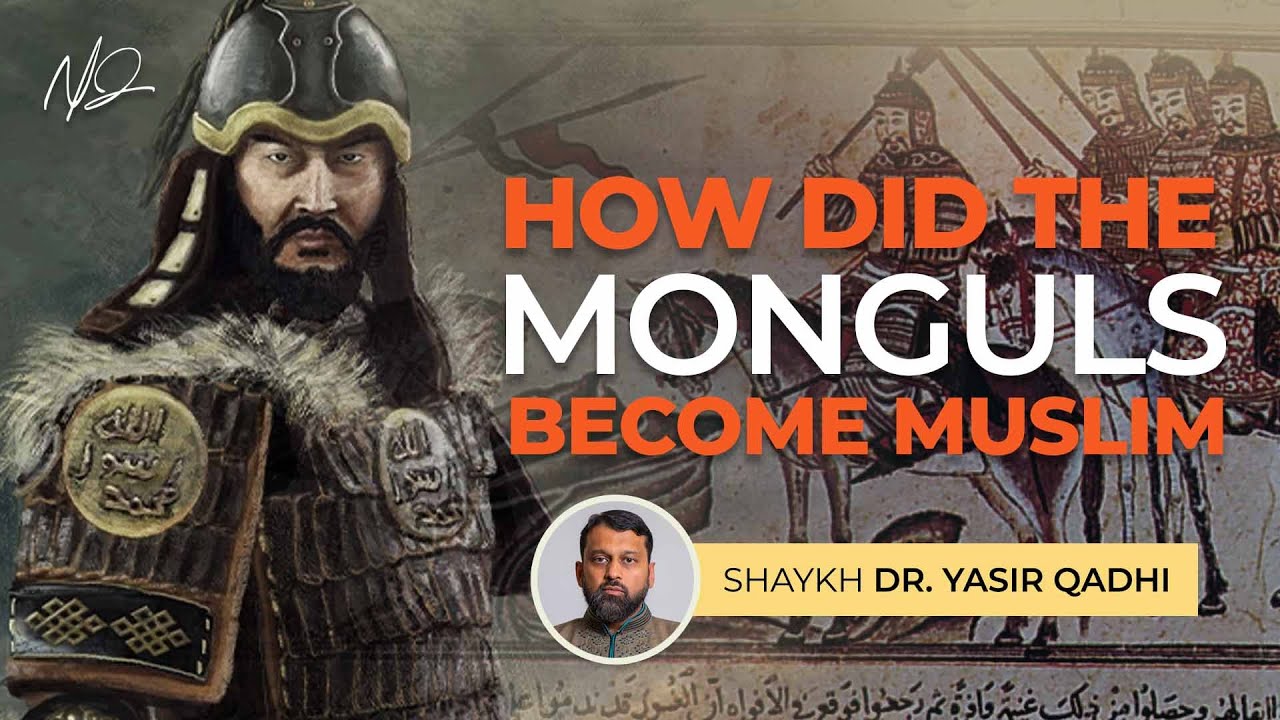
Genghis Khan was a TARTARIAN meaning BASQUE the hidden origin of EVERYTHING.This is it its disclosure time we are in the age of aquarius which is when the hidden truth/real history would be revealed, so its absurd for people to think they know the hidden truth/real history.
 
Last edited:

BarcelonaAtlantis

Moderator
Staff member
The Turkic people were the Basque people/Tartarians the real Aryans the hidden origin of humanity and civilization...

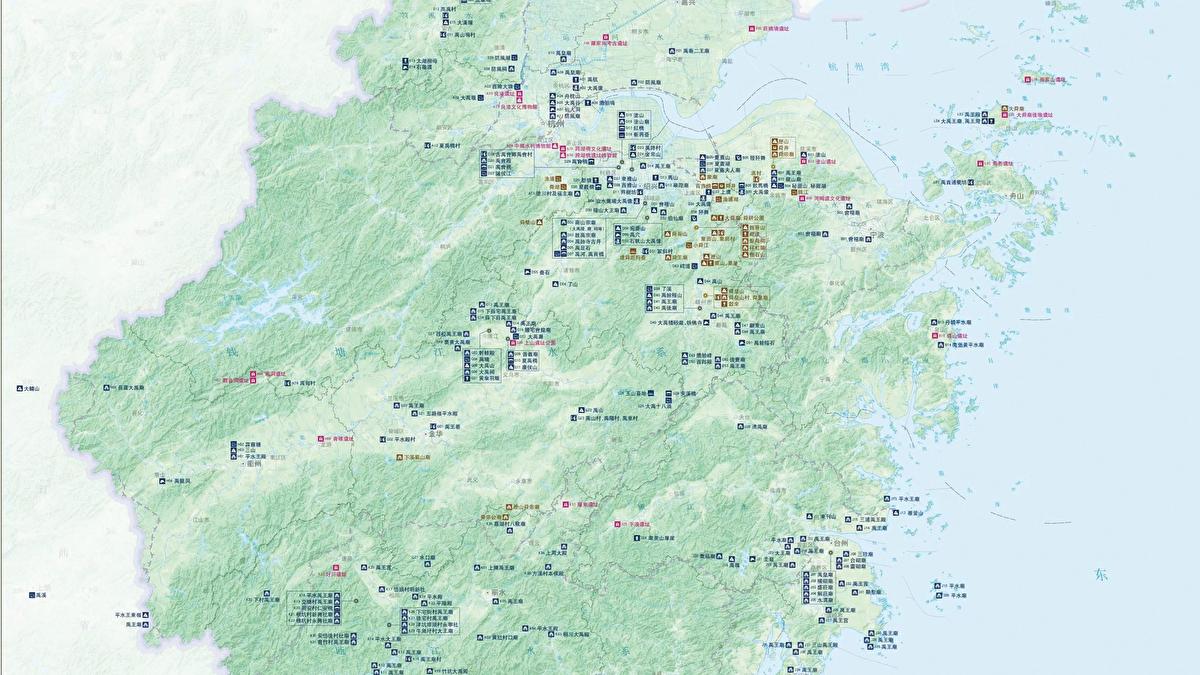
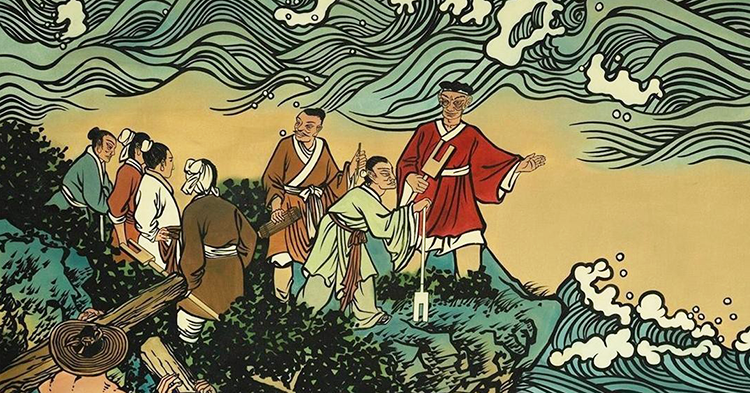
Yu the Great or Yu the Engineer was a legendary king in ancient China who was credited with "the first successful state efforts at flood control", his establishment of the Xia dynasty, which inaugurated dynastic rule in China, and for his upright moral character.He was a Basque/Tartarian man....


SANTA PONSA.......................

China, Dayu, or Yu the Great, is a household name and a character who figures prominently in the origin of Chinese civilization.
 
Last edited:

BarcelonaAtlantis

Moderator
Staff member
Yu the Great, known as the founder of the Xia Dynasty, is a pivotal figure in Chinese history. His efforts in flood control and the establishment of the Xia Dynasty marked the beginning of China’s imperial era. His reign laid the foundation for one of the world's oldest continuous civilizations.

In this video, we delve into the life and achievements of Yu the Great, exploring how his vision and determination led to the founding of the first dynasty in Chinese history. Learn about his legacy as the founder of the Xia Dynasty and how his leadership shaped the future of China.He was a Basque/Tartarian man...

Da Yu, in Chinese mythology, the Tamer of the Flood, a saviour-hero and reputed founder of China’s oldest dynasty, the Xia. One legend among many recounts Da Yu’s extraordinary birth: a man called Gun was given charge of controlling a great deluge. To dam the water, he stole from heaven what seems to have been a piece of magic soil. Angered by the theft, the Lord on High (Shangdi) issued an order for his execution. After three years Gun’s miraculously preserved body was slit open and a son brought forth. This was Da Yu who, after years of strenuous labour, provided outlets to the sea through dredging, with the aid of dragons, thus making the world suitable for human habitation. https://www.britannica.com/topic/Da-Yu


The Basques/Tartarians founded China.Hidden history.
 
Last edited:

BarcelonaAtlantis

Moderator
Staff member

For two hundred years, every global superpower was white(wrong Europe was invaded and enslaved by madrid/christianity so saying white is wrong,unfair and slandering), christian, and european(wrong). Then in 2020, that chart broke — and almost no one told you why.

This video breaks down The White Two Centuries: the historical data showing China and India held over 50% of global GDP before 1820, how the Islamic world ran the planet's knowledge systems for five centuries, and what the numbers in 2026 — China's economy now 1.37x the US by PPP, BRICS+ at 41% of global GDP — actually mean for the world your children will inherit. This isn't the decline of the West. It's the end of an aberration mistaken for a rule.

The century hasn't been named yet. Stay to the end — because the last question in this video is the most important one nobody is asking. https://www.youtube.com/watch?v=J-1R6z7c5ek

 
Last edited:

BarcelonaAtlantis

Moderator
Staff member
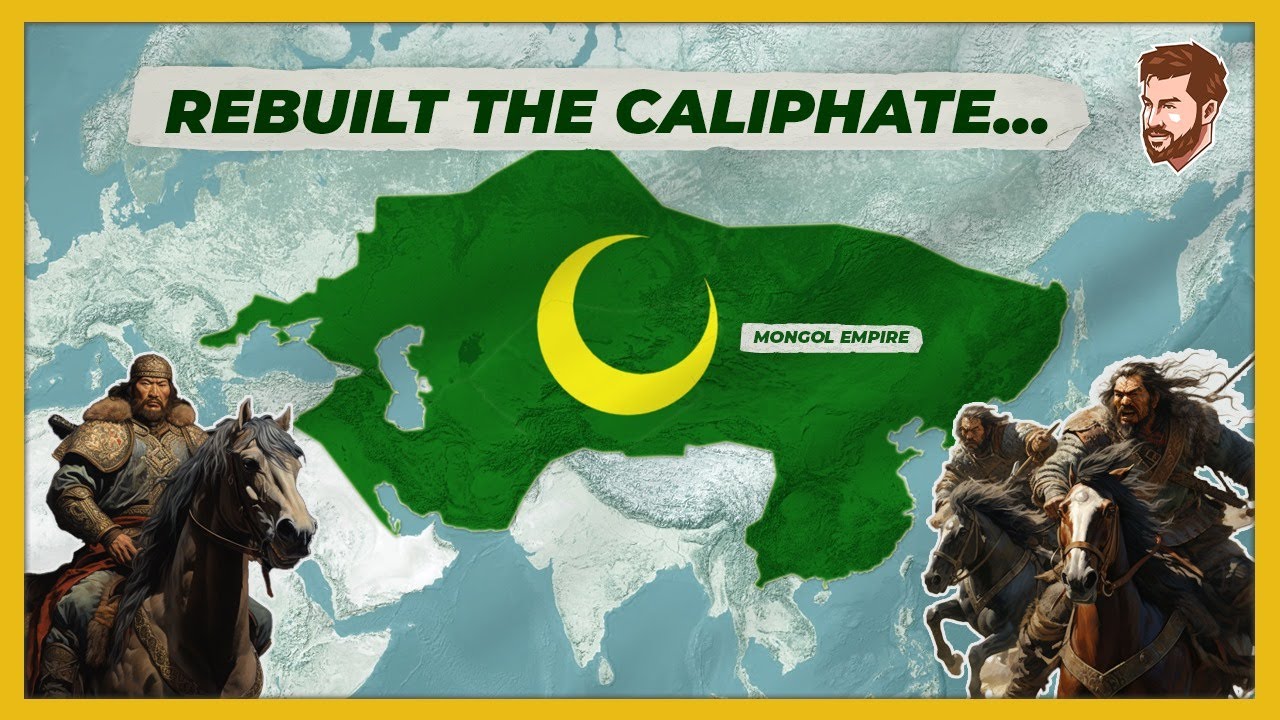
These mongols were the Basques/Tartarians not the Mongols you have in mind now.

Today christianity no longer exists and we are moving towards a world in which the christian peoples or the peoples that have formerly been christian will be a minority. . . We no longer have any solid grounds for believing that the post-christian era is likely to realize any of the humanitarian utopias in which the idealists of the nineteenth century put their faith.

A similar judgement made in 1922 by German philosopher and historian Oswald Spengler had shocked readers. In his book The Decline of the "West"(madrid/christianity), Spengler argued that all cultures pass through a life cycle, and that western civilization was already in unavoidable decline.

Winston Churchill’s solemn warning at a critical point in European history only drew widespread attention to what was already happening. The survival of christian civilization did not depend on who won the Battle of Britain; it had already ceased to exist. World War II was itself a sign that christian civilization was in an advanced form of disintegration.

14988460411678252331 (3).jpg

9050037520726967439 (4).jpg

The Lost Empire of Tartaria: The Hidden History They Don’t Want You to Know.​

The Lost Civilization of Tartaria with Guy Anderson What if everything you know about history is a lie? What if entire civilizations have been erased, their achievements buried under layers of deception? Welcome to one of the most controversial and mind-bending mysteries in alternative history: The Legend of Tartaria—a lost empire that many believe stretched across continents, wielded advanced technology, and was deliberately erased from the history books.This is a provable FACT.


WHAT IF EVERYTHING YOU’VE BEEN TOLD ABOUT HISTORY IS A LIE?

Entire cities with impossible architecture, technologies ahead of their time, and maps of a vanished empire.
"History"(pseudo history) says they never existed, but the evidence tells a different story.
What was Tartaria, and why was it erased from the past?

Once you learn this, you’ll never look at history the same way again!

Hidden beneath layers of forgotten history,
erased from textbooks but never from curiosity, lies the enigma of Tartaria, an empire shrouded in mystery.
This book isn’t just an introduction; it’s a key to a lost world, unveiling hidden truths,forgotten architecture, and theories that challenge everything we know.
Inside, you’ll embark on a compelling journey through Tartaria’s secrets,designed for those seeking answers beyond the official narrative.

Are you ready to discover:

Forgotten Origins: Uncover how Tartaria, an empire once marked on ancient maps and described in early texts, vanished from the pages of official history.
Timeless Architecture: Step into a world of monumental structures that defy explanation, built with precision and scale beyond the known capabilities of their time.
Lost Technologies: Explore fascinating theories about free energy, advanced engineering, and forgotten innovations that challenge conventional history.
The Erasure: Investigate the possible causes behind Tartaria’s disappearance and the idea of a worldwide suppression of its existence.
Tartaria Today: Trace the hidden legacy of this lost empire in modern culture, from symbolic architecture to lingering myths and beliefs.
Examine the debates, the academic pushback, and the unanswered questions; then decide for yourself what really happened.

AND SO MUCH MORE WAITING TO BE DISCOVERED.

They’ve hidden the truth long enough.
The pieces are scattered, and this book begins to put them together.
What you’ll uncover will change how you think about the past forever.

ORDER NOW! Unlock the secrets of The Lost Empire of Tartaria

The Lost Empire of Tartaria: The Hidden History They Don’t Want You to Know weighs 1.5 lbs, making it a substantial read for history enthusiasts. Delving into the unexplored aspects of Tartarian history, this book is sure to challenge established narratives. It offers a unique perspective that encourages readers to question commonly accepted historical facts. Fans of alternative history will appreciate the depth of research presented. The engaging writing style keeps readers intrigued from start to finish, unraveling mysteries that have evaded popular discourse.

TARTARIA HONG KONG - China
Another beautiful old city ,similar buildings ,same architecture.
Powered by an underdeveloped civilization on horse-drawn carriages on mud roads without advanced technology
Tartaria was a global highly developed civilization, erased from history.
Everything has a past. Everything - a person, an object, a word, everything. If you don't know the past, you can't understand the present and plan properly for the future.

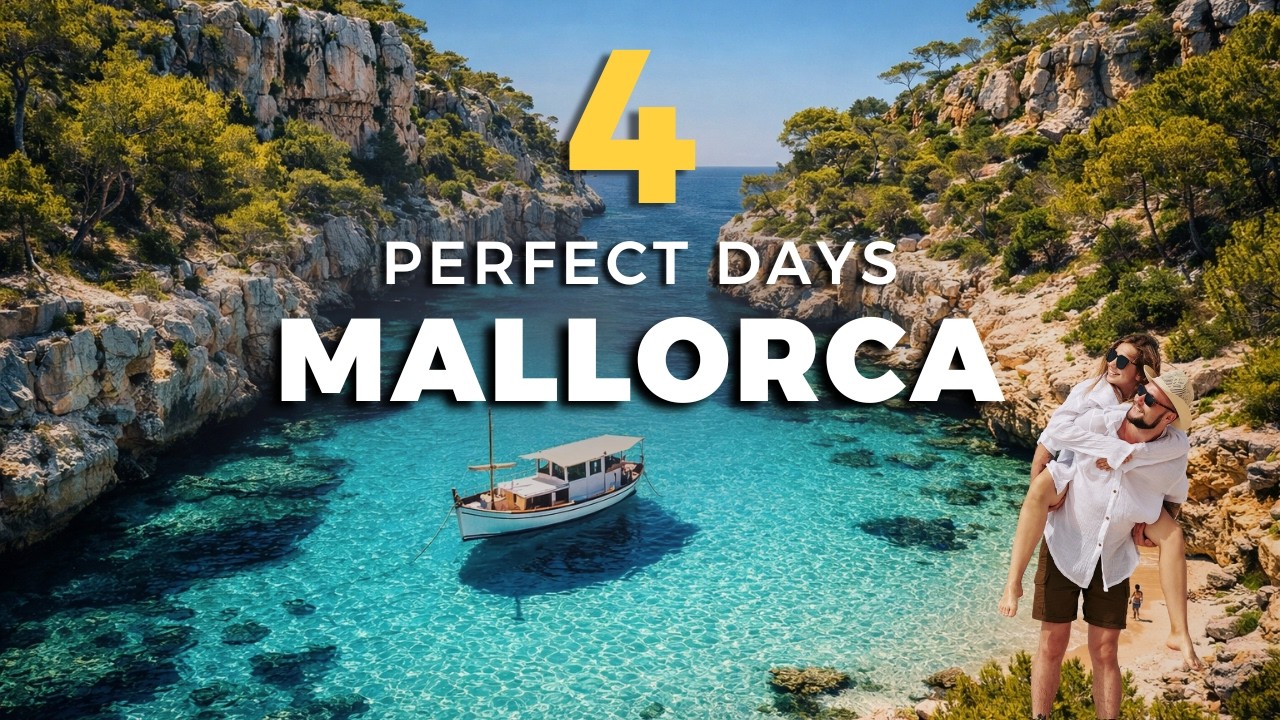
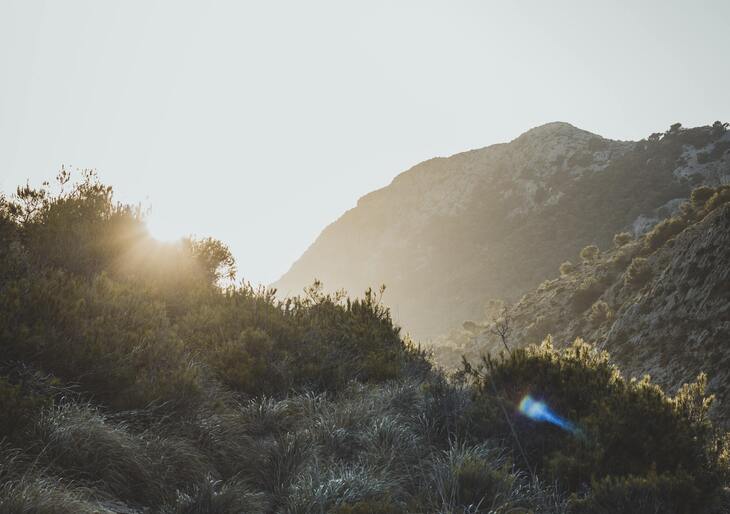
Discover the Serra de Tramuntana, a unique place on the island of Mallorca that you cannot miss. The Serra de Tramuntana is much more than a set of mountains in the northwest of Mallorca; it is a landscape that breathes history, tradition and nature in every corner. Stretching for 100 kilometers, this region was recognised as a UNESCO World Heritage Site in 2011 thanks to its unique balance between the natural environment and the human interventions that have shaped its identity. From its impressive cliffs and picturesque villages to its terraced fields that have been cultivated for centuries, Tramuntana is a destination that captivates all who visit. Nature and biodiversity


The biodiversity of the Tramuntana mountain range is simply exceptional. Its centuries-old holm oak forests are home to unique animal and plant species. These include the black vulture, one of the largest birds of prey in Europe, which finds refuge in the crags of the sierra. It is also home to the Mallorcan goat, a symbol of the local fauna. As for the flora, the endemic plants of the Tramuntana are perfectly adapted to the conditions of the region, some of them flourishing exclusively in this environment.


The protection of this ecosystem is a priority. The natural parks and reserves have been created to ensure that future generations can enjoy this natural heritage. At the same time, they encourage sustainable tourism, allowing visitors to immerse themselves in the beauty of the mountains without disturbing their balance. The Serra de Tramuntana is not just a place to visit, it is a destination to feel and live. Its blend of nature, culture and history makes it a unique corner of the Mediterranean. Whether you are looking for adventure, tranquillity or a journey into the past, Tramuntana has something to offer. Let its landscapes, villages and traditions win you over and discover why this protected place is an undiscovered gem.https://en.mallorcatailormade.com/blog/tramuntana-a-protected-mountain-range-to-discover.html
 
Last edited:

BarcelonaAtlantis

Moderator
Staff member
The best oranges on earth..

Soller Valley: The Orange Heart of Mallorca
Written by Soller Shirley
Oranges might not be the only fruit grown in the Soller Valley, but it is certainly the one the area is renowned for.
The orange is unique because the English word for the colour comes from the fruit, not the other way around. The word’s journey traces back through French, Arabic, and Persian to the Sanskrit “nāraṅga” (orange tree).
January marks the beginning of the Navel Orange season. This time of year offers a vibrant landscape of heavy-laden trees and bountiful orange harvests. Towards the very end of January, the first orange blossoms appear, adding a distinct fragrance to the air alongside the ripe fruit. The sun, warming the blossoms and releasing their perfume, accompanies many a walk in the Soller Valley in January.
Navel Oranges: The primary harvest in January consists of “Navel” oranges, known for being sweet, easy to peel, and excellent for eating.
Canoneta: The valley’s signature orange, highly prized for its juice, is also in season at this time.
Bitter Oranges: These remain available through the end of February and are ideal for making marmalade.
Lemons & Mandarins: Lemons are available year-round, while mandarins and clementines are typically harvested in early winter.
The Soller Valley has earned a reputation for producing some of the finest oranges in Europe. With their vibrant colour, distinctive sweetness, and juicy flesh, Soller oranges have become a staple, not only in local markets, but also in the kitchens of top chefs across Spain.
The unique microclimate of the Soller Valley, characterised by warm days, cool nights, and mountain water, creates ideal conditions for citrus cultivation. The tradition of orange growing stretches back to the 13th century.
Today, visitors flock to Soller not only to admire the stunning scenery but to sample the fresh-squeezed orange juice served in cafés. They also purchase marmalades, liqueurs, and even perfumes made from the region’s prized fruit.
The annual orange festival, held each spring, is a highlight for locals and tourists alike, offering tastings, parades, and a chance to learn about the orange’s cultural heritage.
Soller oranges, and their appearance in the drink the 'Soller Orange Bomb’, have gone viral. Influencers and TikTok have taken the story to South Korea and Taiwan. Travellers from those regions often seek out the Soller Orange Bomb from El Petit in Soller Placa. Its fame has travelled far and wide.

These people were the Basques/Tartarians.Before "China" existed, another civilization ruled the south — the Baiyue, the "Hundred Yue." Tattooed sailors. Shamanic poet-kings. A spiral fortress hiding thousands of mechanized crossbow triggers. And a bloodline that still runs through hundreds of millions of people across Southern China and Vietnam today.

This is the story your history books left out — not how the North conquered the South, but what the South already was before anyone conquered it at all.


If you're Cantonese, Vietnamese, Zhuang, Hokkien, or from anywhere south of the Yangtze River — this is, quite literally, part of your story.

🔔 Subscribe to MNIStry for more forgotten history, hidden civilizations, and the stories your textbooks never told.

Sóller Valley and the Canoneta: an exceptional citrus fruit​

The Canoneta orange is no ordinary orange. This organic fruit is lovingly grown in the Sóller Valley, lush farmland protected by the majestic Serra de Tramuntana. The terroir is truly exceptional and has been at the heart of citrus fruit farming in Mallorca for millennia. The Canoneta orange, nicknamed the “queen of oranges”, is what gives Canonita its soul and essence, making it an emblem for flavour and quality.

Beautiful and historical Sóller Valley is the home of the Canoneta orange and the soul of Canonita. Sheltered by the impressive Serra de Tramuntana, the valley is where the climate, soil, and human care meet to create an unequalled fruit, so that Canonita becomes a golden liquid that captures the essence of Mallorca.


The BASQUE people the origin of EVERYTHING....
Step inside the ancient world of the Terracotta Army - a life-sized army of 8,000 warriors buried for 2,000 years and only rediscovered in 1974. This documentary unravels the astonishing secrets of the Terracotta Warriors, exploring how ancient Chinese craftsmen engineered this breathtaking mausoleum for the First Emperor, Qin Shi Huang. Discover the revolutionary manufacturing techniques, from handcrafted clay figures with unique faces to mass-produced bronze weapons sharpened with state-of-the-art machines. Using cutting-edge 3D modeling and scientific analysis, archaeologists reveal how the army was built to defend the emperor in the afterlife, and how the Qin dynasty’s ruthless legalist system organized and controlled a workforce of thousands. You’ll witness demonstrations of the legendary Chinese crossbow, examine the advanced metallurgy behind 40,000 arrowheads, and see how innovative production lines enabled the creation of an immortal army in just 37 years. The video also delves into the grand scale of the mausoleum complex - a vast site rivaling the size of Manhattan, filled with not just warriors, but chariots, musicians, and acrobats, all designed to serve the emperor in eternity. Join us as we uncover the mysteries behind this eighth wonder of the world, from the technology that made it possible to the chilling stories of the workers who built it. Perfect for history buffs, archaeology enthusiasts, and anyone fascinated by the marvels of ancient China.

50 years ago, a few peasants from a Chinese village unearthed a perfectly preserved human head in the soil. It was only the beginning. Later, they excavated 8000 figures from the earth. The warriors stood shoulder to shoulder. Their weapons, though 2000 years old, were still as sharp as razors. This was the Terracotta Army of Qin Shi Huangdi. What was its purpose? Who was it meant to battle? Explore the incredible discovery of the terracotta army and its significance in chinese history in this exciting ancient china documentary, and see what impact it made on our understanding of the past.
Saying "farewell to the christian century" refers to the shifting cultural landscape where christianity is no longer the dominant public framework in the West.Good riddance doomed IMPOSTORS.

The BASQUES/TARTARIANS...


Tartarian Culture🗻: A Forgotten Civilisation 🏞️
Tartary was never a monolith. It spanned vast territories with diverse tribal, ethnic, and spiritual groups. From the Buddhist Tibetans of Chinese Tartary to the Islamic scholars of Bokhara in Independent Tartary, the region was a cultural mosaic. While Europeans often grouped these areas under the term “Tartary,” the people themselves retained distinct languages, traditions, spiritual beliefs, and forms of governance .
Tartarian cities like Samarkand and Bokhara were renowned for their libraries, mosques, and madrasas, acting as crossroads for Islamic scholarship and Silk Road trade. In contrast, places like Lhasa in Chinese Tartary served as the spiritual heart of Tibetan Buddhism, further affirming that Tartary was not a cultural vacuum, but a region steeped in religious philosophy and knowledge .
Descriptions reference walled cities, fortified strongholds, and sprawling trade centers. Cities like Khiva, Kashgar, and Karakorum were constructed with grand plazas, intricate domes, and defensive works. Their engineering adapted to deserts, mountains, and vast steppes showcasing a deep connection between architecture and environment.
Each Tartarian subdivision Usbeck, Chinese, Independent, Mongol, Crim had kings, khans, or tribal leaders. They maintained diplomatic relations with Persia, China, India, and the Ottoman Empire(Basque empire). This was not a chaotic nomadic expanse, but a collection of governed regions, with alliances and rivalries much like Europe during the same era .
Located at the heart of the Silk Road, Tartary’s regions Urumqi, Tashkent, Hami, and Merv were melting pots where Persian merchants, Chinese scholars, Muslim(meaning Basque) mystics, and Mongol horsemen interacted. This constant flow fostered a culture rich in storytelling, commerce, calligraphy, metallurgy, and cosmology.
The descendants of Tamerlane (Timur) and the influence of Genghis Khan gave Tartarians a deep sense of bloodline authority. Emperors like Xunchi were seen as chosen vessels, cementing a spiritual political hierarchy that was deeply ingrained in everyday life.

For about 300 years, one empire sat at the top of the world. Not just in terms of military or economic power. But in terms of everything, science, art, law, trade, culture, and sheer reach across the globe. Its capital city was so large that every other city on earth was a village by comparison. It had a legal code so well-designed that its neighbours copied it word for word. It sat at the crossroads of the entire Silk Road (絲綢之路), which meant the world didn't just know about it — they came to it. This was the Tang Dynasty (唐朝). China's golden age and arguably the most powerful Chinese dynasty in history.

 
Last edited:

BarcelonaAtlantis

Moderator
Staff member
The sacred race the founding race founded every nation on earth and thats the Basque race... so its easy to find out who founded China,Japan,India and the rest of the nations....

Keepers of forbidden wisdom

The Sóller valley's sweet oranges fueled a massive 19th-century export boom to France and the rest of Europe, earning the region the legendary nickname "Valley of Gold" and Gold of Mallorca.


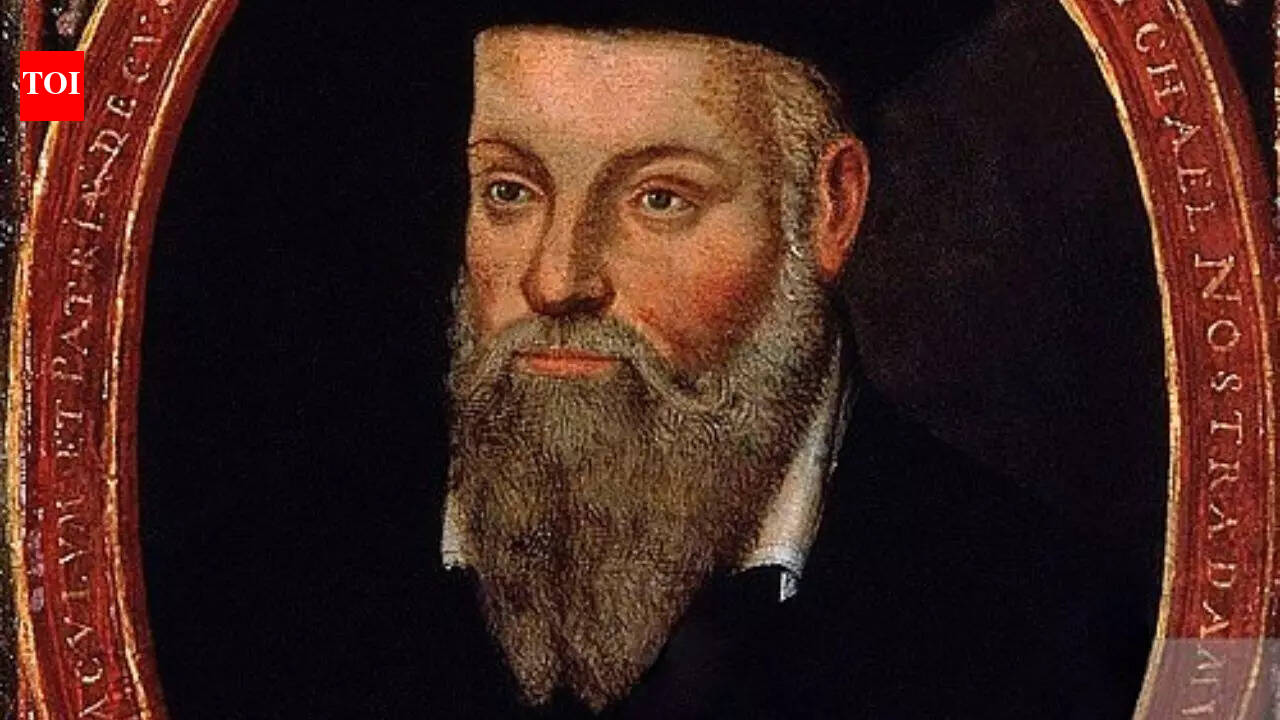
Nostradamus suggested that a pope by the name of Leo will rule the church's last days,fitting eerily with the assertion the world may end in 2027
Read more at:


The 16th-century French seer, Michel de Nostredame, widely known as Nostradamus, is believed by some to have warned of a future pope who would reign during an era of grave turmoil, preceding a collapse of religious institutions http://timesofindia.indiatimes.com/...ofinterest&utm_medium=text&utm_campaign=cppst

The Final pope? Nostradamus prophecy points to pope leo as the Harbinger of the Apocalypse.


The hill of Galatzó, pyramidal in shape and separated from the other peaks of the Tramuntana mountains, is a magical mountain and a land of legends.Galatzó is also rich in rural history. Along the trail, you'll find lime kilns, ancient farming terraces, natural springs, and charcoal burners' huts.Galatzó is a quality territory: history, legend, patrimony, landscape and ethnography join together creating a paradigmatic combination which has to be known and preserved. Galatzó mountain is also known as “the magic mountain”. Galatzó is home to legends, myths, characters representative of Mallorcan literature and culture. The only nature park in Mallorca, Reserva Park is one of the collaborating entities of GALATZÓ TRAIL in 2026. This spectacular space offers different activities related to hiking, adventure sports and the enjoyment of the native flora and fauna. In addition, the park allows you to enjoy spectacular landscapes, with waterfalls, bridges, etc.

Galatzó Trail, 8th March 2026 🏔️ ‍♂️ Take on one of Mallorca's most spectacular trail races in the heart of the Serra de Tramuntana.Galatzó public estate is one of the largest and most iconic areas in Mallorca, with more than 14 million m2 of natural, agricultural and cultural heritage.

La finca de Galatzó es un paraíso natural, arqueológico y patrimonial de Mallorca. Esta legendaria posesión y sus terrenos esconden verdaderas maravillas.

The History of Soller’s Famous Oranges: A Sweet Story of Trade and Tradition​

Posted: Sunday, 2nd February 2025
Soller’s oranges are as iconic as its Tramuntana mountain backdrop. Known for their vibrant color, juicy sweetness, and delightful aroma, Soller’s oranges have become a symbol of the region’s agricultural heritage and a cornerstone of its local economy. The story of these famous oranges goes beyond their flavor—it’s a tale of trade, tradition, and resilience that has shaped Soller’s identity. Here’s a look at the rich history of Soller’s oranges, how they came to prominence, and where you can stay to immerse yourself in this sweet legacy.

A Tradition Rooted in History​

The history of Soller’s orange trade dates back to the 19th century, a time when the town was relatively isolated from the rest of Mallorca due to the surrounding mountains. While this isolation posed challenges, it also encouraged Soller to establish connections beyond the island. The town’s fertile soil and Mediterranean climate created the perfect conditions for growing oranges, particularly varieties like the Canoneta and the Navel, known for their sweetness and rich flavor.

As Soller’s orange industry flourished, local traders began exporting their produce to France and other European markets. This trade connection was made possible by Soller’s location on the coast, where Port Soller served as a gateway for exporting goods. Soller’s oranges quickly gained popularity in Europe, establishing the town as a prominent player in the orange trade. The revenue from this trade brought prosperity to the region, funding the construction of beautiful homes, public buildings, and even the iconic Soller Train, which now serves as a popular attraction for visitors.

The Golden Age of Orange Trade​

The 19th and early 20th centuries were the golden age of Soller’s orange trade. Ships laden with crates of oranges departed regularly from Port Soller, bringing the sweet taste of Mallorca to the tables of Europe. During this period, oranges became a symbol of wealth and success for Soller, with local families prospering from the booming trade. The town’s architecture, including the grand buildings around the main square, reflects the wealth generated from this golden age of trade, showcasing intricate facades and stylish design elements influenced by European trends.

Even today, traces of this prosperous era remain evident in Soller’s culture and economy. The town continues to celebrate its orange heritage through local festivals and traditions, including the annual Fira de la Taronja (Orange Fair), held each spring. This vibrant festival honors the role of oranges in Soller’s history and features orange-inspired dishes, activities, and events that bring the community together.

A Decline and Revival of Tradition​

In the mid-20th century, Soller’s orange trade experienced a decline due to economic challenges, competition from other regions, and changes in the global market. The construction of a tunnel in the 1990s, which made Soller more accessible, marked a turning point for the town. While the demand for oranges in international markets waned, tourism offered a new avenue to celebrate and sustain Soller’s orange heritage.

Today, visitors flock to Soller to experience the charm of its orange groves, taste fresh orange juice, and sample locally made products like orange marmalade and liqueurs. The renewed interest in Soller’s oranges has transformed this agricultural tradition into a cultural attraction, allowing visitors to connect with the town’s history while enjoying the fruits of its labor.

Experiencing Soller’s Orange Legacy Today​

If you’re visiting Soller, be sure to take a stroll through the town’s orchards, sample fresh orange juice at a local café, and explore the various products made from this celebrated fruit. Many restaurants and cafes in Soller and Port Soller incorporate oranges into their dishes, offering unique flavors that reflect the town’s heritage. You can also visit local markets to find orange-based products, such as marmalade, honey, and beauty items infused with the essence of Soller’s famous oranges


The Turkic people were the Basques the REAL Aryans.
 
Last edited:

BarcelonaAtlantis

Moderator
Staff member
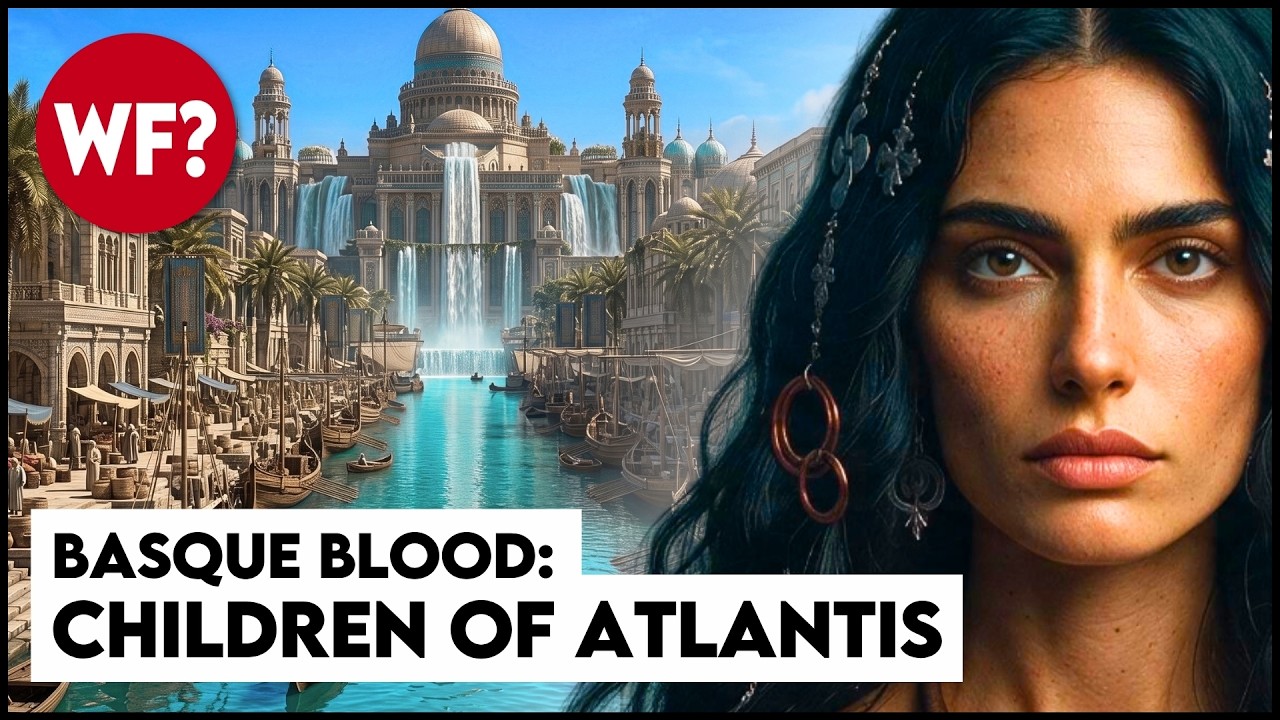
The BASQUES/ATLANTEANS/TARTARIANS..

What if one of the most advanced ancient civilizations in Asia vanished almost overnight… and we only rediscovered it in the last few decades?

This video explores the mysterious Liangzhu civilization, a sophisticated Neolithic culture that thrived in the lower Yangtze over 1,000 years before China’s first dynasty. We dive into its massive hydraulic engineering, rice-based economy, elite jade culture, and long-distance trade networks that existed long before the Silk Road.

Was Liangzhu an early “state” that reshaped what we think we know about ancient China and East Asia? Did climate change, catastrophic floods, or internal conflict bring it down? And did it really “rule Asia,” or is that a modern myth?

If you’re interested in lost civilizations, ancient China, archaeology, or the origins of complex societies, this deep-dive is for you. Discover how the story of Liangzhu is rewriting the timeline of human civilization in East Asia.

If you enjoy thoughtful history and archaeology content, subscribe to the channel for more videos on ancient civilizations and the mysteries they left behind.

Sources:
• Liu, Li, and Xingcan Chen. The Archaeology of China: From the Late Paleolithic to the Early Bronze Age.

• Chang, Kwang-chih. The Archaeology of Ancient China.

• Underhill, Anne P., editor. A Companion to Chinese Archaeology.

• Allan, Sarah, editor. The Formation of Chinese Civilization: An Archaeological Perspective.

• Shelach-Lavi, Gideon. The Archaeology of Early China: From Prehistory to the Han Dynasty.

00:00 The Civilization Beneath the Rice Fields
04:35 Before Dynasties: Reimagining Ancient China
12:56 The Rediscovery of Liangzhu
24:43 A Capital Built on Wetlands
35:05 The Ancient Hydraulic Machine
45:10 Rice, Rivers, and the Wealth of the Lower Yangtze
56:30 Jade for the Living and the Dead
1:05:27 The Face in the Jade: Gods, Ancestors, or Power?
1:13:10 A Society Divided by Status
1:23:06 Trade Routes Before the Silk Road
1:32:15 Writing Without Words?
1:40:53 A Wider World of Early East Asian Civilizations
1:49:41 Warnings in the Landscape
1:52:33 The Great Flood Theory
2:00:14 Did Liangzhu Collapse From Within?
2:09:49 Where Did the People Go?
2:18:57 From Liangzhu to Later China
2:27:35 Why the Liangzhu Mystery Still Matters
2:36:24 The Civilization That Refused to Stay Buried

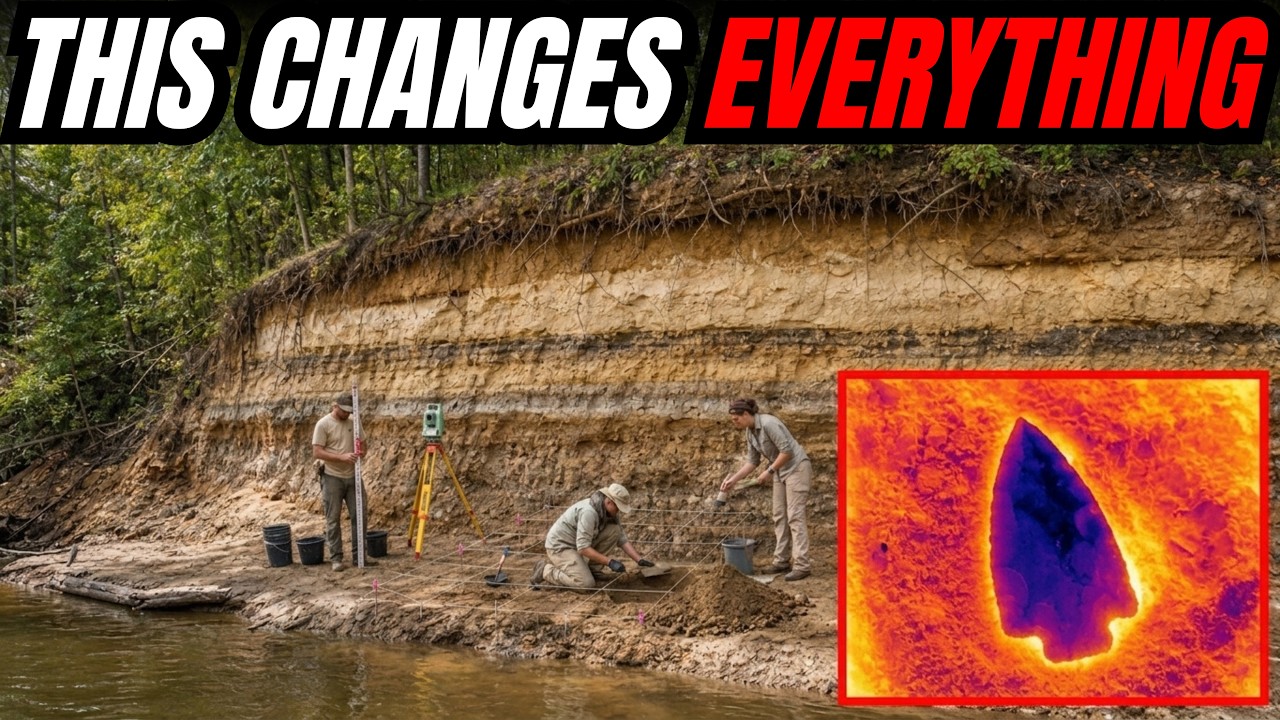
When it comes to the early settlement of Mediterranean islands, evidence is scarce and the story is hazy. That’s why the discovery of an ancient bridge off the coast of Mallorca is sending shockwaves through the archaeological world—challenging what we thought we knew about who got there first, and when. A simple stone bridge, now lying beneath more than a meter of seawater, may just push back the clock on human presence in the Balearics by over a thousand years. Built at least 5,600 years ago—long before previous estimates of 4,400 years—it suggests early settlers arrived far earlier than we imagined.

High-tech tools reveal ancient sophistication​

The science behind it is as fascinating as the find itself. Over time, uranium in cave water breaks down into other elements. By measuring how much of each is present in the limestone, researchers can calculate when that limestone formed. As water slowly deposits minerals, the limestone grows—and holds onto uranium like a time capsule.

Thanks to this method, researchers traced the calcite back to between 5,600 and 6,000 years ago. The findings were published in the journal Communications Earth & Environment.

The bridge was discovered inside Genovesa Cave, on the eastern edge of Mallorca, along with fragments of pottery and stone constructions. These clues paint a picture of an advanced, resourceful society.

“The presence of this submerged bridge and the other artifacts points to a high level of activity,” explained geologist Bogdan Onac. “The early settlers clearly understood the value of the cave’s water resources and built smart infrastructure to access it.”

A new chapter in Balearic history​

Today, much of the site is underwater. But what remains has helped scientists reconstruct a forgotten chapter in the island’s human history—and could prompt a major rethink of how the Balearics were colonized.

What was once seen as a simple settlement is now revealing itself as a planned, strategic occupation. Future studies will aim to uncover more submerged structures like this one and deepen our understanding of how early humans navigated and inhabited the Mediterranean’s fragmented landscapes.

By looking at ancient ruins through the lens of modern science, researchers are not only rewriting timelines but also shining light on the ingenuity and adaptability of the very first islanders.


Mallorca's Talayotic culture is a true historical treasure that provides a temporary window into the way of life of the island's first settlers(the Basques)
The Tartarian Empire: The Advanced Civilization Erased From History For centuries, maps from around the world labeled a vast landmass as Tartaria—an empire that stretched across continents, boasting cities, architecture, and technology that challenge our understanding of history. Then, without warning… it vanished. What if an entire chapter of human civilization was deliberately erased? Why do hundreds of 16th to 18th century maps agree on Tartaria’s existence, yet no textbook today even mentions it? Was this truly a forgotten empire… or was it buried on purpose?

The BASQUES/ATLANTEANS/TARTARIANS.

Aioli(mmmm it is to die for)has to be the mediterranean best known sauce around the world. It originated in Mallorca and was first made with just garlic and extra virgin olive oil.

 
Last edited:
Top