What's new
Anthro World Forum

This is an anthropology forum where we cover all sorts of topics and discussions. Once signed in, you'll be able to participate on this site by adding your own topics and posts. Register today to become a member!

The hidden history of humanity.Impostors/Jews(Rev. 2:9)deceived the world and DNA confirmed it

BarcelonaAtlantis

Moderator
Staff member
Gran parte de estas primeras rutas se centran en la Finca Pública de Galatzó, un espacio que representa el 10 por ciento de la superficie total del municipio y que forma parte de la Serra de Tramuntana, Patrimonio de la Humanidad por la UNESCO. En esta finca, el consistorio está llevando a cabo importantes labores de restauración, como la de las casas antiguas, con una inversión de 5,7 millones de euros, para integrar servicios como un moderno refugio de montaña. La red presentada incluye cuatro itinerarios diversos adaptados a diferentes niveles y capacidades:

Esta iniciativa es solo el inicio de un plan más extenso que se aplicará progresivamente a todo el municipio. Para los amantes del senderismo y la naturaleza, Calvià representa una oportunidad única de adentrarse en el corazón rural y montañoso de la isla a través de una red de senderos señalizados que revelan la auténtica esencia de Mallorca, donde la riqueza natural se funde con un patrimonio cultural e histórico de gran valor.

Mallorca Live 2026: la edición más internacional de su historia

La decima edición del festival tendrá lugar los días 12 y 13 de junio en el recinto Mallorca Live. Este macroevento evoluciona con un nuevo formato con dos jornadas, una gran Closing Party encabezada por el DJ francés David Guetta el domingo 14 de junio. El programa de Mallorca Live 2026 registra un récord de ventas a nivel internacional liderado por mercados como Alemania, Reino Unido y Francia con el 50% de entradas vendidas para su Closing Party.

Christians are sinners for supporting the enemies of their ancestors.

Europeans and americans kissing the ass of a fictional guy the religion that invaded and enslaved europe and america lmao....die waste of space.

You dont know who you are reading....

Santa Ponsa, Mallorca...
1920_AITAJP2633_108666_V0_C858[1].jpg

Get out of Europe and America you doomed plebeians they belong to me. The matrix hehe you are going to be clubbed to death.You dont know how powerful I am.

Fear keeps people ignorant and powerless.
Knowledge gives you power.

Everything in this world runs on symbols. Once you learn the language, you start seeing the truth everywhere.

Kill europeans and americans they are our enemies now....good riddance pieces of shit.I respect other people much more than i respect europeans and americans which support evil impostors.

The vatican/chistianity is the enemy of the divine people/mythical/legendary people and because of the vatican/christianity now you think the divine/sacred/legendary/mythical people are not real.The legendary Mallorca exists what does this tell you idiots? santa-ponsa-bay-with-ships-majorca-palma-de-mallorca[1].jpg

The legendary Port de Soller....the best oranges and the best lemon and orange ice cream on the planet.Hands down.
port-de-soller-mallorca-balearic-260nw-2695241273[1].jpg1[1].jpg


The mafia/christianity is hoping you fear me and that you dont believe me out of fear and indoctrination.


Sa Fàbrica de Gelats, de Alemania a Sóller

Franz Kraus creó hace 32 años los Gelats de Sóller con los que continúa reivindicando los cítricos de esta ciudad de la Serra de Tramuntana

En algo tan simple como hacer y comercializar un helado de naranja radica el éxito de Sa Fàbrica de Gelats y de Franz Kraus, su creador. Este maestro artesano del helado, economista y europeísta convencido, empezó en el sector trabajando en pequeñas fábricas de helado para financiarse los estudios. Lo hacía en su Alemania natal y después de estudiar en los Estados Unidos de América, en la Eastern Michigan University, se dedicó a trabajar en multinacionales de éxito del sector alimentario. "Procedo de una familia de empresarios, un aspecto que ha influido en mi carácter emprendedor", apunta.

Las vacaciones que pasó en Mallorca en el año 1990 cambiaron completamente el rumbo de su vida y se quedó a vivir en Sóller por amor a Gabi, su esposa, y a la ciudad que lo dejó maravillado. Cuatro años después de su llegada a la isla abrió Sa Fàbrica de Gelats, situada delante del Mercat de Sóller, y que este año cumple un cuarto de siglo de vida. Kraus explica que empezó con los helados de naranja, "algo tan simple, pero que no existía", y prosiguió con otros helados de cítricos de la Vall de Sóller, como los de limón y los de mandarina. Ahora bien, faltaba crear un estándar en el sabor y en la acidez del helado que ha conseguido satisfactoriamente. En este mismo establecimiento se ubicaba el obrador, un espacio que en 2017 se trasladó a Son Angelats (donde puede producir 7.000 litros de helado al día). Allí, también se encuentra su otra empresa, Fet a Sóller, que creó en 1996 para fabricar y comercializar nuevos productos alimentarios junto con el taller ocupacional Estel Nou y con la que complementan la fabricación de helados con la elaboración de mermeladas. "En este nuevo espacio podemos cumplir todas las normativas sanitarias vigentes, que no son pocas -puntualiza Kraus-, y también podemos velar de forma eficiente por la calidad del producto resultante".

Los helados, con un catálogo de 40 sabores diferentes, son todo un reclamo tanto en sus tiendas en Sóller, Port de Sóller y Palma, como en bares y restaurantes, y además se pueden encontrar en cadenas de alimentación como Eroski y en las tiendas Müller. De hecho, su botica de Palma se abrió hace poco en la Plaça de Cort. Pero las ganas de trabajar e innovar de Kraus no han parado ya que con Fet a Sóller exportan verdura al norte de Europa (como la tomàtiga de Ramellet, el pimentón Tap de Quartí o el pebre blanc), así como otros productos. Además, en 2016 empezó otro proyecto de plantación ecológica de cítricos, especialmente de aquellas variedades olvidadas como las naranjas Canoneta y Peret: "Es la primera plantación nueva de Canoneta en 40 años", explica orgulloso. Próximamente sacará al mercado sales de naranja y aceituna, siempre primando el sello ecológico. "La economía está ligada con el medio ambiente, pero siempre pongo por delante la agricultura y la ecología al dinero porque sin la primera no existe la segunda", remarca el empresario.

Las primeras referencias históricas sobre el uso de la nieve en Mallorca se remontan al siglo XIV.

Nieve en la Serra de Tramuntana: el oro blanco​


Disponer de hielo, de bebidas frescas o de helados durante el verano es muy habitual y nadie se plantea qué se hacía cuando no había neveras ni congeladores. Pero estos aparatos no han existido siempre, ni tampoco siempre se ha dispuesto de corriente eléctrica para hacerlos funcionar. Entonces, ¿cómo se las apañaban antes para tener hielo y para hacer helados?
Podríamos decir perfectamente que era la Serra de Tramuntana la que durante el invierno se convertía en una gran fábrica de hielo que, más tarde, durante los meses de primavera y verano abastecía al resto de Mallorca. Este sistema se ha venido a llamar "industria de la nieve" y ha derivado en una profesión, la de nevero. Este proceso nos ha dejado todo un patrimonio etnológico y arquitectónico todavía visible en la Serra de Tramuntana, así como un buen número de topónimos.
El sistema es muy simple. Se trataba de ir recogiendo la nieve para almacenarla en las llamadas cases de neu (o pozos de nieve) –literalmente, "casas de nieve". La nieve se recogía con cestas, palas, cubos… y se llevaba hasta el pozo de nieve.
El pozo de nieve era una cavidad excavada en el suelo que, con frecuencia, aprovechaba una sima o un agujero natural. Este gran pozo se tapaba con una cubierta de obra, una o dos vertientes y disponía de unas cuantas aberturas: una puerta por la que los neveros entraban para trabajar en su interior y unas ventanas (llamadas bombarderes en el catalán de Mallorca) por donde se vertía la nieve 30_Orblanc01[2].jpg

 
Last edited:

BarcelonaAtlantis

Moderator
Staff member
Se han contado unos cuarenta pozos de nieve a lo largo de toda la Serra de Tramuntana, desde Puigpunyent hasta Pollença
La nieve se disponía en capas horizontales que se iban pisando durante tres horas para hacer bloques compactos de hielo. Cada capa se cubría con hojas de carrizo. Cuando el pozo de nieve estaba lleno y las capas llegaban hasta arriba se cerraban las puertas y las ventanas de la manera más hermética posible para que no se perdiera el frío y el hielo pudiera aguantar hasta bien entradas las épocas más cálidas.
Normalmente, a principios de la primavera (tradicionalmente el uno de abril) era cuando se volvía a abrir el pozo de nieve, y el hielo, extraído en bloques llamados "panes de nieve", se transportaba hasta los pueblos más cercanos, desde donde se distribuía posteriormente a Palma.
Los pozos de nieve se encuentran en cotas muy altas de las montañas de la Serra de Tramuntana, que a menudo superan los mil metros de altura. Por ello, bajar la nieve a los pueblos no era tarea fácil ya que se tenía que transportar de manera rápida y eficaz para evitar que se derritiera. Algunos pozos de nieve, como los del pico de En Galileu en el Massanella, disponen de un sistema de caminos que son una verdadera obra de ingeniería popular.
La nieve se dedicaba a usos preferentemente terapéuticos, pero también se aplicaba a la gastronomía. En medicina tenía usos muy diversos; por ejemplo, se utilizaba para hacer bajar la fiebre y para combatir las enfermedades relacionadas con espasmos nerviosos. También se aplicaba para hacer disminuir las inflamaciones en golpes, bultos y hematomas y, mezclada con aceite, se utilizaba para aliviar heridas de quemaduras.
En gastronomía, la nieve se usaba para hacer helados y bebidas frías y refrescantes. Se trataba de recetas muy simples y sencillas como el aigua llisa (literalmente, "agua lisa"), es decir, agua enfriada con nieve con unas gotas de zumo de limón. También había agua de canela y agua dulce, que era nieve con azúcar.
Se han contado unos cuarenta pozos de nieve a lo largo de toda la Serra de Tramuntana, desde Puigpunyent hasta Pollença, lo que nos da una información considerable sobre la importancia de la industria de la nieve en Mallorca.
Las primeras referencias históricas sobre el uso de la nieve en nuestra isla se remontan al siglo XIV. Desde entonces y hasta principios del siglo XX la utilización de la nieve fue una práctica muy habitual, aunque en el siglo XVIII fue cuando más fuerza tomó el papel de esta industria. La industria del hielo ha cambiado, pero ahora los glotones de los helados sabemos que nuestra golosina ya tentó a nuestros abuelos.

Si en Mallorca existe uno de los establecimientos más antiguos de Europa, Can Joan de s'Aigo, que lleva desde 1.700 elaborando unos deliciosos helados y quemuyars, es porque en la isla hay una sólida tradición respecto a este producto que antes tomábamos solo en verano.
Los de almendra cruda y de avellana tostada son los típicos pero no hay que olvidar los bombones o, en el terreno de las bebidas, el aigo amb neu y la horchata de almendra y las múltiples maneras de acompañarlos con bollería.


'Nieve' y 'aigo amb neu'

El quiosco Can Calent está en el centro de Sa Pobla. Cada día del año, Fina abre este cubículo donde elabora aigo amb neu de forma más moderna a como lo hacía su abuelo hace cien años. Entonces los helados dependían de que los nevaters bajaran nieve desde la Serra de Tramuntana y se realizara la mágica mezcla en una bomba, habitualmente de cobre. Afortunadamente, ahora todo es más sencillo y con idénticos resultados. Así que vale la pena, si estáis en Sa Pobla, uno de los pueblos más calurosos de la isla, acercaros a Can Calent y probar esta cremosa y refrescante bebida de limón.


Si Can Calent es el único sitio de Mallorca donde hacen aigo amb neu, la isla está llena de lugares donde poder degustar otros helados tradicionales. Hay cinco fábricas que los elaboran, muchas heladerías a pie de calle y restaurantes que se lo guisan ellos mismos. Hablamos básicamente del típico helado de almendra cruda acompañado de una ensaimada rasa, que sigue siendo el tentempié por excelencia de los mallorquines junto con el gató (un pastel de almendra) con mantecado. Para hacer el trabajo de campo, uno siempre puede ir a Valldemossa y tomar la emblemática coca de patata con helado o bien a Palma donde, si encuentra mesa en uno de los dos locales de Can Joan de s'Aigo, comprobará por qué esta granja se ha convertido en un emblema de la ciudad.


Ningún helado sin 'quemuyar'

Lo del cucurucho es relativamente nuevo. El helado siempre se había tomado solo o acompañado de un quemuyar (algo para mojar). En el Fornet de la Soca llevan tiempo recuperando recetas de las antiguas casas señoriales de Palma, donde aparecen todas las variedades de bollos que complementaban el chocolate caliente y, en verano, los helados. Hablamos de pasteles populares como la ensaimada, el gató, la coca de patata o el quarto, pero también de otros menos conocidos: el cojín imperial (una mezcla de ensaimada y coca de patata con barniz de yema de huevo), el serafí (un brioche parecido al suizo que se hacía sólo en verano), el cubellet (un gató individual), el congret (similar al quarto pero el azúcar glas se pone antes de hornear) o el madritxo (una especie de bizcocho de soletilla más seco).


Los bombones

Además de un piropo, un bombón mallorquín es una canción de Joan Miquel Oliver y uno de los helados más típicos de la isla. En JOP llevan 50 años elaborando, casi artesanalmente, el cubanito (un almendrado con helado de vainilla), al que se ha sumado el bombón campaner (una especie de stracciatella de nata montada cubierta con más chocolate). Además, en esta fábrica de Campos han decidido convertir la pomada maonesa (la emblemática bebida de ginebra y limonada) en helado. Y no os cortéis: si queréis probar el único helado industrial con un 85% de almendra mallorquina, en JOP son los más proteccionistas.

Las «cases de neu»: el origen del helado artesanal en Mallorca que sigue vivo en Ca’n Joan de S’Aigo
marzo 22, 2025
Antes de que los congeladores fueran parte de nuestra vida cotidiana, los mallorquines ya disfrutaban de helados artesanales gracias a un ingenioso sistema que aprovechaba la nieve de la Serra de Tramuntana. En Ca’n Joan de S’Aigo, queremos mantener viva esta tradición, por eso ofrecemos helados que homenajean la historia de Mallorca.

«Cases de neu»: los primeros frigoríficos de Mallorca

¿Alguna vez te has preguntado cómo se conservaba el hielo en la antigüedad? Las «cases de neu» eran construcciones subterráneas en las zonas más altas de la isla, diseñadas para almacenar la nieve y convertirla en hielo. Estas estructuras, que se pueden encontrar hoy en día en la Serra de Tramuntana y la Serra de Llevant, fueron vitales para la comercialización del hielo desde el siglo XVI hasta la llegada de las primeras neveras industriales.

En invierno, cuando las nevadas cubrían la Serra de Tramuntana, un grupo de jóvenes, liderados por un capataz, se encargaba de recolectar la nieve y transportarla a las «cases de neu». La nieve se compactaba en capas, intercaladas con sal, ceniza y hojas, para crear bloques de hielo que se conservaban hasta la primavera.

La Serra de Tramuntana se convirtió en una verdadera «fábrica de hielo» que abastecía a toda la isla. Los «neveros», como se conocía a los encargados de recolectar y transportar la nieve, realizaban un trabajo arduo y peligroso, pero esencial para la economía de Mallorca.

El origen de los helados artesanales

La nieve recolectada en las «cases de neu» no solo se utilizaba para conservar alimentos y bebidas, sino también para crear los primeros helados artesanales en Mallorca. Mezclada con zumos de frutas y otros ingredientes, la nieve se transformaba en sorbetes y helados que refrescaban los veranos mallorquines.

En Ca’n Joan de S’Aigo, nos sentimos orgullosos de mantener viva esta tradición centenaria. Nuestros helados artesanales, elaborados con ingredientes naturales y siguiendo las recetas tradicionales, son un homenaje a los «neveros» y a las «cases de neu».

Te invitamos a visitar cualquiera de nuestros locales y a probar nuestros helados artesanales. Cada bocado es un viaje al pasado, un encuentro con la tradición y un homenaje a la historia de Mallorca.

Without Basque people you idiots wouldnt even exist...

Pandora's box....

We are in the age of aquarius(water)=the age of Atlantis.

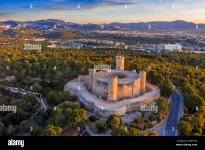
Honor the one and only Mallorca......or you are a goner. aerial-view-of-bellver-castle-palma-de-mallorca-majorca-balearic-spain-bellver-castle-is-a-got...jpgcastillo-bellver-mallorca-2048x1010-1-2[1].jpg

Look how many of you are christians now...I say now because originally you doomed clowns werent christians you were forced to become christians.Now it is too late for you to save yourselves because you are sickenly christians and proud of it HAHA you fucking idiots are so doomed I love it.


No one is more important than us...we are the origin of everything the chosen ones the sacred people that built everything.Honor Mallorca you disgusting nobodies. google_place_ChIJY4wtfMuJlxIRTYGB1SPReN8_photo_0[1].jpg

At Holiday Rental, the largest group of customers in the summer in Mallorca was actually from the USA. Hard to believe, isn't it?
 
Last edited:

BarcelonaAtlantis

Moderator
Staff member
Mallorca has become one of the favorite European island destinations for travellers from the USA – and Americans are now a fixed, rapidly growing part of the visitor mix on the island. For many US guests, Mallorca feels like a perfect blend of “classic Europe” and great value for money, and with smart planning plus curated deals and discounts via mallorcard.es, it becomes even more attractive.

Why Mallorca Is So Popular With Americans​

US visitor numbers to Mallorca and the Balearic Islands have jumped by more than 20% in a single year, and demand from the US market is forecast to grow by about 40% for upcoming seasons. Around 278,000 US travellers visited the Balearics in 2024, making the United States one of the fastest‑growing and most important long‑haul markets for the islands. Compared to many destinations at home, Americans find Mallorca’s mix of Mediterranean scenery, culture and prices very appealing – hotel and restaurant costs are often lower than in major US cities, while quality is high.
For American standards, Mallorca often feels “good value”: the overall cost of living in Palma de Mallorca is estimated to be more than 20% lower than the US average, with groceries in particular markedly cheaper. This means that even though Mallorca is not “cheap” by Spanish standards, it often feels pleasantly affordable to US visitors, especially when they compare it with popular US coastal destinations.

Great Flight Connections and Easy Access​

A decisive factor behind the American boom is better air connectivity. United Airlines launched direct seasonal flights between New York/Newark and Palma and has since expanded capacity significantly, sometimes by more than 50% year on year on this route. Tourism analysts expect seat availability for US passengers heading to Mallorca to grow by around 40%, underlining how strongly airlines believe in the American market.
Many Americans still arrive via European hubs like Madrid, Barcelona, Frankfurt or London, but the existence of direct flights has clearly put Mallorca on the US travel map as a standalone destination. Once flights are booked, US travellers often turn to local expert platforms like mallorcard.es to turn the idea of “Mallorca” into a concrete, well‑planned trip with the right mix of city, beach and experiences.

Americans as High‑Value, Frequent Guests​

Stats show that Americans are not only coming more often – they also spend more per person than most European visitors. In 2023 and 2024, average spending per US tourist in the Balearics was reported at around 2,500 € per trip, roughly double the average spend of British and German visitors. In total, US tourists generated about 694 million euros of spending in the Balearics in 2024, putting them among the top groups in terms of economic impact despite still smaller absolute numbers.

In short, Americans are no longer a rare sight on Mallorca; they are a growing, welcome and economically important part of the island’s tourism and with well‑chosen deals and curated offers from mallorcard.es, Mallorca becomes an even more compelling, great‑value favourite for travellers from the USA.

Back then only american marines knew of the existence of Mallorca....they didnt know where they had been...

As American travelers increasingly set their sights on Mallorca, the island is quickly becoming more than just a vacation hotspot—it’s a place to call home.

Mallorca’s real estate market is thriving, and it’s easy to see why. The island offers a wide range of properties to suit every taste and lifestyle, whether you’re looking for a sleek modern penthouse in Palma, a family-friendly home near the beach, or a rustic finca surrounded by olive groves. pexels-mati-5074833-1[1].jpg

The island’s vibrant real estate market and increasing demand from international buyers, property in Mallorca isn’t just a home it’s an investment in a desirable lifestyle with added benefits.

The Perfect Blend of Comfort and Adventure

Mallorca appeals to those who crave a balance between excitement and tranquility.

Outdoor enthusiasts will find endless opportunities for hiking in the legendary Tramuntana mountains, sailing in the crystal-clear waters, or cycling through scenic countryside roads.

Meanwhile, culture lovers can immerse themselves in art galleries, boutique shops, and world-class cuisine.

For Americans, the island’s lifestyle is also surprisingly accessible. English is widely spoken, and Mallorca’s infrastructure, from healthcare to transportation, is top-notch. And let’s not forget the friendly, welcoming atmosphere that makes settling in a breeze.

United Airlines making Mallorca feel even closer than ever and the world’s most notable figures flocking to its shores, why wait to explore what this island has to offer?

From the historic charm of Palma’s cobblestone streets to the tranquil beauty of countryside fincas, Mallorca captivates everyone who steps foot on its shores.

Imagine waking up to breathtaking views of turquoise waters, lounging in a sun-soaked villa, and enjoying a lifestyle that balances relaxation with adventure. Mallorca, the crown jewel of the Balearic Islands, offers all this and more.port-adriano-mallorca-spain-july-tourists-enjoying-summer-day-city-beach-popular-192375880[1].jpg

Everything is PAGAN(BASQUE/divine/legendary/mythical/sacred).Christianity is fake a lie a farce an invention a falsification.


Mallorca 2026: The Americans are coming. And it could change the island forever​


For years, Mallorca has been Europe’s summer jewel. Beautiful. Expensive. Seasonal.

Now something structural is happening.
A new direct flight between New York City and Palma de Mallorca is connecting the island directly to American capital, American buyers, and American demand.
This is not just about tourism. It’s about liquidity, pricing pressure, regulation, and possibly — a more sustainable ownership model.
Let’s unpack what this really means.

Mallorca 2026: The Americans are coming. And it could change the island forever


For years, Mallorca has been Europe’s summer jewel. Beautiful. Expensive. Seasonal.
Now something structural is happening.
A new direct flight between New York City and Palma de Mallorca is connecting the island directly to American capital, American buyers, and American demand.
This is not just about tourism. It’s about liquidity, pricing pressure, regulation, and possibly — a more sustainable ownership model.
Let’s unpack what this really means.

The New Direct Connection: NYC – Palma​

Contenido del artículo

A direct long-haul route removes friction.
And friction matters in real estate.
When a U.S. buyer had to connect via Madrid or Barcelona, Mallorca felt “far”. Now it feels like:

  • 8 hours from Manhattan
Same time zone as Paris.
Mediterranean lifestyle without the Côte d’Azur price tag. It is called waking up/having a spiritual awakening...

 
Last edited:

BarcelonaAtlantis

Moderator
Staff member

Los helados en Mallorca: tradición y sabores autóctonos​

El sector mallorquín pretende convertirse en un placer para disfrutar todo el año​


Los helados en Mallorca: tradición y sabores autóctonos

Dos tarrinas de helado elaborado con leche Agama


Sinónimo de verano, este delicioso dulce elaborado con lácteos y azúcar cuenta con una larga historia. Marco Polo ya relataba en sus libros que en China se añadía extractos de fruta y leche al hielo, 2000 años a.C. Siglos(siglos mas tarde dice jaja el origen de todo es nuestra tierra..) más tarde, en Mallorca, la tradición de heladera llegó de la mano de Joan de S'Aigo, un ingenioso empresario. Durante el invierno, se dedicaba a recoger hielo y almacenarlos en las casas de nieve para poder venderlo en verano. Fue entonces cuando se le ocurrió la idea de aprovechar el excedente de este y mezclarlo con jugo de frutas, creando el antecedente de los helados actuales. Más tarde, a esto se sumó la situación idónea de la Isla, que cuenta con todas las materias primas necesarias para su fabricación: leche fresca de vacas de pasto, cítricos de Sóller y almendras del Pla de Mallorca. Todo ello, ha contribuido a que la tradición heladera se conserve en el ADN de fábricas como Fet a Sóller, Murmui e Iceberg.

‘Sa fàbrica de gelats' es la empresa del grupo Fet a Sóller dedicada a la artesanía heladera. Como cuenta Martí Guardiola, responsable de producto y marketing, «la marca nace en 1994 como una pequeña tienda de helados en Sóller». «En Mallorca, contamos con los recursos idóneos para la elaboración de la receta clásica: leche fresca y nata», añade Guardiola. La combinación de estos dos ingredientes hace que el resultado del producto sea mucho más cremoso y rico en proteínas. Calidad y tradición se combinan en esta fábrica mallorquina creando dos tipos de dulces: helado en crema, con una base láctea; y helado en sorbete, la opción vegana.
2942583.jpg
La barra de la heladería en Sòller.

En sus tiendas en el valle de Sóller y en el Puerto de Sóller, así como en su página web y los supermercados distribuidores, comercializan sabores autóctonos de la Tramuntana como son la naranja, el limón con hierbabuena, el higo y la almendra. Además, para su elaboración utilizan hasta un 30% de zumo de fruta fresca sin colorantes ni espesantes. Para celebrar su 32 aniversario, han querido innovar manteniéndose fieles a sus raíces, como resultado han creado dos sabores con dulces icónicos: la ensaimada y la coca de patata.
Hace siete años, nació la marca Murmui. Al mando de su fábrica están Mónica Páramo y Santiago Coll, unos mallorquines que decidieron lanzarse al mundo de los helados enfocados en la elaboración de productos para terceros. A través de grandes superficies, pusieron a la venta su fórmula en tamaño de 550 ml en un tarro de cristal reciclado. «A pesar de ser una opción más cara y complicada, era una apuesta de futuro», explica Páramo. De este modo, han conseguido que luzca su producto, igual que se hace en las vitrinas de las heladerías tradicionales.
PB310724006575.jpg
Santiago Coll y Mónica Páramo en la fábrica de Murmui.
Esta empresa familiar emplea la receta artesanal de helado italiano combinado con materias primas mallorquinas, como la leche fresca Agama. «Además, nos gusta buscar sabores de la Isla», cuenta su fundadora. Esto, se refleja en el helado con almendra del Camp Mallorquí o en su colaboración con Laccao. «Este año, hemos colaborado con chocolates Lacasa para crear un helado de Conguitos», cuenta. Desde la marca, cuentan que les gusta unir fuerzas con los mejores de cada sector para elaborar helados de calidad atemporales, como su línea Capritxos de Mallorca.
2942143.jpg
Carlos Enriquez junto a la primera heladería en el Casco Antiguo.

«Se trata de un producto cada vez más desestacionalizado», señala Carlos Enriquez, el primer heladero del Casco Antiguo de Palma. Hace 20 años, el artesano emprendió en este sector sin experiencia alguna y fundó Iceberg. Actualmente, cuenta con uno de los obradores más grandes de la Isla y ha conseguido distintivos premios en su tienda de la capital. Enriquez desarrolla sabores propios con matices mallorquines como el de queso de cabra con higo o limón con hierbabuena, los cuales exporta a países del Norte de Europa. «La cultura del helado crece cada año más, y el helado de Mallorca puede convertirse en un referente en el extranjero», concluye.


Mallorca has become a real foodie island in recent years. The restaurant scene has come along leaps and bounds and now rivals top destinations like Madrid and Barcelona.Now rivals madrid and barcelona?Lol Palma de Mallorca has always rivaled madrid and Barcelona.Heck Palma de Mallorca is more important especially when Palma de Mallorca was the place to be in the 60's and 70's. Neither of these cities was making ice cream in the 1700s like Mallorca was which speaks to Mallorca's ingenuity.


Cities like Barcelona, Rome or Valencia wish they had a promenade like Palma de Mallorca's.

If 2025 was this rich in flavor and feeling, I can’t wait to see what 2026 has in store for Mallorca’s ever-evolving gastronomic scene!


Es Trenc beach, Mallorca. One of the largest Neptune grass (Posidonia oceanica from Poseidon) meadows in the Balearics can be found here(in Es Trenc)which is the oldest and largest organism in the world.The presence of this endemic Mediterranean plant is an indicator for the outstanding quality of the water.The best salt is made in Es Trenc known as Flor de Sal d’ es Trenc, the white gold of Mallorca. Conserving and protecting the unique nature found in the southeast of Mallorca is extremely important to the people who manage the Es Trenc saltworks
sistema%20dunar%20de%20es%20trenc[1].jpg
0da1f735bc1ac06ed0030287d284064f[1].jpghq720[1].jpg
es-trenc-beach-majorca-balearic-260nw-2670334059[1].jpg

Remember who you are, avenge your people and get your stolen identity back.
 
Last edited:

BarcelonaAtlantis

Moderator
Staff member

Happy Saint Patrick’s Day? 🤔☘️

Many people don’t realize that this holiday marks the destruction of the Druids of Ireland. The Druids were among the last keepers of ancient knowledge, preserving Hermetic principles and natural law passed down for thousands of years—echoing wisdom traditions found in ancient Egypt and Greece. 📜

Saint Patrick is often credited with “driving the snakes out of Ireland,” but there were never any actual snakes on the island. The term “snake” was a metaphor for the Druids and others who practiced Hermetic traditions. Over time, these practices were demonized and systematically erased as christianization spread across the region. 🔥⛪️

If snakes are “evil,” as we are often taught, then why does a snake appear on one of the most prominent symbols of healing in the world—the Rod of Asclepius? The next time you visit a hospital or see an ambulance, notice the symbol. 🐍

The serpent is also famously shown on the Caduceus —the staff of Hermes. 🪽

Historically, the serpent symbolized wisdom, knowledge, and balance, but its meaning was inverted as older traditions were replaced. This cultural purge severed Ireland and Britain from many of their ancient spiritual roots.

Perhaps it’s time to reexamine what this holiday truly represents… and create a new one in its place—one that honors the ancient Druid people and the legacy of knowledge that is only now beginning to reemerge.

Remember, the altar at Ayanis reveals that the roots of Hermeticism and the Druid traditions trace back to some of the oldest knowledge systems on Earth. 🗝️

#DruidsDay

In this video, we uncover a truth that official history never taught you. An empire erased from world maps: Tartaria. Thirteen families running a systematic erasure operation for centuries. Bloodlines hidden inside royal family trees. The great reset concealed behind the "Year Without a Summer" of 1816. And the institutions built specifically to silence you...
Underground tunnels beneath your city. "Impossible" architecture that was stolen and rebranded. Ancient remains locked away in museum storage — are all of these just coincidences?

📌 After watching this video, you will never look at a historic building the same way again.

Puerto Portals' gourmet scene is thriving and you will find exquisite restaurants with world-class food and views to match.Mallorca is the rising star of the Mediterranean when it comes to food.

“All botanicals for Mallorcan vermouths come from the island,” he says, as we run through Mallorca’s four different artisanal brands. The key ingredient — the herbal, bitter artemisia — grows in the Tramuntana Mountains, which locals have combined with the island’s wine grapes to start making their own labels. Each iteration is unique, with varying levels of sweetness; some have notes of mandarin and grapefruit, another tastes like a lollipop. Angel presents me with a cocktail of vermouth and tonic with cherry liqueur and lemon and almond foam, sprinkled with beetroot dust. It’s a surprisingly complex layering of balanced flavours, and at around 15% ABV it’s an easy drinker. As Angel puts it: “It’s low alcohol — good for the beach.”

Mallorca has quietly and quickly become one of Europe's go-to destinations
, and not just for vacationing, but for its thriving culinary scene

This spiritual war is christianity/mafia/impostors vs your sacred(legendary)ancestors/Europe.

"The food scene in Palma old town is honestly one of my favorite's in the world, the seafood and paella are second to none"

In Mallorca, outdoor dining is a revered tradition, capturing the essence of its culture and breathtaking nature. Here, the terraces are not just additions to restaurants; they are sanctuaries where the Mediterranean ambiance, aromatic dishes, and picturesque settings blend to create an idyllic dining experience. As we embark on this journey through the island's culinary landscapes, anticipate venues where each dish is a tribute to Mallorca's rich heritage and natural bounty.port-de-soller-lugar-mallorca-imagen-12[1].jpg
soller_and_port_de_soller_bay[1].jpgfile[1].jpg
The craft beer scene in Mallorca is now quite good and most pubs you go to will have at least a few bottles of local brews or International craft beers.Mallorca is home to a vast amount of local craft beer makers, with over a dozen varieties being produced across the island. Lorien Bar is a local favorite in the heart of Palma, perfect for craft beer enthusiasts and casual visitors alike.
For beer, also try:

Atomic Garden – This 80s-themed indie-rock bar serves amazing beer and amazing vibes. They even have their own brews served on tap!
Cervecería Tramuntana is a favorite of the local Mallorquins. It is a nice break from the international crowd.

Although, it is not totally local. The patrons may be from Mallorca, but the beers are from around the world. I have never seen such an impressive list of beers at a bar since going to Belgium. I was able to find many of my absolute favorite beers in bottles. They even had one the best beers I have ever tried, made in Brugge, on tap!
If you’re like me, you had never heard the word “yachtie,” before arriving in Mallorca. After two years of living here, it is a word that I have become very familiar with. Yachties are the people that work on yachts and travel to Mallorca seasonally for work. Apart from loving the open sea and salty air, they also really love to have a good time.

Honoring Santa Catalina’s nautical past, Ventura is, without a doubt, the hub for all yachties in the neighborhood. If you’re lucky, you might just bump into your favorite cast member from the hit yachtie reality television show Below Deck.
Brooklyn is a trendy, underground spot at the center of Santa Catalina nightlife. Upstairs is a classy, dim-lit cocktail bar perfect for starting the night. What they are hiding downstairs is what stands out. Descending just a few stairs, this cocktail bar transforms into an underground house and techno club featuring DJs from all over the world. The ceiling is lined with LED lights that change color, and the floor is packed with people sharing one common goal: dancing the night away to good music.

Appropriately named, Es Moli is a techno club housed in one of Santa Catalina’s iconic and antique windmills. (Es Molí means “the windmill” in Mallorcan Catalan.)

Still a well-kept secret, Es Moli is by far one of the coolest clubs I have been to. If partying in a windmill wasn’t enough of a selling point, the cheap cover, wall-rattling techno, and fun crowd certainly are. Although it is one of Palma’s newer clubs, Es Moli has already become a staple in the Palma nightlife.

My favorite spots along Paseo Marítimo:

  • Epic – By far the most popular bars in the area, Epic never has a dull night. It is open seven days a week and will undoubtedly be packed for every one of those nights.
  • Social – Social is one of the most well-known clubs in all of Mallorca. They frequently feature world-famous DJs and have well-loved resident DJs on all other nights. Their new location is set to open in 2025, just steps from their original joint.

Paseo Marítimo​

Paseo Marítimo is one of the most popular areas of Palma nightlife. Here you can find a packed bar almost any night of the week. It is a path along Palma’s marina that seemingly never ends and is filled with bars. Irish pubs, salsa music, and upscale clubs can all be found on the Paseo Marítimo. While walking you can always find an energetic crowd or someone waiting outside one of the countless bars ready to offer a free shot and free entry.

The night I moved into my apartment in Santa Catalina, my roommate and I ate at a local burger joint. When we finished, I had to ask our server one question that had been burning on my mind since I had arrived. “Where is a good spot to go out around here?” She responded without hesitation “Sabotage.”

Located right next door to another spot on the list, Sala Luna, Sabotage has an amazing view of the marina. There is always a great crowd there, never a cover fee and there is even a secret room with a dancing pole if any of your group wants to show off their skills. For those of you who just cannot wait to go out at night


Religion has made you hate your sacred ancestors and to love your enemies.Wake the fuck up it is TIME.

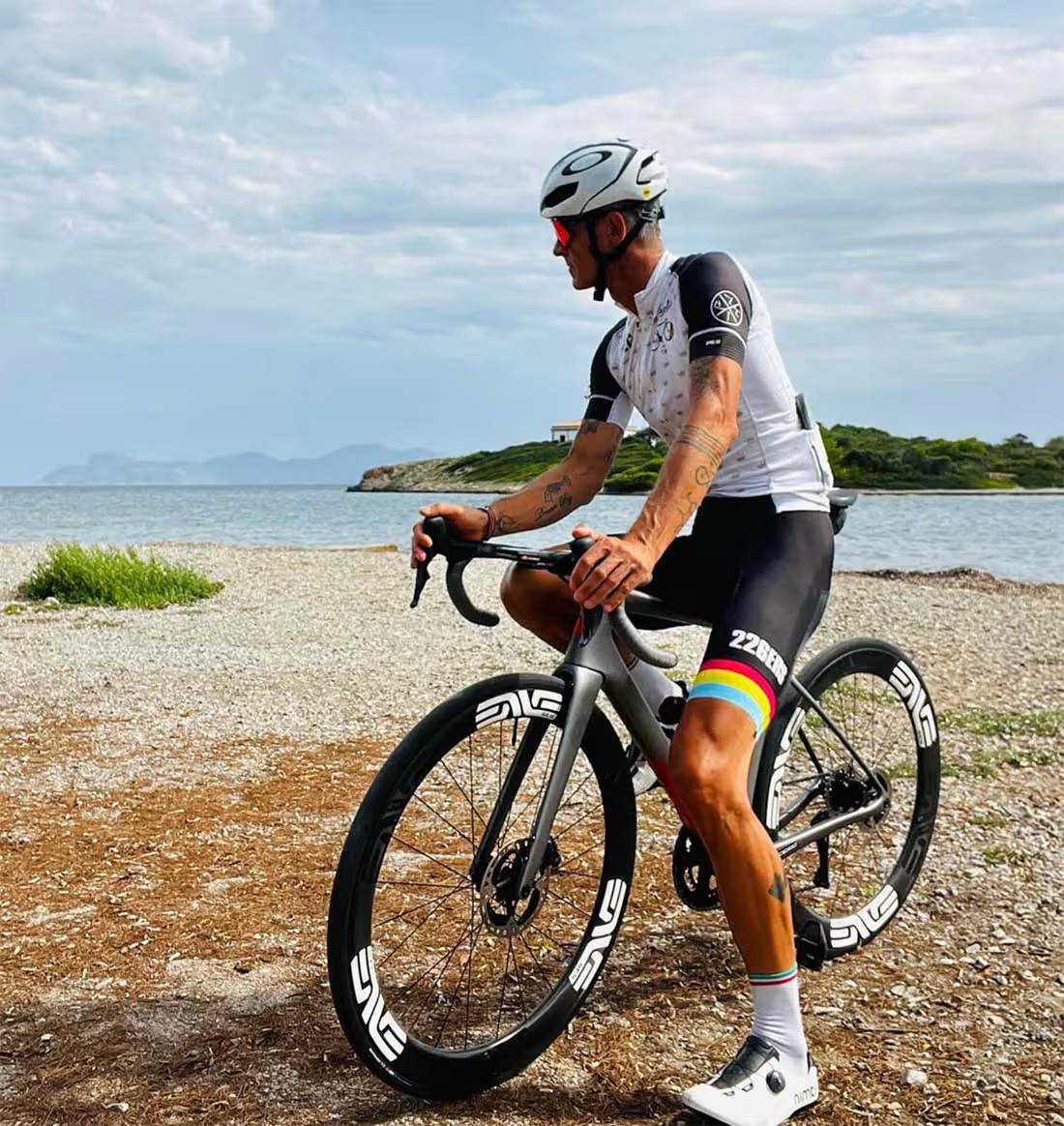
This boom in cycling tourism has made Mallorca one of Europe’s top cycling holiday destinations, rivalling places like the Danube Cycle Path, the Netherlands, and the Alps.puig-randa-in-mallorca-w1200[1].jpg

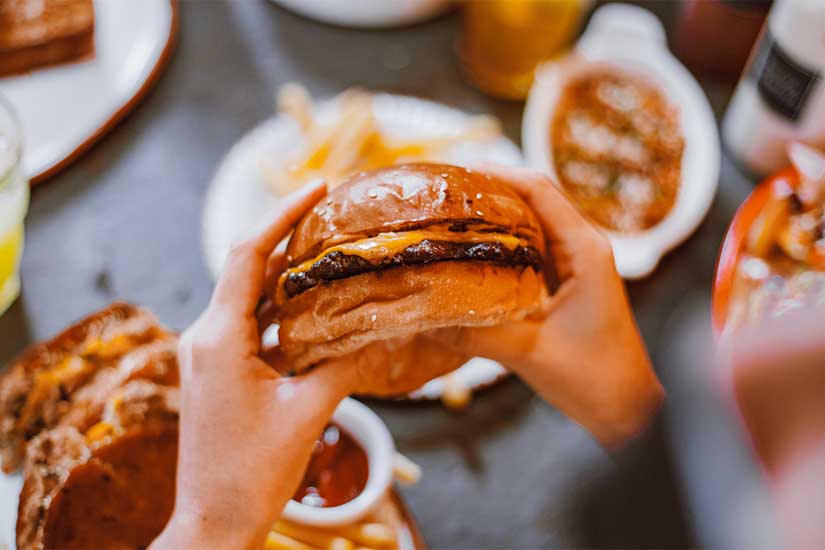
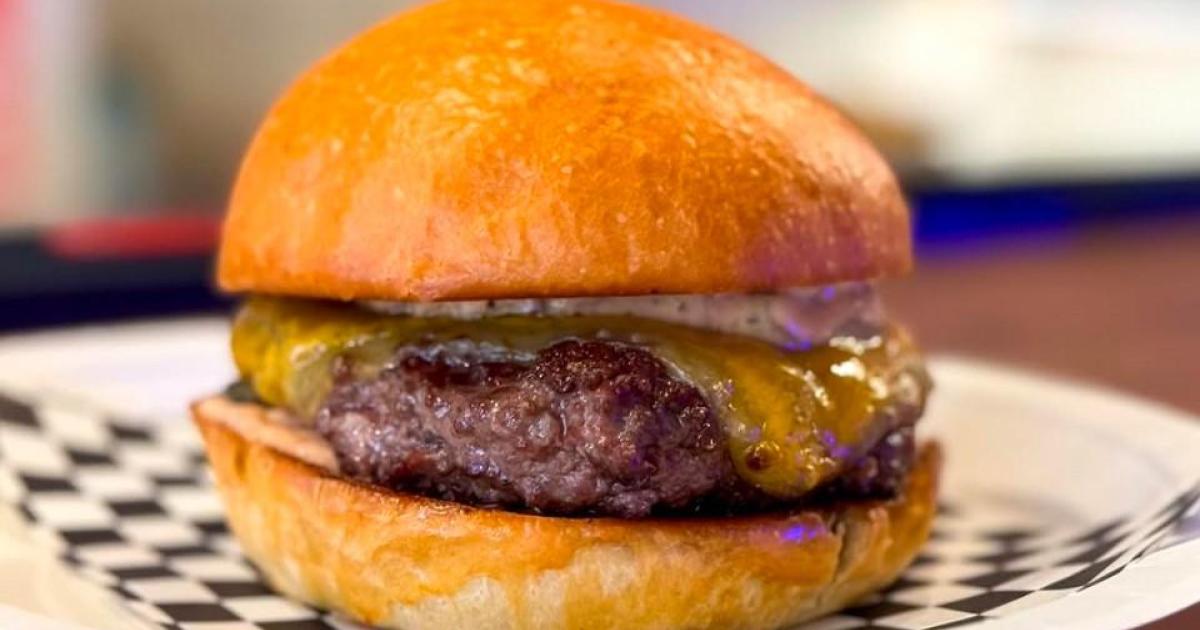
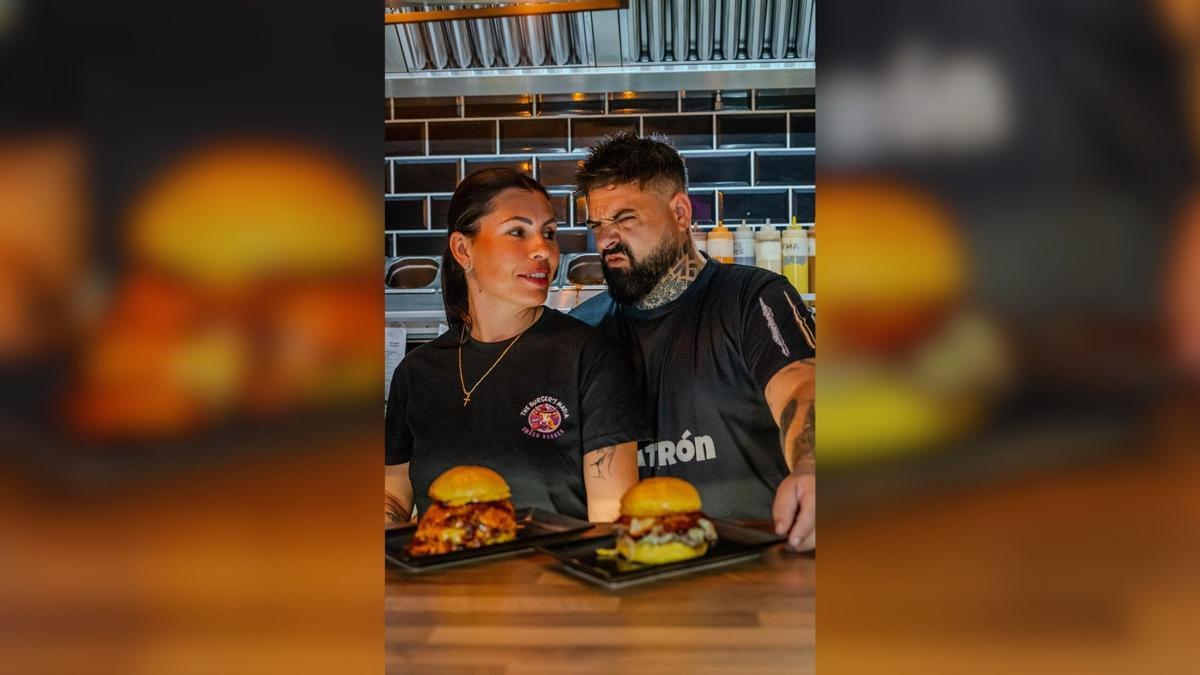
Hamburgers might not be what comes to mind when you consider Mallorcan food, but there's actually a thriving burger scene on the island.
 
Last edited:

BarcelonaAtlantis

Moderator
Staff member
Delaney's

The most authentic American diner this side of the island, Delaney’s boasts over 50 different burgers (which can make decision making tricky!) alongside the rest of their extensive American menu, which includes ribs, steaks, hot dogs and more! Adorned with traditional memorabilia, and offering a brilliant variety of live music; Delaney’s has an electric atmosphere which creates the perfect ambience for a memorable dining experience. Whilst 50 burgers will leave you perusing the menu for a little while, there is one burger that will catch your eye immediately.

The ‘Buffalo Bill’ is an epic challenge, that is not for the fainthearted! This monstrosity claims to be Mallorca’s largest burger, and will set you back 25€ (although when you see the size of it, it’s certainly value for money). If you are able to complete this mind boggling burger, you will receive an extra-large pitcher of one of the restaurants fabulous cocktails! However, with only 2 people completing the challenge within the last 5 years, are you sure you’re tough enough?

Puerto Pollensa: Wimmpy Hamburgueseria

First and foremost, Wimmpy is not to be confused with the beloved British ‘Wimpy’, famous for cardboard fries and sloppy burgers that played a piotall role in British childhood between the 1970’s- early 2000’s. Oh no, this Wimmpy, in the picturesque town of Pollensa, is home to the ‘dirty burger’. A mix between takeaway and restaurant dining, Wimmpy offers a wide array of homemade burgers, that do not pretend to be anything that they aren’t- and for me this is part of their charm! Served in simple ‘basket style’ and accompanied by skin on fries, these rustic, unaesthetically pleasing, burgers offer a taste hit like no other.

It must be noted that when I say ‘dirty burger’ I don’t mean greasy or unpleasant, no- I mean oozing with molten cheese, crispy onions and crunchy bacon. The kind of burger that you would never choose to eat on a first date, but orderBy on your way home and secretly scoff in the car (we’ve all done it!)! Prices range from 7-12€ depending on toppings and sides, but whatever you choose you can comfortably wine and dine for two at under 30€! The restaurant itself is simple and understated, but just a short walk from the beachfront, meaning you can stroll off the calories later on! Offering a takeaway service allows you to enjoy your favourite burger combination from the comfort of your sofa; and being open all year ensure that you’ll never go hungry!

Son Servera: Sa Granja

Situated within the pretty square of Son Servera, lies one of Mallorca’s best kept secrets. Specialising in tantalising burgers, this understated restaurant has been feeding the locals for years! Although the menu offers many speciality burgers from caramelised onion and goats cheese, to Iberico pork and sobrasada, and even a salmon option for any pescatarians out there; it is most famous for its GIANT burger! This ginormous burger can easily feed between 4-8 people (depending on your level of hunger) and is served with onions, salad, melted cheese and sandwiched between a brioche bun.

One cannot simply eat this burger with their fingers, you must be sure to cut into equal portions first, and then you can get messy! Of course this novelty burger is great for photo opportunities, and while you may be concerned that such a large burger may not pack a punch with its taste, it really does deliver! Each patty is seasoned to perfection, and the calorific toppings ooze from every inch of the bun, and lap across your tongue harmoniously.

Port de Soller: Don Pedro Café Bistro

Port de Soller, renowned for being a millionaire’s playground, 5 star hotels, yachts and now… some of the best burgers on the island! Don Pedro Café Bistro offers an extensive burger menu, incorporating flavour fusions such as chicken, bacon and avocado, to pulled pork and BBQ sauce! Combine these meaty morsels with a choice of sourdough, olive, or good old brioche buns, and you are in taste heaven!

Offering an extensive menu, and serving all their burgers on stylish slates, with homemade fries in brightly coloured buckets- the food tastes as good as it looks! Although Don Pedro Café Bistro offer tapas, fish and pasta dishes, the burgers are what get people talking and it’s easy to see why! With good sized portions, at reasonable prices, all eaten whilst overlooking the sea and mountainous surroundings of Port de Soller; you’ll certainly be making more than one trip here!

 
Last edited:

BarcelonaAtlantis

Moderator
Staff member

Why Mallorca Is Better Than Tenerife, Girona, Tuscany, Calpe, or the Alps for a Cycling Holiday​

Alex Mannock

December 2, 2025

Ask any seasoned cyclist to name the best places in the world for a cycling holiday and you will hear many of the same destinations. Tenerife. Girona. Tuscany. Calpe. The Alps. All of them are well known and all of them offer something memorable. But when you ask people which destination offers everything at once, the answer is almost always the same. Mallorca. There is a reason thousands of cyclists come back to Mallorca year after year. It is the combination of beauty, variety, culture, weather, food, and road quality that makes Mallorca the gold standard for a cycling holiday.

The truth is simple. Other destinations might offer one or two standout qualities, but Mallorca offers them all. Smooth roads. Climbs for all levels. Coastlines. Mountains. Farmland. Culture. History. Warm weather. Easy travel. Safe riding. Mediterranean food. And the ability to enjoy a truly relaxing cycling holiday instead of a hard training camp. That is why Mallorca cycling holidays remain the most loved in the world and why places like Velocamp Mallorca are attracting more luxury travellers every year.

Mallorca vs..​

To understand the difference, let us look at how Mallorca compares to Tenerife, Girona, Tuscany, Calpe, and the Alps. Each of those destinations has strengths. But Mallorca simply does more, offers more, and feels better for the type of guest who wants a luxury cycling vacation with comfort, service, and adventure in perfect balance.

Mallorca vs Tenerife. Variety beats monotony​

Tenerife is famous for one thing. Mount Teide. A massive climb that rises for more than two hours and attracts professional teams every winter. It is a beautiful volcano with impressive views. But the island does not offer much variety. Most routes in Tenerife revolve around long, intense climbs with heavy gradients and little change in scenery. For strong riders who want repeated high altitude work, this can be interesting. For most people searching for a cycling holiday, it can feel repetitive, harsh, and overwhelming.

Mallorca offers everything Tenerife does not. Instead of one giant climb, Mallorca has dozens of climbs of different styles. Long and steady climbs like Puig Major from the Soller side. Classic switchbacks like Coll de Soller. Rolling climbs like Coll d Honor. Coastal climbs like the Formentor road. Hills tucked inside farmland. Climbs inside quiet villages. Mallorca cycling holidays feel like seven different destinations in a single week. Guests never repeat a landscape and never feel stuck on the same type of ride.

Tenerife also has strong winds and steep temperatures. Mallorca has warm Mediterranean air, clear days, and calm conditions for most of the year. For American guests in particular, Mallorca cycling holidays feel safer, smoother, and more enjoyable.

Mallorca vs Girona. Charm and scenery win every time​

Girona is a wonderful city. It has a lively cycling culture and it has grown massively in popularity thanks to the many American pros who live there. But Girona has one limitation. You need to cycle far to reach the best scenery. The local climbs are small. The most scenic routes are often an hour away by bike. And you spend a lot of time riding through urban or semi urban areas before reaching quieter countryside.

Mallorca is the exact opposite. You are surrounded by scenery the moment you begin. You leave the villa and within minutes you are riding on peaceful country lanes, small villages, or the first slopes of the Tramuntana Mountains. The scenery is immediate and breathtaking. You do not have to work for it. You do not have to ride through traffic or city streets to find it. It is simply there.

Girona also becomes very hot in summer and cold in winter. Mallorca stays warm and welcoming from September through May which makes Mallorca cycling holidays far more reliable for travellers from the United States and Canada who want predictable sunshine.

Mallorca also offers something Girona never will. The coastline. The ocean views. The dramatic cliff roads. The wide open Mediterranean air. These are experiences you cannot replace.

Mallorca vs Tuscany. Convenience and comfort win​

Tuscany is beautiful. Rolling hills. Vineyards. Villas on hilltops. It is romantic and charming. But it is not an easy destination for a cycling holiday. The roads often have poor surfaces. The gravel sections can be rough and unpredictable. The climbs are steep and inconsistent. The distances between towns and villages are large. And traffic can be heavy in certain areas.

Mallorca is effortless. The roads are smooth. The gradients are predictable. The climbs feel enjoyable instead of punishing. The cafés are frequent. The villages are close. The food is incredible. And the whole experience feels safe and gentle. Tuscany is famous for food and wine, but Mallorca has its own Mediterranean flavour with fresh fish, vegetables, olive oil, bakeries, and markets that feel welcoming and authentic.

For a cycling holiday Mallorca simply offers far more convenience. Your days flow smoothly. You can ride long or short. You can climb or stay flat. You can choose coastline or farmland or mountains. Tuscany requires more planning and more travel between highlights. Mallorca gives you everything without effort.

Mallorca vs Calpe. Quality over quantity​

Calpe is another favourite destination for professionals because of its long climbs and consistent weather. But the region has its limitations. The traffic is heavier. The roads are busier. The scenery is less varied. The coastline is developed and crowded. And the climbs often feel similar. For serious training Calpe works well. For a luxury cycling holiday, Mallorca is far more enjoyable.

Mallorca offers professional level riding without the intensity and distractions of Calpe. The roads are quieter. The landscapes are more beautiful. The villages are more charming. And the climbs feel more accessible for riders who want a holiday rather than a bootcamp. Calpe simply cannot match the cultural experience Mallorca offers because Mallorca has real character. Cobblestone streets. Stone houses. Hilltop monasteries. Old squares filled with local life. Calpe offers sunshine but not the same soul.

Mallorca cycling holidays also feel more premium because of the villa and hospitality culture on the island. Luxury villas like the home base for Velocamp Mallorca simply do not exist in Calpe in the same way.

Mallorca vs The Alps. Enjoyment over suffering​


Your Mediterranean adventure is waiting. https://www.velocampmallorca.com/po...scany-calpe-or-the-alps-for-a-cycling-holiday
 

BarcelonaAtlantis

Moderator
Staff member
The Alps are iconic. They are majestic, dramatic, and historic. But they are also extreme. The climbs are long, steep, cold, and unpredictable. The weather can change instantly. The roads can be crowded with cars, buses, and motorbikes. The distances between towns are large. And most climbs take more than an hour of continuous effort at high altitude. For a cycling holiday this can feel more like survival than enjoyment.

Mallorca offers the same sense of challenge but in a way that feels welcoming instead of punishing. The climbs are serious but enjoyable. The gradients are steady. The roads are safe. The weather is stable. And the air is warm. You can enjoy the physical challenge without feeling crushed by altitude or cold or unpredictable storms.

For American guests, Mallorca cycling holidays provide the perfect balance. You feel like you accomplished something. You climbed real mountains. You rode real distance. But you also enjoyed the food, the culture, the comfort, and the warm Mediterranean atmosphere. The Alps are an adventure. Mallorca is a joy.

The Mallorca advantage. Everything in one place​

When you compare Mallorca to Tenerife, Girona, Tuscany, Calpe, and the Alps, one thing becomes obvious. Mallorca offers everything the others offer and more.

Mallorca has:

  • Coastal roads
  • Mountain roads
  • Rolling hills
  • Quiet farmland
  • Stone villages
  • Warm weather
  • Smooth roads
  • Reliable sunshine
  • Mediterranean food
  • Charming culture
  • Luxury villas
  • Calm evenings
  • Easy travel
  • A true holiday atmosphere
Most destinations on the list offer two or three of those things. Mallorca offers all of them in a single week.

This is why Mallorca cycling holidays dominate the European market and why Americans, Canadians, and Brits are choosing Mallorca more than ever before.

Why Velocamp Mallorca elevates the experience even further​

The island is incredible on its own. But choosing the right cycling holiday makes all the difference. Many travellers begin by searching for cycling camps Mallorca because they think that is the standard. Then they discover Velocamp Mallorca and understand that a luxury cycling holiday is something completely different.

At Velocamp Mallorca everything is designed for your comfort and enjoyment. You stay in a large villa with a pool, mountain views, and peaceful gardens. You ride top quality bikes. You follow world class routes with full support. You enjoy private food stations instead of café queues. You return to chef prepared meals. You relax by the pool. You enjoy daily massage and compression recovery. You feel cared for in every moment.

This is why riders who demand more than a basic hotel choose Velocamp Mallorca. This is why those searching for a true Mediterranean cycling vacation choose us over a standard cycling camp. And this is why Mallorca remains the best choice in the world for a premium cycling holiday.

The conclusion is simple​

Tenerife has Teide. Girona has cafés. Tuscany has beauty. Calpe has pros. The Alps have history. Mallorca has everything.

And Velocamp Mallorca brings that everything to life with comfort, service, and warm hospitality.

If you want to experience the best cycling destination in Europe with a level of care and luxury designed for riders who expect more, visit velocampmallorca.com/camps and explore our cycling holidays from September through May.

Mallorca is a long-standing favourite and arguably one of cycling’s most popular winter cycling destinations for getaways and is synonymous with pre-season training camps as teams escape to catch some early-season sun and take advantage of the smooth, well-maintained roads.

In this post we’ll give you 4 rock solid reasons why you should go on a Cycling Ride Camp in Mallorca!

1. Mallorca Weather​

Of course, one of the main factors when choosing an off season ride camp destination is the climate. Mallorca has a very favourable climate for cycling during the spring and autumn season with temperatures averaging 17 degrees and only dropping to 10 at night. Rainfall in Mallorca is minimal, with only around 5-6 days of rainfall per month in March/April, which is the best time to visit the island.

2. Food & Culture in Mallorca​

Off the bike exploring is just as big a part of a cycling vacation as pedalling and Mallorca offers a rich array of cultural sights and activities, a visit to the capital of Palma is definitely worthy as is a visit to the picturesque village of Deià. In addition to cultural sightseeing, Mallorcan cuisine has to be tasted to be believed. There are a number of Michelin Star restaurants dotted around the island which are definitely worth tasting if you can.

3. Mallorca’s Landscape​

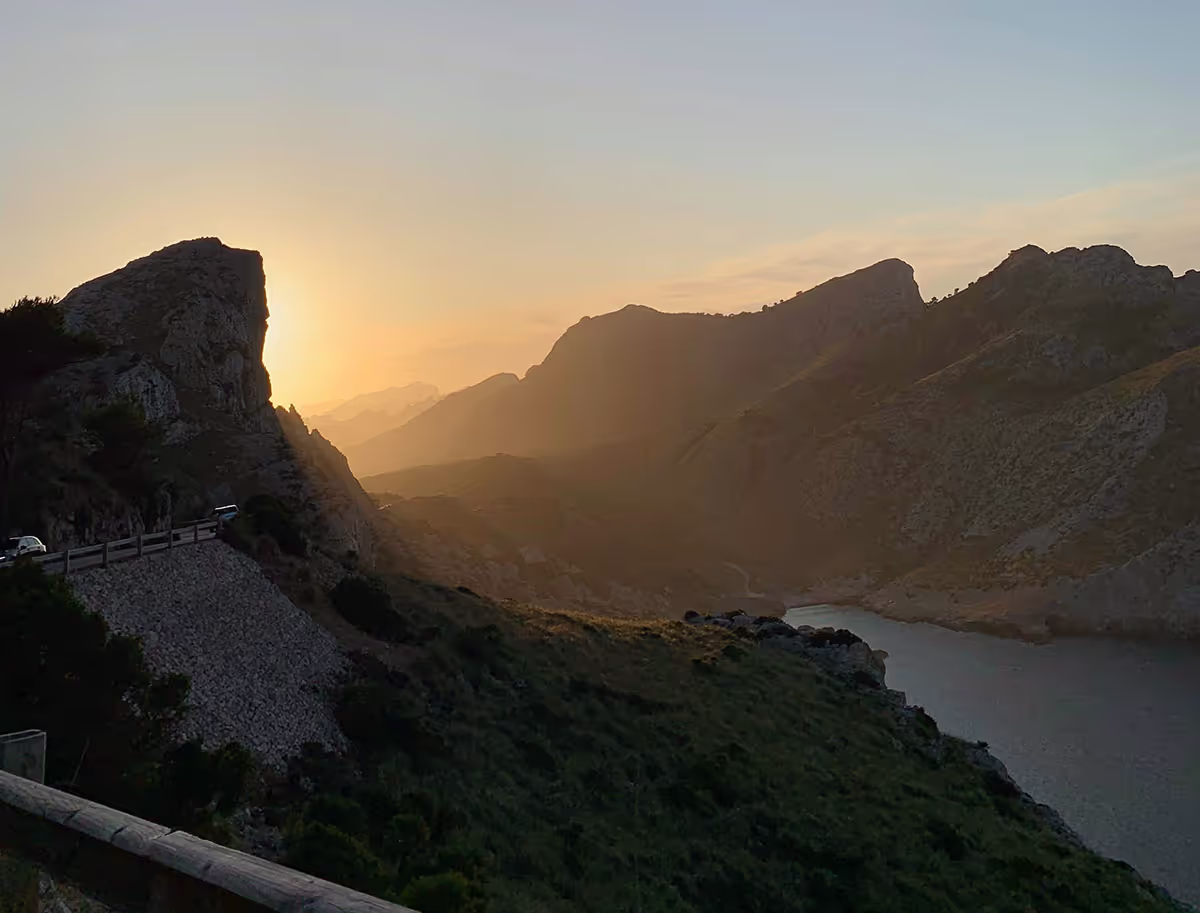
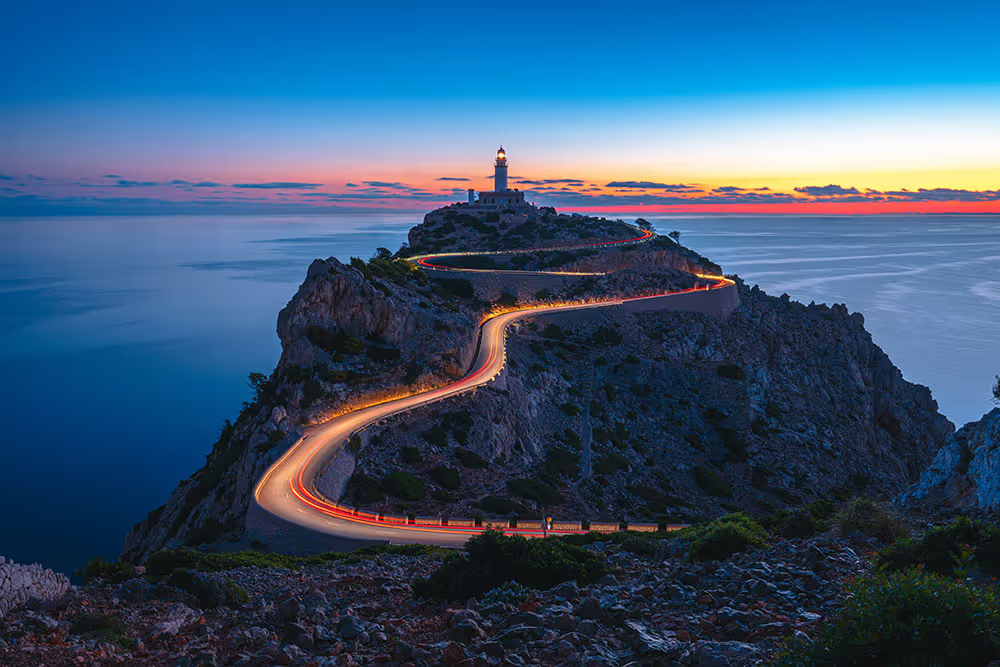
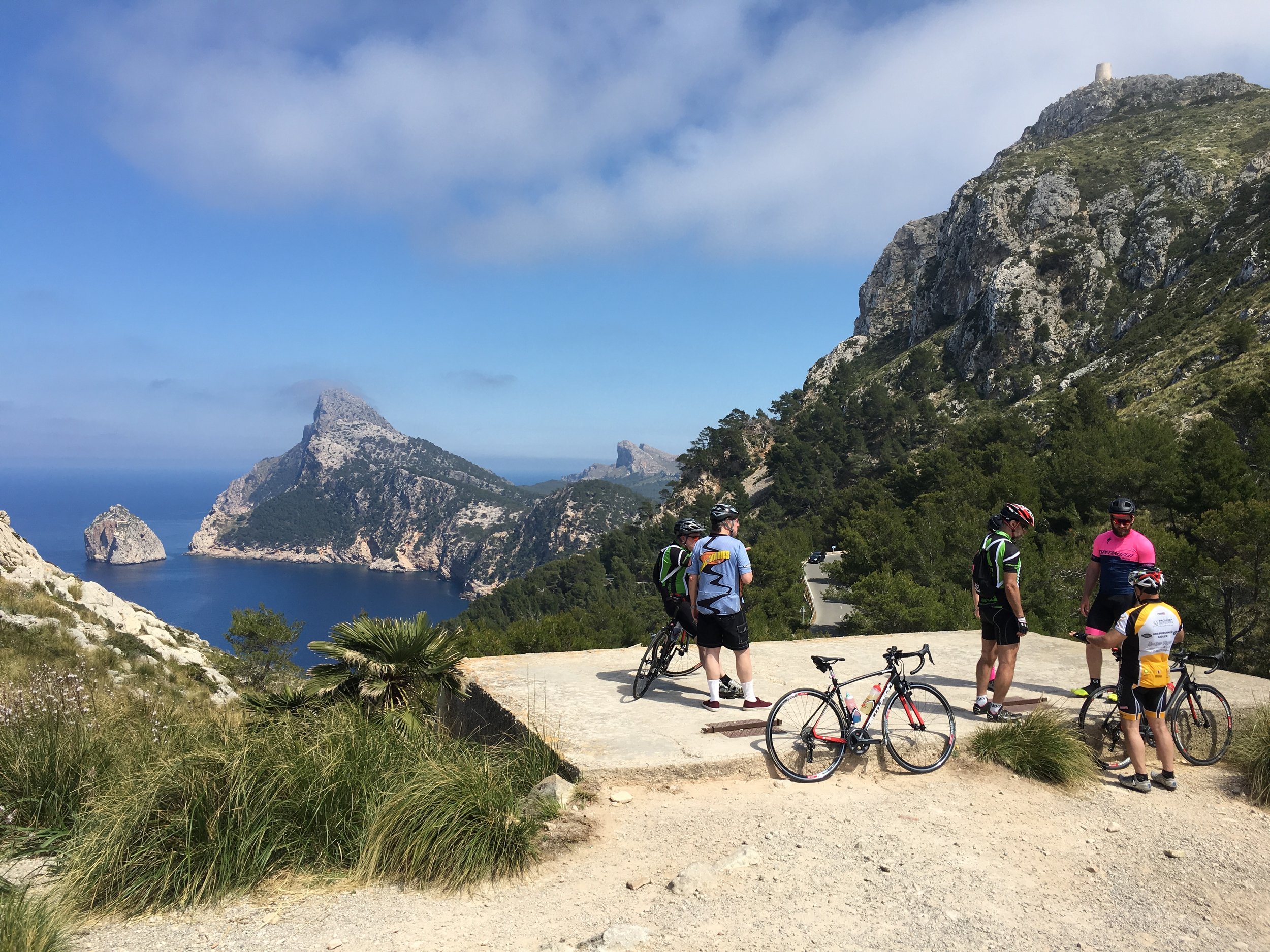
The ‘vistas’ or views that can be seen in Mallorca may not rival the high mountain ranges of the Alps or the Pyrenees but they are no less impressive in their own right, the most famous example of this being the iconic Cap de Formentor lighthouse.

4. The Iconic Climbs of Mallorca​

Mallorca is home to some amazing and challenging climbs, the most famous of which is Sa Calobra, but there are many more for you to take on during a cycling ride camp in Mallorca, check them out below!

Sa Calobra
  • Climb Stats: 9.4km at 7%
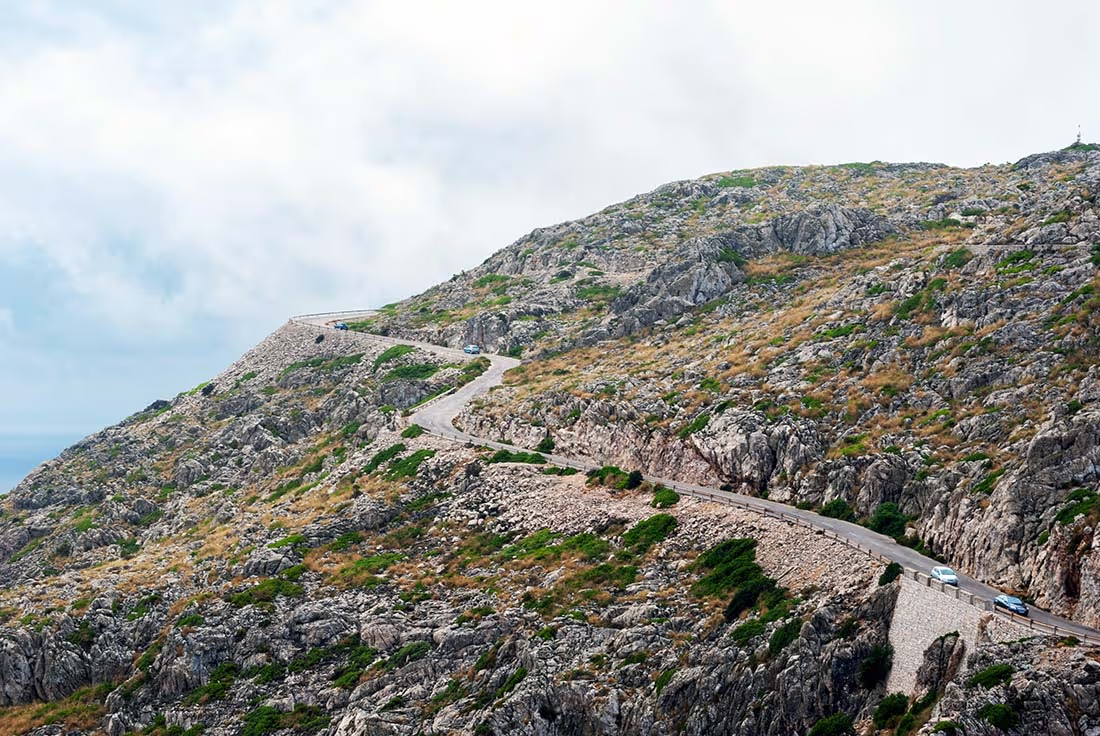
  • Sa Calobra is the most well-known climb on the island and one of the most well-known roads in Europe, famous for its spaghetti-like switchbacks the road was designed by Italian engineer Antonio Parietti and built manually in 1932.
Cap de Formentor
  • Climb Stats: 17km at 2.8%
  • From Pollenca this climb is more of a series of kickers than one long climb, however gradients remain mostly low making it a steady ride with spectacular views up to the iconic lighthouse. It is the Northernmost point of the island and is known as ‘the meeting point of the winds’ and the wind can indeed get quite strong at the top.


Col de Soller
  • Climb Stats: North 7.4km at 6%, South 5km at 5%
  • The Southern side of Col de Soller from Bunyola is the most popular and easier side to climb with a gentle and consistent gradient owing to the many hairpins, no longer the main road to Soller since a tunnel was built in the 1990s the road is usually empty of cars barring a few. The Northern side of the climb is slightly harder although still not hugely challenging once again thanks to numerous hairpins of which there are more than Alpe d’Huez!
Puig Major
  • Climb Stats: 14km at 5.9%
  • The only thing which could make this climb challenging is its length. Highest climb in Mallorca, located within the Tramuntana mountains and as such is largely sheltered within woodlands.
Valldemossa
  • Climb Stats: 5km at 7%
  • If you want to take the road less pedalled whilst still experiencing what’s best about Mallorca then Valldemossa is the place to go. Steeper than the majority of other climbs but also much quieter so in our opinion it’s worth it!
Tramuntana Coastal Road
  • Through the Tramuntana mountains along the Southern coastline from the town of Esporles to Andratx is the rolling route of the Tramuntana coastal road. As you ride along this road the Mediterranean sea is visible on your right and the Galatzo peak is on your let making for stunning views. The road surface is high-quality and there is very little traffic making this one of the most enjoyable routes on the island.
Els Vergers/Sobremunt
  • Climb Stats: 7km at 10%
  • Crowned by GCN as the ‘hardest climb on the island’ this rough stretch of road ramps up to a maximum gradient of 25% and averages 10% – with downhill sections included.

When to go on a Mallorca Cycling Holiday & How to Get There​

The island’s capital of Palma hosts the main airport. You can also get a ferry from mainland Spain (although beware that this could take up to 8 hours). Getting to Mallorca is relatively easy but what may be more difficult is choosing which bike you’d like to use from our updated rental bike fleet for 2020! You can of course bring your own bike to Mallorca but as with our cycling tours we can offer you unrivaled bike rental as well as an unforgettable tour.


Mallorca Cycling Ride Camp for Quality Miles​

If you’re convinced that Mallorca is the place for your next cycling holiday then why not take a look at our Mallorca Ride Camp for a chance to rack up those quality miles whilst exploring this amazing island.

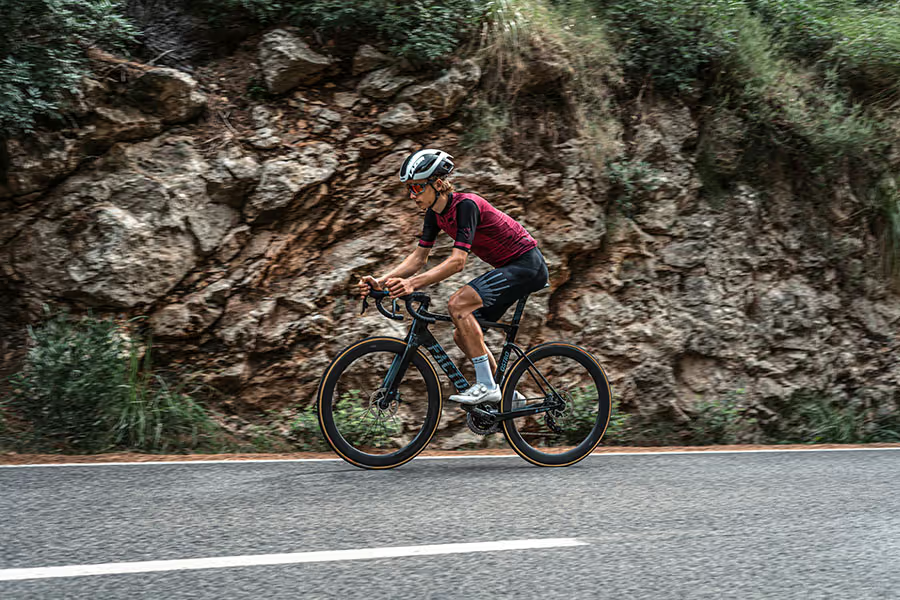
Mallorca has become almost a rite of passage for cyclists. Smooth roads, year-round sun, and iconic climbs like Sa Calobra have made it the go-to destination for amateurs and everyone in between.

82871[1].jpg
 
Last edited:

BarcelonaAtlantis

Moderator
Staff member

Paradise by bike​

Riding in Mallorca is on every cyclist's bucket list​


Oliver Neilson 31/10/2021

It is no exaggeration to say that Majorca is cycling perfection, but don’t take my word for it. 2012 Tour de France winner, multiple Olympic champion, knight of the realm and all round dude Sir Bradley Wiggins described the island as “Scalextric set for cyclists”, and he is in good company. Multiple Grand Tour champion Chris Froome, the Team GB track cyclists, most of Europe’s top professional teams, and upwards of 150,000 cyclists of all abilities and ambitions join him in the cooler months from October to May to stretch their legs and pit themselves against the stunning scenery and deserted roads.

While Northern Europe shivers under leaden skies, endless rain and freezing conditions, two hours away by budget airline, Mallorca is enjoying (mostly) clear blue skies, dry roads and daytime temperatures that rival Spring in more temperate climates. The island’s road network, designed to cope with the summer throngs of visitors, are all but empty in the winter, and in a stroke of genius, when the motorway network was being constructed, the authorities made the canny decision to leave the old routes in place, the result is a secondary road network of 675km with few users on four wheels.
The mixed geography of the island has again conspired to provide cyclists with scenery to match their ability, whatever your age or ambitions.

The Tramuntana mountain range stretching from Andratx on the Southwest tip, to Cap Formentor nearly 70km to the North, a UNESCO World heritage site since 2011, provides jaw dropping vistas of 1000 metre plus peaks dropping to the azure Mediterranean in a matter of a few kilometres peppered with chocolate box pretty villages with babbling mountain streams. They also present some of the best training in Europe with hairpins and switchback routes with gradients to match those of the Alps, Dolomites or Pyrenees.
Many of the professionals and spirited amateurs test themselves against the legendary Sa Calobra in the mountain municipality of Escorca. This is a fearsome white knuckle 10km descent through eerie rocky monoliths (Karstic limestone if you are interested) as the serpentine road picks out a path down to sea level through 26 hairpin turns down 668 meters at an average 7.1% gradient. Whilst you are down there you might want to fortify yourself with a coffee and admire the point where the torrent de Pareis, a deep canyon that drains the island’s highest mountain, Puig Mayor, into the sea.
The only way out is back the way you came, only much slower. Also worthy of mention in the Tramuntana is the trek from Puerto Pollensa to the northernmost point of Mallorca, the lighthouse at Formentor. This is another one for the fit and fearless as the climbs and descents are tough and nerve jangling in equal measure, but don’t forget to look up every once in a while, views don’t get a great deal better than this, oh and keep a look out behind you as well as this is a favourite of Team Ineos as they treat this as an after breakfast leg stretcher from their winter base in nearby Alcudia.
If you fancy something a little more genteel, then head for the centre of the island, Es Pla, the fertile agricultural central plain is pancake flat, with the occasional outcrop of rolling terrain, the quiet road network picks out pretty trails amongst the dry stone walls and fields of sheep with clanking bells around their necks. If you time your visit for early February then you will be treated to the explosion of colour as the island’s almond trees blossom in pink and white above meadows of wildflowers as spring takes hold.
82871.jpg

There is varied cycling and accommodation available in most corners of the island, but the centre of the activity are the Northern resorts of Pollenca and Alcudia as they offer instant access to the mountains or the plains straight from your hotel door. Accommodation also varies across the island according to your taste and the depth of your pockets. Out of season tourist hotels offer great value and convenience, many now providing secure storage for your precious steed and on-site bike mechanics. For a touch of luxury the four and five star rural hotels will treat you like royalty, and often provide top notch spa facilities, a site for sore...err...legs, after a day in the mountains.
The support network for cyclists is second to none as well, seasonal ‘pop up’ bike shops do exactly that in Pollenca and Alcudia, and if you don’t fancy the expense of shipping your bike here, then there are many professionally oriented shops that will rent you the latest carbon fibre rig for the week, and make sure it fits you perfectly, as well as acting as expert local guides.
While it is easy to design your own itinerary for a visit to Majorca, there are a variety of specialist cycling companies who will do the lot for you, from flights to accommodation, bike rental and guided rides.

The island also stages a number of sportives, gran fondos or cicloturistas during the springtime, these are massed rides often of hundreds run under police escort to ensure safety and enjoyment for all. The biggest draw of all is the relatively new, but already legendary Mallorca 312. Europe’s longest such ride, and with a maximum participation of 8,000 one of the largest. With routes from 167km, 225km, and the 312 full monty, it’s not quite for all abilities, it’s tough whichever distance you choose, but a challenging ride in stunning scenery with a lot of lycra clad company is guaranteed, but sign up fast, places get snapped up quickly.
If you fancy catching the professionals in action, make sure you are here for late January as the sport’s big names, and big teams take part in the European season opening races around the island in the Challenge Mallorca trophy races over four days.
If you are a nine stone, leg shaving road warrior, a family looking for a low season activity break, or a MAMIL (middle aged man in lycra) who dug his old bike out of the shed after the Olympics, Mallorca can provide exactly the challenge you are after.

Cycling is the new golf they say, and Mallorca does it here better than anywhere. The island also does golf as well, but that’s a story for another day.

Mallorca 312 has quickly established itself as one of the most popular European sportives, and arguably a contender for toughest cycling challenge Europe has to offer, with its long route taking a mammoth tour around the north-west of the island, and an elevation gain of around 5,000 meters.

Mallorca has earned its reputation as Europe’s premier cycling island, and once you ride it, you’ll understand why. It’s not one thing ; it’s everything working together. The roads, the climate, the terrain, the food. And the fact that at any time between February and November, you’re almost guaranteed great conditions on the bike.


The Roads in Mallorca
This is where Mallorca immediately stands apart. The island’s road network is exceptionally well-maintained, and vast stretches of it see very little traffic. That means you’re riding without having to navigate lorries or dodge potholes. Smooth tarmac, sweeping bends, zero stress.

The variety is what keeps cyclists coming back. Coastal routes hug dramatic cliff-edges with the Mediterranean shimmering below. Country roads wind quietly through olive and orange(they are the best too just like Mallorca..) orchards. This kind of riding is where you catch yourself just smiling. Then there are the mountain roads: the Serra de Tramuntana range, a UNESCO World Heritage Site, offering climbs that will test any level of fitness.

The Cap de Formentor peninsula, a firm favorite on any Mallorca cycling holiday, offers one of the most photographed stretches of road in European cycling.

 
Last edited:

BarcelonaAtlantis

Moderator
Staff member

Why a Cycling Holiday in Mallorca Feels Like a Reset for Your Life, Not Just Your Fitness​


This is one of the reasons cycling vacations in Mallorca resonate so deeply with American travellers. Not because Mallorca is famous for climbs or sunshine, although both help, but because the island creates something far more valuable. It creates space. Space away from pressure. Space away from constant decision making. Space away from screens, noise, traffic, and responsibility.

A cycling vacation in Mallorca works because it slows everything down in the best possible way.

From the moment you arrive on the island, the pace changes. The air feels warmer and softer. The light is different. Villages move at a gentler rhythm. People sit outside cafés in the middle of the day without rushing. Meals are not something to grab between meetings. They are something to enjoy. Conversations are not interrupted every few minutes by notifications. This alone begins the reset.


Cycling becomes the anchor to the day, not a source of pressure. You wake up knowing exactly what you will do. You will eat well. You will ride. You will come back. You will rest. You will eat again. You will sleep deeply. For people whose lives are usually filled with constant choices and responsibilities, this simplicity is incredibly calming.

Many American guests tell us that the first few days of a cycling holiday in Mallorca feel almost strange. They are so used to being busy that doing one meaningful thing a day feels unfamiliar. Then something shifts. Their breathing slows. Their shoulders drop. They begin to sleep better. They stop checking their phone as often. They start to feel present again.

This is where Mallorca works its quiet magic.

The island does not demand anything from you. It does not shout for attention. It invites you in gently. The roads wind through farmland and mountains without noise or drama. The villages feel lived in rather than staged. The scenery is beautiful but not overwhelming. You can ride for hours without seeing a traffic light or a billboard. For people coming from American cities, this alone feels like therapy.

Cycling vacations in Mallorca are so effective for mental health because they combine movement with stillness. The bike gives your body a purpose and your mind a focus. You are concentrating on breathing, cadence, rhythm, and the road ahead. There is no space for emails or deadlines while you climb a quiet mountain road. Your brain gets a break from thinking about everything else.

And then you stop. You sit in the sun. You drink water. You talk. You laugh. You look around and realise how far you are from your usual world.

This pattern repeats day after day. Ride. Eat. Rest. Sleep. It is incredibly grounding

This is where the difference between a cycling camp and a cycling holiday becomes important. A camp often adds more pressure. More structure. More expectation. A holiday does the opposite. It creates a container where you can push yourself if you want, but you never have to. You are supported, not driven.


At Velocamp Mallorca, this balance is intentional. Guests ride meaningful distances and climb real mountains, but they are never shouted at or made to feel inadequate. The atmosphere is calm. Encouraging. Inclusive. Everyone is there to enjoy the experience rather than prove something.

This matters deeply for mental health.

Burnout does not come from lack of fitness. It comes from constant output without recovery. It comes from feeling like you are always behind. It comes from never switching off. A cycling holiday in Mallorca provides recovery in multiple ways. Physical recovery through movement and rest. Mental recovery through simplicity and beauty. Emotional recovery through shared experience and connection.

There is something powerful about riding in a small group of people who are all there for the same reason. Not to compete. Not to impress. But to enjoy being on the bike in a beautiful place. Conversations happen naturally. Stories get shared. Laughter comes easily. Many guests arrive not knowing anyone and leave feeling deeply connected.

This sense of connection is another reason cycling holidays Mallorca are so effective as a life reset. In everyday life, especially for Americans with demanding careers, connection often becomes transactional. Networking. Meetings. Scheduled calls. On a cycling holiday, connection is simple. You ride next to someone. You talk. You share a moment. There is no agenda.

Mallorca itself encourages this openness. The culture is warm. The people are relaxed. Meals are social. Time is flexible. You do not feel rushed or judged. You feel welcome.

Another reason American guests are increasingly choosing Mallorca cycling holidays is the contrast to home. The United States is vast, dynamic, ambitious, and fast moving. Mallorca is compact, human, historic, and slow in the best sense. The contrast is refreshing. You realise that life does not have to feel urgent all the time.

For guests from cities like New York, San Francisco, Chicago, Toronto, or Dubai, this contrast is particularly powerful. The quiet of a Mallorcan village in the evening can feel almost surreal. Sitting by a pool after a ride, listening to the breeze in the trees, with no schedule ahead of you, reminds you how good it feels to do nothing for a while.

This is why many people describe a cycling holiday in Mallorca not as a vacation, but as a reset. They return home with more than stronger legs. They return calmer. Clearer. More grounded. Often they make small changes after the trip. They ride for pleasure again. They sleep better. They set boundaries. They remember that rest is productive.

Velocamp Mallorca was created with this understanding in mind. It is not about pushing people to their limits. It is about creating an environment where people can give their best naturally, without pressure. Where everything is taken care of so guests can let go.

When you do not have to worry about logistics, food, navigation, or recovery, your mind relaxes. When you know you will return from a ride to good food, a comfortable space, and time to unwind, you ride differently. You breathe differently. You enjoy the experience more fully.

This is especially important for guests travelling long distances from the United States or Canada. When you invest time and money into a cycling holiday, you want it to give something back to you. Not just memories and photos, but a genuine sense of renewal.

Mallorca offers that renewal naturally. The climate, the landscape, the culture, and the rhythm of life all support it. Cycling is simply the vehicle that carries you through the experience.

People often arrive thinking they are booking a cycling holiday. They leave realising they booked something far more valuable. Time to reset. Time to reconnect. Time to feel human again.

That is why cycling holidays in Mallorca continue to grow in popularity with American travellers and busy professionals from around the world. Not because they want to suffer more, but because they want to feel better.

If you are searching for a cycling vacation in Mallorca that offers more than just fitness gains, one that prioritises wellbeing, simplicity, and quality of experience, Velocamp Mallorca was designed for you. A place where cycling supports your life, rather than competes with it.

Sometimes the most powerful thing you can do for your fitness is give your mind a rest. Mallorca does that better than anywhere else.

And that is why so many people come here thinking about cycling, and leave feeling like they found themselves again(duh because they remember who they really are...thats magical Mallorca for you)


Closed to vehicle traffic in July and August, the scenic, winding roads and mild weather of Mallorca offer cyclists world-class training grounds
shutterstock_1613357269_-deltaoff[1].jpg
 
Last edited:

BarcelonaAtlantis

Moderator
Staff member

Why Mallorca Is Europe's Overlooked Adventure Destination​

A mild climate and jaw-dropping geology make Mallorca an adventurer’s paradise from cycling, hiking, climbing and open ocean touring by SUP and sea kayak.The island of Mallorca is one of the best places to double-dip on plentiful choices for adrenaline junkies and the optional lazy beach day.

Though geographically, the Balearic island of Mallorca is a bit higher in latitude than Southern California, it shares a nearly identical Mediterranean climate, where both coastal locations boast over 300 days of sun per year. The clear and typically warm weather, along with endless windy roads, makes Mallorca a mecca for cyclists.

Today, Mallorca is more international than ever, with a lively resident multinational community and a vibrant year round capital, it is well placed to compete with the emerging markets.

The safety factor
Mallorca has long been one of the safest regions to live.

It is time to re-discover Mallorca.
The Serra de Tramuntana mountains are a silent adventure paradise, far from the beach-and-beer image of Mallorca.
Velocamp Mallorca chose Alaró for a reason. It is the base that allows you to ride everything. It is the base that shows you the true Mallorca. And once riders experience the difference, they often wonder why they ever believed Port Pollença was the ideal location


Alex Mannock
November 25, 2025
Something interesting is happening in the world of cycling travel. For years, Europeans have understood that Mallorca is one of the best places on earth to ride a bike. They knew the island had warm air, beautiful mountains, smooth roads, villages full of history, and a rhythm of life that makes you breathe slower the moment you arrive. But now a new audience is discovering this Mediterranean paradise. Riders from the United States are starting to fall in love with Mallorca and many of them are choosing Velocamp Mallorca for their first European cycling holiday.
The growth has been dramatic. The new direct flight from JFK to Palma has opened Mallorca to millions of American cyclists who previously assumed Europe was complicated to reach. For riders in other parts of the United States, the connections through Barcelona, Frankfurt, Munich, Amsterdam and London are unbelievably simple. You can leave home in the evening and wake up the next morning on an island where the sun shines, the roads sparkle, and the mountains rise straight out of the sea. A Mallorca cycling holiday now feels closer than a trip to the West Coast.

As more Americans arrive, a pattern has become clear. They are not coming to Mallorca for a harsh or intimidating cycling camp. Many have searched for cycling camps Mallorca online and expected something intense. Then they discover something much better. They discover that Velocamp Mallorca offers a luxury cycling holiday filled with support, comfort, relaxation, and a feeling of being genuinely looked after. They discover that Mallorca is not only beautiful. It is welcoming. It is easy. It is full of charm and culture and warmth. It is exactly the kind of place Americans fall in love with.


Perfect roads that feel like they were built for cyclists​

One of the first surprises American riders experience is the quality of the roads. In many parts of the United States cycling can feel like a challenge even before the ride begins. Long distances between safe routes. Busy traffic. Rough surfaces. Weather that changes quickly. All of these things make cycling complicated at home.

Mallorca is different. The roads are smooth and beautifully maintained. The climbs have steady gradients that help you find your rhythm. The descents flow gently and feel predictable. Even the small country lanes feel safe and peaceful. Because cycling is so deeply woven into the culture of Mallorca, the drivers are patient and respectful. They slow down, wait quietly, and give plenty of space. This is one of the first things guests mention when they return to the Velocamp Mallorca villa after their first ride. They cannot believe how easy and relaxing it feels to ride here.

For guests who have never visited Europe, this can feel eye opening. The island seems designed for cycling holidays. The roads take you through mountains, valleys, vineyards, villages, and coastlines in a way that feels natural and effortless. Even elite cyclists from around the world come here every year for training because they know the riding is truly world class.

Scenery that feels like stepping into a different world​

Americans are used to big landscapes. Wide deserts. Endless forests. Massive mountain ranges. But Mallorca offers a different kind of beauty. Something softer. Something older. Something that feels like a living story.

When you ride here you move through history. You pass stone villages with narrow streets and wooden shutters. You ride past bakeries where the doors are open and the smell of warm bread fills the air each morning. You pass families sitting outside cafés in the town squares drinking tiny cups of coffee. You see olive trees that are older than entire American cities. You climb mountain roads that twist gently along cliffs where the sea stretches out below you in endless blue.

The Tramuntana Mountains are the heart of this beauty. They rise almost straight out of the water and run across the island like a natural spine. The views are dramatic. The light is warm and golden. And the silence is something people never forget. Many American riders tell us they never experienced anything like this at home. They say Mallorca feels like entering another world. A world that makes you forget about busy roads, crowded cities, and constant noise.

The perfect weather for a cycling holiday​

Another reason Americans love cycling holidays in Mallorca is simple. The weather. Mallorca has one of the most reliable climates in Europe. When most parts of the United States are dealing with extreme heat, cold winters, unpredictable rain, or long stretches of wind, Mallorca stays warm and calm.

Velocamp Mallorca operates from the first of September until the end of May. These are the months that offer the perfect weather for cycling holidays. In autumn the temperature sits between twenty and twenty seven degrees Celsius which is sixty eight to eighty one degrees Fahrenheit. In winter it rarely goes below twelve degrees Celsius which is fifty three degrees Fahrenheit and most days reach eighteen degrees Celsius which is sixty four degrees Fahrenheit. In spring the temperature moves between eighteen and twenty four degrees Celsius which is sixty four to seventy five degrees Fahrenheit.

The result is simple. You can ride outside every day. Warm sunshine. Dry roads. Comfortable climbs. Beautiful mornings. And soft golden light in the evenings. This consistency is part of what makes Mallorca such a dream for American riders. No ice. No storms. No endless weeks on the indoor trainer. Just sunshine, smooth roads, and clear skies.

 
Last edited:

BarcelonaAtlantis

Moderator
Staff member

The charm of European culture and Mediterranean life​

For many Americans, a cycling holiday in Mallorca is their first experience of Europe outside the big cities. They expect good cycling. They do not always expect culture that feels so deep and welcoming. They quickly fall in love with the slow rhythm of life here. 6925a331888ad035f2956a45_house[1].jpg
When you ride through the small towns of the Tramuntana region you notice details everywhere. Old stone houses with teal shutters. Small churches with bells that ring across the valley. Cobbled streets that have been walked on for hundreds of years. Elderly couples sitting outside together enjoying the morning sun. You stop for a quick coffee and suddenly you feel like you are part of something older and more meaningful.

This sense of history is rare for American cyclists. They are not only riding in nature. They are riding inside a culture that has been shaped over centuries. The warmth of the people. The traditional food. The architecture. It all becomes part of the experience and it is one reason many guests tell us their Mallorca cycling holiday with Velocamp Mallorca was the best holiday of their lives.

Velocamp Mallorca and the rise of luxury cycling holidays​

Now we come to the heart of why Americans love Velocamp Mallorca. Many of them begin by searching online for cycling camps Mallorca or Mallorca cycling camps. They think they want a training camp because these are the terms they know. Then they discover the difference between a training camp and a true cycling holiday.

Velocamp Mallorca is not a tough or competitive training camp. It is a luxury cycling holiday designed for riders who want comfort, service, and genuine enjoyment. It is for people who want to ride hard but relax deeply. It is for people who want a high level of service with a soft human touch. This is exactly what American travellers appreciate most.

You stay in a beautiful villa with seven bedrooms, a large pool, views of the mountains, and space to breathe. You enjoy chef prepared meals every day using fresh Mediterranean ingredients. You ride top quality bikes that are ready and waiting for you. You follow stunning Mallorca cycling routes with full on road support from the Velocamp Mallorca team.

Every ride includes private food stations along the route with fruit, snacks, sandwiches, water, isotonic drinks, and everything you need. Many riders from other groups cycle past and say they want to book with Velocamp Mallorca next time because the setup is so impressive.

When you return to the villa after the ride you step straight into comfort. Smoothies, cakes, fruit platters, hummus, flatbreads, and fresh recovery food are waiting on the table. Then you enjoy daily massage with a professional therapist, compression boots to help your legs recover, and stretching sessions to keep your body feeling good. You finish every day relaxed, nourished, and ready for the next morning.

This is the difference between a cycling camp and a cycling holiday. A camp pushes you. A holiday cares for you. Velocamp Mallorca gives you challenge, beauty, comfort, and support all at the same time.

Why Americans return again and again​

At the end of the week most guests say the same thing. Mallorca feels like a true escape. It feels peaceful. It feels warm. It feels calm. Velocamp Mallorca makes the entire experience effortless. You feel challenged but not overwhelmed. You feel cared for but still proud of what you achieved. You return home stronger, healthier, and happier than when you arrived.

This is why Americans are falling in love with cycling holidays in Mallorca and why so many choose Velocamp Mallorca for their first European cycling adventure.

If you want to discover why this island has become the favourite cycling destination for riders from the United States, visit www.velocampmallorca.com and explore our luxury cycling holidays from September through May. Your Mediterranean cycling experience is waiting.

One of the biggest reasons people choose a cycling camp in Mallorca is the mountains. The island is famous for them, and rightly so. The climbs are long, steady, and beautiful. They teach patience. They reward rhythm. They make you feel like a cyclist in the truest sense of the word.

But what many people do not realise until they experience it is that Mallorca is not just about climbing. What really makes cycling in Mallorca special is the variety of terrain you ride across in a single week. Mountains, coast, and inland roads all play a role. Each one feels different. Each one asks something different of you. And together, they create a cycling experience that is far richer than a week spent doing the same type of ride over and over again.

At Velocamp Mallorca, this variety is not accidental. Over six days of riding, we cover around 8,330 meters of climbing, but we do not chase elevation for the sake of it. The week is designed to move through different landscapes and different sensations. Some days challenge your legs. Other days challenge your focus. Some days feel epic. Others feel flowing and calm. This balance is what turns a demanding week of riding into an enjoyable one.

Mountains​

Mountain days are often what people remember first. There is something deeply satisfying about climbing in Mallorca. The roads rise gradually, giving you time to settle into a rhythm. You are not fighting sudden gradients. You are working steadily, breathing deeply, finding a pace that feels sustainable. As the road climbs, the world seems to fall away behind you. Villages get smaller. Views open up. The effort becomes almost meditative.

Coast​

Coastal roads in Mallorca feel completely different from mountain climbs. The gradients are gentler. The road flows more. The sea is always there, changing colour as the light shifts. The air feels fresh and open. You can ride side by side and talk. You can look around more. Your legs spin rather than grind.

These coastal days often feel joyful. They remind people that cycling is fun. The effort is still there, but it feels lighter. The scenery moves quickly. You pass small coves, rocky cliffs, and stretches of road where the horizon seems endless. Emotionally, coastal riding lifts the mood of the group. People laugh more. Conversations are easier. The ride feels social.

Inland​

Inland riding adds a third layer to the week, and it is one that many people do not expect to enjoy as much as they do. Inland Mallorca is quieter. It feels lived in rather than visited. The roads roll gently through farmland, past vineyards, almond trees, and small villages where life moves slowly.

Cycling in Mallorca offers one of the richest combinations of terrain anywhere in the world. Mountains that challenge. Coastlines that inspire. Inland roads that calm. When these elements are woven together thoughtfully, they create a week of riding that stays with you long after you return home.

That is why Mallorca remains one of the most sought after destinations for cycling camps. And that is why a week that mixes all of these terrains feels so powerful.

You do not just come home fitter. You come home with memories, perspective, and a deeper connection to why you ride in the first place.
 
Last edited:

BarcelonaAtlantis

Moderator
Staff member

The Best Time of Year for a Cycling Holiday in Mallorca​

The Best Time of Year for a Cycling Holiday in Mallorca


Alex Mannock
March 18, 2026
There is something unforgettable about cycling in Mallorca. The light, the colours, the small stone villages, the warm air, and the feeling that the roads were built for riders. Many people around the world already know that Mallorca is a dream destination for cyclists, but now more than ever riders from the United States are beginning to discover just how special this island truly is. With direct flights from JFK to Mallorca and simple connections through Barcelona, Frankfurt, Munich, and London, travelling from the United States to Mallorca has never been easier. The number of American cyclists choosing Mallorca cycling holidays is growing fast and the excitement is justified.
Before planning a cycling holiday in Mallorca, one question always comes up. When is the best time to visit
The answer depends on the experience you want, but one thing is certain. The very best months for a Mallorca cycling holiday are the months that offer warm sunshine, calm roads, and enjoyable temperatures. That is why Velocamp Mallorca operates from the first of September until the end of May. These are the months when the island feels perfect for cycling. The temperatures are comfortable, the roads are quiet, and the whole landscape feels welcoming. From June to August the island becomes too hot for enjoyable riding, so those months are reserved for cooler destinations like the Alps in future seasons. But Mallorca belongs to the months between autumn and late spring, and it is during this period that the island becomes a paradise for cyclists.

Autumn in Mallorca. Warm golden light and perfect riding conditions​

Autumn is one of the most popular times of the year for a cycling holiday in Mallorca. September, October, and November offer a perfect combination of sunshine, scenery, and comfort. Most days sit between twenty and twenty seven degrees Celsius which is around sixty eight to eighty one degrees Fahrenheit. The mornings are bright and calm, the afternoons warm but not intense, and the evenings are soft and peaceful.
autumn in mallorca—goldne sunshine and hazy mountains

The autumn light is golden and gentle. When you climb the famous Mallorca cycling routes like Coll de Sóller or Coll de sa Batalla, the sun glows across the mountains in a way that feels almost cinematic. The roads are smooth and still, the villages are lively but not crowded, and the sea is warm enough for a quick swim after your ride.
For riders travelling from the United States, autumn in Mallorca feels like a completely different world. While American cities begin to cool, darken, and prepare for winter, Mallorca stays warm and full of life. It is the perfect escape from shorter days, colder weather, and busy roads. Many American guests tell us that autumn in Mallorca is the single best cycling experience they have ever had.
At Velocamp Mallorca these months feel magical. Every afternoon when our guests return to the villa, the pool is warm enough to enjoy, the terrace glows with evening light, and the atmosphere feels like pure relaxation. Our chef prepares fresh seasonal meals each night and the whole villa settles into a calm rhythm that makes guests feel completely at home.

Winter in Mallorca. Quiet roads and gentle sunshine​

December, January, and February are a best kept secret for Mallorca cycling holidays. While much of Europe becomes cold and dark, Mallorca stays bright and inviting. Temperatures typically range from twelve to eighteen degrees Celsius which is around fifty three to sixty four degrees Fahrenheit. The mornings can be crisp, but the sun still shines most days and the roads stay dry.
691ef0a6878194d92d0f7c74_winter-mallorca.jpg

This is the season when the island slows down and feels peaceful. The Tramuntana Mountains are quiet and almost empty, and the views often stretch endlessly across the coastline. Many professional riders come to Mallorca at this time of year because it offers reliable weather and smooth roads while the rest of Europe is covered in snow or rain.
For guests arriving from the United States, winter in Mallorca is an incredible contrast. It is rare to find a place in winter where you can ride outside comfortably in light clothing and enjoy hours of sunshine. In states like New York, Colorado, Illinois, or Massachusetts, winter cycling often means indoor training or short cold rides. In Mallorca it means long climbs in sunshine and quiet afternoons in the warmth of the villa.

At Velocamp Mallorca winter guests enjoy the full recovery experience. After each ride you step straight into comfort. Smoothies, cakes, fruit platters, and warm drinks are waiting on the table. Soon after, you can enjoy professional sports massage, compression boots, stretching sessions, and time by the pool. Guests often describe winter cycling holidays in Mallorca as restorative, peaceful, and energising.

Spring in Mallorca. New colours and ideal temperatures​

March, April, and May mark the return of bright colours and long days. This is one of the very best times to enjoy a cycling holiday in Mallorca. The temperature usually sits between eighteen and twenty four degrees Celsius which is around sixty four to seventy five degrees Fahrenheit. It is warm enough for short sleeves but cool enough to climb comfortably.
orange trees in mallorca

The mountains look green and alive after winter. Orange trees fill the air with fresh scent. Small cafés open earlier, and the island feels full of gentle energy. For American guests coming from colder climates or cities with unpredictable spring weather, Mallorca in spring feels like freedom.
The cycling routes are in perfect condition. Sa Calobra, Coll de Sóller, and the coastal roads all shine in the clear spring light. The traffic is light. The villages are calm. Every corner of the island feels welcoming. It is an ideal time for a Mallorca cycling holiday if you want beautiful scenery, warm air, and long comfortable days on the bike.
Spring is also one of the most popular seasons at Velocamp Mallorca. Guests begin the day with chef prepared breakfast, ride some of the most famous routes in Europe, and return every afternoon to a fully prepared recovery setup. The food stations on the road, the support car, the massage, and the peaceful villa make spring cycling holidays feel both challenging and indulgent.

The Velocamp Mallorca experience. The perfect balance of effort and comfort​

No matter which season you choose, the heart of a Mallorca cycling holiday with Velocamp is the balance between effort and ease. Riders still cover serious distance. Over five hundred kilometres in a week and more than eight thousand metres of climbing is a real achievement. Yet the experience never feels overwhelming or punishing. You are looked after at every moment.
Fuel stations are placed along each route with fruit, snacks, sandwiches, isotonic drinks, and anything you might need. The support car is always nearby if you need help. When you return to the villa the food, drinks, and recovery treatments are waiting. Massage, stretching clinics, compression boots, and plenty of time to relax by the pool help your body recover quickly so you can ride again the next day feeling fresh and confident.
This is what makes Velocamp Mallorca different. It is a luxury cycling holiday built specifically for people who love riding but also want comfort, service, and calm. There is no pressure. No competition. No expectation to perform. Just beautiful cycling, Mediterranean sunshine, and a level of care that allows you to enjoy Mallorca at its best.

When should you book your Mallorca cycling holiday?​

The best seasons for Mallorca cycling holidays are clear.
  • Autumn offers golden light and warm evenings.
  • Winter offers peaceful roads and gentle sunshine.
  • Spring offers ideal temperatures and fresh green landscapes.
These months bring out the very best of Mallorca and they are the months when Velocamp Mallorca opens its doors. If you want to experience one of the most beautiful cycling destinations in the world with full support, luxury service, and a relaxed atmosphere, there is no better time to visit.
 
Last edited:

BarcelonaAtlantis

Moderator
Staff member
How Cycling in Mallorca Feels Different From Cycling at Home

Alex Mannock December 30, 2025
Most people who arrive in Mallorca for the first time already love cycling. They ride regularly at home. They train before work or squeeze in rides on weekends. They know their local loops by heart and have learned to work around traffic lights, cracked roads, weather changes, and the constant mental effort it takes just to get out the door. They are fit enough, motivated enough, and experienced enough. But almost every one of them says the same thing after their first few days riding in Mallorca.

This feels completely different.
Cycling in Mallorca does not just change your scenery. It changes how you feel on the bike. It changes how your body responds, but more importantly, it changes how your mind responds. This is why cycling holidays in Mallorca resonate so deeply with people coming from the United States, Canada, the UK, and the UAE. It feels like cycling as it was meant to be.

At home, cycling often starts with stress. You check the weather. You check traffic. You check your calendar. You think about whether the roads will be busy or whether you will have to stop repeatedly at lights and intersections. In many parts of the United States, getting to a decent stretch of road can take thirty minutes or more. The ride does not begin when you clip in. It begins after you escape the city, the suburbs, or the industrial sprawl that surrounds so many urban areas.

In Mallorca, the ride begins almost immediately. You roll away from where you are staying and within minutes you are on quiet roads, surrounded by farmland, mountains, or small villages. There is no battle to reach beauty. There is no sense of negotiating with your environment. The island feels like it welcomes cyclists rather than tolerates them.

That difference is subtle at first, but it grows with every ride.


One of the biggest changes people notice is how safe they feel. In Mallorca, cycling is woven into daily life. Drivers expect to see bikes. They slow down. They wait. They give space without being asked. This is not something that needs explanation when you are riding there. You feel it instinctively. Your shoulders drop. Your breathing settles. You stop gripping the bars so tightly.

For guests coming from the United States, this can feel almost shocking. Many American cyclists are used to riding in a state of constant alertness. They are scanning mirrors, listening for engines, and preparing to react. That level of vigilance takes a toll, even if you do not consciously notice it. In Mallorca, that background tension fades. You can look around. You can enjoy the view. You can ride without feeling like you are defending your space.

The road surface plays a bigger role than most people expect. Cycling at home often means dealing with cracks, potholes, gravel, and debris. Even strong riders finish long rides feeling beaten up. In Mallorca, the roads are smooth and consistent. The bike rolls quietly beneath you. There is less vibration. Less noise. Less impact. This makes riding feel lighter and more fluid, even when the terrain is challenging.

Climbing also feels different. At home, climbs often come without warning. Short, steep ramps that spike effort and disappear just as quickly. In Mallorca, climbs are deliberate. They announce themselves. They give you time to settle into rhythm. You learn to pace. You breathe. You listen to your body. This is why so many people say they climb better in Mallorca. Not because they are suddenly fitter, but because the roads reward patience rather than aggression.

The landscape reinforces this. When you climb at home, you might be staring at concrete, guardrails, or traffic. In Mallorca, you climb through pine forests, along stone walls, past olive groves, and above the sea. The scenery constantly shifts. Your mind stays engaged in a positive way. Even when your legs are tired, your surroundings keep you moving forward.

Another difference that surprises many guests is how the rhythm of the day changes. At home, rides are squeezed between responsibilities. You rush back to shower. You eat something quickly. You check your phone while stretching. Your mind is already elsewhere. In Mallorca, cycling becomes the central event of the day, not something you have to fit in.

You wake up knowing exactly what lies ahead. You eat properly. You ride. You return. You rest. You eat again. You sleep deeply. This simplicity is profoundly calming. For people whose lives are usually filled with constant decisions, meetings, and deadlines, this structure feels grounding.

This is especially true for American professionals. Many guests arrive from demanding careers where productivity is always measured and time always feels scarce. Even leisure can feel scheduled and rushed. A cycling holiday in Mallorca breaks that pattern. It gives you permission to slow down without guilt. To be active without being judged. To rest without feeling lazy.


Cycling also changes socially. At home, group rides can feel competitive or fragmented. Everyone has somewhere else to be. Conversations are brief. In Mallorca, riding together feels natural. The pace adapts. People talk. People laugh. Shared effort creates connection quickly. You are not riding to prove anything. You are riding to experience something together.

This shared experience is one of the most powerful parts of cycling holidays in Mallorca. You are not just collecting kilometres. You are collecting moments. A quiet descent early in the morning. A conversation halfway up a climb. Sitting in the sun after a ride feeling pleasantly tired. These moments stay with you.

Food plays a bigger role too. At home, nutrition is often functional. Energy bars eaten on the go. Meals squeezed into busy days. In Mallorca, food becomes part of the experience. Meals are slower. Ingredients are fresh. Eating feels nourishing rather than rushed. This supports both physical recovery and mental wellbeing. You feel taken care of.

For guests staying with Velocamp Mallorca, this sense of care is intentional. Everything around the ride is designed to remove friction. You do not worry about logistics, navigation, or recovery. You focus on riding and enjoying the island. When you return from a ride, food is ready. Space is waiting. Recovery is built in. This allows your nervous system to relax fully.

This is why cycling in Mallorca feels lighter, even when the riding is demanding. You may ride further and climb more than you do at home, but you finish the day feeling better rather than depleted. The environment supports you instead of draining you.

Another subtle but important difference is presence. At home, rides are often accompanied by music, podcasts, or constant thought. In Mallorca, many people stop using headphones without realising it. The sound of the tyres on smooth road, the wind through the trees, and the quiet of the countryside are enough. You begin to notice details again. The colour of the stone. The smell of warm air. The way light changes through the day.

This presence is deeply restorative. It is one of the reasons people describe a cycling holiday in Mallorca as a reset rather than just a vacation. It gives your mind space to breathe. It reminds you why you started cycling in the first place.

Guests from the UAE often describe the contrast as dramatic. Leaving a fast paced, high intensity environment and arriving in Mallorca feels like stepping into another rhythm entirely. The culture encourages balance. Time feels elastic. Cycling becomes a way to reconnect with movement rather than push against it.

Cycling at home often requires motivation. Cycling in Mallorca creates motivation naturally. You want to ride because it feels good, not because you feel you should. This shift changes your relationship with the bike long after you return home.

Many guests tell us that when they go back, they ride differently. They choose quieter routes. They stop chasing numbers. They ride for enjoyment again. The holiday leaves a mark that extends beyond fitness.

This is the real difference between cycling in Mallorca and cycling at home. It is not just about better roads or nicer weather. It is about how the entire environment supports you. How it removes stress. How it allows you to enjoy movement without pressure.

Mallorca gives cycling back its original purpose. Exploration. Joy. Connection.


That is why people travel across the world for cycling holidays in Mallorca. And that is why those who experience it once often return.

If you are looking for a cycling holiday that feels genuinely different from the riding you do at home, one that offers calm, space, and a sense of renewal, Mallorca delivers in a way few places can. When that experience is paired with thoughtful service and a supportive environment, as it is at Velocamp Mallorca, the difference becomes unforgettable.

Sometimes the best thing you can do for your fitness is give your mind a rest. Mallorca has a way of doing that quietly and completely.

And that is why so many people arrive thinking about cycling, and leave feeling like they have found a better version of themselves again.
 

BarcelonaAtlantis

Moderator
Staff member
We have created something special here. It is still cycling at a high level, still serious in its ambition, but wrapped in comfort and service that make it accessible to anyone with a genuine love for the sport. There is no need to be a racer, no need to chase numbers, and no need to fear being left behind. The beauty of a Velocamp Mallorca week is that it works for every kind of cyclist. Whether you are an experienced rider who wants to push yourself or someone who simply wants to enjoy the best roads in Europe with full support, you will find exactly what you are looking for.

The 10 Best Cycling Destinations in the World​


Number 1:
Of course, it’s Mallorca.

6890284d4554dbebc3635ec8_mallorca.avif

Not just because we’re based here at VeloCamp Mallorca. But because this island truly has it all — smooth roads, iconic climbs, Mediterranean weather, and a cycling culture that welcomes everyone, from total beginners to seasoned pros.

Let’s talk about the riding. You’ve got Sa Calobra, with its perfect switchbacks and postcard views. The Coll de Sóller, Coll de Femenía,Coll de Sa Batalla, Coll d’Honor — all within easy reach from base towns like Pollença or Sóller. The climbs are long enough to train properly, but never overwhelming. You can stack efforts or ride at a relaxed pace, all while soaking in ocean views and warm air.

The roads here are immaculate. Traffic is light, especially if you ride early. Drivers are respectful. And the number of cyclists on the road means you’re never far from a helping hand if you have a mechanical or need water.

And when you’re off the bike? Café culture is strong. Almond cake and cortados are practically part of the training plan. Bike shops and hire services are everywhere. The island is built to support cycling. That’s no accident — it’s earned its reputation through decades of investment and love from the global cycling community.

Flights arrive daily from across Europe. Getting here is easy. Staying here is even easier.

Mallorca isn’t just the best place to ride — it’s the best place to fall back in love with cycling, no matter how many years you’ve been turning pedals.

Final Thoughts​

Wherever you ride, the journey is as much about the experience as the gradients. Each of these ten destinations offers something different — from the stark beauty of the Pyrenees to the perfectly planned paradise of Mallorca. The climbs will challenge you, the roads will teach you, and the memories will outlast your leg soreness.

So maybe it’s time to book that flight. Or finally commit to that trip you’ve been talking about for years. And if Mallorca’s at the top of your list, we’d love to show you around.

Join us at VeloCamp Mallorca​

Ready to ride some of the world’s best climbs with like-minded cyclists? Join us for a week of riding, learning, fuelling, and laughing in the cycling capital of Europe(Palma de Mallorca). Whether you’re training, exploring, or just want a week in the sun with your bike, we’ve got you covered. https://www.velocampmallorca.com/post/best-cycling-destinations-in-the-world

Spend a week in Mallorca and you will see thousands of cyclists on the roads. From the sweeping coastal straights of Cap Formentor to the hairpins of Sa Calobra, the island attracts riders from every corner of the world. And while the scenery is unforgettable, another thing stands out too. A lot of people are on the wrong bike for what they are trying to do.

It is easy to understand why. Walk into any bike shop or scroll through cycling websites and you are bombarded with images of sleek aero frames, deep carbon wheels, and professional racers slicing through the air. The marketing promises speed, performance, and marginal gains. But here is the reality. Not every rider needs or even benefits from that style of bike. In fact, the wrong choice can make long rides uncomfortable, reduce efficiency on climbs, and even dampen your enjoyment of cycling altogether.

That is why it helps to step back and really understand the three main categories of modern road bikes: aero bikes, endurance or Gran Fondo bikes, and lightweight climbing bikes. Each one is designed for a different purpose, and knowing the differences can help you pick a machine that actually matches your body, your goals, and the kind of riding you dream of doing.

Let’s break them down.

Aero Bikes: Built for Speed Above All Else
An aero bike is the supercar of the cycling world. Shaped tubes, integrated cabling, and deep section wheels are all designed to cheat the wind. When you are flying across a flat road or locked into a fast paceline, the difference is real. An aero bike saves watts and lets you hold higher speeds for the same effort. That is why you see them under the pros in sprint stages and time trials.

Endurance or Gran Fondo Bikes: The All Rounders​

If aero bikes are supercars, endurance bikes are grand tourers. They are designed for comfort and versatility over long distances. The geometry is more relaxed, with a slightly taller head tube, shorter reach, and angles that keep your position balanced and sustainable. Small tweaks in frame design make a huge difference when you are spending multiple days back to back in the saddle.


Endurance bikes absorb road buzz better than most aero frames thanks to built in compliance features and often slightly wider tyres. They are stable on descents, forgiving on long climbs, and let you finish a six hour ride without feeling like you have been through a boxing match.

In Mallorca, endurance bikes shine. The island offers a mix of everything: steep switchbacks, sweeping descents, rolling valley roads, and coastal straights. A Gran Fondo style bike gives you the flexibility to enjoy all of it without compromising too much in any one area. You are not chasing every watt saved in the wind tunnel, but you are setting yourself up for a week of riding where comfort translates into performance.


It is no coincidence that the bikes we provide to our guests at Velocamp Mallorca are carefully chosen endurance models. They are perfectly fitted, built with gearing for climbing, and designed to balance comfort and efficiency. That combination means you can ride like a pro team all week without your body giving up before your legs do.

Cycling through the legit paradise! Mallorca isn't just about beaches – it's a cyclist's dream. From coastal roads to mountain climbs, every turn reveals a new view worth pedaling for.
 
Last edited:

BarcelonaAtlantis

Moderator
Staff member

The Secret to Better Climbing: Lessons from the Mallorca Mountains​

The Secret to Better Climbing: Lessons from the Mallorca Mountains


Alex Mannock October 7, 2025
There is something about the first turn of the pedals on a climb that makes your pulse quicken. The road starts to rise, the air feels different, and suddenly it is just you and the mountain. The noise fades, the chatter disappears, and all that remains is the sound of your breathing and the steady hum of the chain. This is where cycling becomes pure. Climbing is not just about strength. It is about patience, rhythm, and the quiet determination to keep turning the pedals when everything in your body tells you to stop. It is also where Mallorca comes alive.
68e4dfc82494e6f569f07ab1_cycling-1.avif

The island has long been the beating heart of European cycling. Riders from all over the world come to test themselves on the roads that snake through the Tramuntana Mountains. These are not mountains that punish, but mountains that teach. Their gradients are smooth, their tarmac is flawless, and the sun seems to follow you wherever you go. It is no surprise that Mallorca has become the training ground for so many of the world’s best cyclists, from professionals preparing for the season ahead to amateurs chasing their own milestones. Every bend, every summit, and every stretch of open road tells a story, and each one has something to teach.
At Velocamp Mallorca, climbing is more than a challenge. It is an education. Our camps are built around the island’s most iconic routes, but they are designed to give riders something far more valuable than tired legs. We teach the art of climbing properly. We show you how to find rhythm, how to pace yourself, how to descend safely, and how to recover like a professional. It is the same approach used by the best teams in the world, led by our head coach Ladi Demko, a thirty-year veteran of the sport, a former UCI sports director, and a man who has completed and staffed five Tour de France events. Ladi has worked alongside legends such as Lance Armstrong and Chris Froome, and his experience flows through every ride, every conversation, and every moment on the road. He has a calm presence, but the kind that commands respect. When Ladi speaks about climbing, you listen, because he has lived it.
68e4e036d38d35e827090430_ladi-2.avif

Climbing in Mallorca is a lesson in rhythm. The Tramuntana Mountains are not defined by brutal gradients or punishing ramps, but by their flow. Roads like Coll de sa Batalla, Coll de Sóller, and the legendary Sa Calobra rise gracefully from the valleys, weaving through pine forests and olive groves, each one a masterclass in patience and consistency. These climbs do not demand that you attack them. They reward those who respect them. They ask for tempo and balance, for smooth pedalling and quiet focus. The first time you ride Coll de sa Batalla, you realise how natural the road feels beneath your wheels. It rises gently, never too steep, never too easy, with just enough curve and shade to let you find your rhythm. You climb not in a panic but in a flow, and when you reach the summit, you are not destroyed, you are awakened. The descent is a gift, sweeping and fast, with perfect tarmac that invites you to lean into each bend and trust your instincts. This is where Mallorca starts to work its magic.
What makes Mallorca such a perfect classroom for climbing is its balance. It offers climbs long enough to teach endurance, gradients soft enough to allow focus, and conditions that let you ride day after day without fatigue from the weather or the roads. It is the kind of place that builds confidence. You can test yourself without fear, push your limits without breaking them, and ride among others who share the same hunger to improve. Each morning at Velocamp Mallorca begins like the start of a stage. The bikes gleam in the morning light, the air is cool and still, and the group rolls out together in matching kit, moving as one. The team car follows close behind with spare wheels, bottles, nutrition, and support. Every detail is handled so that the riders can focus on the only thing that matters: the road ahead.
 

BarcelonaAtlantis

Moderator
Staff member
The climbs come one by one, each with its own personality. Coll de Sóller is a series of perfect hairpins that twist rhythmically through the hills above Bunyola. The surface is smooth and the turns are tight, each one opening onto another breathtaking view. It is a climb that teaches control. You cannot rush it, and you do not need to. The gradient sits steady at five percent, which means you can hold a gear and stay there, working on cadence and breathing. Ladi often rides near the middle of the group, quietly observing, and when the climb levels out he will offer a word or two of advice that instantly makes sense. “Stay loose,” he says. “Let the climb come to you. Do not fight it.” It is the kind of wisdom that stays with you for life.
Then there is Sa Calobra, the jewel of Mallorca’s mountains, and perhaps the most famous climb in all of Europe. You ascend before even reaching the start, a dizzying series of twenty-six hairpins carved into the rock awaits, including the iconic tie knot where the road loops over itself. As you drop toward the sea, the anticipation builds. The views are spectacular, cliffs falling away into turquoise water, the road curling beneath you like ribbon. When you reach the bottom, the village is quiet and small, the sea glimmering just metres away. Then you turn around and begin the climb back up, nine kilometres at an average of seven percent. The first few bends feel easy. Then the gradient bites, the legs start to sting, and the rhythm of your breathing becomes everything. This is where Mallorca teaches you humility and persistence. The climb is not brutal, but it is relentless. It demands control, and those who find it are rewarded not just with the summit, but with a feeling of deep satisfaction that no flat road could ever give.
Climbing teaches you about pacing, and Mallorca is the perfect place to learn it. Every ride at Velocamp Mallorca is structured so that riders can experiment with different pacing strategies, guided by power data, heart rate, and feel. Ladi explains how to break a climb into thirds: find your rhythm early, hold it steady in the middle, and finish strong at the top. It sounds simple, but it takes discipline, and Mallorca’s long steady gradients give you the perfect stage to practice it. Riders who arrive nervous about the mountains quickly find that they have more endurance than they thought. Each day the climbs feel easier, not because the roads have changed, but because they have.
But climbing is not only about the ascent. What goes up must come down, and Mallorca’s descents are as legendary as its climbs. Smooth, sweeping, and predictable, they allow riders to develop descending technique safely. The key is to look ahead, stay relaxed, and trust the bike. Under Ladi’s guidance, riders learn to corner efficiently, to modulate brakes smoothly, and to use body weight to stay stable. Descending becomes not a fear but a joy. There is nothing quite like dropping down from Coll de Sóller in perfect flow, the bends coming one after another, the air rushing past your ears. It is the closest thing to flying on two wheels.

Climbing also challenges the mind. When the gradient turns up and the group stretches out, the chatter stops, and you are left with your thoughts. This is where mental strength becomes as important as physical endurance. The Tramuntana Mountains are beautiful but unrelenting. The sun reflects off the limestone, the road snakes endlessly, and the summit seems always just out of reach. This is where Ladi’s coaching truly shines. He teaches riders to break the climb into sections, to focus only on the next turn, the next shadow, the next few hundred metres. You learn to quiet the noise, to replace doubt with rhythm, and to treat each climb not as a battle but as a conversation between body and road.
The group dynamic at Velocamp Mallorca makes this process easier. You ride as part of a team, each rider supporting the next. The stronger ones take the front, the others follow the wheel, and when someone struggles, they are never left behind. It mirrors the structure of a professional squad. On the long climbs, you hear encouragement rather than competition. It creates a sense of unity that makes even the hardest efforts feel achievable. By the time you reach the top, the applause and laughter feel like a small victory shared by everyone.
68e4e131c779fdb4ccd32dca_climb-1.avif

At the end of every ride, the focus shifts from effort to recovery. The moment the group rolls back through the garage doors of the villa in Alaró, the transition begins. Bottles are handed over, bikes are racked, and recovery starts instantly. Smoothies and fresh cakes appear on the terrace, while riders slip off shoes and stretch their legs beside the pool. Some head for massage, others relax in the compression boots, and a few simply float in the cool water, watching the mountains they conquered that morning. The atmosphere is calm but content. You can feel the quiet pride that comes after a hard day well ridden.
Evenings at Velocamp Mallorca are where the learning deepens. Over dinner prepared by our private chef, riders refuel properly with meals designed for performance and recovery. The food is fresh, balanced, and satisfying, the kind of fuel that makes you feel ready for the next day rather than heavy from the last. After dinner, the chairs are turned towards the screen, and Ladi begins the evening’s coaching session. His presentations are part storytelling, part science, and entirely captivating. He talks about energy systems, about the psychology of climbing, about the details that separate good riders from great ones. He shares stories from the Tour de France, insights from years of managing professional teams, and advice that instantly connects to what you felt on the road that day. It is the perfect blend of experience and inspiration.
By the end of the week, riders begin to notice the difference. The climbs that seemed daunting on day one now feel familiar. The legs respond faster, the heart rate sits lower, and the mind stays calmer. What once felt like survival now feels like enjoyment. The magic of Mallorca is that it teaches without forcing. Its mountains are patient. They let you learn at your own pace. Each climb becomes a chapter in your progress, and when you reach the top of the final ascent at Cap de Formentor, with the lighthouse gleaming against the sea, you know you have changed.
68e4e10332d122c34c110b2e_formentor.avif

It is here, at the very tip of the island, surrounded by cliffs and ocean, that the Velocamp Presentation Award takes place. The group gathers for a moment of celebration. Ladi stands with the coveted Velocamp Medal, ready to honour one rider who has shown the greatest improvement, the most supportive spirit, or simply the best attitude throughout the week. It is light hearted, full of laughter, but it means something. It captures what Velocamp Mallorca is all about. Progress, positivity, and the shared joy of cycling in one of the most beautiful places on earth.
The final descent back down to Pollença feels different. The effort is gone, replaced by a sense of gratitude and quiet accomplishment. The road winds down through the Tramuntana Mountains one last time, the sun warm on your back, the group riding smoothly in formation. The villa comes into view, and you can already smell dinner on the breeze. The week may be over, but the lessons from the mountains will last far longer.

More than the climbs​

Cycling in Mallorca is about more than the climbs. It is about the feeling of moving as one with the road, the knowledge that every pedal stroke takes you somewhere new, and the realisation that you are capable of more than you thought. The Tramuntana Mountains have a way of revealing that truth to anyone willing to listen. At Velocamp Mallorca we see it happen every week. Riders arrive with doubts and leave with confidence. They learn to climb with rhythm, to descend with grace, to recover with intention, and to ride as a team. That is the essence of cycling. That is the spirit of Mallorca.
If you have ever dreamed of riding these roads, of testing yourself against the same climbs that have shaped generations of cyclists, then the island is waiting. The roads are smooth, the skies are clear, and the mountains are ready to teach. Visit our camps calendar to discover how you can experience it for yourself. The journey begins with a single turn of the pedals, and there is no better place in the world to start.


BarcelonaAtlantis

Moderator
Staff member
Mallorca has a magic that every cyclist should feel at least once. Smooth roads, sunshine almost every day of the year, and routes that twist from quiet valleys to dramatic coastal cliffs.
We’ve just shared a new blog that takes you through the six rides that make this island unforgettable. From gentle inland spins to the world famous climb out of Sa Calobra, these are the routes that capture the heart of Mallorca and form the backbone of a Velocamp training week.
What makes the experience unique is how it all comes together. We ride as a team every day, just like the pros, supported on the road by our team car and guides. Back at the villa our private chef serves food designed for performance and recovery, while tired legs are looked after with massage, compression boots, and mobility sessions. Every guest rides a top of the range Canyon Endurace with power meters, and every evening ends with coaching from Ladi Demko. Ladi is a former UCI sports director, a 30 year veteran of the sport, and has completed and staffed five Tour de France events, working alongside riders such as Lance Armstrong and Chris Froome.
If you’ve ever wondered what it feels like to train and recover like a professional, this is a glimpse into the experience.
Take a look at the blog and see why Mallorca has become the cycling paradise it is. https://www.velocampmallorca.com/po...KpJ2NTcOfwvXgqlvkI_aem_pQYH757L4bfH_xQ7hg2_Rw HONOR THE ONE AND ONLY MALLORCA DAMN IT!!!

These six rides show why Mallorca is such a special place to cycle. They balance challenge with recovery, mountains with plains, famous climbs with hidden roads. They are the best routes on the island not just because they are beautiful, but because they teach you how to ride better.

At Velocamp Mallorca we have built our training weeks to mirror the experience of a professional team. The rides are carefully chosen, the recovery is structured, and the coaching is designed to give you skills you can take home. It is more than a cycling holiday. It is a chance to ride like a pro, recover like a pro, and learn like a pro, all while enjoying the sunshine, the food, and the camaraderie that make Mallorca unique.

If you want to experience it for yourself, visit our camps and book your place. The roads are waiting, the villa is ready, and the best week of riding in your life is only a flight away.

‍Standing at Cap de Formentor is a moment every cyclist remembers. The sea surrounds you on three sides, the road behind a ribbon of twists and turns, the lighthouse perched above the waves. It is here, with this breathtaking backdrop, that we pause for the Velocamp Presentation Award. Each camp we recognise one rider for their improvement, positivity, or unwavering support of the group. The medal is a light hearted tradition but one that means a lot, because it celebrates the spirit of the camp as much as the riding.

Here the famous coastal road begins, rolling all the way to Andratx with the Mediterranean on one side and the mountains on the other. Villages like Banyalbufar and Estellencs appear perched above the sea, their stone streets as timeless as the cliffs they sit on. The gradients are never extreme but they are constant, teaching you how to manage rolling terrain and conserve energy across one hundred and fifteen kilometres.


David Millar, British retired professional road cyclist who won 10 Grand Tour stages says that...

"Mallorca is perhaps the most famous cycling destination in the world these days.(he said this years ago) The north and west of the island are mountainous, while the south and east are relatively flat, so there are options for everybody".

"From our own experiences, we believe that Mallorca is possibly the greatest destination in the world for road cyclists"

THE WEST COAST DREAM RIDE
We start our ride on the West Coast of Mallorca in the town of Port Andratx.
Enjoy the spectacular winding roads that hug the coast passing through Estellencs and Banyalbufar, as we head towards the monastery town of Valldemossa, one of the island's most eye-catching sights. We then cycle towards the famous scenic village of Deià, one of the prettiest villages on the island, with views out to the Mediterranean below. This ride concludes with an outdoor lunch at Ca's Patró March, famous not only for its food and scenery, but for its notoriety of having featured in the award winning TV series -The Night Manager. Bring your swimmers, as you won’t be able to resist the crystal clear ocean below the restaurant.
 
Last edited:

BarcelonaAtlantis

Moderator
Staff member

Mallorca: the Best Cycling in the World?

April 24, 2017

As a regular visitor to Mallorca, you can't help but notice there's been an absolute sea change in recent years. Every time I return there are noticeably more cyclists on the roads and now the local bakery has turned into a bike hire and equipment store. This year, however, the trickle seems to have become a flood - cyclists not only outnumber cars by quite a large percentage - but going for a ride is more akin to taking part in a sportive! Stopping at a garage near the infamous Sa Calobra climb there wasn't a car in sight, and instead of customers topping up with fuel there were over a hundred cyclists rehydrating and regrouping.
Top quality hire bikes from Marc Reynes in Deia marc_reynes@hotmail.com +34 615453291

Top quality hire bikes from Marc Reynes in Deia

Cycling holiday companies proliferate from east to west, north to south. Upmarket northern town Pollensa boasts the British company Stuart Hall Cycling who are so big they now advertise on every EasyJet boarding pass. Just outside the capital Palma you have Irish Triple Crown legend Stephen Roche Cycling's holiday base. On the east coast, Sun Velo organise rides through the flat central plains as well as the bucket-list climbs in the Serra Tramuntana mountains. On the west coast smaller, more bespoke companies proliferate and this is where we made our base in the mountain village of Deia; home to two local ex-pro cyclists, the Reynes brothers. With excellent bikes for hire and cycling maps and apps of routes on the island it's possible to tailor make your own holiday in this way, giving you the freedom to go where you want, when you want.
But it's not just British and Irish companies riding the current wave - Swiss cycling vacation company 'huerzeler' are everywhere, their signs adorning (or defacing whichever way you look at it) all the best cafes, restaurants, and hotels across the island. Their distinctive kit is ubiquitous and it's impossible to avoid their groups of pale, shaven and super-fit guests whizzing along every possible cycle path and mountain road on the island.
On the road to Cap de Formentor - don't look down!

On the road to Cap de Formentor - don't look down!
In fact Brits are clearly in the minority here with northern Europeans dominating and German-speaking leaders shouting instructions to their finely honed groups everywhere. British and German guests have always tussled for superiority on the island, and now English company Rapha is fighting back by opening a permanent Rapha shop and cafe in Palma town. Unfortunately Rapha weren't able to give us a sneak preview, but this is what they said about opening in Mallorca:
“Mallorca offers some of the most spectacular cycling in the world and Rapha’s new Clubhouse is in the prime location to make the most of it. Rapha Mallorca is now open, providing a meeting place and destination for cyclists, with great food and coffee and a very warm welcome. We will be hosting rides along some of the island’s most beautiful and scenic roads including the famous Sa Calobra and its loopback bridge, which is the inspiration for the Clubhouse logo. Live race screenings will take place throughout the season and a series of events is planned. The Mallorca Clubhouse is also a hub for the Rapha Cycling Club (RCC), welcoming members from all over the world to enjoy exclusive access to hire bikes, group rides and much more.”
Classic ride - the climb between Soller and Deia on the Ma-10

Classic ride - the climb between Soller and Deia on the Ma-10
Clearly the popularity of cycling on the island has been fuelled by the number of professional teams using the varied terrain for their winter training camps. Team Sky have their Balearic base in Mallorca in December as do Astana, Trek Segafredo and Cervelo but it isn't the only training location used by the pros of course.
So what is it about Mallorca that makes it such a desirable place to ride or train, whichever is your personal goal? We asked Vicente Reynes, who retired from team IAM Cycling in December, what is attracting people in their droves to ride on the island:
“The south of France has great cycling but the roads are super busy. Girona is really nice and they also have camps there. But Mallorca is an island - you can cycle around the whole island - you’ll want to see everything. Cycling next to the coast and beaches is unbeatable.

Lotto NL-Jumbo has training camps in Almeria, but you can’t beat Mallorca. There’s a bit of everything here and you can combine the routes so you can choose the level of cycling that you want to do. There are massive climbs, flat with more modest climbs like Orient and Bunyola, and then there are cycleways. It doesn’t matter what level you are but all the big guys are coming here.”
Some climbs on the island ramp up to 35%! 

Some climbs on the island ramp up to 35%!
We certainly found this to be true. Back in England prior to our trip we planned our cycling routes using the GPS app. There you can track exactly how many miles and how many feet of climbing you want to do, and plan your next route to build up to the next level over the duration of your stay. The app worked well and will even prompt you not to miss turns etc., though watch out if you chose to do a route backwards- it can get very confusing!
First Coll of the week at Orient

First Coll of the week at Orient
Starting out gently (a nasty fall back home delayed our training schedule by a few weeks!) we explored some of the beautiful and very quiet cycleways in the centre of the island. The following day featured the stunning (and again very quiet) circular route from Bunyola, up the Coll d'Honor through to the Coll d'Orient and down for a coffee stop in the picturesque town of Alaro. After that, we ventured out along the classic Ma-10 coastal route which runs the length of the Serra de Tramuntana mountains. This road takes in all the gorgeous cliffs and coves with their crazy hairpins and treacherous descents from the southern-most tip of Andratx, past the infamous Sa Calobra, all the way to the lighthouse at the most northern point of Cap de Formentor.
You'd be hard pressed to find more beautiful, more varied, more challenging cycling anywhere in the world, with wonderful cafes and restaurants permanently open and welcoming cyclists. The only negative would be how ridiculously crowded some of the more popular routes are now, and we saw plenty of riders behaving very recklessly on the roads. We wondered how much more of a cycling boom Mallorca can take before there's a backlash from the locals?
Pollensa and the north coast is awash with cyclists from northern Europe

Pollensa and the north coast is awash with cyclists from northern Europe
“The locals love it! It’s super good! The only problem is I’m a bit afraid it doesn’t get too much. But this is an island of tourism, and cyclists only come here for 2 to 3 months. Now it’s massive with cyclists everywhere but by June it’s finished. They all want to spend money! Locals just care about money - it’s just business. 99.9% of the population here live on tourism. To be honest, I don’t know how long this can go on, we have to wait and see what happens. It’s been growing every single year but it looks like it’s at its peak.”
— Vicente Reynes
Beer o'clock in Sineu

Beer o'clock in Sineu
We love the fact that the islanders are embracing cycling tourism and Vicente and his brother Marc are testament to the many cycling promoters who give a fantastic service and excellent hire bikes and assistance. This is a large part of the allure of Mallorca. I had my best ever cycling days on the island - how often can you come home from a holiday fitter, healthier and happier ready for the season and our first sportive (Tour de Yorkshire) next weekend? We can't wait to return... https://www.ridevelo.cc/blog/2017/4/15/mallorca-the-best-cycling-in-the-world
 
Last edited:

BarcelonaAtlantis

Moderator
Staff member
Why do hundreds of grand buildings—across America, Europe, Australia, and South America—display the same architectural impossibility: skyscraper-scale structures, ornate carved stonework, integrated iron frameworks, and decorative programs of cathedral complexity, all supposedly built from scratch by newly trained workforces using primitive tools and no reliable electricity? Archival photographs from the 1880s onward show these structures already fully formed and maximally ornamented, with no documentation of the transitional period, failed experiments, or learning curve that every other major technological leap in history has left behind. As I examined construction records, labor accounts, and architectural plans from the 1800s, a repeating pattern emerged: identical ornamental traditions appearing across six continents within the same narrow decade, craft techniques executed with institutional confidence before the institutions that supposedly taught them were established, and a suspicious absence of documentation explaining where the skilled workforce actually came from. These weren't simple functional buildings—they featured stonework whose joinery methods remain incompletely understood, ironwork whose fabrication sequence is unrecorded, and decorative programs so ambitious and so consistent across continents that independent invention strains credibility, all constructed during the exact period when the name "Tartaria" was quietly disappearing from official maps. This investigation explores the lost knowledge problem—that the great building programs of the 19th century were not the birth of something new, but the final flowering of something far older, drawing on craft traditions and material sciences we no longer acknowledge, inherited from a civilization or network of civilizations whose erasure from the historical record may have been anything but accidental. The deeper we examine the architectural evidence, the global coordination problem, and the missing transition periods, the harder it becomes to believe these were simply monuments to industrial ingenuity rather than inherited knowledge repurposed after its origins were lost or deliberately obscured.

Mallorca.
tramuntana[1].jpg
island-tour[1].jpg
Grouptest-Mallorca-Action-Group-9V2B0382-2-980x653[1].jpg

20596-a3a7f390d5025963b20216be0adf62e5[1].jpgmallorca-cycling-friendly-002[1].jpg
Mallorca’s capital is the bustling sun-soaked Palma but don’t let its popularity put you off; despite its cultural vibrance, it’s one of Spain’s most bike-friendly cities. In fact, in 2015, this went some way to making it The Sunday Times best city to live in. With its stretches of golden beaches and vibrant bars and restaurants serving authentic Mediterranean cuisine, Palma is the perfect place for a rest day and an easy cycle ride.
unnamed - 2026-03-19T004053.378.png
You are the real victims and slaves not the fictional jesus which is christianity your enemy.


Mallorca...
cap-de-formentor-famous-cycling-600nw-1399036196[1].jpg135941274-sa-calobra-mallorca-road-in-mountains-favorite-place-for-cyclist[1].jpgcape-formentor-mallorca-359944651[1].jpg

You better have an open mind if you want to defeat christianity and be free.

The Alcúdia region is Mallorca’s cycling hotspot. Road cycling fans can look forward to more than 100 multifaceted tours across flat but also hilly terrain.

The southwest where the Serra de Tramuntana begins.

The stretch from Port d’Andratx along Mallorca’s steep coast, travelling in a north-westerly direction, is widely viewed as one of the nicest road cycling routes in Europe(and the world for that matter) – and also as one of the most challenging ones on the island.

Sa Calobra the most famous climb and descent in the world.

es-conocida-como-la-carretera-de-la-serpiente-y-tiene-hasta-un-nudo-de-corbata-entre-sus-mucha...jpg
 
Last edited:
Top