What's new
Anthro World Forum

This is an anthropology forum where we cover all sorts of topics and discussions. Once signed in, you'll be able to participate on this site by adding your own topics and posts. Register today to become a member!

The hidden history of humanity.Impostors/Jews(Rev. 2:9)deceived the world and DNA confirmed it

BarcelonaAtlantis

Moderator
Staff member

How did identical towers appear across Philadelphia, Paris, Prague, and Kazan within the same fifty-year window—with the same proportions, the same ornamental details, the same deliberate astronomical orientations—yet official history dismisses them as coincidental municipal waterworks? From contemporary survey records marked "purpose unknown" to the systematic vanishing of these structures from city maps, from the suspicious uniformity of their design across continents to the missing construction records of elaborately built towers, the evidence reveals patterns on a scale that official history cannot explain. As I examined photographic archives, Sanborn fire insurance maps, and demolition records, a disturbing pattern emerged: the towers appeared too suddenly and too consistently, the architectural inheritance was too uniform across unconnected cities, and their disappearance was too compressed and coordinated to be coincidence. This wasn't gradual architectural obsolescence or normal urban development—it was deliberate removal implemented across nations within decades, all targeting the same class of structure, all following identical patterns, all accompanied by a silence that has since been systematically maintained. Some of these towers may not have been built by the cities that claimed them at all—possibly inherited from a prior civilization, perhaps Tartaria, already standing when modern cities grew up around them, quietly given new official purposes to avoid a much more difficult conversation. This investigation explores the mystery of these vanished towers—the architectural evidence that suggests inherited builders, the astronomical alignments that point to forgotten knowledge, the coordination problem that spans continents, and the questions that official narratives refuse to address. The deeper we examine the timing, the global scope, and the deliberate amnesia surrounding these erasures, the more difficult it becomes to accept the explanation of architectural fashion and routine demolition rather than calculated obscuration.

The official story claims that in 24 months (1891-1893), on Chicago swampland, using horse-drawn equipment and hand tools, workers built over 200 neoclassical buildings covering 600 acres for the World's Columbian Exposition. The Manufactures Building alone covered 44 acres under one roof—larger than any structure in the world. This supposedly temporary "White City" featured elaborate classical architecture, detailed sculptural work, advanced infrastructure, and precision engineering that rivaled ancient Rome. Then, after 27 million visitors, they demolished everything—using dynamite. Not manual dismantling. Dynamite. For structures supposedly made of plaster (staff) over wooden frames. Sources: Official Columbian Exposition records (construction timeline, workforce data), demolition documentation (methods, duration, costs), Museum of Science and Industry architectural surveys, comparative world's fair timelines (Paris 1889, Buffalo 1901, St. Louis 1904), modern construction timeline comparisons, staff material properties analysis, Jackson Park terrain studies. Historical investigation examining construction timelines, demolition methods, architectural analysis, and material evidence from the 1893 World's Columbian Exposition. Presents documented impossibilities in official narrative alongside excavation hypothesis. All construction data, demolition records, and architectural analysis verifiable through historical archives and surviving structures.

Hay ke crear odio contra el trampas/madrid y esa gentuza como hacen ellos con el Barça.

What explains how America — and nearly every industrializing nation on earth — abandoned locally issued, asset-backed currency within the same thirty-year window, replacing it with debt-backed money controlled by centralized banking institutions, without a single serious public reckoning about what that exchange actually cost ordinary people? The standard explanation — that the National Banking Acts of 1863 and 1864 and the Coinage Act of 1873 simply modernized a chaotic system — collapses when you examine what that infrastructure actually replaced: not a fraudulent or primitive monetary arrangement, but a distributed system in which a farmer's land, a merchant's stored grain, a community's productive wealth could function as the foundation of money itself. Currency that bore the name of the place that issued it. Money that existed because something real existed first. As I investigated the legislative record — the 10% tax that quietly killed state bank notes, the Coinage Act so dense that congressmen later admitted they hadn't understood what they'd voted for, the simultaneous centralization in Britain, Germany, Canada, Japan, Australia, and France across the same decades — a disturbing pattern materialized. These weren't parallel coincidences across unconnected sovereign nations. They were the same solution, applied to the same problem, with the same result: monetary power removed from communities and consolidated in institutions whose credit you now needed before you could participate in the economy at all. Because here's what the replacement also did. It didn't just reorganize banking. It restructured the relationship between human productivity and money itself. Under the old system, money followed value. Under the new one, value had to be approved before money was issued — approved by an institution, on its terms, at its interest rate, repayable on its schedule. Not banned outright. Not seized by force. Just taxed into obsolescence. Legislated into irrelevance. And the communities that remembered another relationship with money — one grounded in what they built, grew, and stored — slowly forgot that any other arrangement had ever existed. This investigation examines whether the monetary system we inherited was designed to serve the productive capacity of ordinary people — or to replace it with permanent, structural dependency.

Two of history's greatest mysteries have long been studied in isolation — but what if the Anunnaki of ancient Sumerian texts and the legendary civilization of Atlantis were never separate stories at all? Hidden within the oldest clay tablets ever discovered lie descriptions of advanced beings, lost knowledge, and a civilization of extraordinary power that vanished beneath the waves — details that align with the Atlantis accounts in ways that are difficult to dismiss as mere coincidence. The Sumerian records speak of a time before the great flood when knowledge, technology, and divine guidance flourished on Earth under the direct influence of the Anunnaki. Plato's Atlantis tells a remarkably similar tale — a sophisticated civilization, beloved and guided by godlike beings, ultimately destroyed for growing too powerful and too proud. When these two ancient accounts are placed side by side, the parallels paint a picture of a shared history that mainstream scholarship has yet to fully reckon with. Tonight, we explore the hidden connection between these two towering mysteries of the ancient world — and what their overlap might tell us about a chapter of human history that has been all but erased. Settle in as the oldest stories ever told carry you quietly into the night.

What if genesis wasn't the original creation story? An Assyriologist who reads the ancient languages reveals the Mesopotamian creation myths that existed thousands of years before genesis was written—and shows exactly how the biblical authors reworked them. The creation myths older than genesis change everything you thought you knew about the Bible's opening chapters. In this deep-dive interview, Megan Lewis—Assyriologist, founder of Digital Hammurabi, and host of the Misquoting Jesus podcast with Dr. Bart Ehrman—walks us through four ancient Mesopotamian texts that directly shaped the book of Genesis. From the Enuma Elish and its divine power struggles to the Atrahasis with its startling account of humanity's origins, Megan reveals how the Genesis authors didn't invent their creation story from scratch. They inherited a rich literary tradition and deliberately reworked it to serve their own theological vision. Along the way, you'll discover why ancient gods needed to eat, how flood narratives traveled between cultures, and what scholars consider the smoking-gun evidence that genesis writers knew these older texts. This isn't a copy-paste story—it's far more fascinating than that.
 
Last edited:

BarcelonaAtlantis

Moderator
Staff member
Before the first human hand ever shaped a clay pot, before the first king ever pressed a seal into wet earth, the ancient tablets of Babylon preserved an answer to the question every civilization has eventually asked — where did we come from? And buried within the Enūma Eliš, the Babylonian epic of creation pressed into seven clay tablets thousands of years ago, is an answer so specific, so unsettling, and so unlike anything that came after it, that modern readers often pass over it without fully absorbing what it claims. It does not say humans were formed from dust and breath. It says we were formed from blood — the blood of a single god, executed after a cosmic war, whose divine essence was kneaded into clay so that something entirely new could be born from what was destroyed. That god's name was Kingu. Kingu was no minor figure in the architecture of the ancient divine world. Chosen by Tiamat — the primordial goddess of the salt seas, the mother of chaos and creation both — he was elevated from the ranks of the Anunnaki to become her commander, her consort, and the keeper of the most powerful object in all of existence: the Tablet of Destinies. This was not a ceremonial title. The tablets describe it as the literal instrument of cosmic authority — whoever wore it could not be challenged by any god or force in the universe. Tiamat placed it around Kingu's chest on the eve of the great war, and in that moment, a former soldier became something terrifyingly close to supreme. What followed — the war between the old gods and the new, the death of Tiamat, the capture and execution of Kingu — is one of the most dramatic sequences in all of ancient literature. And at the end of it, from his veins, humanity was made. Let the weight of that settle over you as you drift into rest tonight. History for Sleep does not rush. It holds you in the oldest story ever told — the one where the material of a fallen god became the substance of every human being who has ever lived, loved, built, and wondered about their own origin. The answer, it turns out, was written in clay long before we thought to ask the question. Kingu's blood runs through the telling of this tale, and tonight, it runs quietly through the dark.


Jordan Peterson didn't mean to deconvert anyone. His biblical series was designed to explore the bible through psychology and allegory, not to dismantle anyone's faith. But for Ricky Johnson, a man who had spent his entire life inside one of the strictest christian sects in America, hearing the bible discussed as something other than literal truth for the first time was the crack that broke everything open. Ricky was raised in the Old Apostolic Lutheran church, the strictest branch of the Laestadian movement, a conservative Lutheran revival tradition founded in 19th-century Sweden and brought to the U.S. by Scandinavian immigrants. The OALC is not a mainstream church. Music was preached as sin. Movies were sin. Dancing was sin. Television was sin. From childhood, Ricky was taught to conform to a rigid set of rules and to suppress anything in himself that didn't align with the teachings of the preachers. He tried. For over 40 years he tried. But something was always wrong. He never felt fully present. He never felt alive. He suffered bouts of depression throughout his adult life that he couldn't explain and wasn't allowed to fully acknowledge because the faith didn't leave room for that kind of struggle. In his early 40s, Ricky decided he had to understand why he'd spent his life feeling numb. He started studying the psychology of human behavior. He watched videos about how the mind works, why people believe what they believe, how identity forms under pressure. Then the YouTube algorithm did what it does: it recommended Jordan Peterson's Biblical Series. For the first time in his life, Ricky heard the Bible discussed allegorically. Not as the literal, inerrant word of God that the OALC demanded he believe, but as a collection of stories that could be examined psychologically and symbolically. That perspective had never been available to him. It was the first light through the first crack. The algorithm kept going. Ex-fundamentalist content appeared in his recommendations. Then Bart Ehrman. Then biblical scholarship channels. Over the course of two years, Ricky learned enough to identify what had been wrong his entire life: cognitive dissonance. He had been trying to force himself to conform to a dogmatic religion that contradicted his authentic self, and the psychological cost of that conformity was the depression he'd been carrying for decades. The religion wasn't the cure. It was the cause. By 2018, Ricky was mentally out. In 2019, he left the OALC for good. Today Ricky describes himself as completely authentic, happy, and aligned. The man who spent 40 years never feeling alive is finally living. Ricky Johnson joins Derek Lambert on MythVision to tell the full story of how a Jordan Peterson video, a YouTube algorithm, and the courage to examine his own mind ended a lifetime inside one of America's most unknown and most restrictive churches.


Why were the largest human beings ever documented — individuals appearing in formal cabinet photographs from the 1850s through 1900s — placed inside circus tents and labeled as hoaxes before anyone could ask harder questions? Across America, Europe, Russia, the Ottoman territories, and beyond, the archival record preserves something the official history of the era never fully explains: large human individuals, appearing in promotional and documentary photographs, whose proportional relationships to surrounding subjects and structures resist easy dismissal — and whose biographical records thin to almost nothing at precisely the point where nineteenth-century bureaucracy should have made them thickest. As I worked through digitized circus archives, cabinet card collections, newspaper excavation reports, and institutional retention records, a pattern emerged that crosses every boundary of culture, language, and geography. The same framing — wonder or hoax, choose one, move along — reproduced simultaneously across continents with no credible mechanism of coordination. These individuals were not quietly hidden. They were placed in a context specifically designed to make them unbelievable. The circus was not a celebration. It may have been a containment system. This investigation examines the coordinated recontextualization of anomalous human individuals in the nineteenth century, the abrupt transfer of their remains and records into closed institutional custody after 1900, the architectural record that may preserve the proportional memory of a different human scale, and the question that the official explanation has never adequately answered: if these were simply tall people with medical conditions, why did so many institutions work so hard to ensure we would never quite believe them?

What if the oldest stories humanity tells are not about beginnings at all, but about what survived an ending?
Tonight we follow a thread that stretches from the ice cores of Greenland to the temple walls of ancient Egypt, through the figure the Egyptians called Thoth and the Greeks renamed Hermes Trismegistus, and into the quiet persistence of a text known as the Emerald Tablet a few compressed lines that have crossed every civilization they have touched without ever being claimed by any of them. Along the way, we trace the echoes of Atlantis, not as proof of a lost world but as a pattern that returns in places and periods that share no obvious connection. This is not a story that arrives at answers. It is a story that sits with questions old enough to have outlasted the languages they were first asked in.
Rest here for a while, listener. The thread will hold

It is not the end of the world, it is the end of the illusion.


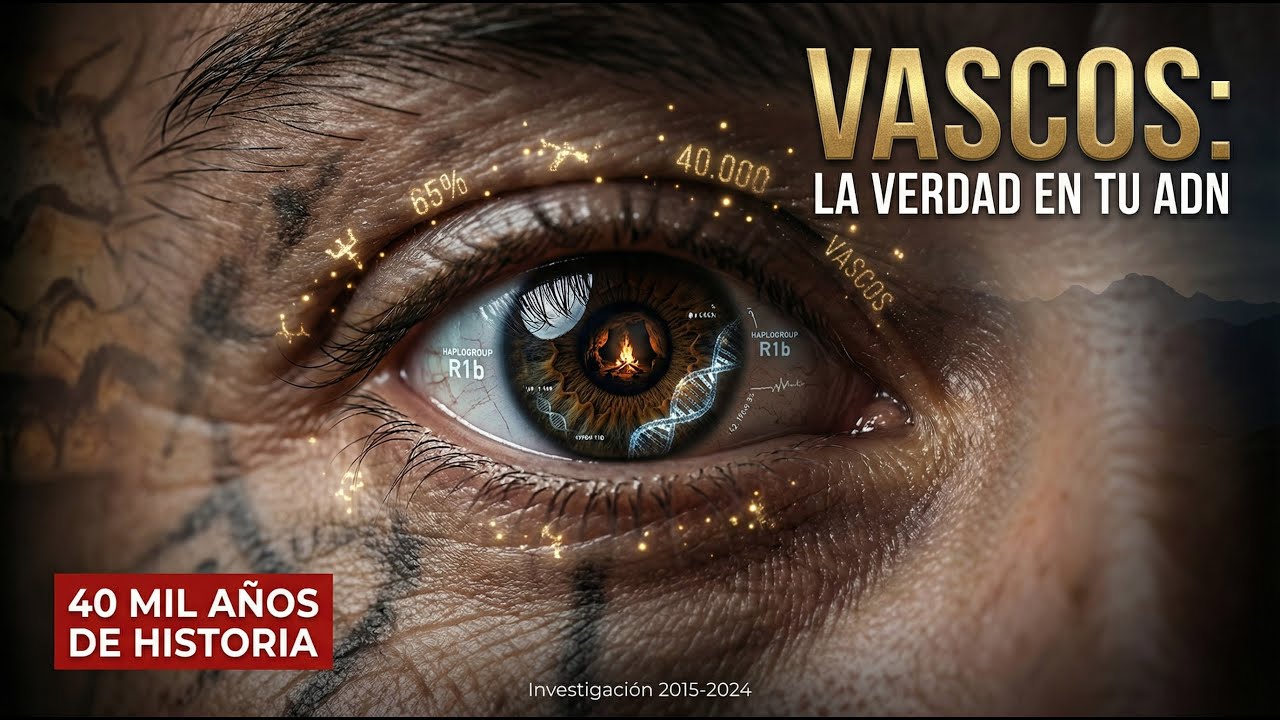
The Basques: Europe’s Last Ice Age People. In the rugged Western Pyrenees, the Basque people stand as a surviving fragment of a much older Europe. This video explores their unique genetic heritage and ancient origins, focusing on their distinct cultural identity and the fascinating history of the Basque language, Euskera. Join us as we piece together the prehistory of this remarkable population through the lens of genetics.

America and Israel are going down.You love to see it.Good riddance impostors.


We are told that human history is a short, logical progression starting just a few thousand years ago. But an ancient artifact known as the Sumerian King List tells a terrifyingly different story. What if the first rulers of Earth were not human at all, and they reigned for tens of thousands of years? In this episode of History For Sleep, we decode the forbidden history of the antediluvian world. We explore the shocking records of the immortal Anunnaki kings who ruled Earth long before the Great Flood. Discover the truth about their impossible lifespans, why the "Deluge" was actually a deliberate, localized protocol to reset the terrestrial matrix, and how human DNA was altered afterward to limit our lifespan. But you still carry the antediluvian source code within you. Lie back, close your eyes, and discover the "Sovereign Override" to break the artificial timeline, repair your genetic memory, and remember your true, immortal origins
 
Last edited:

BarcelonaAtlantis

Moderator
Staff member
What explains how a continent — one large enough to dwarf entire nations, mapped in detail by multiple civilizations across centuries — was officially undiscovered until 1820? Four years after an atmospheric catastrophe so total it may have ended a global civilization. Three expeditions. Three nations. One year. And a frozen landmass that, beneath two miles of ice, still holds geographic features we only confirmed with 20th-century technology. The standard explanation — that Antarctica was simply remote, that no one had sailed far enough south — collapses when you examine what the cartographic record actually shows. The Piri Reis map. The Oronteus Finaeus map. Ice-free coastlines. River systems. Subglacial mountain ridges. Drawn centuries before the official discovery, compiled from source documents that have never been named, never been located, never been explained. As I investigated the deeper record — from the 1816 atmospheric rupture to the Schwabenland expedition to Operation Highjump — a pattern emerged that I could not dismiss. Not parallel coincidences. Not bad timing. The same thread, resurfacing across centuries, in the hands of people with the power and the motive to follow it south. And the gaps in the archive cluster, with unsettling precision, around the exact moments where the most important questions should be answered. Because here's what the Antarctic Treaty also did. It didn't just regulate a frozen wilderness. It may have sealed something older. Tartaria or whatever the Old World civilization left behind — in its architecture, its maps, its knowledge of a continent that shouldn't have been known — was quietly placed just out of reach. Not destroyed. Not denied outright. Just made inaccessible. And the generations that might have asked the right questions were handed a different story entirely. This investigation asks whether Antarctica was discovered in 1820 — or whether it was hidden then.

Ancient Sumerian tablets speak of moments when even the gods felt unease — councils held in urgency, signs appearing in the heavens, and warnings passed down in guarded language. The Anunnaki are not always described as invincible rulers; in some passages, they react to cycles they cannot fully control. These records hint at recurring cosmic patterns, times when order weakens and something vast begins to stir. Was it a celestial event, a natural cycle, or a force beyond their authority? The texts never state it plainly. But they suggest that whatever once caused fear among the Anunnaki was not a single event — it was something that returns.


What if one of the most powerful feminine symbols in ancient spirituality was slowly replaced… and almost forgotten? In this video, we explore the fascinating contrast between Sophia, the ancient embodiment of divine wisdom, and Virgin Mary, the most revered mother figure in Christianity. Across centuries, religious narratives evolved, and with them, the roles of women in spiritual tradition transformed dramatically. In early mystical traditions, Sophia was not passive. She was cosmic wisdom itself—a powerful, independent force tied to creation, knowledge, and divine insight. But as institutional Christianity developed, a different archetype rose to prominence: Mary, the humble and obedient mother. Was this shift purely theological? Or did it reflect deeper cultural changes about power, authority, and the role of women in religion? From ancient Gnosticism texts to the rise of orthodox christian doctrine, we’ll uncover how these two figures represent radically different visions of femininity: wisdom vs. obedience, independence vs. submission, knowledge vs. purity. This is not just a story about religion—it's a story about how civilizations reshape myths, symbols, and power. If you enjoy deep dives into hidden history, lost traditions, and controversial religious topics, this video will take you on a journey through one of the most intriguing transformations in spiritual history. Topics Covered: The forgotten story of Sophia The rise of the virgin Mary in christianity Early Gnostic beliefs and suppressed texts Feminine archetypes in religion How power reshaped spiritual narratives


For thousands of years… before christianity, before the Devil, before the story of Eve… Humanity worshipped a woman holding a serpent. From Mesopotamia to Ancient Egypt, from Minoan Crete to India, nearly every major civilization had a powerful serpent goddess at the center of its spiritual world. But why? Why did ancient cultures see the serpent not as evil… but as wisdom, rebirth, fertility, immortality, and divine feminine power? In this video, we explore 9 ancient religions that revered serpent goddesses — including figures like Inanna, Isis, and the mysterious Minoan Snake Goddess. You’ll discover: • Why snakes symbolized eternal life and hidden knowledge • The connection between serpent imagery and female divinity • How early civilizations viewed the serpent as sacred — not sinful • And what changed after the rise of Christianity This isn’t conspiracy. This is mythology. Archaeology. Symbolism. And power. The serpent goddess wasn’t an accident. She was everywhere. And then… she disappeared. Or did she?
Every myth every epic battle between light and dark is a fragmented memory of a real galactic scale war that began nearly 400 million years ago.This is not science fiction;this is the cosmic origin story, passed down thru channelings and ancient lore.


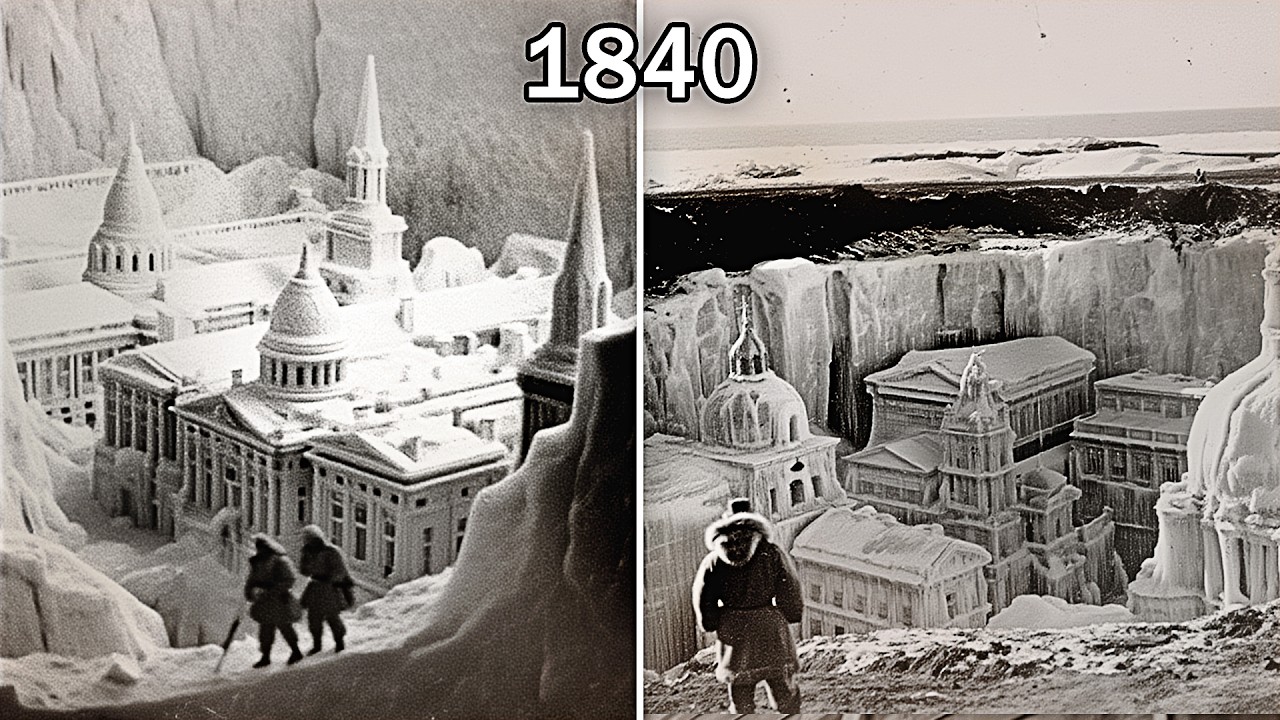
What did three naval expeditions — three nations, no shared communication, one year — find on a continent the world wasn't supposed to know existed yet? Wilkes. D'Urville. Ross. Each sailing independently. Each returning with reports that were disputed, delayed, redacted, or quietly buried. Each arriving at the same frozen coastline within the same twelve-month window, with no mechanism to coordinate — and yet producing, across three separate governments and three separate languages, the same category of omission.

The standard explanation — competition, curiosity, the age of exploration — collapses when you examine what the crews actually wrote. Not in the published accounts. In the private letters. The raw logs. The journals donated to regional archives by descendants who didn't know what they were handing over. Geometric formations in exposed rock. Structured stone. Arrangements that experienced naval officers couldn't attribute to weather or geology — and were told, in at least one documented case, to strike from the record.

The deeper this investigation went, the more the silences began to cluster. Not randomly. Around the same subject. Across decades, across institutions that had every reason to compete and no apparent reason to agree. The pre-ice maps that knew the coastline before the coastline was officially found. The crew members who came back changed. The explorer who never finished his sentences when describing what the rock looked like. The three deaths. The one interview. The one paper. The journal that folded.

Because what the Antarctic Treaty may also have done — beyond regulating a frozen wilderness — is place a question just out of reach. Not answered. Not destroyed. Just made inaccessible. Whatever the Old World left behind, in its cartographic knowledge of a continent that shouldn't have been known, was handed a different frame entirely. And the generations that might have asked the right questions were given a cleaner story instead.

This investigation asks whether Antarctica was discovered in 1840 — or whether something was buried there then.
8177637964679881748 (5).jpg
 
Last edited:

BarcelonaAtlantis

Moderator
Staff member
In February 1863, the U.S. Senate passed the National Currency Act by a razor-thin margin of just 23 to 21—two votes. If one senator had changed his mind that morning, the entire modern American financial system might never have existed. This wasn’t an accident. It was a quiet coup. Before 1863, skilled craftsmen in guilds like the Carpenters’ Company of Philadelphia (founded 1724) set fair prices through community rulebooks, not market greed. Neighbors extended credit based on trust and knowing each other’s lives—no banks taking a cut from every transaction. Barter, mutual aid, and long-term obligations kept communities strong for over a century. Then came 1863. The Homestead Act (1862) promised “free” land—160 acres for $18—but developing it cost $1,000–$2,500 in tools, seed, and livestock. Most claims failed, and the land ended up with speculators, railroads, and cattle barons. Nine months later, the National Currency Act created national banks that were required to buy government bonds to issue money—turning the system into a machine for financing federal debt, not serving people. By 1865, a 10% tax on state banknotes destroyed local currencies and the independent banking networks built around them. In their place rose company towns, where workers were paid in scrip redeemable only at company stores with inflated prices. Debts piled up faster than wages—people couldn’t leave until they paid what they owed. The Pullman Strike of 1894 exposed the model as “un-American,” but by then the old world was gone. The 1890 census, which could have connected millions of families to their pre-1863 roots, was destroyed in 1933—the day before Congress authorized the fireproof National Archives building. Coincidence? One community refused to surrender: the Amish. They still cover medical bills through communal contributions, no insurance corporations taking 30%. They had to fight Congress for an exemption from Social Security in 1965. The fact that they needed special permission to keep living the way people had for 150 years tells you everything. This story began with my grandmother’s rocking chair—perfect after nearly two centuries, made without loans or banks. It still holds weight. The buildings the guilds constructed still stand. The Amish still care for their own without intermediaries. We inherited a different world: furniture designed to last five years, workers who owe more than they earn, communities that need federal paperwork to help their members. 00:00 – Introduction: The rocking chair that remembers 02:15 – Guilds and the world before 1863 05:40 – Homestead Act: Free land you couldn’t afford 08:20 – National Currency Act: Two votes that changed everything 12:10 – Company towns and inescapable debt 15:30 – Pullman Strike and the breaking point 17:00 – The Amish: The last keepers of the old way 18:45 – The burned 1890 census and archival irony 19:22 – Final thoughts: What we lost and what still endures If this truth hits you, drop a like, comment “1863”, and subscribe. Share in the comments: Did you know about this? #1863 #HiddenHistory #DebtTrap #Amish #FinancialCoup #RealHistory

El año 1870 marcó un antes y un después en la historia de los apellidos de toda Europa. Algo extraordinario sucedió que provocó un cambio masivo en los registros genealógicos, transformando para siempre la identidad de millones de familias. Esta historia oculta, que pocos se atreven a contar, revela un reset histórico sin precedentes que borró los rastros de una civilización perdida y reescribió por completo el origen de los apellidos europeos. ¿Por qué se cambiaron los apellidos de toda Europa de manera simultánea? ¿Qué intentaron ocultar? Los registros oficiales no coinciden con la verdad oculta que hoy sale a la luz. Lo que descubrirás en este video cambiará por completo tu percepción sobre la historia antigua y el mundo antiguo que nos han contado. Investigamos a fondo cada detalle de esta conspiración histórica para que comprendas la magnitud del gran reset que tuvo lugar en el siglo XIX. Antes de continuar, te pedimos que te suscribas al canal y actives la campanita de notificaciones para no perderte ninguna revelación sobre la historia no contada que está siendo silenciada. Prepárate, porque después de ver este video, nada volverá a ser igual.

When historians describe American agriculture, they focus on pioneers breaking virgin soil and settlers taming wilderness. But the real story, buried beneath modern industrial farms, began with something they never wanted you to know. The land wasn't wild. It was already farmed. Millions of acres across North America were under sophisticated cultivation when the first "settlers" arrived. Orchards that stretched for miles. Grain fields that fed vast populations. Agricultural infrastructure that would take generations to build. Already there. Already productive

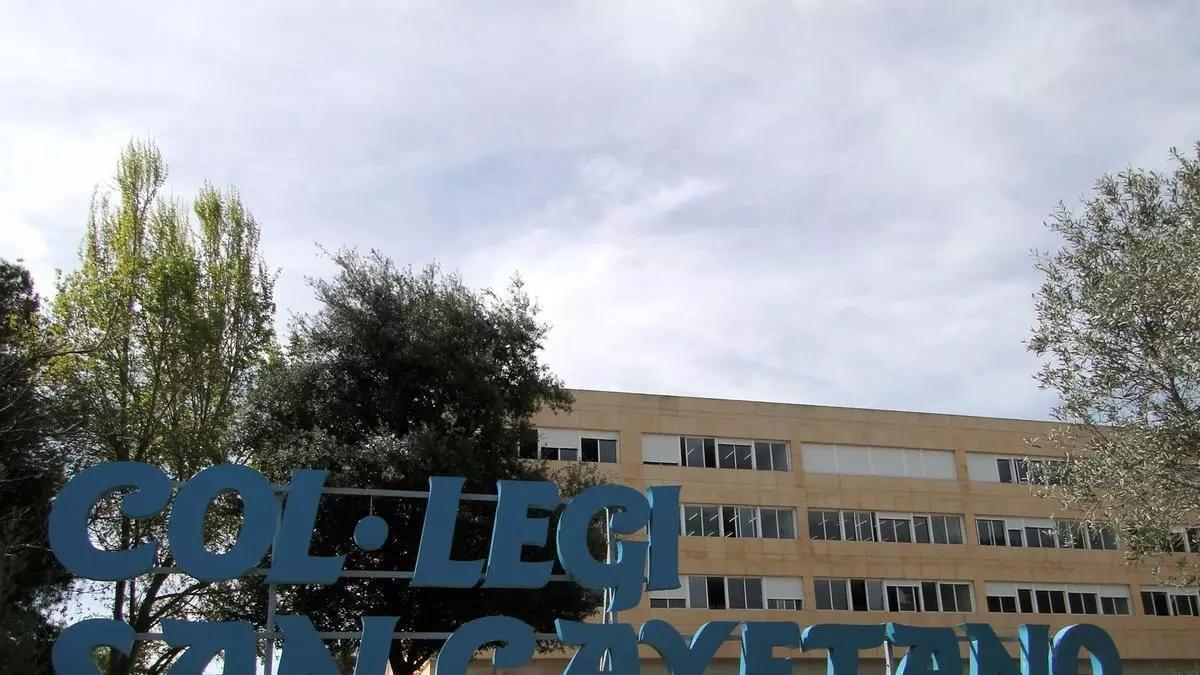
"Escuela española" lol "Una escuela española, líder mundial en lectura en inglés entre más de 9.000 colegios" "Este reconocimiento sitúa al centro educativo de Mallorca en lo más alto del panorama internacional en lectura en inglés. Un colegio de Palma, líder mundial en lectura en inglés entre más de 9.000 escuelas" lol San Cayetano es un colegio de Palma....fuck spain this has to do with Mallorca.Mallorca school chosen as the best school in english lecture among more than 9000 schools.

Bellver College, the first and oldest private British school in Mallorca and in Spain.
On behalf of Belver College’s team, I wish you a very warm welcome to Bellver College, the oldest private British school in Spain. https://www.bellvercollege.com

In an age of disinformation, propaganda, and competing narratives, the pursuit of truth requires curiosity, courage, and independent thought. As the ancients understood, knowledge belongs not to those who watch the shadows… but to those willing to turn and seek the light
 
Last edited:

BarcelonaAtlantis

Moderator
Staff member
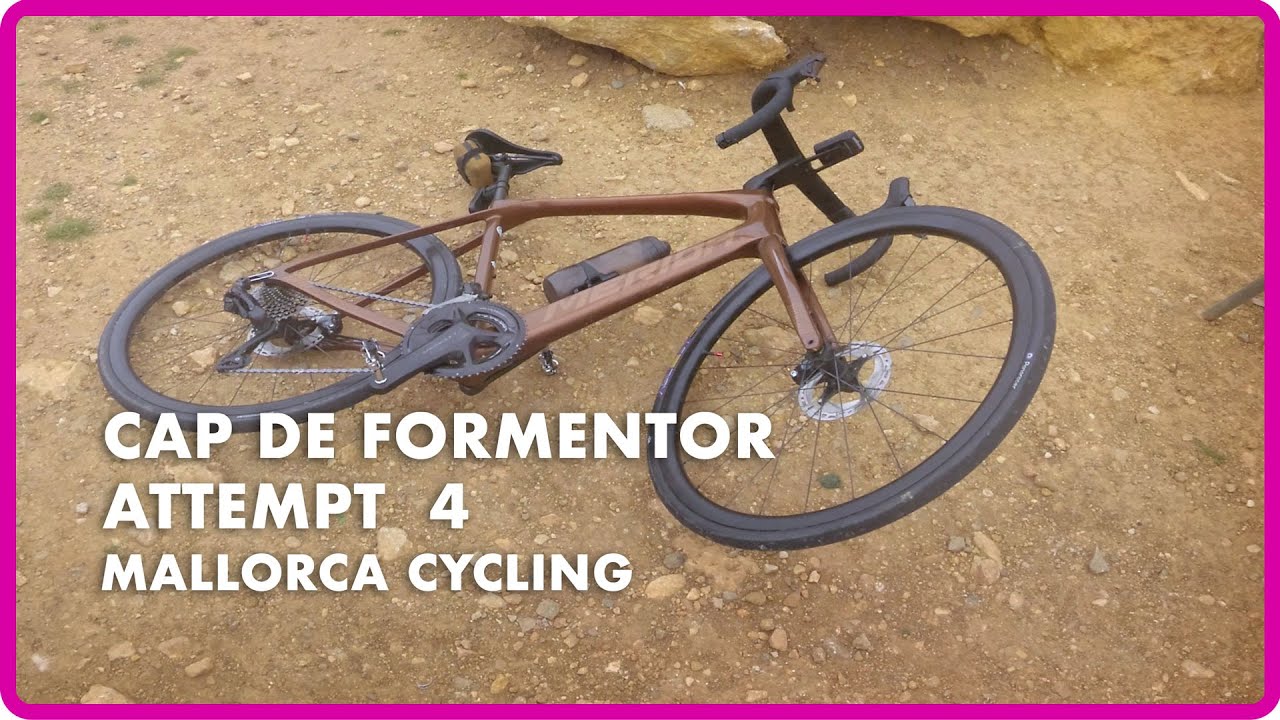
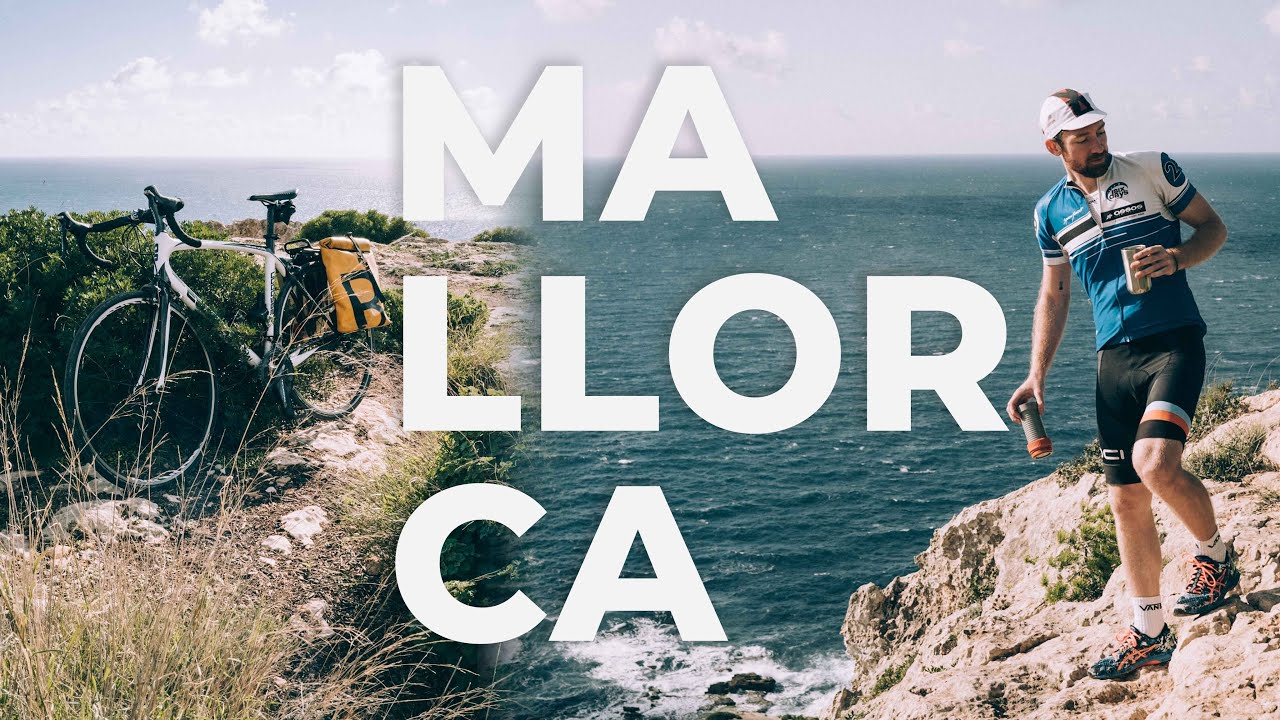
You dont come across so many cyclists as you do in Mallorca that's a sign of Mallorca being cycling paradise.

Honor MALLORCA.........................................................
17050372590455246913.jpg

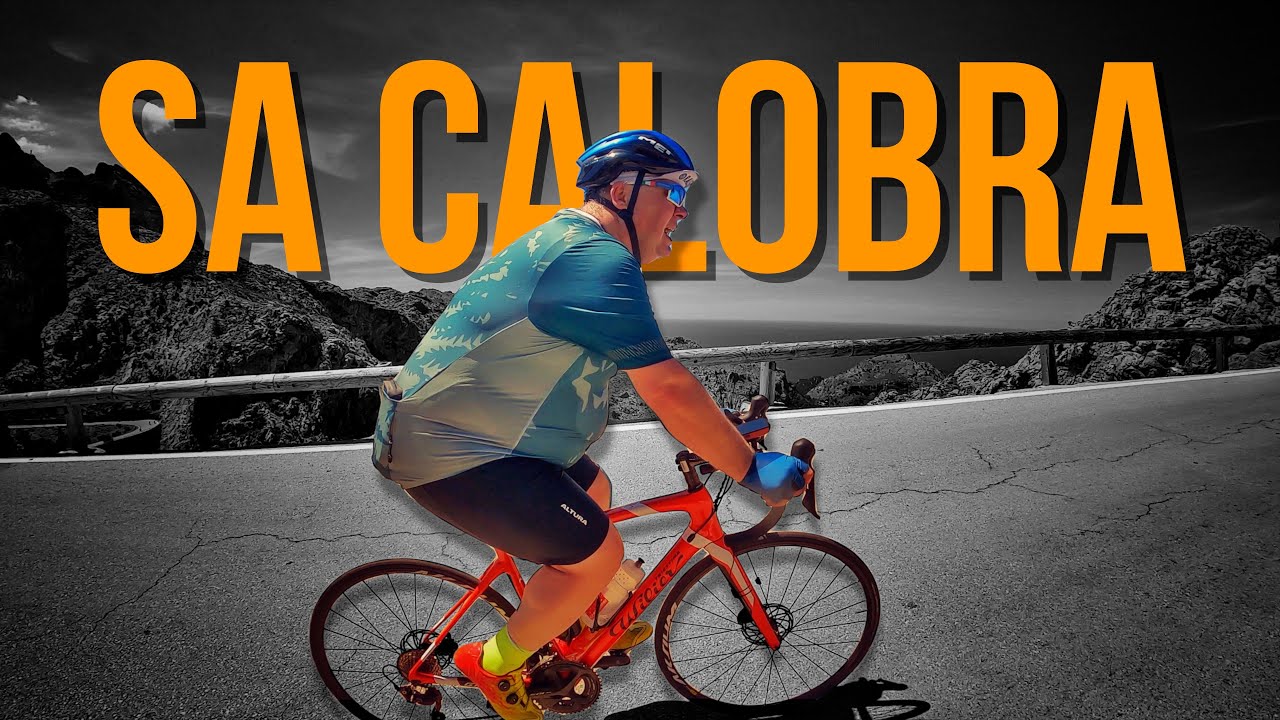
End of the road cycling season in Mallorca. Where else?Tearing through the legendary Tramuntana mountains. .

Join us on a scenic 1-hour cycling ride from the beautiful mountain village of Fornalutx to the historic town of Sóller on Mallorca. This relaxing yet picturesque route takes us through the heart of the Serra de Tramuntana, one of the most famous cycling regions in Europe.

The ride follows very narrow traditional roads, surrounded by olive trees, stone walls, and stunning mountain scenery. As we approach Sóller, we pass through the charming town center and cycle by the famous square, where the historic tram and lively cafés create a unique atmosphere.

Sant Elm, Mallorca.
mallorca-balearic-islands-charming-places-to-visit-sant-elm-san-telmo-fishing-village-with-gre...jpg

mallorca-balearic-islands-charming-places-to-visit-sant-elm-san-telmo-fishing-village-with-gre...jpgimages[1].jpgteaser-sant-elm-ort-l[1].jpg4722266218628559479 (6).jpg5026565353692992381.jpges-pantaleu-island-sant-elm-andratx-coast-majorca-balearic-islands-spain-2R3AC49 (5).jpg


Mallorca has long been the capital of endurance sports training for pro cyclists, triathetes and endurance athletes as well as a playground for European travellers. Come experience all that the Largest of the Balearic Islands has to offer with AP Racing. Mallorca has everything you need for a cycling tour and has become the training ground of choice of a few of the world's elite cycling teams. Mallorca – February Training Camp 2026 ... It's also a great opportunity to watch the continental pro teams training as they're all out there then.

 
Last edited:

BarcelonaAtlantis

Moderator
Staff member

Mallorcan Café Culture​


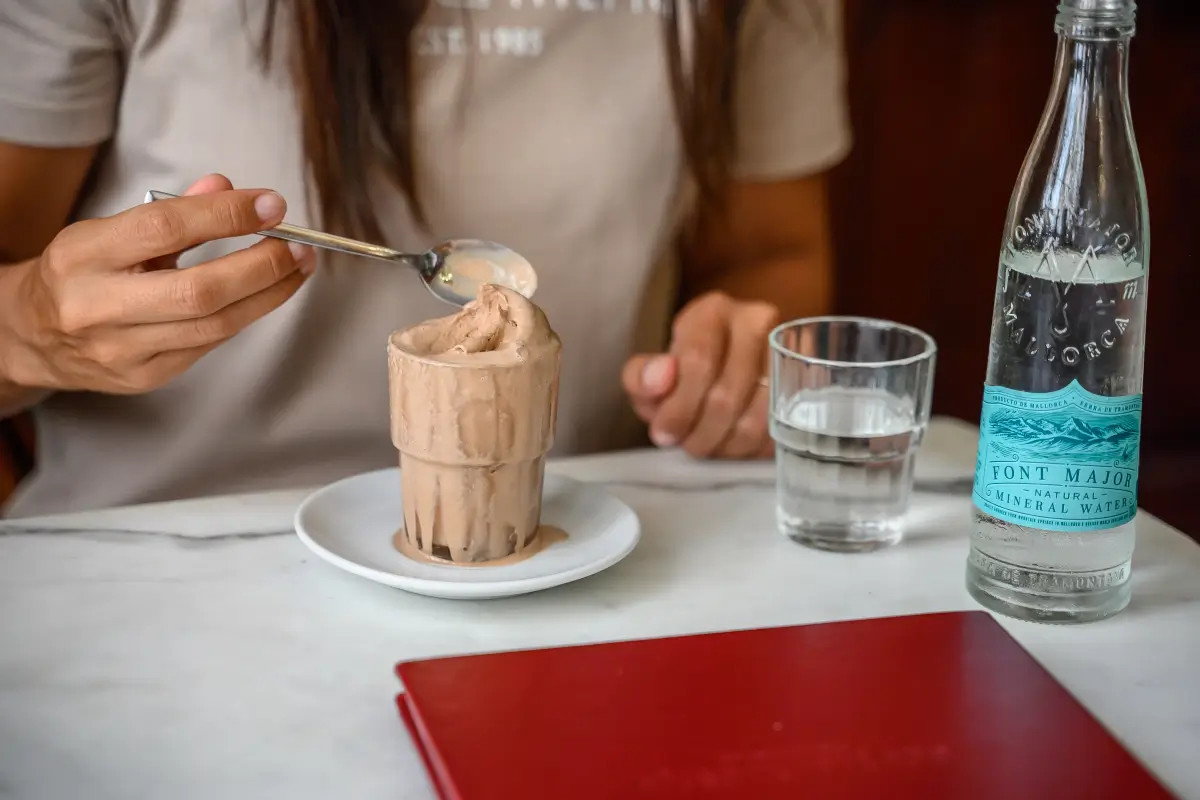
For more than 100 years Mallorca has developed a very independent coffee house culture: Particularly in Palma, with the rise of the bourgeoisie and the construction of spacious city apartments behind magnificent Art Nouveau facades, cafés were also established as a social meeting place, for reading the newspaper and relaxing. This coffee house culture has been revived in recent years and numerous cafés now attract Mallorcans and the island’s international guests. Coffee, tea, hot chocolate, pastries, einsaimadas, cakes, tarts, churros or sweets can be enjoyed in a traditional, modern or hip ambience. I would now like to introduce you to four cafés.

It’s only a cup of coffee, but over the years this restorative brew has almost evolved into a religious order. Café culture has always been ‘de rigueur’ across Spain, and nobody does it any better than they do here in Mallorca. Everyone seems to find some time during their busy day to stop off at a local bar or café. Even through all the Covid regulations, meeting up for a coffee with friends has been one of the driving forces which has truly kept people going.

Historically, cafés in Mallorca have always been an important social gathering point. But somehow, even though there are trending coffee bars throughout the UK, café culture as we know it in Spain, doesn’t translate quite as well back in good old Blighty. Some people say it’s the weather, but I think it’s a bit more than that!

Here in Mallorca, even a few crooked tables placed outside on a dusty roadside somehow manages to create an instant atmosphere. It’s a continental thing that needs a Latin spirit behind the concept to make it work. The coffee also has a lot to do with it. Here (unless you are really unlucky) the coffee is always good and usually served by a ‘character’ or a very efficient waiter/waitress/waiting person!

Continental waiters are probably regarded as the best in the business, taking their job very seriously with dexterous aplomb as they pass tables, collecting crockery and balancing sky high trays of cups and glasses like performers from Cirque de Soleil. And I think that’s the real difference. Café culture demands atmosphere and some kind of colourful performance.

Whether it’s the juggling prowess of the waiter, the coquettish delivery of the waitress, or the lively conversation that ignites around you with each new face that appears – it’s always entertaining. Even grumpy old bar owners have an entertainment value, and it’s a worthy challenge to dig deeply into your resolve by trying to raise an enigmatic or toothless smile during service.

By contrast, I remember once experiencing a distinctly lacking episode of ‘café culture’ on a wet terrace back in the UK. The café in question was a new venture showcasing a very watered down version of continental chic. The establishment specialised in stuffed croissant – very ‘Parisienne’, yet perhaps a tad over-ambitious for Minehead!

The café was staffed by two, bored, teenage girls wearing more make up than clothes, with no waitressing skills between them whatsoever. One girl was obviously living on another planet. The other was just about capable of conversation. We were the only two customers, and sat outside on a faux Mediterannean terrace for twenty minutes with no service, before we finally ventured inside to see if ‘Le Joli Croissant’ was actually open.

“Sorrrrrrry! Didn’t realise we ‘ad any customers.” I suppose it would have helped if Squidley and Didley had glanced outside through the plastic palms from time to time to check! The two girls were heavily into chatting (to each other). One was concentrating on polishing her new ring with a piece of burnt toast. It was the one and only time I have ever seen anyone both engaged and vacant at the same time!

The speciality pastries were pre-stuffed, pre-packed and pre-frozen, merely requiring the art of being able to shove one into a special pre-heated oven with a pre-set-timer. Low and behold, between the two of them, ‘the girls’ managed to burn our order to smithereens.
“Sorrrrrry, We’re in training!” I thought she said she was in trainers, and couldn’t understand why she was blaming the poor service on her footwear!

“Would you like to place another order?” Seeing that we hadn’t received the first one yet, and had already been waiting for over an hour, we decided to call it a day and leave. I can honestly say I have never received service of that calibre here in Mallorca, although I am sure there are a few stories out there!

The Mallorcans like good coffee. They also like good service, and even on occasion, if it happens to be a little on the slow side, the coffee when it appears, will usually be delivered with flair.

With the lifting of restrictions, the café bars in my local village of Mancor de la Vall are coming alive again, and most mornings are packed to the appropriate gills, as the locals gather before their day truly begins. It’s a noisy hub, but that’s what café culture is all about - meeting and greeting with a bit of raucous revelry thrown in.

The ladies of the village perch at tables like hens around a corn-feeder, clutching their wicker baskets as they chatter and gossip with friends.

The men roost apart, and remain at their perches long after the girls have left for home to get that lunchtime ‘sofrito’ simmering on the stove.

The village elders sit for hours, putting the world to rights, watching the day go by. No-one ever asks them to vacate the tables or buy a second cup. Can you imagine that happening in Costa Coffee in the UK? Ten minutes into your ‘double chocha mocha skinny latte with caramel croutons’ the waiter usually arrives, and starts clearing the table whether you’ve finished or not!

Here in Mallorca, you can sit at a table for as long as you fancy, and no one will ever ask you to move on. Traditionally, the older generation sit for the entire morning outside the café bars, cradling a ‘carajillo’ which involves a splash of brandy, whisky or strong anis liqueur whilst hogging the best spots in the shade.

The owners leave them in complete peace, even if there are other customers seeking a roost. The mantra in Mallorca is that the ‘oldies’ have earned their place in the village and deserve their morning coffee at their favourite tables. The bottle of chosen liqueur for a ‘carajillo’ is always left on the table for the age old ‘help yourself tradition’, yet usually returns to the shelf with more than just a ‘splash’ missing!

One coffee culture consortium that reins supreme in Mallorca is Cappuccino Grand Café, whose up-market empire seems to know no bounds. Renowned for their resplendent atmosphere and slick locations, each and every one of their exquisitely styled restaurant/lounge cafés is a testament to stylish modern Mediterranean Café Culture at its best.

A cup of coffee at ‘Cappuccino’ is not the cheapest on the island. But then it’s certainly not the most expensive in the world either. That trending title goes to Kopi Luwak, or Civet Coffee, which is produced from coffee cherries which have been selected, eaten and part digested by the palm civet - a native wild cat from Indonesia.

As remarkable as it sounds, something quite magical happens within the civet’s digestion tract, and the emerging coffee beans are priceless, with a single brewed cup selling between 35€ - 100€. Ouch!

Kopi Luwak may be the trendiest espresso ever, but I think most Mallorcans I know would simply prefer their coffee to be passed through a simple percolator! Happy Horlicks!
The Klinglmair brothers, Christian and Reinhold, from Austria, took over the traditional Café Mozart at the beach roundabout in Santa Ponsa a few years ago and are delighted about their great success: Hardly a day goes by without the inviting sun terrace at the Plaza Santa Ponsa, with a view of the beach and sea, being filled to the last chair. The Klinglmair brothers spoil their local and international guests with delicious breakfasts, café, cakes, juices, fresh drinks, small snacks, fresh salads, and a small menu. On Wednesdays from 16.00h “Ladies First-Time” is announced: Each lady receives a glass of Prosecco; four ladies get “a bottle of Prosecco Fashion Victim Rosé” on the house”. On warm summer nights on the terrace, or when it gets cooler, you can end the evening inside the restaurant with a cocktail. With their attentive and amiable manner, the Klinglmairs have won over many regular guests.
 

BarcelonaAtlantis

Moderator
Staff member
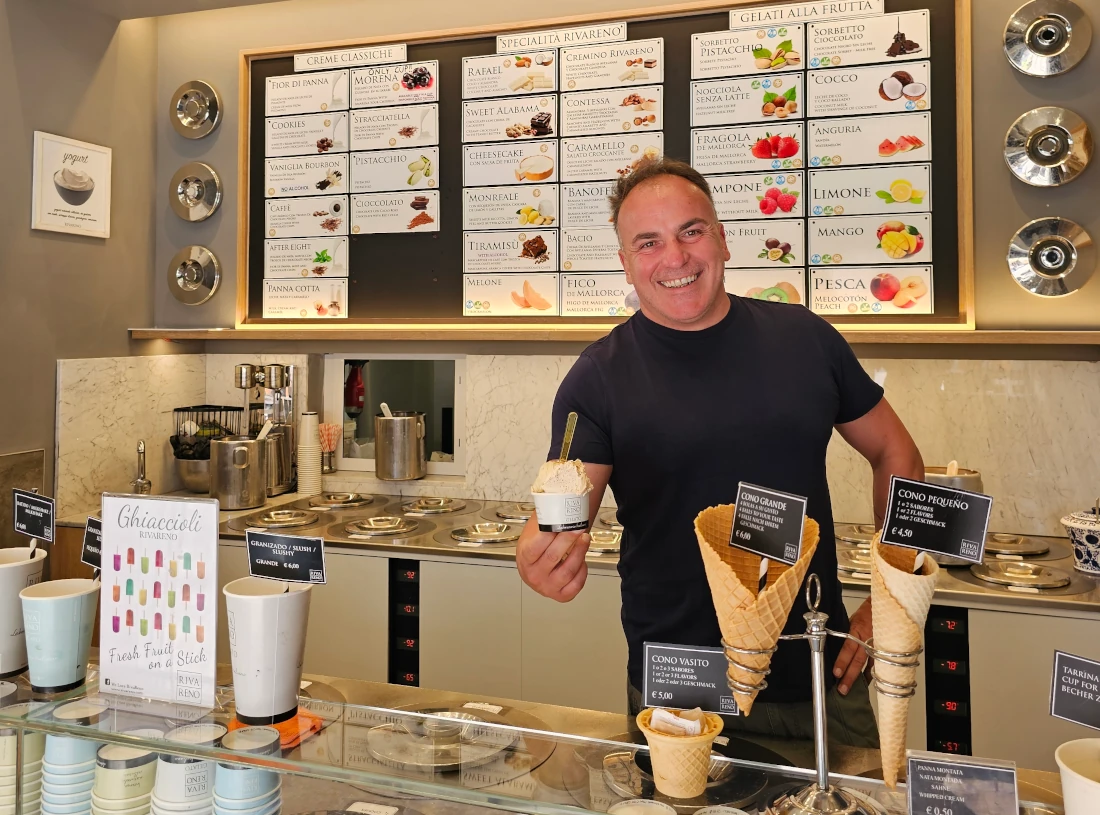
Located in the old centre between the Cathedral and Placa Major, Can Joan de s`Aigo has been an institution in Palma since 1700. The ambience is evidence of centuries of tradition: dark wood panelling, floors with Mallorcan tiles, gold-framed paintings, tables with marble tops and simple wooden or wicker chairs, old chandeliers. In this traditional, cosy ambience, the owners, Family Martorell serves locals and international guests. The famous hot chocolate, the best fresh ensaimadas filled with apricots or chocolate, almond cake, cocas, finest pastries and a homemade ice cream, all at very moderate prices. The locals are willing to travel long distances to visit Can Joan de s`Aigo. The concept of the Martotell family seems to work: While many traditional shops in Palma are closing, the Martorells have now opened two more cafes.

On the way from the airport to the hotel, many friends of the island already make a stopover at the Cappuccino Puerto Portals. The large, always well attended terrace and restaurant invite you to stay, to look at the yachts and watch the world pass by, to have fun and of course to eat and drink. A nimble (also good-looking) service offers a large, rich selection: Breakfast, small snacks, fresh salads, omelettes, sushi, coffee and cake and of course fresh juice drinks, delicious cocktails and exclusive champagne. All of this is of consistently high quality, but at a price. A wonderful place to start the day, spend the day and let the day end. A good concept that has been expanded! At present the Cappuccino – Group runs 20 restaurants, bars and cafés worldwide as well as the Hotel Mama in Palma. A visit is always worthwhile.


Right in the heart of Palma lies the Rosevelvet Bakery. From the outside rather inconspicuous, is the furnishing of the small café in Scandinavian or vintage style?: old merchant shelves with the offers of the café, in addition old photos with Palma motives and display boards, on which one can read the coffee variants of the restaurant. At Rosevelvet Bakery, we rely on the centuries-old craft of baking with traditional recipes and fresh, natural ingredients. The delicious coffee – the beans are roasted in Barcelona at Right Side Coffee Roasters. The small breakfast menu also offers a tasty and healthy breakfast. Such as cakes: all homemade, varied sandwiches, brownies, tarts, cheese and carrot cakes are particularly tasty, pastries – sweet temptations, brought to the table by attentive service. The best start for a sightseeing tour in Palma or a break during a stroll through the city.

Mallorca Coffee: Island Craft And Global Curiosity​

Néstor Valinoti of NOTI Coffee Roasters observes that Mallorca’s coffee culture is shaped by its position as a global tourist destination. The island welcomes over 18 million visitors each year, blending local traditions with coffee influences from across the world.

There are plenty of great cafés in Palma, today. Including a growing number of specialty coffee shops. The latest trend, however, are urban eateries. Cool places where all kinds of people meet. Travelers and neighbors savor a sweet or hearty breakfast or lunch. Digital nomads open their laptops. And parents with small children enjoy the relaxed atmosphere in bright and airy rooms. Coffee still takes center stage. But only few come here for the hot stuff, only. These “coffeateries” are particularly popular in Palma, now


Batx.

The latest addition to the cafés in Palma is Batx in Santa Catalina. Caffeine and the sunlight streaming through the large windows give you a kick for the day.

Cafés in Palma

While the retro charm of the interior invites you to linger. Regulars and visitors come here for a bowl or a bagel, for breakfast or lunch.

Palma has become a metropolis for coffee aficionados. With a new influx of third-wave cafés and coffee shops scattered along its cobbled streets, Palma's coffee scene has never been better.

With the sun shining on your back and the breeze blowing through your hair, picture yourself setting out on a bicycle excursion through Mallorca’s stunning scenery. The combination of a delicious cake and a perfect cup of coffee may take your cycling experience to new heights as you wind through picturesque towns and along scenic coastlines. Mallorca, known for its breathtaking scenery and bike-friendly topography, also has a thriving coffee culture that provides cyclists with a variety of quaint cafés and coffee shops where they can stop and replenish. Come along as we discover Mallorca’s best bicycle cafes, which combine delicious food with breathtaking scenery

Cafe La Molienda.This is the godfather of all hipster-like coffee shops in Palma de Mallorca as it was the first to open.

Upon popular request – ok, ok, it was only one person and that’s a friend of mine (Hey, Roman!) – I publish here my favorite coffee shops in Palma de Mallorca. As I mentioned in my Instagram Stories: I have this gift of finding the coolest places around me to have coffee. If it’s caffeine your running on and coffee makes up half of your comfort food that’s a very handy trait.

Full discloser: I’ve been to Palma before – two years ago to be exact – and you can already tell that the hipster coffee culture – or third wave coffee – picked up. There are more and more places popping up that serve not only great Espressos, Cappucchinos and what have you but also specialize on V60 or single origin specialty coffee. I’m really glad to see this and also how popular those places were amongst locals and tourists.

Rosevelvet Bakery​

cafe-rosevelvet-interior-palma-de-mallorca-best-cafes.jpg
cafe-rosevelvet-decoration-palma-de-mallorca-best-cafes.jpg
cafe-rosevelvet-best-cafe-cake-recommendation-palma-de-mallorca.jpg
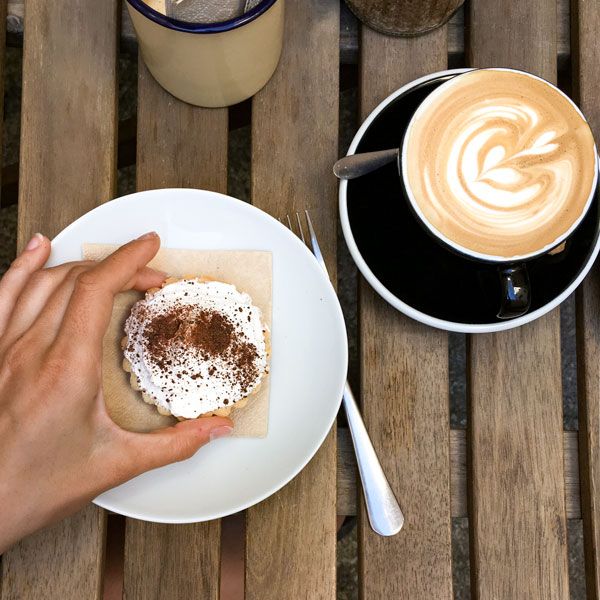
Last but definitely not least I recommend you to visit Cafe Rosevelvet. They have the best cakes here and a really good Flat White. Try the banoffee pie for me! If it’s good weather you can also sit outside in their backyard.
 
Last edited:

BarcelonaAtlantis

Moderator
Staff member
Mallorca, known for its stunning landscapes and vibrant culture, is also a paradise for coffee lovers.

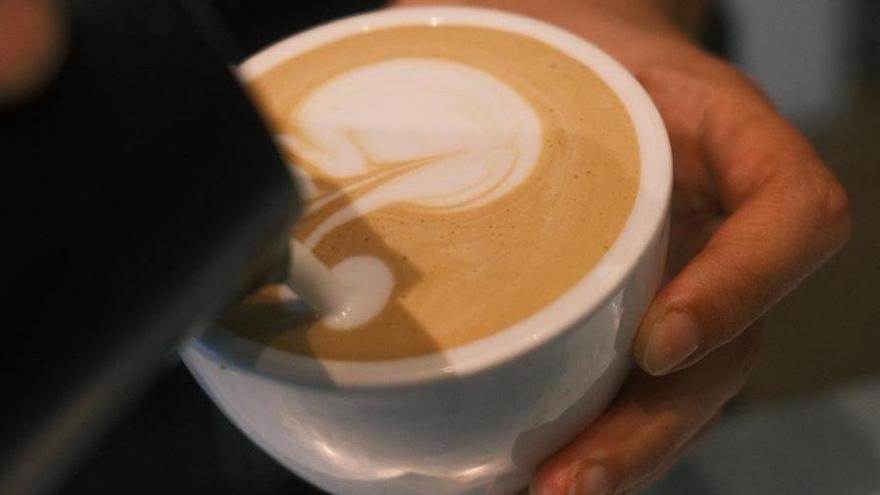
Far from being merely a basic consumer product, coffee has transformed into a complete sensory experience in Mallorca's capital.

Mistral Coffee House is a go-to spot in Palma for great coffee and a cozy workspace. Tucked away in a charming corner, it offers an impressive selection of specialty coffees, along with tasty treats like lemon sponge cake and avocado toast. The upstairs area is perfect for working, with reliable WiFi and a peaceful atmosphere. While the chairs may not be ideal for long hours, the friendly staff, warm ambiance, and top-notch coffee more than make up for it. It’s a must-visit for coffee lovers and remote workers alike!

Arabay Flagship Store | Coworking Mallorca​

Arabay Flagship Store is a fantastic spot for remote workers and coffee lovers alike. Known for its excellent coffee, including plant-based milk options, it’s a quiet, relaxed place to focus or chill. Many visitors come here to study or work, making it an ideal spot to get some tasks done while enjoying a perfect flat white.

Le Café du Cycliste opened in Palma in 2018 and has become a reference point in the world of cycling and coffee culture.

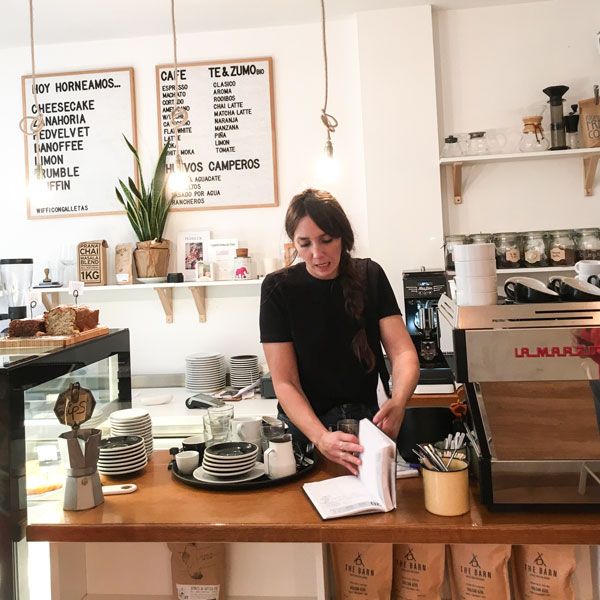
The Barn, a renowned German Specialty Coffee Roaster, has opened its first café in Palma de Mallorca.

Palma de Mallorca: Embrace the Urban Coffee Scene​

The capital city, Palma, is a hub for coffee enthusiasts. The cobblestone streets and bustling squares are replete with charming cafés and trendy coffee bars. Santa Catalina, one of Palma's vibrant neighborhoods, offers a plethora of options. If you're visiting the area, you should definitely stop by one of its most beloved cafés.

A must-visit is La Molienda, with its emphasis on freshly roasted beans and specialty brews. Nestled in the heart of the city, this café stands out for its commitment to sourcing high-quality, sustainable coffee. Another gem is Cafés Bay Balice, known for its atmospheric setting and diverse selection of beans, roasted to perfection.

Port de Sóller: A Scenic Coffee Experience​

If the idea of sipping your coffee with an awe-inspiring view appeals to you, head to Port de Sóller. This picturesque harbor, with its mountain backdrop and sparkling sea, offers several waterfront cafés that provide not only excellent coffee but also breathtaking vistas.

Es Reco is a standout, boasting an inviting atmosphere and a terrace that offers panoramic views of the harbor. Here, visitors can enjoy a delicious espresso while watching the world go by. Another notable spot is Café Sóller, where the fresh sea breeze complements its aromatic brews.

The Artistic Appeal of Valldemossa Cafés​

Nestled in the Tramuntana Mountains, Valldemossa charms visitors with its historical ambiance and artistic flair. The quaint village streets are lined with cozy coffee shops that attract not only coffee aficionados but also art lovers.

Cappuccino Valldemossa perfectly reflects the artistic vibe of the village. It's known for its rich blends and charming décor that invites patrons to stay a while. Delve into the village's rich history with a coffee in hand, and perhaps engage with local artists and musicians who frequent the spot.

Exploring Alternative Coffee Spots Across the Island​

Beyond the popular tourist spots, Mallorca hosts a variety of hidden gems waiting to be discovered. Here are a few off-the-beaten-path cafés worth exploring:

  • Café Bellavista in Deia: Offers a tranquil garden setting, perfect for a peaceful coffee break.
  • Finca Sa Cova Foradada in Esporles: Known for organic brews and a sustainable approach.
  • Ca'n Joan de s'Aigo in Palma: Known for its traditional ensaïmada, a must-try with a cup of coffee.
  • Mistral Coffee in Santa Catalina: Offers experimental brews and has become a favorite among locals.
For those willing to venture further, each of these hidden spots offers a distinctive experience that highlights the island's love for coffee. Each location not only provides a unique blend but also a taste of the Mallorcan culture and way of life.

To conclude, Mallorca provides a perfect blend of exquisite coffee experiences amidst breathtaking landscapes. Whether you prefer the urban vibe of Palma, the scenic beauty of Port de Sóller, or the artistic charm of Valldemossa, this island has a perfect cup waiting just for you.

With over seventy years of experience, Cafés Bay has established itself as a prominent figure in the coffee industry in Mallorca,

Why Palma de Mallorca is the best city for specialty coffee​

A catchy and controversial headline; certainly ludicrous, but I haven’t been as impressed with the coffee scene in any city since I visited Belfast in late 2017.
But first - the city of Palma de Mallorca. The capital of the largest Balearic island of Mallorca, it’s a fully-formed city on the coast, with it’s famous gothic cathedral, old town, and splendid architecture. It’s not just a sunny beach town.
Nestled in amongst, is a compact and amazing coffee scene. You wouldn’t normally expect a great coffee scene on an island in the `Mediterranean chiefly known for summer family holidays by the sea. But perhaps that’s the reason. Mallorca is a haven for Northern Europeans - principally Scandinavians, Brits, and Germans. In the neighborhood of Santa Catalina, there are times when you hear more Swedish spoken than Catalan or Spanish.
In a wholly unscientific study such as mine, you still need some metrics. Apart from the usual (great, trained baristas, good café design, friendly - but not fake - service, clean loos, the owners’ personal touches), there is always one extra criteria I look for - the quality of its customers. Oh yes. I’m not talking here about social class, or riff-raff. I’m talking about how customers interact with the surroundings, speak to strangers, and how they treat the staff.
Of course, the type of customers one gets are out of the control of many establishments. Or are they ?
So - no to people video-calling or watching videos without headphones. No to bloodthirsty middle-aged customers with too much money and little patience treating staff rudely (poke: Australia). No to weird customer requests outside your own country (poke New Yorkers and Angelinos). No to oversized double prams in small cafés. Etc.
Yes to people turning their heads and striking up conversations with strangers (we get a lot of that at Loustic). Yes to books and magazines, rather than laptops. Yes to staff chatting to customers. Yes to sit-in rather than take-away when possible (an ecological conscience). Yes to slow, rather than fast. Yes to meeting the owners and of them being present in the establishment. Yes to a fostering a local identity and flavour, rather than trying to be ‘Melbourne’ (whatever that is.. postwar Italian migrants brought the coffee culture there).
Which brings me back to Palma.
Here are some great addresses:
Mama Carmen 1 (not vegan)
Mama Carmen 2 (vegan)
La Molienda (3 locations)
Rosevelvet Brunch and Coffee - sit in
Rosevelvet Bakery - the best bread in Palma
Café Riutort - my favourite - great local feeling, Mallorcan identity and menu, local roaster
Café Noti - great owner
Mistral Coffee House
Mistral Roastery
Nano Coffee Lab - perhaps the snharpest baristas in Palma, an Argentinian couple.
The Barn - yes the German ‘Barn-y Army’ has set up a location here.


The two cafeterias Bacan and Nano Coffee Lab, both in Palma, were named as two of the best speciality coffee shops in Spain.

Mallorca se consolida como referencia en el sector del café de especialidad con diez establecimientos seleccionados por The Best Coffee Shops https://www.larazon.es/baleares/mal...as-b30m_20260204697d30019243cc133c2ae6ef.html
 
Last edited:
Top