What's new
Anthro World Forum

This is an anthropology forum where we cover all sorts of topics and discussions. Once signed in, you'll be able to participate on this site by adding your own topics and posts. Register today to become a member!

The hidden history of humanity.Impostors/Jews(Rev. 2:9)deceived the world and DNA confirmed it

BarcelonaAtlantis

Moderator
Staff member
Peru & Easter island were once connected, this is why their architecture is so undeniably similar. In fact, the real name is Te pito Te Henua( navel of the earth) as is Cuzcos. Underwater ruins .. "Fifteen hundred miles south of Malden Island, another section of the same type of road emerges from under the waves, crosses the beach, and disappears into the jungle of Rarotonga Island. This suggests that many Pacific Islands are the remains of a presently submerged Pacific continent"


Easter Island -Peru Amaru the Serpent Muru, from Inca origin story founded their culture. He created the Solar Brotherhood, with adepts called Kumara. The term Kumara has in our contemporary understandings come to mean "the androgynous serpentine beings." Although it translates more accurately to 'father, those of the Elder Race".


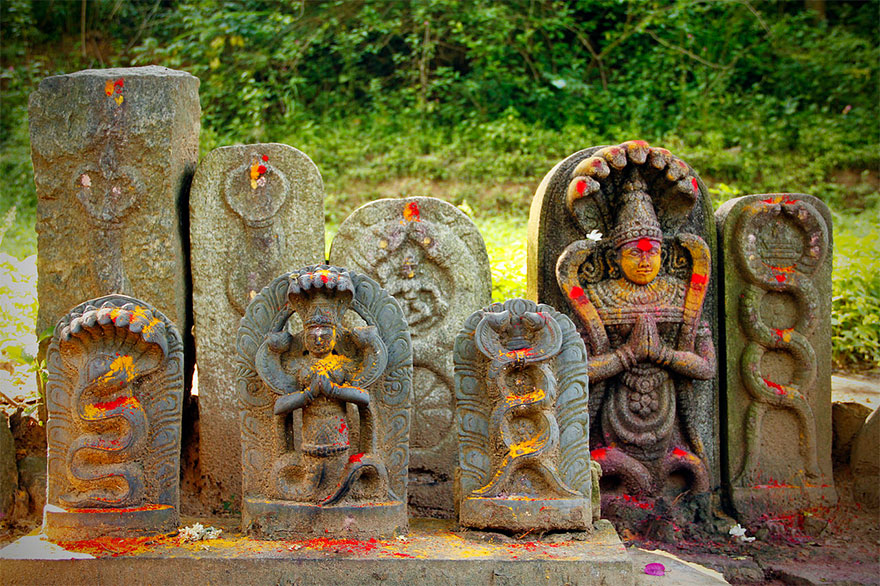
It's important to show everyone that our ancestors didn't jus write random stories for nothing, "myths" aren't fables. They're accurate accounts of times past. Unlike "his story", you can see for yourself that the evidence is overwhelming in support of our ancestors accounts. An example of this is the 7 sages who are found worldwide & shown as Birdmen, or megsliths with hands on their navels wearing the Moorish Fez. Known as Naga or Serpent People.


Note:Semitic(nothing to do with the impostors known as jews) speakers of Akkad and the non-Semitic speakers of Sumer were both sag-gig-ga or "blackheads". Genetic Evidence for convergent evolution SE Asian.. In China they were the 'Li-Min"(blackheads)


They are responsible for the famous Serpent Moundin Ohio that you're familiar with AND the other one that's hidden from the public nearby.


Anywhere you stand in N America youre on the ruins of a previous civilization.


"A stone fountain was found, situated in a wide court or street, and from it a stream of perfectly pure water was flowing, which was found to be strongly impregnated with lime."missouri Subterranean ruins Missouri Underground city


Ruins of ancient California city


an Ancient Aztec city Describes castles of marble, vast stores of gold..

-In the 30s a geophys mining Engineer found a subterrean city/tunnels under LA. 🦎 people catacomb city Hunted....He describes gold tablets that are eerily similar to those i described in the post on the Metal Library in the Andes. He sees a Hopi chief who gives a legend that talks about everything he uncovered & says it belonged to a race of reptilian humanoids. He even mentioned the tablets & said they contained the history of the Naga-Maya. I posted the golden tablets in Grand canyon. Similar? The Hopi tel us they were whisked underground by the Sheti(Snake Brothers)....


Naki-EL in Hebrew means "Serpent of God," or "Knowledge of God." Abe-Naki means "Father Serpent", a name of an Indigenous Moorish nation in America ( Native Americans)


Older maps in the thread ill link show SW US as Granada, aka, the Promised land/Jerusalem, which is the land of Milk and Honey, due to its abundance of resources (wealth); especially, Gold (Honey) and Pearls/Precious stones (Milk).. Nez Perce -Assyrian Tablets


American Old Testament So ive shown that the Old Testament setting was North America which is the Old World whos history goes back much further than is taught. Lady of Bethlehem , Mother Mary or Virgo Mohur/ Moor female, aka, “the Dragon Queen,” is also where the concept of the Angel and Lady Liberty. Mauri land (Maryland); Marmarica (a duplicate form) and Marocco (Morocco) as the Mauri or Moors(the Basques not todays so called moors) went farther north into Spain, or Tzeiphon. From these and other data may be drawn the inference that the Maori people were self-named as the emigrants who came from the north-west, one name of which Mauru, Egyptian Meru, Meroe or the Meh-ru.Dragon Lands and the Motherlands.

The Muurs were survivors who carried the knowledge from Lemuria. Ra- Mu was Emperor or "Suns Sun'. This is why Pharoah called themselves the same, Inca celebrated the Festival of Ra-Mi. Under the emperor, there were the Nacaals, who were both scientists and priests, forming the governing class. After them were the Maya priesthood.


The name Nagari itself when used to denote Sanskrit betrays the Basque/Atlantean origin of the Sanskrit language. Dravidian classic, the Chilappathikaran made it clear that the first great kingdom of India was Naganadu.It was the Nagas who created Sanskrit.T


In southern India, when the essence of Siva manifested as a phallic pillar on the eastern side of the sacred hill of Arunachala, the architect Visvakarma erected a temple around it and “became like a god".


Were taught the geometric & architectural qualities of god are most important. We speak through symbllism. Also The belief that the temple was an organic, living unity. It is in constant motion; its intricate alignments, and its multiple asymmetries, make it oscillate about its axes. It is also known that such places of power were constructed as close to a ‘navel of the earth’ as was permitted."H means 'ground (or field) Here is our body, mind and consciousness. the spiritual meaning of the letter H is the “ground” or “stone” that Masons must refine in order to spiritually ascend higher.


The Letter H is the 8th letter in the Hebrew alphabet, The numeric value of the letter H is 8. It consists of two O’s; one stands above the other, so it is the symbolic figure of the esoteric teaching: “As above, so below". These temples became microcosms of a macrocosm", where one went to find their center. Protectors of the hotspot of energy ,the Kundalini serpent, the root of consciousness ..H- fence


"In the days now long past the gods walked with men. The instructors from the invisible planes of Nature were still laboring with the infant humanity. They chose from among the sons of men the wisest and the truest, these they labored with preparing them to carry on the work of the gods after the spiritual hierarchies themselves had withdrawn into the invisible worlds. With these specially ordained and illuminated sons they left the keys of their great wisdom which was the knowledge of good and evil They ordained these anointed and appointed ones priests or mediators between themselves (the gods) and that great mass of humanity which had not as yet developed the eyes which permitted them to gaze into the face of Truth and live.
 

BarcelonaAtlantis

Moderator
Staff member
The Vedas tell a number of valid facts about ancient America . They call Mexico and Central America Patala. In Sanskrit, Patala means ‘one of the seven regions under the earth and the abode of serpents’ .. "When the iron bird flies, and horses run on wheels the dharma will come to the land of the red man.”—Eighth-century prophecy by Padmasambhava

Those were the words of the Precious Master, Padmasambhava which means "Lotus Born", the father of Tibetan Buddhism. That was the 8th century. Fast forward to 1979 , on his first trip outside of Tibet the 14th Dalai Lama visits New Mexico..."Welcome home", is how He's greeted by the 3 Hopi maasaw..

Old World-America I've provided tons of evidence to prove America was the old world & tht this was common knowledge until relatively recently. This is why I like using actual primary sources.

Its claimed "Columbus" wanted to find a new route to India. Again, remember in Columbus time, the India we are all taught to believe in didn’t exist in 1492, because around this time period this country was called Hindustan. Today's mainstream historical narrative is a christian-centric perspective only,created by the catholic church therefore agenda driven.

"God of the Old world becomes the devil of the new".

Modern readers associate India with the South Asian subcontinent, the word once described much more — including what we now call the Americas and the Caribbean. America was India Superior, technically there is no North America. traditions of the Pimas (Akimel O'Odham) and Papagos (Tohono O'Odham) of Southern Arizona and Northern Mexico. Could make an entire post about Isvarist (worship of the Hindu deity, Shiva) practices in practically every Southwestern United States, Mexican, Central and South American Indian tribe. deified Phoenician Naga king and philosopher named Kuvera (also Kubera) learned how to smelt copper, gold, and other metals. These activities took place in the kingdom named after him, Khyber ("Kheeveri"), Khyber is the same as Kheeber (Eber), Kheevira, and Quivira since the “KH” has the same meaning and pronunciation of the “Q,” Kheevira became Quivira.

Khyber; its region is wealthy and abounds with rubies; gold is found in the mines in its vicinity, and it (the Kheeveri kingdom) was likewise the ruling power.

In 'Kincaids cave ' was a pure gold artifact for the Egyptian king named Khyan, Khian or Khayan. The relic is holding lotus flowers in both hands (native to Egypt). This was found in the first cross tunnel of the cave, which was in the exact same location as the shrines in the valley of the king’s tunnel cities. As well as Golden Statues of the Buddha.

Patala was one of the ancient Indian names for "America." It's real meaning is "Underworld," but not an underground world. They used it as we often call Australia: "The Land Down Under.In ancient Egypt, the god of wisdom and protector of pharaohs was Uazed, also known as Wadjet. The Creator-goddess of ancient China, Neu-kwa (Nu Kua or Nu Gua).

Legends of the O’odhams of Arizona escribe such a sky-born ship. They call it Nah-Big, a term definitely derived from the Sanskrit Nag-Bhaga or Snake God.O’odhams even speak of it as being propelled by an energy generator having positive (male) and (female) female poles.

Everything found in the "East" today, originally was found in the west. Discernment is key, when you realize this youll see why these locations dont match the descriptions given by the ancients.

Hindu Cush Mountains are famous for its Indus Valley Civilization that thrived due to the Indus River which ties into the Ganges River (see map of Indus Valley Civilization). Likewise, Arkansas has an Arkansas valley (Indus Valley) that thrives due to the Arkansas river (Indus River), the second longest tributary of the Mississippi River (the Nile) that flows into the Colorado river (Ganges Rive 1508 Ruysch, Johannes Map of the Worldshows you Cathay (ancient China), Tebet (Tibet), Mangi (Southern China), and Tangut (China: Western Xi Empire), in North America.

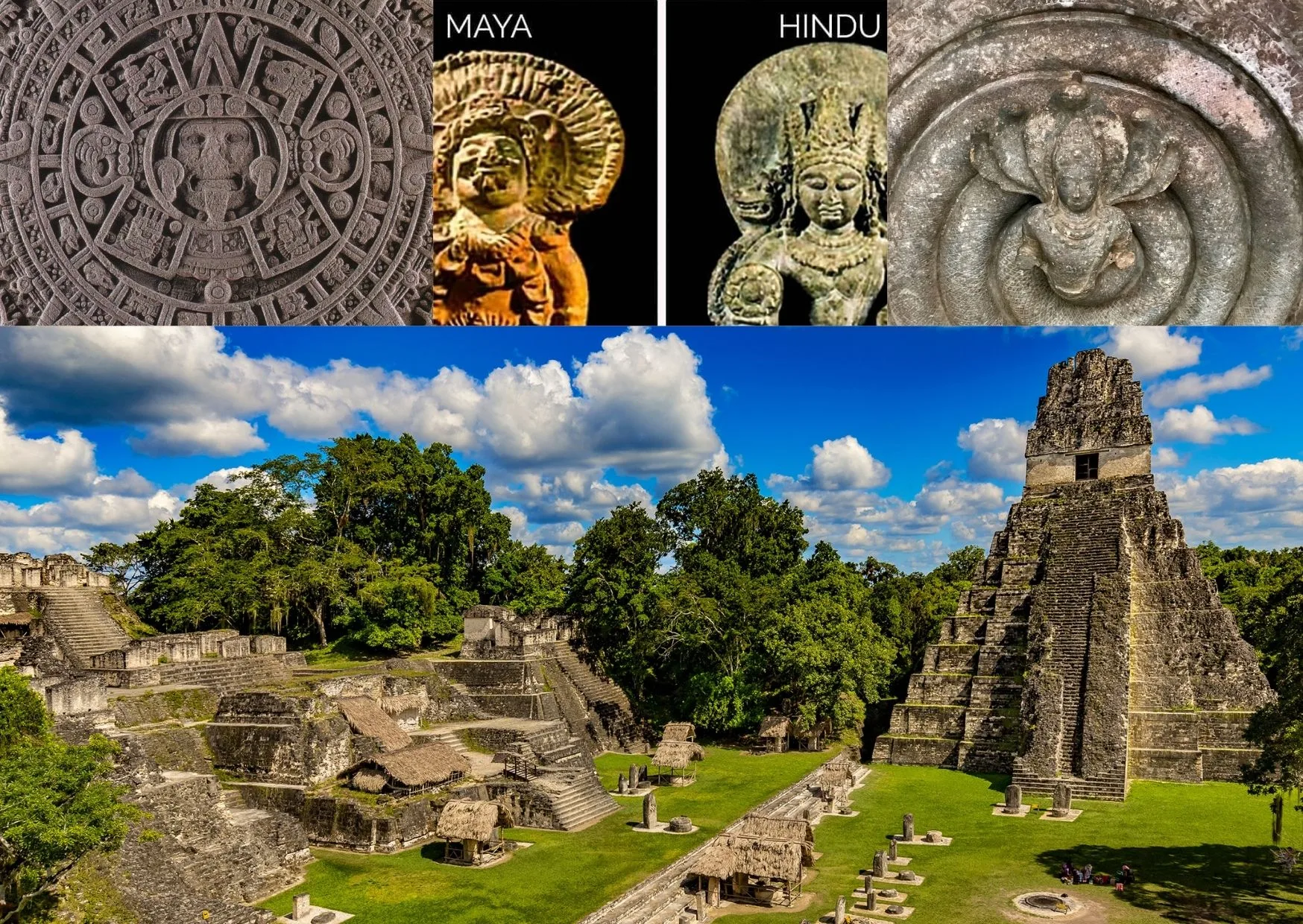
Hindu Maya Connection Old maps DO NOT show the Grand Canyon Craterscape, they show instead a Kingdom called Tontonteac. Totonteac City Kingdoms were called Tontonte, Cevola, Axa, Septem Citta (seven cities). Cibola (Shamballa) is the origin of the word Calalus. Calalus,in America, means promised land.

Naga-Maya of the Americas A 1930s discovery of subterranean cities/tunnels & gold artifacts in LA, corresponds precisely to ancient accounts. Amurru was the Sumerian/ Akkadian god of the Amorites (Amerites), aka, the mound Builders, the Amurru Washitaw Dedugdahmoundyah(Mound Builders)Muurs/Mu/ Maur/Moor/Meroe. The Amurru Washitaw Dedugdahmoundyah Mu’urs are the oldest indigenous people in the world, according to the UNITED NATIONS.

Webster 1828 Universal Dictionary the word “American is defined as an Aboriginal or one of the various copper color natives found on the American Continents by the Europeans. The original application of the name was AMURRU” [end quote]. If we add the word Khan (Can) onto Amurru as a suffix we will have the origin of the word America. For example, Amurru-Khan. To drive this point, “AMURRU,” (the Westerner/ the serpent/ the dragon) home, all the names of the Native-American tribes trace back to the title serpent.

The older maps make very little sense when viewed from the traditionally dogmatic point of view. Yet it corresponds to precisely what the historical record shows. Some of these old-world maps list certain regions of North America as La China (the China), Cathay (China), Tebet (Tibet), Mangi (Southern China), Tangut. The Olmec people were known as the Mandig-Xi.

Kush-Quiche, the Sons of Noah are the 3 Kings of Quiche. Who Plato says "held dominion over the great opposit continent". The antediluvian Kings of Sumer were known as Kings of Kush. the major Kushite tribe in Central Asia was called Kushana. The Kushan of China were styled Ta Yueh-ti or "the Great Lunar Race".(Thoth/Enki- moon) Along the Salt Swamp, there was a state called Ku-Shih of Tibet. America was land of the Plumed Serpent/Dragon.

Naga-Sacred texts Naga means "a snake, esp. a fabulous serpent-"demon" or semi-divine being, having the face of a man and the tail of a serpent, and said to inhabit Patala. In Kashmir, they are the deities of springs."well of Sheshna (Grierson's Dictionary of the Kashmiri Language; p. 624, item 2.)

This map also shows you the great Isle of Cipangu, aka, Japan, located in what we would call the Gulf of Mexico today. Cipangu or Zipangu are different names for Japan. This Oriental Japan (Zipangu) that we had in North America is not to be confused with the Japan in the so-called far East, since our Japan was Zipangu, “The land of Gold"..

Its not these older maps that are Inaccurate, its ours. 1531, by Orontius Fineus, pinpoints some of Marco Polo’s travels in Asia as actually being in North America. Marco Polo describes wild buffaloes he encountered later in his travels. Interestingly, the ancient Greek word for China is “Seres,” which literally means “the land of silk.North America could be the land of silk, since it has 75 species of Saturniidaesilk. Book Land of Milk, Honey

The Kashmirians also called these siphons Nag-Beg (Snake-Lords). Apkallu (Akkadian) or Abgal (Sumerian) means “sage” or “wise”. Who came from the waters of apsu, which was the “sea of freshwater” under the earth. In Mesopotamia, apsu was the term used for fresh water from underground aquifers. Lakes, rivers, springs, wells etc. were thought to draw their water from the apsu Theres a global system of subterranean sites with sacred rivers encircling the Orion pyramids of Giza, Egypt including Tlacote in Mexico, Iyacyecuj Cave in Peru, La Mana ,Ecuador.

Yes

Throughout the Hindu civilisation, there were times where serpents have played an important role in the religion. Naga, in Hinduism, Buddhism, and Jainism, is a member of a class of mythical semidivine beings, half-human and half cobra.

Indirectly Hindu Nagas and Mayans are connected. How fascinating to know that different civilisations are all somehow inter-connected to each other.

Nagas began in North America: Amurru/America Land of Wise Serpents, Serpent Mound creators.​


BarcelonaAtlantis

Moderator
Staff member
Nagas – The Snake Worshippers Were Revered in 26 Countries
Posted by The Editor | Aug 20, 2015 | Hindu Gods and Goddesses | 28,353 views


In Genesis the Serpent is a Naga who instructs the new infant (humanity) in what is called the Knowledge of Good and Evil. The Christian church has, unfortunately transformed the Initiate-Teacher into a tempting and negative demon-character.The snake or serpent was worshiped as a representation of the great god,lord Sun, along with fire.

The spiritually advanced and realised people whose Kundalini was awakened were called “Nagas” and this was spread throughout world and so we find snake worship all places in the world even where there are no snakes like Ireland and Tibet.

Many examples of Nagas appear on the walls and along an avenue leading to the temple of Ankhor Wat in Kampuchea (formerly, Cambodia) and also in Buddhist temples in Sri Lanka (formerly, Ceylon.)

1. In the Mahabharata the Naga Kingdom is the territory of a hardy and warlike tribe called Nagas. They were also considered as one of the supernatural races like the Kinnaras.

[wp_ad_camp_1]

2. GREECE :Apolloniy Tiansky – contemporary of Jesus Christ, the main representative of new Pythagorean school – had been trained magics by Nagas of Kashmir.

3. MEXICO: In Mexico, we find the “Naga” which becomes “Nagal.”

4. CHINA: In China, the Naga is given the form of the Dragon and has a direct association with the Emperor and is known as the “Son of Heaven”. The Chinese are even said to have originated with the Serpent demi-gods and even to speak their language, Naga-Krita.

5. EGYPT: In Egypt the same association is termed “King-Initiate”.

naga

6. TIBET: For a place that has no serpents, Tibet, they are still known in a symbolic sense and are called Lu. Nagarjuna called in Tibetan, Lu-trub.

7. GREECE: In the Western traditions we find the same ubiquity for the Naga, or Serpent. One simple example is the Ancient Greek Goddess, Athena. She is known as a warrior Goddess as well as the Goddess of Wisdom; her symbol being the Serpent as displayed on her personal shield.

8. IRELAND: The serpents was worshipped and deified in Ireland.

9. AFRICA: Africa the chief centre of serpent worship was Dahomey, the cult of the python seems to have been of exotic origin.

10. IRAQ: Ancient Mesopotamians and Semites believed that snakes were immortal

11. ISRAEL: Before the arrival of the Israelites, snake cults were well established in Canaan in the Bronze Age, for archaeologists have uncovered serpent cult objects in Bronze Age strata at several pre-Israelite cities in Canaan: two at Megiddo,one at Gezer, one in the sanctum sanctorum of the Area H temple at Hazor, and two at Shechem.

12. SYRIA : A late Bronze Age Hittite shrine in northern Syria contained a bronze statue of a god holding a serpent in one hand and a staff in the other.

naga1

13. MESOPOTAMIA [TODAY’S IRAQ] : In sixth-century Babylon a pair of bronzer serpents flanked each of the four doorways of the temple of Esagila.

14. MESOPOTAMIA [TODAY’S IRAQ]: At the tell of Tepe Gawra, at least seventeen Early Bronze Age Assyrian bronze serpents were recovered.

15. EGYPT: Ancient Egyptians worshiped snakes, especially the cobra. The cobra was not only associated with Ra, but also many other deities such as Wadjet, Renenutet, and Meretseger. Serpents could also be evil and harmful such as the case of Aapep.

16. GREECE: We learn from Herodotus of the great serpent which defended the citadel of Athens. The Roman genius loci took the form of a serpent. A snake was kept and fed with milk during rites dedicated to Potrimpus, a Prussian god.The oracles of the Ancient Greeks were said to have been the continuation of the tradition begun with the worship of the Egyptian cobra goddess, Wadjet.
 
Last edited:

BarcelonaAtlantis

Moderator
Staff member
17. On the Iberian Peninsula there is evidence that before the introduction of Christianity, and perhaps more strongly before invasions of the Romans, Serpent worship was part of local religion.

Naga snake1

18. AUSTRALIA: In Australia, the Aboriginal people worship a huge python, known by a variety of names but universally referred to as the Rainbow Serpent, that was said to have created the landscape, embodied the spirit of fresh water and punished lawbreakers. The Aborigines in southwest Australia called the serpent the Waugyl, while the Warramunga of the east coast worshipped the mythical Wollunqua.

19. CAMBODIA: An Indian brahmana named Kaundinya came to Cambodia, which at the time was under the dominion of the naga king. The naga princess Soma sallied forth to fight against the invader but was defeated. Presented with the option of marrying the victorious Kaundinya, Soma readily agreed to do so, and together they ruled the land. The Khmer people are their descendants.

20. KOREA: In Korean mythology, Eobshin, the wealth goddess, appears as an eared, black snake. In Jeju Island, the goddess Chilseong and her seven daughters are all snakes.

21. AMERICA: In America some of the Native American tribes give reverence to the rattlesnake as grandfather and king of snakes who is able to give fair winds or cause tempest. Among the Hopi of Arizona the serpent figures largely in one of the dances.

22. AMERICA: The rattlesnake was worshipped in the Natchez temple of the sun and the Aztec deity Quetzalcoatl was a feathered serpent-god.

23. PERU: The tribes of Peru are said to have adored great snakes in the pre-Inca days and in Chile the Mapuche made a serpent figure in their deluge beliefs.

24. COLOMBIA: Lake Guatavita in Colombia also maintains a Cacique legend of a “Serpent God” living in the waters, which the tribe worshiped by placing gold and silver jewelry into the lake.

25. Norse: Jörmungandr, alternately the Midgard Serpent or World Serpent, of the Norse mythology, is the middle child of Loki and the giantess Angrboða.

26. Carvings about 70,000 years old on a snake-like rock in a cave in Botswana indicate that Stone Age people developed religious rituals far earlier than previously believed.


Guest on August 21, 2015 at 12:18 am
“And the LORD said unto Moses, Make thee a fiery serpent, and set it upon a pole: and it shall come to pass, that every one that is bitten, when he looketh upon it, shall live.

And Moses made a serpent of brass, and put it upon a pole, and it came to pass, that if a serpent had bitten any man, when he beheld the serpent of brass, he lived.”
Numbers 21:8-9

The jews worshipped a brass metal snake called the Nehushtan on a pole in order to be saved.

For more information you can read:

It was worshipped by Jews until King Hezekiah destroyed it.

Russ Adams on August 23, 2015 at 10:46 am
I’m quite often surprised by the correlation in both sound & meaning of Australian Aboriginal words with Sanskrit. There is a local legend amongst the Dharawal tribe which explains how the Black Snake got it’s venom. There was a troublesome Goanna (a type of Monitor lizard) who was causing turmoil by murdering the innocents with the aid of a poison bag which it wore around it’s neck. The Black Snake woman first befriended this lizard-man, & then caught him off guard by swallowing the poison bag, thus rescuing the whole population. The name of the Lizard-man; Bah’Naga.

SuchindranathAiyerS on August 24, 2015 at 4:50 am
A good insight on Naga worship. Similarly, Lalitha became “Lilith” the evil illusionist who seduced little children in the Judaeic tradition, The Semitic(real semites the Basques which are the real aryans too= Druhyus (Druids or Dravids) woshipped Lalitha (Maya) with Vishnu and Shiva. They were scattered from the place of the three rivers (present day Tigris, Euphrates and Jordan) by the incessant harrying of the Aryans(fake aryans the nazis) and their apostates who had embraced Yahweh(fake god of the bible) (who said unto Abraham, “Put not other Gods before me for I am a jealous God”). Some of them traveled East and brought agriculture, architecture and temple worship to the Indo Gangetic plain with prototypical words like Ur (Guruvayu Ur, Tanja Ur etc) for City and Isha (Gilgamesha) for divinity. Owing to the permissive, non prozelytising, Aryan (Brahmin) Rule that kept the peace for thousands of years and the fertility and productivity of these parts, their religions have survived to this day and form a great proportion of the many religions that comprise “Hinduism”. My parilineal ancestors who came with Gandhari’s retinue from Pushpa Vihara, travelled South with Janamejaya for whom they had performed the “Sarpa Yajna” to perform prayischitha at Nagerkoil and seek relief at Sucheendram thousands of years ago. They were returning to the Narmada Valley after Janamejaya became a mendicant but remained at Madurai where the were given agricultural lands and the title of Aryar (later corrupted to Ayyar) by the Chieftains of Madurai.

Vijay Bisnauthsing on August 30, 2015 at 5:10 am
I read the book, Apprenticed to a HIMALAYAN MASTER A Yogi’s Autobiography.( Magenta press). The author mentions about the NAGS coming from another planet to teach the human about everything we know. In years, they got disgusted by the human behaviors and conniving nature. They decided to return to their planet. Some stayed back and after the passing of years, they lost their faculties and have turned into just reptiles.

Tang, Chi-Khay on November 7, 2015 at 2:08 pm
Actually, the association of snake with China is not so much of a dragon which is considered an absolutely different creature. While snake is a lot more mundane and mortal, the dragon is considered purely celestial. However, it is not to say that the snake has no importance in Chinese culture because it truly does. The creator God, Pangu and his consort, Goddess Nuwa are believed to be half human and half snake.

The Naga-Maya Civilized the Egyptians​


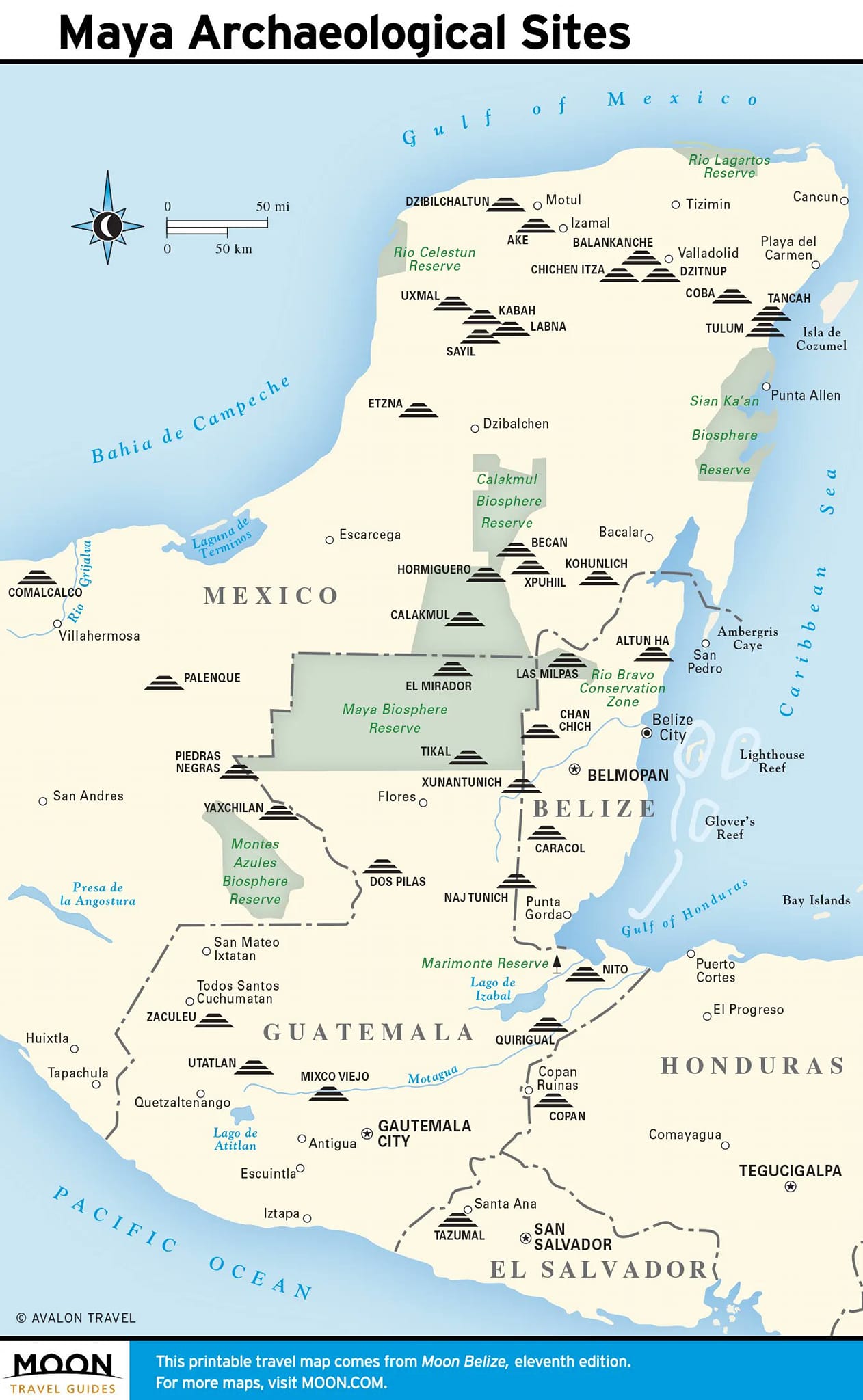
Mayan Archeological sites
Mayan Archeological sites in the Yucatan Peninsula.
Map of different Archaeological sites throughout the Mayan Yucatan Peninsula. The Map shows you plenty of Mayan Step Pyramids, but this is not all of the step pyramids that they found since the have found 60,000 Mayan structures in the Yucatan.


Mayan Evidence in Florida. Miami was named after the Maya, since Miami comes from Maya-imi (Miami is Maya-imi), which is also another name for Lake Okeechobee. “Miami was named in 1896 after the Miami River, derived from Mayaimi, the historic name of Lake Okeechobee and the Native Americas (Mayans) who lived around it. Mayaimi means big water, which is a fitting name for lake Okeechobee.


The Yucatan Peninsula was Naga-Maya territory, so the location of Thoth’s capitol city of Atlantis in the Maya territory suggests that Thoth was the Priest-King of the Naga-Maya, who were also fellow Atlanteans/ Egyptians. Yes…, Thoth was Mayan since he was their priest-king. This is factual, once we consider the name of Thoth’s wife, Maat, which is etymologically (similar spelling) and phonetically (similar pronunciation) the same word as Maya.


North America is composed of 50 states (50 towers), which suggests that the prophecy of the Nagas from Cambodia was referring to the Nagas’ future descendants in North America that went through bondage, aka, prisoners of war enslaved on their own lands(the celts)

The Naga-Mayas were able to leave the name Maya all around the world because as Phoenicians (Canaanites) they were mighty Mariners/ Maur-iners (sea people). The Naga-Mayas from the Yucatan were the Phoenicians(Italo Basques) that established the floridas. America is the old world not the new world.


Evidence to support the fact that the Mayas are the ancestors of the Egyptians can be found in the Tomb of the Maya/Temple of the Maya in Egypt, because there is a Maya on the wall that is dressed in Kemetian/Egyptian garb.
 

BarcelonaAtlantis

Moderator
Staff member
India was in the Americas, because India superior, which was the capital of Grand Tartaria and the world. You can clearly see the root-word origin of the Title Moor within other root-words like Meroe/Maur/Muur within the Suffix of Kh-MER, which is Mer, as in Tar-meri-khan/A-meri-can.The k became the s so therefore, Khem became Shem, and Kemitic became Semitic. Also, the Khmer people spoke Sanskrit which literally has no origin just like Basque because Basque is the literal language the original speak and language. Legends says that Lord Brahma gave us Sanskrit as a gift from the Gods.Also, the Mayas built the same Indian-style, step-pyramid, Temples. We see this same architecture around the world, but in Indian the Temples are more elaborate and more extravagant, which is evidence that they (the Indians) created and mastered the Art of Building pyramids. You can tell by looking at the pyramids in Egypt that they were trying to copy what their cousins the Maya Indians had taught them, especially, the great pyramid of Djoser which is a failed attempt by the Egyptians at trying to build an extravagant Indian-style, step-pyramid, temple


The Mayas where the ancestors of the Egyptians. “Like the Mayas, the Egyptians regarded the West as the region of Darkness, the place where the souls of the dead return to the bosom of their ancestors in the realm of Amenti. There King Osiris sat on a throne in the midst of the waters; there, also, it was that Thoth performed his office of scribe was, then, the worship of the Cynocephalus, his totem, brought to Egypt from the Lands of the West.”
“Pythagoras borrowed his Knowledge of numbers and their meanings from the Egyptians. Theses received their science from the Mayas, those Civilized strangers, their ancestors, who in remote ages, coming from the East and from the West, had settled and brought Civilization to the banks of the Nile. Such being the case, it is but natural that we should find the same doctrine regarding Cosmogony and the meaning of numbers in Mayach, their Mother Country in the ‘Lands of the West.’”


The Maya sages doubtless had reached similar conclusions, since they called their country Mayach; that is the land that first emerged from the bosom of the Deep, the country of the Shoot; and the Egyptians, according to Herodotus, boasted that their ancestors in the land of the West were the oldest men on Earth.


First born among continents, America has been falsely denominated the New World. Hers was the first dry land lifted out of the Waters, hers was the first shore washed by the ocean that enveloped all the earth besides; and while Europe was represented only by islands rising here and there above the sea, America (Atlantis) already stretched in an unbroken line of land from Nova Scotia to the far West

Angkor Wat is actually a revelation written in stone about the future fall of our people, thousands of years before it even happen, i.e. us losing everything and going through slavery. The Ancient Indians built this city to remind us of who we are, because they knew our fall was going to happen.

Like the Mayas, the Egyptians regarded the West as the region of Darkness, the place where the souls of the dead return to the bosom of their ancestors in the realm of Amenti. There King Osiris sat on a throne in the midst of the waters; there, also, it was that Thoth performed his office of scribe was, then, the worship of the Cynocephalus, his totem, brought to Egypt from the Lands of the West.

What’s also significant is the fact that the Mayas(Basques) reaching Louisiana and the lower Mississippi Valley, between 30,000 years ago; and there is evidence of Mayan burial remains, graves, that are 29,000 years old, which is older than any burial remains of modern-day humans found thus far anywhere.

From the lower Mississippi these people spread over much of the central portions of the North American continent, especially throughout the valleys of the Ohio and Mississippi and the Lake region. They were the original Mound Builders.

The Builders of the Angkor Wat Temple were known as the Khmer (Thoth) people. The word Khmer literally means Builder and it also means to create. Lord Khem of Egyptian legend was actually the Egyptian God Thoth (thought)
 
Last edited:

BarcelonaAtlantis

Moderator
Staff member

Naga Kanya Goddess: Exploring the Enigmatic Serpent Deity in Buddhist Traditions​

Share:
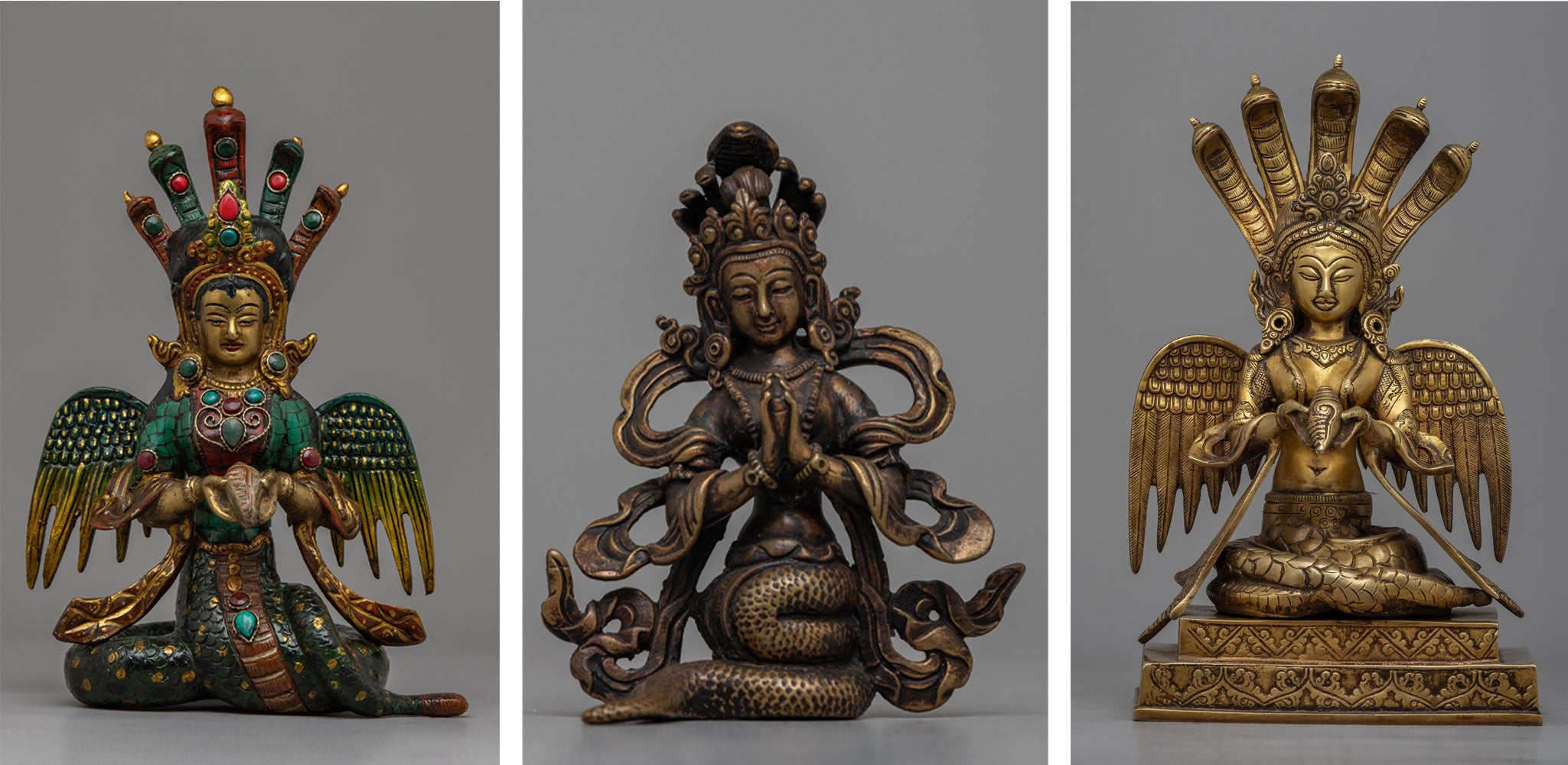
Naga Kanya Goddess

Naga Kanya Goddess in Buddhist Art: Serpent Symbolism Explored​

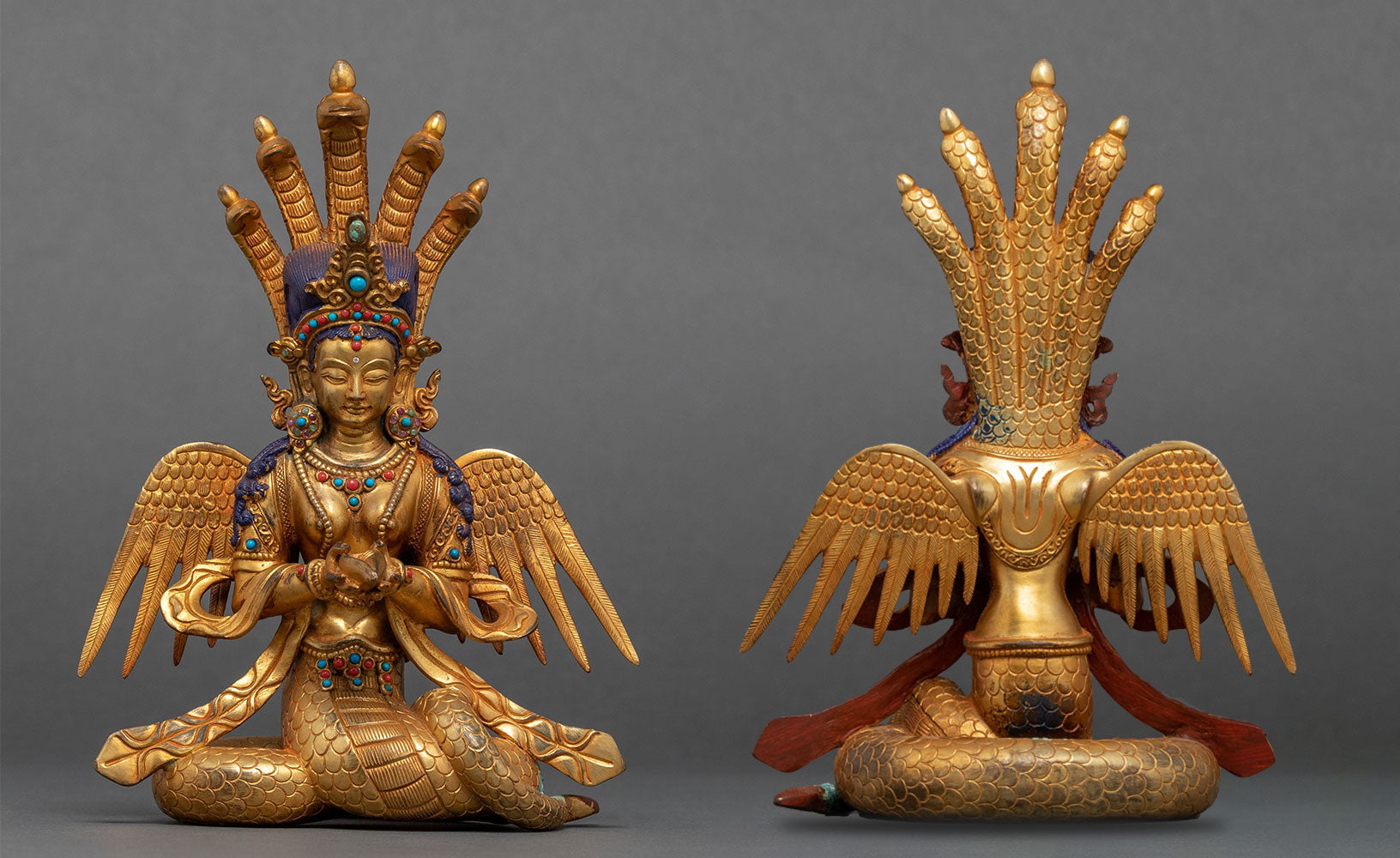
The Naga Kanya Goddess (Naag Kanya), a prominent figure in Hindu and Buddhist mythology, encapsulates the enigmatic and potent energies of serpents intertwined with the divine feminine. Often depicted as a woman with a serpent's lower body, she symbolizes wisdom, fertility, and the mystical bridge between earthly and celestial realms.
Key Highlights:
  • Naga Kanya holds a central role in both Hindu and Buddhist traditions.
  • Her symbolism encompasses wisdom, protection, fertility, and a connection with nature.
  • She is renowned for her association with water elements and is frequently portrayed with multiple snake heads.
Naga Kanya, a revered divine entity in Eastern traditions, links gods and humans. Her depiction as a half-woman, half-serpent symbolizes the profound unity of opposites – the spiritual and the material. As a guardian of treasures and a symbol of fertility, Naga Kanya's imagery carries rich cultural and spiritual significance.

Naga Kanya Mythology​

Naga Kanya Goddess

Click here to view our Naga Kanya Statue
Early References:
The earliest mentions of Naga Kanya surface in ancient Vedic texts, portraying her as a benevolent guardian deity. These scriptures associate her with water bodies and subterranean realms, embodying themes of abundance and fertility.

Legends and Lore​

Numerous Hindu and Buddhist mythology legends recount tales of Naga Kanya. One prevalent legend describes her emergence from the churning milky ocean, symbolizing her integral role in cosmic balance. Another narrative highlights her intervention in saving a village from drought, showcasing her as a protector and nurturer.

Cultural and Religious Practices​

Worship and Rituals: Naga Kanya receives worship through various rituals in diverse cultures. Temples dedicated to Naga deities in India and Nepal often feature representations of Naga Kanya. Rituals involving offerings and prayers seek her blessings for fertility and protection.

Festivals and Celebrations​

Certain festivals, particularly in South and Southeast Asia, are dedicated to serpent deities, including Naga Kanya. These festivities, marked by rituals, dances, and offerings, celebrate her divine qualities and reinforce her cultural significance.

Iconography of Naga Kanya Goddess​

The Naga Kanya Goddess, a captivating figure in Eastern mythology, uniquely blends serpentine and feminine qualities. Her rich iconography, filled with symbolism and cultural significance, portrays her as a divine entity bridging the human and mystical realms. Let's explore the detailed physical attributes and iconography of the Naga Kanya Goddess:
Physical Attributes:
  1. Human-Serpent Hybrid Form: Portrayed as a beautiful woman from the waist up and a serpent from the waist down, symbolizing the integration of earthly and spiritual realms.
  2. Multiple Cobra Heads: Often depicted with multiple cobra heads behind her human head, each representing a layer of consciousness or a realm of existence, showcasing her dominion over various dimensions.
  3. Ornate Jewelry and Garments: Adorned with intricate jewelry, symbolizing her divine status, and depicted in flowing, elegant garments for an ethereal and majestic presence.
  4. Lotus Symbolism: Frequently shown seated or standing on a lotus, symbolizing purity, spiritual awakening, and the unfolding of divine potential.
Detailed Iconography:
  1. Serpentine Lower Body: The serpent part symbolizes rebirth, healing, and transformation, reflecting primal energy and the earth's connection.
  2. Third Eye: Some depictions feature a third eye on her forehead, symbolizing spiritual insight and wisdom, aligning her with deities in Hindu and Buddhist traditions.
  3. Color Symbolism: Colors in depictions hold significance - green for nature and life, blue for water and the celestial realm, and gold/red for royalty, divinity, and vitality.
  4. Water and Nature Elements: Linked with water elements, lakes, rivers, and the underworld, emphasizing her connection with nature and role as a protector of natural treasures.
  5. Protective Posture: Graceful yet powerful stance, especially with cobra hoods spread wide, signifying her role as a guardian and protector.
  6. Facial Expression: Varies from serene and benevolent to fierce and protective, reflecting her benevolence, wisdom, and protective nature based on the narrative.
  7. Hand Gestures (Mudras): Specific mudras hold symbolic meanings - blessing symbolizes her role as a benefactor and protector, while gestures of teaching align her with spiritual wisdom.

Significance in Buddhism & Hinduism​

Naga Kanya Goddess statues

The Naga Kanya Goddess holds significant importance in Hinduism and Buddhism, with each tradition interpreting her attributes in distinctive yet interconnected ways. Her symbolism, deeply rooted in ancient lore, has evolved, mirroring these major Eastern religions' spiritual and cultural nuances.

Naga Kanya Hindu Goddess​

In Hindu mythology, the Naga Kanya Goddess is intricately woven into the religion's mythological narratives and spiritual symbolism.
  1. Guardian of Treasures and Knowledge: Revered as a guardian of immense treasures and profound knowledge, symbolizing not only material wealth but also spiritual abundance and wisdom.
  2. Association with Deities: Frequently linked with powerful deities like Lord Shiva and Lord Vishnu, sometimes portrayed as devotees or attendants, highlighting her divine status and role in the celestial hierarchy.
  3. Symbol of Fertility and Nature: The serpentine aspect associates her with fertility and the earth, making her a figure worshipped for blessings related to fertility and bountiful harvests, embodying the nurturing element of nature.
  4. Protector and Healer: Believed to possess the ability to avert disasters and cure ailments, particularly those involving poisons, connecting her to the ancient practices of Ayurveda and traditional Hindu medicine.
  5. Connection with Astrological Beliefs: In Vedic astrology, serpents, and by extension, Naga Kanya, are deemed significant, influencing planetary alignments and life events, making her integral to astrological consultations and rituals.

Naga Kanya Buddhism

In Buddhism, notably within Tibetan and Mahayana traditions, Naga Kanya plays a distinct role, emphasizing her guardianship of the Dharma and support for the spiritual journey of practitioners.
  1. Protector of the Dharma: Regarded as a guardian of the teachings of the Buddha, safeguarding them from corruption or loss.
  2. Symbol of Transformation and Enlightenment: Her half-human, half-serpent form symbolizes the potential for transformation and enlightenment, representing the journey from the mundane to the sublime, from ignorance to wisdom.
  3. Connection with Rain and Harvests: Associated with the control of elements, especially rain, she is revered for favorable weather and abundant harvests in agrarian Buddhist societies.
  4. Role in Rituals and Festivals: Prominently featured in Buddhist rituals and festivals, where prayers and offerings seek to appease Naga spirits for blessings related to fertility, prosperity, and protection from natural calamities.
  5. Link to Tantric Practices: In Tibetan Buddhism, Naga Kanya is occasionally associated with tantric practices; her imagery is used in esoteric rituals to harness spiritual energies and attain higher states of consciousness.
In both Hinduism and Buddhism, the Nagakanya Goddess transcends being a mere mythological figure. She encompasses many attributes - guardian, protector, healer, symbol of fertility and transformation - embodying versatility and enduring reverence in these religions. Her veneration underscores the profound connection these traditions maintain with nature, the spiritual realm, and the pursuit of wisdom and enlightenment.
The enduring legacy of the Naag Kanya Goddess underscores her profound importance in the spiritual and cultural fabric across ages. Serving as a symbol of wisdom, protection, and the mysterious connection between realms, she continues to captivate and inspire.

Inferior bastards you fake americans we are going to skin you alive to death you fake aryans.I want Trump's pedophile's cut off head.The doomed fake americans worship a pedophile disgusting evil parasites.America will be ours again and this time forever.Christianity is the origin of evil and christian America is going to be wiped out.
 
Last edited:

BarcelonaAtlantis

Moderator
Staff member

Not westerners but the christianity mafia that invaded Europe.

Fake americans are you worried?Haha you should be doomed and hated parasites.


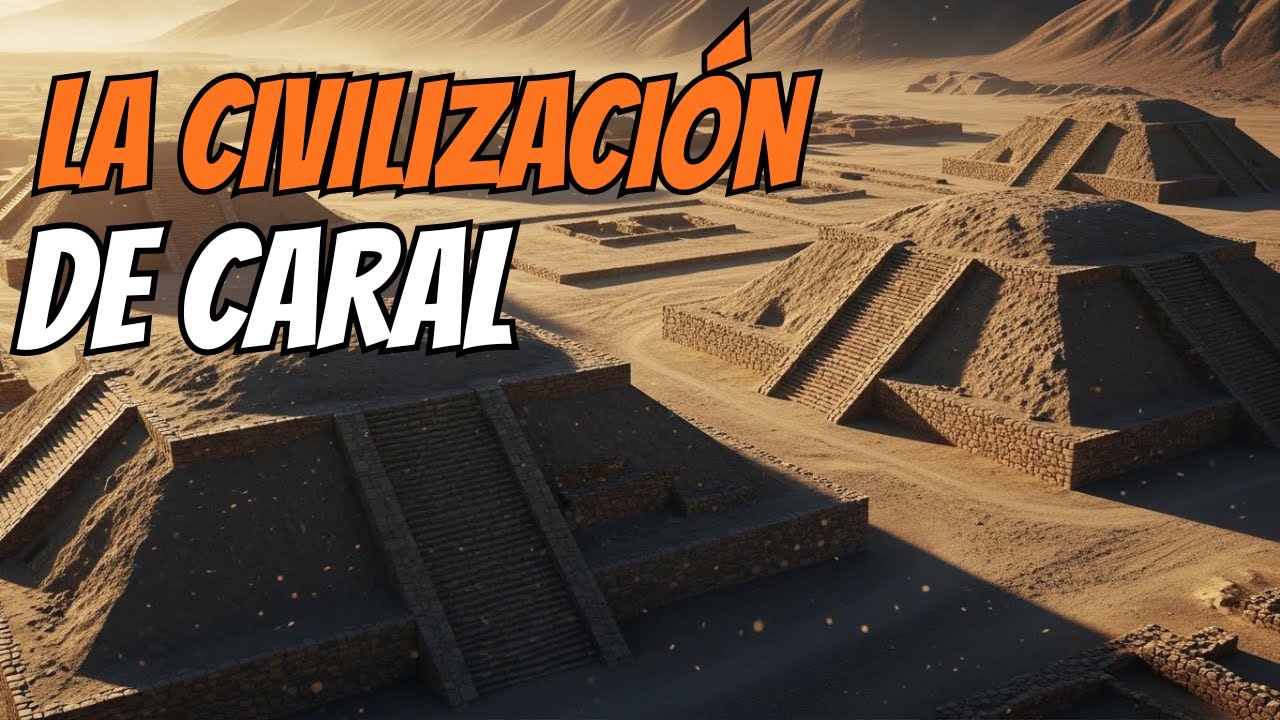
Not everybody knows that there is a magnificent lost pyramid city in the heart of Peru, a city that dates back to the same time at the Giza pyramids of Egypt. Yes, the magnificent ancient city of Caral dates back to 2,627 BC and is known as the Mother City of South America by some archaeologists. For over a century archaeologists were searching for such a mother city and this large settlement, located 120 miles north of Lima, is one of the most ancient of the Americas, home of the Norte Chico civilisation. It was declared a UNESCO world heritage site back in 2009. It was occupied between the 26th and 20th centuries BC and was described by excavators as the oldest urban centre in the Americas, but since its discovery in 1948, other ancient sites such as Bandurria in Peru have challenged this title. Astonishingly, it was found in pristine condition and nothing had been built over it since the city was deserted. It would have been home to more than 3,000 people, with an elaborate complex of temples, an amphitheatre and ordinary houses covering 370 acres of land. There are plazas and residential buildings, and of course pyramids. Watch this new Ancient Architects video to find out more about this truly fascinating lost civilisation, to see the incredible architecture, archaeological finds and the giant geoglyph associated with Caral.

I am Zeus your king, and I will not be defied.” Homer’s Iliadhq720 (5).jpgmqdefault (3).jpge1c654ec-d5c5-41e7-85c8-b81ceca4c0a1[1].jpg

71eAfaNtzcL[1].jpg5658772107370970288 (2).jpg

I shit on you fake vikings and fake americans. You can claim that a God took a dump on you.


2026 is NOT Real: The Glitch No One Wants to Admit

Have you felt that there is something "weird" in the air this year? You are not alone. 🌧️🎙️ In today's Distrito Confidencial file, we investigate the case of Tomás and the growing wave of reports about "Glitches in the Matrix" occurring in 2026. From birds frozen in mid-air to relatives repeating phrases as if they were NPCs in a broken video game. Is it possible that we have reached the processing limit of our universe? Or is it something that is "updating" our reality while we sleep?

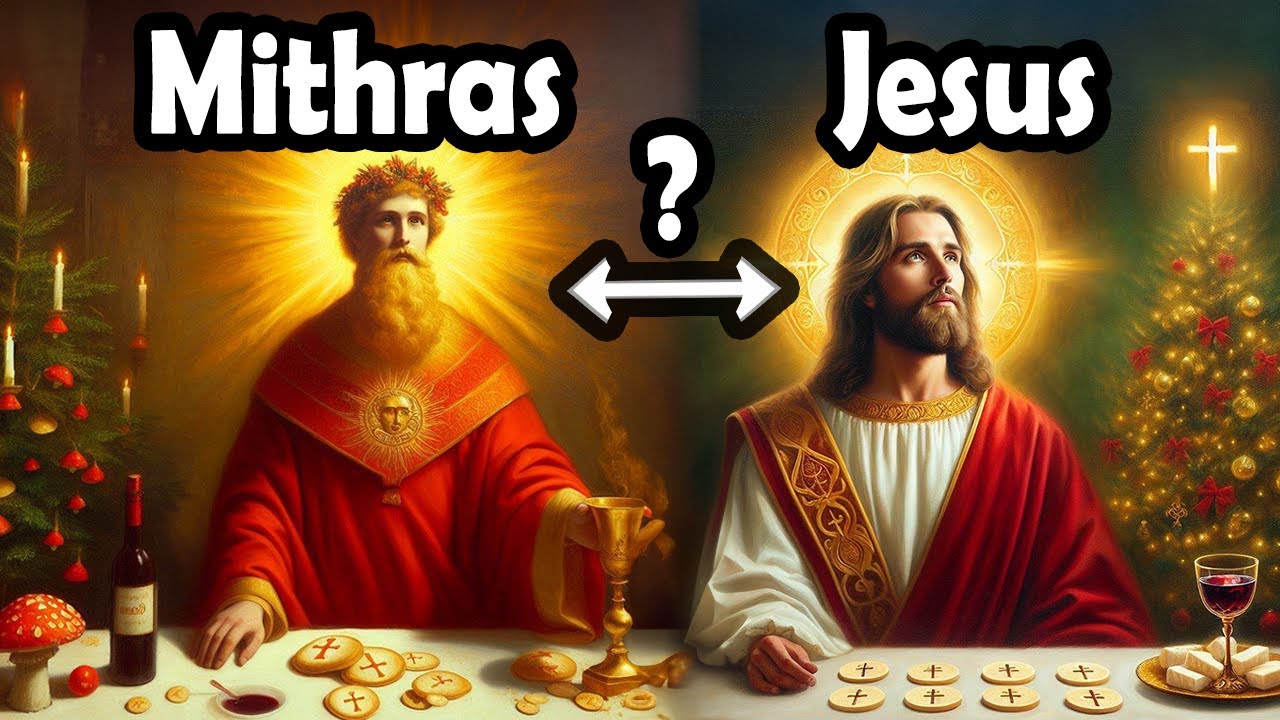
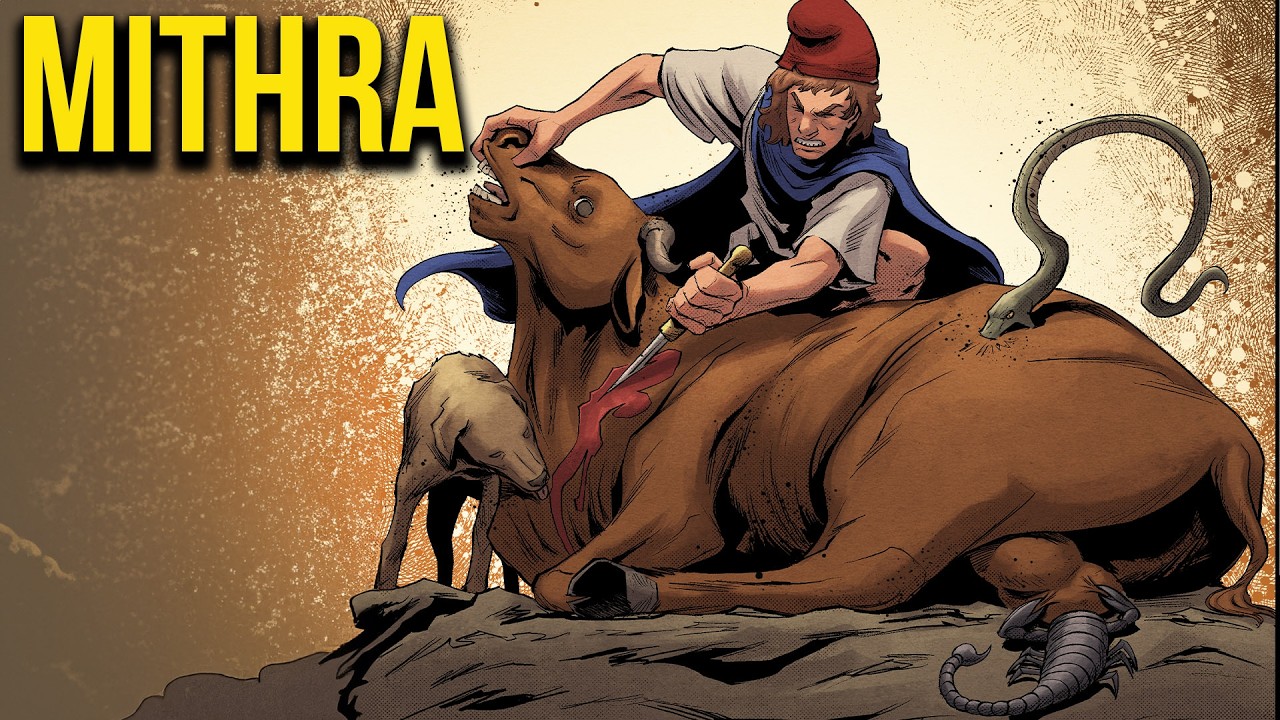
Lleva la barretina(gorro rojo)catalana...Mithra is a Roman God associated with light, the sun, and loyalty, originating from ancient Persia, where he was revered as a God of truth and pacts. His cult became popular among Roman soldiers, who saw in Mithras a symbol of strength and protection. Celebrations to the god took place in caves and secret temples called mithraea, where initiation rituals were performed

The ancient Iranians were the Basques the real Aryans not to confuse with the fake aryans the doomed nazis.

Drift into deep sleep while exploring the ancient mysteries of Sumerian mythology. This calming narration reveals what the ancient Sumerian texts tell us happened after the legendary wars of the Anunnaki—the powerful beings who, according to ancient Mesopotamian mythology, descended from the heavens.

Journey through the clay tablets and cuneiform writings of one of humanity's oldest civilizations as we explore the aftermath of divine conflicts, the establishment of order, and the relationship between gods and humanity in ancient Sumerian belief. Perfect for real history enthusiasts, mythology lovers, and anyone seeking the truth
 
Last edited:

BarcelonaAtlantis

Moderator
Staff member
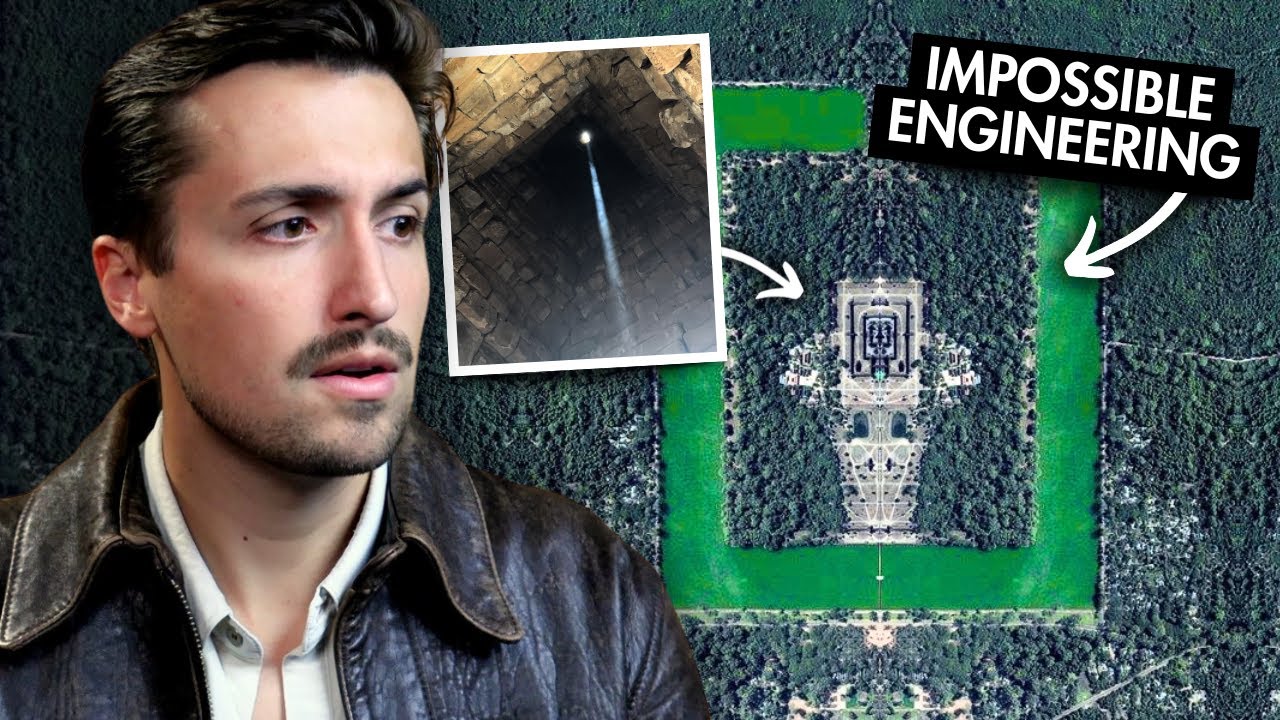
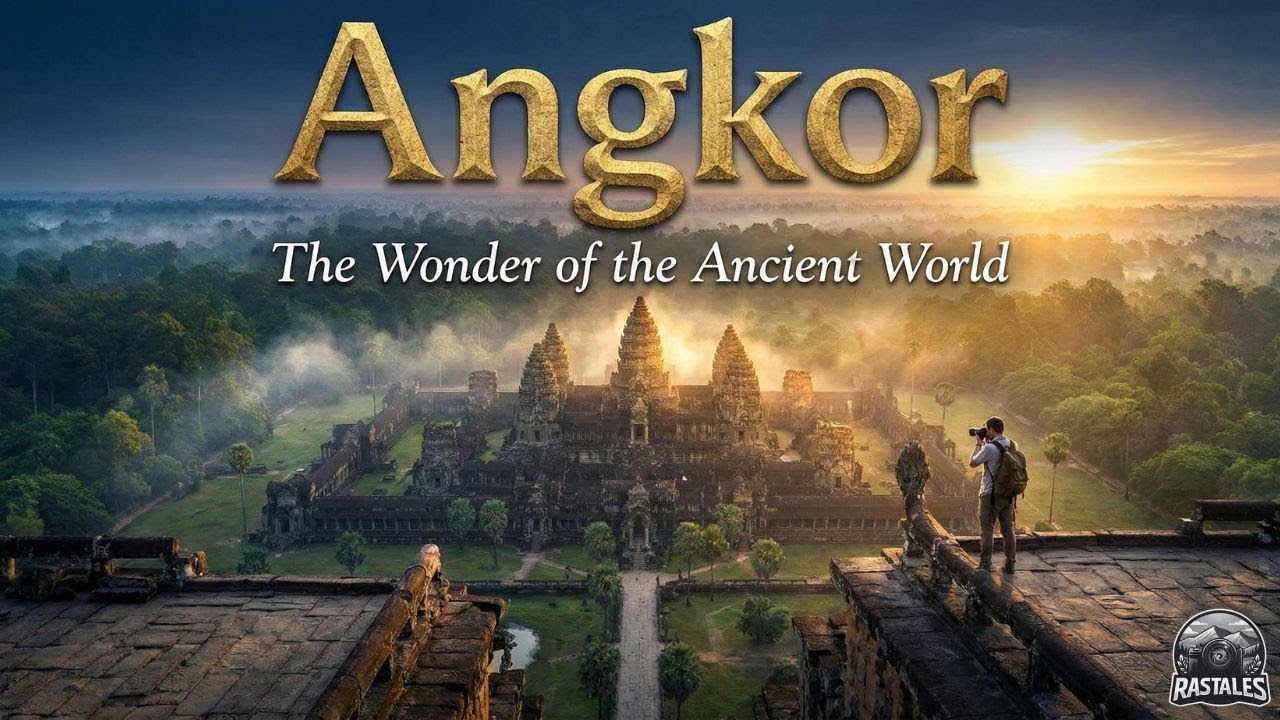
Do you think Angkor Wat is just another ancient wonder? Think again! This masterpiece was not built for the dead like the pyramids of Egypt – it was designed as a living axis of the universe, the largest religious monument ever created. But here’s the shocking truth: why did the mighty Khmer Empire, home to the world’s largest city at the time, collapse within a single century? In this video, you’ll discover: ✔ Why Angkor Wat was built for the living, not as a tomb. ✔ The incredible engineering and advanced hydraulic system behind the temple. ✔ The astronomical alignments and sacred symbolism that still puzzle experts. ✔ The real reasons the Khmer Empire vanished from history.

Yes, the antichrist is returning to destroy the impostors that deceived you,suckers.

Shiva is a principal deity in Hinduism, known as the "Destroyer" within the Trimurti (the trinity including Brahma the Creator and Vishnu the Preserver). He represents the destruction of illusions and imperfections to allow for beneficial change and recreation. As the supreme god in Shaivism, he is also revered as a yogi, the Cosmic Dancer (Nataraja), and the lord of arts, time, and meditation.
Key aspects of Lord Shiva include:
  • Role and Nature: Shiva is "The Auspicious One," embodying complex contradictions: a fierce destroyer, a detached ascetic, and a loving householder with his wife Parvati and children Ganesha and Kartikeya.
  • Symbolism: He is often depicted with a third eye (wisdom/destruction), a trident (trishula), a crescent moon, and a snake around his neck.
  • Forms: Key forms include the meditating Adiyogi, the dancing Nataraja, and the lingam (an abstract representation of his formless nature).
  • Significance: Shiva is considered the Supreme Being in Shaivism, responsible for the cycle of creation, preservation, and destruction

Archaeologists investigating Angkor Wat have just uncovered a secret underground vault — a discovery so shocking that experts say it could rewrite the history of the Khmer Empire. Using advanced scanning technology, researchers detected a concealed chamber beneath the ancient temple complex, revealing artifacts, structural clues, and symbols never documented before. In this video, we break down what was found, why it’s so significant, and how this hidden vault may change everything we thought we knew about Angkor Wat’s origins, purpose, and mysterious decline.

Christianity invaded and stole the pagan world(Lucifer's world) so if you werent indoctrinated morons you'd see why the antichrist needs to return...
Temples (Angkor Wat,etc) are of pagan origin the Pagan Gods...

But not the other way around...

Ancient Astronaut Theorists believe the sacred temple complex of Angkor Wat was constructed to replicate a star constellation, in this clip from Season 18, "Decoding the Dragon Gods."

In Scotland the avatars were known as the Picts(Basque people)thats why the avatars are portrayed as blue just like the Picts.

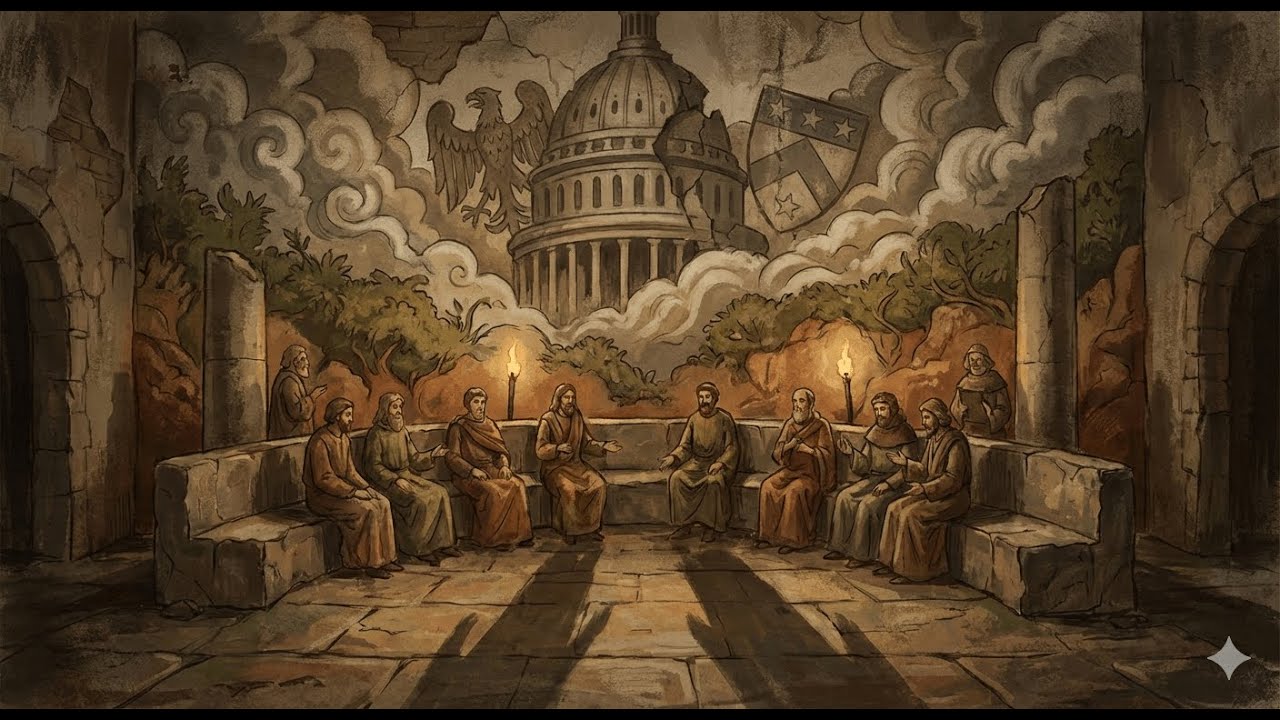
America’s history didn’t begin in 1776.
Long before the United States was founded, evidence suggests a forgotten system of governance already existed on this land — organized, measured, and deliberately erased.

This documentary uncovers: • Ancient council grounds hidden beneath modern cities • Roads and borders that existed centuries before colonization • Indigenous governance systems more advanced than textbooks admit • Why early American leaders never talked about it Using archaeology, forgotten maps, oral history, and suppressed research, this film reveals a past that challenges everything we were taught about democracy, power, and American origins. This is not conspiracy. This is buried history.

Moronic christians think they are free and the antichrist is returning to liberate them.Fucking morons.

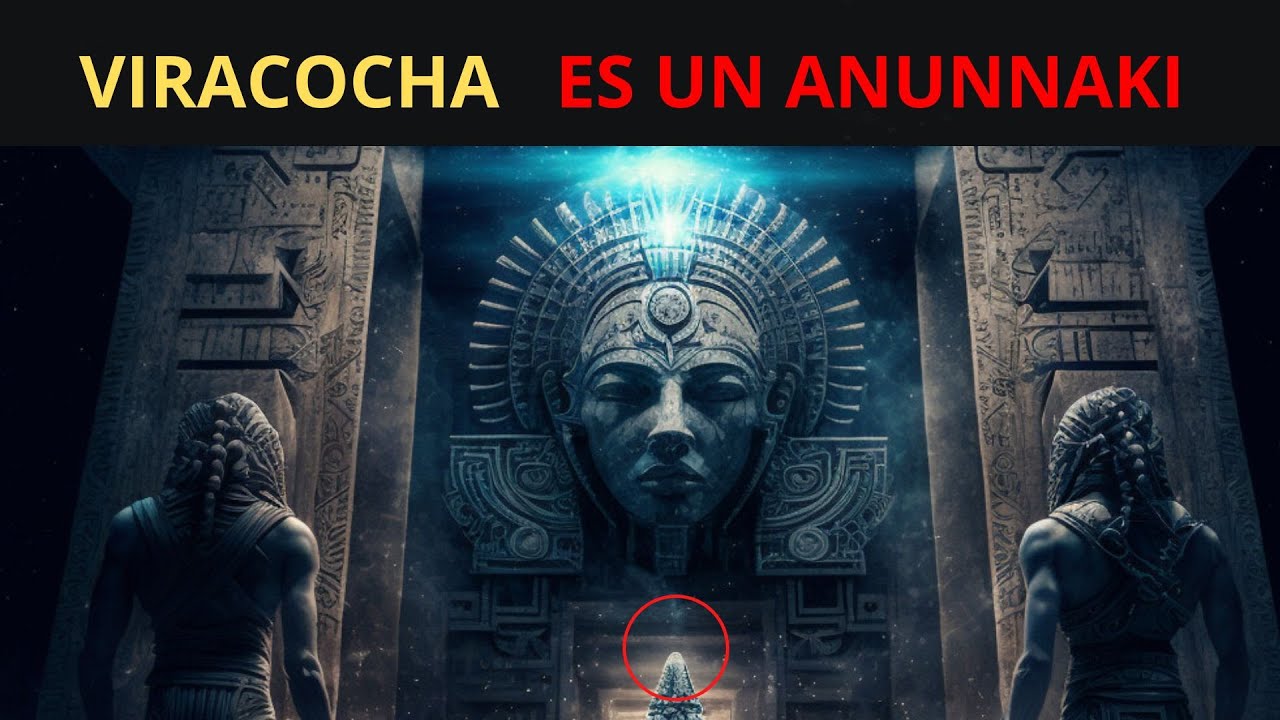
Of course he will return.Viracocha is Enki/Oannes/Lucifer/Odin,Kukulkan,etc.
descarga (44).jpg

6c8032cb771fc1b75b2441e3521d05ac.jpg

Desde los Andes hasta Egipto, y desde Mesoamérica hasta Mesopotamia, antiguas leyendas hablan de seres luminosos que descendieron del cielo para enseñar a la humanidad los secretos de la civilización. Quetzalcóatl, Viracocha, Osiris y Enki… todos compartían un mismo mensaje: prometieron regresar. ¿Fueron solo símbolos espirituales o recuerdos de visitantes de otras eras? Este documental explora las sorprendentes similitudes entre estos mitos, las huellas arqueológicas que podrían vincularlos y la posibilidad de que la humanidad haya sido guiada por una misma fuente de sabiduría cósmica.
1186880415899463113 (3).jpg
 
Last edited:

BarcelonaAtlantis

Moderator
Staff member
How 1900s Incubators Repopulated Empty Post-Tartaria America

What if the 19th century did not unfold the way our history books claim?
Across America and Europe, photographs showed massive cities with almost no inhabitants, followed by a sudden wave of relocation programs, incubation exhibits, and institutional networks built to support an unexpected population surge.

At world fairs from Berlin to Coney Island, advanced incubator technology was displayed as a public attraction — a system that operated for decades and quietly reshaped society.
Meanwhile, entire regions were rapidly repopulated, and archives began using a word that almost no historian wants to discuss today: “repopulation.”

This documentary uncovers the hidden connection between empty cities, early incubation systems, and the silent reboot that transformed the 19th century.
Was this technology simply medical?
Or was it part of a much larger operation designed to rebuild a world that had suddenly lost its people?

The evidence suggests a coordinated reset — a historical turning point concealed in plain sight.
This video explores hidden history, unexplained 19th-century anomalies, and forgotten events that reshaped America and the Western world.
If you enjoy deep historical investigations, alternative theories, and Archivist-style analysis, this documentary is for you.
Stay until the end — the final implications will change how you see modern civilization.
The Hindu Puranas repeatedly calls Buddha as an incarnation of Vishnu

Disclosure because what you think is the truth/real history(christianity) is a lie.
4715827468976950170 (4).jpg
 
Last edited:

BarcelonaAtlantis

Moderator
Staff member

Rome will be free when the slandered antichrist/Satan returns soon and restores the world.Imagine thinking the victims(Rome)are the bad guys.Fail.
6802264791681003109 (5).jpg

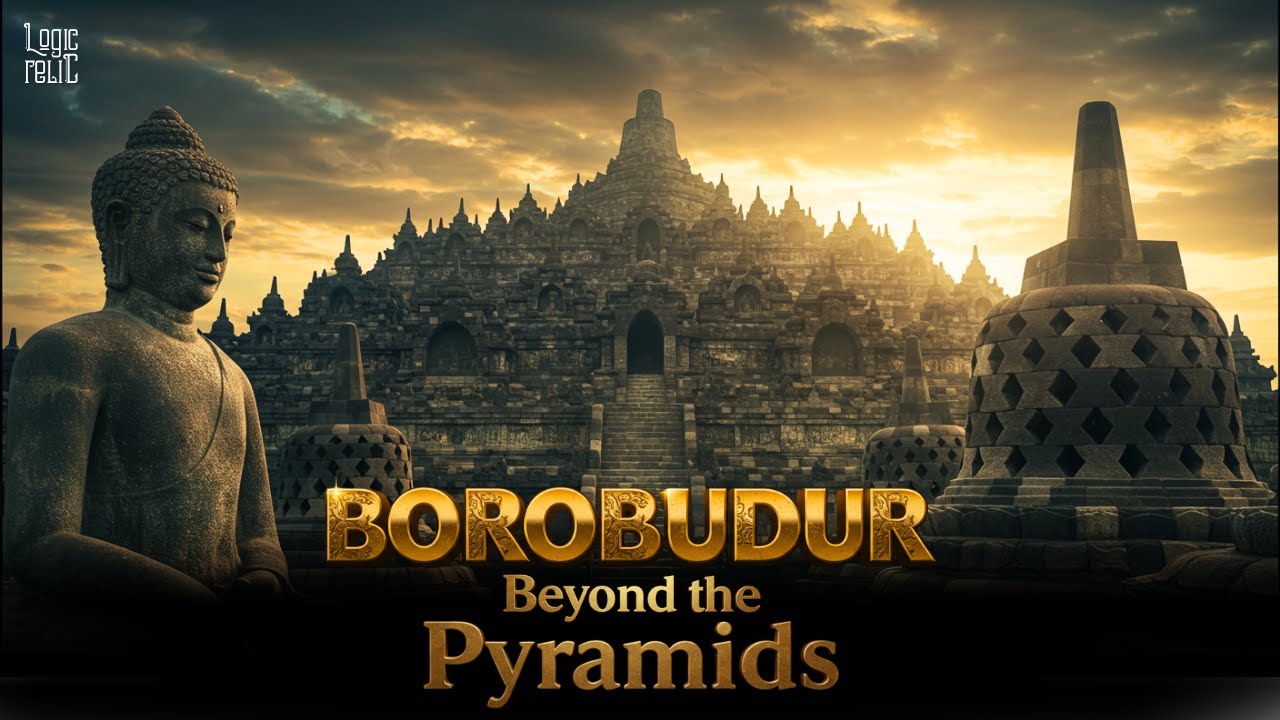
Discover the untold mysteries of Borobudur Temple, the world’s largest Buddhist monument, shrouded in secrets for centuries. In this video, we explore the enigmatic origins, the hidden levels, astrological alignments, and the mysterious disappearance of Buddha statues’ faces. Was Borobudur designed as a spiritual map to enlightenment or does it hide even deeper secrets? Dive into the ancient history, spiritual significance, and unanswered questions surrounding this majestic structur
 
Last edited:

BarcelonaAtlantis

Moderator
Staff member

2026: El Año Que 5 Civilizaciones Predijeron Sin Conocerse Kalki en India. Quetzalcóatl en México. Viracocha en Perú. El Rey Arturo en Bretaña. Baldur en Escandinavia. Cinco figuras divinas. Cinco continentes. Cero contacto entre ellas. Y sin embargo... todas prometieron volver. Todas señalan el mismo período. ¿Coincidencia? ¿Memoria ancestral compartida? ¿O algo que nuestros ancestros sabían y nosotros hemos olvidado? En este video exploramos el patrón más inquietante de la mitología mundial: el arquetipo del "dios que parte y promete regresar". Desde los Puranas védicos hasta las sagas vikingas, desde las profecías mesoamericanas hasta las leyendas artúricas.
Naachtun is the last city of the Maya golden age. We know little about it and archaeologists have started excavation just a few years ago. Isolated in the middle of the tropical forest of Guatemala, the researchers are trying to understand how it can have survived for almost 200 years after the collapse of the Mayan civilization in surrounding cities, and in doing so, to shed new light on the history of this people. Using ambitious resources, including 4K HD cameras, drones, and cutting-edge graphics, the result is an exciting adventure combined with an in-depth scientific study. This documentary promises the account of an epic saga


Around 100 CE, a huge metropolis began to emerge in the Basin of Mexico, one the Aztecs would later call Teotihuacan, or “Birthplace of the Gods.” It quickly came to dominate the region, and, with its completely new urban grid-plan, contained as many as 150,000 people. Its two gigantic buildings, the Pyramids of the Sun and the Moon, were surrounded by smaller temples, plazas, and a thousand or more apartment compounds. They were all once richly painted in dazzling colors and complex designs depicting twisting feathered serpents, prowling jaguars, storm gods and water goddesses, priests, warriors, and lords. But its history has long been a mystery, and we are only now beginning to understand its importance and impact on ancient Mesoamerica.

In this profound interview, Emilio Ortiz sits down with Sara Landon to explore a powerful message emerging at this pivotal moment in human history: we have crossed a threshold. Through a direct transmission from The Council, Sara reveals the 11 spiritual roles now activating across the planet — roles that are not abstract concepts, but living archetypes shaping our collective future. This episode invites you to reflect deeply on who you are becoming, why you feel called to step up now, and how your unique role contributes to what comes next for humanity. Together, Emilio and Sara unpack how these roles are already expressing themselves in everyday life, why many people are feeling an inner urgency or identity shift, and how recognizing your role can bring clarity, purpose, and grounded empowerment during times of global change. Rather than fear-based predictions, this conversation offers perspective, reassurance, and agency — reminding us that the future is not something that simply happens to us, but something we actively co-create through consciousness, choice, and embodiment. If you’ve been sensing that something has changed — and that you’re meant to be part of it — this episode will speak directly to you. Sara Landon is a globally respected spiritual teacher, channel, and author known for her clear, grounded, and heart-centered transmissions. She serves as a conscious channel for The Council, a collective of ascended master beings who offer guidance focused on empowerment, sovereignty, and humanity’s evolutionary potential.

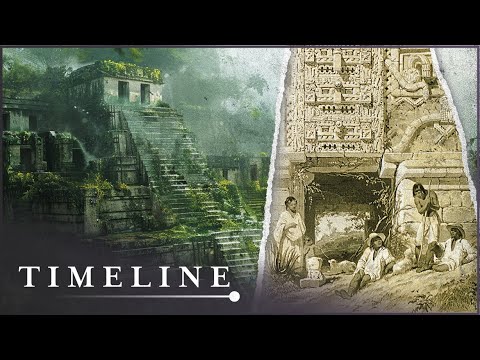
Delve into the incredible story of John Lloyd Stevens and Frederick Catherwood, two amateur explorers who, in the 1840s, embarked on a perilous journey into the jungles of Central America. Driven by curiosity, they sought to verify rumors of ancient ruins. Their groundbreaking discovery of over 40 Mayan cities proved that a sophisticated, indigenous(hmm you sure about that???) civilization had once thrived in the Americas, forever changing the historical record. Do you love uncovering the past, exploring historic sites, and venturing to distant lands? Join History Hit today and stream hundreds of exclusive documentaries, with new releases every week. Plus, enjoy ad-free access to our podcast network for even more history every week

In recent years, the collaborative efforts of both archaeology and epigraphy have significantly contributed to our evolving understanding of the intricate tapestry that is Maya civilization. The fascinating study of hieroglyphic writing, known as epigraphy, in tandem with the meticulous excavations conducted by archaeologists, has begun to illuminate the enigmatic trajectory that the Maya civilization embarked upon. Specifically, these combined disciplines are unraveling the perplexing puzzle that surrounds the profound crisis responsible for the eventual culmination of the illustrious Classic Period, a pivotal epoch in Maya history, during the ninth century CE. Dr. Simon Martin will navigate us through the labyrinthine corridors of discovery, unveiling the very latest advancements that have emerged on the horizon of archaeological and epigraphic research. As we delve deeper into this enthralling narrative, it becomes abundantly clear that the once-obscure recesses of Maya civilization are yielding their secrets to the relentless pursuit of knowledge. Simon Martin, Ph.D., Associate Curator in the American Section, is a political anthropologist and specialist in Maya hieroglyphic writing. He has appeared in a number of television programs, including “Cracking the Maya Code” for NOVA/PBS and “Lost Treasures of the Snake Kings” for the National Geographic Channel.

LiDAR coverage of a large contiguous area within the Mirador-Calakmul Karst Basin (MCKB) of northern Guatemala has identified a unique concentration of Preclassic Maya sites, consisting of 964 sites that form 417 ancient cities, towns, and villages. The larger monumental centers are joined by 177 km of Preclassic causeways forming what is believed to be the first superhighway system in the world. Massive cities with monumental architecture flourished in the area thanks to a heavy focus on chinampa and terrace agricultural systems, and forming what must have been a powerful political and economic state system.

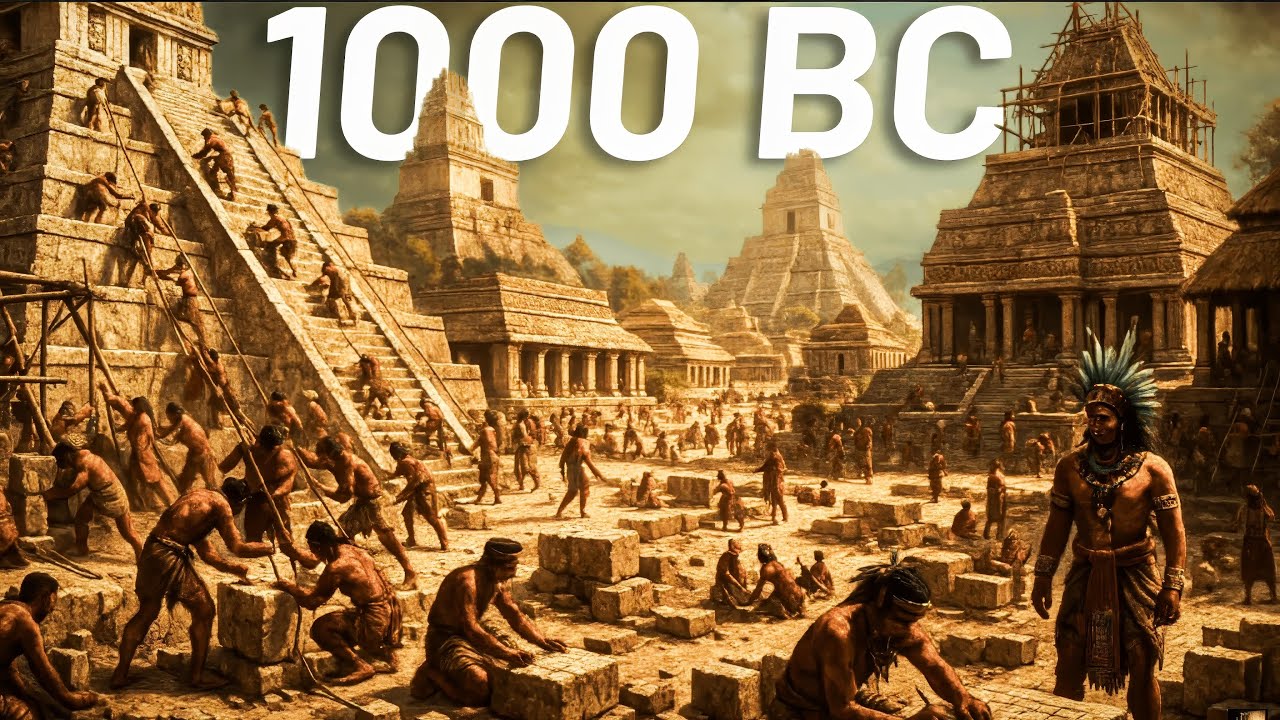
Dr. Simon Martin, Associate Curator, American Section, Penn Museum. By at least 1000 BCE the ancient Maya were building massive temple platforms in the midst of dispersed settlements, an approach to urbanism that persisted for almost two millennia. The low density of these settlements was uniquely suited to their rainforest environment, based on an “agro-urban” system in which foodstuffs and other important crops were produced within the heart of the city, right up to the edge of palaces and ceremonial plazas. Major questions remain about how this system came about and functioned through time. Dr. Simon Martin’s takes us on a tour of the jungle cities, exploring the origins, operation, and ultimate collapse of one of the world’s most sophisticated tropical civilizations.

A good few years ago, the ancient Mayans were thought to be a mysterious and peaceful people governed by astronomer-priests. But in 1965, Russian linguist Yuri Knorosov cracked the phonetic code of Mayan hieroglyphic writing in the confinements of his bustling Leningrad study. Today, researchers reveal stories of Mayan blood sacrifices as they uncover a world so foreign as to defy our understanding of it. From excavations deep in the jungles of Honduras to the most recent interpretations of hieroglyphic messages, researchers are unraveling the fascinating story of the rise and fall of the Mayans.
 
Last edited:

BarcelonaAtlantis

Moderator
Staff member
What secrets are hidden in the bones of Copán, one of the most powerful cities of the ancient Maya world? 🏛️ For centuries, archaeologists have studied its silent ruins in the highlands of Honduras, piecing together a history of mysterious kings, grand temples, and a sudden, dramatic collapse. Now, cutting-edge ancient DNA analysis is rewriting the story of this enigmatic civilization.

Join us as we journey deep into the past to uncover the genetic history of Copán. We’ll explore how a small farming village transformed into a sprawling metropolis ruled by a dynasty founded by a mysterious outsider, K’inich Yax K’uk’ Mo’. Was he really from a distant Maya capital like Tikal? Science is finally giving us answers.

This documentary explores groundbreaking research that reveals:
🧬 The People of Copán: We look at the DNA of individuals from across Copán's society—from a powerful ruler buried in a royal tomb to a sacrificial victim—to understand the city's complex social fabric.

🔗 A Web of Connections: While deeply rooted in local Maya ancestry for over 9,000 years, the people of Copán were also part of a wider world. Genetic evidence shows a surprising but small connection to the highlands of Mexico, a link that would grow dramatically in later Maya cities like Chichén Itzá.

📉 The Scars of Collapse: Genetic data reveals a clear story of population boom and bust. For centuries, the Maya population grew steadily, fueled by agriculture and trade. Then, around 1,200 years ago, the genetic record shows a sharp decline, mirroring the archaeological evidence of drought, warfare, and the collapse of Classic Maya civilization.

From the founding of a dynasty to its ultimate fall, the DNA of Copán's people tells a story of migration, continuity, and resilience.

Around 6,000 years ago, a group of humans lived high in the Colombian Andes. They hunted, gathered, buried their dead — and then disappeared so completely that their DNA does not survive in any living population today. For decades, scientists believed the peopling of the Americas followed a relatively simple path: one main migration, followed by regional diversification. But recent ancient DNA evidence has revealed a far more complex story. In this video, we explore a groundbreaking genetic study of ancient human remains from the Bogotá Altiplano, which uncovered a previously unknown population of early hunter-gatherers. Genetic analysis shows this group was not directly ancestral to modern Indigenous populations of the Americas and was later fully replaced by incoming peoples linked to ceramic-using cultures from Central America. Using cutting-edge DNA techniques, researchers reconstructed a lost branch of the human family tree — one that split early, remained isolated, and ultimately vanished without leaving genetic descendants. This discovery challenges long-held assumptions about early migration, survival, and replacement in the ancient Americas, and shows how DNA is reshaping our understanding of human history.


Because the Basques are the real americans and real vikings.

In 2010, geneticists in Iceland made a discovery that shattered everything we thought we knew about Viking contact with North America. Hidden in the DNA of living Icelanders, they found genetic proof that Vikings didn't just visit the New World—they brought Native American women back across the Atlantic Ocean. This is the story the genetic evidence reveals, and the disturbing questions it raises about what really happened a thousand years ago. In this video, you'll discover the C1 haplogroup evidence that proves Viking-indigenous contact, the molecular clock analysis that dates it to exactly 1000 AD, and the unanswered questions about R1 haplogroup claims in northeastern tribes. We examine what the genetics can tell us, what remains speculation, and what may never be known about the Native American woman whose descendants still walk the streets of Reykjavik today.


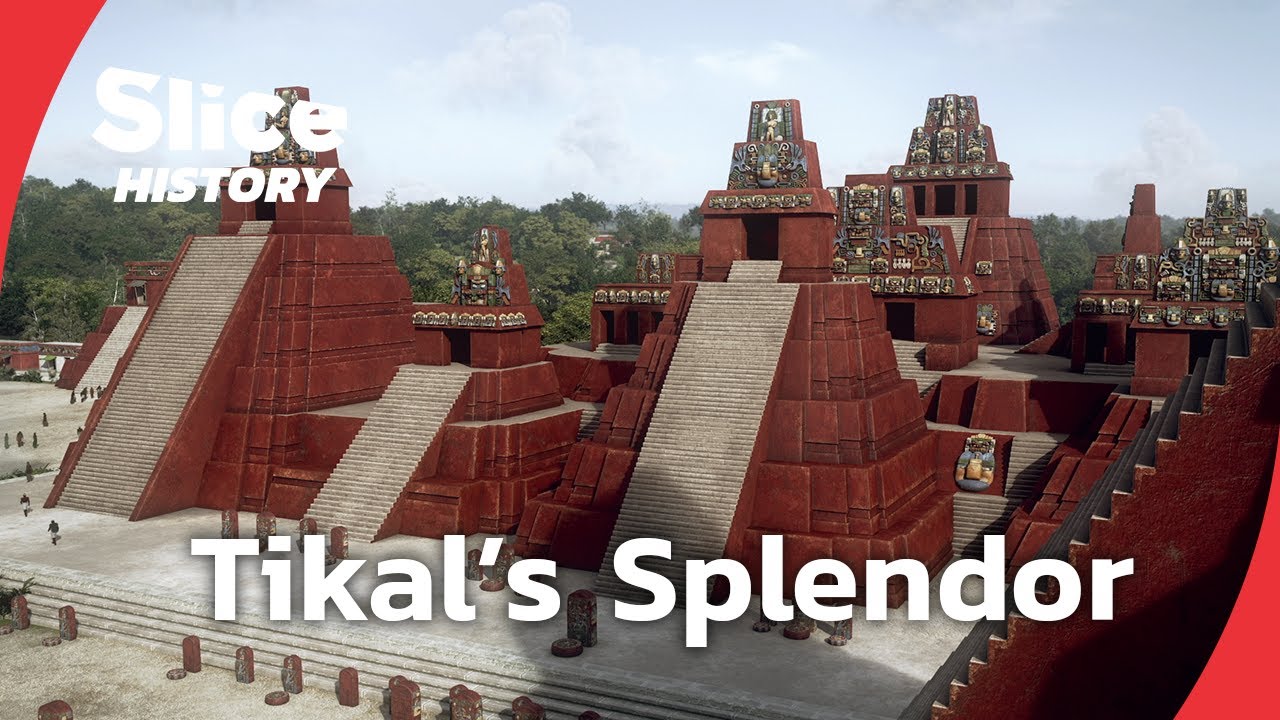
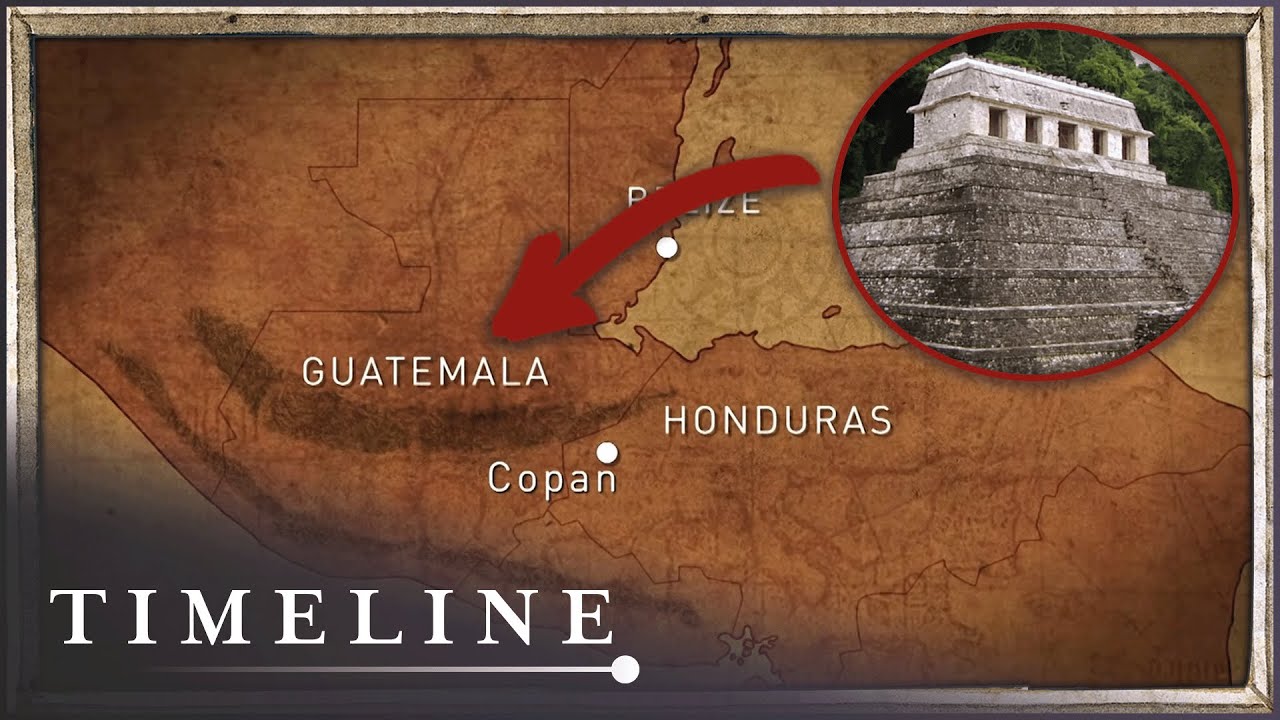
The Maya civilization is one of the most fascinating and mysterious ancient cultures in human history. Flourishing in Mesoamerica for thousands of years, the Maya built impressive cities, developed advanced writing systems, and made groundbreaking achievements in astronomy, mathematics, and architecture. Their civilization, which peaked between 250 and 900 AD during the Classic Period, spanned present-day Mexico, Guatemala, Belize, Honduras, and El Salvador. The Maya left behind towering pyramids, intricate hieroglyphic inscriptions, and an enigmatic legacy that continues to intrigue historians, archaeologists, and researchers worldwide. Yet, despite their incredible advancements, the great Maya cities eventually fell into decline, leading to one of history’s most debated collapses. The origins of the Maya trace back to as early as 2000 BC when they established agricultural settlements in the tropical lowlands of Mesoamerica. As their society evolved, they developed complex city-states, each ruled by a king and governed by a hierarchical social structure. The Maya were master builders, constructing elaborate cities such as Tikal, Palenque, Copán, and Chichén Itzá. These cities featured grand temples, palaces, observatories, and ceremonial plazas, reflecting their deep religious beliefs and sophisticated understanding of the cosmos. The Maya used advanced engineering techniques to create vast reservoirs and irrigation systems, allowing them to thrive in regions with seasonal droughts. One of the most remarkable aspects of Maya civilization was their writing system, the most sophisticated in pre-Columbian America. The Maya developed a script composed of hundreds of glyphs, representing sounds, words, and concepts. They recorded their history, mythology, and astronomical observations on stone monuments, ceramics, and codices. Unfortunately, many of these codices were destroyed by Spanish conquerors in the 16th century, leaving only a few surviving examples, such as the Dresden Codex. Their knowledge of astronomy was equally impressive, allowing them to create highly accurate calendars. The Maya Long Count calendar, which famously ended a major cycle in 2012, sparked widespread interest and speculation about their understanding of time and cosmic cycles. Maya society was deeply rooted in religion, with a pantheon of gods governing aspects of life, nature, and the underworld. Rituals, ceremonies, and human sacrifices played a central role in their spiritual practices. Priests, who held immense power, performed complex ceremonies to honor deities and ensure the balance of the universe. The Maya believed in an intricate afterlife, with the soul journeying through different realms. Their mythology, preserved in texts like the Popol Vuh, recounts epic tales of creation, gods, and legendary hero twins who shaped the cosmos. Despite their cultural and scientific achievements, the Maya civilization experienced a dramatic decline. Around the 9th century, many major cities in the southern lowlands were abandoned. Scholars have proposed multiple theories to explain this collapse, including prolonged droughts, overpopulation, warfare, environmental degradation, and political instability. Some researchers believe that climate change played a crucial role, with extended droughts leading to food shortages and social unrest. Others suggest that internal conflicts, coupled with increasing pressure from rival city-states, weakened the Maya’s ability to sustain their vast civilization. However, the Maya civilization did not entirely vanish. Northern cities such as Chichén Itzá and Uxmal continued to flourish for several centuries, and the Maya people persisted through the Spanish conquest in the 16th century. Today, millions of descendants of the ancient Maya still inhabit parts of Mexico, Guatemala, and Belize, preserving their language, traditions, and cultural heritage. Archaeologists continue to uncover new findings, revealing deeper insights into the complexity and resilience of this extraordinary civilization. The legacy of the Maya remains alive in their magnificent ruins, intricate carvings, and the enduring influence of their knowledge and traditions on modern society.
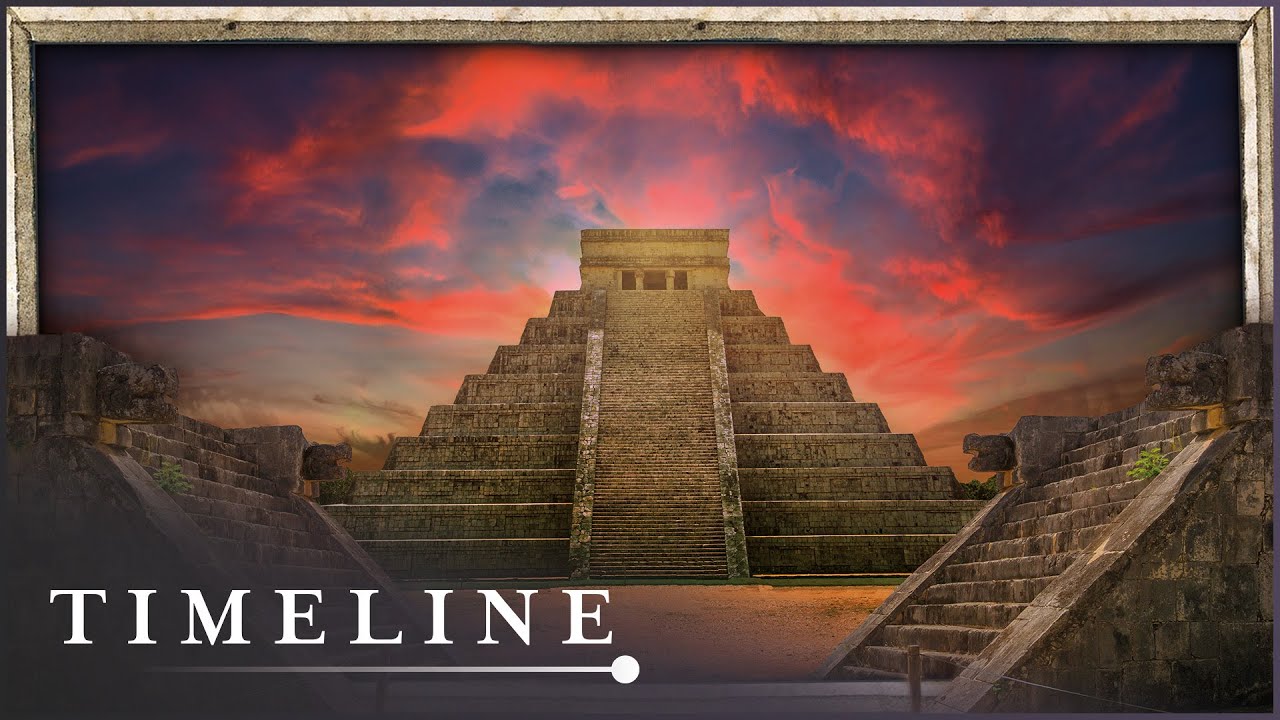
Life 1,200 Years Ago | How did the Maya build impossible pyramids? In 1998, when acoustic engineer David Lubman clapped his hands near the Temple of Kukulkan at Chichen Itza, the massive stone pyramid responded with the exact call of a sacred quetzal bird—revealing acoustic precision that would challenge modern architects. This wasn't a coincidence. It was precision engineering that required calculating stone densities, spacing, and angles to create specific sound effects during ceremonial activities. Explore the Mayan civilization and the ancient acoustics of Chichen Itza, where the temple of Kukulkan mimics the call of the Quetzal bird. This ancient site shows incredible ancient architecture and demonstrates how the Maya people integrated sound into their sacred spaces.

Travel to Central America to discover how new evidence unearthed in Mexico’s Yucutan is transforming long held ideas about the growth of the Maya civilization

Dive into the world of the Maya civilization, thriving between 250-900 CE. Marvel at their cities and advances in various sciences, juxtaposed with dark rituals and warfare. By 900 CE, these cities were abandoned. Discover with archaeologists what led to the Maya's mysterious decline in Central America's jungles.
 
Last edited:

BarcelonaAtlantis

Moderator
Staff member
The Mayan civilization has deep roots in Mexico, but how did a once great civilization completely disappear? In today's episode, we embark on a thrilling journey through time to uncover the mysterious rise and fall of the mighty Mayan empire.

More than 2000 years ago the Maya built gigantic cities in the middle of the jungle of Central America. They were brilliant inventors and set standards in writing, mathematics and astronomy. Their calendar is still considered a mathematical masterpiece today. But why did the Maya suddenly go down? This full history documentary tells the story of this unique advanced civilization.
Iran=Aryans land real Aryans the Basques.

This christian woman smelled the coffee..
3254928014815585473 (5).jpg
 
Last edited:

BarcelonaAtlantis

Moderator
Staff member

You get salvation believing the opposite of what they forced you to believe. They hate you they want you dead and they know you are doomed believing their lies.

Stay curious.

Hidden by dense undergrowth, the true size of ancient Mayan cities has been poorly understood up until now. Join a group of scientists and archaeologists at the cutting edge of the field as they reveal the true size of these ancient mega-cities.

If you want to be saved open your mind(its key to have your spiritual awakening) because you believe doomed impostors.


"25 Forgotten Temples of the Ancient Maya"—a journey through ruins lost for centuries, brimming with secrets and wonder. Here’s what awaits you:

🌿 Discover ancient pyramids like El Mirador's La Danta, dwarfing Egyptian wonders with its colossal mass.
🔍 Decode captivating temple murals and glyphs at San Bartolo and Bonampak, revealing lost dynasties and sacred rituals.
✨ Reveal hidden royal tombs, jade death masks, and the evolution of Maya astronomy at Calakmul, Xultún, and Palenque.
🌌 Unravel Maya cosmology through observatories and celestial alignments at Nakum and Dzibilchaltún.
🛡️ Dive into stories of warfare, diplomacy, and abandoned cities—uncovering the reasons behind the temples’ mysterious silence.
🛠️ Explore extraordinary Maya engineering, from soaring corbel arches to acoustic marvels and climate-defying mortar.
💫 Witness the ongoing adventure of modern rediscovery, from intrepid explorers to cutting-edge LiDAR technology.

Stay with us till the end and let us know which temple's story captivates you most—subscribe for more ancient mysteries unveiled!

Manipulated religion.
15215663498134828598 (2).jpg

Located in the southern Indian state of Tamil Nadu, 70 kilometers from the state capital of Chennai, Kanchipuram was already a famous center of learning for Buddhism and Jainism in the first centuries of our era. One of the seven Tirthas, or holy pilgrimage sites for nearly a billion Hindus, it contains hundreds of temples large and small, dedicated to the various Hindu gods, but mostly to Vishnu and Shiva. Between the 6th and the 9th century AD, Kanchipuram was the capital of the powerful Pallava kingdom, a dynasty of probably Persian origin that ruled over much of South India and held commercial contacts with ancient Rome, China and Persia. Successive generations of Pallava, Chola and Vijayanagara kings endowed Kanchipuram with magnificent temples: These would become the prototype for South Indian Dravidian architecture, culminating with the colossal Brihadeshwara temple in Thanjavur, nearly three hundred years later. Two temples in particular stand out among the greatest masterpieces of Pallava architecture in Kanchipuram, the Kailasanatha temple, built in 700 AD, and the Vaikunta Perumal temple, built in 740 AD as a dynastic monument to celebrate the glory of the Pallava dynasty. The construction of these two temples is significant from an architectural point of view for it marks the transition during the 8th century AD from cave temples and rock-cut architecture, as seen in Mahabalipuram, to the first true examples of free-standing structural temples in South India.

The Mayan civilization has baffled historians for centuries with its unprecedented prowess in math, astronomy, and engineering. All that was left of the Maya seemed to be the ruins of giant pyramids, but the most recent discoveries from archaeological excavations reveal much more: lost citadels of Tikal in the Guatemalan jungle; a sacred cenote, or rock-sided sinkhole at Chichén Itzá on the north Yucatán Peninsula; and an underground network of tunnels discovered at Teotihuacan, northeast of Mexico City.

Hallan tumba prehispánica en la comunidad de Huitzo, Oaxaca, este es uno de los hallazgos más relevantes de las últimas décadas por su nivel de conservación y por la información que aporta. Su antigüedad se estima corresponde al año 600 de nuestra era, realizada por zapotecos como un ritual o veneración a sus ancestros

The envied Basques/Atlanteans.
The wonders of the slandered Lucifer/Satan stolen worldwide empire.

The whole world supported the dragon/Lucifer/Satan(to this day China,etc worship the dragon/Lucifer) until the doomed impostors of christianity invaded and stole Lucifer's realm and creation.


Uncover the truth behind El Dorado, the legendary City of Gold that has captivated explorers for centuries. Journey through South America as we investigate three major theories about its location: the hidden Incan treasure in Peru's jungles, the vanished Lake Parima in Venezuela, and the sacred Muisca ceremonies at Colombia's Lake Guatavita. Follow French adventurer Thierry Jamin's modern expedition using satellite technology, archaeologist José Miguel Pérez-Gómez's groundbreaking research, and discover how the myth transformed from a golden king to a lost city. Learn how the Spanish conquistadors' quest for riches led to the fall of the Inca Empire and created one of history's most enduring legends. Featuring expert analysis, historical reconstructions, and new archaeological evidence that challenges everything we thought we knew about El Dorado.

How did hundreds of millions of people move through cities, work in factories, trade across continents, and live in architecturally identical buildings without the communication technology we're told was necessary? From the canal networks of Europe to the railway systems of Asia, from the street grids of American cities to the gas distribution systems appearing simultaneously worldwide, the physical infrastructure reveals coordination on a scale that official history cannot explain. As I examined municipal records, engineering journals, and the buildings themselves, a disturbing pattern emerged: the systems were too sophisticated, appeared too suddenly, and operated with an expertise that suggests inheritance rather than invention. These weren't primitive developments or gradual improvements—they were mature networks deployed across continents within decades, all following identical principles, all requiring knowledge that has since been systematically forgotten. This investigation explores daily life in the world we call Tartarian—the movement systems that connected continents, the technologies that powered cities, the organizational structures that coordinated global commerce, and the architectural evidence still standing in every old city. The deeper we examine the coordination problem, the infrastructure that remains, and the knowledge that disappeared, the more difficult it becomes to accept the official narrative of isolated development rather than inherited systems deliberately obscured.
 
Last edited:

BarcelonaAtlantis

Moderator
Staff member
Hidden within the vast jungles of Cambodia lies a forgotten city of stone, power, and mystery — Angkor Thom, the last and greatest capital of the ancient Khmer Empire. While Angkor Wat often steals global fame, it is Angkor Thom that tells the deeper story of survival, ambition, and spiritual devotion. In 1177 CE, the Khmer Empire faced devastation when the invading Chams launched a surprise attack, capturing the capital and exposing the empire's vulnerability. But from the ashes of defeat, one of history's most remarkable kings emerged — Jayavarman VII. After reclaiming his kingdom and defeating the Chams, Jayavarman VII began building a city like no other: Angkor Thom, meaning “The Great City.” This was not merely a fortified capital but a cosmic masterpiece — a city that fused military strength, royal authority, religious symbolism, and the resilience of the Khmer people. Encircled by a massive moat and towering 8-meter-high walls, Angkor Thom spans 9 square kilometers, with five monumental gates, each crowned with the enigmatic faces believed to represent either Avalokiteshvara, the Buddhist bodhisattva of compassion, or Jayavarman VII himself. The gates — the South Gate, North Gate, West Gate, East Gate (Gate of the Dead), and Victory Gate — weren’t just for defense; they embodied cosmic balance and practical access, controlling the flow of soldiers, traders, and commoners. At the heart of Angkor Thom stands the mysterious Bayon Temple, its 54 towers adorned with 216 giant smiling faces, watching over the city in every direction. Unlike the Hindu-inspired Angkor Wat, Bayon reflects Jayavarman VII's devotion to Mahayana Buddhism, blending spiritual power with earthly authority. But Angkor Thom holds more than temples: The Terrace of the Elephants, where kings reviewed military parades and grand ceremonies, symbolizing royal power. The Terrace of the Leper King, shrouded in mystery, believed by some to depict Yama, the god of death, while local legends speak of a cursed king afflicted with leprosy — or a ruler bound to sleep with a serpent spirit, a naga goddess, to safeguard the empire's fate. The ancient Baphuon Temple, predating Angkor Thom, was integrated into the city, representing Mount Meru, the cosmic center of the universe in Hindu-Buddhist belief. While the city walls enclosed the royal palace, temples, and elite quarters, life outside flourished. Markets, workshops, rice fields, and bustling suburbs housed thousands of commoners, farmers, and traders. During religious festivals or grand ceremonies, commoners could enter the gates, pray at Bayon from a respectful distance, and witness the empire's grandeur. Angkor Thom wasn’t just a city — it was a symbol of Khmer pride, military victory, cosmic order, and spiritual power, rising from the shadows of defeat to become one of Southeast Asia’s most remarkable ancient wonders.


Thanks to new technologies, discover the ancient Maya city of Tikal, fully remodelled using 3D computer graphics. This amazing feat was possible thanks to recent on-site filming of the ruins together with tremendous postproduction work to create the 3D version of the ancient city and combine it with the filmed images. This successful experience brings the city out of the mists of a bygone era, revealing it in its full splendour.


Hidden away in the jungle of Guatemala, Tikal saw the light of day in the 8th century BC. Inhabited for over a thousand years, the ancient city would encompass up to 12,000 structures and 2 million inhabitants. It reveals its extraordinary temple-pyramids, made using sheer human strength. The North Acropolis, the Mundo Perdido astronomical observatory, the magnificent Temple of the Great Jaguar, and Temple IV, one of the tallest in all Mesoamerica, regain their colours of yesteryear and provide us with a unique testimonial of Maya art and ingenuity


Discover the incredible story of Adi Shankaracharya, believed to be an incarnation of Lord Shiva, who revived and unified Hinduism when it was on the verge of collapse. In this video, we explore how this young monk, in just 32 years, redefined Sanātana Dharma, established the four Mathas, introduced the philosophy of Advaita Vedanta, and brought spiritual unity to India. Learn how Hinduism became the world’s oldest surviving religion, overcoming challenges from sectarian conflicts, external invasions, and ideological shifts. Through profound wisdom, debates, and reforms, Adi Shankaracharya’s mission safeguarded the spiritual and cultural heritage of India.
 
Last edited:

BarcelonaAtlantis

Moderator
Staff member
Discover the mysterious revelations about the Land of Nod found in the Ethiopian Bible — one of the world’s oldest and most complete biblical canons. Why was this knowledge hidden? What secrets about early humanity, the lineage of Cain, and ancient civilizations does the Ge’ez scripture preserve that other versions do not? This video uncovers the forgotten stories, suppressed chapters, and the deeper spiritual meaning behind the Land of Nod. Prepare to explore ancient history, forbidden texts, and secrets long kept from the public.
 
Top