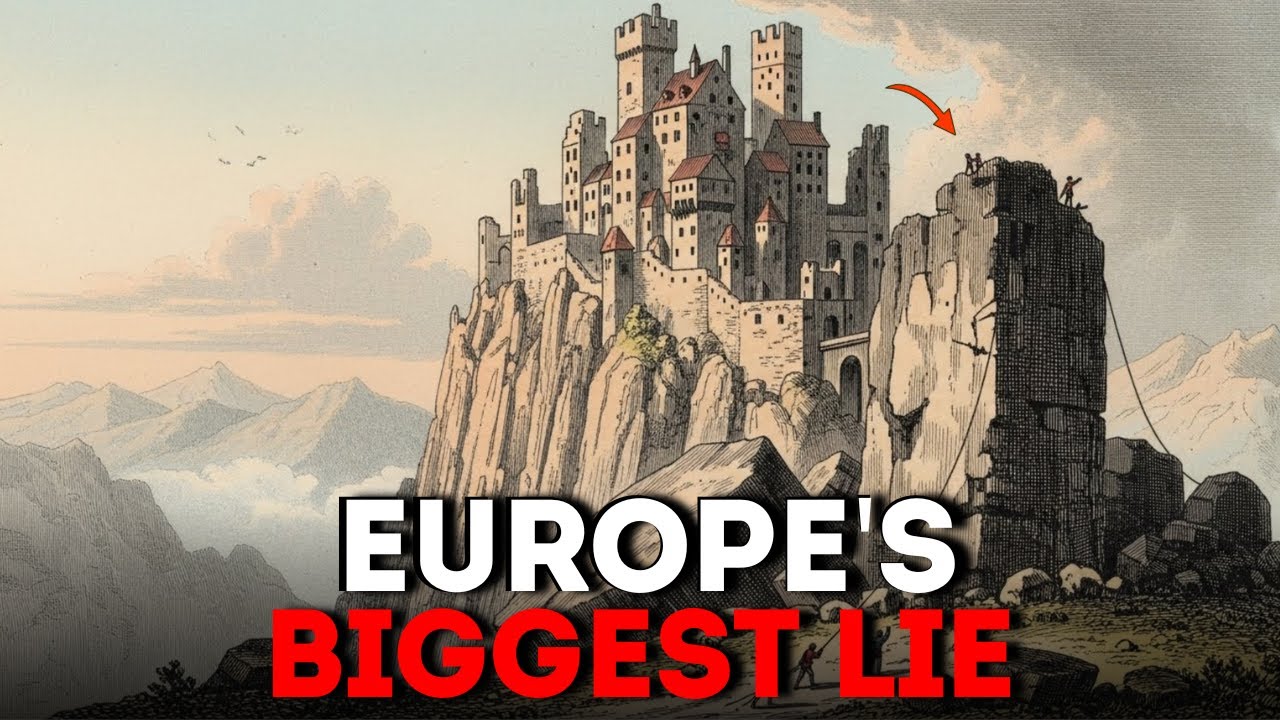
For this investigation, I’m looking at architectural credit before and after the early 1700s. In multiple European cities, records list major cathedrals, bridges, and municipal structures without clear attribution. Some projects simply have no surviving architect of record, while others were assigned names long after construction. What stands out is the pattern: the Old-World style seems to stop abruptly. Engineering scales drop. Stonework shifts. The signatures on civic projects transition from master builders to committees, and documentation becomes harder to verify. In some regions, foundations appear older than the recorded dates—and the original planners are never identified. This is not about conclusions. It’s about observing what disappears from the record: attribution, credit, and professional identity. Something in the early 1700s fractured continuity. I’m not claiming answers—just documenting what doesn’t add up
This project began with a simple curiosity — a story almost lost to time.
In the years between 1914 and 1948, vast numbers of church bells across Europe and Asia were collected, transported, and reportedly melted down to supply metal for the war effort. That was the official story.
But the deeper I looked, the stranger it became.
Records conflicted, shipments vanished, and photographs showed fields filled with bells that were never recast.
Many of these artifacts dated back centuries — their craftsmanship far beyond what industrial foundries could reproduce.
What began as a study of wartime logistics soon became something else entirely — a glimpse into a deliberate silence.
It seemed that through the noise of progress, an older resonance had been erased: the transformation of sacred sound into the machinery of destruction.
This film is an attempt to trace that silence — to ask what was lost when those bells stopped ringing, and what they may once have meant to the civilizations that forged them.
It is a journey through archives, memory, and myth — searching for the faint echo of a world that once believed sound could heal, protect, and connect life itself.
This documentary explores architectural and historical anomalies through alternative research perspectives.
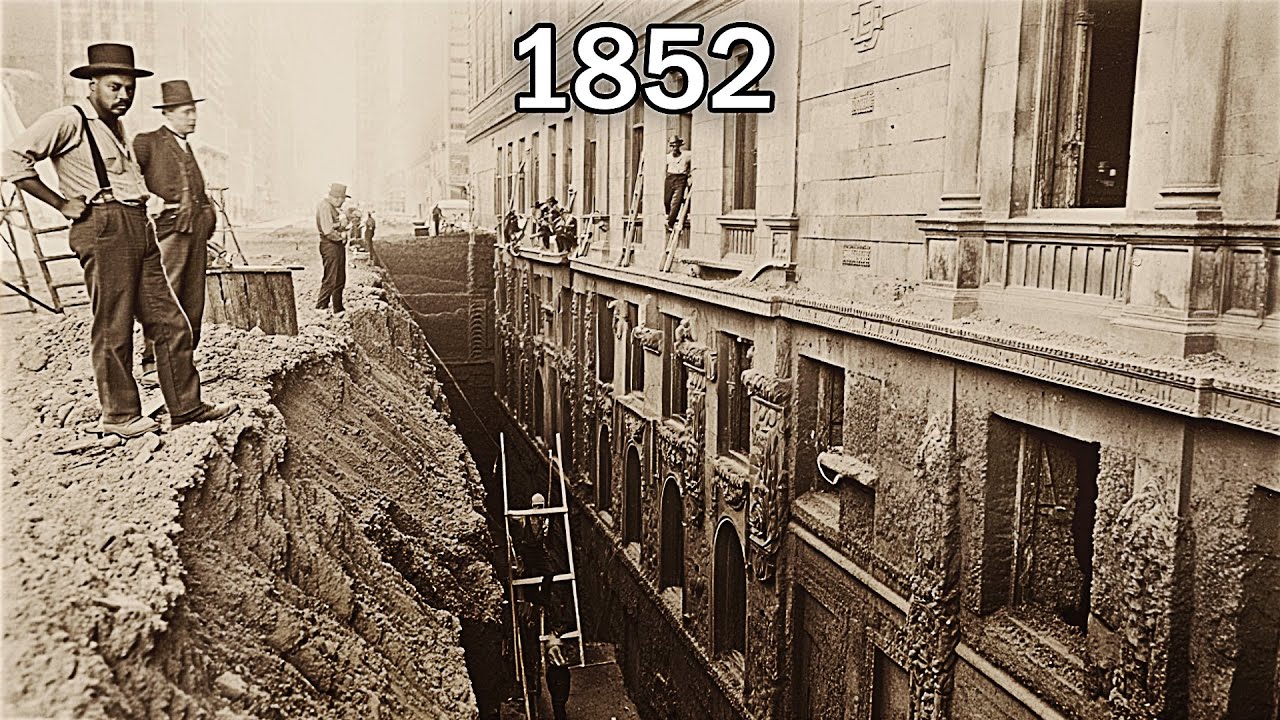
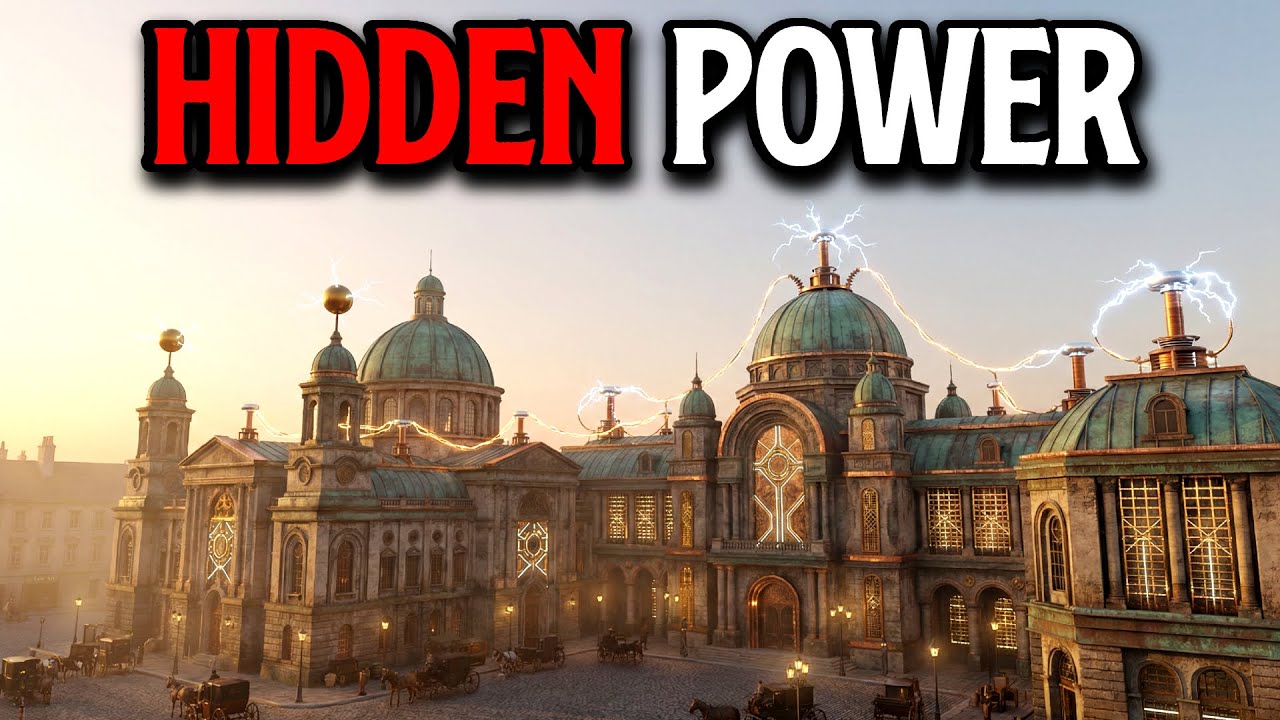
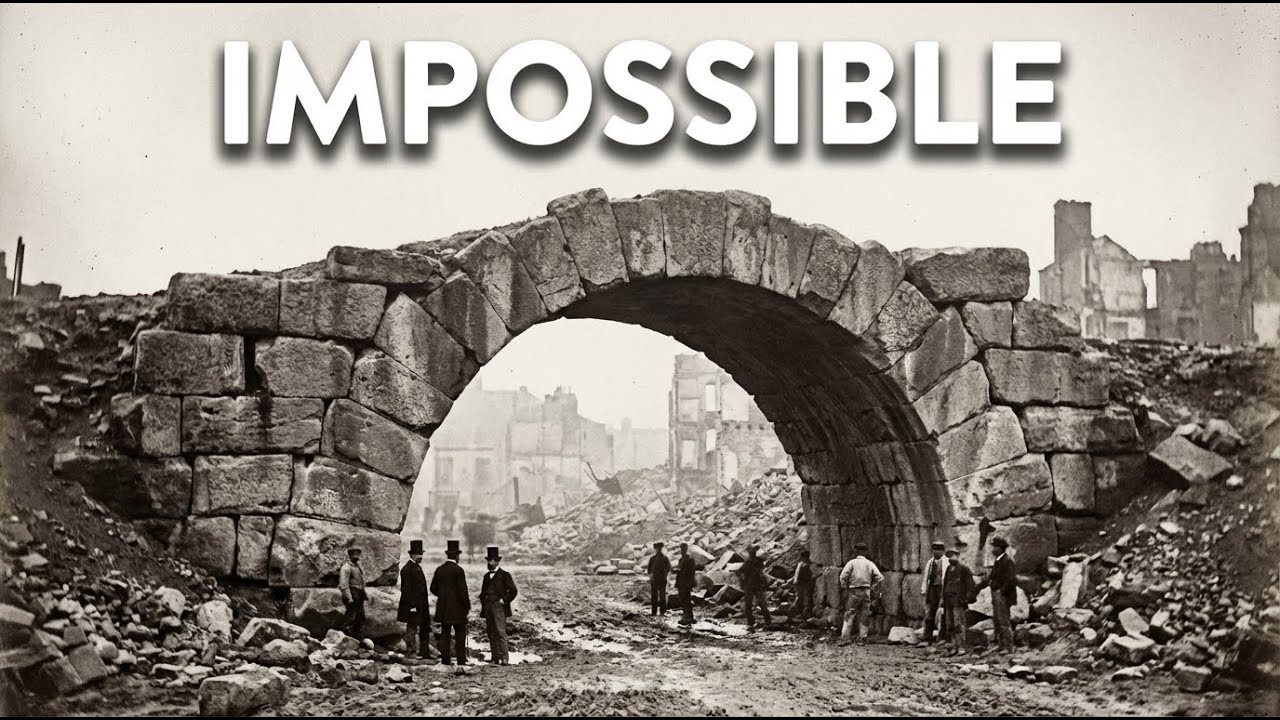
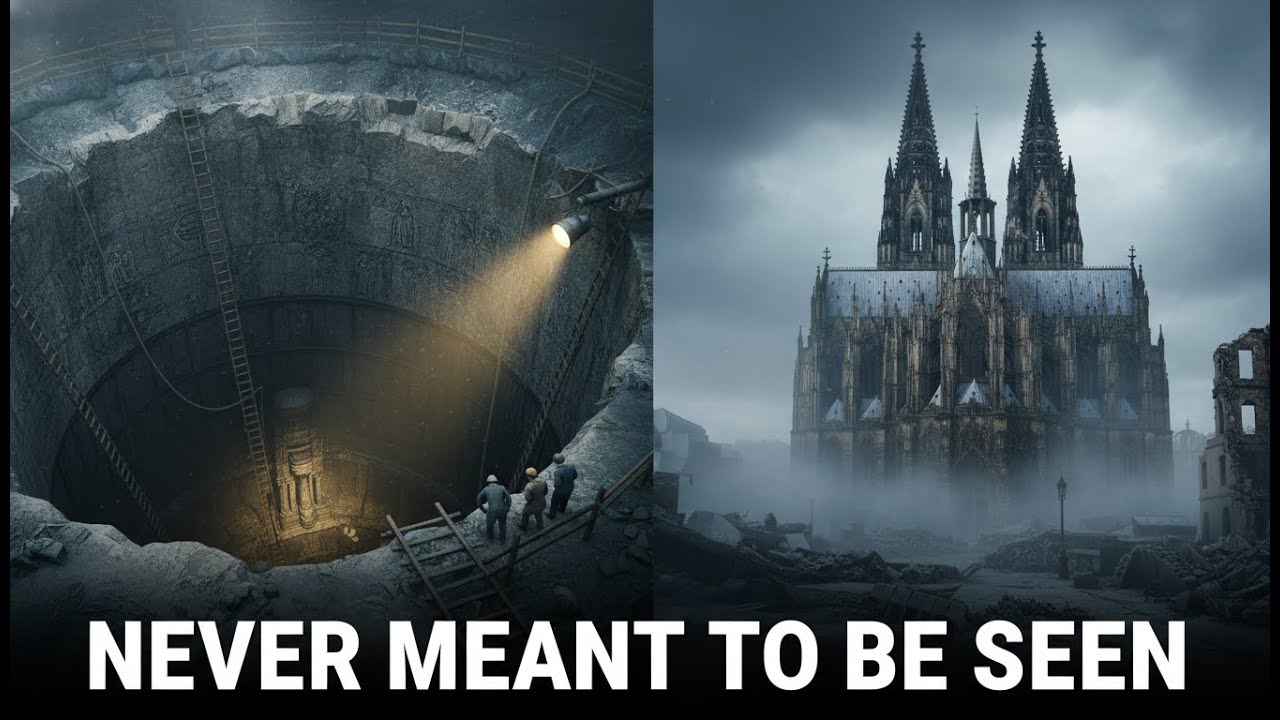
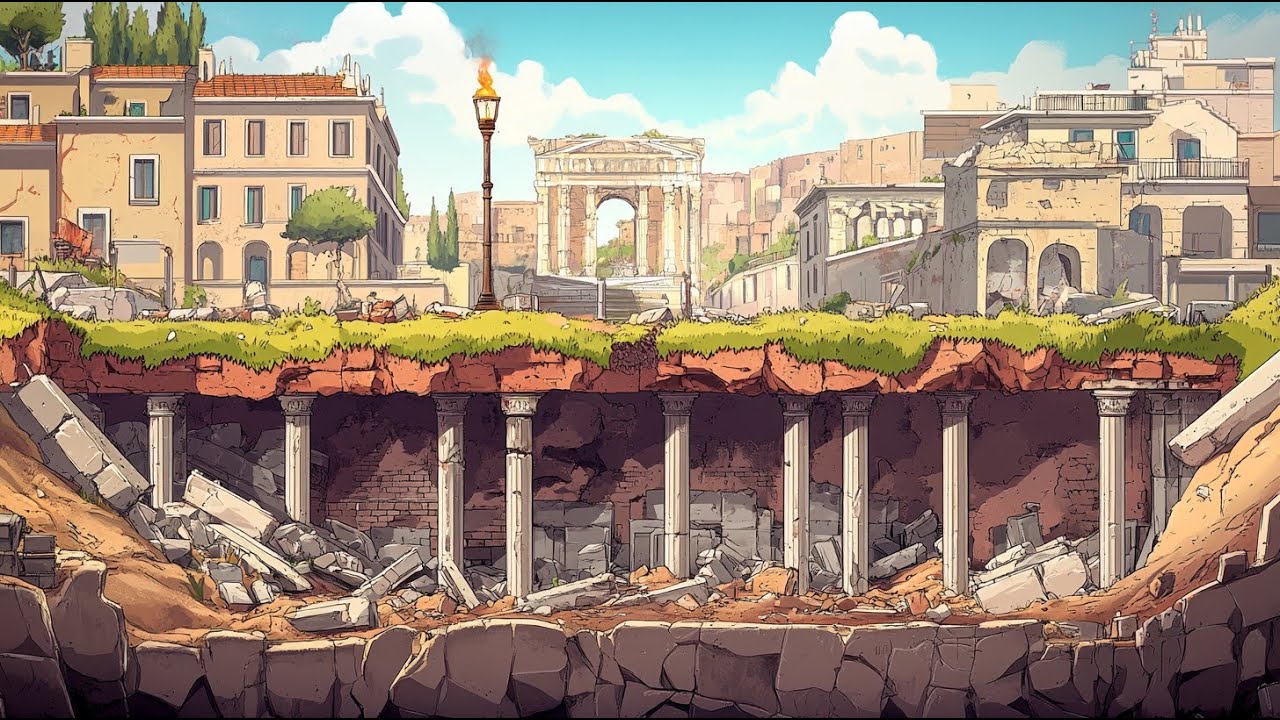
For decades, historians have repeated the same explanations for the buried cities of the 19th century — street raisings, drainage upgrades, urban improvements. But when you compare the records side by side, across multiple continents, a different story begins to surface. A story of entire architectural layers found beneath modern streets, foundations deeper than official timelines allow, and a silent global effort to remove, seal, or hide what older civilizations left behind. In this investigation, we revisit the forgotten evidence — the photographs, the engineering notes, the excavation logs — and uncover what many believe was part of a coordinated recovery: Operation Unearthing, the attempt to expose and conceal the last visible traces of what we now call the Tartarian world. Why were lower floors buried instead of restored? Why did cities across Europe and America dig downward at the exact same time? And why did the conversation suddenly stop once the buried architecture was exposed? This episode reveals the clues that survived — the patterns, the structures, and the anomalies that modern history still cannot fully explain. Join the investigation. The buried world isn’t gone. It’s just waiting to be seen. This documentary explores architectural and historical anomalies through alternative research perspectives.
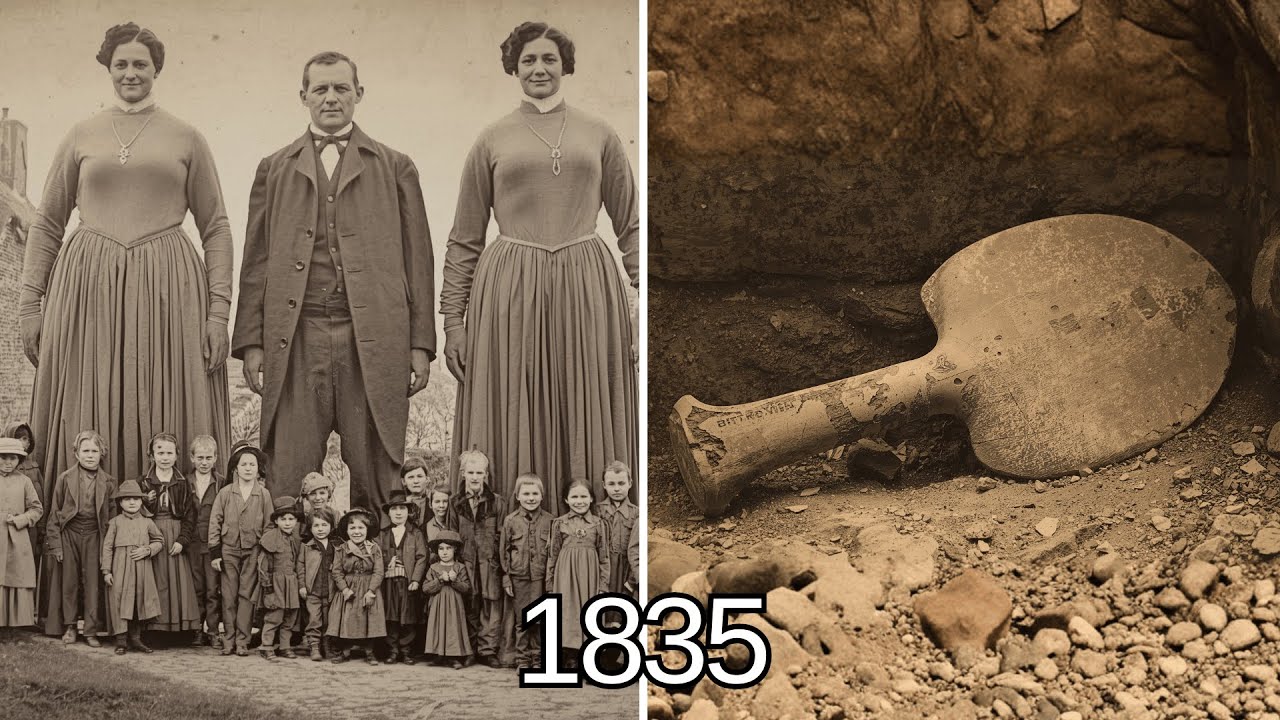
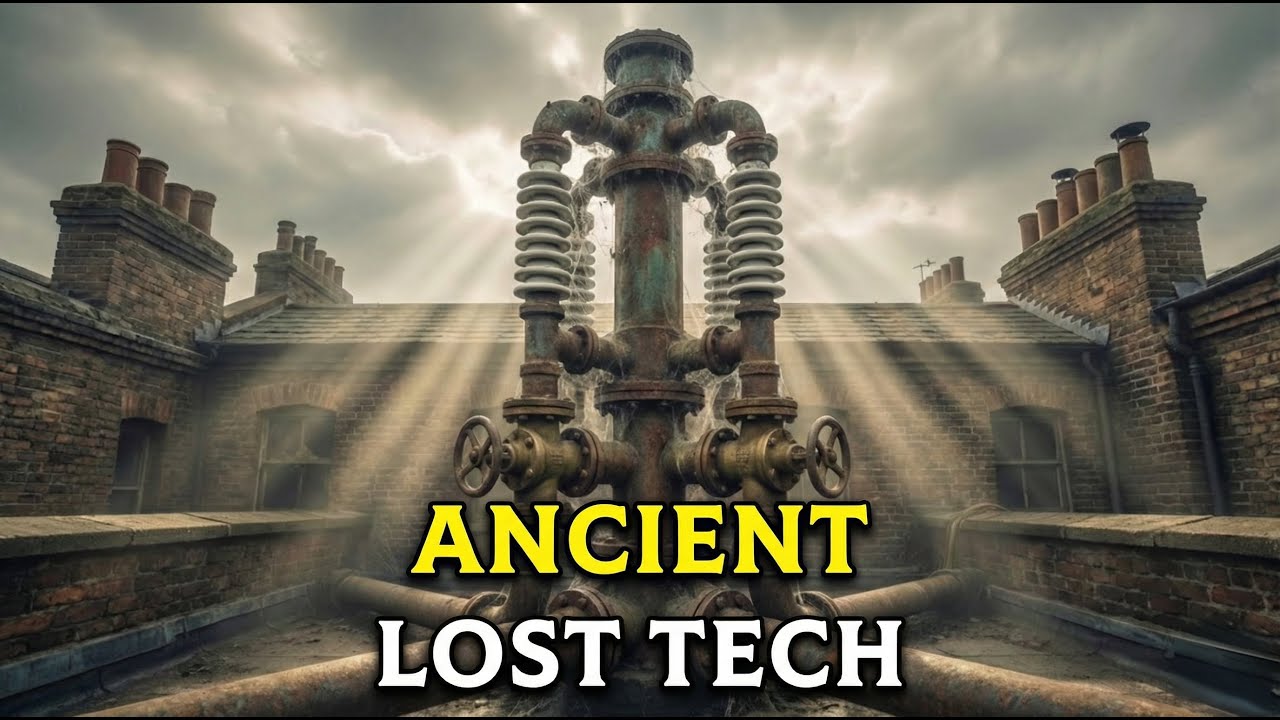
Operation Unearthing: The 1835 Aetheric Power Plants Beneath New York began as a routine debris removal operation following the Great Fire that devastated lower Manhattan's financial district in December 1835.
But what engineers uncovered beneath the burnt district did not align with recorded history, known industrial capabilities, or the official timeline of American technological development.
Geometrically perfect chambers lined with crystalline materials…
Spherical power cores machined with impossible precision…
Energy distribution networks embedded directly into stonework…
Metallic housings constructed from unidentifiable alloys…
And resonance amplification systems that appeared engineered for power generation far beyond steam or hydraulic capability.
Yet almost none of these discoveries appear in official reconstruction records.
In this documentary, we revisit forgotten salvage photographs, suppressed engineering notes, and fragmented recovery reports scattered across private collections — documents mislabeled, minimized, or quietly removed from municipal archives.
Why do underground power conduits remain perfectly aligned beneath buildings constructed decades apart?
Why do crystalline energy chambers appear in strata far older than New York's documented history?
Why were entire subterranean facilities filled in, sealed, and reclassified as "debris"?
And why do official reports consistently omit machinery that recovery photographs clearly reveal?
This is the investigation they never intended to be followed — a descent beneath America's first financial capital, into a hidden power generation network that suggests the city was built on top of a far older, far more advanced system of energy distribution.

In this investigation, I’m examining Tartarian train designs by comparing what they appear to require with the realities of 1800s workshop production. Rather than focusing on engines or routes, this video looks at manufacturing systems: tooling, tolerances, material consistency, alignment, and the ability to reproduce parts reliably at scale.
Most 19th-century workshops relied on hand fitting, limited machine tools, and localized craftsmanship. Standardized measurements, interchangeable components, and consistent quality control were still developing. Yet many train designs seem to assume those systems already existed, requiring precision and repeatability that workshops struggled to maintain.
The historical record often describes ingenuity and gradual progress, but offers little detail on how these manufacturing gaps were bridged in practice.
This isn’t an argument about hidden technology or alternative builders. It’s a practical comparison between documented workshop capability and what the designs themselves appear to demand.
When design logic outpaces production reality, the mismatch becomes the evidence.

 www.youtube.com
"Murray was first used as a surname by descendants of the Pictish people of ancient Scotland." The Pictish kings are the Basques/Holy Grail.
In the 1890s, hospitals across Europe built special therapy halls where patients with dying lungs could breathe easier without medicine — just by lying beneath copper-lined domes that hummed with the building itself. Architects installed bronze rods that rang like tuning forks, carved ventilation tunnels that guided air like invisible hands, and designed rooms that pulsed at the exact rhythm of a resting human heart. For nearly twenty years, thousands of patients reported sleeping deeper, breathing calmer, feeling their chest pain dissolve inside these acoustic chambers. Then, between 1907 and 1911, every single hall was sealed shut. The domes were bricked over. The copper was stripped and sold. Photographs were retouched to erase the evidence. Official records claimed "modernization" and "obsolete design" — yet patient logs showed the halls were still working, still full, still helping people heal. A ledger found hidden inside a sealed Munich dome revealed the truth: "completed as instructed, not as designed." The buildings we got were compromised versions — and even those were considered too dangerous to allow. Because if architecture itself could heal the body... what else might it be capable of? And who decided we were no longer allowed to find out?
 www.youtube.com
 www.youtube.com
 www.youtube.com
 www.youtube.com
 www.youtube.com
 www.youtube.com
 www.youtube.com
 www.youtube.com
 www.youtube.com

 www.youtube.com
This project began with a simple curiosity — a story almost lost to time.
In the years between 1914 and 1948, vast numbers of church bells across Europe and Asia were collected, transported, and reportedly melted down to supply metal for the war effort. That was the official story.
But the deeper I looked, the stranger it became.
Records conflicted, shipments vanished, and photographs showed fields filled with bells that were never recast.
Many of these artifacts dated back centuries — their craftsmanship far beyond what industrial foundries could reproduce.
What began as a study of wartime logistics soon became something else entirely — a glimpse into a deliberate silence.
It seemed that through the noise of progress, an older resonance had been erased: the transformation of sacred sound into the machinery of destruction.
This film is an attempt to trace that silence — to ask what was lost when those bells stopped ringing, and what they may once have meant to the civilizations that forged them.
It is a journey through archives, memory, and myth — searching for the faint echo of a world that once believed sound could heal, protect, and connect life itself.
This documentary explores architectural and historical anomalies through alternative research perspectives.
For decades, historians have repeated the same explanations for the buried cities of the 19th century — street raisings, drainage upgrades, urban improvements. But when you compare the records side by side, across multiple continents, a different story begins to surface. A story of entire architectural layers found beneath modern streets, foundations deeper than official timelines allow, and a silent global effort to remove, seal, or hide what older civilizations left behind. In this investigation, we revisit the forgotten evidence — the photographs, the engineering notes, the excavation logs — and uncover what many believe was part of a coordinated recovery: Operation Unearthing, the attempt to expose and conceal the last visible traces of what we now call the Tartarian world. Why were lower floors buried instead of restored? Why did cities across Europe and America dig downward at the exact same time? And why did the conversation suddenly stop once the buried architecture was exposed? This episode reveals the clues that survived — the patterns, the structures, and the anomalies that modern history still cannot fully explain. Join the investigation. The buried world isn’t gone. It’s just waiting to be seen. This documentary explores architectural and historical anomalies through alternative research perspectives.
Operation Unearthing: The 1835 Aetheric Power Plants Beneath New York began as a routine debris removal operation following the Great Fire that devastated lower Manhattan's financial district in December 1835.
But what engineers uncovered beneath the burnt district did not align with recorded history, known industrial capabilities, or the official timeline of American technological development.
Geometrically perfect chambers lined with crystalline materials…
Spherical power cores machined with impossible precision…
Energy distribution networks embedded directly into stonework…
Metallic housings constructed from unidentifiable alloys…
And resonance amplification systems that appeared engineered for power generation far beyond steam or hydraulic capability.
Yet almost none of these discoveries appear in official reconstruction records.
In this documentary, we revisit forgotten salvage photographs, suppressed engineering notes, and fragmented recovery reports scattered across private collections — documents mislabeled, minimized, or quietly removed from municipal archives.
Why do underground power conduits remain perfectly aligned beneath buildings constructed decades apart?
Why do crystalline energy chambers appear in strata far older than New York's documented history?
Why were entire subterranean facilities filled in, sealed, and reclassified as "debris"?
And why do official reports consistently omit machinery that recovery photographs clearly reveal?
This is the investigation they never intended to be followed — a descent beneath America's first financial capital, into a hidden power generation network that suggests the city was built on top of a far older, far more advanced system of energy distribution.
In this investigation, I’m examining Tartarian train designs by comparing what they appear to require with the realities of 1800s workshop production. Rather than focusing on engines or routes, this video looks at manufacturing systems: tooling, tolerances, material consistency, alignment, and the ability to reproduce parts reliably at scale.
Most 19th-century workshops relied on hand fitting, limited machine tools, and localized craftsmanship. Standardized measurements, interchangeable components, and consistent quality control were still developing. Yet many train designs seem to assume those systems already existed, requiring precision and repeatability that workshops struggled to maintain.
The historical record often describes ingenuity and gradual progress, but offers little detail on how these manufacturing gaps were bridged in practice.
This isn’t an argument about hidden technology or alternative builders. It’s a practical comparison between documented workshop capability and what the designs themselves appear to demand.
When design logic outpaces production reality, the mismatch becomes the evidence.
Why 1800s Workshops Couldn’t Support Tartarian Train Designs
In this investigation, I’m examining Tartarian train designs by comparing what they appear to require with the realities of 1800s workshop production. Rather...
www.youtube.com
"Murray was first used as a surname by descendants of the Pictish people of ancient Scotland." The Pictish kings are the Basques/Holy Grail.
In the 1890s, hospitals across Europe built special therapy halls where patients with dying lungs could breathe easier without medicine — just by lying beneath copper-lined domes that hummed with the building itself. Architects installed bronze rods that rang like tuning forks, carved ventilation tunnels that guided air like invisible hands, and designed rooms that pulsed at the exact rhythm of a resting human heart. For nearly twenty years, thousands of patients reported sleeping deeper, breathing calmer, feeling their chest pain dissolve inside these acoustic chambers. Then, between 1907 and 1911, every single hall was sealed shut. The domes were bricked over. The copper was stripped and sold. Photographs were retouched to erase the evidence. Official records claimed "modernization" and "obsolete design" — yet patient logs showed the halls were still working, still full, still helping people heal. A ledger found hidden inside a sealed Munich dome revealed the truth: "completed as instructed, not as designed." The buildings we got were compromised versions — and even those were considered too dangerous to allow. Because if architecture itself could heal the body... what else might it be capable of? And who decided we were no longer allowed to find out?
Les 2400 km d'égouts de Paris - Le système hydraulique de Tartarie reconvertie par Haussmann
Enjoy the videos and music you love, upload original content, and share it all with friends, family, and the world on YouTube.
www.youtube.com
L’Empire des Orphelins : l’émeute de la peste et les enfants disparus de la Tartarie
⚠️ Avant tout : certaines images sont créées avec l’IA. Pas par facilité, mais parce que certaines scènes et certains détails n’existent plus dans les archiv...
www.youtube.com
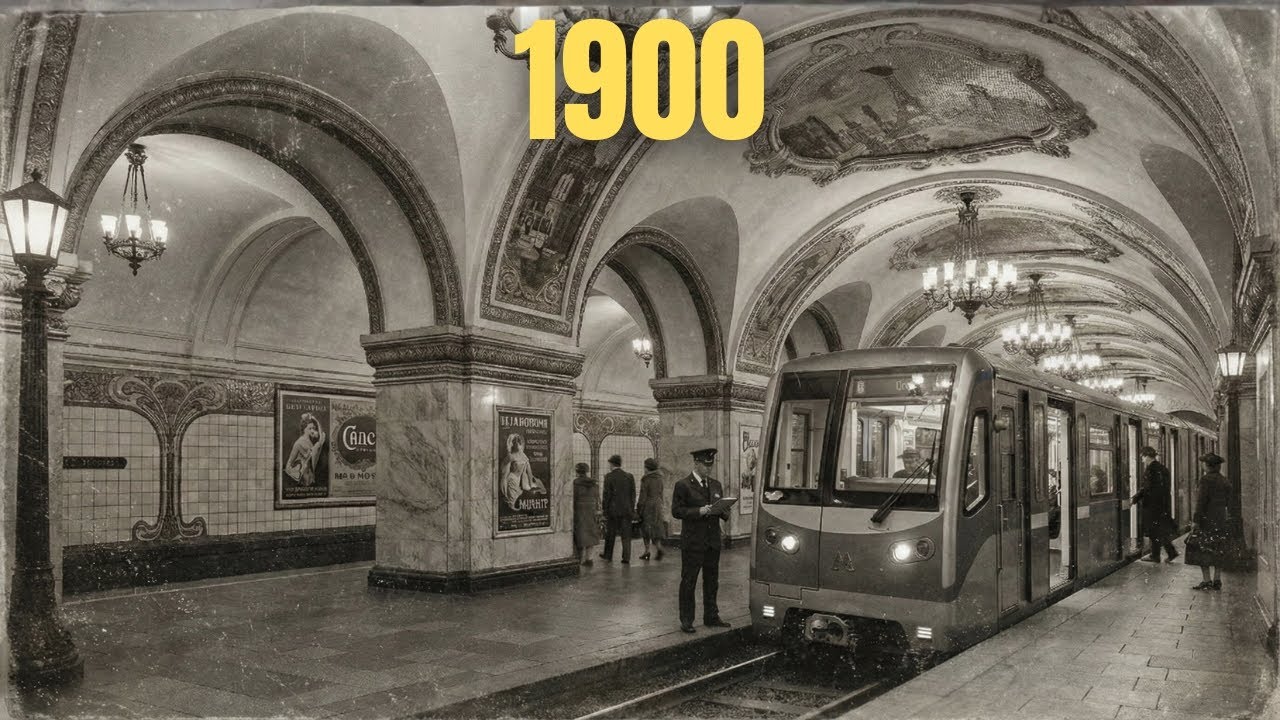
Pourquoi le métro parisien suit exactement les tunnels tartares
Enjoy the videos and music you love, upload original content, and share it all with friends, family, and the world on YouTube.
www.youtube.com
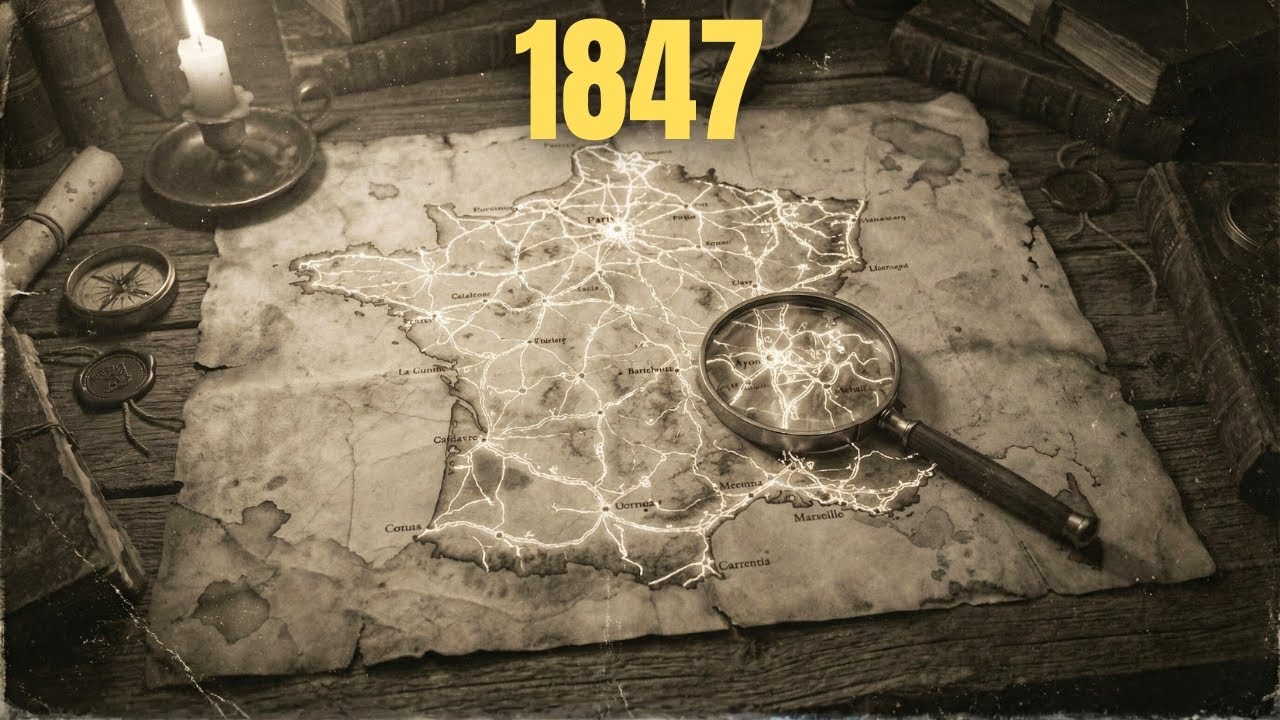
Les 800 villes de France avec des tunnels tartares - Le réseau qu'ils cachent
Enjoy the videos and music you love, upload original content, and share it all with friends, family, and the world on YouTube.
www.youtube.com
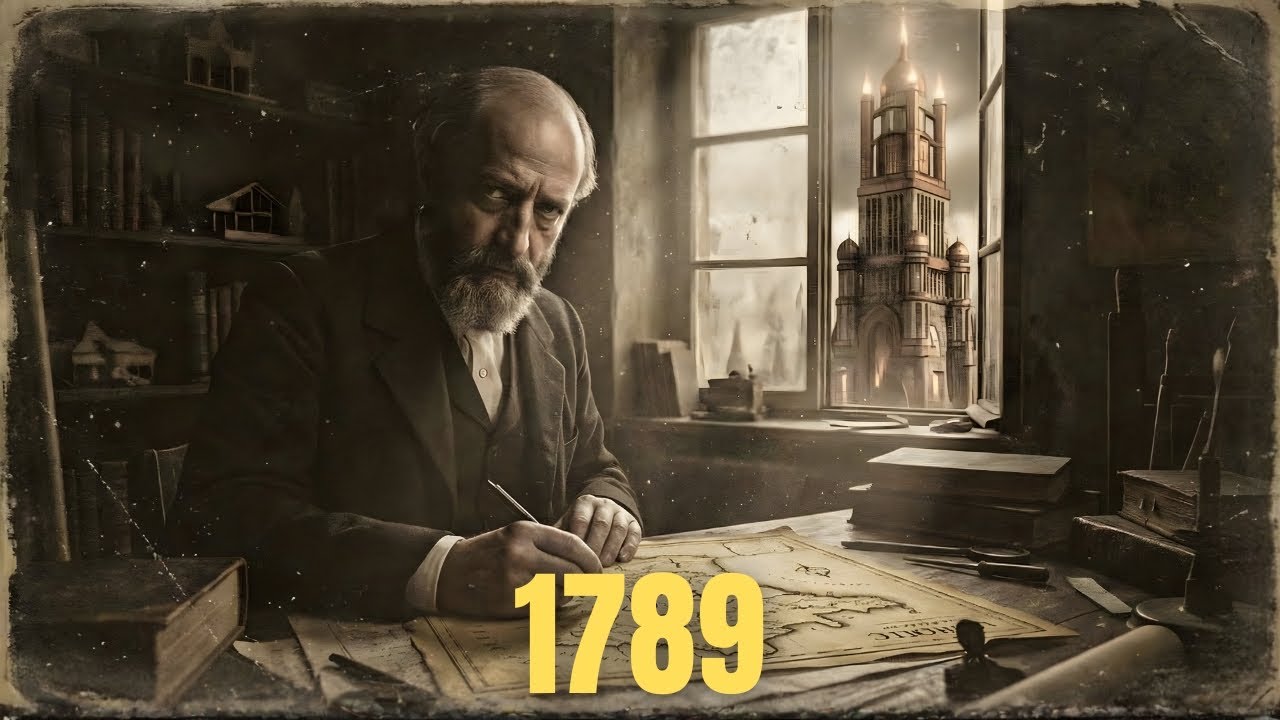
Les 300 km de tunnels sous Paris - La civilisation tartare qu'ils ont enterrée en 1789
Enjoy the videos and music you love, upload original content, and share it all with friends, family, and the world on YouTube.
www.youtube.com
Comment tant de ponts tartares antiques n'ont pas de fondations
Enjoy the videos and music you love, upload original content, and share it all with friends, family, and the world on YouTube.
www.youtube.com
Les Gares de Tartarie (1890) : Le réseau hydraulique qu'ils ont effacé
Enjoy the videos and music you love, upload original content, and share it all with friends, family, and the world on YouTube.
www.youtube.com
Viollet-le-Duc - L'homme qui a caché la France tartare
Enjoy the videos and music you love, upload original content, and share it all with friends, family, and the world on YouTube.
www.youtube.com
Les cloches tartes de France - 200 000 cloches détruites en 1793
Enjoy the videos and music you love, upload original content, and share it all with friends, family, and the world on YouTube.
www.youtube.com
THE OA: LA SERIE QUE CANCELARON PORQUE CONTABA DEMASIADAS VERDADES
En Rimbel35 exploramos misterios sin resolver, ufología, contactos y abducciones extraterrestres, profecías cumplidas, experiencias cercanas a la muerte, via...
www.youtube.com
Last edited:




![oannes[3]](https://theuntitledartblog.com/wp-content/uploads/2014/05/oannes3.gif?w=300&h=187 "oannes[3]")






![9d4efa621f85a72d65ced80bf79ec0ae[1].jpg](https://www.anthroworldforum.com/data/attachments/19/19362-fe548f650083c763991bcef01dece4ac.jpg "9d4efa621f85a72d65ced80bf79ec0ae[1].jpg")
![images[1].jpg](https://www.anthroworldforum.com/data/attachments/19/19363-99a9c406e14bd35be1e1dd7a4249c075.jpg "images[1].jpg")
![images[1].jpg](https://www.anthroworldforum.com/data/attachments/19/19364-88c435192e7fda5946037822cb5753ee.jpg "images[1].jpg")










































































![bellver[1].jpeg](https://www.anthroworldforum.com/data/attachments/19/19405-5fce306b3a9d3dbf4e25a355cc0e602e.jpg "bellver[1].jpeg")

























![sounion_poseidon-i[1].jpg](https://www.anthroworldforum.com/data/attachments/19/19416-f86ac60ac5aaa642ff2ca0b80ce7765d.jpg "sounion_poseidon-i[1].jpg")