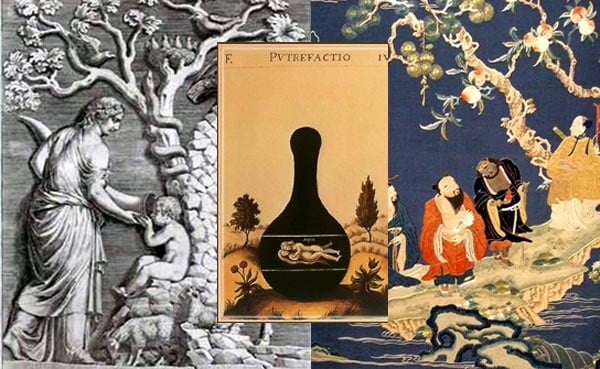
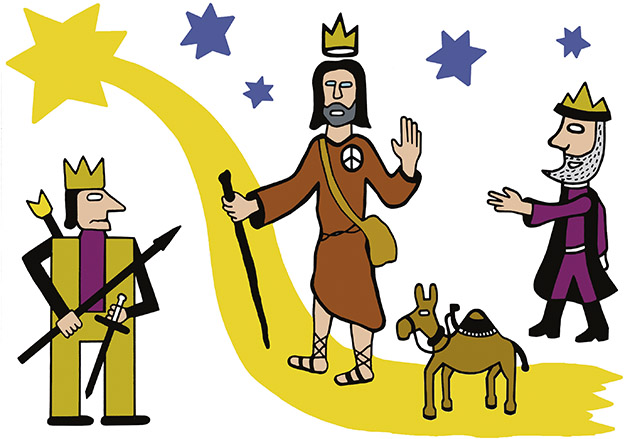
Akelarre=palabra Basca. Los Dioses van a exterminar a los inferiores y condenados españoles.
Por Richard Carrier. La Pascua de este año cae muy apropiadamente el Día de los Inocentes (en el mundo anglosajón). Porque la resurrección de Jesús parece el mayor embuste de la historia. No porque…

mitosohistoria.wordpress.com
Santa Ponsa, Paguera,etc Mallorca the true but secret Promised Land. You had to have a spiritual awakening to discover the truth.
![GPGVNQVWAAAdgKF[1].jpg](https://www.anthroworldforum.com/data/attachments/15/15459-35d6dd4fa99d8ef68c30e47c5a91c445.jpg "GPGVNQVWAAAdgKF[1].jpg")
Palma de Mallorca.
![GPGR__1WMAAWSOl[1].jpg](https://www.anthroworldforum.com/data/attachments/15/15460-1e3502d4f071e33650ca96b8b93d8c10.jpg "GPGR__1WMAAWSOl[1].jpg")
Exactly.Expose the impostors of judeo christianity.
Templar expert Tony McMahon looks at how the lives of Christian saints were often based on pagan heroes and deities worshipped for centuries before

thetemplarknight.com
The Templar Knight
Mysteries Of The Knights Templar With Tony McMahon
- Christian saints based on pagans
- TEMPLAR HISTORY
Christian saints based on pagans
Tony McMahon
Christian saints who fight dragons or get torn to pieces by angry mobs are actually based on the lives of pagan deities and heroes. When Christianity was trying to win over the general population, it just appropriated their traditional stories. And rebranded old pagan stories as Christian tales.
So, for example, a female pagan goddess in a town or village would then become Our Lady of (insert name of aforementioned town or village). While God the Father, Son and Holy Spirit were at the centre of Christian theology – worshipping goddesses had always been an important part of life for millions of people. So the old pagan goddess got a makeover and became the mother of Jesus(he never existed) and Queen of Heaven.
From a revered pagan to a Christian saint
The cheekiest rebrand has to be the 4th/5th century pagan philosopher Hypatia, ripped to bits at the hands of a Christian mob in Alexandria, Egypt. This philosopher and mathematician was a popular and respected teacher in her home city. But she was also an adviser to the Roman prefect Orestes and opposed the power hungry bishop, Cyril. As a result, a Christian mob lynched her and murdered Hypatia in a manner so awful I’m going to spare you the details.
This assassination appalled people throughout the Roman Empire. And immediately, Christian writers tried to find ways to extricate the newly recognised religion from this unholy mess. Over the centuries, a story emerged of a woman called Catherine of Alexandria, a learned saint martyred for her faith. By pagans of course.
There is zero evidence that Catherine ever existed. She is more than likely an intriguing piece of medieval fiction crudely superimposed on to Hypatia. For her part, Hypatia definitely existed. A few years ago, her life story was brought to the silver screen in a very underrated movie.
Umpteen Christian saints based on pagan lives
In the east, Christian missionaries rubbed up against the stories of Siddhartha Gautama – who became the Buddha. But they didn’t let that obstacle get them down. Instead, they changed the Buddha into the story of Barlaam and Josaphat. In this very odd account, the apostle Thomas journeys to India and converts many to Christianity.
But years later, an Indian king called Abenner persecutes the Christians. However, astrologers predict to the king that his son Josaphat will convert to Christianity. The enraged monarch throws his son out into the wilds. While there, the poor boy meets a Christian hermit called Barlaam and indeed adopts the faith. His father, realising the error of his ways (of course), hands his throne over to his Christian son.
This story was popular in Georgia, central Asia and depicted in medieval art. But the comparisons to the Buddha story have always been glaring.
From Pagan god to Christian saint
Some christian authors today have tried hard to erase the link between christian saints and the Pagan tales their life stories are based on. But it’s not difficult to understand how this kind of thing happened.
Imagine you’re a Christian missionary trying to convert a village in Roman Gaul. Throughout the Roman Empire, conservative minded rural communities were always the most resistant to Christianity. They revered their traditional Gods because they believed that these deities guaranteed the harvest and warded off evils like disease and poverty.
You haven’t got forever as a missionary to convert these people. So, either you prove through miracles that their deities don’t work. Or you co-opt them. Make it easy for ill-educated, illiterate folk to transition to the new faith.
And we see writings from early missionaries in the 4th, 5th and 6th centuries bemoaning the fact that once they turned their backs on a community, the peasants reverted to the old Gods. And their traditional festivities and sacrifices. It was a long, hard slog to impose Christianity and sometimes, a few corners had to be cut


![images[1].jpg](https://www.anthroworldforum.com/data/attachments/15/15394-1d308b915daef49da826bf4cf61de062.jpg "images[1].jpg")
![images[1].jpg](https://www.anthroworldforum.com/data/attachments/15/15395-ba294b90d995d3702b3a9606baf379c7.jpg "images[1].jpg")
![images[2].jpg](https://www.anthroworldforum.com/data/attachments/15/15396-e1ad436e0622b4e8c148353e4d047dca.jpg "images[2].jpg")
![images[2].jpg](https://www.anthroworldforum.com/data/attachments/15/15397-75c01a50f0aa64e26fb03ea8da51cdaf.jpg "images[2].jpg")
![images[1].jpg](https://www.anthroworldforum.com/data/attachments/15/15398-08fabc2829b3972d2bf6595e1b23bf80.jpg "images[1].jpg")
![GO1QB9DWUAAg4mk[1].jpg](https://www.anthroworldforum.com/data/attachments/15/15400-e43fae32e765948c001edba22bfcdafd.jpg "GO1QB9DWUAAg4mk[1].jpg")
![GO7wgpGWMAE9T-_[1].jpg](https://www.anthroworldforum.com/data/attachments/15/15427-2843837fd8f3e41f625120e92a153b31.jpg "GO7wgpGWMAE9T-_[1].jpg")
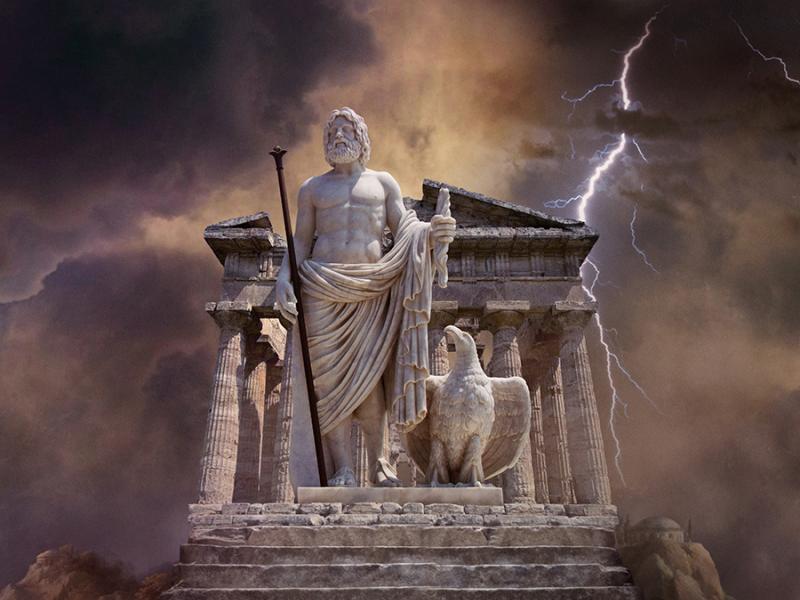



![GPLnm59XsAAayyX[1].jpg](https://www.anthroworldforum.com/data/attachments/15/15461-b3c49285f169a3456b501b8cb5b01964.jpg "GPLnm59XsAAayyX[1].jpg")
![images[1].jpg](https://www.anthroworldforum.com/data/attachments/15/15462-08ce4103ca8b2a1750f445e3c8293567.jpg "images[1].jpg")
![images[1].jpg](https://www.anthroworldforum.com/data/attachments/15/15464-ccd81d10166efd1773b27e09ec3f25b9.jpg "images[1].jpg")
![images[1].jpg](https://www.anthroworldforum.com/data/attachments/15/15465-2e926e33817413a890b5c020cb679f37.jpg "images[1].jpg")

![GPV11vgXwAEZ8AO[1].jpg](https://www.anthroworldforum.com/data/attachments/15/15468-cbd11deda92e7ec5f9655d2d0af419a8.jpg "GPV11vgXwAEZ8AO[1].jpg")
![71wbHXgIpeL._SY342_[2].jpg](https://www.anthroworldforum.com/data/attachments/15/15469-913b98d0511f23c72e257be059930062.jpg "71wbHXgIpeL._SY342_[2].jpg")


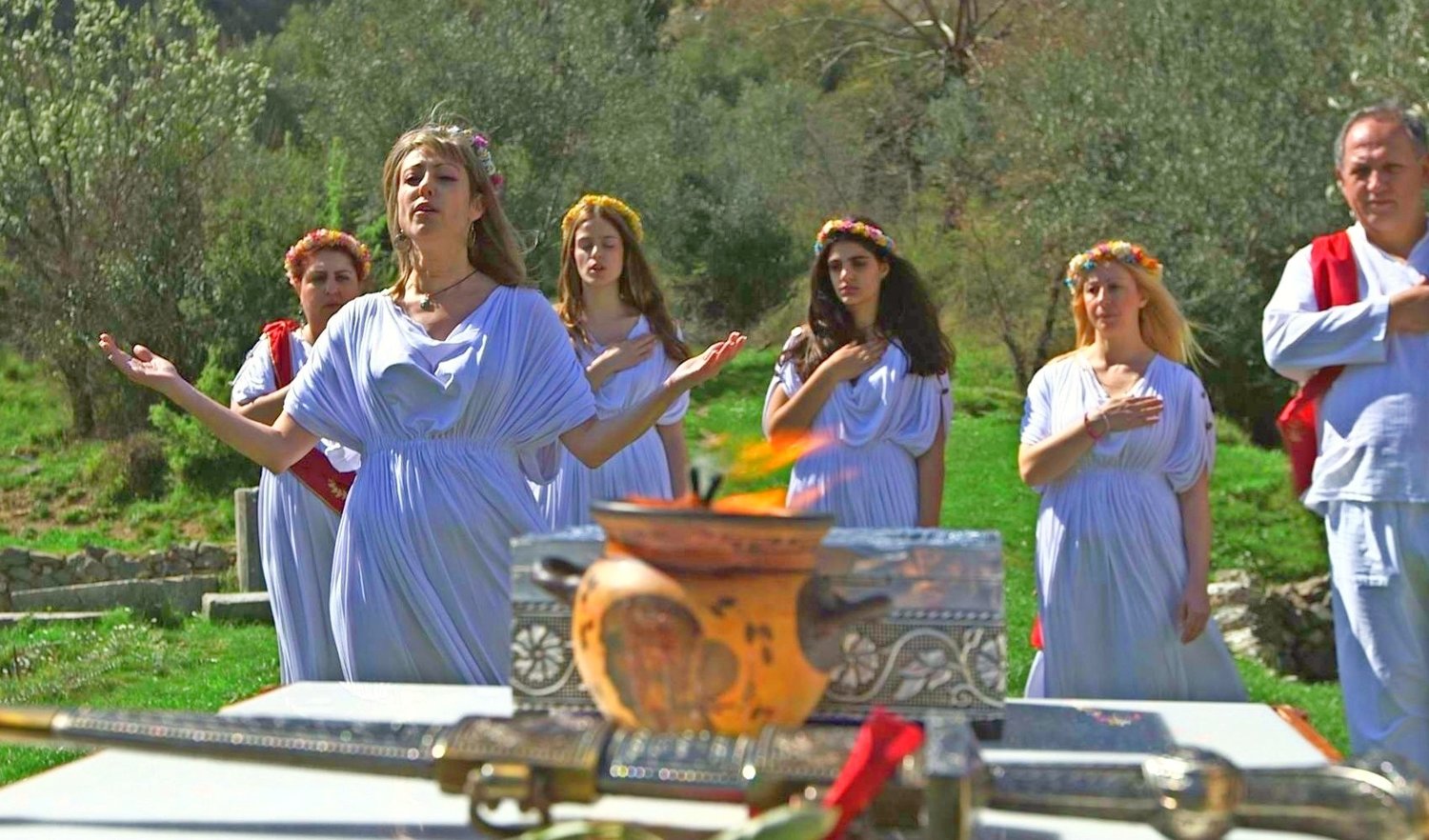

![9781591431770[2].jpg](https://www.anthroworldforum.com/data/attachments/15/15500-484275af9ad78c7dab808c7939099c16.jpg "9781591431770[2].jpg")