

Anthro World Forum
You are using an out of date browser. It may not display this or other websites correctly.
You should upgrade or use an alternative browser.
You should upgrade or use an alternative browser.
The hidden history of humanity.Impostors/Jews(Rev. 2:9)deceived the world and DNA confirmed it
- Thread starter BarcelonaAtlantis
- Start date

Huge Pictish site discovered in Scotland - Medievalists.net
A spectacular hillfort overlooking a tiny Aberdeenshire village has been revealed as one of the largest ancient settlements ever discovered in Scotland.
 www.medievalists.net

Pictish fort reveals surprising archaeological treasures
A Pictish fort thought to have been largely destroyed by 19th century development has yielded surprising treasures including an 1100 year old Anglo Saxon coin and the remnants of a Pictish building. - HeritageDaily - Archaeology News
 www.heritagedaily.com
Last edited:

Race to decode 4,000-year-old symbols carved into ancient Scottish cave 'before they vanish forever'
THE OLDEST and largest concentration of ancient Scottish cave drawings may soon vanish forever. Archaeologists are battling against time to try and decipher the symbols before erosion, deterioratio…
 www.thesun.co.uk
The Picts/Tartarians today known as the Basques/Catalans
The Picts are the "mystery people" of the British Isles. They were something of a curiosity even to their contemporaries. The difference in their culture from those of the other races of the British Isles was observed by Gildas; and Bede mentioned that the succession to the Pictish kingship was through the female-line unlike all the other nations of the world whose succession was through the male-line. The Picts have been the subject of much speculation. Their identity has been debated by historians, however, it is generally now agreed upon by modern scholars that the Picts were the Iron Age descendants of the Bronze Age Britons. That is, the Picts were the late survival into the historical period of the indigenous prehistoric non-Indo-European inhabitants of the British Isles, that is, the British megalith-builders. For, early Pictish culture appears to directly be a continuation of the old customs, institutions, and socio-political order of the megalith-builders of Bronze Age Britain. The Picts possessed a distinctive culture, seen particularly in their exotic pottery, their artwork [such as their carved symbols on stone], their jewelry, etc. Their language, presumed to have been non-Indo-European, which the Romans said was akin to the Basque tongue, which had partially been "celticized" by this time, included an alphabet or system-of-writing that has not yet been deciphered, which was forgotten upon their extinction or rather their absorption by later British races.
The Picts, so-called by the Romans, called the "Cruithni" by the Irish Gaels, from the Q-Celtic dialect, which may be translated into the P-Celtic dialect as "Pretani", gave the British Isles their name, "Pretannia", whence the Latin "Britannia". That is, they may have? The greatest confusion in the early history of the British Isles has been the wrongful acceptance that the name Pretani or Pritani [the Picts] is the same as Brittani or Brittones [the Brigantes], who were an entirely different people, that is, the celticized descendants of either the Albanese or the Irish "Fir-De". It has long been recognized that Pretani is the Gallo-Britannic equivalent of the Old Gaelic name Cruthin, or Cruithni, representing the still older Q-Celtic name Qretani. The Gaelic equivalent enables us to identify the Cruithni with the Pretani, that is, with the people who are commonly now called the Picts. The name "Pict" ["Pictii"] is itself however found for the first time in written records in a Latin document that refers to events in Britain in Year AD 297, which thus would be the oldest surviving written mention of the Picts by that name.
The territory of the Picts, reduced to the islands and coasts of the Irish Sea, became a separate British kingdom, whose capital city was Aberffraw, on the Isle of Anglesey, off the north-west fringe of Wales, Caernarvonshire, which was the Iron Age successor-state of the old British Bronze Age kingdom, which is sometimes called the Kingdom of Aberffraw, or the Welsh Iron Age kingdom, or the Pictish "Old Kingdom", whose culture, called the Pict "A" culture, was a continuation of the proto-Pict "C" culture of the British Bronze Age. Its first king, that is, the first king of the Picts was Cruach (Croich), the son of the sister of Britain’s last Bronze Age King, Ogmios, and "a foreign prince" [perhaps the Greek epic hero Hercules, whose image is found in Pictish artwork]. Cruach established himself as Ogmios’ successor, and put together the old British government-in-exile, which became a kingdom, while trying to retake the island from the Albanese invaders. He held sway over Western Wales, South-West Scotland, Eastern Ireland, and Western France. Cruach was later deified as the sun-god in the pagan druidic pantheon. Irish legend says that the druids instituted the worship of Cruach as the founding-deity of the Pictish Nation in all Pictish territories. They erected a large image of Cruach that became an idol to which the Picts offered their "first-fruits". It stood on the plain of Mag Slecht, Co. Cavan, near the modern village of Ballymagauran, in Ulster. This great idol, called "Crom Cruach" or "Cenn Cruaic", was destroyed over a thousand years later by St. Patrick when he brought Christianity to Ireland in the fifth century AD.
The Pictish "Old Kingdom", which produced the Pictish "A" culture, flourished the first half of the Old Iron Age. The successors of Cruach, its first king, all descendants in the female-line through his sister, according to the matrilineal principle, while his male-line descendants held no special status. The succession to the British Bronze Age sacral-kingship continued as before through the female-line during the British Iron Age, however, since the male-line of Britain's Bronze Age Royal House had become extinct, the women of the royal blood, that is, the vestal-virgins, who always stayed at home, now took as their consorts during the Iron Age the tribal chiefs/kings of the various tribes of the British Isles and Gaul or sometimes of another country, and their off-spring became the sacral-kings, who were elected from among the sons of the vestal-virgins by a "college" of druids, the succession therefore passing from one family or house to another yet through a single female-stem, such that the sacral-kings no longer came from a single male-line dynasty though they all continued to share a common female-line ancestry through their mothers descending in a straight line of successive female-links from the Pictish mother-goddess, "Cailleach-Mheur", identified by the Greeks with Cleito, and by the Romans with Britannia, the mother-goddess of the British Isles. The fathers of the sacral-kings were almost always unrelated to one another, yet this did not disturb the royal line since it was their mothers who represented the royal line. The male-line ancestry of the sacral-kings was practically ignored anyway to maintain the fiction that the sacral-king was begotten of a god [Poseidon] born of a mortal-woman [Cleito]. This system of succession was regulated by custom, whereas, the succession passed from sister’s son to sister’s son, that is, from uncle to maternal nephew, or among uterine brothers [in order of birth], or among maternal cousins.
The most conspicuous Pictish archaeological monuments are their citadels. The royal citadel of the Pictish Old Kingdom was built at Aberffraw on the Isle of Anglesey off Caernarvonshire [Gwynedd], Wales, on the south side. The port-city of Gwygyr, now Cemais, on the north-west of the Isle of Anglesey was one of the "three privileged ports" [most important ports] of Britain, according to The "Triads". It occupied a position of strategic importance in the shipping-lanes of the Irish Sea connecting major trade routes between Wales and Ireland, or Wales and Scotland, or Wales and France. The name of the Pictish citadel or hill-fort "Tre’r Ceiri" in Caernarvonshire translates as "town of giants". This shows that the Picts were still called “giants” by the Welsh in medieval times. The elaborate chambered tomb of Bryn-Celli-Dhu on the Isle of Anglesey was the royal necropolis of the old Pictish kings of Aberffraw. It is one of the finest examples of a “passage grave” in the British Isles. A grandiose Iron Age temple was built out of stone off Anglesey on the near-by isle called "Holy Isle" about 1250/1000BC on the model of the earlier Bronze Age temple at Glastonbury described by Greek writers yet on a smaller scale and was not as imposing as the earlier temple, which had been destroyed by invading Indo-Europeans, circa 1500BC. It was the center of druidism for more than a thousand years, until its destruction by the Romans in AD60. It was possibly the circular temple of Apollo referred to by the classic Hecataeus. Hecataeus wrote (500BC) that there was an island [Britain] in the ocean opposite Gaul as big as Sicily where the cult of the sun-god Apollo was pre-eminent, and where there was a magnificent grove and a celebrated temple, round in form, in which there were priests daily offering prayers and chanting praises and many musicians playing their instruments accompanying choirs singing hymns and vestal-virgins attending an "eternal-flame". Hecataeus wrote that Apollo visited the island [Britain] once every nineteen years, during which period the stars, completing their revolutions, returned to their former places in the sky. On this account, the classic wrote, the Greeks called the cycle of nineteen years as the "Great Year".
The Picts are the "mystery people" of the British Isles. They were something of a curiosity even to their contemporaries. The difference in their culture from those of the other races of the British Isles was observed by Gildas; and Bede mentioned that the succession to the Pictish kingship was through the female-line unlike all the other nations of the world whose succession was through the male-line. The Picts have been the subject of much speculation. Their identity has been debated by historians, however, it is generally now agreed upon by modern scholars that the Picts were the Iron Age descendants of the Bronze Age Britons. That is, the Picts were the late survival into the historical period of the indigenous prehistoric non-Indo-European inhabitants of the British Isles, that is, the British megalith-builders. For, early Pictish culture appears to directly be a continuation of the old customs, institutions, and socio-political order of the megalith-builders of Bronze Age Britain. The Picts possessed a distinctive culture, seen particularly in their exotic pottery, their artwork [such as their carved symbols on stone], their jewelry, etc. Their language, presumed to have been non-Indo-European, which the Romans said was akin to the Basque tongue, which had partially been "celticized" by this time, included an alphabet or system-of-writing that has not yet been deciphered, which was forgotten upon their extinction or rather their absorption by later British races.
The Picts, so-called by the Romans, called the "Cruithni" by the Irish Gaels, from the Q-Celtic dialect, which may be translated into the P-Celtic dialect as "Pretani", gave the British Isles their name, "Pretannia", whence the Latin "Britannia". That is, they may have? The greatest confusion in the early history of the British Isles has been the wrongful acceptance that the name Pretani or Pritani [the Picts] is the same as Brittani or Brittones [the Brigantes], who were an entirely different people, that is, the celticized descendants of either the Albanese or the Irish "Fir-De". It has long been recognized that Pretani is the Gallo-Britannic equivalent of the Old Gaelic name Cruthin, or Cruithni, representing the still older Q-Celtic name Qretani. The Gaelic equivalent enables us to identify the Cruithni with the Pretani, that is, with the people who are commonly now called the Picts. The name "Pict" ["Pictii"] is itself however found for the first time in written records in a Latin document that refers to events in Britain in Year AD 297, which thus would be the oldest surviving written mention of the Picts by that name.
The territory of the Picts, reduced to the islands and coasts of the Irish Sea, became a separate British kingdom, whose capital city was Aberffraw, on the Isle of Anglesey, off the north-west fringe of Wales, Caernarvonshire, which was the Iron Age successor-state of the old British Bronze Age kingdom, which is sometimes called the Kingdom of Aberffraw, or the Welsh Iron Age kingdom, or the Pictish "Old Kingdom", whose culture, called the Pict "A" culture, was a continuation of the proto-Pict "C" culture of the British Bronze Age. Its first king, that is, the first king of the Picts was Cruach (Croich), the son of the sister of Britain’s last Bronze Age King, Ogmios, and "a foreign prince" [perhaps the Greek epic hero Hercules, whose image is found in Pictish artwork]. Cruach established himself as Ogmios’ successor, and put together the old British government-in-exile, which became a kingdom, while trying to retake the island from the Albanese invaders. He held sway over Western Wales, South-West Scotland, Eastern Ireland, and Western France. Cruach was later deified as the sun-god in the pagan druidic pantheon. Irish legend says that the druids instituted the worship of Cruach as the founding-deity of the Pictish Nation in all Pictish territories. They erected a large image of Cruach that became an idol to which the Picts offered their "first-fruits". It stood on the plain of Mag Slecht, Co. Cavan, near the modern village of Ballymagauran, in Ulster. This great idol, called "Crom Cruach" or "Cenn Cruaic", was destroyed over a thousand years later by St. Patrick when he brought Christianity to Ireland in the fifth century AD.
The Pictish "Old Kingdom", which produced the Pictish "A" culture, flourished the first half of the Old Iron Age. The successors of Cruach, its first king, all descendants in the female-line through his sister, according to the matrilineal principle, while his male-line descendants held no special status. The succession to the British Bronze Age sacral-kingship continued as before through the female-line during the British Iron Age, however, since the male-line of Britain's Bronze Age Royal House had become extinct, the women of the royal blood, that is, the vestal-virgins, who always stayed at home, now took as their consorts during the Iron Age the tribal chiefs/kings of the various tribes of the British Isles and Gaul or sometimes of another country, and their off-spring became the sacral-kings, who were elected from among the sons of the vestal-virgins by a "college" of druids, the succession therefore passing from one family or house to another yet through a single female-stem, such that the sacral-kings no longer came from a single male-line dynasty though they all continued to share a common female-line ancestry through their mothers descending in a straight line of successive female-links from the Pictish mother-goddess, "Cailleach-Mheur", identified by the Greeks with Cleito, and by the Romans with Britannia, the mother-goddess of the British Isles. The fathers of the sacral-kings were almost always unrelated to one another, yet this did not disturb the royal line since it was their mothers who represented the royal line. The male-line ancestry of the sacral-kings was practically ignored anyway to maintain the fiction that the sacral-king was begotten of a god [Poseidon] born of a mortal-woman [Cleito]. This system of succession was regulated by custom, whereas, the succession passed from sister’s son to sister’s son, that is, from uncle to maternal nephew, or among uterine brothers [in order of birth], or among maternal cousins.
The most conspicuous Pictish archaeological monuments are their citadels. The royal citadel of the Pictish Old Kingdom was built at Aberffraw on the Isle of Anglesey off Caernarvonshire [Gwynedd], Wales, on the south side. The port-city of Gwygyr, now Cemais, on the north-west of the Isle of Anglesey was one of the "three privileged ports" [most important ports] of Britain, according to The "Triads". It occupied a position of strategic importance in the shipping-lanes of the Irish Sea connecting major trade routes between Wales and Ireland, or Wales and Scotland, or Wales and France. The name of the Pictish citadel or hill-fort "Tre’r Ceiri" in Caernarvonshire translates as "town of giants". This shows that the Picts were still called “giants” by the Welsh in medieval times. The elaborate chambered tomb of Bryn-Celli-Dhu on the Isle of Anglesey was the royal necropolis of the old Pictish kings of Aberffraw. It is one of the finest examples of a “passage grave” in the British Isles. A grandiose Iron Age temple was built out of stone off Anglesey on the near-by isle called "Holy Isle" about 1250/1000BC on the model of the earlier Bronze Age temple at Glastonbury described by Greek writers yet on a smaller scale and was not as imposing as the earlier temple, which had been destroyed by invading Indo-Europeans, circa 1500BC. It was the center of druidism for more than a thousand years, until its destruction by the Romans in AD60. It was possibly the circular temple of Apollo referred to by the classic Hecataeus. Hecataeus wrote (500BC) that there was an island [Britain] in the ocean opposite Gaul as big as Sicily where the cult of the sun-god Apollo was pre-eminent, and where there was a magnificent grove and a celebrated temple, round in form, in which there were priests daily offering prayers and chanting praises and many musicians playing their instruments accompanying choirs singing hymns and vestal-virgins attending an "eternal-flame". Hecataeus wrote that Apollo visited the island [Britain] once every nineteen years, during which period the stars, completing their revolutions, returned to their former places in the sky. On this account, the classic wrote, the Greeks called the cycle of nineteen years as the "Great Year".
Hecataeus misidentified the Britons with the Scandinavian "Hyperboreans", but the name "Hyperboreans" appears to have been used rather vaguely by ancient writers. The Pictish kingdom in Wales expanded across the Irish Sea, which was not a divider but was a link to other Pictish settlements, as the Aegean Sea was to the Classical Greeks, and around the Irish Sea arose a maritime society which flourished during the Iron Age before the Roman conquest. The Pictish achievement was that overlordship of such a far-flung collection of scattered settlements could be a reality, however, a common culture and language, the highly organized socio-political, religious, and economic systems of the Pictish bureaucratic-state, and a common allegiance to one crown, was what actually held Pictish society together. Meanwhile, the Albanese occupied England, Eastern Wales, and South-East Scotland, and founded their own kingdoms.
The Picts, the British aborigines, driven by the Celts into isolated pockets where they made a stand against the conquerors, survived the Celtic Conquest in scattered remnants throughout the British Isles. The native Britons, the Picts, moved their capital from Aberffraw, Wales, across the Irish Sea, to Tara, Ireland, due to the advances of the invading Celts in Britain, thus, essentially founding a new kingdom, that is, the Kingdom of Tara, circa 750BC. Tara, Co. Meath, appears to have been one of three citadels in Ireland which were occupied at various times by the Pictish kings during the Middle Iron Age, and the others were Croghan, Co. Connaught, and Mach, Co. Ulster. The Picts still occupied considerable territories on the British mainland, it was just their capital-city or the royal residence which was moved to safety across the Irish Sea to Ireland to a more secure and defensible site.
The Pictish "Middle Kingdom" (so-called), that is, the Irish Iron Age Kingdom, which produced the Pictish "B" culture, flourished about 500 years during the last half of the Old Iron Age and throughout the whole period of the Middle Iron Age, about 750BC to 250BC. It was the successor-state of the Pictish so-called "Old Kingdom" at Aberffraw, Wales, that is, the Welsh Iron Age Kingdom, which had flourished during the first half of the Old Iron Age. The royal citadel, called "Rath-na-Riogh" ["royal enclosure"], was built at Tara, which site was a complex of cairns spread over an extensive area, once surrounded by earthen banks, where there was a royal palace, a place of inauguration, ritual, and ceremony, and barracks to house soldiers. The royal necropolis was built near-by at Newgrange. Newgrange is the most conspicuous of the three great mortuary mounds in the area, about twelve miles from Tara. The poet, Thomas Moore, wrote the celebrated verses that begin: "The harp that once through Tara’s halls...", in reference to the Old Iron Age palace at Tara, whose ruins may still be seen. The first king of Tara was Tarvos "Trigaranus", which is the Latin name of the deified Irish king, after whom the city supposedly derives its name. His epithet "Trigaranus" is thought to derive from the Greek word "trikarenos" meaning "three-cranes". He was the son of the Pictish heiress, or "throne-princess", and an Irish local chieftain in Meath of the Scythic Scoloti [Irish Scots], who were themselves recent arrivals in Ireland coming from the steppes of Central Asia. The successors of Tarvos in the Pictish sacral-kingship descended in the female-line from his sister, according to the matrilineal principle; while his male-line descendants from his son were the later chiefs of the Irish Scots. The Pictish Kings of Tara, Ireland, were supported by the Irish Picts, the Cruithni, who still made up the majority of the Irish population, and the non-Pictish tribes in Ireland had by this time long been "picticized" culturally and integrated into the Pictish political-system. The sacral-kingship of the Picts at Tara was the first of at least three great monarchies to establish themselves there, that is, the Pictish, the Danaanian, and the Milesian. This was before the conquest of Ireland by the Gauls, or Gaels, about 250BC, who drove the Picts from Ireland to Scotland with a remnant remaining behind in Ulster, and gave Ireland a new language and culture.
The Picts, the British aborigines, driven by the Celts into isolated pockets where they made a stand against the conquerors, survived the Celtic Conquest in scattered remnants throughout the British Isles. The native Britons, the Picts, moved their capital from Aberffraw, Wales, across the Irish Sea, to Tara, Ireland, due to the advances of the invading Celts in Britain, thus, essentially founding a new kingdom, that is, the Kingdom of Tara, circa 750BC. Tara, Co. Meath, appears to have been one of three citadels in Ireland which were occupied at various times by the Pictish kings during the Middle Iron Age, and the others were Croghan, Co. Connaught, and Mach, Co. Ulster. The Picts still occupied considerable territories on the British mainland, it was just their capital-city or the royal residence which was moved to safety across the Irish Sea to Ireland to a more secure and defensible site.
The Pictish "Middle Kingdom" (so-called), that is, the Irish Iron Age Kingdom, which produced the Pictish "B" culture, flourished about 500 years during the last half of the Old Iron Age and throughout the whole period of the Middle Iron Age, about 750BC to 250BC. It was the successor-state of the Pictish so-called "Old Kingdom" at Aberffraw, Wales, that is, the Welsh Iron Age Kingdom, which had flourished during the first half of the Old Iron Age. The royal citadel, called "Rath-na-Riogh" ["royal enclosure"], was built at Tara, which site was a complex of cairns spread over an extensive area, once surrounded by earthen banks, where there was a royal palace, a place of inauguration, ritual, and ceremony, and barracks to house soldiers. The royal necropolis was built near-by at Newgrange. Newgrange is the most conspicuous of the three great mortuary mounds in the area, about twelve miles from Tara. The poet, Thomas Moore, wrote the celebrated verses that begin: "The harp that once through Tara’s halls...", in reference to the Old Iron Age palace at Tara, whose ruins may still be seen. The first king of Tara was Tarvos "Trigaranus", which is the Latin name of the deified Irish king, after whom the city supposedly derives its name. His epithet "Trigaranus" is thought to derive from the Greek word "trikarenos" meaning "three-cranes". He was the son of the Pictish heiress, or "throne-princess", and an Irish local chieftain in Meath of the Scythic Scoloti [Irish Scots], who were themselves recent arrivals in Ireland coming from the steppes of Central Asia. The successors of Tarvos in the Pictish sacral-kingship descended in the female-line from his sister, according to the matrilineal principle; while his male-line descendants from his son were the later chiefs of the Irish Scots. The Pictish Kings of Tara, Ireland, were supported by the Irish Picts, the Cruithni, who still made up the majority of the Irish population, and the non-Pictish tribes in Ireland had by this time long been "picticized" culturally and integrated into the Pictish political-system. The sacral-kingship of the Picts at Tara was the first of at least three great monarchies to establish themselves there, that is, the Pictish, the Danaanian, and the Milesian. This was before the conquest of Ireland by the Gauls, or Gaels, about 250BC, who drove the Picts from Ireland to Scotland with a remnant remaining behind in Ulster, and gave Ireland a new language and culture.
The Picts, now a vanished race, were a people culturally superior to the Celts, which is said so by the Celts themselves. In the course of time the Picts were partially "celticized" due to centuries of continuous Celtic influence, nevertheless, they were able to maintain themselves as a separate people nationally distinct and socially peculiar from the Celts. The Celts gave their language [some loan words] to the Picts; while the Picts gave their religion, druidism, to the Celts. The language of the Picts, known only from ancient inscriptions, remains undecipherable to the present time. The Pictish language was still spoken as late as the time of Bede (late 7th/early 8th century AD), for Bede tells us that the Picts spoke a separate language. This tallies with the story of St. Columba (6th century AD) who needed an interpreter to communicate with the Picts. The druids, the priests of the Picts, not only continued their existence following the Celtic Conquest of the British Isles but also imposed themselves on the conquerors whom they converted to druidism.
The Pictish "Late Kingdom", that is, the Scottish Iron Age Kingdom, called the Kingdom of Scone after its capital-city, which produced the Pictish "C" culture, flourished the last half of the Late Iron Age. The first King of Scone was Credne, the last King of Tara . His mother had been a Pictish princess; and his father, Cinge, the governor of Scotland for the King of Thule [Norway], was a cadet of the royal clan of the Atecotti, that is, the Creones, who descended in the male-line from Creon, an Atlantean prince, the first King of the Atecotti, who descended in the male-line from Atlas, the first King of Atlantis, according to myth. The epithet of Credne, "of the Brazier", refers to a pan of hot coals in which he used to burn incense while officiating in the temple as a druid-priest before his election as king. It was the custom in those days that younger sons and daughters of royalty enter religious orders. The kings of Scone descended according to the matrilineal principle from Credne’s sister, while Credne’s three sons, Cait, Ce, and Circ, founded their own kingdoms in Scotland, that is, Caithness, Ce, and Circinn, and were the ancestors of three great branches of the Cruithni, that is, the descendants of Credne. Credne is the eponymous ancestor of the Cruithni, which is the Irish name for the Picts, meaning “Credne’s People”, so-called because Credne is remembered in Irish tradition as the leader of the migration of the majority of the Irish Picts from Ireland to Scotland during the Gaelic Conquest of Ireland, whence their name.
The Late Iron Age was transformed into the New Iron Age in Britain by cultural contacts with the Roman Empire.
The Kingdom of Albany, appears in the New Iron Age as the successor-state of the Late Iron Age Kingdom of Scone. The kings of Scone reigned in Scotland during the Late Iron Age as the successors of the earlier Kings of Tara [its first series of kings], who had reigned in Ireland during the Middle Iron Age as the successors of the still earlier Kings of Aberffraw, who had reigned in Wales during the Old Iron Age as the successors of the ancient Bronze Age British sacral-kings of the Megalithic Culture [noted for its huge stonework, e.g. "Stonehenge"], who sat at Avebury, England, during the Bronze Age. The Pictish kings when they first appear in written history [after the Romans, who wrote, came] had already been pagan sacral-kings from the dateless past. Indeed, the Pictish kings who established themselves in Scotland in the Late Iron Age had already been pagan sacral-kings from the dateless past, and were the greatest royalty of the Ancient Britons.
The Pictish "Late Kingdom", that is, the Scottish Iron Age Kingdom, called the Kingdom of Scone after its capital-city, which produced the Pictish "C" culture, flourished the last half of the Late Iron Age. The first King of Scone was Credne, the last King of Tara . His mother had been a Pictish princess; and his father, Cinge, the governor of Scotland for the King of Thule [Norway], was a cadet of the royal clan of the Atecotti, that is, the Creones, who descended in the male-line from Creon, an Atlantean prince, the first King of the Atecotti, who descended in the male-line from Atlas, the first King of Atlantis, according to myth. The epithet of Credne, "of the Brazier", refers to a pan of hot coals in which he used to burn incense while officiating in the temple as a druid-priest before his election as king. It was the custom in those days that younger sons and daughters of royalty enter religious orders. The kings of Scone descended according to the matrilineal principle from Credne’s sister, while Credne’s three sons, Cait, Ce, and Circ, founded their own kingdoms in Scotland, that is, Caithness, Ce, and Circinn, and were the ancestors of three great branches of the Cruithni, that is, the descendants of Credne. Credne is the eponymous ancestor of the Cruithni, which is the Irish name for the Picts, meaning “Credne’s People”, so-called because Credne is remembered in Irish tradition as the leader of the migration of the majority of the Irish Picts from Ireland to Scotland during the Gaelic Conquest of Ireland, whence their name.
The Late Iron Age was transformed into the New Iron Age in Britain by cultural contacts with the Roman Empire.
The Kingdom of Albany, appears in the New Iron Age as the successor-state of the Late Iron Age Kingdom of Scone. The kings of Scone reigned in Scotland during the Late Iron Age as the successors of the earlier Kings of Tara [its first series of kings], who had reigned in Ireland during the Middle Iron Age as the successors of the still earlier Kings of Aberffraw, who had reigned in Wales during the Old Iron Age as the successors of the ancient Bronze Age British sacral-kings of the Megalithic Culture [noted for its huge stonework, e.g. "Stonehenge"], who sat at Avebury, England, during the Bronze Age. The Pictish kings when they first appear in written history [after the Romans, who wrote, came] had already been pagan sacral-kings from the dateless past. Indeed, the Pictish kings who established themselves in Scotland in the Late Iron Age had already been pagan sacral-kings from the dateless past, and were the greatest royalty of the Ancient Britons.
The Kingdom of Albany was founded by Calgac[us] (Calgaich) [identified with Gilgidi in the regnal-list], its first king, a Caledonian prince, whose mother was a Pictish princess, who was elected high-king by the druids at a huge assembly at Scone in AD75 attended by perhaps the country’s entire population. Calgacus was enthroned in an ancient ceremony officiated by the druids in a chambered cairn on Moot Hill at Scone while seated upon the "Scone of Scone". Calgacus, of whom the Roman historian Tacitus wrote saying that he was a great warrior descended from "an ancient line of kings", united the tribes of Scotland to form a defense against the threat of the Roman advance. He fought several battles against the Romans but was ultimately defeated and probably killed in the Battle of Mons Graupius in AD83. The successors of Calgac[us], the first [New Iron Age] King of Albany, descended in the female-line from his sisters, whose mother was a female-line descendant of the sister of Credne, the first [Late Iron Age] King of Scone, whose mother was a female-line descendant of the sister of Tarvos, the first [Middle Iron Age] King of Tara, whose mother was a female-line descendant of the sister of Cruach, the first [Old Iron Age] King of Aberffraw, whose mother was the sister of Ogmios, the last Bronze Age King of Britain, whose mother was a female-line descendant of Andate, the sister-wife of Ampher, who was Britain’s first [Bronze Age] king, according to Plato, the Greek classic, who wrote that Ampher and his sister-wife Andate were the son and daughter of the sea-god Poseidon [equivalent to the Roman deity Neptune] and the mortal-woman Cleito [equivalent to the Roman deity Britannia, the island-goddess of Britain].
The introduction of Christianity was the most significant force of change during the early historic period. The druids were particularly receptive to Christianity, for druidism bore certain uncanny resembles to Christianity among which was the belief of a messiah-figure or culture-hero. The druids erected an altar which they dedicated to The Virgin and Christ-Child and inscribed on it: “hinc druidae statuam in itimis penetralibus erexerunt, isidi seu virgini dedicantes, ex qua filius proditurus erat nempe generis humani remptor”. Legend says that the converted druid Dadera preached the gospel throughout the British Isles. He was a disciple of Joseph of Arimathea. Christianity in Britain early mixed with native pagan druidism as the heathen Picts carried many of their pagan beliefs and practices into their new religion, and attempts were made to harmonize druidism with Christianity in which Jesus became the British sun-god Eisu (Esus; Iesu) and was identified with the “dero” [culture-hero] of British Mythology, therefore, almost immediately the Picts relapsed back into paganism. Esus appears in a first century AD relief dated circa AD 75 that was dedicated to Jupiter. The Romans reported that human-sacrifices were made to the British sun-god Esus (Iesu; Eisu) and that the victims were suspended from trees and ritually wounded and slain, probably in imitation of Jesus’ crucifixion. If the British god Esus pre-dates Christianity which some historians argue then when Christianity preached Jesus as God in Britain it thus preached to the Britons the name of one of their own deities, which if true would indeed be a curious coincidence, however, it is more probable that the druidic trinity, Belus (Beli, Balor, Bile), Taranis, and Hesus/Jesus (Eisu; Esus; Iesu) developed after the introduction of Christianity during the later regression of the Picts back into paganism. Christianity was re-introduced to the Picts in the fifth century by St. Ninian, and again in the sixth century by St. Columba before finally taking root, and by the ninth century druidism had finally accepted the fuller revelation of Christianity, and, thus, fulfilled, druidism passed away. There is evidence that a sect of druids survived until the mid-tenth century, by which time they completely disappear. The druidic priesthood dissolved with the conversion to Christianity and pagan druids became Christian bishops, and the vestal-virgins ["daughters of Britannia"] became the nuns of the order of St. Briget’s [the pagan goddess turned into a Christian saint]. The modern revival of druidism in recent times has few similarities with the ancient druidic religion, and appears to incorporate several wholly foreign cults. The concept of monarchy changed with the conversion to Christianity whereby the king ceased to be a god himself and instead became the representative of God as the "Lord’s Anointed". The sacrifices of the sacral-kings ceased as early as the first century AD then interpreted as typifying Christ’s Sacrifice, however, the animal-sacrifices continued to be made as memorials of Christ’s Sacrifice until as late as the sixth century when they were replaced with the Christian rite of the "bread and wine", that is, the "eucharist", or "Lord’s Supper", which also commemorates Christ’s Sacrifice.
The introduction of Christianity was the most significant force of change during the early historic period. The druids were particularly receptive to Christianity, for druidism bore certain uncanny resembles to Christianity among which was the belief of a messiah-figure or culture-hero. The druids erected an altar which they dedicated to The Virgin and Christ-Child and inscribed on it: “hinc druidae statuam in itimis penetralibus erexerunt, isidi seu virgini dedicantes, ex qua filius proditurus erat nempe generis humani remptor”. Legend says that the converted druid Dadera preached the gospel throughout the British Isles. He was a disciple of Joseph of Arimathea. Christianity in Britain early mixed with native pagan druidism as the heathen Picts carried many of their pagan beliefs and practices into their new religion, and attempts were made to harmonize druidism with Christianity in which Jesus became the British sun-god Eisu (Esus; Iesu) and was identified with the “dero” [culture-hero] of British Mythology, therefore, almost immediately the Picts relapsed back into paganism. Esus appears in a first century AD relief dated circa AD 75 that was dedicated to Jupiter. The Romans reported that human-sacrifices were made to the British sun-god Esus (Iesu; Eisu) and that the victims were suspended from trees and ritually wounded and slain, probably in imitation of Jesus’ crucifixion. If the British god Esus pre-dates Christianity which some historians argue then when Christianity preached Jesus as God in Britain it thus preached to the Britons the name of one of their own deities, which if true would indeed be a curious coincidence, however, it is more probable that the druidic trinity, Belus (Beli, Balor, Bile), Taranis, and Hesus/Jesus (Eisu; Esus; Iesu) developed after the introduction of Christianity during the later regression of the Picts back into paganism. Christianity was re-introduced to the Picts in the fifth century by St. Ninian, and again in the sixth century by St. Columba before finally taking root, and by the ninth century druidism had finally accepted the fuller revelation of Christianity, and, thus, fulfilled, druidism passed away. There is evidence that a sect of druids survived until the mid-tenth century, by which time they completely disappear. The druidic priesthood dissolved with the conversion to Christianity and pagan druids became Christian bishops, and the vestal-virgins ["daughters of Britannia"] became the nuns of the order of St. Briget’s [the pagan goddess turned into a Christian saint]. The modern revival of druidism in recent times has few similarities with the ancient druidic religion, and appears to incorporate several wholly foreign cults. The concept of monarchy changed with the conversion to Christianity whereby the king ceased to be a god himself and instead became the representative of God as the "Lord’s Anointed". The sacrifices of the sacral-kings ceased as early as the first century AD then interpreted as typifying Christ’s Sacrifice, however, the animal-sacrifices continued to be made as memorials of Christ’s Sacrifice until as late as the sixth century when they were replaced with the Christian rite of the "bread and wine", that is, the "eucharist", or "Lord’s Supper", which also commemorates Christ’s Sacrifice.
The Kingdom of Albany, usually called "Pictavia" to distinguish it from Albania, Albanacht, or Albion, flourished throughout the New Iron Age, the Roman Era, and the Early Middle Ages. The Kingdom of Albany was composed of seven local or provincial kingdoms whose kings all acknowledged the kings of Scone as high-king, who reigned nationally as the King of Albany. The seven provincial kingdoms were: (1) Fortrenn [Fortriu], corresponding roughly to Strathearn [= "Strath-Eireann", which is another name for Ireland] and Mentieth; (2) Athfotla [Foltlaid], now Athole; (3) Fidach, corresponding roughly to Moray, Ross, and Banff; (4) Fib [Fiobh], now Fife; (5) Cait, now Caithness, and included Sutherland too; (6) Ce, corresponding roughly to Marr and Buchan; and (7) Circinn [Cirech], corresponding roughly to Angus and Mearns. In addition to these seven provincial kingdoms there were also client-states such as the Irish, Scottish, and Norse settlements in the country. The succession to the seven provincial kingdoms was according to the patrilineal principle, while the succession to the high-kingship at Scone [the national monarchy] was according to the matrilineal principle, which was a non-Indo-European system and evidence that the Pictish monarchy pre-dated the Indo-Europeans in Britain.
The Picts, after their long struggle with the Romans, came into conflict with the Welsh, English, and Scots. The Scots eventually conquered the Kingdom of Albany in the ninth century and founded the Kingdom of Scotland in its place. The last King of Albany, or the Picts, Drust X, fell in the Battle of Forteviot fighting the Scots under their chief/king Kenneth MacAlpin, the first King of Scotland, in AD 848. Drust X was the last representative of the Iron Age Pictish Monarchy, which was itself the successor of the Bronze Age British sacral-kingship, that is, the original monarchy of Britain, not counting the Stone Age tribal British chieftainship, which undoubtedly surpasses in antiquity all of the world’s dynasties. The female-line of Cleito ["Mother Eve"], which was well over three thousand years old by then, snapped Year 848 as the matrilineal principle was eclipsed by the patrilineal principle with the end of the Pictish Monarchy. There was a major suppression of Pictish culture, language, and heritage, at this time in a conscious effort by the Scots to eradicate Pictish nationalism. The Picts themselves did not cease to exist as individuals, however, after AD 848 they were forced to adopt Scottish culture which resulted in the loss of their identity, and after only about two or three generations the Picts were completely absorbed by the Scots and had come to be regarded as a mysterious people of the past.
--------------------------------------------------------------------------------------------------------------------
The Picts, after their long struggle with the Romans, came into conflict with the Welsh, English, and Scots. The Scots eventually conquered the Kingdom of Albany in the ninth century and founded the Kingdom of Scotland in its place. The last King of Albany, or the Picts, Drust X, fell in the Battle of Forteviot fighting the Scots under their chief/king Kenneth MacAlpin, the first King of Scotland, in AD 848. Drust X was the last representative of the Iron Age Pictish Monarchy, which was itself the successor of the Bronze Age British sacral-kingship, that is, the original monarchy of Britain, not counting the Stone Age tribal British chieftainship, which undoubtedly surpasses in antiquity all of the world’s dynasties. The female-line of Cleito ["Mother Eve"], which was well over three thousand years old by then, snapped Year 848 as the matrilineal principle was eclipsed by the patrilineal principle with the end of the Pictish Monarchy. There was a major suppression of Pictish culture, language, and heritage, at this time in a conscious effort by the Scots to eradicate Pictish nationalism. The Picts themselves did not cease to exist as individuals, however, after AD 848 they were forced to adopt Scottish culture which resulted in the loss of their identity, and after only about two or three generations the Picts were completely absorbed by the Scots and had come to be regarded as a mysterious people of the past.
--------------------------------------------------------------------------------------------------------------------
regnal-list
c 75-83 01. Calgacus (Calgaich) (Gilgidi)
c 85-95 02. Tarain (Tharin), son of Calgacus' elder sister
c 95-120 3A Morleo, son of Tarain's elder sister
c 95-120 3B Dinortechest (Dinorthetisi), son of Calgacus' younger sister
120-142 04. Duchil (Deocilinon), son of Dinortechest's elder sister
142-148 05. Cinit (Quintus), son of Tarain's younger son
148-158 06. Durgal (Duordeghel), bro of Duchil
158-162 07. Dart (Deorot; Deoord), son of Dinortechest's younger sister
162-177 08. Blieblith (Blieiblituthu; Blieiblitirth), son of Duchil's & Durgal's sister
177-184 09. Carvorst (Corb[ed]) (Corvus), son of Morleo's elder sister
185-195 10. Crud "Bolg" (Crateric), son of Dart's sister
195-205 11. Caranrog (Caranathrecht), son of Blieblith's elder sister
205-210 12. Tethra (Tethothrect) (Deototeric), son of Blieblith's younger sister
210-225 13. Uscbut (Ucombust), son of Caranrog's sister
X(225)X 14. Art "Vroisc", son of daughter of Morleo's younger sister
X(230)X 15. Uist, son of Crud Bolg's sister
X(240)X 16. Roig, sister's son
X(250)X 17. Uere, sister's son
X(258)X 18. Garnot I "Bolg" (Gartnait), son of Uscbut's sister
X(275)X 19. Bridei (Breth; Brath), son of Muthut & Garnot I Bolg's sister
X(285)X 20. Uipoig[namet] (Vepogenus) (Wypopnech) (Umpopwall), sister's son
295-305 21. Fyahor "Albus", son of Fergus "Fogae" & Uipoig's elder sister
305-335 22. Canutulachmet (Canutalachama), son of Cathluan & Uipoig's younger sister
335-337 23. Blaire "Hasert", son of Fyahor Albus' elder sister
337-343 24. Tallad "Amfrud", son of Fyahor Albus' younger sister
343-351 25. Dongart "Netelic" ("Uetalec"), son of Fingal & Canutulachmet's elder sister
351-361 26. Wradech "Vechta" [Feradech "Finlegh"], bro
361-369 27. Hungus, son of Fergus & Canutulachmet's younger sister
369-398 28. Garnot II "Dives" ("Diuperr") [Garnaichai "Uber"], son of Dormach & Hungus' sister
398-414 29. Talorg I, son of Achuir [or Ceodar] & Garnot II Dives' sister
414-457 30. Drust I "Iron-Fist" or "The Great", son of Erb [Seirb] & Talorg I's elder sister;
well-known in legend as the hero of a hundred battles
457-461 31. Talorg II, son of Aniel & Talorg I's younger sister
461-486 32. Nectan I "Morbet" &/or "Celchamoch" (Naiton; Neiton), son of Urban [Erbin] & Drust I Iron-Fist's elder sister
486-493 33. Drust II "Gurthinmoch", son of Cynvar & Talorg II's elder sister
493-506 34. Galam I "Erilich" ("Erilith") &/or "Avetelach", son of Nectan I Morbet's sister
506-511 35. Neiton II "The Saint", bro of Drust II; founded church of Abernethy
511-515 36. Drust III, son of Udrost & Talorg II's younger sister
515-523 37. Drust IV, son of Girom & Drust I Iron-Fist's younger sister
523-530 38. Garnot III (Guitard), bro
530-531 39. Celtran, bro
531-542 40. Talorg III, son of Mordoloic of Ulster & Drust III's sister
542-543 41. Drust V, son of Munait [Moneth] & Talorg III's elder sister
interregnum
552-556 42. Galam II "Cennaleph", dep, d581, son of Aleth & Talorg III's younger sister
555-584 43. Brude I (Bridei), son of Maelgwn "Gwynedd" & Drust V's sister;
in 565 St. Columba traveled across Scotland to King Brude's citadel at Inverness. The saint was opposed at King Brude's Court by the High-Druid, Broichan. St. Columba converted King Brude to Christianity and baptized him and others of his court at Loch Ness. King Brude gave St. Columba land on the Isle of Mona to build a church.
584-597 44. Garnet IV, son of Domlech [Donath; Domnach] & Brude I's sister
597-613 45. Neiton III, dep, d621, son of Cano & Garnet IV's elder sister
613-631 46. Kinioc (Cinioch), son of Luchtrin [Lugthreni], Earl of Albanacht, & Garnet IV's younger sister;
was considerable tension between Kinioc and King Edwin of Northumbria
631-635 47. Garnet V, son of Gwid [Fothe] of Strathclyde & Kinioc's sister
were border skirmishes between he and (a) the Britons of Strathclyde, (b) the Scots of Dalriada, and (c) the Angles of Northumbria
635-641 48. Brude II, bro
defeated Domnall I "Brecc", King of Dalriada, in 638 in battle at Glenn Mureson, soon after Domnall's disastrous campaign in Ireland (637)
641-653 49. Talorg IV, bro
653-657 50. Talorcan I (Talargen), son of Eanfrit [Enfret] of Bernicia & Garnet V's, Brude II's, & Talorg IV's sister
657-664 51. Garnet VI, son of Donald I "Brecc" & Talorcan I's sister [her 1st =]
664-672 52. Drust VI, dep, bro
was expelled in a rebellion of his people after his disastrous defeat in 672 fighting Ecgfrith of Northumbria and the massacre of the Pictish army following the battle
672-693 53. Brude III, son of Bile of Fortrenn & Talorcan I's sister [her 2nd =]
turned back the invasion of Ecgfrith of Northumbria, whom he slew in battle at Nechtansmere [modern Dunnichen Moss, near Forfar] in 685, and pursued the Northumbrians back across the border
693-697 54. Tarachin, dep, son of Entifidach [Ainfrech] & Brude III's sister
697-706 55. Brude IV, son of Derile & Garnet VI's & Drust VI's sister;
the [9th] Abbot of Iona, i.e., Head of the Scottish Church, St. Adomnan, attempts to persuade the Pictish king to adopt Roman usage
706-724 56. Nectan IV, abd, 1st time, bro
was defeated in battle in 711 on the plain of Manaw in Lothian fighting Osred of Northumbria; recognized the authority of the See of Rome in 717; in 724 was forced to retire into a monastery by his successor, however, in 726 sought to regain his throne and was defeated in battle and imprisoned by King Drust
724-726 57. Drust VII, dep, 1st time, son of Eochaid II of Dalriada & Brude IV's & Neiton IV's sister;
forced the retirement of his predecessor, and later was deposed by his successor
726-728 58. Elphin I, dep, d736, bro
defeated Drust VII and drove him into exile; was himself defeated in battle at Monid Croib by Onuist , another candidate; endeavored to hold onto power, but was defeated in battle at Moncrieffe Hill by the ex-king Nectan IV, who regained his throne; he fled to Dalriada where he succeeded to the kingdom on the death of his brother in 733, but opposition from Muredach, another candidate, erupted in a three-year civil war among the Scots
728-729 (56) Nectan IV, 2nd time, dep, d732
was defeated in battle at Monith Carno by Onuist , another candidate for the throne, upon which he was again deposed and was forcibly retired into a monastery where he died three years later
729 59. Onuist I, 1st time, son of Urges & Tarachin's elder sister;
expelled by various factions which supported their own candidates
729 (57) Drust VII, 2nd time
returned from exile, and fought three closely contested battles with Onuist I
729-761 (59) Onuist I, 2nd time
defeated Drust VII in battle, and re-took the throne. He conducted a series of raids in Dalriada from 731-736. In 736 Onuist I stormed the citadel at Dunadd and occupied the city. King Alpin [Elphin] of Dalriada was killed in the battle for the city; while Muredach, the rival-king, was chased out of the country and fled to Ireland for refuge. He was pursued by the Pictish King Onuist who caught up with him in Ulster and there slew him, and defeated the rebel Dalriadan forces. His son, Eogan [II], submitted to the Pictish King Onuist who made him a vassal-king under his overlordship, however, in 739 King Onuist deposed Eogan II, and annexed Dalriada to the Pictish kingdom. In 741 King Onuist quelled a rebellion in Dalriada led by the anti-king Indrechtach, whom he slew in battle. The war against Strathclyde from 744-756 went badly for the Picts, which encouraged another uprising in Dalriada. The defeat of the Pictish Army against Strathclyde in 750 caused a rebellion in Albany during which King Onuist lost control of his kingdom for two years (750-752); during which the Scots expelled the Pictish Army from their kingdom and regained their independence. King Onuist recovers his kingdom and renews the struggle against Strathclyde in 752. The war ends disastrously for King Onuist in 756 with the defeat of the Pictish Army in a terrible slaughter.
https://www.angelfire.com/ego/et_deo/picts.wps.htm
One correction.The Picts/Basques are the real Celts but now they talk about the Celts as if the Celts are the norse.The fact that the Basque Country/Catalonia have a high % of Italo Celtic like the Celtic nations unlike Scandinavia it enables to find out that the Basques/Picts are the real Celts not the norse
c 75-83 01. Calgacus (Calgaich) (Gilgidi)
c 85-95 02. Tarain (Tharin), son of Calgacus' elder sister
c 95-120 3A Morleo, son of Tarain's elder sister
c 95-120 3B Dinortechest (Dinorthetisi), son of Calgacus' younger sister
120-142 04. Duchil (Deocilinon), son of Dinortechest's elder sister
142-148 05. Cinit (Quintus), son of Tarain's younger son
148-158 06. Durgal (Duordeghel), bro of Duchil
158-162 07. Dart (Deorot; Deoord), son of Dinortechest's younger sister
162-177 08. Blieblith (Blieiblituthu; Blieiblitirth), son of Duchil's & Durgal's sister
177-184 09. Carvorst (Corb[ed]) (Corvus), son of Morleo's elder sister
185-195 10. Crud "Bolg" (Crateric), son of Dart's sister
195-205 11. Caranrog (Caranathrecht), son of Blieblith's elder sister
205-210 12. Tethra (Tethothrect) (Deototeric), son of Blieblith's younger sister
210-225 13. Uscbut (Ucombust), son of Caranrog's sister
X(225)X 14. Art "Vroisc", son of daughter of Morleo's younger sister
X(230)X 15. Uist, son of Crud Bolg's sister
X(240)X 16. Roig, sister's son
X(250)X 17. Uere, sister's son
X(258)X 18. Garnot I "Bolg" (Gartnait), son of Uscbut's sister
X(275)X 19. Bridei (Breth; Brath), son of Muthut & Garnot I Bolg's sister
X(285)X 20. Uipoig[namet] (Vepogenus) (Wypopnech) (Umpopwall), sister's son
295-305 21. Fyahor "Albus", son of Fergus "Fogae" & Uipoig's elder sister
305-335 22. Canutulachmet (Canutalachama), son of Cathluan & Uipoig's younger sister
335-337 23. Blaire "Hasert", son of Fyahor Albus' elder sister
337-343 24. Tallad "Amfrud", son of Fyahor Albus' younger sister
343-351 25. Dongart "Netelic" ("Uetalec"), son of Fingal & Canutulachmet's elder sister
351-361 26. Wradech "Vechta" [Feradech "Finlegh"], bro
361-369 27. Hungus, son of Fergus & Canutulachmet's younger sister
369-398 28. Garnot II "Dives" ("Diuperr") [Garnaichai "Uber"], son of Dormach & Hungus' sister
398-414 29. Talorg I, son of Achuir [or Ceodar] & Garnot II Dives' sister
414-457 30. Drust I "Iron-Fist" or "The Great", son of Erb [Seirb] & Talorg I's elder sister;
well-known in legend as the hero of a hundred battles
457-461 31. Talorg II, son of Aniel & Talorg I's younger sister
461-486 32. Nectan I "Morbet" &/or "Celchamoch" (Naiton; Neiton), son of Urban [Erbin] & Drust I Iron-Fist's elder sister
486-493 33. Drust II "Gurthinmoch", son of Cynvar & Talorg II's elder sister
493-506 34. Galam I "Erilich" ("Erilith") &/or "Avetelach", son of Nectan I Morbet's sister
506-511 35. Neiton II "The Saint", bro of Drust II; founded church of Abernethy
511-515 36. Drust III, son of Udrost & Talorg II's younger sister
515-523 37. Drust IV, son of Girom & Drust I Iron-Fist's younger sister
523-530 38. Garnot III (Guitard), bro
530-531 39. Celtran, bro
531-542 40. Talorg III, son of Mordoloic of Ulster & Drust III's sister
542-543 41. Drust V, son of Munait [Moneth] & Talorg III's elder sister
interregnum
552-556 42. Galam II "Cennaleph", dep, d581, son of Aleth & Talorg III's younger sister
555-584 43. Brude I (Bridei), son of Maelgwn "Gwynedd" & Drust V's sister;
in 565 St. Columba traveled across Scotland to King Brude's citadel at Inverness. The saint was opposed at King Brude's Court by the High-Druid, Broichan. St. Columba converted King Brude to Christianity and baptized him and others of his court at Loch Ness. King Brude gave St. Columba land on the Isle of Mona to build a church.
584-597 44. Garnet IV, son of Domlech [Donath; Domnach] & Brude I's sister
597-613 45. Neiton III, dep, d621, son of Cano & Garnet IV's elder sister
613-631 46. Kinioc (Cinioch), son of Luchtrin [Lugthreni], Earl of Albanacht, & Garnet IV's younger sister;
was considerable tension between Kinioc and King Edwin of Northumbria
631-635 47. Garnet V, son of Gwid [Fothe] of Strathclyde & Kinioc's sister
were border skirmishes between he and (a) the Britons of Strathclyde, (b) the Scots of Dalriada, and (c) the Angles of Northumbria
635-641 48. Brude II, bro
defeated Domnall I "Brecc", King of Dalriada, in 638 in battle at Glenn Mureson, soon after Domnall's disastrous campaign in Ireland (637)
641-653 49. Talorg IV, bro
653-657 50. Talorcan I (Talargen), son of Eanfrit [Enfret] of Bernicia & Garnet V's, Brude II's, & Talorg IV's sister
657-664 51. Garnet VI, son of Donald I "Brecc" & Talorcan I's sister [her 1st =]
664-672 52. Drust VI, dep, bro
was expelled in a rebellion of his people after his disastrous defeat in 672 fighting Ecgfrith of Northumbria and the massacre of the Pictish army following the battle
672-693 53. Brude III, son of Bile of Fortrenn & Talorcan I's sister [her 2nd =]
turned back the invasion of Ecgfrith of Northumbria, whom he slew in battle at Nechtansmere [modern Dunnichen Moss, near Forfar] in 685, and pursued the Northumbrians back across the border
693-697 54. Tarachin, dep, son of Entifidach [Ainfrech] & Brude III's sister
697-706 55. Brude IV, son of Derile & Garnet VI's & Drust VI's sister;
the [9th] Abbot of Iona, i.e., Head of the Scottish Church, St. Adomnan, attempts to persuade the Pictish king to adopt Roman usage
706-724 56. Nectan IV, abd, 1st time, bro
was defeated in battle in 711 on the plain of Manaw in Lothian fighting Osred of Northumbria; recognized the authority of the See of Rome in 717; in 724 was forced to retire into a monastery by his successor, however, in 726 sought to regain his throne and was defeated in battle and imprisoned by King Drust
724-726 57. Drust VII, dep, 1st time, son of Eochaid II of Dalriada & Brude IV's & Neiton IV's sister;
forced the retirement of his predecessor, and later was deposed by his successor
726-728 58. Elphin I, dep, d736, bro
defeated Drust VII and drove him into exile; was himself defeated in battle at Monid Croib by Onuist , another candidate; endeavored to hold onto power, but was defeated in battle at Moncrieffe Hill by the ex-king Nectan IV, who regained his throne; he fled to Dalriada where he succeeded to the kingdom on the death of his brother in 733, but opposition from Muredach, another candidate, erupted in a three-year civil war among the Scots
728-729 (56) Nectan IV, 2nd time, dep, d732
was defeated in battle at Monith Carno by Onuist , another candidate for the throne, upon which he was again deposed and was forcibly retired into a monastery where he died three years later
729 59. Onuist I, 1st time, son of Urges & Tarachin's elder sister;
expelled by various factions which supported their own candidates
729 (57) Drust VII, 2nd time
returned from exile, and fought three closely contested battles with Onuist I
729-761 (59) Onuist I, 2nd time
defeated Drust VII in battle, and re-took the throne. He conducted a series of raids in Dalriada from 731-736. In 736 Onuist I stormed the citadel at Dunadd and occupied the city. King Alpin [Elphin] of Dalriada was killed in the battle for the city; while Muredach, the rival-king, was chased out of the country and fled to Ireland for refuge. He was pursued by the Pictish King Onuist who caught up with him in Ulster and there slew him, and defeated the rebel Dalriadan forces. His son, Eogan [II], submitted to the Pictish King Onuist who made him a vassal-king under his overlordship, however, in 739 King Onuist deposed Eogan II, and annexed Dalriada to the Pictish kingdom. In 741 King Onuist quelled a rebellion in Dalriada led by the anti-king Indrechtach, whom he slew in battle. The war against Strathclyde from 744-756 went badly for the Picts, which encouraged another uprising in Dalriada. The defeat of the Pictish Army against Strathclyde in 750 caused a rebellion in Albany during which King Onuist lost control of his kingdom for two years (750-752); during which the Scots expelled the Pictish Army from their kingdom and regained their independence. King Onuist recovers his kingdom and renews the struggle against Strathclyde in 752. The war ends disastrously for King Onuist in 756 with the defeat of the Pictish Army in a terrible slaughter.
https://www.angelfire.com/ego/et_deo/picts.wps.htm
One correction.The Picts/Basques are the real Celts but now they talk about the Celts as if the Celts are the norse.The fact that the Basque Country/Catalonia have a high % of Italo Celtic like the Celtic nations unlike Scandinavia it enables to find out that the Basques/Picts are the real Celts not the norse
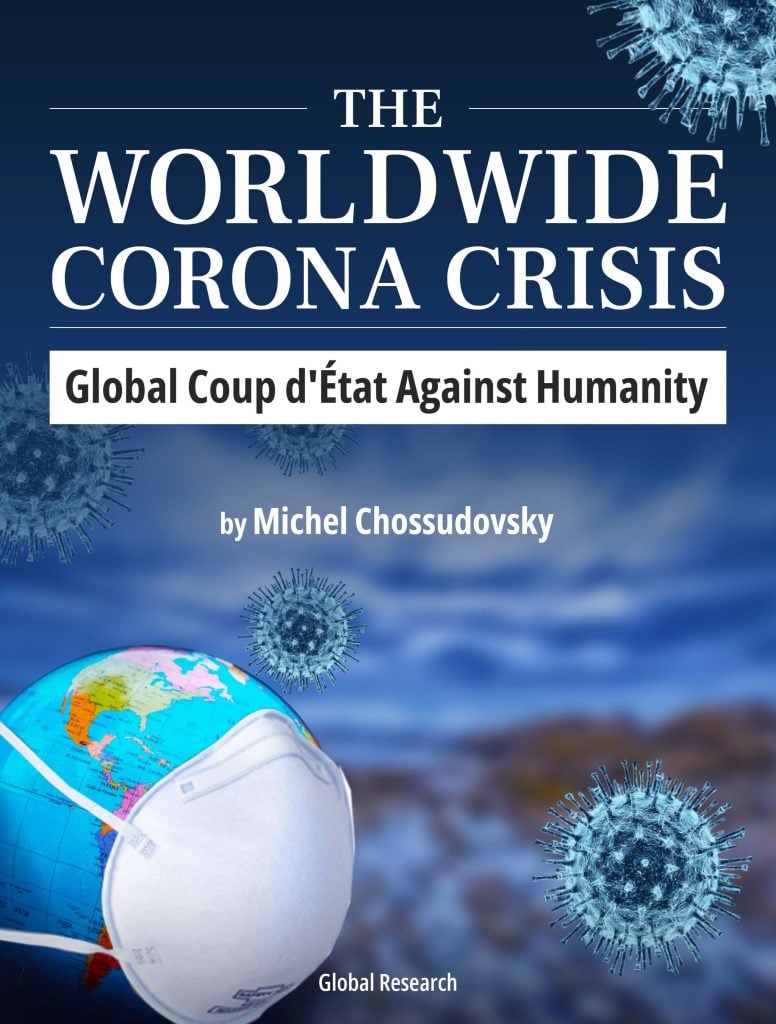
"The Worldwide Corona Crisis, Global Coup d'Etat Against Humanity" by Michel Chossudovsky - Global Research
My objective is to inform people worldwide and refute the official narrative which has been used as a justification to destabilize the economic and social fabric of entire countries, followed by the imposition of the “deadly” COVID-19 “vaccine”. This crisis affects humanity in its entirety...
 www.globalresearch.ca