
Anthro World Forum
You are using an out of date browser. It may not display this or other websites correctly.
You should upgrade or use an alternative browser.
You should upgrade or use an alternative browser.
The hidden history of humanity.Impostors/Jews(Rev. 2:9)deceived the world and DNA confirmed it
- Thread starter BarcelonaAtlantis
- Start date

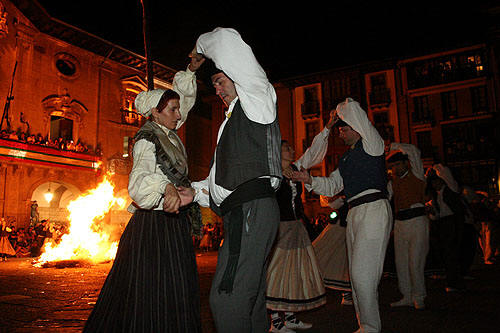
Basque Paganism and Catholicism Collide on June 23rd for San Juan Eguna | HELLA BASQUE
Learn about San Juan Eguna, the Basque summer solstice celebration. Find out why bonfires are lit on the shortest night of the year.
 www.hellabasque.org
Last edited:
Because the Basque people are the origin of paganism the oldest religion in the world and Basque is the original language of Europe your real ancestors.
Halloween, a Basque tradition: this is how they celebrated the "Night of the Souls" in Euskadi Different investigations collect testimonies about the tradition of emptying and decorating pumpkins to scare passers-by in the Basque Country. The custom was maintained at least until the 1960s. Poster about the 'Arimen gaua' or 'Night of the Souls' placed in Laukiz, a small municipality in Bizkaia. GIVES. Poster about the "Arimen gaua" or "Night of the souls" placed in Laukiz, a small municipality in Bizkaia. GIVES. BILBAO11/01/2019 11:25DANILO ALBIN @danialri Gau baltza means “black night”. Arimen gaua translates as "night of the souls". Both terms in Basque also rhyme with Halloween, or at least with a Basque tradition of commemorating the eve of All Saints' Day that comes, temporarily speaking, from afar. According to different testimonies and anthropological research, the celebration of October 31 has Basque origins. In the Basque Country, without calling it that, they had been organizing Halloween for several decades. “That was already done in my town. The boys, at night, hollowed out gourds, made holes for their eyes and noses, put a lighted candle in, and when the women came down from the rosary they were put in a narrow alley," said Karmele Esnal, a native of the Gipuzkoan town of Orio, within the framework of a work carried out by Ahotsak.eus, the program for the compilation and dissemination of the oral and dialectal heritage of the Basque Country promoted by the Badihardugu association. The anthropologists Jaime Altuna and Josu Ozaita turned this topic into an anthropological work that took the form of a book, entitled “Itzalitako kalabazen berpiztea” (“The resurrection of the extinguished pumpkins”, published by the Eibar city council and the Basque Summer University). There, precisely, the ties between the Basque Country and this celebration stand out. “Before the voices of American Halloween reached our ears, on dark autumn afternoons the souls of pumpkins lit up the corners of the Basque people”, they maintain. Altuna points out to Público that this tradition "was widespread in the Basque Country." "We have discovered that until the sixties it was very common in the Basque Country for boys and girls to empty pumpkins, put them on dark paths with candles and scare people," says this researcher. "Ancient Roots" “And now they talk about Halloween… That? I have seen that in my town, in the fall, in November”, pointed out Karmele Esnal in the recording made by Ahotsak. Precisely, Altuna remarked that the festivities around death that are celebrated at the end of October and beginning of November have very ancient roots. In this sense, he emphasizes that they are related "to the end of summer and the beginning of winter." “We would go to the orchard and steal a large pumpkin from the villager. We emptied it, some holes as eyes, mouth and nose, and putting a lighted candle inside… Yes, I have done these things”, added Jesús Gangoiti, a native of Bermeo, in the work produced by Ahotsak. The night of October 31, the same night that is now known as Halloween, never sounded foreign to him.
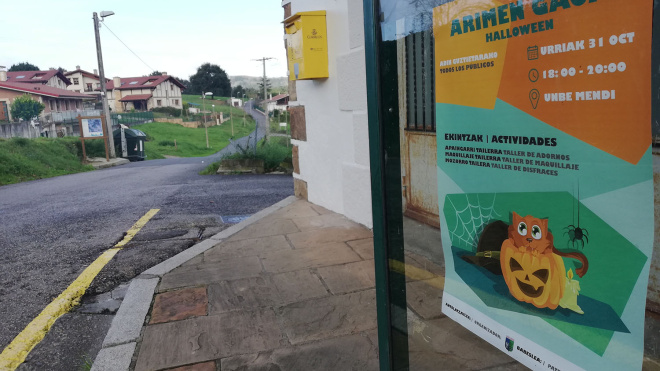
Halloween, una tradición vasca: así celebraban la “noche de las almas” en Euskadi
Distintas investigaciones recogen testimonios sobre la tradición de vaciar y decorar calabazas para asustar a los transeúntes en el País Vasco.
 www.publico.es
Last edited:
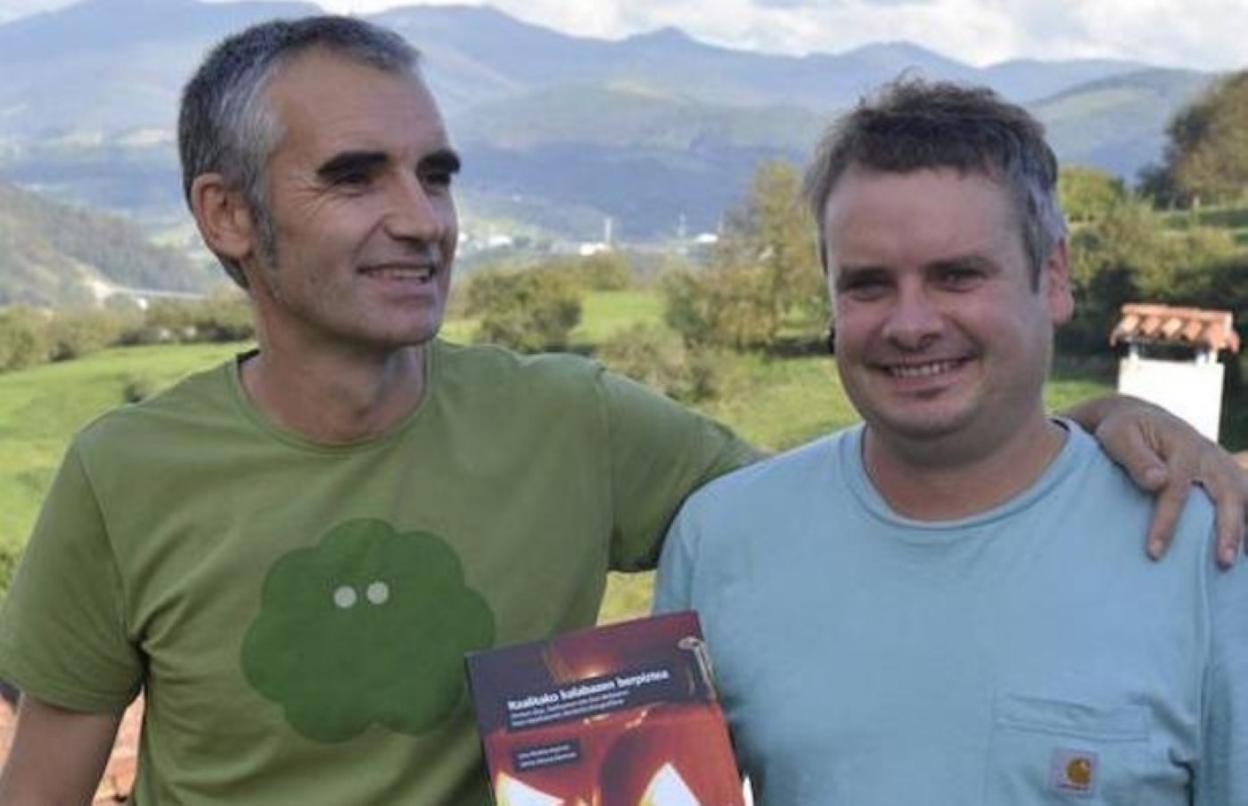
Charla sobre el origen vasco de la celebración de Halloween | El Diario Vasco
Será hoy a partir de las 19.00 horas en euskera y en Zaldibar antzokia
 www.diariovasco.com
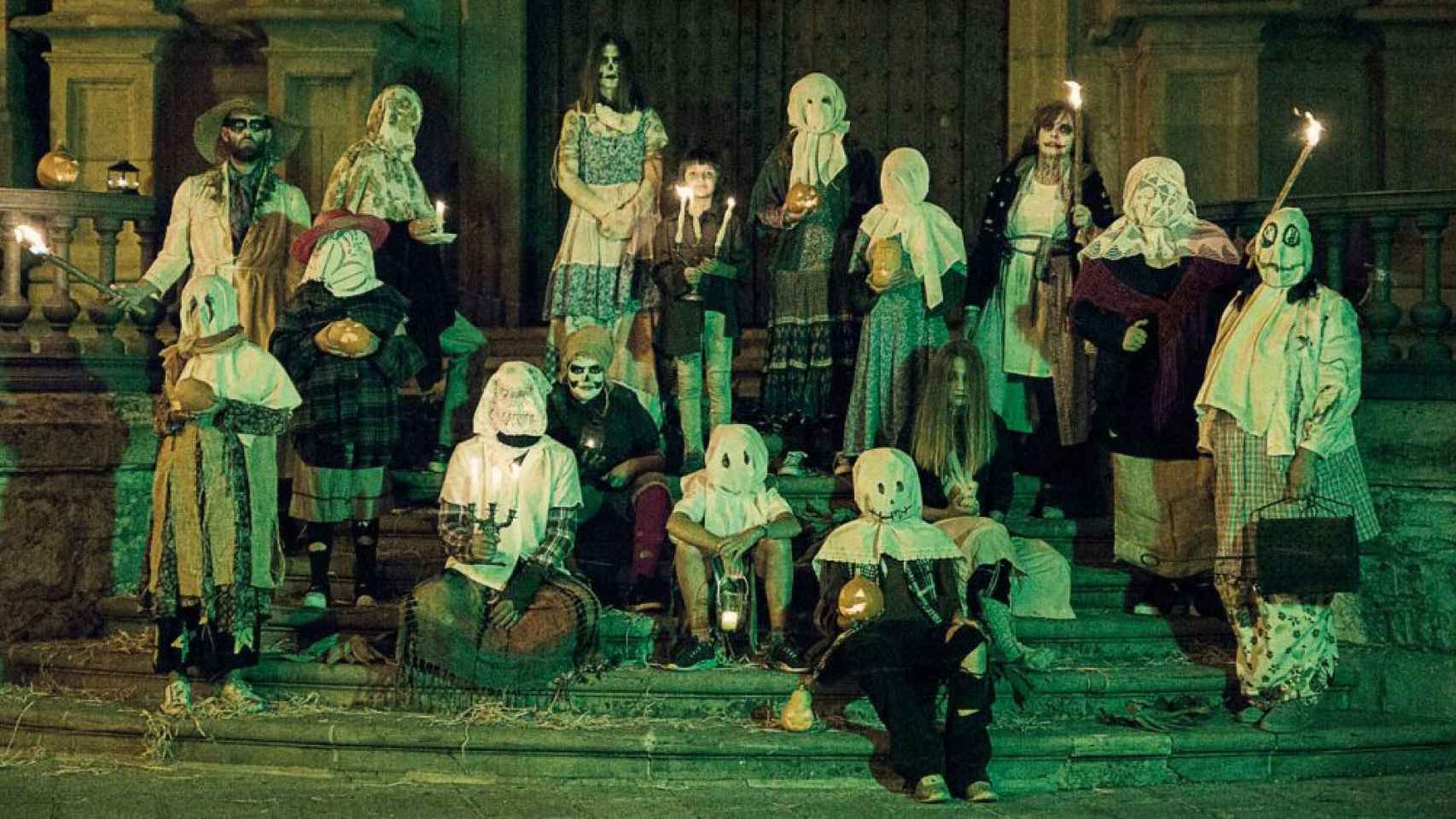
Halloween ya existía en Euskadi desde hace siglos: así es la 'Gau beltza' vasca
Con sábanas viejas, calabazas y nabos, Euskadi viene celebrando, mucho antes de que llegase Halloween, desde hace décadas, la víspera de Todos los Santos
 cronicavasca.elespanol.com
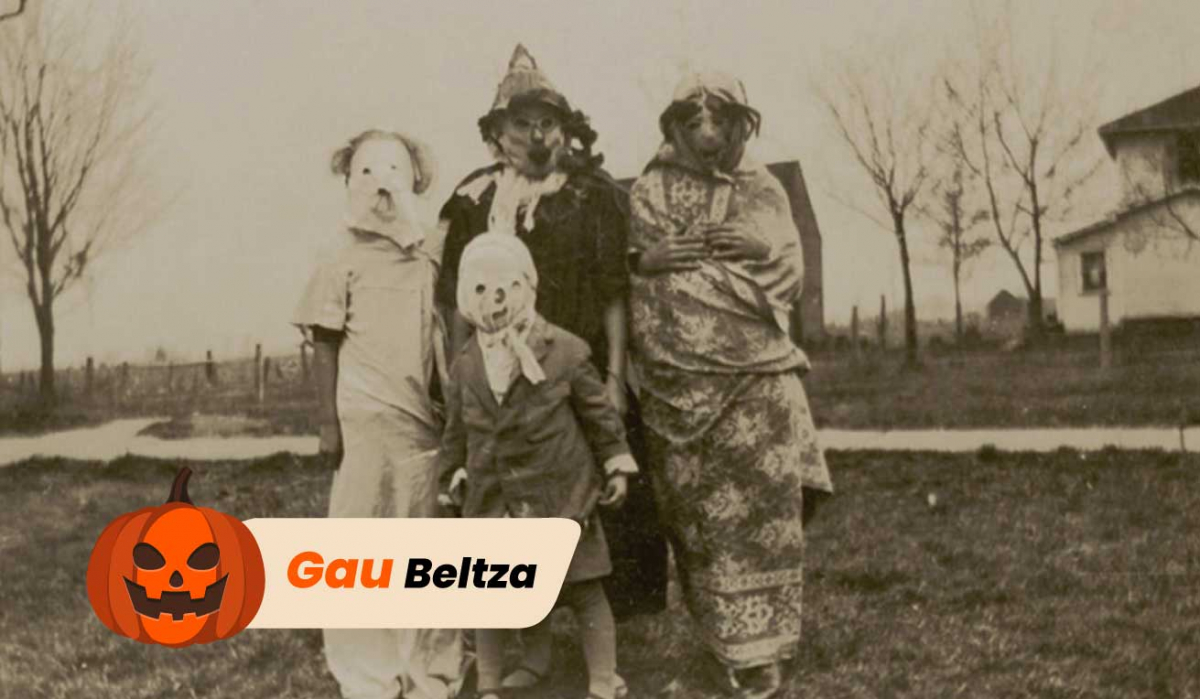
Gau Beltza: origen e historia del Halloween vasco
Antes de Halloween, Euskadi ya celebraba Gau Beltza. Te contamos la historia de Gau Beltza y también cómo y dónde se celebra Gau Beltza en Euskadi.

La calabaza de Halloween, una antigua tradición de Navarra
La costumbre de tallar calabazas y darles forma de calavera nunca ha sido ajena en los pueblos de la Comunidad Foral
Last edited:
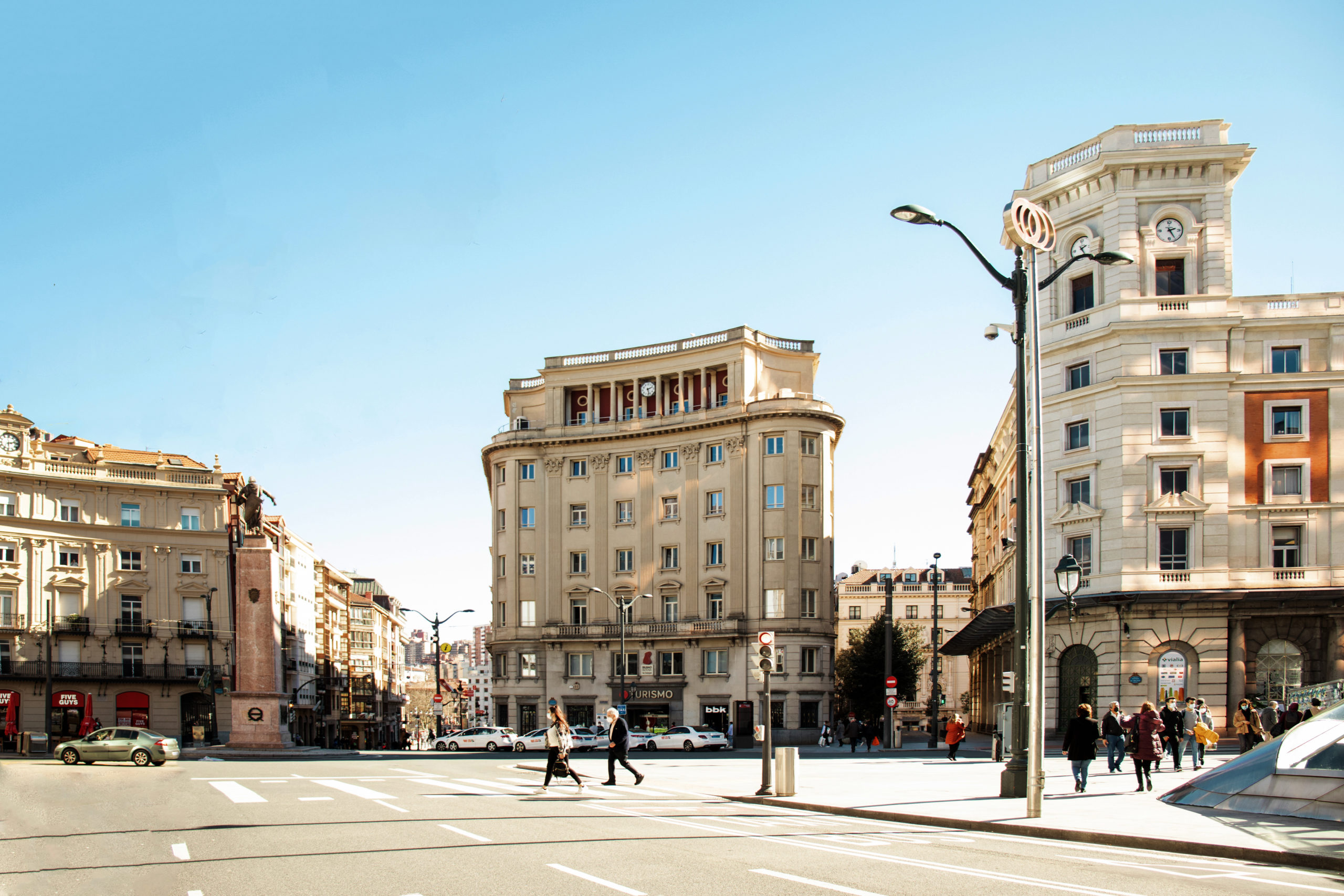
Zorrotzaurre: La Isla de Bilbao - Bilbao Ekintza
Proyecto de regeneración ideado por Zaha Hadid que transformará una antigua península industrial de Bilbao en una isla dinámica e innovadora.
 www.bilbaoekintza.eus

¿Quieres conocer Zorrotzaurre, la isla bilbaína basada en la construcción sostenible?
...
 www.cicconstruccion.com
Last edited:

José Luis Orrantia, ex árbitro: 'Cuando pitaba al Madrid, siempre recibía una llamada'
José Luis Orrantia, ex árbitro de la liga española, habló o en 'Planta Baixa' de TV3 sobre su etapa de árbitro profesional y los partido del Madrid: 'Cuando pitaba al Madrid, siempre recibía una llamada'
 www.sport.es

La denuncia de un árbitro que denunció presiones del Real Madrid en el año 1988 que se ha vuelto viral
En un reportaje de TV3 de diciembre de 1988, que se ha hecho viral, el ex colegiado José Luis Orrantia explica que el entonces presidente del Comité Técnico de Árbitros,...
Last edited:

Last edited:

A Twisted Secret Underground: The Strange Underground Tunnels Of Los Angeles
If you’ve ever driven in Los Angeles, you know how difficult it can be to just navigate the streets. Most drivers deserve trophies just for surviving their everyday journey, which is congested at all hours of the day and includes pedestrians rushing across the street at random. Unbeknownst to...
alienhistory.net

Gau Beltza, la fiesta que existía en Euskadi antes de Halloween | Blog Guuk
Gau Beltza, Gaba Beltza o Arimen Gaua. Origen y curiosidades sobre la fiesta que existía en Euskadi antes de Halloween. Descubre en qué pueblos se celebra
 blog.guuk.com
Last edited: