What's new
Anthro World Forum

This is an anthropology forum where we cover all sorts of topics and discussions. Once signed in, you'll be able to participate on this site by adding your own topics and posts. Register today to become a member!

The hidden history of humanity.Impostors/Jews(Rev. 2:9)deceived the world and DNA confirmed it

BarcelonaAtlantis

Moderator
Staff member
Edgar Cayce — known as “The Sleeping Prophet” — gave one of the most terrifying predictions of the 20th century: that Japan would sink into the sea, and California would break off into the ocean. Decades later, rising earthquakes, fault line activity, and strange signs across the Pacific suggest we may be living in the exact moment Cayce foresaw.

They dont show them like what they looked like like the cromagnons and the cromagnons are the Basque people the holy grail.


The Basque people the secret Holy Grail are the real americans.

"You will not kill" hehe
Giants tradition of Mallorca.

Cromagnon people=Basque people the envy of the world.

The greatest trick ever pulled by jehovah(the church) was convincing people that the slandered Satan wasnt God...


The rightful Stuart kings knew who the slandered and maligned Satan was that's why the founders of the USA were pro Satan but the impostors hid this fact.They hid that the USA was originally a Pagan country.The rightful Stuart kings are the sacred race that founded every nation.

 
Last edited:

BarcelonaAtlantis

Moderator
Staff member
Baba Vanga Warned of the ‘Black August’—And Now We See Why

Something dark was always destined to rise in August... and Baba Vanga knew it decades ago. Known for her chillingly accurate predictions, the blind mystic spoke of a “Black August” that would mark a turning point for the world—a month when shadows would stretch over nations, secrets would unravel, and the global balance would shift. In this video, we decode what she may have seen, explore the real-world signs appearing in August 2025, and uncover why this particular warning is more relevant now than ever.


We were slandered to be hated(Europeans)because of who we really are(divine).They did the same with the slandered Satan which is our true Savior.

Because Hawaii also was part of Tartaria/Atlantis.

Un puente romano en Nagasaki, Japon.Parece un puente romano de cualquier ciudad española....nuestro legado(Basco/Romano/Italo Celta) oculto en todo el mundo. Megane_Bridge_2021[1].jpg https://en.wikipedia.org/wiki/Nagasaki#


We were the Naggas of India.Naga-saki, Japan is related to Naggas.


The so called bible is a falsification.
The Etruscans were the Basques(Italo Celts) the Holy Grail.

Across the deserts of the American Southwest, the Hopi people have carried a chilling prophecy for generations—the vision of “The Twin Eyes of the Great Spirit.” According to the elders, a day will come when two bright orbs will appear in the sky at once. One will shine with golden warmth, watching over the righteous. The other will burn blood-red, bringing judgment to the wicked. When they appear together, the final purification of the Earth will begin.

This is more than a sky omen—it is a test of the human spirit. The Hopi say that no one will be able to hide their true nature when the “eyes” open above us.

Via the Basque Country that's why Irish people descend from Basque people.

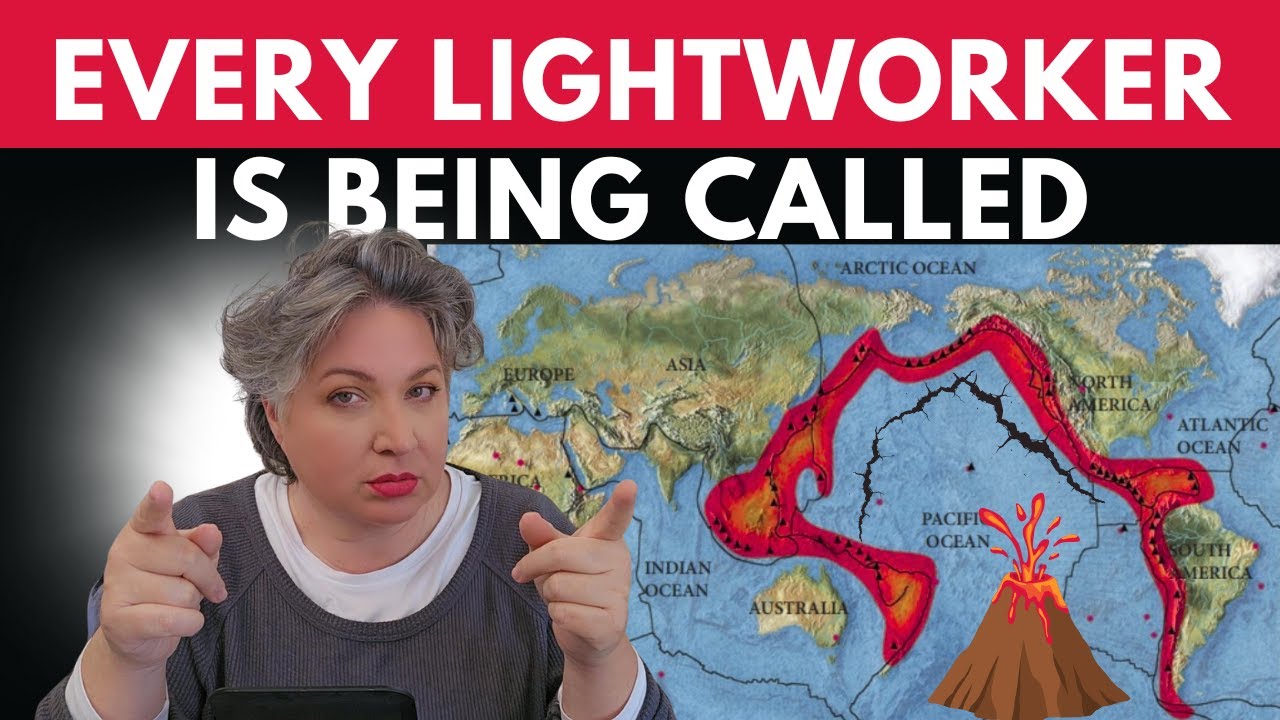
The Ring of Fire Activation - Every Lightworker Is Being Called
A massive energetic portal is opening, and the call has gone out to every lightworker on Earth.

The Ring of Fire, a vast volcanic and tectonic grid encircling the Pacific is being activated as celestial reinforcements arrive. The first to answer is the Red Dragon of Light, a megadragon the size of multiple mountain ranges, and one of at least seven ancient guardians of our realm.

This is not the fiery end many fear. This is the ignition of a new beginning. The ripple will be felt first in your energy field, then emotionally, and finally in the physical. Your role is to ground, breathe, and allow the light to move through you, so you can hold more of who you truly are.

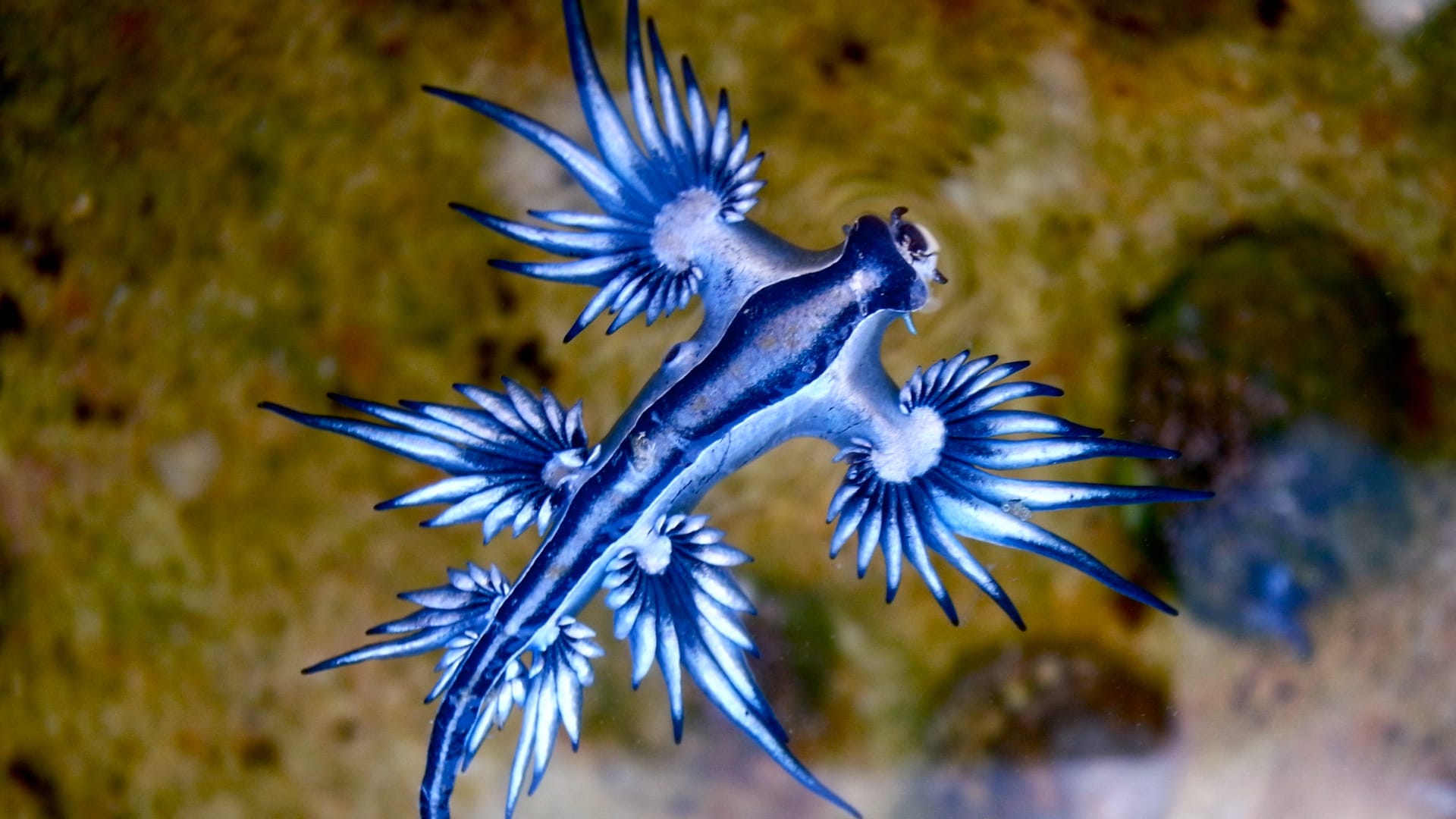
Avistan en el noroeste de Mallorca un 'dragón azul' que no se registraba en aguas de Baleares desde 1705 https://www.ultimahora.es/noticias/...zul-registraba-aguas-baleares-desde-1705.html


The "Rainbow Prophecy," also known as the Legend of the Rainbow Warriors, is a concept found in various indigenous cultures, particularly Native American traditions, that speaks of a future time of unity, healing, and environmental restoration. It describes a time when people of all races and backgrounds will unite to heal the Earth and live in harmony with nature

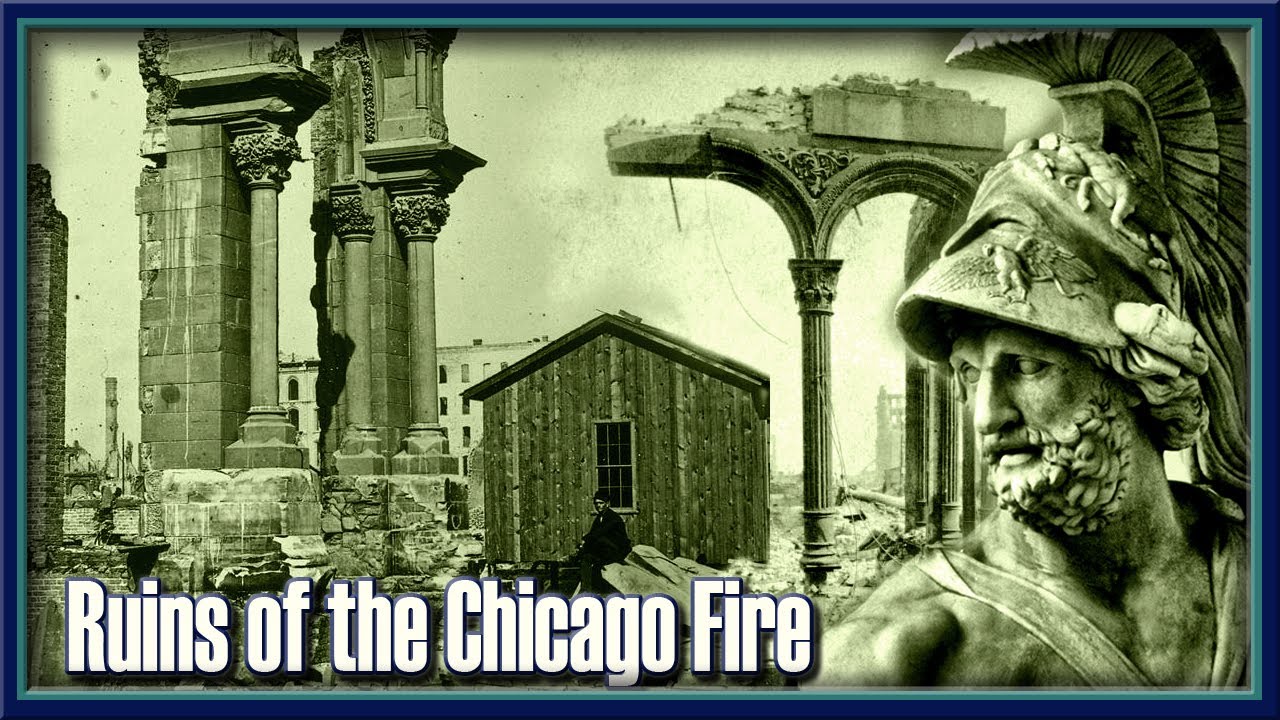
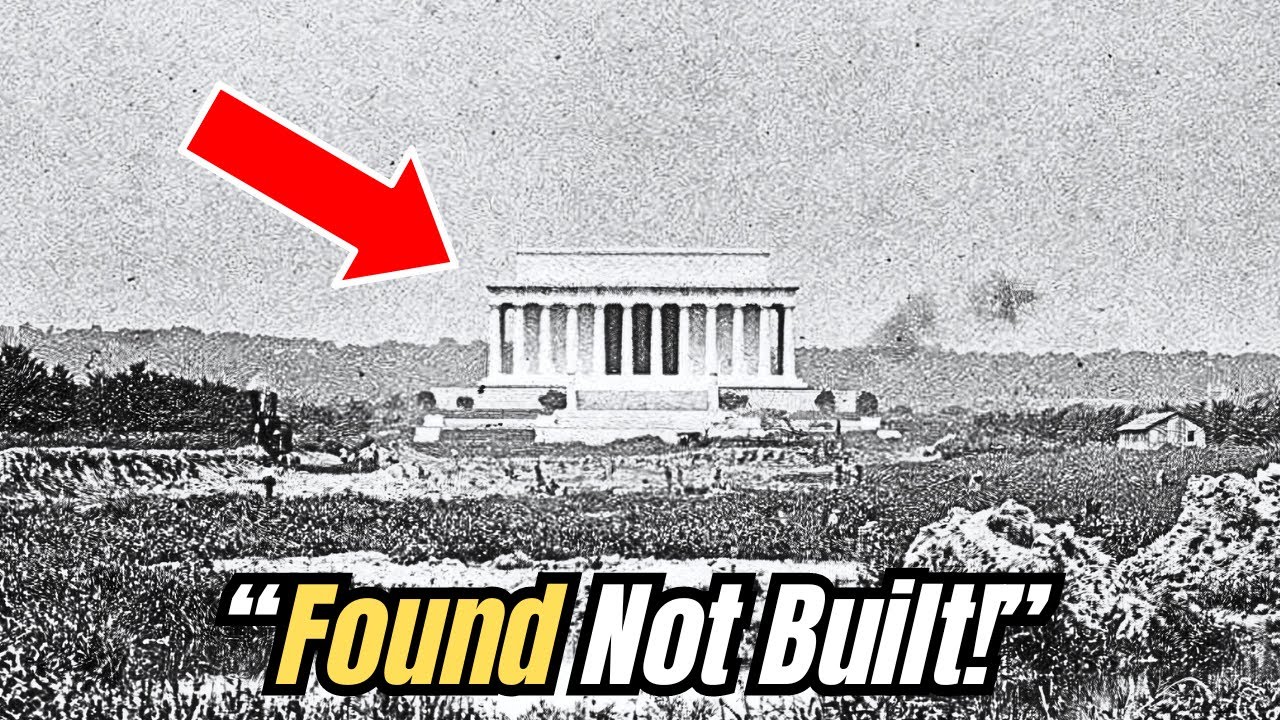
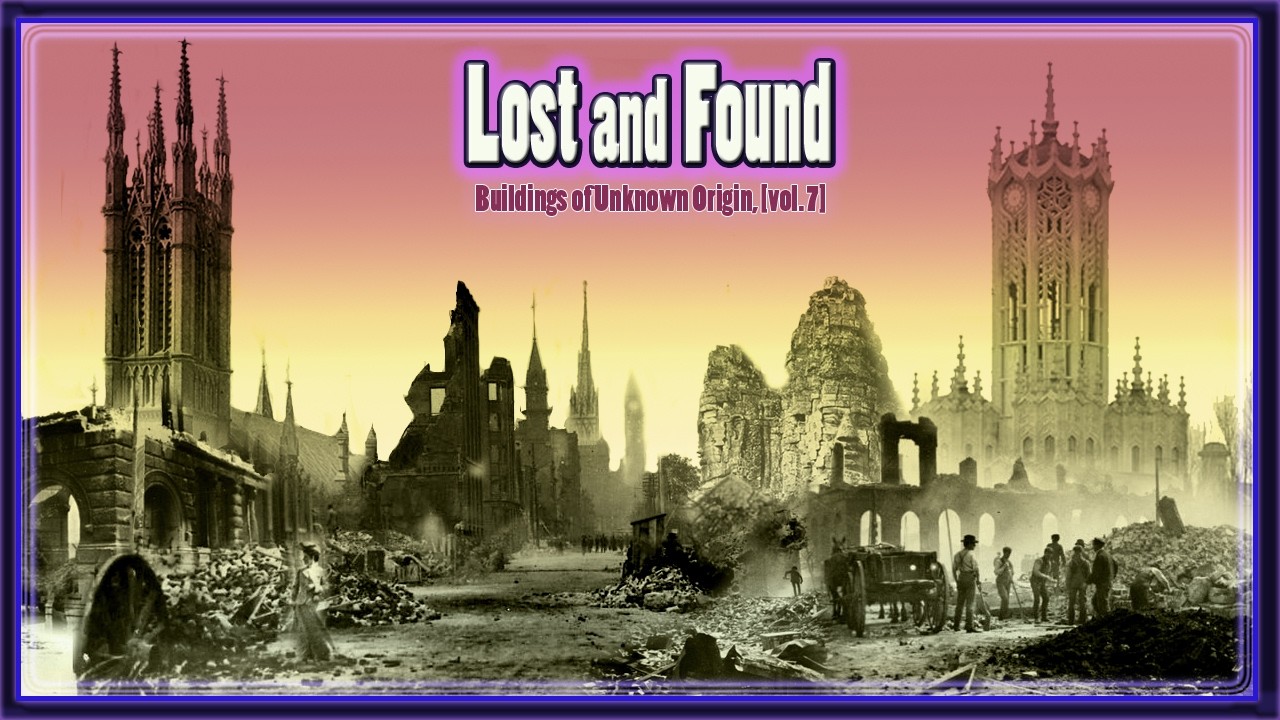
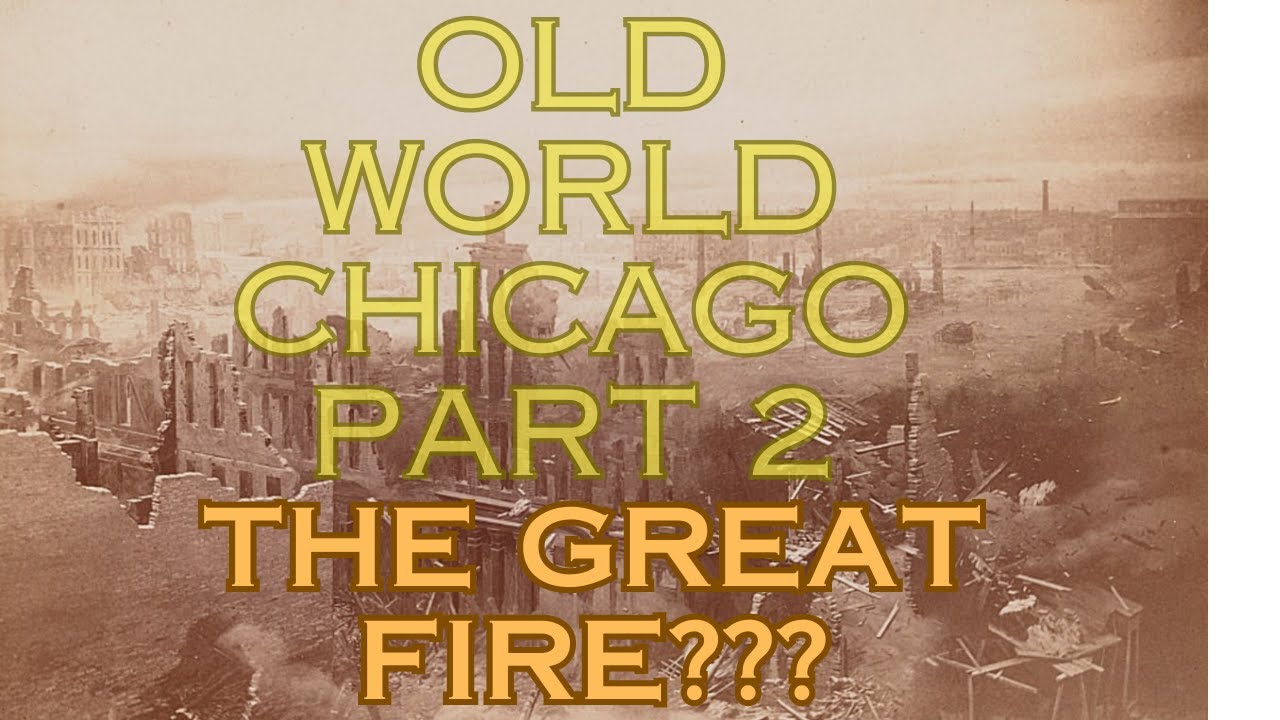
Why are we told that the destructive city infernos which plagued the U.S. in the late 1800's & early 1900's were the result of wooden constructions, when photographs clearly show block after block of brick and stone buildings themselves, suggesting an advanced urban architecture?Busted parasites.
 
Last edited:

BarcelonaAtlantis

Moderator
Staff member
Atlas same root as Atlantis.We prevail.

Catalanes que haceis con la bandera cristiana fills meus?No sois libres por culpa del judeo cristianismo y vosotros con la banderita cristiana....

Si esta guerra espiritual es el judeo cristianismo(el enemigo de Europa y donde esta Catalunya?Aja en Europa)versus el paganismo(los dioses/godos autenticos nosotros) que representa a Europa la autentica no la pseudo europa que esta tomada por el judeo cristianismo/Madrid.

https://es.arsgoetiademons.com/blogs/demonology/demonization-pa "Un fenómeno fascinante pero polémico dentro de esta historia es la demonización de deidades paganas, un proceso en el que dioses y espíritus alguna vez venerados fueron transformados en figuras demoníacas por religiones emergentes" Nos difamaron los impostores condenados de Madrid.

"One fascinating yet contentious phenomenon within this history is the demonization of pagan deities, a process in which once-revered gods and spirits were transformed into demonic figures by emerging religions(christianity)" https://arsgoetiademons.com/blogs/demonology/demonization-pagan-deities-became-symbols-of-evil


Chinese dragons (Loong or Long this is the name for Satan in China) are generally benevolent and associated with auspicious powers, particularly control over water and weather. They symbolize strength, bravery, invincibility, virtue, and good fortune. See who is invincible?

 
Last edited:

BarcelonaAtlantis

Moderator
Staff member
And of course it is in Mallorca


La mitología vasca, con raíces precristianas, es considerada una religión pagana naturalista. Los vascos, a través de la tradición oral, han transmitido historias de seres y fenómenos naturales que reflejan una profunda conexión con la tierra y sus elementos. Figuras como Mari, la reina de la naturaleza, y seres como Basajaun (señor de los bosques) y Akerbeltz (señor de los animales), son ejemplos de esta rica mitología.

Elementos clave de la religión pagana vasca:
  • Naturalismo: La mitología vasca se centra en la naturaleza y sus fenómenos, como elementos centrales de sus creencias.

  • Mari: La figura principal, una diosa que controla los fenómenos meteorológicos y la naturaleza, con moradas en cuevas y montañas.

  • Lurra: La tierra, considerada como la base cosmogónica de la mitología.

  • Urtzi: Vinculado a los fenómenos celestes.

  • Eguzki y Ilargi: El sol y la luna, importantes para el día y la noche, respectivamente.

  • Basajaun: El señor de los bosques, protector de los animales salvajes.

  • Akelarre: Antiguos rituales vascos relacionados con la naturaleza, que fueron juzgados como satánicos por la Inquisición.

  • Sorgiñak: Seres que explican el origen de los males de la población.

  • Galtxagorri: Seres que explican sucesos domésticos.

  • Jentilak: Seres que explican la existencia de monumentos megalíticos.

  • Transmisión oral: La mitología se ha transmitido de generación en generación a través de cuentos y leyendas, preservando sus raíces paganas.

The "Three Suns Prophecy" is a multifaceted concept with roots in various cultural and religious beliefs, often associated with eschatology and the concept of cyclical time. It typically involves a belief that the end of a cosmic or historical period is marked by the appearance of three suns (or three phases of a single sun). images[1].jpg
 
Last edited:

BarcelonaAtlantis

Moderator
Staff member
On September 7, 2025, a rare total lunar eclipse will turn the moon a deep blood-red. For the Ojibwe people, this is not just a beautiful celestial event — it is the “Moon of Warning.” Elders teach that when Grandmother Moon changes her face in such a way, it signals a time of great change, testing, and spiritual awakening.

Basque mythology, with pre-Christian roots, is considered a naturalistic pagan religion. Through oral tradition, the Basques have passed down stories of natural beings and phenomena that reflect a deep connection with the earth and its elements. Figures such as Mari, the queen of nature, and beings such as Basajaun (lord of the forests) and Akerbeltz (lord of animals) are examples of this rich mythology. Key elements of Basque pagan religion: Naturalism: Basque mythology focuses on nature and its phenomena as central elements of their beliefs. Mari: The main figure, a goddess who controls meteorological phenomena and nature, with dwellings in caves and mountains.

Lurra: The earth, considered the cosmogonic basis of mythology.

Urtzi: Linked to celestial phenomena.

Eguzki and Ilargi: The sun and the moon, important for day and night, respectively. Basajaun: The lord of the forests, protector of wild animals.

Akelarre: Ancient Basque rituals related to nature, which were judged as satanic by the Inquisition. Sorgiñak: Beings who explain the origin of the population's ills. Galtxagorri: Beings who explain domestic events.

Jentilak: Beings who explain the existence of megalithic monuments. Oral transmission: Mythology has been passed down from generation to generation through tales and legends, preserving its pagan roots.

Enki is remembered not just as a benevolent god who saved the human race from extermination, but who also imparted knowledge.

OANNES the Civilizers (SHARDANA Jenesi degli Urim) (The Peoples of the Sea) (Italian Edition) Kindle Edition Italian Edition by Leonardo Melis (Author) Format: Kindle Edition 3.7 out of 5 stars 40 ratings Related to The Peoples of the Sea EXTRACT from “Shardana Jenesi degli Urim” by Leonardo Melis Sumerian tales speak of civilizers who “came from the sea.” They even describe them as “fish-men.” Some of them were known by the name Oannes, a name we will also find in other later cultures, not least the Jewish/Christian one. Myths tell that the Oannes came from the sea to instruct the people and returned to their aquatic kingdom in the evening. It is likely that the first Oanne was the god Enki. Later, during the time of Ensibizianna, the Sumerian king corresponding to the biblical Jared and the Greek Danaus, four more Oannes appeared. Their names were: Eudokos, Eneugamos, Eneuboulos, and Anementos. Danaus reigned for 10 SAR (360,000 years). This is what Berossus, the scribe of Harran who spoke in Greek, recounts. They dressed in a "fish skin" that covered their bodies from head to toe. This myth probably gave rise to the character of Enki/Ea, the God of underground water (Apsu or Abzu) or of the Sacred Wells. Other gods of later peoples also took their inspiration from these characters: Poti.Dan, the Greek Poseidon, and the Latin Neptune. Joanne (Oanne?) the Baptist had the characteristics of the aforementioned gods (Baptista means "diver"). We also find this God in the culture of African peoples: the Dogon people worshiped a god with this name. Even the Pheleset had Dagon, a copy of the Sumerian Oannes. But above all is Enki/Ea, the God of the Apsu and the Sacred Wells. He is considered the one who brought knowledge to humanity. It is he who saved the Mesopotamian Noah from the Flood, even against the advice of the other Gods, above all En.Lil (El, the Lord). Enki is often depicted with the symbol of water and surrounded by fish. That the first Oanne was Enki can also be deduced from the description given to us in ancient texts: "Oannes appeared from the Erythraean Sea, near Babylon (in Eridu, the home of Enki?). He taught how to cultivate, build, legislate, measure, write..." https://www.amazon.com/OANNES-Civil...w25PBa8Y3Q8iMCEcWw_aem_fguDW1vj3tCssONrqtxxvQ


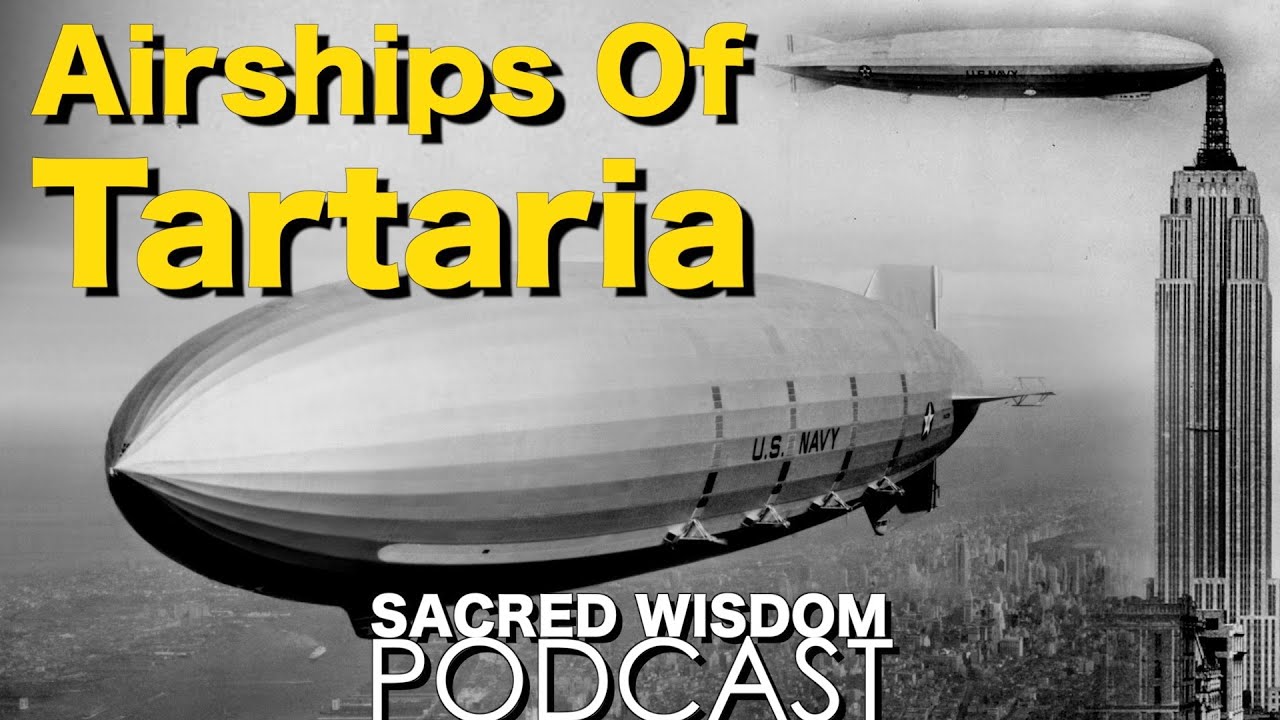
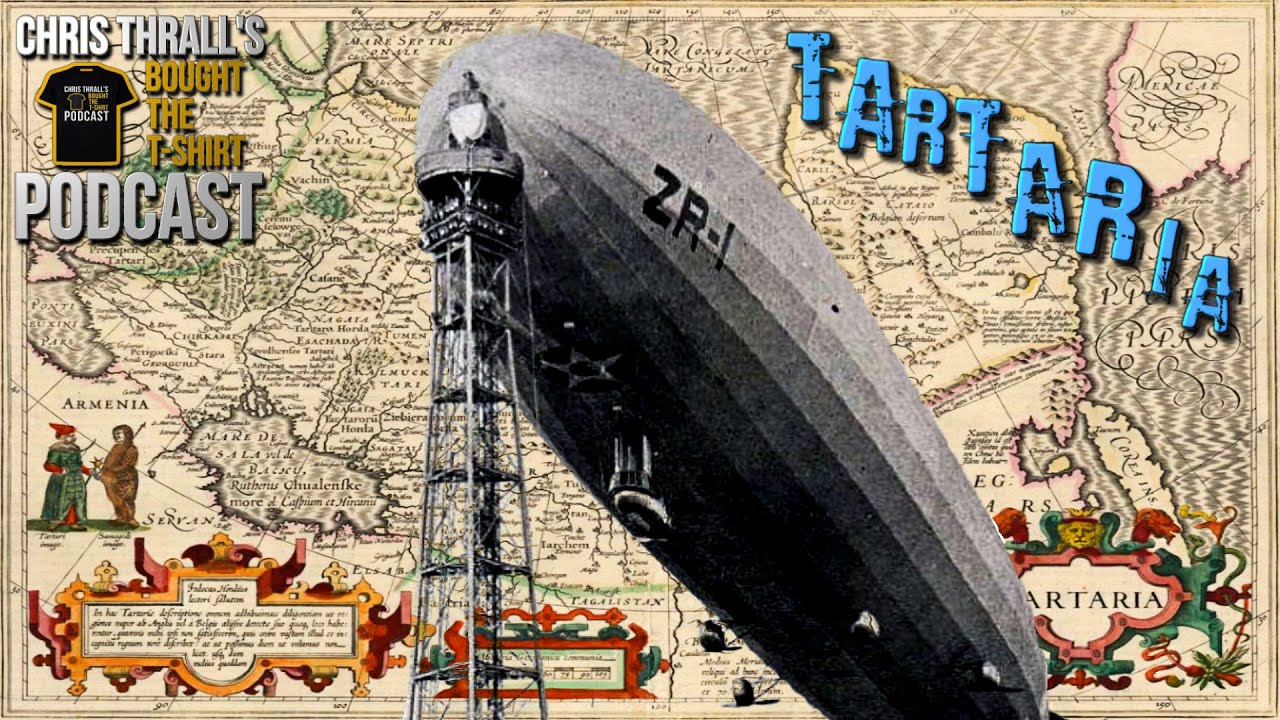
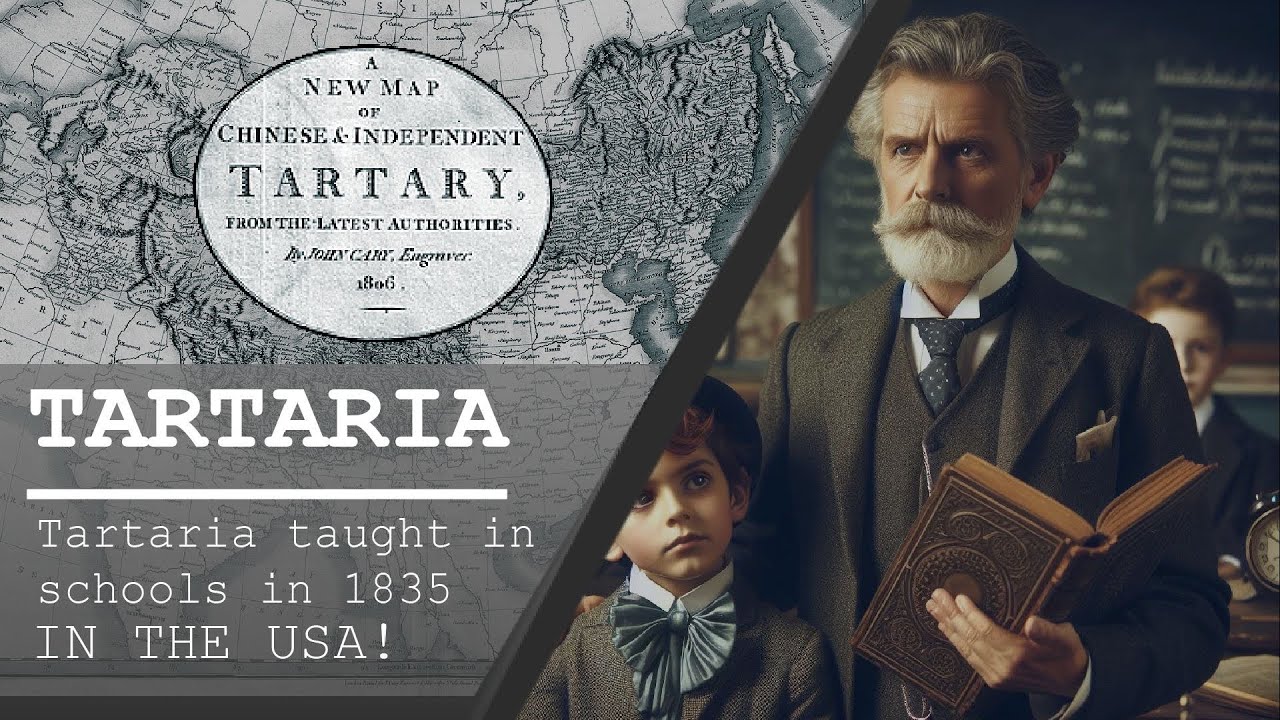
Tartaria the real USA.

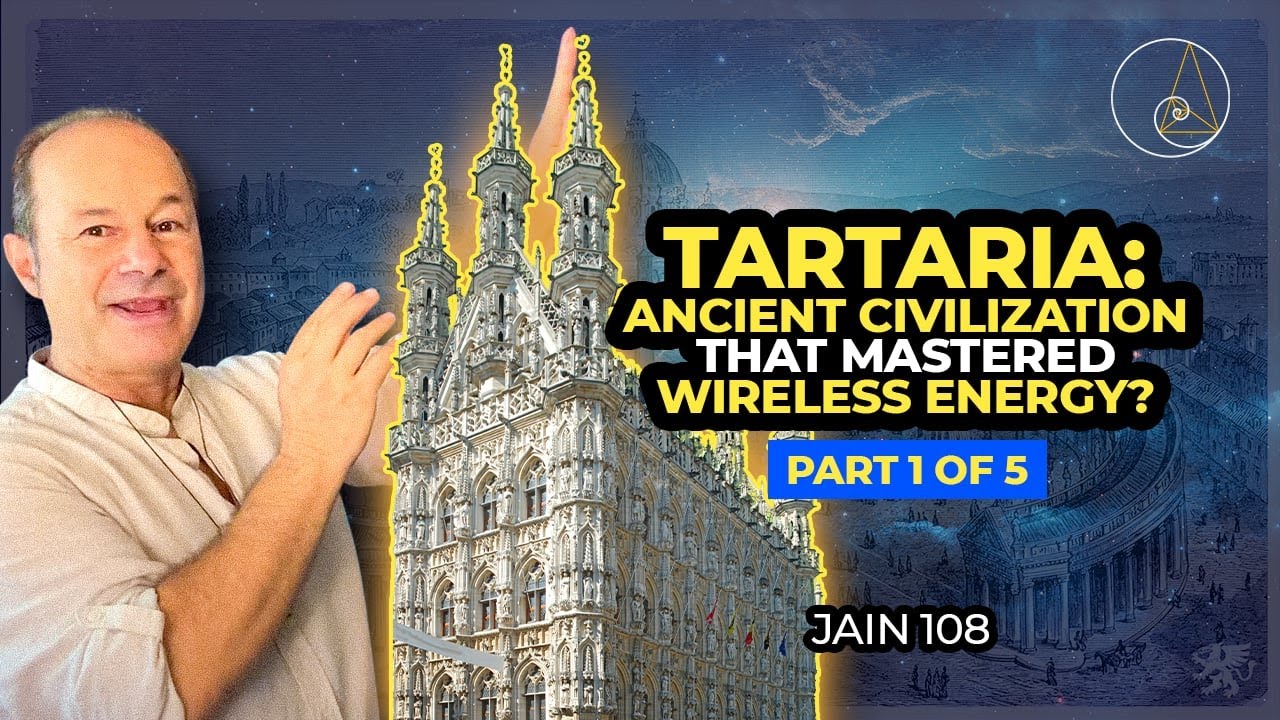
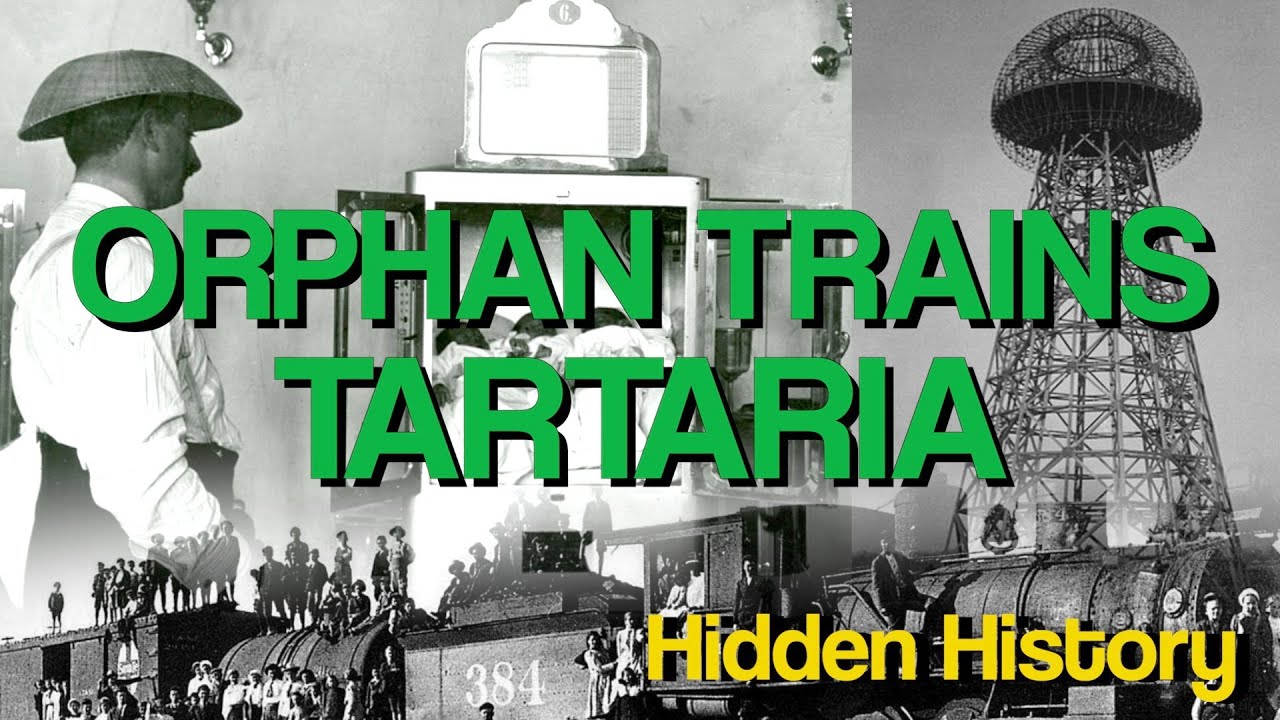
What if Tartaria was real(it is real), and history as we know it is a carefully crafted illusion? This shocking theory connects lost civilizations, mysterious World’s Fairs, and the erased empire that might have held the key to free energy. From orphan trains to secret societies, the story unravels a hidden global operation designed to reshape the past and control the future. Could Anatoly Fomenko’s compressed timeline reveal a suppressed truth that challenges everything we’ve been taught? In this video, we explore ancient maps, forgotten architecture, and clues pointing to a grand cover-up. Prepare for a deep dive into the mysteries they don’t want you to know.

THE DIVINE CODE OF THE UNVACCINATED, a spiritual frequency that is activating a NEW AWAKENING OF HUMANITY. It's not theory or coincidence: it's an ancient vibrational pattern that, at this exact time, is unlocking gifts, ancestral memory, and DNA that has been dormant for centuries. You will discover how this invisible energy is aligned with prophecies and revelations, and why those who maintain this natural connection are key players in global transformation. Prepare to receive a profound message, supported by signs, synchronicities, and an urgent call to awaken your true potential.


The media controls your simulated reality so you dont know what point in history we are at because the media doesnt tell you about it and you only believe what the media says...
A spiritual awakening is a call to higher consciousness and deeper mental awareness. The process of spiritual awakening brings about personal transformation.
 
Last edited:

BarcelonaAtlantis

Moderator
Staff member
Artificial Intelligence wasn’t invented at all—but rediscovered from a lost, advanced civilization that existed before a reset? In the early 1900s, secret excavations under the Sphinx and deep within the Saqqara necropolis uncovered giant-sized tombs, hieroglyphs that looked like circuitry, and technology unlike anything in our history books. Instead of sharing the truth, authorities buried the evidence, denied the finds, and shipped artifacts into private collections. The official timeline of AI may be a complete fabrication—because the real story begins long before we were told humanity had the capability to create it.
https://www.youtube.com/watch? https://www.youtube.com/watch?v=RLP8KbBOp5Q


Banyalbufar, Mallorca.
spain-balearic-islands-banyalbufar-drone-panorama-of-coastal-town-in-summer[1].jpg

 
Last edited:

BarcelonaAtlantis

Moderator
Staff member
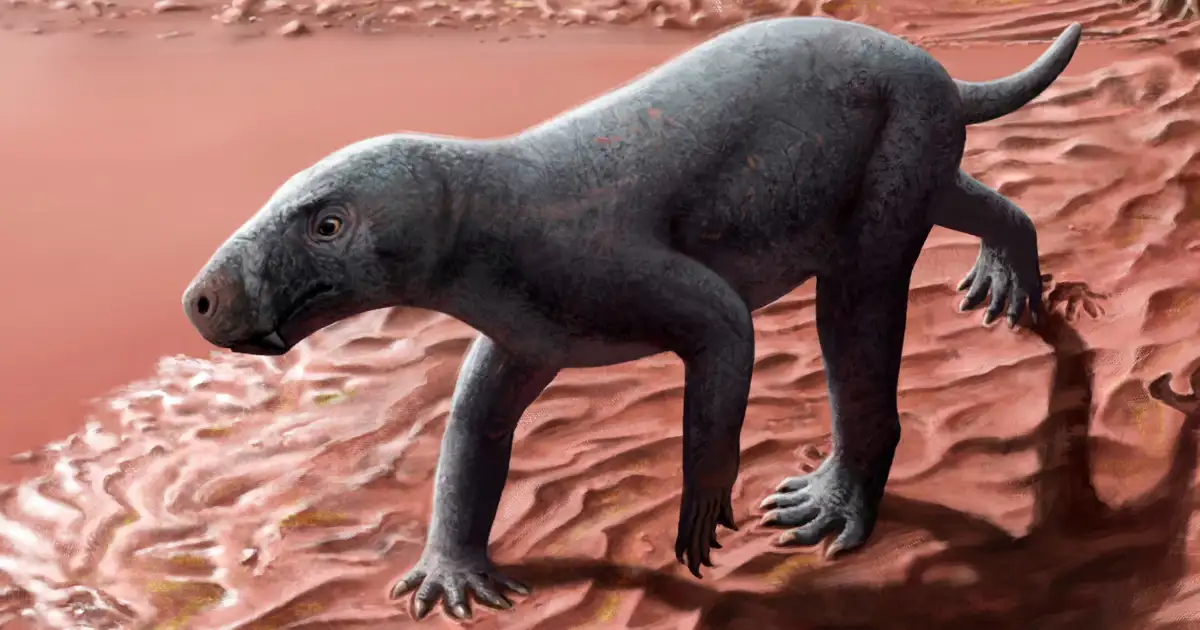
Un reciente descubrimiento paleontológico en la isla de Mallorca ha sorprendido a la comunidad científica internacional. Se trata de los restos de un gorgonopsio, un antiguo depredador con características fascinantes que vivía hace más de 270 millones de años. Este hallazgo no solo destaca por su antigüedad, sino también por su localización inesperada en Baleares. El estudio, dirigido por un equipo internacional de investigadores, ofrece nuevas pistas sobre la evolución de los primeros mamíferos.

Un depredador prehistórico en Mallorca

Diseño Sin Título 2024 12 17t110414.138
© Imagen generada con IA
Los gorgonopsios son un grupo extinto de sinápsidos que dominaron la cadena alimentaria durante el Pérmico, mucho antes de la aparición de los dinosaurios. Este grupo, que después daría lugar a los mamíferos, se caracteriza por sus afilados dientes de sable, su locomoción avanzada y su aspecto peculiar: un cuerpo parecido al de un perro, sin pelo ni orejas, y con rasgos reptilianos. A diferencia de los mamíferos modernos, estos depredadores ponían huevos y mostraban un comportamiento carnicía similar al de los grandes superdepredadores de la historia.

El hallazgo tuvo lugar en el municipio de Banyalbufar, en la sierra de Tramuntana. Según Rafel Matamales, investigador del Instituto Catalán de Paleontología (ICP) y primer autor del estudio, la cantidad de restos recuperados es excepcional. Entre los fósiles destacan fragmentos de cráneo, vértebras, costillas y un fémur en excelente estado de conservación.


El gorgonopsio más antiguo del mundo

Uno de los aspectos más sorprendentes del descubrimiento es su antigüedad. Los restos encontrados en Mallorca tienen al menos 270 millones de años, lo que lo convierte en el gorgonopsio más antiguo conocido hasta la fecha. Este dato desafía las teorías previas sobre la distribución geográfica de estos animales, cuyos registros anteriores se limitaban a zonas extremas como Rusia o Sudáfrica.

Diseño Sin Título 2024 12 17t110704.029
© Youtube
El investigador Josep Fortuny, director del grupo de Biomecánica Computacional del ICP, señala que la localización en Baleares es insólita. Durante el Pérmico, Mallorca no era una isla, sino parte del supercontinente Pangea, situada cerca del ecuador en una región de clima tropical. El entorno donde vivía este gorgonopsio era una llanura inundable con lagunas temporales, donde convivía con otros animales como los captorrínidos, un grupo antiguo de reptiles herbívoros.


Cómo se desplazaba y cazaba el gorgonopsio

El análisis de los restos ha proporcionado información valiosa sobre la locomoción de estos animales. A diferencia de los reptiles tradicionales, que tienen las patas orientadas lateralmente, los gorgonopsios presentaban extremidades más verticales. Esto les permitía desplazarse de manera más eficiente, combinando un movimiento intermedio entre reptiles y mamíferos. Este detalle sugiere que estos depredadores podían perseguir activamente a sus presas en lugar de limitarse a emboscarlas.

El éxito de su estrategia de caza queda confirmado por la presencia de dientes de sable, característicos de los grandes depredadores. Estos dientes, afilados y alargados, les permitían infligir heridas mortales a sus presas. Àngel Galobart, investigador del ICP, confirma que el gorgonopsio de Mallorca era un depredador clave en su ecosistema, ocupando el lugar de superdepredador en aquella llanura tropical.


Un hallazgo que revoluciona la paleontología

El descubrimiento del gorgonopsio en Mallorca representa un avance significativo para la paleontología. Además de ampliar nuestro conocimiento sobre la distribución geográfica de estos animales, ofrece pistas cruciales sobre la transición evolutiva hacia los mamíferos modernos. Los gorgonopsios son una pieza clave en este rompecabezas, al ser los primeros animales en desarrollar adaptaciones como la sangre caliente y los dientes especializados.

El estudio, publicado en Nature Communications, ha sido liderado por el Instituto Catalán de Paleontología y el Museo Balear de Ciencias Naturales, con la colaboración de investigadores de instituciones internacionales como la Universidad de Princeton y el Museo Field de Chicago. Estos resultados subrayan la importancia de continuar explorando regiones inesperadas como Baleares, que podrían albergar nuevos y sorprendentes hallazgos.

Conclusión

El gorgonopsio hallado en Mallorca no solo reescribe la historia de este linaje prehistórico, sino que también nos invita a imaginar un mundo perdido, donde depredadores fascinantes dominaban las tierras ecuatoriales de Pangea. Este descubrimiento extraordinario refuerza la importancia de la investigación paleontológica y deja abierta la posibilidad de futuros hallazgos que podrían cambiar, una vez más, lo que sabemos sobre la evolución de la vida en nuestro planeta.


BarcelonaAtlantis

Moderator
Staff member

Valldemossa(Serra de Tramuntana), Mallorca.

En Mallorca podriamos hacer algo como esto en Munich seria genial y respirariamos aire puro.

Se trata de un proyecto emblemático que pondrá a disposición de los vecinos de Palma un pulmón verde de más de 4 millones de metros cuadrados.


Por la finca discurre igualmente el Camí Reial, que unía Palma y Puigpunyent, que data del siglo XIII y que forma parte de la Ruta de la Pedra en Sec, convirtiendo a Son Quint en la puerta de entrada de Palma a la Serra de Tramuntana.

El Bosque Metropolitano se desarrollará en distintas fases a corto, medio y largo plazo.

Esta gran infraestructura integrará zonas verdes ya existentes e incorporará otros espacios, como las canteras de Sa Garrigueta y Can Rosselló, una vez adquiridas, así como diferentes corredores que conectarán la zona urbana con la montaña.

De esta forma, se creará un anillo verde que unirá Palma con la Serra de Tramuntana, la Ruta de Pedra en Sec y la Ruta de l’Arxiduc Lluís Salvador, contribuyendo a la recuperación de zonas degradadas y a incrementar la oferta de itinerarios peatonales y para ciclistas, estableciendo un vínculo entre la ciudad, el mar y la montaña, aportando importantes beneficios medioambientales y sociales que incrementarán la calidad de vida de todos los palmesanos, facilitándoles el acceso a más zonas verdes y mejor conectadas”.

El jardin ingles de Munich tiene 3.7 millones de metros cuadrados y es uno de los parques urbanos mas grandes de Europa y el futuro parque/bosque metropolitano de Palma tendra mas de 4 millones de metros cuadrados.

The Hopi prophecy warns of Purification Day—a time when the Earth will cleanse herself through fire, floods, and great shaking. Elders called this time “The Black Month of Purification,” and they tied it to the harvest season of September.

September has always symbolized the reaping of what humanity has sown—but what if what we have sown is greed, corruption, and imbalance with the Earth? Could the strange disasters, wildfires, earthquakes, and floods we are witnessing be the signs of prophecy unfolding before our eyes?

The Hopi spoke of the Blue Star—a celestial sign that would mark the closing of the age and the cleansing of the Earth. In this chilling yet awakening video, we uncover the warnings, the hidden meanings of September, and what the Black Month means for humanity today.
 

Attachments

  • solar_manzana_xxxiii_s22_w_720.jpg
    solar_manzana_xxxiii_s22_w_720.jpg
    258.4 KB · Views: 0
Last edited:

BarcelonaAtlantis

Moderator
Staff member
 
Last edited:

BarcelonaAtlantis

Moderator
Staff member
www.youtube.com/watch?v=OlhUGvgMexc&fbclid=IwY2xjawMkKwdleHRuA2FlbQIxMABicmlkETBGeUJOMXMydzZoOHkxOUVGAR5a4BSfKW2YraD95LDuYODB0UsvRtu2ehtCUcd4sIE1RlUtNY-6p01Aez0pJg_aem_M-ivAv3MHH2XraBv5bNPag

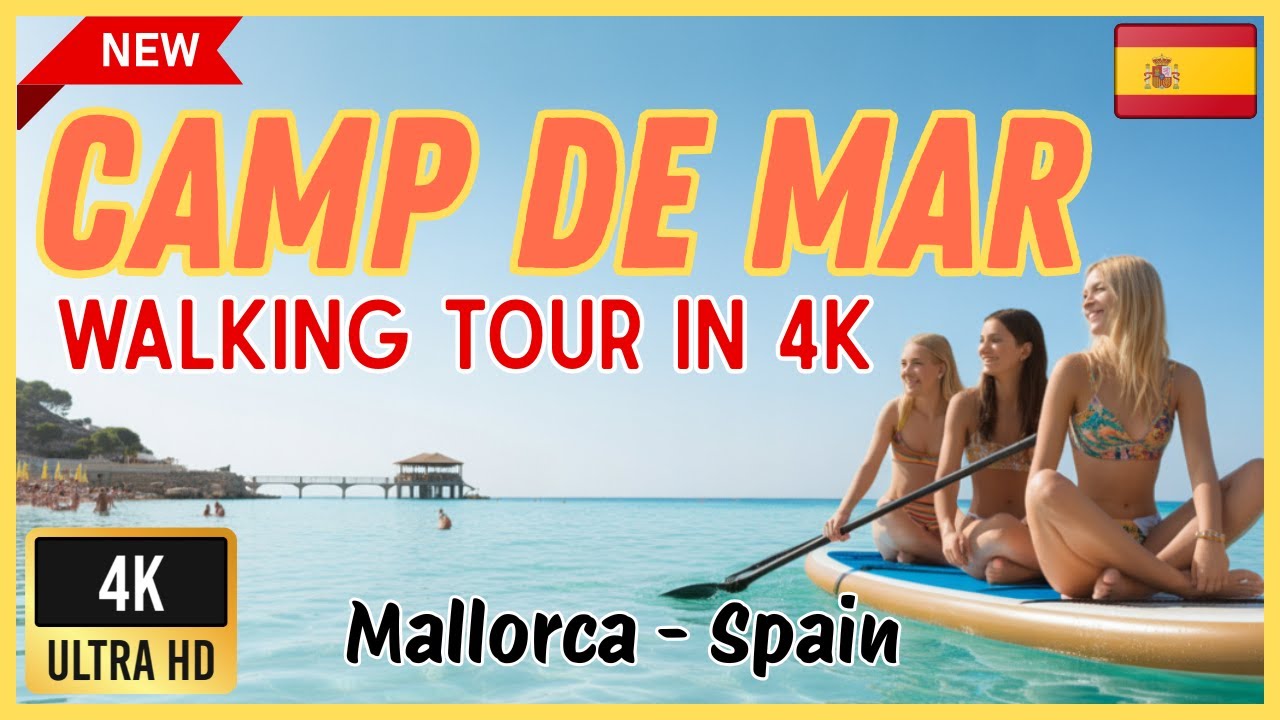
Mallorca.


Yes

 
Last edited:

BarcelonaAtlantis

Moderator
Staff member

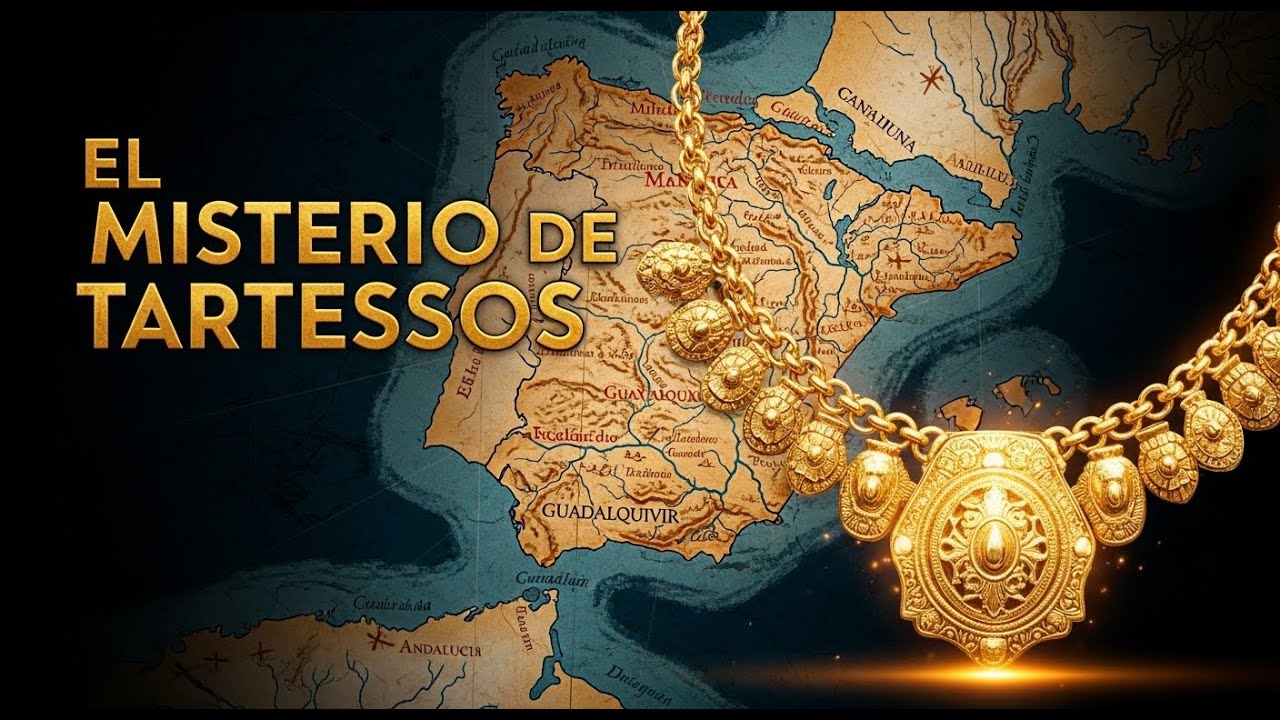
Tartessos=Tartaria.

En España no sino en Iberia, gran diferencia

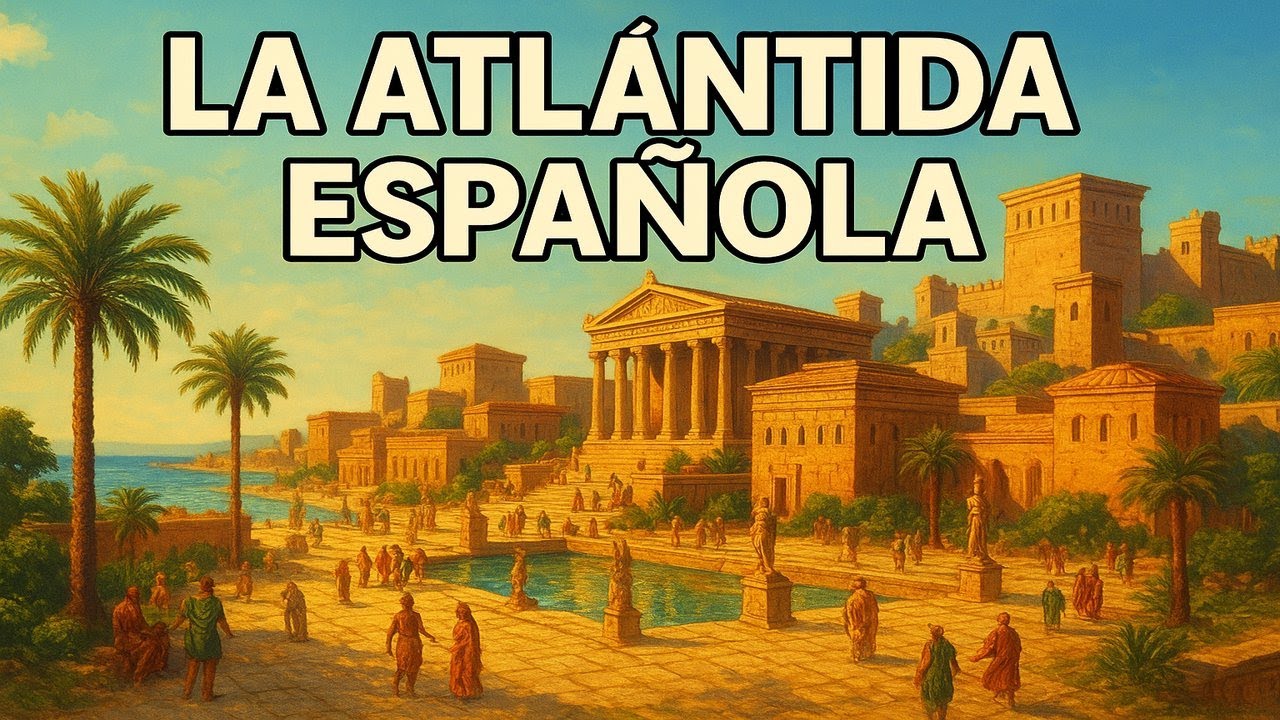
España es el enemigo de Tartessos/Tartaria/la Atlantida asi que llamarlo la Atlantida española no tiene ningun sentido.

Doomed Spain removed Tartaria/Atlantis from the map.

Why do americans go to disney world the magic kingdom of the pagan gods if americans are anti pagan gods?Owned...lol


Now you support the darkness, believing you support the light, because the darkness made you believe you were supporting the light.


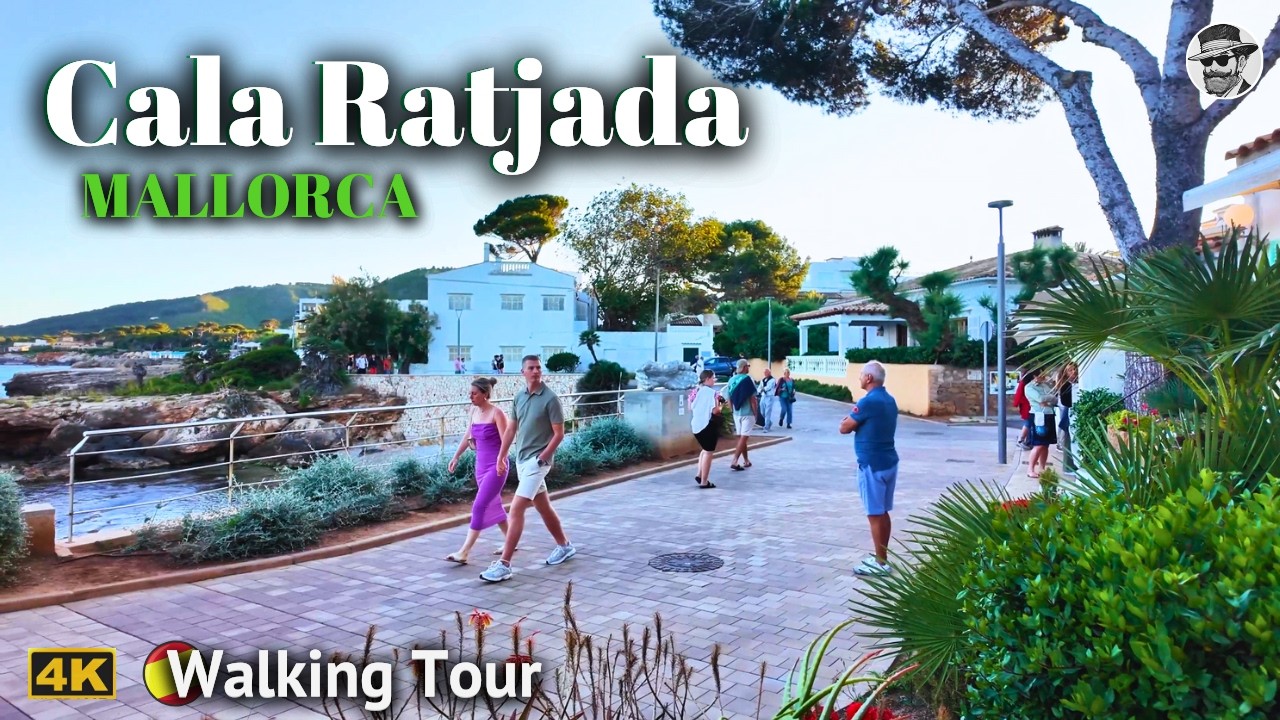
Try Mallorca....

The real Vikings are the Basques.Take it from me.
93588169_804120583328776_2816987410708037632_n (1).jpg
La Atlantida esta en Iberia no en España...

Tartaria is another name for Atlantis.


Palma aquarium jungle.451d1451ba6947fe9115792f7f9a587c[1].jpeg
palma-aquarium-jungle[1].jpeg

Deepest aquarium in Europe 8.5 meters deep.
palma-aquarium-01[1].jpegaa4eab9315b34ebd8cd8ca641f289bdd[1].jpeg


Descubren al depredador más antiguo de todos los mamíferos.Donde?? jeje.

Barcelona and far away in the distance the legendary Mallorca/Atlantis.
863beae3-30d8-4cb7-a2e9-66b8b7db39ff_original-libre-aspect-ratio_default_0[1].jpgimages[1].jpgVeureMallorca[1].jpeg816428395_12062432_1024x576[3].jpgEMtdOYCWkAAOQGK[1].jpg
 
Last edited:

BarcelonaAtlantis

Moderator
Staff member
Barcelona and Mallorca/Atlantis in the distance.
EMtdMzTWoAAVHFu[1].jpgEMtdPtEXkAEnZsg[1].jpg


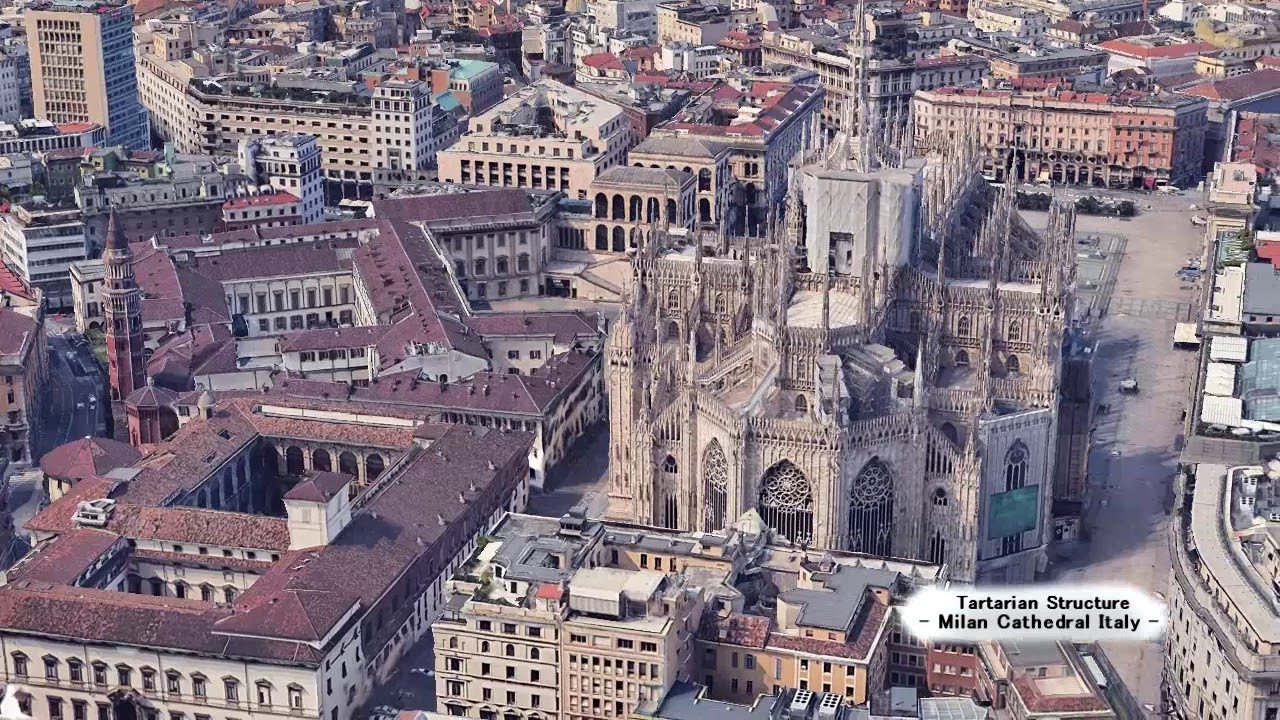
Tartarian architecture
unnamed[1].jpg

Barcelona.

Tartarian architecture.
MUSEI-DI-BARCELLONA-COSA-VEDERE-GRATIS-GIORNATE-PORTE-APERTE-DESTINO-BARCELLONA-BCN[2].jpg


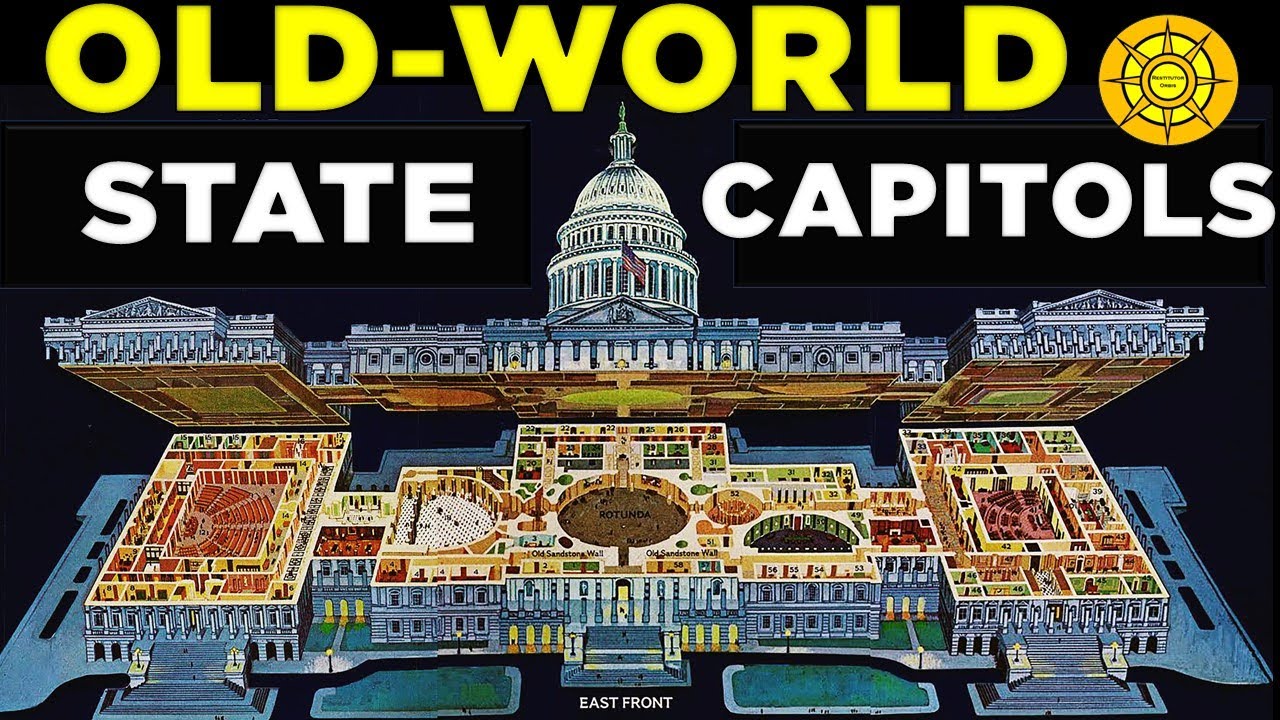
State capitols=Hidden Tartarian architecture.

Over the last few years, the island of Mallorca has become one of the European regions with the most golf courses per square meter.


Magaluf/Palmanova is like a mini Disney world.Let's make it bigger by making a romantic navigable canal that reaches Santa Ponsa as if you are in Venice.G0lHlToWgAASDA9[1].jpg

Good taste canadians.

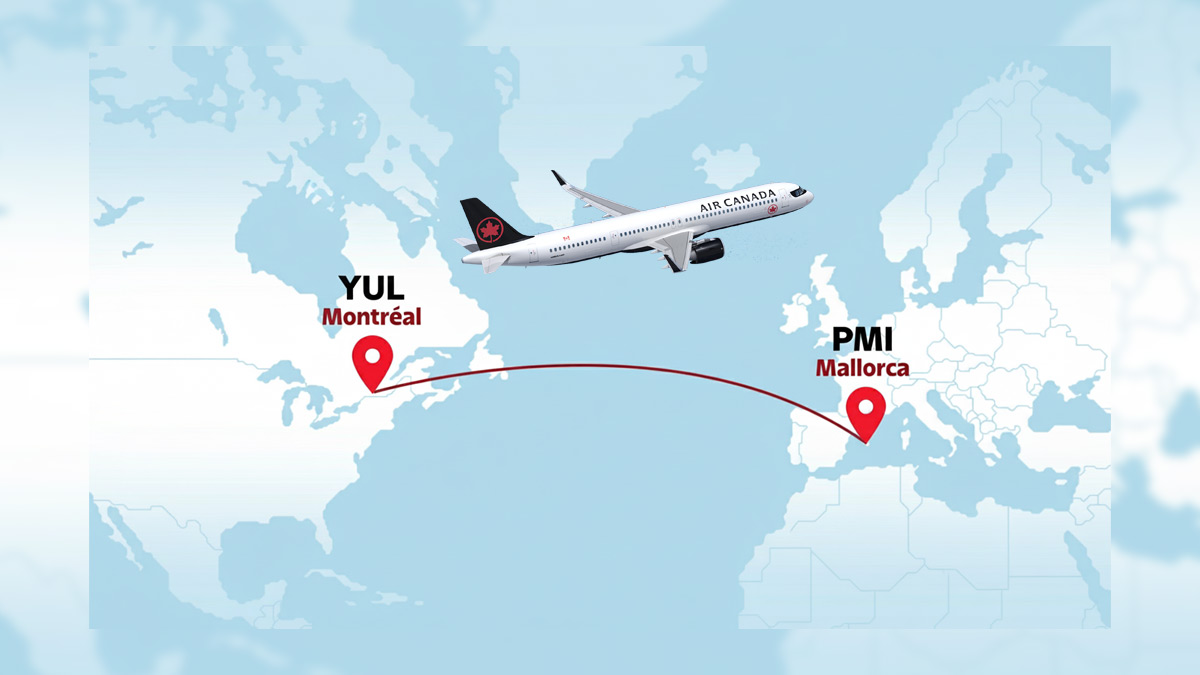
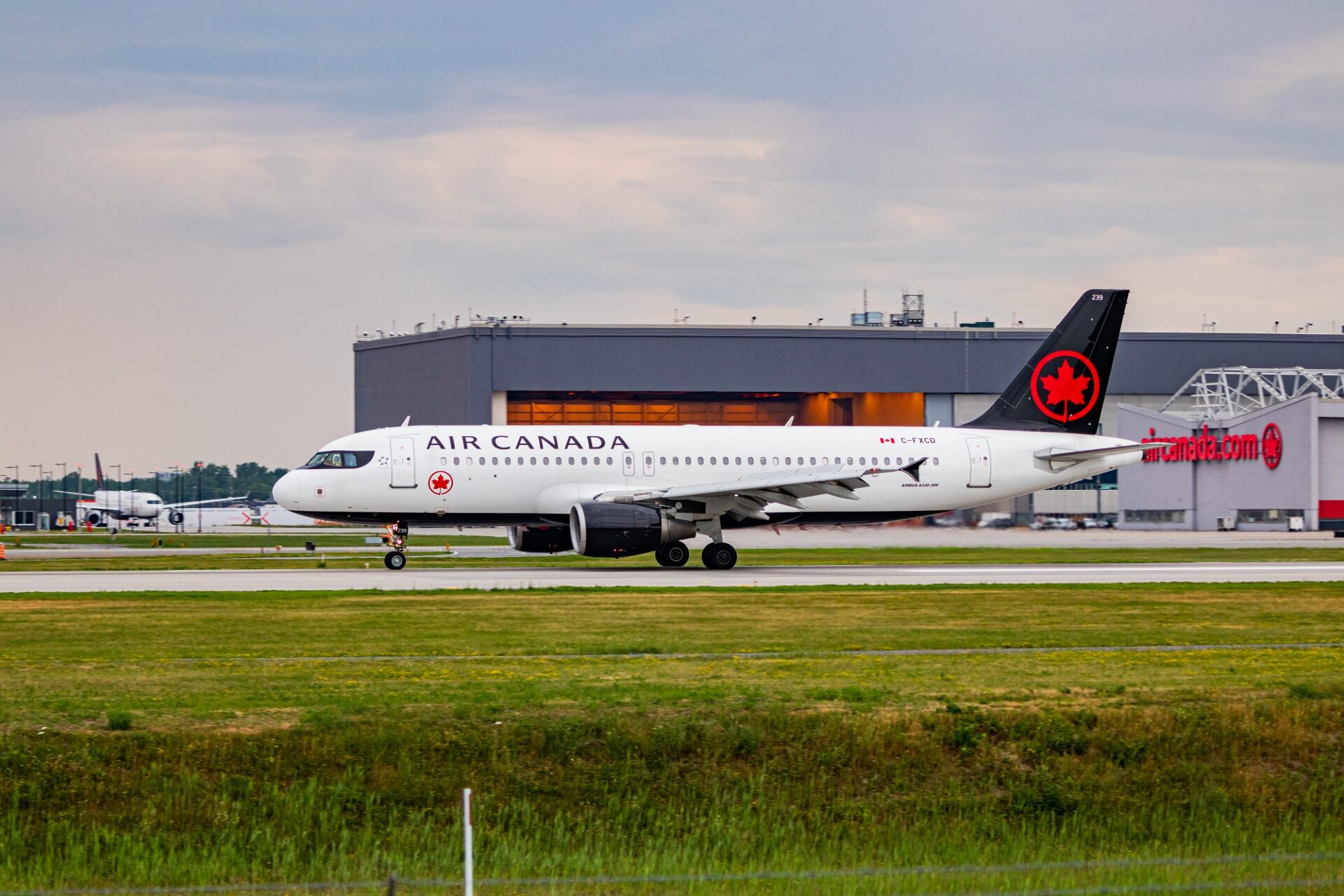
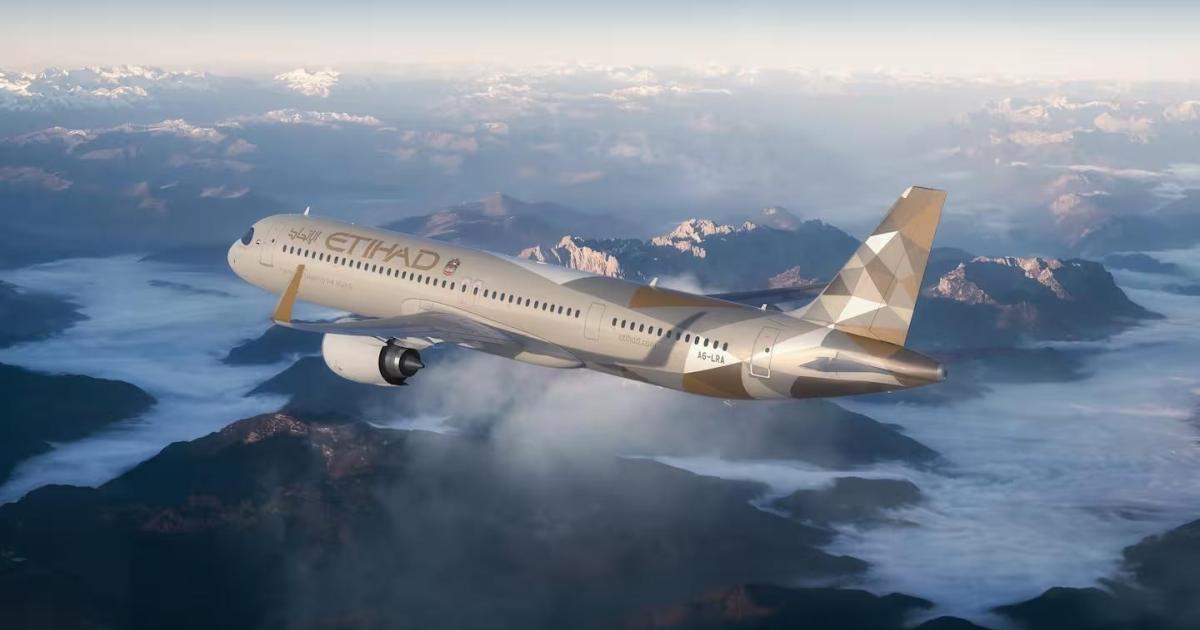
Air Canada will be operating the A321 XLR from Montreal to Palma de Mallorca next summer.

Italian women😍

The USA is a christian nation so you should know why you are doomed.


Air Canada anunció que su nuevo Airbus A321XLR debutará en la ruta directa entre Montreal y Palma de Mallorca, con inicio de operaciones previsto para junio de 2026.

De esta manera, la aerolínea se convierte así en la primera de Canadá en ofrecer vuelos hacia la isla balear, aprovechando las capacidades de este modelo de largo alcance.

Un avión revolucionario para nuevas rutas internacionales​

La llegada del Airbus A321XLR marca una nueva fase de crecimiento internacional para Air Canada. Este avión de pasillo único, pero con alcance de fuselaje ancho, permitirá abrir nuevas rutas internacionales con una experiencia a bordo mejorada.

Air Canada selects Montréal to Palma de Mallorca as first route for A321XLR​

Air Canada has announced Montréal to Palma de Mallorca as its first new route to be operated by the carrier’s new Airbus A321XLR aircraft.

In a statement, published on September 9, 2025, Air Canada said the new service will start in June 2026, aligning with the delivery of the airline’s A321XLR fleet in the first quarter of the year.

“The wait is nearly over as the imminent arrival of the game-changing Airbus A321XLR marks the next phase of international growth at Air Canada,” said Mark Galardo, Executive Vice President & Chief Commercial Officer and President, Cargo at Air Canada.

“Air Canada becomes the first Canadian airline to offer flights to Mallorca, renowned for its stunning beaches, history and culture,” Galardo added. “We look forward to welcoming our customers aboard this exciting new aircraft, which will join our fleet in the coming months.”


Stolen Tartarian history.
 
Last edited:

BarcelonaAtlantis

Moderator
Staff member
In this groundbreaking interview, Isabella Greene joins Emilio Ortiz to reveal a critical window for humanity to finally break free from the matrix of false reality. We explore the hidden architecture of the reincarnation system, the afterlife experience beyond the veil, and how the “cosmic industry” thrives on human energy. Isabella explains how technology and programming keep souls locked in cycles of unworthiness and disconnection, and why this pivotal moment in history may be our opportunity to consciously exit the trap and reclaim sovereignty. With clarity and power, she describes how the pineal gland functions as a spiritual antenna, the difference between the true void and astral illusions, and what it takes to awaken fully to Source.

You’ll discover practical techniques for liberation that go beyond theory—daily practices to strengthen your connection to spirit, how to prepare for conscious death, and how to recognize the signs of the system adjusting to humanity’s rising awareness. This conversation is not just about esoteric philosophy; it’s about the most urgent questions of our time: How can we free ourselves from false reality? What role does each of us play in humanity’s awakening? And why are we currently in the window we cannot afford to miss? If you’ve ever questioned the afterlife, sensed the matrix around you, or longed for deeper spiritual sovereignty, this episode will give you the tools, insights, and activation needed for the next stage of consciousness evolution.

Isabella Greene is a spiritual teacher, author, and multidimensional healer best known for her books Leaving the Trap: How to Exit the Cycle of Reincarnation and Beyond the Trap. Her work dives deep into the nature of the reincarnation trap, the afterlife, and the matrix of false reality, offering seekers practical methods for conscious liberation and soul sovereignty. Drawing from years of out-of-body exploration and advanced spiritual practice, Isabella shares insights on the pineal gland, the true void, and awakening beyond the simulated reality.

In this potent interview, Pamela Aaralyn joins Emilio Ortiz to channel the Council of Nine and share visions of the shifts at the end of 2025 that will reshape humanity. Together, they explore themes of cosmic awareness, universal law, and spiritual awakening, highlighting the role of galactic ancestors — including the Pleiadians — in guiding humanity’s evolution. Pamela explains how transformation, emotional healing, and empowerment are central to navigating the coming changes, and why remembering our cosmic essence is key to resilience in these times.

This episode dives into the intersection of spirituality, technology, and consciousness, addressing the challenges and opportunities of artificial intelligence, the distortions of time, and the resilience of future generations. Pamela also shares insights on channeling, breathwork, and mystical practices that open the path to higher states of awareness, while revealing messages from the galactic community about humanity’s destiny. From visions of future timelines to the importance of sacred action today, this dialogue is a call to awaken, to embody discernment, and to step into our role as builders of change for the New Earth.

Pamela Aaralyn is a world-renowned Trance Channel, Mystic, Spiritual Teacher, Oracle, Remote Viewer, Galactic Historian. She is also a Sound Healer, Musician & Writer. Pamela is currently a Ph.D. student writing her work in the field of applied consciousness and practical mysticism. With over four decades of dedicated training alongside these spirit guides, Pamela's unique focus lies in her encounters with what she refers to as "Humans from the Future."


Discover the forbidden secret that unites water and salt as sources of profound healing. This video reveals forgotten ancient knowledge: how these two elements, present since the dawn of humanity, can awaken the natural healing that lives within you. Discover the true power of water and salt as sacred medicine, capable of balancing body, mind, and spirit.
True healing doesn't always come from the external, but from the essential. Water purifies, salt preserves, and together they awaken the healing memory of your being.

Palma de Mallorca Airport (PMI) is the most well-connected airport in the Mediterranean, offering direct flights to over 170 destinations across Europe and beyond. It serves as a key international airport for millions of tourists, with high passenger volumes especially during the summer, and receives frequent flights from major European cities, with Spain and Germany being the largest passenger markets.

Palma Airport is undergoing a significant €560 million modernization project, with completion expected in 2026, aiming to become one of Europe's most efficient and modern airports. The upgrades include relocating security to the same level as check-in, introducing state-of-the-art scanning equipment that allows liquids and electronics to stay in bags, expanding Terminal A (used for UK flights) with more natural light and boarding points, and enhancing the baggage handling system. The project also focuses on improving passenger flow, airport services like air conditioning and IT, and overall sustainability.

Palma year 2000

Oktoberfest returns to Mallorca: everything you need to know. The big event in Santa Ponsa is set to open on October 17.​

Alongside Santa Ponsa, Oktoberfest celebrations will also take place at the Mallorca Country Club and in Playa de Palma/El Arenal.​


Mallorca’s largest German Oktoberfest celebration is set to make a comeback in Santa Ponsa this autumn, running from Friday 17 to Sunday 26 October. Organiser Holger Becker confirmed the festival’s return, promising the same winning formula that drew more than 12,000 revellers to its debut in 2023.

Food and drink will once again be provided by island restaurateur Werner Wiedemann, who will serve up Bavarian staples including roasted chicken, pork knuckles and giant pretzels. Hofbräu beer from Munich will flow by the stein, with staff dressed in lederhosen and dirndls tending to guests beneath the blue-and-white canopy of the festival tent.

Where and When​

The celebration will be staged at the Santa Ponsa–Son Bugadelles windmill grounds, already familiar as the setting for the German xmas market. The main tent, with space for around 1,000 guests, will open daily: from 1pm to 11pm on weekdays and from 11am on weekends. Admission will once again be free.
Last year’s launch drew an eclectic crowd of German residents, tourists and locals, with former Liverpool manager Jürgen Klopp among the visitors.

The Santa Ponsa festival is not the only Oktoberfest on offer this year. Smaller celebrations are also planned at venues in Playa de Palma and the Country Club Santa Ponsa. Meanwhile, the Son Amar finca, once home to one of Mallorca’s grandest Oktoberfest gatherings, remains closed.


Greek meaning Basque/Atlanteans/Olympians.
Stolen Tartarian history.
 
Last edited:

BarcelonaAtlantis

Moderator
Staff member
Stolen Tartarian history.

Palma Airport is installing what will become Europe's largest security control area as part of a major redevelopment project, featuring state-of-the-art 3D scanners that allow passengers to keep liquids and electronics in their bags, along with automated tray return systems, to significantly speed up pre-boarding checks. The new, relocated security filter is on the same floor as the check-in counters946905[1].jpg
Paganism=Tartaria.

Humanity had to have a spiritual awakening because they were indoctrinated by the impostors/judeo christianity/madrid.

Humanity has to have a spiritual awakening to remember their pagan origin.

Stolen Tartarian history.

La película "Irati" fue una de las más vistas en su momento, especialmente en el País Basco y a nivel nacional, donde se mantuvo en el Top 10 durante su tercera semana en cartelera. "Irati" fue la película más taquillera de la historia rodada en euskera y se estrenó el 24 de febrero de 2023.

  • La película fue la más vista en los cines de Euskal Herria por varias semanas consecutivas tras su estreno, lo que la convirtió en un fenómeno.

  • Impacto nacional:
    "Irati" también se posicionó bien en la taquilla de toda España, alcanzando el Top 10 en los cines nacionales.
 
Last edited:

BarcelonaAtlantis

Moderator
Staff member
Stolen Tartarian history.

Bless her.


“If the Palma de Mallorca – New York route keeps growing, we’ll open another new one to Washington” What are you waiting for?

George Washington's mom was a Huguenot and the Basque people were the Huguenots.

Iconic Mallorca nightclub earns world’s highest nightlife certification​

In November 2024, BCM ranked among the top 20 in The World's 100 Best Clubs​


BCM, one of the world's most iconic nightclubs, has been awarded the prestigious Triple Excellence certification in nightlife, the highest international distinction in this field. This recognition validates the venue's commitment to safety, acoustic quality and service excellence, establishing BCM as a benchmark not only in Mallorca but worldwide.

The Triple Excellence certification comprises three international seals: International Nightlife Safety Certified (INSC), International Nightlife Acoustic Quality (INAQ) and International Nightlife Quality Service (INQS). Each distinction was granted after passing rigorous audits and technical evaluations conducted by the International Nightlife Association, an affiliated member of the United Nations World Tourism Organization (UNWTO).

This achievement puts BCM Mallorca on par with world-renowned venues such as Dubai's Cavalli Club, the first establishment to receive this distinction.

The INSC seal certifies that BCM has implemented a comprehensive security system, including protocols against sexual assault, automated external defibrillators (AEDs), and specialised safety training for all staff members.

"The Triple Excellence guarantees visitors that the venue meets the highest safety and quality standards. This not only provides peace of mind to customers but also generates a more complete and secure experience for everyone, benefiting both tourists and business owners."

With this recognition, BCM strengthens its position as one of the world's safest and highest-quality clubs. It's worth noting that in November 2024, BCM ranked among the top 20 in The World's 100 Best Clubs global ranking by the Golden Moon Awards for the third consecutive year154507[1].jpg154501[1].jpgimages[1].jpgimages[2].jpg


José Carlos Llop: «El franquismo no existía en la Plaza Gomila»
El escritor publica un libro sobre la historia de este rincón de Palma que se centra, sobre todo, en los setenta, cuando fue un «territorio independiente»
José Carlos Llop: «El franquismo no existía en la Plaza Gomila»

José Carlos Llop (Palma, 1956) publica Gomila 70's, un encargo de Lorenzo Fluxá para recuperar un pedacito de la historia de El Terreno, un barrio que durante muchos años ha estado inmerso en una espiral de degradación y que ahora renace.

En los años treinta, esta plaza ya era muy cosmopolita, como lo sería también en los años 60 y 70. ¿Qué tenía de especial?
La luz es la más bonita de Palma, su cercanía al mar y el Castell de Bellver… Gomila era la capital de El Terreno, un sitio suficientemente curioso para que, a la hora de explicarlo, puedas hablar de un fragmento de Saint Tropez, con actores y artistas, y del bar Rick's de la película Casablanca. Además del aspecto contracultural a través de la música anglosajona y Tito's. Todo esto configuró un territorio independiente, donde las conductas eran más liberales que en el resto de la ciudad, dominada por la Iglesia. El franquismo no existía en Gomila. Era un lugar para vivir con intensidad y felicidad. Trato el papel de El Terreno por lo que ha representado para Palma y los mallorquines. Hay dos barrios entre los que nos hemos movido siempre en el siglo XX: el Casco Antiguo y El Terreno. El primero era tradición y el segundo modernidad, donde los indianos que hicieron fortuna construyeron sus casas con árboles traídos de Puerto Rico y otros lejanos países.

Play Video

¿En qué medida diría que la plaza le ha influido en su vida?
Influye todo lo que vives, pero en la época de formación, en la juventud, se vive de forma distinta, deja huella. Debía ser diferente vivir en una ciudad de Castilla que en esta, muy cosmopolita. Aquella parte era contemporánea a su propio tiempo, tenías la sensación de vivir el Swinging London y el festival de San Remo, todo condensado en un mismo punto. Quieras o no determino, una visión y una concepción del mundo. Te regala una hermenéutica, una forma de interpretar la vida. No es lo mismo vivir con una hoja parroquial que con la Paris Match.

¿Es su madalena proustiana?
No, la verdad es que tengo otras. La memoria de los escritores favorece la de los lectores y cada uno tiene su visión.

Escribe sobre el pasado, pero está en contra de la nostalgia.
Absolutamente, no sirve para nada y empeora al individuo. Es importante que los sentimientos sean creativos porque la nostalgia es paralizante. La melancolía da capacidad de meditación y placer, mientras que la nostalgia implica lamerse las heridas. Las personas tienen tendencia a lamentar lo perdido y lo confunden o inventan.

En esos años usted incluso vio a la actriz Marlene Dietrich. ¿Qué figuras relevantes frecuentaban esa zona?
Un par de amigos la vimos al lado de Tito's. Es un episodio generacional, como otro amigo que vio a Ray Charles. El yo es un territorio de creación, no lo cuento desde el mérito de haber visto o estado, es una geografía.

El libro se lo encarga el Grupo Camper, artífice de una Gomila que nada tiene que ver con la de su juventud. ¿Cómo convirtió un encargo en algo propio?
Depende de la habilidad del escritor, pero cuando la materia en la que trabajas es algo que has vivido es más fácil. Llorenç Fluxá leyó En la ciudad sumergida, donde había tratado algún aspecto de Gomila, y me hizo el encargo como una manera de recuperar la memoria de la plaza, que ciertamente han sacado de la miseria y la decadencia.

Se podría decir que de los colores vívidos de los años 60 y 70 en este rincón de Palma, se pasó a otros muy oscuros hasta ahora, en que vuelven a resplandecer.
Gomila era un territorio muy colorido, no solo en cuestión de fachadas, la luz es maravillosa, como decía. El paisaje humano, los personajes, la ropa de la gente... una maravilla. Mirabas y había personas salidas de la Paris Match y hippies, pero luego se ensombreció y estuvo dejada de la mano del hombre. No sabías por qué pasaban las décadas y nadie se ocupaba. Al final, no han sido las instituciones, ha sido una iniciativa privada la que ha tomado las riendas y ha devuelto esos colores. https://www.ultimahora.es/noticias/local/2023/12/16/2069491/franquismo-existia-plaza-gomila.html

La plaza Gomila de Palma de Mallorca y todo lo que sucedía a su alrededor llegó a ser en los años 70 un espejo de Saint Tropez. Cuando perdió su brillo, esa parte de la ciudad entró en decadencia. Medio siglo después renace gracias a un proyecto arquitectonico y urbanístico promovido por Camper.
 

Attachments

  • images[1].jpg
    images[1].jpg
    7.8 KB · Views: 0
Last edited:

BarcelonaAtlantis

Moderator
Staff member

Las memorias de una Gomila trasnochada​

De ser el epicentro de la fiesta en Palma a convertirse en la olvidada del ocio nocturno​


Las memorias de una Gomila trasnochada

La plaza durante una noche de los años 90' | Foto: FAM
La plaza Gomila y sus alrededores han sido testigo de las mejores fiestas durante las últimas cuatro décadas. Comenzó a ser el centro neurálgico de la farra en los años 60' y hasta inicios de los 2000 concentró los locales más emblemáticos del ocio nocturno de Palma, como el mítico Tito's, por donde pasaron artistas como Sandie Shaw, Sara Montiel, Josephine Baker o Petula Clark. De aquella época dorada queda poco ya, uno de sus últimos bastiones, el Tunnel, anunciaba hace poco su traspaso, dejando de ser - previsiblemente- un local de rock y heavy metal.


La zona, en decadencia de un tiempo a esta parte, ha comenzado su renacer de manera parcial gracias a la rehabilitación que ha impulsado el grupo Camper con su proyecto Gomila Center, que ha permitido la llegada de nuevos negocios como una floristería o una panadería. Este cambio de concepto y el paso de los años han hecho que Gomila se aleje de lo que era antaño.
PB1804240020047.jpg
La coctelería Joe's y el bar Bellver reabiertos recientemente.


Elisabeth Laquiere, vecina y propietaria de una tienda de antigüedades en la Avinguda de Joan Miró, es una nostálgica de la vida pasada del barrio. De origen argelino, aterrizó con su familia en la Isla siendo adolescente. Casualmente sus caseros fueron los hermanos Vidal, Eduardo y Jaime, más conocidos como ‘Dito' y ‘Mito', quienes tenían una banda musical, ‘The Four Winds and Dito'. Rápidamente entabló amistad con ambos y se introdujo en el mundo de la noche de Gomila. Durante años Elisabeth frecuentó lugares como Toltec, renombrado posteriormente como Zhivago, donde tocaron grupos como ‘Los Fugitivos', Lorenzo Santamaría o el internacional Eric Burdon, cuando aún cantaba con ‘The Animals'.

2806393.jpg
Elisabeth junto a 'Dito' y su amigo DJ Federico Pintó.
«Para mí, lo más importante que ha pasado por aquí es Jimi Hendrix. Yo no sabía quien era, un amigo me dijo que no me lo podía perder», dice entre risas. Y es que, el legendario guitarrista tocó por primera vez en España en un local de Gomila, en concreto en el Sargent Pepper's el 15 de julio de 1968. «Fue impresionante, tres tíos completamente drogados, tocando ‘Wild Thing' con efectos psicodélicos y al final de la actuación, Jimmy, se cargó el falso techo con la guitarra. Estábamos todos alucinados», recuerda Elisabeth. Otro lugar de culto durante décadas fue Barbarella, que estaba al lado de la gasolinera del Terreno y que estuvo abierto desde 1969 hasta la década de los 90'. «Un día hice novillos para ir a Barbarella como extra de una película que estaba grabando Raphael allí», asegura refiriéndose a ‘Balada triste de trompeta'.
2806389.jpg
Panfleto de la actuación de Jimi Hendrix en el Sgt. Pepper's.


BarcelonaAtlantis

Moderator
Staff member

Los maravillosos 80'​

Mientras Elisabeth recuerda con mayor viveza los finales de los 60' y la década de los 70', cuando ‘lo más de lo más' eran Rodeo y Rodeito, posteriormente conocido como Factory y actualmente un negocio de alquiler de trasteros y «la gente de bien» se dejaba ver en El Patio y el bar Mónaco; Juan Antonio Forés, conocido en Gomila como ‘Pinxo' y creador de la Asociación Cutural MallorcaNochentera (ACMAN), puede describir a la perfección cómo era la plaza en los 80'.
2806385.jpg
La fachada de El Patio ahora. I. F. Landero
En esos tiempos la farándula se concentraba en ‘El callejón de la nube', al lado de Tito's, donde se encontraba el archiconocido bar Chotis y más tarde, en los 90' El Barco. Cabe mencionar que en este último se estrenó el grupo musical Extremoduro. Otros garitos que reunían a la juventud eran La Moncloa, La Polilla y, de nuevo, Barbarella. «En el resto sonó entre 1983 y 1989 música de la nueva ola independiente, lo que era La Movida», aclara.

2806397.jpg
El bar Chotis en el 'Callejón de la nube'.
Los bares y los sitios de copas, donde escuchar la música del momento inundaban la plaza: La Bicoca, Blue Beat, Dylan, Terminal, Minims, París Texas, Primer piso, Tierra y Nagual, entre otros. De todos ellos, parece que sólo ha habido un sobreviviente: La Polilla, abierto desde 1970, que aunque haya conservado su estética poco queda de lo que fue. De ser el lugar de encuentro para cerrar noches maravillosas a convertirse en un sitio al que pocos quieren ir ya: «Es un antro, muy antro, a veces se acercan a la tienda y pienso ‘pff'», dice Mateo Miras, propietario de un negocio de productos africanos que se encuentra enfrente del bar y que antes era la casi centenaria peluquería Picornell, dirigida hasta 2011 por Xavier Abraham, conocido parroquiano de El Terreno.
2806395.jpg
En el centro, Jaume Mora, propietario de Blue Beat, junto a sus socios en 1982.

El último baile​

Nos acercamos ya al final de este viaje a través de los años. Ya rozamos los 90', donde las noches en Gomila seguían estando llenas de luces, gente y carteles fluorescentes. Patricia Veiret, vecina de la zona, rememora emocionada aquellos años: «Yo y mi pandilla nos pasábamos toda la semana esperando para que llegara el fin de semana y poder salir por Gomila». Admite que al principio todavía era muy joven, 18 años, y «no tenía ni un duro» para salir, así que iba hasta allí con una amiga y compartían entre las dos una Cocacola para poder escuchar música y pasar el rato.

A donde más solía ir era a El Garito, donde recuerda escuchar sobre todo a Radio Futura. «Había un ambientazo, siempre estaba a reventar de gente», explica. Otro de sus lugares favoritos era Sa Finestra: «Yo iba a los sitios donde mis amigos llevaban el bar», dice refiriéndose a Ricky López, quien «conocía a todo el mundo».
2806379.jpg
La antigua discoteca Factory, antes Rodeito, ahora alquila trasteros.

De La Movida se pasó a la música disco y de ahí a la ‘bakala'. Durante la primera década de los 2000 Gomila daba sus últimos coletazos. Luego, discotecas como Millennium o Black Cat cerraron y ahora al pasear por Joan Miró lo más común son los locales abandonados a la par que deteriorados.

Ojala Gomila vuelva a ser lo que fue...el epicentro de la fiesta en Palma y el lugar donde todo el mundo queria estar y ser visto.


Palace of Justice, Brussels.

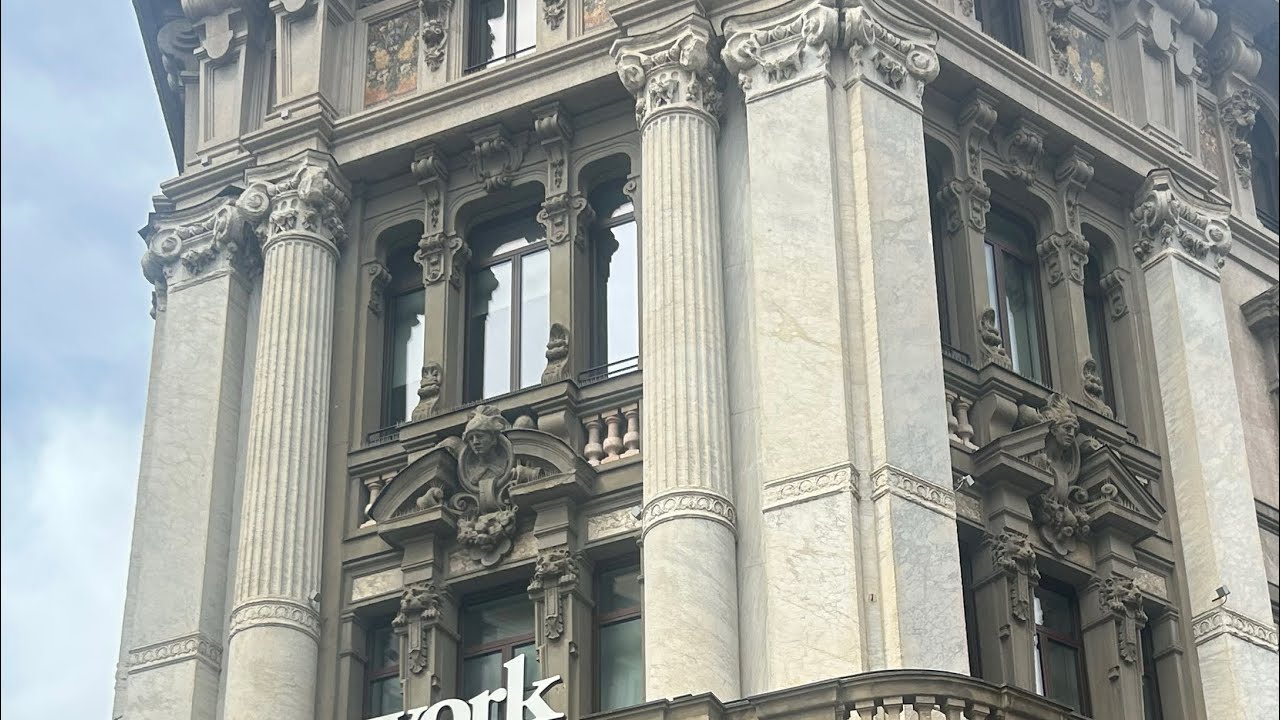
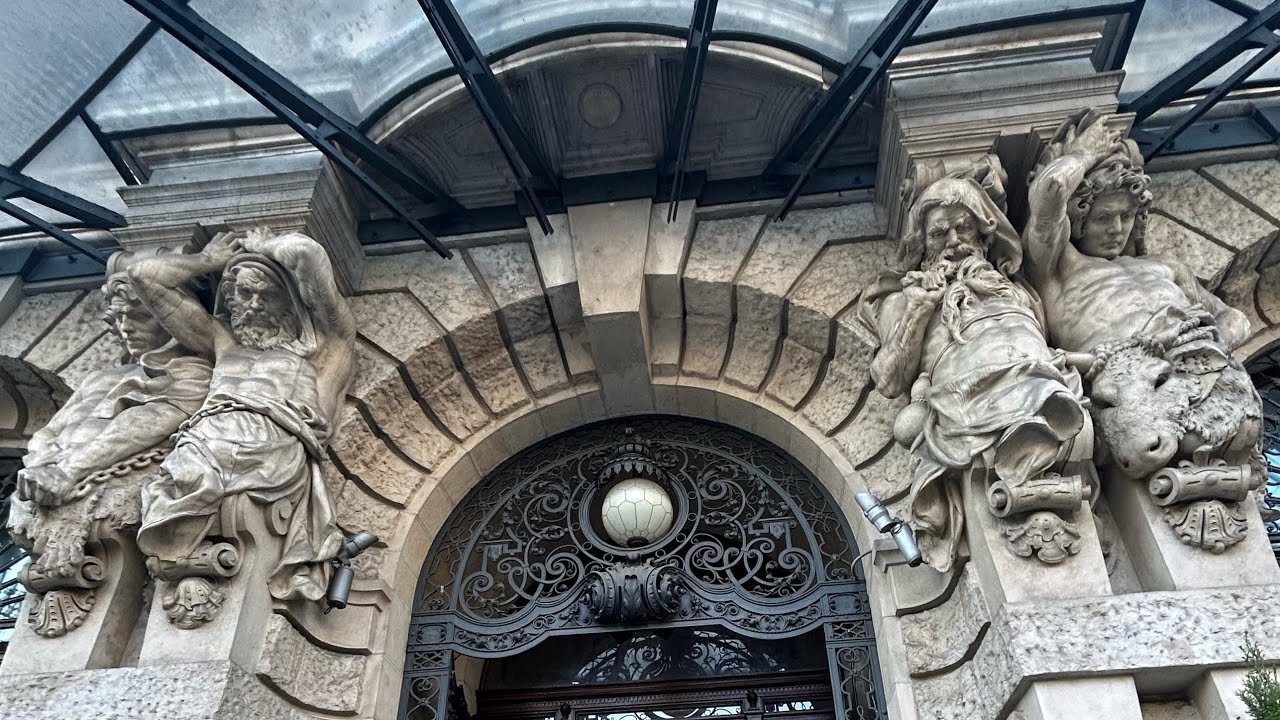
Tartarian architecture.
Bruxelles._Palais_de_Justice_LCCN2017659130[1].jpg
 
Last edited:

BarcelonaAtlantis

Moderator
Staff member
Stolen Tartarian/Greco Roman(Basque/Atlantean)history.

Judeo christianity/Madrid is the enemy of Europe,America and the world.Who do you think invaded and enslaved Europe,America & the world & hid real history?Judeo christianity/Madrid.This is no secret.


But turkish comes from basque not the other way around like the guy of this text says

The Aryanized Tribe names in the map above are important linguistic elements in identifying the original identities of the Basque and the other Iberian natives. This is because the Romanized names were manufactured by restructuring their original Turanian names. We will decipher them into Turkish because the Turkish language was the protolanguage of the world. This fact has been intentionally obliterated throughout the known history by certain groups.

The name VASCOS (The BASQUE) is shown as “VASCONES” in the above map. When this name is deciphered as “VAS-CONES”, I find that it is the reconstructed form of the ancient Turkish saying “BAŞ-GÜNEŞ” (TEPE GÜNRŞ) meaning “Top Lord-Sun” where the letter B in the original text has been changed to letter V. Additionally, it is the Turkish saying “GÜNEŞ-BAŞ” meaning “the enlightened Head” which itself refers to an educated and enlightened head of a person. In other words, it is the creative being of the human head. In this context, The term VASCO is the Turkish word of BAŞCU meaning those who believed in “the godliness of the Human Head”. With this self identifying name, the ancient “VASGONES” people, so-called “VASCO” or “VASCOS”, identified themselves with a Turkish name indicating that they were groups of Turkish speaking people who believed in the Sun God and were also well educated and enlightened Turanian people in ancient Iberia. The Turkish word BAŞ (TEPE) means “the head, the summit, the very top, the tip of something, the head of a community” and GÜNEŞ means “sun, the sun light”.
The VASCO or the VASGONES people are also called “THE BASQUES” which is another Romanized name. In this format, when the name “THE BASQUES” is deciphered as “BAŞ-ESHEQTU”, it becomes the Turkish saying “BAŞ IŞIKTI” (BAŞ GÜNEŞTİ) meaning: “it is the top light, it is the Sun”, that is, “the enlightener”. The human head is also an “enlightener”. The SUN is also the enlightener of the human head. So, in the view of the ancient Sun-god believing Turanians, the Sun was not only a life giver, but also a life enlightener with its light. The Sun’s light enabled humans to acquire knowledge.

Furthermore, the name THE BASQUES also has embedded in it the Turkish saying “IŞIK BAŞTI” meaning “it is the enlightened head”! This describes the ancient Basque people as being enlightened people.
https://andreumarfull.com/2020/08/19/basque-is-turkish

 
Last edited:

BarcelonaAtlantis

Moderator
Staff member
The AQUITANIANS

The ancient AQUITANIANS and the VASCONES peoples are said to have common culture and genetic ancestry. This means most likely the AQUITANIANS and the VASCONES peoples were ethnically kin to each other. With this in mind, the name AQUITANIANS must be an Aryanised word that has been reconstructed from Turkish sayings. The Romanized name AQUITANIANS has embedded a number of Turkish sayings. Some of these I show here:

1.3.a) When the name AQUITANIANS is deciphered into Turkish as "A-AIQUNISTAN", we see that the name AQUITANIANS is the reconstructed form of the Turkish saying "O AYGÜNİSTAN" (O AYGÜNISTAN) which is a Turkish country name literally meaning "it is the Country of moon and sun"(this war is christians vs "moors"(turks/basques)that's why the flag of the moors is the same as the turkish flag with the sun and the moon. The Moon and Sun on the Turkish flag is also a symbol of this fact. This Turkish definition of the name AQUITANIANS as " O AYGÜNISTAN" is like the Turkish name "TURKISTAN, TURKMENİSTAN, KAZAKİSTAN, TATARİSTAN, KIRGIZİSTAN, UYGURİSTAN, ÖZBEKİSTAN and many more ancient Turanian "İSTAN" countries. Evidently, the name AYGÜNİSTAN that is, the so-called AQUITANIANS was one of such Turanian countries before it was stolen and Aryanised by way of "reconstruction" and thus obliterating the Turk identity of the source name. The "ISTAN" ending in such names was an ancient symbol of the Sun-God concept of the ancient Turanian Tur/Turk/Oguz poeople. The SUN God has two magnificent features named in Turkish the sayings, "ISITAN" meaning "that which warms up" and "IŞITAN" meaning "that which lights up". Of course, these two creative features contribute in many ways to the creation of living beings.


Along the same lines, it can be shown that even the Aryanised name "SCYTHIANS" of the SAKA Turks, when deciphered letter-by-letter as "SC-HY-İSTAN", is the restructured form of the Turkish saying "SAKA-OY-ISTAN" or SAKAISTAN".


1.3.b) The ancient AQUITANIANS and the VASCONES peoples are said to have common culture and genetic ancestry. Therefore they were ethnically relatives of each other. With this in mind, like the VASCONES name that has been restructured from Turkish sayings, the name AQUITANIANS is also a restructured Turkish word as I showed above.


Additionally, the name AQUITANIAN contains the Turkish word "OKUTAN" meaning "he/she who actually teaches knowledge to others". Related to this, the Turkish words:

OKUMAK means "to read" (i.e., "to go to schools and learn"),

OKU is the root of OKUMAK, meaning "read",

OKUYAN means " he/she who goes to schools and gets educated",


OKUTAN means: a) "he/she who actually teaches knowledge to others", that is, "he/she is a teacher"; b) "he/she who provides the required financial means to send a child or a grown up to a school to be taught." That would be a parent or an external supporter.


With this explanation, we can see that even the so-called AQUITANIANS name has embedded in it another Turkish saying describing another cultural feature of the AQUITANIANS - who were an ancient Turanian Tur/Turk/Oğuz people


1.4 Both terms, Vasco and Basque, are said to be inherited from the Latin ethnonym VASCONES, which in turn goes back to the Greek term οὐασκώνους (OUASKŌNOUS), an ethnonym used by Strabo in his Geographica (23 CE, Book III).[12] https://en.wikipedia.org/wiki/Basque_language#Names_of_the_language

1.4.a) The Greek term οὐασκώνους OUASKŌNOUS, being another name for the ancient Basque people, when deciphered as "OUS- KŌNAS-OU", shows that the Greek term OUASKŌNOUS has similar meaning to that of the name VASCONES and is also the reconstructed form of the Turkish saying "OĞUZ GÜNEŞ ÖYÜ" which means "the Sun-House of Oguz". Thus, the Latin name VASCONES and the Greek name "OUASKŌNOUS" being two different names of Basque people, with the same Turkish saying embedded in them. Both identify the Basque people as being Sun-God believing OGUZ people and also being from the "Sun-House of Oguz". Of course, all this make the Basque people as one of the Turkish speaking ancient Turanian Tur/Turk/Oğuz peoples. Somehow, this ancient "Sun-House of Oguz" saying in Turkish has not been noted or is intentionally ignored so far!


1.4.b) Furthermore, when the Greek term OUASKŌNOUS is deciphered as "OŌSU-OKUANS", shows that the Greek term OUASKŌNOUS also embeds the Turkish saying "OĞUZU OKUyANUZ" which means "we are the readers of Oguz. This shows that the Latin name VASCONES and the Greek name OUASKŌNOUS and other Aryanised names have been artificially fabricated from the ancient language of Turkish. By such reconstructions of Turkish words and phrases, they have intentionally alienated these ancient Turanians from their ancient Tur/Turk/Oğuz ethnic identity, destroyed their original language and civilization - and replaced them with synthetic languages and so-called Indo-European civilization.

1.5 The Basque Tribe Named AUTRIGONES :

"The AUTRIGONES were a pre-Roman tribe that settled in the north of the Iberian Peninsula, in what today is the western Basque Country.


Around the beginning of the 4th century BC the AUTRIGONES migrated to the Peninsula and overrun the entire area corresponding today to the modern provinces of CANTABRIA and BURGOS, which eventually became known as AUTRIGONIA or AUSTRIGONIA. By the mid-4th century BC the AUTRIGONES reached the Pisuerga valley where they established their capital AUTRACA or AUSTRACA, located at the banks of the river Autra (Odra). They also gained an outlet to the sea by seizing from the Aquitanian-speaking Caristii further east the coastal highland region between the rivers Asón and Neroua (Nervión), in the modern eastern Cantabria, Vizcaya, and Álava Basque provinces. However, the AUTRIGONES’ hold to this vast territory was not meant to last; some time after 300 BC they were driven out from southern Autrigonia – the western Burgos region – by the TURMODIGI allied with the Vaccei, who seized the AUTRIGONES’ early capital AUTRACA. Thrust back to their lands on the mountain ranges of the upper Ebro north of the Arlanzón valley around the 3rd-2nd Centuries BC, the Autrigones allied themselves with the Berones and evolved into a tribal society similar to the peoples of the north-west. By the 1st century BC, they were organized into a federation of ten autonomous mountain-top fortified towns (Civitates), chiefly among them their new capital VIROVESCA in the Oca river valley."


"History

The AUTRIGONES were a pre-Roman tribe that settled in the north of the Iberian Peninsula, in what today is the western Basque Country.

Around the beginning of the 4th century BC the AUTRIGONES migrated to the Peninsula and overrun the entire area corresponding today to the modern provinces of CANTABRIA and BURGOS, which eventually became known as AUTRIGONIA or AUSTRIGONIA. By the mid-4th century BC the AUTRIGONES reached the Pisuerga valley where they established their capital AUTRACA or AUSTRACA, located at the banks of the river Autra (Odra). They also gained an outlet to the sea by seizing from the AQUİTANİAN-speaking CARİSTİİ further east the coastal highland region between the rivers Asón and Neroua (Nervión), in the modern eastern Cantabria, Vizcaya, and ÁLAVA Basque provinces. However, the AUTRIGONES’ hold to this vast territory was not meant to last; some time after 300 BC they were driven out from southern AUTRİGONİA – the western BURGOS region – by the TURMODIGI allied with the Vaccei, who seized the AUTRIGONES’ early capital AUTRACA. Thrust back to their lands on the mountain ranges of the upper Ebro north of the Arlanzón valley around the 3rd-2nd Centuries BC, the Autrigones allied themselves with the Berones and evolved into a tribal society similar to the peoples of the north-west. By the 1st century BC, they were organized into a federation of ten autonomous mountain-top fortified towns (Civitates), chiefly among them their new capital VIROVESCA in the Oca river valley."


1.5.a) The Basque (Vascones) tribe named AUTRIGONES were a pre-Roman tribe that settled in the north of the Iberian Peninsula, in the Basque Country. The name AUTRIGONES is a Romanized version of this native people, Therefore it is a reconstructed form of their original name. At first sight of the name, we notice the Turkish word "GONES" (GÜNEŞ) meaning "sun" embedded in the name.


Additionally, when the name AUTRIGONES is deciphered as "TURGAN-OIES", it shows that the name AUTRIGONES is


reconstructed from the Turkish saying "TÜRKAN ÖYİZ" (TÜRKAN EVİZ) meaning "we are home of Turks". This clearly shows that this so-called Basque tribe was definitely an ancient Turanian Tur/Turk/Oğuz people - which clearly identifies this Basque people as being Turk people! Turkish word TÜRKAN means "Turks", Öİ (ÖY, EV) means "home, house", ÖYİZ means "we are homes, we are houses". Turkish suffix AN is an ancient plurality suffix such as the present plurality suffixes LER, LAR; it also has the meaning of "Sky; short time; remember". This decoding shows that their Turanian Turk identity has been Romanized and with that, their ancient Sky-God, Sun-God and Moon God believing religion has been obliterated.
 

BarcelonaAtlantis

Moderator
Staff member
The Basque (Vascones) tribe named AUTRIGONES was later changed to AUTRIGONIA or AUSTRIGONIA.

There are other Turkish expressions embedded in the names AUTRIGONES such that they describe various cultural identities of this ancient Turanian Tur/Turk/Oğuz people as follows:


Location of the ancient tribes ·Red: Theorized as Basque,


Pre-Indo-European or Celtic tribes ·Blue: Proven Celtic tribes


Gorka alustiza : Geographic location of the Basque tribes


1.5.b) AUTRIGONES deciphered as "TANRI-OGUS-E" shows the Turkish saying " TANRI-OGUS-E" meaning "the home of the God Oğuz" which again identifies these AUTRIGONES people as being the Turkish Oğuz people believing in their Sky-God TANRI OĞUZ"! Turkish word TANRI means the Sky-God, Sun-God and the Moon God concept: This description identifies that the Native Iberians were people from the geographical areas including Anatolia, Caucasian , the so-called Middle East and the ancient Canaanites (the home of ancient GÜNHAN BEYLERİ meaning "SUN LORD OĞUZ whose identities were changed to Phoenicians and Carthaginians, the LEVANT and ORİENTAL).


1.5.c) Furthermore, the name AUTRIGONES, deciphered as "GÜNES-UITAR", shows that the name AUTRIGONES also embodies the Turkish saying "GÜNEŞ ÖYÜDÜR" meaning "it is the house of the Sun", that is, "it is the house of the Sun believers". This Turkish saying also identifies that the so-called "AUTRIGONES" people were the Sun worshipping people of Tur/Turk/Oğuz people! The name AUTRIGONES clearly shows that it has the Turkish word "GÜNEŞ" (meaning "sun") embedded in it. The Turkish word name ÖYÜDÜR (EVİDİR) means "it is the house of".

1.5.d) Also, when the name AUTRIGONES is deciphered letter-by-letter as "TENİSGU-AR-O", we see the Turkish saying "TENİZCÜ ER O" meaning "he is the man of the sea.". Indeed the Basque people were master sea people. The famed VASCO de GAMA was one of their Master seaman.
Additionally I see more Turkish descriptions embedded in the name AUTRIGONES.

AUTRIGONES deciphered as "GUNES-AT-IRO" shows the embedded Turkish saying "GÜNEŞ AT ERÜ" meaning "Sun Horse-riding soldier". Ancient Basque people were known as heroic Horse riding soldiers.

AUTRIGONES deciphered as "TANRI-GÖSE-U" shows the embedded Turkish saying "TANRI GÖZİ O" meaning "he/she/it is the Eye of the God" and /or "the Eye of the house of God ". In ancient Turanian religious understanding, the Sun and the Moon were regarded as the two eyes of the Sky Father God.


AUTRIGONES deciphered as "TURGIASEN-O" shows the embedded Turkish saying "TÜRKİYESİN-O" (TÜRKİYELİSİN, TÜRKİYEDENSİN) meaning "You are Turkiya", "you are from Turkia" and "You are Turk". This may indicate that they originally came from Anatolia.


AUTRIGONES deciphered as "TURAN-GOIES" shows the embedded Turkish saying "TÜRAN KÖİYİZ" (TURAN KÖYİZ) meaning "we are the Turan ( or Turanian) villages".

This analysis of the reference information regarding the native Basque people shows how the Turanian and Turk identity of ancient Turanian peoples have been linguistically manipulated and totally changed into unrecognizable forms. Actually, the original Turkish identities and also their original Turkish language of all the Iberian natives have been changed. In this study and also in my previous studies regarding the Basque language, I studied many names and words that revealed their Turkish origins. I had also done a study of some of the Basque words (dated August 8, 2003) showing the make up of a large number of Basque words and names which you can see at the following link. https://polatkaya.net/Yahoo_Polat_Kaya/msg-132.htm

The Basque people, and all of the ancient Iberians, were ancient Turkish peoples who had come from Anatolia, Caucasia, Middle Eastern geography - such as the lands extending from Eastern Turkey into the so-called Sumerian lands in Irak and Iran, and the Canaan land of the GÜNHAN LORDS, that is the Sun-God, Moon-God and Sky-God believing Turkmans who are also known as "The ALEVY (ALAVI from Alava,the Basque Country) TURKMEN", that is the so-called "Phoenicians and Carthaginians". The Turkish(Basque) language was the protolanguage of the ancient world. At that time, there were no so-called "Indo-European" and "Semitic" languages. The words and sayings of the "Indo-European" and "Semitic" languages and others have all been manufactured (reconstructed) from Turkish(Basque) language words and phrases. Turkish(Basque)was the progenitor language of the world. Genesis 11 says "And the whole earth was of one language, and of one speech." Yes, and that one unnamed language was Turkish(meaning Basque)

"In Vasco 'AMA' means 'Mother' but in Turkish 'Mother' is Ana. Vasco 'Nora' is 'where' but in Turkish 'where' is 'Nere', 'Nerede'; Vasco ' Erlea ' means 'bee' but Turkish 'bee' is 'Arı' and Turkish 'Arılı' would be 'with bee'). Similarly, the Vasco word "Iliturgi" (ILITURGI) as shown in his paper is a pure Turkish word which consists of two parts: TURGİ (TÜRKİ) means "Turk" and İLİ means "the country of". Thus, "ILITURGI" means "the country of Turk". In the present way of saying in Turkish "TÜRK İLİ" meaning "the country of Turks" (or the Province of Turks).


Indeed these are well done and I congratulate him for the fine work. Surely, these identifications are not due to coincidence, but rather due to the fact that the ancient Iberians were ancient Turanian Turkish speaking Tur / Turk / Oğuz peoples. I say this based on my studies, during the last thirty years, of the make up of the words of the Indo-European languages. Turanians(Basque people/real Vikings) were not only the first and the only peoples with a most sophisticated and advanced mono-syllabic and agglutinative language of 'Turkish' ('TÜRKÇE'), but also they had the first advanced civilization throughout the world - contrary to all kinds of denials and misinformation. When the ancient Turanians(Basques/Goth Phoenicians/real americans/real vikings) were the masters of the world, and Turkish was the only language that the world spoke at that time, there were no Indo-European and Semitic languages or others in the world as known presently. These later languages have been fabricated from the Turkish language by way of reconstructing the Turkish words and phrases into some new formats that are different to Turkish word formations. Thus, the words needed for the present day IE languages were generated by altering and distorting the Turkish(Basque) text used as the source. Generally, the original meaning of the source Turkish text vas retained but rather in a modified form.


Even the appearance and the voicing of the reconstructed Turkish words were engineered to disguise and camouflage their source Turkish identity. This activity probably started when, the Akkadians(the jews/impostors/spaniards) invaded the Sumerians(the Basques/Holy Grail) (about 4000 years ago) and took over their language and civilization, and was continued by the Romans during the Romanization and Christianization of the Turanian natives of Europe. Before such alien campaigns, Europe was called Oğuz öy meaning "the House of Oğuz". After all, the so-called 'Europe' is not even a continent as advertised, it is just a continuation of the continent of Asia.

That's why they say that the vikings were "turks" meaning basques/goths.

"In Vasco ' AMA ' means ' Mother ' and in Turkish Ana. ' Nora ' is ' where, where ' (Turkish: ' Nere ', ' Nerede '; ' Erlea ' means bee (Turkish: ' Arıle ', ' Arı ' Bee '). The Basque term ' Zezen ', used for ' Toro ' , also appears in ancient Turkish as 'Süsene'. So, many other basque words that are not included in the works of hamit zübeyr koşay, who did a pioneering job in this sense. see my article: ' about some "criticism" to the hypothesis of the iberian language and its relationship with the Basque and with the altaic-Turkic languages. " https://www.facebook.com/notes/1038874069961616
 
Last edited:
Top