CORDUENE (GORDION) - Where does the name Kurd come from?
The word kurti is from sumerian and means: "kur" means mountain/hill and "ti" means from. So it means the people from the mountains/hills. This word kurti is the oldest known word which describes the kurds from 3000 BC.
In 1923, English Orientalist Sir Godfrey Rolles Driver published a scientific research article "The Name Kurd and Its Philological Connexions". Driver, who was also an Assyriologist had tried to find who was the Qurti who had lived around the lake Van and with whom Assyrian warrior Tiglath-Pileser "I had fought" in ~1050 BC.
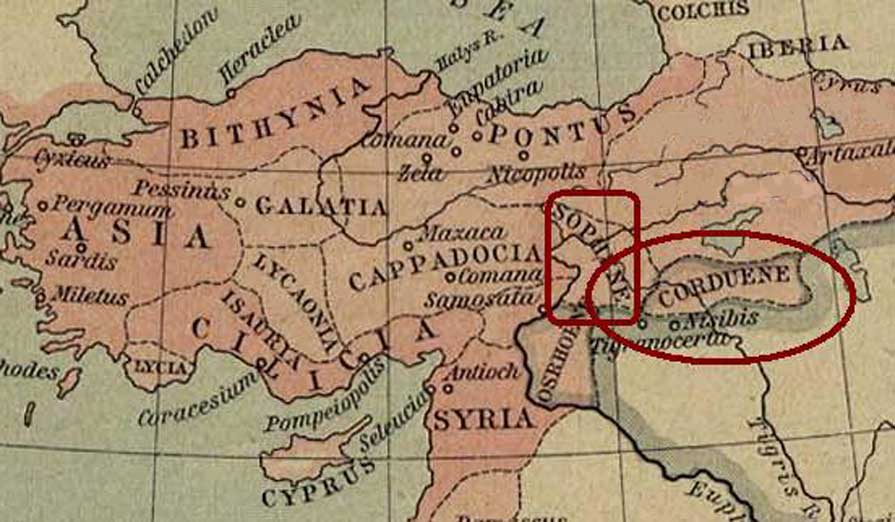
Driver also tried to find the connection between Qurti and "the land of Karda" [Kardaka] text which was written on a Sumerian clay-tablet, of the third millennium B.C. Sumerians called the area around Lake Van a land of Karda. Driver examined the philological variations of Karda in different languages, such as Cordueni, Gordyeni, Kordyoui, Karduchi, Kardueni, Qardu, Kardaye, Qardawaye. He realized that all these names were actually the conversions of "Karda" in different languages. Also, he managed to connect all these names to the same area, Lake Van in contemporary Kurdistan.
Sumerian called it the land of "Karda" (3000 BC)
Tiglath-Pileser I had fought against "Qurti" from the same area (1050 BC)
Greek historian Xenophon called people who lived around Lake Van a "Karduchi" people. He called the area a Corduene (400 BC)
Artakhshir, the founder of the Persian Sassanid dynasty fought against the "Madrig the King of Kurdan" in same area (226 AD)
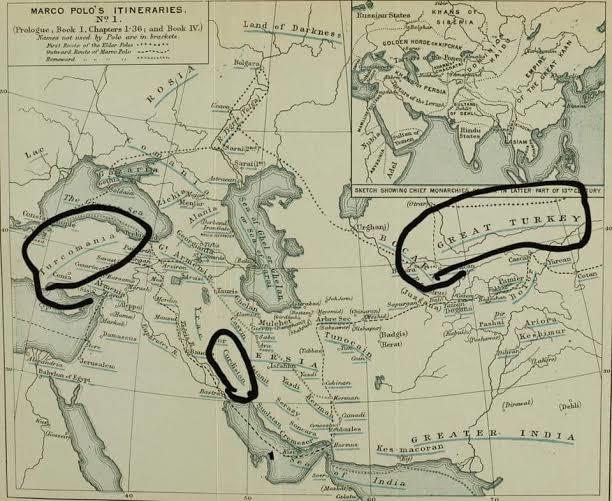
Driver reaches a conclusion that the term Kurd wasn't used differently by different nations and roots of modern Kurds can be found from the ancient Corduene region. He also said that the root of ancient Kurds are very likely in the land of Kardas.