Dominicanese
Active member
- Country
-

Cuba









Culture:
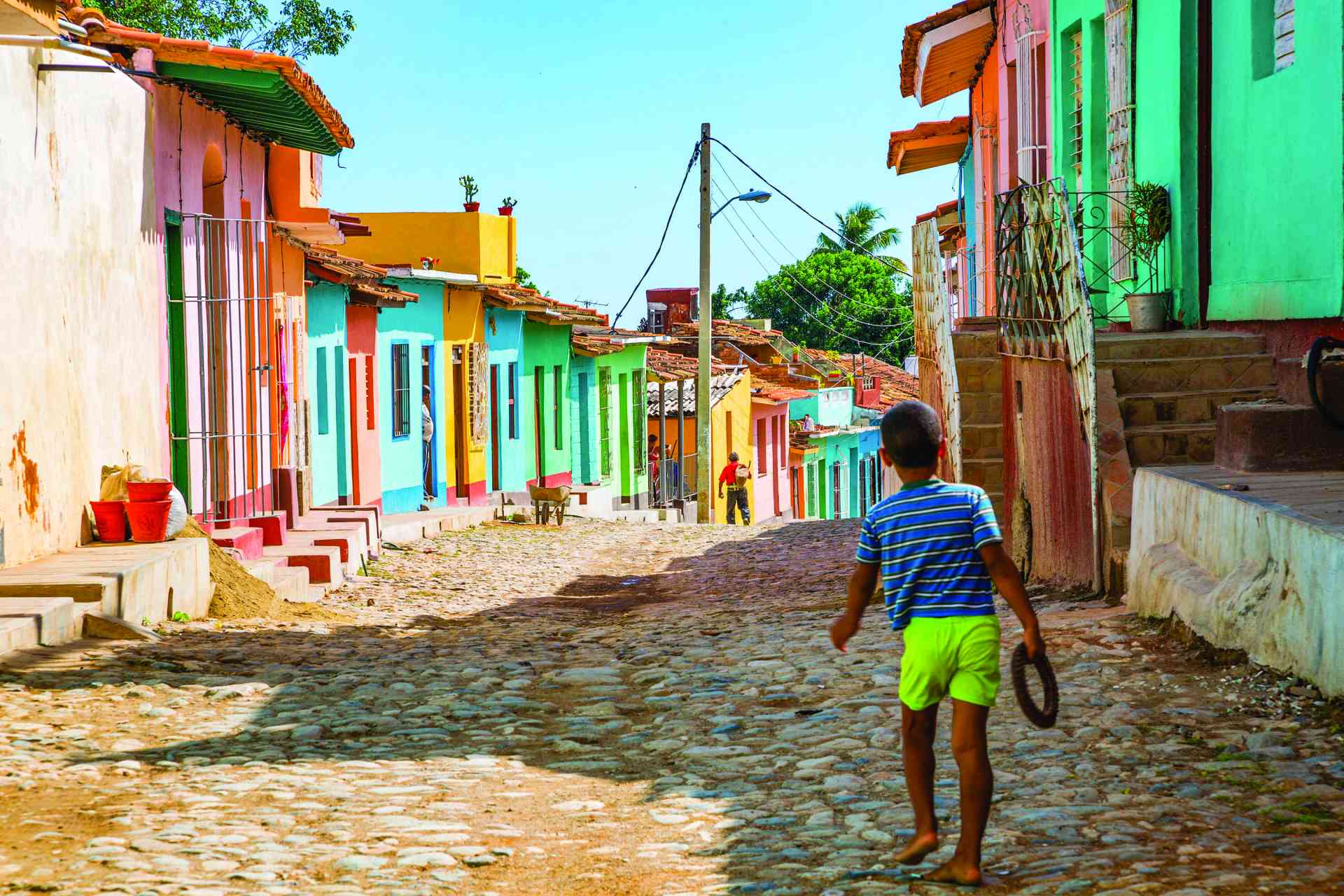
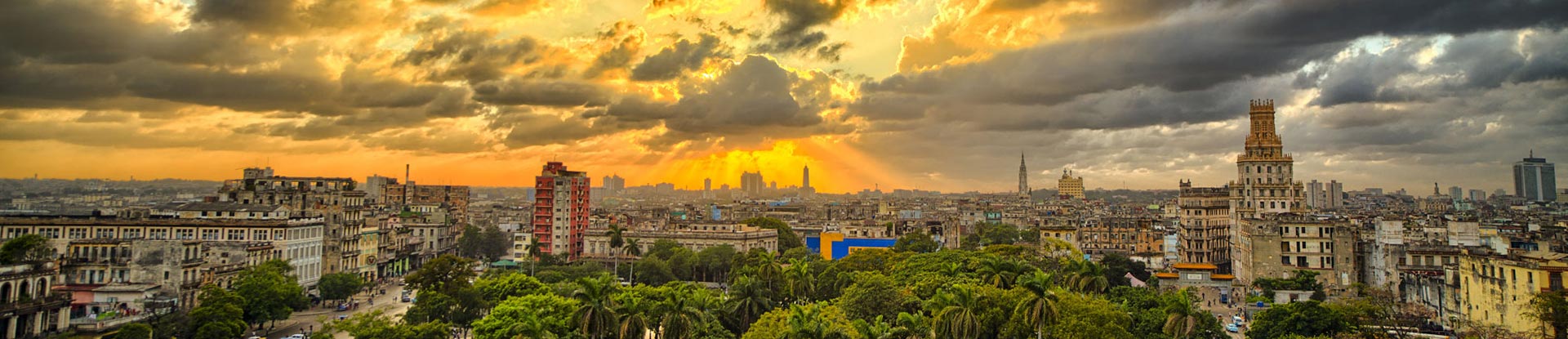
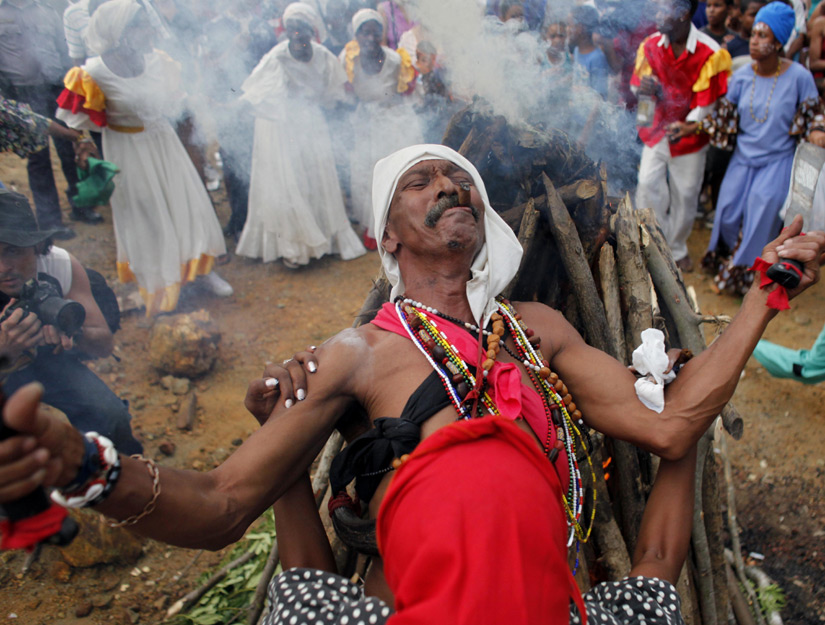
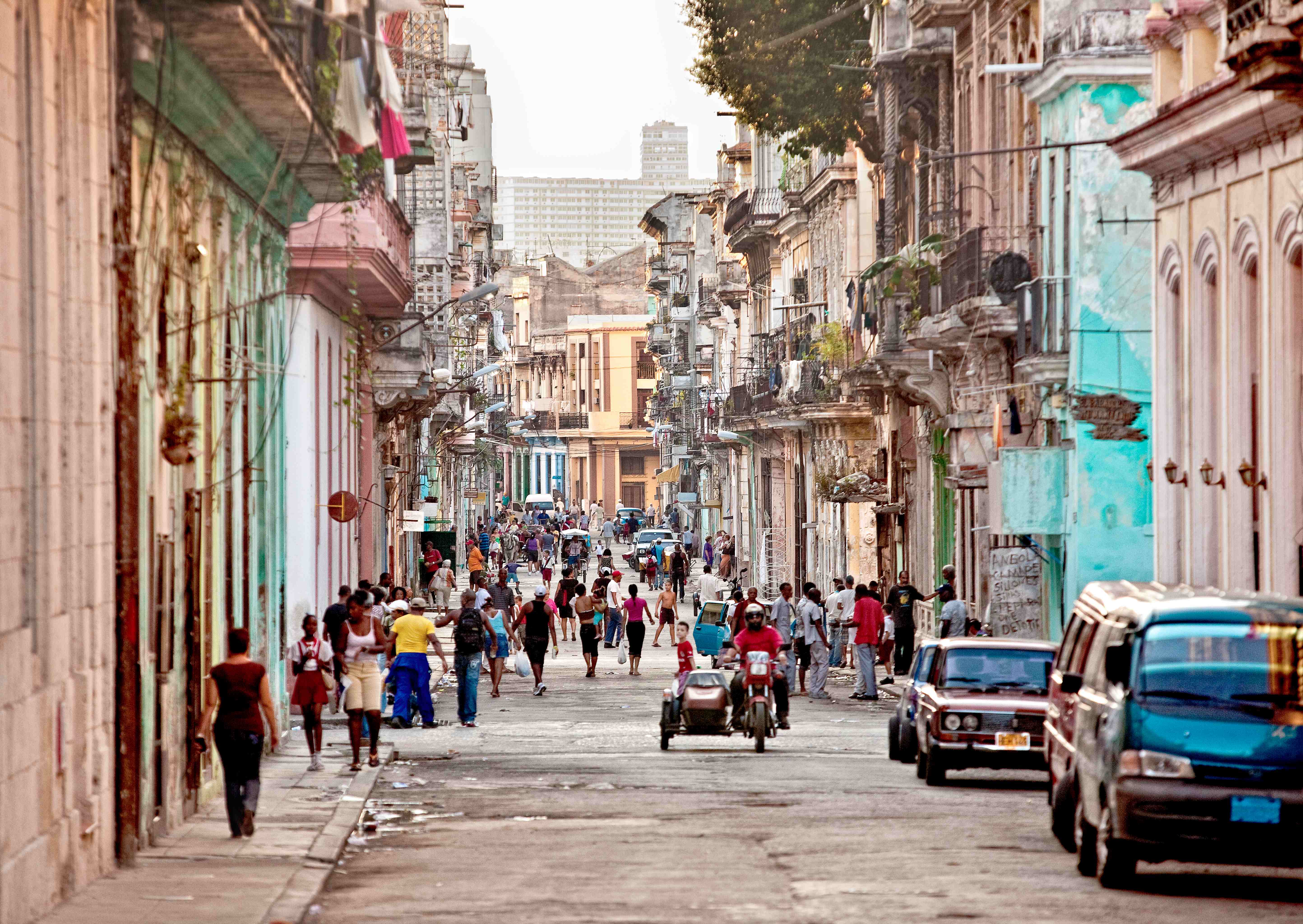
The culture of Cuba is a complex mixture of different, often contradicting, factors and influences. The Cuban people and their customs are based on European, African and Amerindian influences.
Cuisine:
Roots of typical Cuban cooking can be traced back to 3500 years, when people from South America, engaged mainly in fishing and hunting started migrating to this Island Nation who were later mixed with the indigenous farmer tribes. Apart from the Spanish influences in Cuban cuisine, there is also a mix of African, Arabian and Chinese food habits.
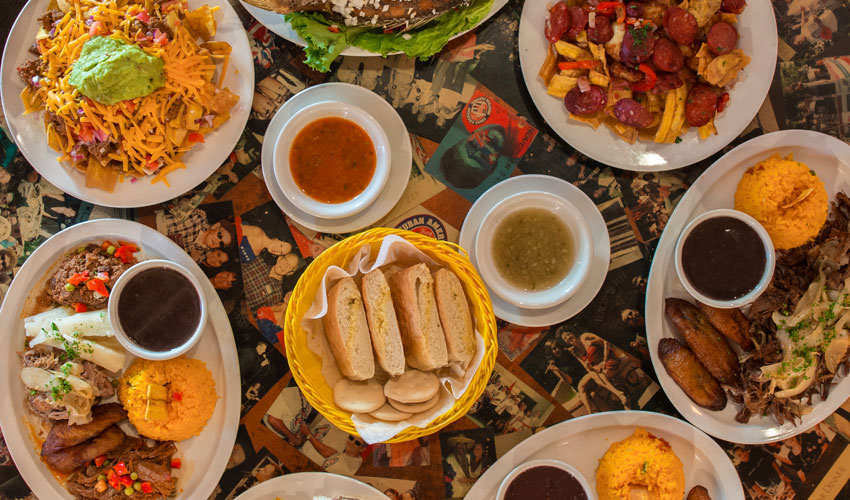
The invasion of Cuba by Spanish, Portuguese and British also played a role in the rich cuisine diversity. Cuba also got some special cuisine habits and rhythmic dance steps from African slaves imported to work in farmlands and Sugar factories. African, American and European culinary thus influence cuisines of Cuba.
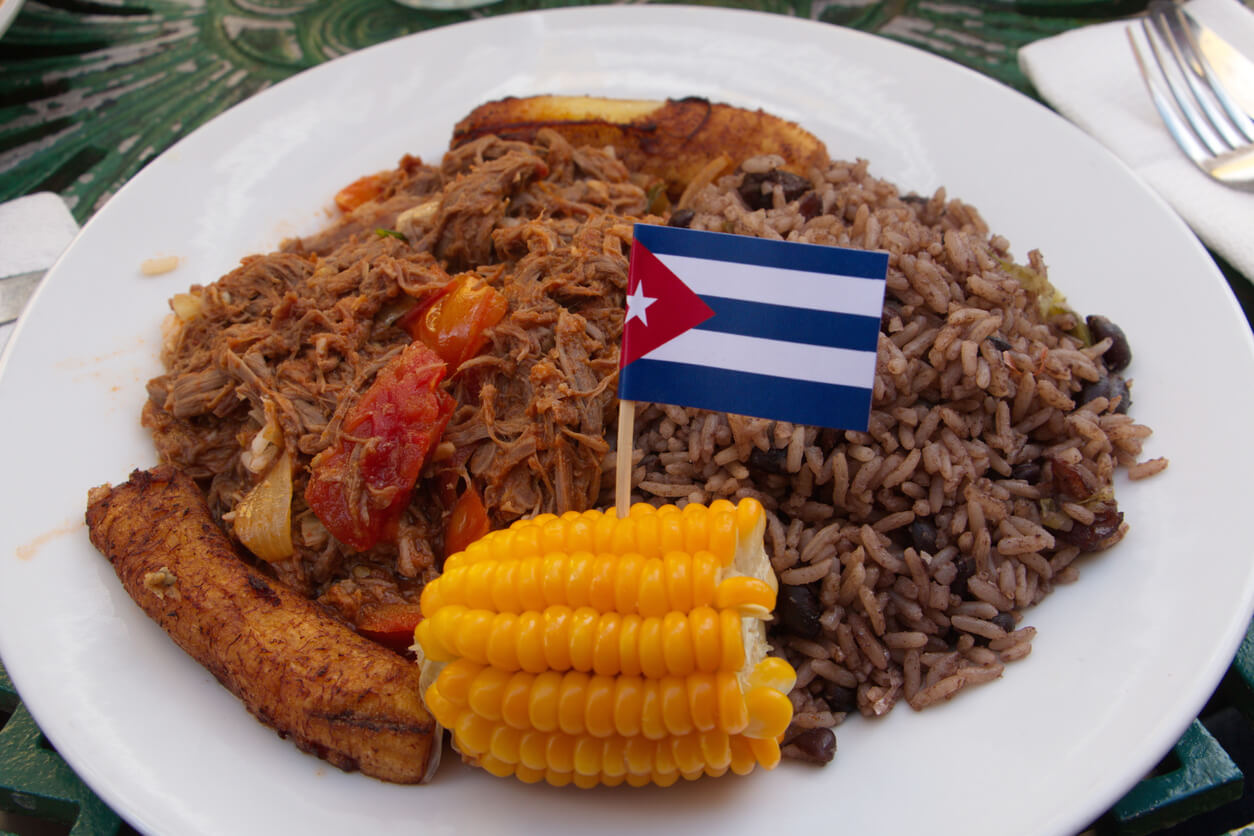
Cuban cuisines spice up the rich Caribbean food diversity with indigenous culinary got adapted from Spanish, Portuguese, Arabian, Chinese and African food habits merge to form special Cuban culinary. Apart from dried spices, everything else that goes to Cuban recipe will be fresh. Cuisines of Cuba include sauces, tea, coffee, desserts, cookies (biscuits, crackers), seafood, meat, fruit items, jellies etc. Cuban cuisines rarely use exotic spices. Onion, garlic, cumin seed, oregano, bay leaves etc. are used in Cuban cooking. olive oil is the cooking medium.

Unlike cuisines from other parts of the world, all items of Cuban food are served at the same time. Non-vegetarian food items are cooked very slowly with limejuice or sour orange juice as base. The vegetables used in Cuban recipes are nutritious and energy giving ones. Baked food items, dessert items, cheese, ice creams etc. also enrich Cuban culinary.
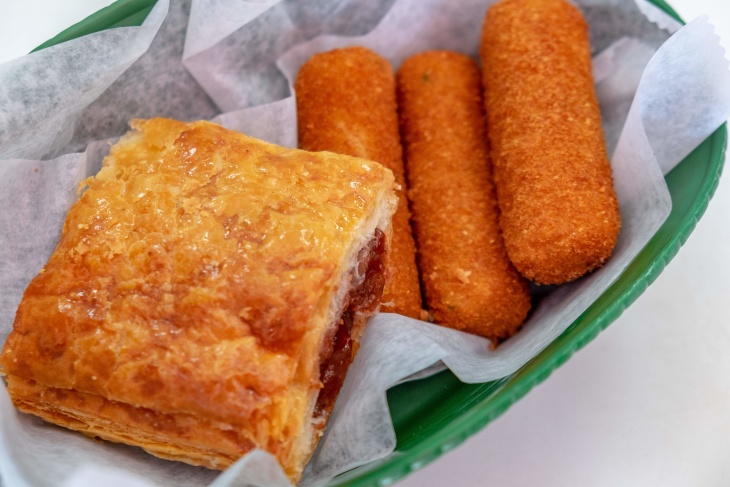
The healthy food items are further enhanced by simple preparation methods. The diversity of Cuban culinary also reminds us of the rich cultural diversity of this island nation. Dishes include Moros y Cristianos (black beans and rice), arroz con pollo (Chicken and rice) and picadillo (minced Beef and rice) Soups made from plantains, chickpeas are also common.

Fresh fruits, vegetables and meat form main components of Cuban Food. Preparation of Cuban food needs fresh ingredients; one exception is dried spices. Fresh meat (Chicken, Pork) is cooked on low flame for long hours. Sautéing of onions and spices is common. Fresh Turkey, Beef etc. are easily available and are cheap. Countryside families still depend on traditional methods of cooking, using firewood and iron cooking vessels. Pork is a special item for special occasions; a small pig is roasted slowly over low flames. The use of salt, oil and fat also is declining owing to increased health consciousness among people. Deep frying methods, use of thick sauces, butter etc. are also missing from Cuban cooking methods.
Music:
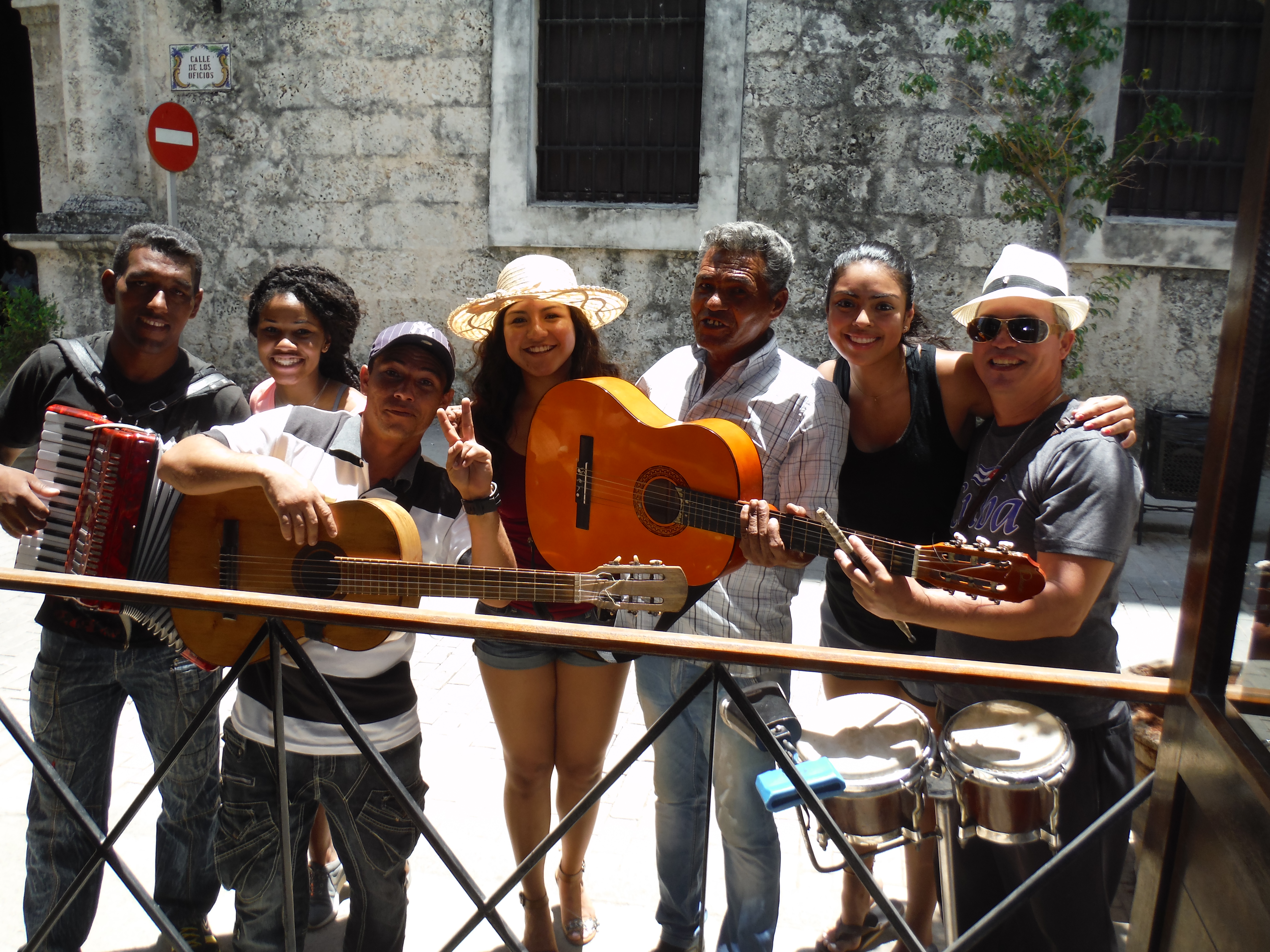
The music of Cuba, including its instruments, performance and dance, comprises a large set of unique traditions influenced mostly by west African and European (especially Spanish) music. Due to the syncretic nature of most of its genres, Cuban music is often considered one of the richest and most influential regional musics of the world. For instance, the son cubano merges an adapted Spanish guitar (tres), melody, harmony, and lyrical traditions with Afro-Cuban percussion and rhythms. Almost nothing remains of the original native traditions, since the native population was exterminated in the 16th century.
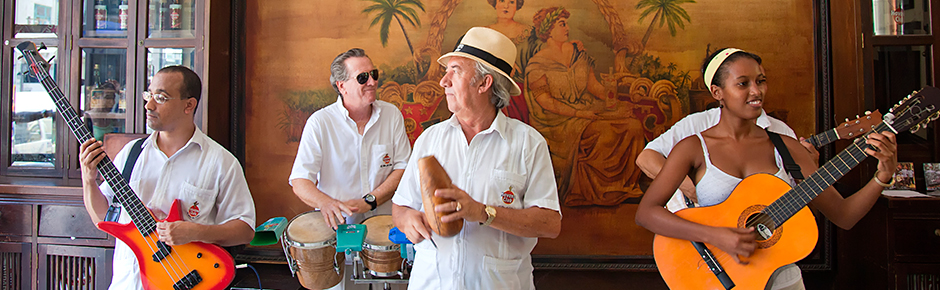
Since the 19th century Cuban music has been hugely popular and influential throughout the world. It has been perhaps the most popular form of regional music since the introduction of recording technology. Cuban music has contributed to the development of a wide variety of genre and musical styles around the globe, most notably in Latin America, the Caribbean, West Africa and Europe. Examples include rhumba, Afro-Cuban jazz, salsa, soukous, many West African re-adaptations of Afro-Cuban music (Orchestra Baobab, Africando), Spanish fusion genres (notably with flamenco), and a wide variety of genres in Latin America.
Ethnic Racial Composition:
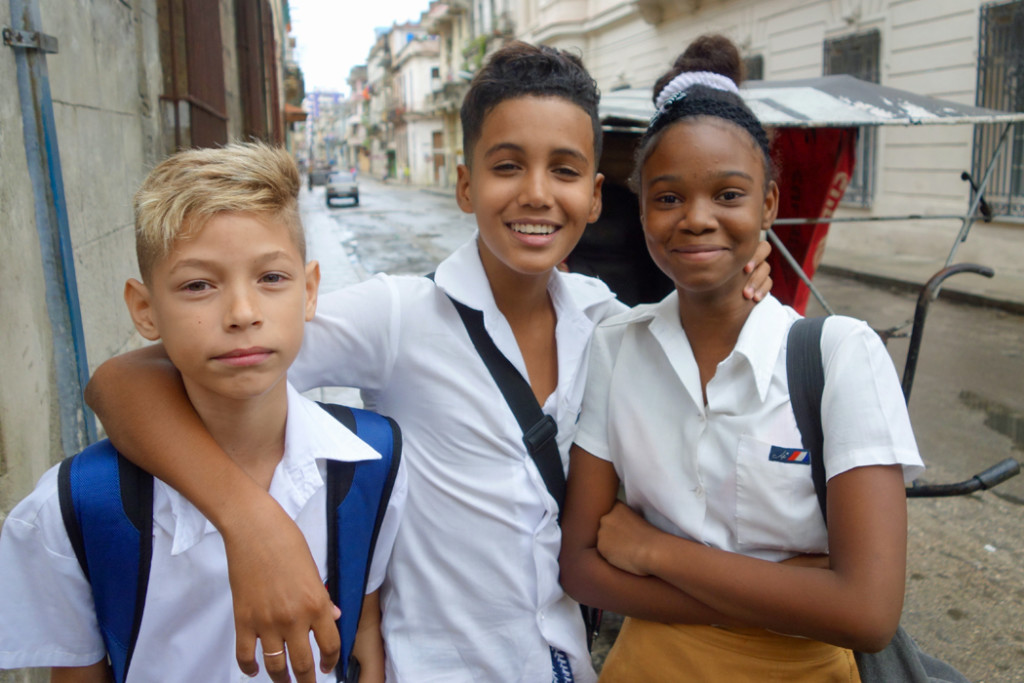
* 51% Mulatto
* 34% White
* 15% Black
Culture:
The culture of Cuba is a complex mixture of different, often contradicting, factors and influences. The Cuban people and their customs are based on European, African and Amerindian influences.
Cuisine:
Roots of typical Cuban cooking can be traced back to 3500 years, when people from South America, engaged mainly in fishing and hunting started migrating to this Island Nation who were later mixed with the indigenous farmer tribes. Apart from the Spanish influences in Cuban cuisine, there is also a mix of African, Arabian and Chinese food habits.
The invasion of Cuba by Spanish, Portuguese and British also played a role in the rich cuisine diversity. Cuba also got some special cuisine habits and rhythmic dance steps from African slaves imported to work in farmlands and Sugar factories. African, American and European culinary thus influence cuisines of Cuba.
Cuban cuisines spice up the rich Caribbean food diversity with indigenous culinary got adapted from Spanish, Portuguese, Arabian, Chinese and African food habits merge to form special Cuban culinary. Apart from dried spices, everything else that goes to Cuban recipe will be fresh. Cuisines of Cuba include sauces, tea, coffee, desserts, cookies (biscuits, crackers), seafood, meat, fruit items, jellies etc. Cuban cuisines rarely use exotic spices. Onion, garlic, cumin seed, oregano, bay leaves etc. are used in Cuban cooking. olive oil is the cooking medium.
Unlike cuisines from other parts of the world, all items of Cuban food are served at the same time. Non-vegetarian food items are cooked very slowly with limejuice or sour orange juice as base. The vegetables used in Cuban recipes are nutritious and energy giving ones. Baked food items, dessert items, cheese, ice creams etc. also enrich Cuban culinary.
The healthy food items are further enhanced by simple preparation methods. The diversity of Cuban culinary also reminds us of the rich cultural diversity of this island nation. Dishes include Moros y Cristianos (black beans and rice), arroz con pollo (Chicken and rice) and picadillo (minced Beef and rice) Soups made from plantains, chickpeas are also common.
Fresh fruits, vegetables and meat form main components of Cuban Food. Preparation of Cuban food needs fresh ingredients; one exception is dried spices. Fresh meat (Chicken, Pork) is cooked on low flame for long hours. Sautéing of onions and spices is common. Fresh Turkey, Beef etc. are easily available and are cheap. Countryside families still depend on traditional methods of cooking, using firewood and iron cooking vessels. Pork is a special item for special occasions; a small pig is roasted slowly over low flames. The use of salt, oil and fat also is declining owing to increased health consciousness among people. Deep frying methods, use of thick sauces, butter etc. are also missing from Cuban cooking methods.
Music:
The music of Cuba, including its instruments, performance and dance, comprises a large set of unique traditions influenced mostly by west African and European (especially Spanish) music. Due to the syncretic nature of most of its genres, Cuban music is often considered one of the richest and most influential regional musics of the world. For instance, the son cubano merges an adapted Spanish guitar (tres), melody, harmony, and lyrical traditions with Afro-Cuban percussion and rhythms. Almost nothing remains of the original native traditions, since the native population was exterminated in the 16th century.
Since the 19th century Cuban music has been hugely popular and influential throughout the world. It has been perhaps the most popular form of regional music since the introduction of recording technology. Cuban music has contributed to the development of a wide variety of genre and musical styles around the globe, most notably in Latin America, the Caribbean, West Africa and Europe. Examples include rhumba, Afro-Cuban jazz, salsa, soukous, many West African re-adaptations of Afro-Cuban music (Orchestra Baobab, Africando), Spanish fusion genres (notably with flamenco), and a wide variety of genres in Latin America.
Ethnic Racial Composition:
* 51% Mulatto
* 34% White
* 15% Black






.jpg)