What's new
Anthro World Forum

This is an anthropology forum where we cover all sorts of topics and discussions. Once signed in, you'll be able to participate on this site by adding your own topics and posts. Register today to become a member!

Dinarics in Western Asia

idklolimo

Well-known member
In Asia Minor, Syria, Armenia, the Caucasus, and Turkestan the reëmergence of a basic Alpine population has Dinaricized the local brunet Mediterranean types shown on Plates 17 and 18. These Asiatic-Dinarics are usually called Armenoids, although the distinction is arbitrary, and in the strict sense only the Armenians themselves and others who live in the east deserve that name.

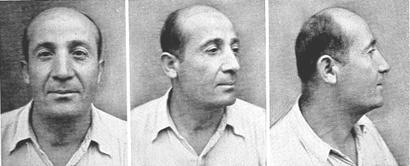
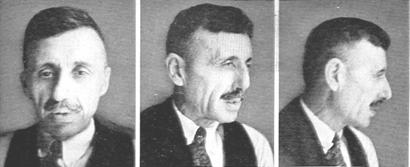
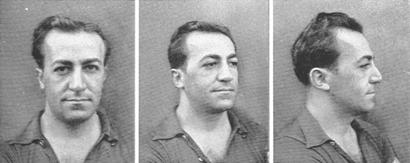
FIG. 1 (3 views). A Turk from Istanbul. Small-headed, hyperbrachycephalic, this individual is an extreme type of Dinaricized Anatolian Turk. The Turks are (a) Mediterraneans of local Cappadocian origin, and (b) intrusive Irano-Afghans, the invading Turkish element proper, Dinaricized by a local Alpine reëmergence. The westernmost Turks are fair to brunet-white in skin color, the eastern Turks grow progressively darker as one approaches Kurdish and Armenian territory.
troe401.jpg


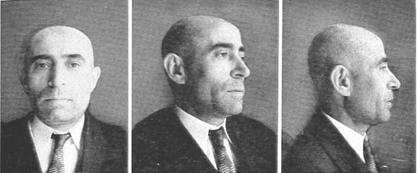
FIG. 2 (3 views). An equally brachycephalic Turk from Khozat, Anatolia, with a strong trace of eye blondism.
troe402.jpg


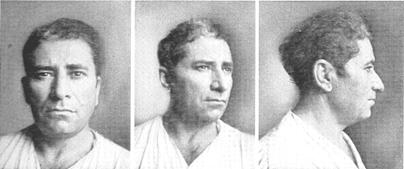
FIG. 3 (3 views). A dark-skinned Turk from Kharput, eastern Anatolia. Kharput is also the home of many Armenians.
troe403.jpg


FIG. 4 (3 views). An Assyrian from the mountains south of Armenia; the Assyrians are Christians who moved into the mountains from Iraq some 600 years ago, and who are now as brachycephalic as Armenians. Their exact ethnic origin is difficult to determine.
troe404.jpg
 

idklolimo

Well-known member
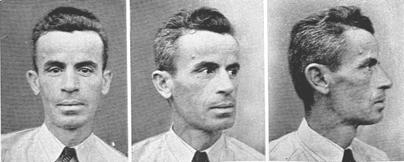
FIG. 1 (3 views). A Syrian from Damascus; a perfect example of a Syrian Dinaric. The Syrians, who are, as a whole, highly Dinaricized, contain Mediterranean elements of Arabian origin as well as the long-faced elements shown in Plates 17 and 18.

troe411.jpg


FIG. 2 (3 views). A Lebanese from Baalbek, Lebanese Republic. The Lebanese on the whole are more brachycephalic than the Damascenes; this individual is longer-headed than most, and inclines facially toward the Alpine prototype.
troe412.jpg


FIG. 3 (3 views). A Syrian from the district of Beka'a, with a cephalic index of almost 100. His extraordinary shortness of the cranial vault must be partly due to cradling, a practice which has affected the head form of many Syrians, Armenians, and also probably some Albanians. Cradling, however, is not the cause of Dinaricization, but merely a factor which may intensify it.

troe413.jpg


FIG. 4 (3 views). A Druze from the Shuf district; facially this individual actually resembles the Yemenis from whom the Druzes as a whole claim descent. His extreme brachycephaly may be partly the result of cradling.

troe414.jpg
 

Kurdquistador

Moderator
Staff member
FIG 2 is from my homeplace . my father is from Hozat

so FIG 2 is most likely Kurdish not Turkish

Tunceli province is mostly Alevi Zaza Kurdish and Alevi Kurmanc Kurdish . ony a small number of Turk / Turkmens and Armenians
 

Beowulf

Well-known member
Country
Spain
In Asia Minor, Syria, Armenia, the Caucasus, and Turkestan the reëmergence of a basic Alpine population has Dinaricized the local brunet Mediterranean types shown on Plates 17 and 18. These Asiatic-Dinarics are usually called Armenoids, although the distinction is arbitrary, and in the strict sense only the Armenians themselves and others who live in the east deserve that name.

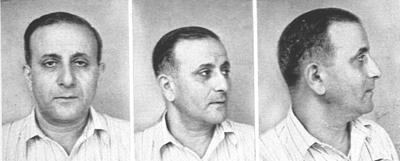
FIG. 1 (3 views). A Turk from Istanbul. Small-headed, hyperbrachycephalic, this individual is an extreme type of Dinaricized Anatolian Turk. The Turks are (a) Mediterraneans of local Cappadocian origin, and (b) intrusive Irano-Afghans, the invading Turkish element proper, Dinaricized by a local Alpine reëmergence. The westernmost Turks are fair to brunet-white in skin color, the eastern Turks grow progressively darker as one approaches Kurdish and Armenian territory.
troe401.jpg


FIG. 2 (3 views). An equally brachycephalic Turk from Khozat, Anatolia, with a strong trace of eye blondism.

troe402.jpg


FIG. 3 (3 views). A dark-skinned Turk from Kharput, eastern Anatolia. Kharput is also the home of many Armenians.
troe403.jpg


FIG. 4 (3 views). An Assyrian from the mountains south of Armenia; the Assyrians are Christians who moved into the mountains from Iraq some 600 years ago, and who are now as brachycephalic as Armenians. Their exact ethnic origin is difficult to determine.
troe404.jpg
The FIG 3 Looks a bit like you
 

KARABOĞA

Well-known member
Country
Turkey
FIG 2 is from my homeplace . my father is from Hozat

so FIG 2 is most likely Kurdish not Turkish

Tunceli province is mostly Alevi Zaza Kurdish and Alevi Kurmanc Kurdish . ony a small number of Turk / Turkmens and Armenians
 

idklolimo

Well-known member
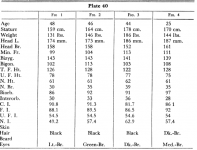
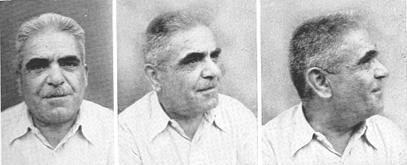
FIG. 1 (3 views). A Turk from Istanbul. Small-headed, hyperbrachycephalic, this individual is an extreme type of Dinaricized Anatolian Turk. The Turks are (a) Mediterraneans of local Cappadocian origin, and (b) intrusive Irano-Afghans, the invading Turkish element proper, Dinaricized by a local Alpine reëmergence. The westernmost Turks are fair to brunet-white in skin color, the eastern Turks grow progressively darker as one approaches Kurdish and Armenian territory.
troe401.jpg


FIG. 2 (3 views). An equally brachycephalic Turk from Khozat, Anatolia, with a strong trace of eye blondism.

troe402.jpg


FIG. 3 (3 views). A dark-skinned Turk from Kharput, eastern Anatolia. Kharput is also the home of many Armenians.
troe403.jpg


FIG. 4 (3 views). An Assyrian from the mountains south of Armenia; the Assyrians are Christians who moved into the mountains from Iraq some 600 years ago, and who are now as brachycephalic as Armenians. Their exact ethnic origin is difficult to determine.
troe404.jpg
plate40.PNG
 
Last edited:

idklolimo

Well-known member
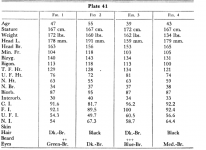
FIG. 1 (3 views). A Syrian from Damascus; a perfect example of a Syrian Dinaric. The Syrians, who are, as a whole, highly Dinaricized, contain Mediterranean elements of Arabian origin as well as the long-faced elements shown in Plates 17 and 18.

troe411.jpg


FIG. 2 (3 views). A Lebanese from Baalbek, Lebanese Republic. The Lebanese on the whole are more brachycephalic than the Damascenes; this individual is longer-headed than most, and inclines facially toward the Alpine prototype.
troe412.jpg


FIG. 3 (3 views). A Syrian from the district of Beka'a, with a cephalic index of almost 100. His extraordinary shortness of the cranial vault must be partly due to cradling, a practice which has affected the head form of many Syrians, Armenians, and also probably some Albanians. Cradling, however, is not the cause of Dinaricization, but merely a factor which may intensify it.

troe413.jpg


FIG. 4 (3 views). A Druze from the Shuf district; facially this individual actually resembles the Yemenis from whom the Druzes as a whole claim descent. His extreme brachycephaly may be partly the result of cradling.

troe414.jpg
plate41.PNG
 
Top