What's new
Anthro World Forum

This is an anthropology forum where we cover all sorts of topics and discussions. Once signed in, you'll be able to participate on this site by adding your own topics and posts. Register today to become a member!

The hidden history of humanity.Impostors/Jews(Rev. 2:9)deceived the world and DNA confirmed it

BarcelonaAtlantis

Moderator
Staff member
YOUR BODY IS AWAKENING! IT IS ALREADY HAPPENING: The GREAT HEALING, the new vibration of your DNA, and the awakening of CONSCIOUSNESS. ✨ We are undergoing a profound process of transformation and spiritual awakening. A new consciousness invites us to return to the heart, reclaim our inner center, and connect with our deepest essence. In this message, we explore the connection between solar activity, sacred geometry, Kundalini energy, consciousness, and the changes that many people are experiencing during this process of inner transformation.

"The age of pisces, the age of organized religion,is ending.The age of aquarius,the age of knowledge and information, is beginning" - Yogi Bhajan.

Yogi Bhajan taught that humanity is transitioning from the Piscean Age into the Age of Aquarius, bringing rapid change, heightened stress, and a need for self-awareness, compassion, and spiritual practice. In Kundalini Yoga, he introduced specific daily routines and guiding principles to help people navigate this shift


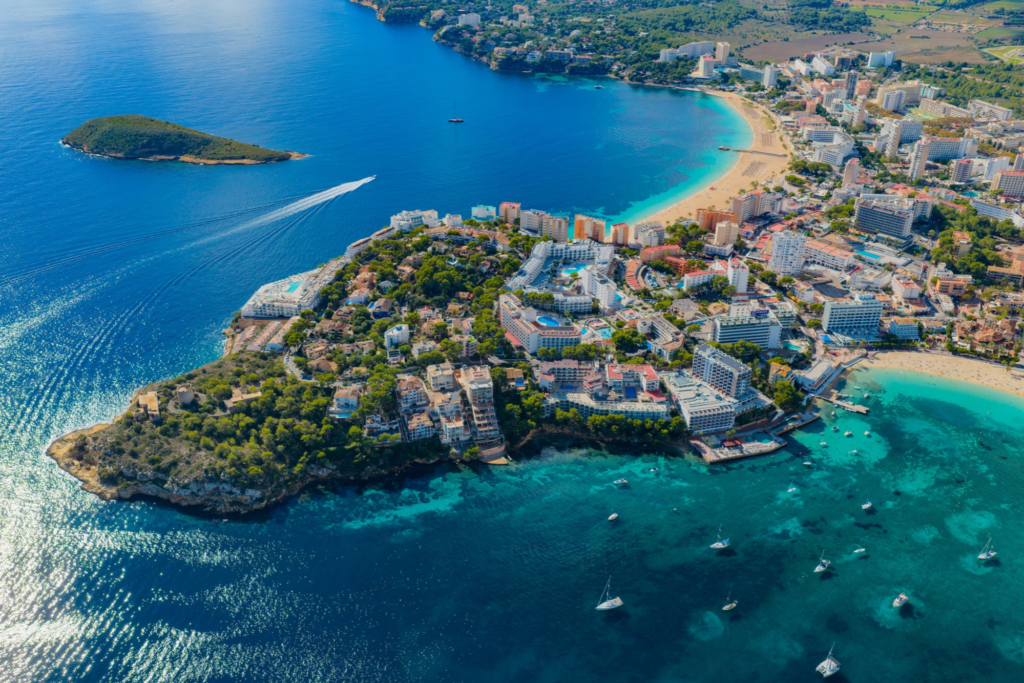
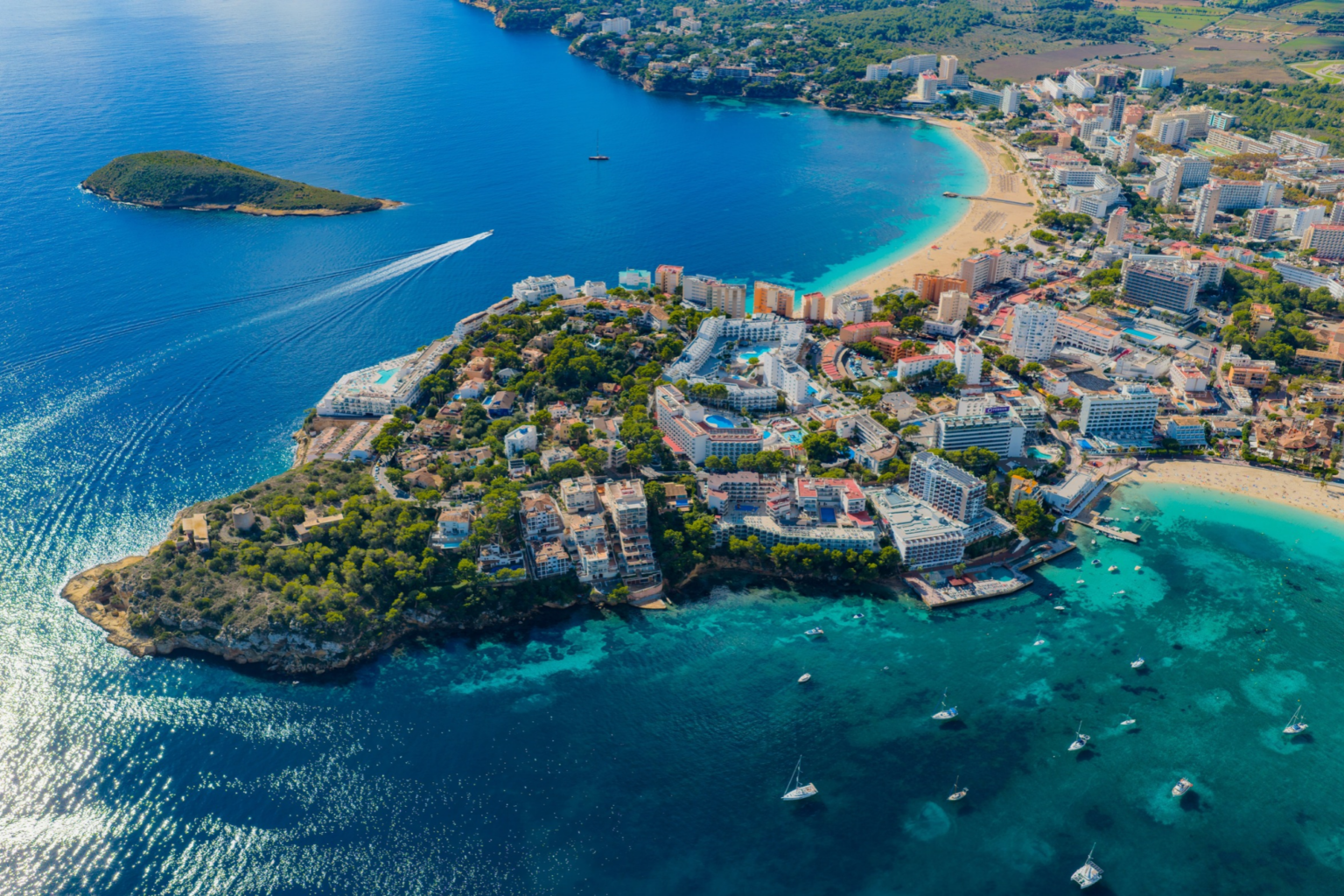
Calvià, the municipality home to Magaluf ,Santa Ponsa and Paguera on the island of Mallorca, has been awarded the prestigious title of European Capital of Tourism 2027
 
Last edited:

BarcelonaAtlantis

Moderator
Staff member
 
Last edited:

BarcelonaAtlantis

Moderator
Staff member
The phrase "every 250 years this happens" usually refers to the idea that major empires rise and fall—or undergo a major civilizational reset—roughly every 250 years. It has gained widespread attention in 2026 because the United States reached its 250th anniversary since 1776. https://www.futuresplatform.com/blog/250-year-civilisational-mege-epochs-thousand-year-ages

This video exposes how pastors are taught the truth about the bible yet refuse to tell their congregation, therefore leading them down a destructive path of faith in a god that does not love them, care about them, or even exist. I'll show you how to test god and his "supposed" word to help you break free from the curse of the manipulated/fake bible.
 
Last edited:

BarcelonaAtlantis

Moderator
Staff member

What really happened on the planet between the 17th and 19th centuries, before the onset of the modern era? Paintings of "capriccio" ruins, monumental architecture predating various wars, and evidence of concealed catastrophes suggest a disturbing scenario: a devastating global collapse that wiped out a large portion of world civilization between 1650 and the inexplicable events of 1812. By analyzing the enigma of the "Year Without a Summer" (1816), the origins of institutional psychiatry, and the anomalies of the Industrial Revolution, a pattern of collective amnesia and chronological rewriting emerges—one designed to obscure the technologies and legacy of the old world order. Were the Napoleonic Wars, the simultaneous independence movements, and the great urban fires merely maneuvers to claim lands that had already been devastated? We examine photographs of abandoned cities from the 1860s, the deliberate silencing of indigenous peoples, and the mass appropriation of patents. This is a deep, direct analysis of the temporal fissures in our recent history—gaps that traditional academia still fails to explain. Join us in questioning the official timeline with an open mind, and share your perspective in the comments section. Unearthing the forgotten truth.

The Disappearance of Tartaria: The Global War That History Erased (1770–1920) Is it possible that, between the late 18th and early 20th centuries, the world experienced a global-scale war that history books have chosen to ignore? In this episode, we examine evidence of a massive historical "purge" that wiped Great Tartaria off the map, leaving behind a trail of destroyed cities, suspicious fires, and a complete restructuring of nations. From the mysterious "anomaly" of 1816—the "Year Without a Summer"—and the strange "mud floods," to the systematic collapse of empires that seemingly possessed technology now forgotten, we unravel how the modern world was built upon the ruins of a prior civilization. Were the great fires in cities like Chicago or San Francisco accidental, or were they deliberate acts of demolition? Join me as we challenge the official chronology and discover why the period between 1770 and 1920 holds the key to understanding the "great reset" that shaped our current reality.

This video delves into the theories of researcher Anatoly Fomenko, who proposes that many historical events from different eras and cultures could actually be referring to the same events, only reorganized in time. According to Fomenko, history was manipulated to create a past older than it actually was. He connects figures from Russian history, such as Yermak, with characters described by Herodotus, and suggests that the conquest of Siberia could actually have been the colonization of America by the Tatar-Cossack Empire. He also suggests that ancient maps and names like "Maya Quiché" could be traces of this lost history, and that much of what is now known as the Spanish conquest is actually an altered version of that expansion of Tartaria
 
Last edited:

BarcelonaAtlantis

Moderator
Staff member

What are the mysterious jellyfish-shaped objects appearing in videos online? Could they be unidentified life forms rather than spacecraft? And why does Gregg Braden believe humanity may be approaching a profound turning point around 2030? In this fascinating conversation, Gregg Braden returns to Next Level Soul to explore the growing conversation surrounding UAPs, UFO disclosure, the Book of Enoch, ancient civilizations, and the mysteries of human origins. Drawing on his background in geology, technology, and ancient traditions, Gregg shares his theories about unusual objects in the sky, possible connections between ancient spiritual texts and modern disclosure, and why he believes the world may be entering a period of extraordinary change. The discussion also explores the Mayan calendar, ancient Mesopotamian writings, Tartaria, and the possibility that our understanding of humanity's past is incomplete. As artificial intelligence and emerging technologies transform our world, Gregg raises a deeply personal question: What does it truly mean to be human? From consciousness and DNA to transhumanism, compassion, and the future of civilization, this conversation invites us to examine the relationship between technology and our humanity. Gregg also shares his perspective on the significance of 2029–2030 and why he believes the choices we make today could influence the world we leave behind. Whether you're fascinated by ancient mysteries, the possibility of extraterrestrial life, spiritual awakening, or the future of human consciousness, this episode offers an opportunity to explore extraordinary questions with curiosity and discernment.

Iceland: Are we looking at a deliberately erased past?Yes. Ancient maps of Iceland depict monumental cities, rivers originating from strange structures, and a geography vastly different from what we see today. Are these merely cartographic errors, or are they remnants of a lost, advanced civilization? With misplaced place names, ruins that no longer exist, and landscapes that have been reconfigured, Iceland may well be hiding an inconvenient history. Could this be a past that was deliberately erased? Subscribe and join us as we uncover what history books fail to reveal. Hit the notification bell so you never miss a video, leave a like, share, and share your thoughts in the comments—every action helps us challenge the official narrative and work together to build a deeper understanding of the past and its mysteries.

The official account claims that in 1816, the Tambora volcano caused a sudden "year without a summer." However, physical, climatic, and documentary contradictions tell an entirely different story: how is it possible that the term was not mentioned until nearly 70 years later, and that while Europe and North America were freezing, neighboring empires enjoyed prosperous harvests, free from any atmospheric anomalies? The chilling account provided by Lord Byron in his poem *Darkness*—describing a dimmed sun, black skies at midday, and apocalyptic panic—aligns with the sudden devastation of Siberian forests, the existence of anomalous, high-energy craters like the Patomskiy crater, and a profound silence in the newspapers of the era. Far from being a simple, natural cooling event, the evidence suggests an electromagnetic impact or a hidden global war, orchestrated to rewrite the chronology of the 19th century following a civilizational reset. In this video, we examine the impossible meteorological data, the gaps in the historical press, and the anomalies that reveal why 1816 was a year we were never meant to remember.
 
Last edited:

BarcelonaAtlantis

Moderator
Staff member
What if an advanced civilization was wiped out… and art documented it? In this episode of Open Mind, we explore the mysterious engravings of Giovanni Battista Piranesi, traditionally considered products of the imagination. But what if they were visual records of a lost civilization? Along with other artists of the so-called "capricious" school, Piranesi depicted colossal ruins, buried temples, and cities devastated by time, with a level of detail that defies the notion of mere fantasy. What if these images reflected a real world, destroyed by a global catastrophe and erased from official history? Perhaps the remains of that forgotten world still lie beneath our feet. Are you ready to see with new eyes?

The Enigma of the 1835 Manuscript: Lost Tartary Technology and Hidden Catastrophes
In 1835, one of the most perplexing and enigmatic works of Russian literature was published: "The Year 4338: Letters to St. Petersburg," written by Prince and philosopher Vladimir Odoevsky. Decades before the formal development of mass electrical grids, radio, or commercial aviation, this manuscript detailed with astonishing precision instant communication networks equivalent to the internet, mass transit aircraft, transcontinental tunnels, climate control, and energy sources that defied the science of its time.

How was such a technical and social description, so close to our reality, possible almost two centuries earlier? While the conventional academic view simply classifies it as an exercise in visionary science fiction, various researchers of historical revisionism raise a much more intriguing possibility: what if it wasn't merely futuristic imagination, but rather the fragmented memory of a previous civilizational cycle?

In this in-depth analysis, we explore the parallels between Odoevski's visions, records of global catastrophes such as the impact of Comet Biela, the anomalies of the so-called "mud flood," impossible architecture, and the hypothesis of an advanced Tartary whose technology was erased after the traumatic events of the 19th century

A Canadian Trapper Spoke With a Nordic Alien at 4 AM. It Knew Why the Northern Lights Had Changed

A Canadian trapper alone in the frozen Mackenzie Mountains meets a pale Nordic alien at 4 AM, and it tells him exactly why the northern lights above his camp have started pulsing against the wind. Gene Halvorsen has worked the Twitya valley for thirty-one winters and doesn't believe in anything he can't skin or sell.

Then his bait vanishes without a single track, his own snowshoe trail ends in smooth snow, and gold slit-pupiled eyes watch him from the timber eight feet up. The tall stranger warns him that his trapline has become two, and that one of them leads somewhere he must never go. At thirty-eight below, with an aging husky, a jammed rifle and a compass that won't point north, Gene has to choose which trail to trust.
.
 
Last edited:

BarcelonaAtlantis

Moderator
Staff member

Airplane wings are really empty, not full of jet fuel, they are powered by compressed air.Tartarians built the airplanes and everything but this is hidden history.

Airplanes are using PRACTICALLY NO FUEL (only a tiny bit to get off the ground & land), and once airborne, they're designed to—without pilots' awareness—switch to aether-powered free energy technology that was STOLEN from the previous civilization (Tartaria). Stealth-implementation of aether tech, weaved right into the modern world under our noses, and nobody going about their daily commutes have a single clue that it's happening. As someone who grew up in Seattle and was surrounded by people working at Boeing/SeaTac, both on the engineering and piloting side...I have been aware of this one for a long time, and can add some personal anectodal sauce to the mix (although I have to keep it vague for privacy/safety reasons). I have physically sat down and had conversations with multiple people who either currently work, or have worked as (A) the guy who attaches the hose to the plane wing for fueling, and (B) the lead pilot sitting in the cockpit, who communicates to the fueler to "stop" when their dashboard gauge ticks from "empty" to "full". From what I've gathered on the subject, both through independent research, 8+ years of consistent flying + observation on the supposed numbers, and private discussions with those with experience/knowledge inside the industry, I will simply say this... There's a reason why conspiracy theorists are the undefeated champions of the modern world. ...Have I ever mentioned that literally every single aspect our world is a lie, and the truth is far more insane than any of us can imagine? Question everything, friends. There are endless wonders out there, just waiting to be discovered by the right open mind. As always, do your own research, and come to your own conclusions.


Mercury Vimanas: Hidden energy and lost technology of ancient civilizations

Mercury in antiquity (Egypt, China, Teotihuacán).
Mercury and Vimanas (Vedic texts, propulsion).
Mercury in modern science (NASA, ion engines, red mercury).
Energy architecture (chimneys, spheres, mansions without bathrooms, breatharianism).
Giants and oversized castles.
Tesla, the ether and Mendeleev.
What if the mercury rivers of Teotihuacán were not ritual, but technology?
How can 2000-year-old texts describe mercury propulsion, tested by NASA in the 1960s?
Were the spheres on 19th-century chimneys really just decoration?
Were Tesla and Mendeleev silenced because the ether was real?
 
Last edited:

BarcelonaAtlantis

Moderator
Staff member

Mallorca in the spotlight as Calvia is crowned European Capital of Tourism 2027: What it means for visitors and residents​

By Lottie Verrier

Calvia is crowned European Capital of Tourism 2027

Calvia is crowned European Capital of Tourism 2027 Credit: Shutterstock/MikeWorkman

For decades, British holidaymakers have flocked to Mallorca’s southwestern coastline in search of sunshine, sandy beaches and Mediterranean living. Now, the municipality behind some of the island’s best-known holiday resorts is receiving international recognition for its efforts to reinvent the very industry that put it on the map.
Calvia has officially been named European Capital of Tourism 2027, securing a prestigious European Commission award in the category for destinations with populations of between 25,000 and 100,000.

Home to popular resorts including Magaluf, Palmanova, Santa Ponsa, Peguera and Portals Nous, the municipality will spend the coming year showcasing its transformation from a traditional mass-market holiday destination into one with a more sustainable, diverse and year-round tourism offering.

​

Mallorca triumphs over European rivals​

The announcement was made in Brussels on Thursday, November 19, following a presentation by Calvia mayor Juan Antonio Amengual before a panel of European judges.
Calvia emerged victorious from an initial pool of 40 applicants representing 17 countries, beating seven other finalists, including fellow Balearic destination Ibiza, France’s Calais and Croatia’s Zadar.

The award recognises destinations that are pioneering improvements in environmental sustainability, accessibility, technology, cultural heritage and the promotion of local creativity.
During the final presentation, Calvia’s delegation showcased how the municipality has evolved over the past three decades, highlighting its efforts to develop a tourism industry that benefits both visitors and the people who call the area home.
Slovenia’s capital, Ljubljana, secured the equivalent title in the category for destinations with more than 100,000 inhabitants.

Moving beyond Mallorca’s sun-and-sea reputation​

For many British visitors, the name Magaluf still conjures up images of lively nightlife and traditional package holidays. However, Calvia is increasingly looking to attract visitors for reasons that extend far beyond its beaches and entertainment venues.
The European Commission singled out the municipality’s determination to reduce its dependence on high-volume tourism and develop an industry that operates more sustainably throughout the year.
Calvia’s broader tourism strategy includes promoting its gastronomic scene, sporting events, cultural heritage and natural surroundings, encouraging visitors to discover a different side to the municipality.
Recent promotional efforts have also highlighted the ecological importance of Magaluf’s wetlands and the area’s potential as a destination for film and cultural events.
Rather than simply encouraging more people to visit Mallorca, the approach seeks to reconsider when they visit, what they experience and how their holidays benefit the surrounding community.

What could the award mean for British expats and local businesses?​

For Calvia’s sizeable international community, one of the most significant aspects of the recognition is its emphasis on improving the relationship between tourism and everyday residential life.
The European jury acknowledged the municipality’s efforts to ensure that the tourism industry contributes to the long-term economic, social and environmental wellbeing of the area.
A stronger year-round tourism economy could also bring advantages for restaurants, shops and leisure businesses that traditionally experience a considerable downturn during the winter months.
For residents, a less seasonal economy could potentially translate into more businesses remaining open outside the summer season, greater employment stability and a wider choice of activities throughout the year.
However, the award itself does not introduce new tourism regulations or guarantee immediate changes to local services.

What can visitors expect in 2027?​

Calvia Town Hall is already preparing a programme of initiatives to mark its year as European Capital of Tourism.
The municipality will receive promotional backing from the European Commission and join an international network of destinations working towards more responsible and innovative tourism.
Throughout 2027, Calvia will have opportunities to share its experience with other European destinations while highlighting its own environmental projects and achievements.
The full calendar of activities has yet to be announced in the official statements published so far.
For an area that has welcomed generations of British holidaymakers, the recognition represents an important milestone. Calvia’s next chapter is not simply about attracting tourists, but about creating a destination that remains an appealing place to visit, live and work throughout the year.


A lifestyle, Santa Ponsa.

The sea is your lifestyle, your companion, this is your chance to experience it every day.

Just 20 minutes from the capital in an unparalleled location.​


Santa Ponsa is one of the most popular areas of Calvià, the ideal place to start your new life. It’s an area that embodies the Mediterranean essence: its wide range of leisure activities and the Balearic climate are perfect for those looking to connect with tranquility and relaxation.​


This pillar is crucial for projecting Calvià as a diverse and competitive destination that extends beyond the traditional "sun and beach" offering.
The Management and Governance pillar covers activities related to the organization, coordination, and monitoring of the Plan. The Innovation and Sustainability pillar focuses on establishing Calvià as an advanced, smart destination, aligned with the principles of environmental, social, and economic sustainability. Finally, the fifth pillar—Infrastructure and Resources—brings together initiatives designed to improve, adapt, and add value to the spaces, facilities, resources, and infrastructure that underpin the tourist experience in the destination.

Focusing on actions with the highest priority, we find the structuring of the tourism offering and the positioning of the area as a sports destination. This involves creating a 'Sports Product Plan'—a roadmap for future initiatives designed to establish Calvià as a premier sports destination. Another top-priority initiative is the development of 'Film Routes'—the structuring, digitization, and interpretation of audiovisual-themed itineraries. This entails transforming the municipality’s various filming locations into an accessible tourism product.

Another high-priority action is the 'Architecture of the Calvià Tourism Brand,' which focuses on integrating the municipality’s various hubs and strengthening the destination's overall positioning. The goal is to reorganize the tourism brand architecture to bolster Calvià’s standing as a unified global destination, while ensuring that its individual tourist hubs retain their distinct identities. This approach proposes a 'branded house' or 'endorsed brand' system, where each hub keeps its own name and character while remaining consistently linked to the overarching 'Calvià' brand—for instance, by using the 'by Calvià' descriptor. A further top-priority initiative is the 'Strategy, Scheduling, and Activation of Tourism-Related Social Media Channels.' This involves enhancing the management of 'Visit Calvià's' social media presence, transforming these platforms into active, up-to-date channels that are fully aligned with the destination's broader communication strategy. Finally, the plan prioritizes the coordination of the destination's promotion, commercialization, and positioning. This entails developing a 'Tourism Marketing Plan for Calvià,' which will include an assessment of the current tourism offering, demand, and brand image, as well as the identification of target markets and audience segmentation.
"For the first time, we have developed a Strategic Tourism Plan—something that had never been done before in what is the most tourism-oriented municipality in the the Balearic Islands. It is intended to bring order to the entire tourism strategy for the next five years," he notes, adding that "while it does not have to be followed to the letter, it undoubtedly provides key insights for advancing a model of transformation that is already recognized internationally."


Opened in 1977, the Santa Ponsa I golf course has a 6,543 meter course, 18 holes (par 72), with the 10th hole being one of the longest in Europe


Golf fde Andratx. Hole 6 at Golf de Andratx in Camp de Mar, Mallorca, is widely cited as the longest golf hole in Spain, measuring 609 meters (666 yards) from the back tees.Par & Difficulty: A par 5 (stroke index 1) nicknamed "The Green Monster".
 
Last edited:

BarcelonaAtlantis

Moderator
Staff member
Hole 6 at Golf de Andratx in Camp de Mar, Mallorca, is widely cited as the longest golf hole in Spain, measuring 609 meters (666 yards) from the back tees.Par & Difficulty: A par 5 (stroke index 1) nicknamed "The Green Monster".Also, the course is known as one of the most challenging and high-level ones. Have you visited it yet?


Are we looking at the remnants of an advanced civilization that was erased following a “great reset” in the 19th century?

This report explores the enigma of the cast-iron pavements in Kronstadt and their potential links to hidden infrastructure in other cities, such as New Orleans. Although the official account describes them as mere 19th-century practical experiments, their intricate, geometric design suggests a more complex purpose—ranging from electromagnetic shielding and urban heating systems to covert energy networks. When compared with phenomena such as the “mud flood,” accelerated reconstruction, and the disappearance of metal street furnishings, a hypothesis emerges: these elements may have been part of an advanced urban technology that was deliberately wiped from historical memory.

Subscribe and join us as we uncover what history books fail to reveal. Hit the notification bell so you never miss a video, leave a like, share, and share your thoughts in the comments—every action helps to challenge the official narrative and, together, build a deeper understanding of the past and its mysteries.

Aralamb talks about 2027 being the time that the memory of the whole world is returned and everyone will see things more clearly

Formerly a country estate​

The village of Son Ferrer, with 6,200 inhabitants, is located in the south-west of Majorca in the municipality of Calvià between Magaluf, Santa Ponça and the chic marina of Port Adriano. It is 20 kilometres from the capital Palma de Mallorca. Son Ferrer, surrounded by pine forests, is also close to the sea and to multiple golf courses , Santa Ponça I, II, III and T Golf & Country Club.

The Son Ferrer development was originally a Majorcan country estate called the Can Ferrer possession. Landowner Antonio Seguí Ferrer cultivated almond, mulberry, carob and fig trees here before he sold the land to the municipality of Calvià. Today, the picture is quite different, with a sports centre, library, medical centre, pharmacy, swimming pool, supermarket, restaurants and a park with water features. It has everything. And there's also a weekly market every Friday morning where you can buy fruit, vegetables, cheese, sausage, meat, clothing and handicrafts.

Rustic-style dining in Méson Son Ferrer​

Many people know Son Ferrer because they've eaten at Méson Son Ferrer. This rustic restaurant with now-unused tools and horse tack on the walls is widely known in the surrounding area. It serves Majorcan and Mediterranean dishes, including escargots with aioli, Galician-style octopus, king prawns with garlic, fish, various paellas, suckling pig and hearty meat specialities from the charcoal grill. The two outdoor terraces offer plenty of space, which is also great for children , who, by the way, are specifically and warmly welcomed. And to make sure that they don't get bored, the kids have their own separate play area, with multicoloured bouncy castles and a football pitch!

Archaeological attraction​

Son Ferrer boasts its own archaeological attraction: the Túmulo de Son Ferrer burial mound from the Bronze Age and Talayotic period. You can find it on Calle Oronella (Swallow Street). During excavation works, they found more than 100 sets of remains, mainly young persons, in the burial chamber. Meanwhile, four kilometres away, dwelling and defence structures have been uncovered in the 40-hectare archaeological park Puig de Sa Morisca. Both of these sites bear witness to the rich archaeological heritage of Calvià municipality, the largest and wealthiest municipality in Mallorca and Spain.maxresdefault[1].jpg

Before the Moon: The Ancients Who Walked Under a Dark Sky The Pelasgians(the Basques), an ancient people who predated the Greeks, are shrouded in mystery. Various classical sources describe them as originally inhabitants of Greece and other parts of the Mediterranean. Surprisingly, several ancient authors, such as Aristotle, Plutarch, and Apollonius of Rhodes, mention that the Pelasgians lived in a time when the Moon did not yet exist in the skies. This concept, also reflected in myths from American and Asian cultures, suggests an ancestral memory of a world radically different from the one we know. Is this a globally shared myth or an indication of a deeper history of humanity? Some even wonder if the Moon was "brought" and what role it played in shifting the cosmic balance. The question remains: do we live under the light of a colossal mystery?

Almond Valley, Mallorca.
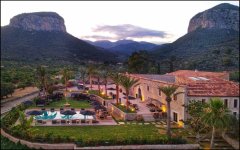
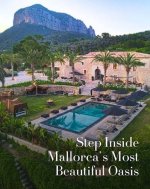
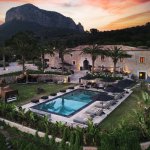
Nestled within the stunning Serra de Tramuntana Mountain range, Almond Valley is an exclusive vacation home and events venue in Pollença, Mallorca.
This enchanting estate offers the perfect blend of rustic charm and modern luxury, making it ideal for both tranquil getaways and unforgettable celebrations. With eight bedrooms in the main house, two separate guest homes, spa facilities, and lush gardens, it provides an idyllic retreat for families and friends alike.

Almond Valley is surrounded by 100 hectares of private land, featuring tranquil gardens, a vineyard, and even a labyrinth for exploration.

Guests can unwind by the large swimming pool or enjoy outdoor dining in beautiful settings. The estate's gardens are home to diverse plant species, and areas like the secret water garden and lake house offer serene spots for reflection. The estate embodies an authentic countryside experience with farm animals and organic produce.

Located in the picturesque north of Mallorca, Almond Valley provides both seclusion and accessibility.

Just a short drive from the charming town of Pollença, the estate is conveniently situated for guests wishing to explore local culture, cuisine, and breathtaking landscapes. The closest airport is Palma de Mallorca Airport, approximately 45 minutes away by car. Guests can indulge in fresh, organic produce from the estate’s vineyard and farm. At the same time, nearby activities include hiking in the stunning Serra de Tramuntana, visiting local beaches, and exploring the historical sites of Pollença. The area also offers opportunities for cycling, wine tasting, and enjoying traditional Mallorcan cuisine at local restaurants. Almond Valley’s tranquil surroundings make it the perfect base for a rejuvenating retreat or an adventurous getaway.

almond-valley-mallorca-spain-05-2000x1500[1].jpgalmond-valley-mallorca-spain-75[1].jpg
 
Last edited:

BarcelonaAtlantis

Moderator
Staff member
✦ Uranus Trine Pluto: A rare evolutionary window through 2028, reactivating the seeds of creation planted in July 2026. ✦ Pallas Athena Goes Direct: Activating your inner warrior goddess, mystical intelligence and strategic vision to create a clear path forward. ✦ Jupiter Trine Chiron: Moving beyond the wounded healer to embody the wisdom keeper and express your unique soul gifts. ✦ Hecate, Venus in Scorpio & Mary Magdalene: Awakening your inner oracle, deepening your connection to the sacred feminine and navigating powerful crossroads. ✦ Mars Square Uranus & Mercury Enters Sagittarius: Navigating ego-driven impulses, taking soul-aligned action and opening to greater hope, expansion and possibility.

Mallorca vs. London: A price shock twist
Buckle up, Mallorca! The price shock is real, and it’s coming for your wallets

In between meetings in central London last week I had a mooch around local estate agents. It’s always a surreal experience and usually I have a good guffaw at the insane property rental prices but hark the lark, all was not as it seemed. Having just come from the Soller valley, where prices have gone through the roof, London began to look more accommodating. Who’d have guessed?

A London estate agent raised an eyebrow when I told him how much people pay for a tiny rental flat in Soller. He showed me a few one-bedroom rental properties in affluent St John’s Wood for almost half the price. It was the same with purchasing flats. I clocked a few pleasant one and two-beds in grand apartment blocks for around £300,000 in the same zone. You’d be hard pressed to find such quality in our neck of the woods in Soller, if even available. Most good value properties are snapped up instantly, leaving a bedraggled, problem-rich, lacklustre overpriced list for would-be buyers to wade through.

There are many townhouses available in Soller itself, but many buyers shy away from the centre due to lack of parking, noise and paucity of gardens. This means that two to three bed fincas with parking and a private garden and pool become hugely desirable to the affluent. If you’re not a cash buyer or ready to up the ante, it’s still easy to miss the boat.

I was shocked enough by the attractive property rental prices in some parts of London but then came the F&B offering. The cost-of-living crisis and steep rise in fuel and day to day commodities has had an effect on many restaurants and cafés in Mallorca. It’s very difficult to find reasonably priced eateries now in our valley and other much visited areas. We frequent our favourites and go to more elevated fine dining dens for special treats. In London, the prices aren’t cheap but are becoming dangerously close to those you might expect in Mallorca. The difference is that you get real linen serviettes and tablecloths in London! Supermarkets proved much cheaper in London too and many shops such as Boots offered countless three-for-two offers. Luckily, I had a suitcase so picked up my favourite conditioner for half the price of Mallorca and even got one free.

My average meal in London with friends was £35 including starters. In truth, I wouldn’t pay much less back in Mallorca for the same kind of fare. Coffees were a little more expensive but usually double the size. Nothing in the world would make me want to leave the golden isle but the days of cheap drinks and eats, and knock down properties have long gone. But what about the locals who earn so much less than folk in London? How can they possibly compete with second home owners who so often earn much higher incomes back in their own countries? And how can they cope with the rising prices on the island when salary packets are meagre? It’s a well-hacked old chestnut and sadly I don’t hold answers, but the island is moving at speed in a new direction, and we all need to hang onto our coats and hats to stay on the train.

The sweetest peach around.
The Sineus peach is an ancient, non-hybrid heirloom variety native to Mallorca, prized for its intense sweetness despite an unassuming appearance

Ask an American in Mallorca whether they’re going home for Thanksgiving and you may have to be a little more specific. Alex Codorniu is a New Yorker. His mum lives in Miami, and after nearly a decade in London he and his Italian wife now live in Palma where they are raising their three children. Quite a few Americans can put a Mallorcan address on a Thanksgiving invitation these days. Spain’s census counted 990 US nationals living on the island in January 2021. Four years later there were 1,421, including 623 in Palma.


Alex and Stefania moved to Richmond in London in 2011. But come half-term, they’d bring the children over to the family’s holiday home in the north of Mallorca. When they heard in 2020 that schools in the UK were going to close, they wanted to be somewhere the children could get outside. Mallorca was an easy choice. Palma came later, once they knew which schools they wanted.
Six years on, Daniel, Isabel and Julia are eleven, nine and seven, and Alex is delighted they’re growing up here. “I think it’s a brilliant place for young kids,” he says. His advice to another family thinking of making the move is to start with the schools. Once you know where you’ll be taking the children every morning, it’s a good deal easier to decide where to live.

A typical day​

Once the children are at school, Alex and Stefania head for their respective gyms. Alex works US hours, so by the time he sits down at his desk in the afternoon he’s had a workout, seen a few familiar faces and spent some time in the sun. He had the same mornings free in Richmond, but between the UK weather and one thing and another, those hours had a habit of disappearing. Mallorca seems to be bringing the best out of him.


In London, Alex says, you can spend years living alongside your neighbours and still lead “parallel lives”. In Palma, he’s found it easier to get to know people through the places he goes every week.
At the gym, he sees familiar faces and can pick up a conversation where it left off. The same thing happens on the sidelines when the children play football. Stefania has met people through French classes, which she started because their daughters go to a French school, and through cooking classes.

Getting outside​

At weekends Alex and the children like to get the bikes out and ride along Palma’s Paseo Marítimo. Other days they’ll take the car and go for a walk or, if it’s hot, jump in the sea. They know the north of Mallorca well, so they often head south for a swim and try a different cala.
“We try to use the island,” he says. It’s a lovely expression, and a fair challenge to those of us who’ve lived here a while. How often do we go back to the same beach because we know where to park, or tell a visitor about a place we haven’t been to ourselves in years? That curiosity about the islands also led Alex to build Balearic Intelligence, a website for people who want to get to know Mallorca and the other Balearic Islands better. He built it while learning how to use AI and went on to apply what he’d learnt in his investment work.
Alex liked the mix of people he met in London and he’s found it here too. Living on an island, he says, has taught him about German and Swedish culture as well as Spanish. Being around people who’ve grown up doing things differently “makes you curious and respectful”.
But as much as he loves raising the children here, Alex hopes they’ll try life in a big city when they’re older. “I think big cities are a great place when you’re young,” he says. In the meantime they do some exploring together. Alex can work remotely and the family like to get away in the heat of summer. This year they spent three weeks in Japan.

How has life changed for him and his family by moving to Mallorca? The pace is slower, there is more time to enjoy things. In America there is a constant pressure and as we both remark very little time off. So there is the opportunity to spend time with his kids that he doesn’t think he would get if he was in the US, and a much healthier lifestyle and environment for them to grow up in.

Coming home for Thanksgiving​

Most of the attention paid to flights from the States is about who’s coming to Mallorca. The Balearic tourism agency recorded 230,399 arrivals by US residents in the first nine months of 2026, up 22.3 per cent on the same period last year and already more than in the whole of 2025. For Alex, fifteen years after leaving the States, the convenience is in being able to make the journey easily the other way. United began flying between Newark and Palma in 2022 and ran the service four times a week this year. But Alex won’t be flying back to the US this year for Thanksgiving, he will be here to celebrate what he thinks is the best and most important of all of the American holidays. It’s a simple concept, to celebrate the harvest and we know a thing or two about celebrating that in Mallorca. For example in Binissalem in September, the grape harvest is reason enough to bring the tables out into the street and more or less every weekend from then until the end of November has a celebration for something from grapes to oil to herbs to melons.
 
Last edited:

BarcelonaAtlantis

Moderator
Staff member

​

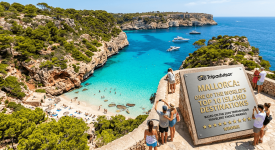
Mallorca ranked 10th worldwide in TripAdvisor's 2026 Travellers' Choice Best of the Best destination awards, based on verified traveler reviews across hotels, restaurants, attractions, and experiences​

Mallorca TripAdvisor Top 10 World 2026: Why the Island's Global Reputation Has Never Been Higher​


Mallorca in TripAdvisor's world top 10 for 2026, as the tenth most popular destination. What drives the ranking and what it means for property values.

Mallorca TripAdvisor Top 10 World 2026: Why the Island's Global Reputation Has Never Been Higher

Mallorca's TripAdvisor top 10 world ranking in 2026 is the kind of accolade that confirms what residents and property owners have known for some time — that this island has quietly assembled a quality of life offer that now competes at the very highest global level. TripAdvisor's annual Travellers' Choice Awards, the most widely consulted travel ranking in the world with hundreds of millions of reviews informing the results, placed Mallorca tenth among all destinations on the planet in 2026. Not tenth in Europe, not tenth in the Mediterranean — tenth in the world. The company that Mallorca keeps in that top ten is telling: Hawaii, Bali, the Amalfi Coast, Tuscany. These are destinations that have built their global reputation over generations. Mallorca's arrival in their company reflects something that has been building steadily through the quality of the island's restaurants, the depth of its cultural and natural offer, the sustained investment in its hospitality infrastructure and the genuine lifestyle that it provides for those who live here year-round. This article looks at what drives the ranking, what it means for the island's property market and why the best assessment of Mallorca's global moment is not that it has been discovered but that it has arrived.

What the TripAdvisor Ranking Actually Measures​

The TripAdvisor Travellers' Choice Best of the Best awards are calculated from the quantity and quality of reviews submitted by verified travellers across the platform over a twelve-month period. Hotels, restaurants, attractions and experiences all contribute to the overall destination score, and the methodology specifically weights consistent quality across all categories rather than peak performance in any single one. A destination cannot reach the top ten on the strength of its beaches alone — it needs hotels that reviewers consistently rate as exceptional, restaurants that generate the kind of enthusiasm that drives people to write rather than simply eat, and experiences and attractions that deliver on the promise the island makes when visitors first arrive.

For Mallorca to achieve tenth in the world across all of these dimensions simultaneously is a significant achievement. It means that the island's restaurant scene — which observers of the Mallorcan food landscape have been watching improve steadily for a decade — has reached the point where it generates the kind of consistent five-star review volume that moves a destination ranking. It means that the hotels, from the Four Seasons Formentor to the boutique properties of Palma's old town and the luxury coastal hotels of the southwest, are delivering at a level that their guests feel compelled to record. And it means that the natural, cultural and experiential offer of the island — the Tramuntana mountains, the historic sites, the beaches, the markets, the festivals — is consistently exceeding expectations.

​

 
Last edited:

BarcelonaAtlantis

Moderator
Staff member
The Restaurant Scene That Changed the Equation
Perhaps the single most significant driver of Mallorca's global ranking improvement in recent years has been the transformation of its restaurant scene. A decade ago, the island's dining offer was good in places, inconsistent in many, and dominated by the volume-driven resort restaurants that were a legacy of the mass-tourism development of the 1970s and 1980s. That picture has changed dramatically. The southwest alone now contains Puerto Portals — a marina restaurant destination that generates international food media coverage and attracts chefs and food journalists from across Europe — alongside a broader Santa Ponsa, Son Caliu and Paguera restaurant scene that has improved in quality, ambition and consistency across the board. Palma's restaurant evolution has been even more dramatic: the Santa Catalina market neighbourhood, the old town tapas bars, the Modernista-influenced dining rooms of the Eixample and the waterfront from Portixol to Can Barbara now constitute a dining scene that the Michelin Guide, the food media and the TripAdvisor reviewing public have all recognised at the highest level. Dani Garcia's Bibo in Palma, the creative cooking at Andreu Genestra outside Capdepera and the market-driven simplicity of the best village restaurants across the island all contribute to a picture of a dining destination that has taken itself seriously and earned the recognition.


The Hotel Investment That Raised the Floor
The Four Seasons Resort Mallorca at Formentor is the most visible symbol of the sustained hotel investment that has raised Mallorca's hospitality floor across the island. The property opened in 2024 following an extensive renovation of the legendary Hotel Formentor, which has welcomed guests since 1929 and counts Grace Kelly, Audrey Hepburn, Winston Churchill and Elizabeth Taylor among its historical visitors. The Four Seasons rebrand brought with it the service standards, the guest experience expectations and the global marketing platform of one of the world's most recognised luxury hotel brands — and the effect on Mallorca's international profile has been material. When Michelle Obama, Jeff Bezos, Oprah Winfrey and Kris Jenner all associate themselves with the island in the same season, and when the world's press follows their presence here, the destination benefits from a level of editorial visibility that no marketing budget can purchase.


Beyond the Four Seasons, the hotel investment picture across Mallorca is one of sustained quality improvement. In Palma, properties including the Cap Rocat (a former military fortress converted to a luxury hotel on the Bay of Palma), the Sant Francesc Hotel Singular and the Palacio Can Marqués have added a new tier of design-conscious boutique luxury to the capital's accommodation offer. In the southwest, the St Regis Mardavall in Portals Nous — consistently rated among the finest hotels in Spain — and Portals Hills Hotel above Puerto Portals contribute to a local hotel offer that matches the area's position as the premium residential and marina address of the island. The overall effect is an island where the gap between the best and the average has narrowed considerably, and where the floor of the hotel experience has risen to a level that can sustain a top-ten global ranking.


Beaches and Natural Assets — Consistent at the Top
Mallorca's beaches have always been the foundation of its appeal, and the island's Blue Flag count — one of the highest in Spain — reflects the consistent quality of water and facilities across its coastline. The diversity of beach experience available on a single island is genuinely unusual: the family-friendly shallow bays of Santa Ponsa and Palmanova in the southwest, the dramatic coves of the Serra de Tramuntana coast accessible only by boat or on foot, the long flat sands of the north at Alcudia and Pollenca, the quiet rockier bays of the east coast. No other island of comparable size in the Mediterranean offers this breadth within such a compact geography — driving from Santa Ponsa to the Formentor Peninsula takes approximately 90 minutes, yet the landscape, the beach character and the atmosphere at each end are entirely different.


The Serra de Tramuntana, declared a UNESCO World Heritage Cultural Landscape in 2011, provides the mountain dimension that sets Mallorca apart from purely beach destinations. The Ma-10 coastal road from Andratx to Pollenca — consistently cited by driving enthusiasts and travel writers as one of the finest roads in Europe — is at once the most dramatic single piece of infrastructure on the island and the most accessible route to understanding why the Tramuntana's combination of mountain, sea and village culture generates the kind of review volume that contributes to a global top-ten ranking.


What the Ranking Means for Mallorca Property
For property owners and buyers in southwest Mallorca, a TripAdvisor top-ten global ranking is not primarily a tourism statistic — it is a market signal with direct implications for the investment case. Properties in globally recognised destinations command premiums that properties in well-regarded regional destinations do not. The sustained improvement in Mallorca's global profile that the 2026 ranking confirms is one of the factors that supports price per square metre growth in the premium residential areas of the southwest — Portals Nous, Costa d'en Blanes, Santa Ponsa, Bendinat — through periods when other European property markets have been more volatile.


The relationship between destination quality and property value is not mechanical, but it is real. An island whose restaurant scene generates Michelin recognition and international food media coverage, whose hotel offer includes a Four Seasons, whose beaches hold Blue Flag status, whose cultural and natural assets include a UNESCO World Heritage mountain range, and which TripAdvisor's reviewing public places in the global top ten, is an island whose premium property market has a structural floor that less recognised destinations cannot match. For buyers considering Mallorca, the 2026 ranking is one more piece of evidence that the island's global moment is not a peak from which it will retreat but a level it has earned and is equipped to sustain.


What It Actually Feels Like to Live on a Top-Ten Island
For the residents of Santa Ponsa, Portals Nous, Palmanova and the surrounding southwest communities, the TripAdvisor ranking confirms something that daily life on the island makes apparent in a more immediate way. The quality of the restaurants available on a Tuesday evening in May, when the tourist season is just beginning and the island belongs primarily to its residents, is genuinely excellent by any European standard. The morning beach walk along a Blue Flag coastline with the Tramuntana visible behind on a clear day is something that no ranking captures but that makes itself felt in the accumulated quality of the days. The weekend drive to Valldemossa or the Wednesday market in Sineu, the lunch at a village restaurant in Es Capdella, the Saturday afternoon at the Mallorca Championships watching world-class tennis at Santa Ponsa — these are the textures of an island life that the TripAdvisor ranking is, in some sense, measuring. The fact that the world has noticed is gratifying. That it had this quality to notice is what matters.


Mallorca has been ranked the best island in the world in the 2026 TripAdvisor Travellers' Choice Awards—the most widely consulted travel-ranking platform on the planet, which draws on verified reviews from over 500 million users. The island surpassed Bali, the Maldives, Santorini, Phuket, Sri Lanka, and all other global competitors to take the top spot in a ranking that reflects the collective judgment of the world’s largest travel-review community. For those of us who live here, this result validates something we have always known. For the world at large, it serves as confirmation—backed by an unprecedented dataset—that Mallorca is not merely the best island in Europe, but the best island anywhere.mallorca-tripadvisor-top-10-world-2026-2-7akey[1].png


What if 1,000 years of our history were fabricated? Mathematician Anatoly Fomenko proposes the “phantom time” hypothesis, suggesting that civilizations such as those of Rome, Greece, and Egypt—and even the Middle Ages—are far more recent than we believe. This analysis links the lack of sanitation in castles, the “mud flood” catastrophe, strange architectural coincidences across the world, and the mysterious disappearance of Tartaria—an advanced empire characterized by free energy and monumental architecture. Join us as we explore altered chronologies, mud floods, artists who hinted at hidden truths, and a global “reset” that may have wiped out an entire civilization.
 
Last edited:

BarcelonaAtlantis

Moderator
Staff member
An official Smithsonian report reveals a hidden underground connection between two of America's most iconic historical buildings, sending us deeper into the extraordinary story of James Renwick Jr. — a man with no formal architectural training credited with designing some of the most magnificent structures of the 19th century. From astonishing construction timelines and demolished Gothic palaces to unanswered questions surrounding historical documentation, a familiar pattern begins to emerge. But the investigation takes an unexpected turn when we examine his own family tree, uncovering a peculiar pattern of repetition spanning more than a century. Could the buildings themselves be only one piece of a much larger mystery? And what if the historical identities of the people credited with building them deserve just as much scrutiny as the architecture itself?

Port d'Andratx, Mallorca.
Villa-for-sale-in-Andratx17[1].jpg
 
Last edited:
Top