What's new
Anthro World Forum

This is an anthropology forum where we cover all sorts of topics and discussions. Once signed in, you'll be able to participate on this site by adding your own topics and posts. Register today to become a member!

The hidden history of humanity.Impostors/Jews(Rev. 2:9)deceived the world and DNA confirmed it

BarcelonaAtlantis

Moderator
Staff member

Twenty-six years ago, a chiropractor sitting in her first meditation class was transported into a field of light ten times brighter than the desert sun. Dr. Sue Morter, bestselling author of The Energy Codes, joins Tami Simon to map the energetic architecture behind that kind of awakening, and how the rest of us can build the inner circuitry to access it on purpose, not by accident. Dr. Sue earned her doctorate of chiropractic more than 40 years ago and has spent decades developing a body of work in bioenergetics—the study of how energy flows through, builds, and heals the body. She's the founder of the Body Awake School of Yoga and the Morter Institute, an internationally recognized speaker, and the author of the new book The Anatomy of Awakening, which maps five additional energy centers beyond the familiar seven chakras. Get your first month FREE at https://bit.ly/4ctecMn In this conversation, Tami and Dr. Sue explore:
  • The spiritual experience that reoriented Dr. Sue's entire career and, over time, helped resolve her lifelong scoliosis and migraines
  • Why "seeking enlightenment" misses the point, and why embodiment, not transcendence, is the real work
  • The five additional chakras beyond the traditional seven (eight through twelve), and what each one governs in our energetic architecture
  • How to build "energetic circuitry" at the site of a trigger instead of getting lost in its story
  • Spherical breathing and Mula Bandha as practical tools for grounding and stabilizing the nervous system
  • What it actually means to regulate your nervous system, and why trying too hard to do it can backfire
This episode is for anyone navigating a season of nervous system dysregulation, energy practitioners and bodyworkers, and listeners drawn to the chakra system who want a more embodied, practical approach to awakening. Listen in for a guided practice you can use the next time you feel triggered, overwhelmed, or ungrounded.


After years working in some of the world's finest hospitality destinations—from Germany and Mallorca to California and New Zealand—Anita Possner and Bastian Wenzel decided it was time to stop following other people's dreams and build one of their own. In this episode, Helen sits down with the couple behind La Pasión, one of Mallorca's newest and most exciting restaurant concepts, to explore the journey that brought them back to the island. They discuss learning from Michelin-level chefs, travelling the world in search of inspiration, opening and selling their first restaurant in Germany, and why Anita's solo Camino walk became the catalyst for creating a business centred on creativity, community and meaningful connection—not just great food. The conversation also explores what it's really like starting a hospitality business in Mallorca, the realities of navigating bureaucracy, finding the perfect location, building relationships with locals, embracing the island's incredible food and wine culture, and why patience, authenticity and passion have been the foundations of their success.

El Alioli o Allioli, que significa literalmente ajo y aceite, es la salsa por excelencia de Mallorca. Una receta ancestral, cuyo origen se remonta a los tiempos de Roma y que en la actualidad se ha convertido en un producto muy recurrente dentro de la cocina mallorquina.

Una deliciosa emulsión a base de ajo, aceite de oliva y una piza de sal. La forma más tradicional de consumirlo es como entrante, acompañado de pan moren mallorquín y olivas, y sobre todo acompañado un buen guiso de caracoles en salsa.

Alioli—which literally means "garlic and oil"—is the quintessential sauce of Mallorca. It is an ancient recipe, with origins dating back to Roman times, that has become a staple in Balearic cuisine today. It is a delicious emulsion made from garlic, olive oil, and a pinch of salt. The most traditional way to enjoy it is as an appetizer, served alongside Mallorcan *pa moren* (dark, rustic bread) and olives—and, above all, as an accompaniment to a hearty snail stew.

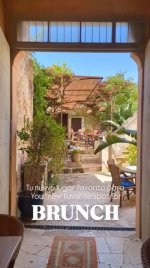
La Pasión - Restaurant, Art & Wine Bar (Sa Casa Mallorquina) is a unique restaurant, art gallery, and wine bar located in a traditional Mallorcan house in the heart of Algaida, Mallorca.images[1].jpg

La Pasión Brings Flavor to Algaida Creative Mediterranean cuisine in rural Mallorca La Pasión—a restaurant, art space, and wine bar in Algaida—was not conceived merely as a restaurant, but as the outcome of a deeply personal journey. The idea took shape while Anita was walking the 450-kilometer Camino de Santiago in northern Spain, seeking clarity on what she truly wanted to create in her life. Just hours before reaching Santiago de Compostela, she realized that her true ambition was not simply the hospitality business itself, but rather the creation of spaces that inspire people to reconnect with their own passions, creativity, and ideas. Together with chef Bastian—following a professional path that took them through California, New Zealand, Germany, and Mallorca, and after organizing pop-ups and culinary events across the island and in Germany—that vision eventually materialized as La Pasión, housed within the restored *Sa Casa Mallorquina* in Algaida. Today, the restaurant is less a conventional dining concept and more an extension of its founders' philosophy: a place where Mediterranean food, wine, conversation, and creativity come together naturally. A restaurant defined by creativity La Pasión is rooted in the concept of connection—forged through food, wine, conversation, and shared experiences. Anita’s background as a sommelier is reflected in a wine list that offers over 60 options by the glass, with a special emphasis on local producers. Meanwhile, chef Bastian blends Mediterranean roots with Californian influences and subtle Asian touches—all shaped by the countries where the team has lived and worked. The menu moves fluidly between light, vibrant dishes and heartier, more indulgent offerings. The eggplant carpaccio—served with truffle cream, Parmesan, arugula, and a balsamic vinegar reduction—offered a deep, earthy flavor, while the mango and avocado tartare, accented with cucumber, lemongrass, and crispy puff pastry, was fresh and light—ideal for warmer days. Mediterranean comfort with international influences La Pasión brings flavor to Algaida A standout dish was the lemon-glazed prawns, prepared with honey, garlic, and a reduction of lemon and chili; they struck a perfect balance of sweetness, acidity, and heat, all while allowing the high quality of the prawns themselves to shine. The Coq au Vin added a comforting touch to the meal, featuring exceptionally tender braised chicken served alongside shallots, asparagus, and an excellent truffle-infused potato purée. Pumpkin gnocchi with sage butter and Parmesan offered a milder, more delicate option, before the evening concluded on a high note with a Black Forest-inspired no-bake cheesecake, served with cherry compote and amarena cherry ice cream. La Pasión’s brunch menu is equally impressive. The French toast—topped with cinnamon, pear, rosemary butter, and citrus-infused mascarpone—blends intensity with freshness, while the "Piggy Benny"—poached eggs, pulled pork, hollandaise sauce, and apple served on an English muffin—is a bold, delicious dish rich in texture. Beyond the restaurant itself, La Pasión continues to expand through wine tastings, culinary workshops, and creative experiences, all reflecting the founders' broader vision: to bring people together through gastronomy, culture, and shared passions.

283da968[1].jpg


Mallorca and the whole world was PAGAN and the world belonged to Mallorca and WILL belong again to Mallorca/the Pagan Gods/origin of Europe,America and everything.Major Mallorca festivals with deep pre-christian(pre christian meaning PAGAN meaning PROMIGENITURE meaning first dibs meaning the RIGHTFUL HEIRS) , Pagan, and elemental roots are heavily centered around fire, the solstices, and seasonal transitions:
Nit de Sant Joan (Midsummer / Summer Solstice): Celebrated annually around June 23–24 across beaches and towns, this festival honors the summer solstice. It features the Nit de Foc (Night of Fire), massive bonfires to burn away the old, masked dimonis (devils) with firecrackers, and the traditional midnight swim in the sea for health and purification. Learn more about the tradition via The Culture Trip.
 
Last edited:

BarcelonaAtlantis

Moderator
Staff member
The Old World Buildings are getting burned down all over the world, by nobody? Who is starting fires in the old world palaces? Which Group? Why are there fires taking place in old cathedrals in the exact location of the "restoration project"? What we have found, will never be unseen. We are now exposing these fires in real time, all over the world. Restoration..or..destruction? Today, we go even further into the historical narrative. Finding flaws. Finding lies.

The most shocking truth about our past isn’t what remains, it’s what’s missing. No toilets in the world’s greatest cathedrals. No plumbing. No answers. Were these buildings energy machines, not homes? Once you ask why, history starts to fall apart.

Mallorca...

Mallorca is redefining responsible tourism with the launch of the Mallorca PID (Intelligent Destination Platform), an AI-powered system designed to help visitors explore the island sustainably. Developed by the Mallorca Responsible Tourism Foundation, the platform provides personalized travel recommendations focused on environmental protection, cultural preservation, and community wellbeing. As visitor numbers continue to rise across the Mediterranean, this initiative positions Mallorca as a leader in value-driven, conscious tourism. The platform guides travelers toward local experiences, heritage sites, and sustainable activities that benefit island communities rather than contributing to over-tourism. The move aligns with Mallorca's growing reputation for balancing tourism growth with cultural authenticity. Are you interested in exploring destinations that prioritize sustainability and local community impact?

What if human consciousness could change in just three generations? Gary Zukav, bestselling author of The Seat of the Soul, joins Amrit Sandhu to share why he believes that shift is already underway and how it changes the way we understand power, love, and death. Gary recounts a series of vivid dreams in the desert, his encounters with two teachers he describes as nonphysical, and how his understanding of love changed after the death of his longtime partner, Linda Francis. He also explains what he means by “authentic power” and offers a practice you can try the next time fear, anger, or judgment takes over. The conversation leads to a question Gary once asked his own teacher: How do you learn to die consciously?

Sacha Stone joins me to talk about growing up in Rhodesia during the war and how those years shaped his understanding of sovereignty. He explains what natural justice means to him and how it informs his work with Humanitad and the International Tribunal for Natural Justice. We also discuss why he wants to restore hereditary leadership and how he connects that idea to the preservation of cultural heritage. Sacha believes the Vatican and the City of London are losing their grip on global power and he shares what he thinks could follow a financial and civilisational reset. He also describes a less familiar use for artificial intelligence, which he calls ‘field cartography’ and shares how he uses it to look for meaning in natural events. We discuss how organised religion has divided communities and what it would mean for one generation to take responsibility for addressing wrongs inherited from earlier ones. We close with why Sacha remains hopeful that humanity can recover a sense of unity and reconnect with what he calls divine alignment.
 
Last edited:

BarcelonaAtlantis

Moderator
Staff member

El Capricho The best meat in the world is served in Mallorca Restaurant Astir serves the finest delicacies from El Capricho Food critics and experts from publications such as *Time* and *The Guardian* agree: the meat from Bodega El Capricho is the best in the world. Now, its flavorful cuts—and the secret behind their aging process—can be savored in a unique setting: Restaurant Astir, located at the Iberostar Grand Hotel Portals Nous. This venue marries the essence of the Mediterranean with the exquisite quality of premium beef, making it the premier dining destination in Mallorca. THE SECRETS TO SUCCESS To understand the well-deserved reputation of this meat, one must look to the man behind it: José Gordón. A true meat enthusiast, he has dedicated countless hours, immense effort, and many miles traveling across Portugal and northern Spain in search of the finest oxen and cows—all over six years old—to produce the best cuts. His keen eye stems from his background as an agricultural engineer, combined with his extensive experience as both a cattle farmer and a restaurateur. Through this, he has curated a selection of the best cattle from various rustic breeds—such as Tudanca, Parda Leonesa, Rubia Gallega, and Washugyu Oregón (one of the most highly prized varieties in his kitchen). Another key element of the process, as Gordón himself explains, is having "the patience to wait for the right moment for each animal." This meticulous approach led him to establish his own small-scale farm in the Castile and León region, where he raises the cattle and feeds them with the utmost care—ensuring complete control over the process and guaranteeing the highest possible quality. Another key to their mastery is the aging process—lasting between 60 and 90 days—which imparts a rich, buttery texture and exceptional succulence to their famous chops. Another must-try item is the *cecina* (cured beef); here, it is elevated to a gourmet level thanks to an incredibly exclusive selection process. Ultimately, it is a combination of experience, careful selection, meticulous attention, and precise aging that has captivated even the most demanding diners from across the globe. THE MASTER’S TOUCH The quality at El Capricho is beyond question; after many years, they have not only perfected their products but also innovated to extract the absolute best from every animal. Yet, the raw meat alone is not enough. That is why, beneath the beautiful vaulted ceilings of Restaurante Astir, this premium-quality product is transformed through recipes and preparations that enhance its natural flavor, honoring every single nuance. Much like at El Capricho, the open grill reigns supreme here. Various cuts—beef tenderloin, ox ribeye, and cow ribeye—are prepared over a wood fire, allowing the heat to work its magic without masking the flavor or deceiving the palate. By mastering both the product and the fire, they ensure that the world’s finest meat fully unleashes its complex flavors. A MASTERPIECE ON THE PLATE The great contribution of Restaurante Astir—where the kitchen is helmed by Iván Crespo—lies in the presentation and the accompaniments chosen for each cut. The tenderloin, for instance, is served with a red-berry sauce and celeriac purée, thoughtfully arranged so as not to overwhelm the meat, offering a delightful, flavorful contrast. Meanwhile, the sides served with the ribeye chops follow a more classic approach, yet are no less appealing. Diners can accompany this delicacy with triple-cooked potatoes, a salad, celeriac or pumpkin purée, or grilled vegetables. For those wishing to experience an entirely meat-focused menu, the starters feature two of El Capricho’s signature raw specialties: their highly sought-after *cecina* (cured beef)—selected from the finest cuts and delicately smoked—and a carpaccio served with gourmet *d’Es Trenc* salt from Mallorca and olive oil pressed from the island’s best olive trees.

MALLORCAN CUISINE

Beyond its meat-centric dishes, Restaurant Astir embodies the essence of Mallorca in every detail. Its design—the work of renowned interior designer Marcel Wanders—draws inspiration from authentic Mallorcan roots and Mediterranean nuances, creating an atmosphere that is both sophisticated and playful. The service and the tableware further reinforce this character, ensuring a satisfying experience for discerning foodies and more laid-back travelers alike.

The rest of the menu is defined by a "Kilometer 0" philosophy—prioritizing locally sourced ingredients—and a commitment to showcasing the rich culinary heritage of Mallorca. Among the starters and main courses, you will find the Sóller prawn—the most exquisite seafood from these shores—as well as the intriguing *fonoll marí* (sea fennel), used to create vibrant salads, and a succulent cut of monkfish.

The island also connects with diners through the views from the restaurant’s terrace. Here, the delicious dishes are visually paired with one of the clearest coves in the Balearic Islands—a landscape that is quintessentially Mallorcan. With the beach, the Mediterranean Sea, pine trees, and a gentle breeze, the setting itself offers yet another reason to visit this privileged spot and enjoy some of the finest meat in the world.


The top spots for authentic Argentine meat and grills in Mallorca combine imported beef cuts, open wood-fired grills, and traditional preparations:

Top Argentine Steakhouses & Grills

• Brasa Madre Restaurante (Palma - La Lonja): A cozy, niche steakhouse near La Lonja known for open wood-fired asado, dry-aged cuts like certified grass-fed Angus from La Pampa, and slow-cooked osso buco empanadas.
• Restaurante Asador BOLIXE Cocina Esencial (Palma - Arxiduc): An off-the-beaten-path favorite praised for juicy Angus entraña, ojo de bife, and mixed parrilladas cooked to order.
• Restaurante Tierra del Fuego (Portocolom): Located on the seafront in Portocolom, featuring direct-imported Argentine beef cuts grilled over coals, skirt steak, and entrecôte. Expect higher-end dining
• Navarros Restaurante (Palma - Sant Agustí): A well-loved local grill on Avinguda de Joan Miró specializing in authentic Argentine cuts and attentive service.
• Che!!! Asador Argentino (Palma - CC Fan Mallorca): A popular, high-volume choice inside the Fan Mallorca shopping center offering classic parrillada platters and traditional service.

Casual & Specialty Spots

• Il Russo “The Authentic Argentine Milanesa Sandwich” (Palma): Ideal if you want a massive, house-made Argentine milanesa sandwich with melted mozzarella and fresh-fried sides rather than a sit-down steak dinner.
• Rock & Chori (Palma): Famous for large, juicy traditional Argentine meat empanadas and casual bites.

Herencia de fuegos​

En el corazón de Palma de Mallorca, a pasos del Mediterráneo, nace nuestro rincón argentino: un pedacito de casa, lejos de casa. Navarros no es solo el nombre de nuestro restaurante, es nuestro apellido, nuestra historia, y hoy también, nuestro hogar en esta hermosa isla.
En Navarros Restaurante nos dedicamos a traer los sabores auténticos de la cocina casera argentina, con recetas que viajaron de generación en generación. Cada empanada doradita, cada corte de asado jugoso y cada postre casero llevan en sí el amor por nuestra tierra y el placer de compartirlo.
📍 Nos encontramos en Avenida Joan Miro 291, Palma de Mallorca.
Vení, sentate y disfrutá, porque en Navarros no sos un cliente: sos parte de nuestra familia

Brasa Madre Restaurant
Enjoy the best ‘asado’ Argentino beef cuts on an open wood fire

Brasa Madre is a niche steakhouse tucked away on a quiet street near La Lonja in Palma, offering a unique combination of expertly grilled meats and Mediterranean cuisine in a historic setting. With a loyal local following, this family-run Argentinian restaurant is known for its warm atmosphere, attentive service, and dedication to high-quality ingredients.

Chef Gonzalo Chávez personally selects a rotating menu of the finest cuts each week, ensuring guests enjoy the freshest and most flavourful offerings. The restaurant’s signature dry-aged meats include Bos Taurus Primigenius, authentic Mountain Brown Ox, Simmental, and Certified Angus from Argentina, all cooked over open flames at the moment to capture the perfect flavour and texture.

Brasa Madre also caters to seafood lovers, with dishes sourced from the Mediterranean. Highlights include the innovative turbot tiradito, a sashimi-style turbot topped with crispy pork crackling, and empanadas filled with slow-cooked osso buco and provolone cheese, a delicious twist on the traditional Argentinian favorite.

In addition to the main dining area, Brasa Madre offers a private space ideal for intimate dinners or corporate events for up to twenty-nine guests. With its combination of exceptional meats, fresh Mediterranean seafood, and a welcoming environment, Brasa Madre provides a memorable culinary experience in Palma, perfect for both casual meals and special occasions.

Brasa Madre specialises in serving premium quality meats and a wide selection of Mallorcan, Argentinian and Spanish wines to pair. Their in-house sommelier can offer recommendations for pairings with your meal. Each wine and classic cocktail has joined their collection through a process of intentional selection, much like the meats they serve. Dry Aged meats and certified Angus from Argentina are some of their most celebrated products, each piece individually selected from top-end dealers. Their team is passionate about sharing their deep knowledge of intentionally selected products and cuts that are unbeatable in flavour. Their focus is clear: products of the most premium quality cooked to perfection on the grill and served in a warm, welcoming atmosphere.


​

 
Last edited:

BarcelonaAtlantis

Moderator
Staff member
Brasa Madre specialises in serving premium quality meats and a wide selection of Mallorcan and Argentinian wines to pair. Their in-house sommelier can offer recommendations for pairings with your meal. Each wine and classic cocktail has joined their collection through a process of intentional selection, much like the meats they serve. Dry Aged meats and certified Angus from Argentina are some of their most celebrated products, each piece individually selected from top-end dealers. Their team is passionate about sharing their deep knowledge of intentionally selected products and cuts that are unbeatable in flavour. Their focus is clear: products of the most premium quality cooked to perfection on the grill and served in a warm, welcoming atmosphere.


The food experience​


For starters, the Argentinian empanada with provolone cheese and an osso buco filling, cooked for 36 hours at low temperatures, is juicy and rich in flavour. The wild king prawns are cooked on an open flame, resulting in a profound flavour that is evidence of their freshness. Particularly unique of this prawn species is its flavour being more akin to that of lobster, due to its diet in the wild. Highly recommended by the chef, the Simmental rib eye on the bone plates an incredible, dark red meat whose proper ageing process provides a powerful, rich and savoury palate. The grass-fed black Angus sirloin entrecôte offers a completely distinctive flavour due to its origin in La Pampa, Argentina, where the livestock is known for its leanness and superior flavour. Tender and juicy with an intense flavour, the entrecôte is a stand-out cut for those looking for an exceptional dining experience. Put a bow around your perfect romantic soirée or kick off the start of a fun night out with friends in the capital with one of their signature cocktails - the Bramble, with fresh berries, is our favorite!


What does the Book of Enoch reveal about the angels described in the Bible? Mauro Biglino explores the mysterious Watchers, the fallen angels, and ancient texts that challenge traditional interpretations of the Bible. If angels were purely spiritual beings, why would they need to descend to Earth?
 
Last edited:

BarcelonaAtlantis

Moderator
Staff member
Today, we look into the mainstream history of the Swedish construction team, Donkey's Incorporated. We investigate the story's that we are given and come to conclusions, finding more evidence that there was a powerful civilization right before us....and much more!

 
Last edited:

BarcelonaAtlantis

Moderator
Staff member
Has history been changed; did we have a 'reset' during the 1700-1800s? Why do buildings all over the world have the same architecture? Why is the nation of Tartaria excluded from our history when it is shown as a huge country on maps just a few hundred years ago? Why do we have unexplained structures all over the world with no viable explanation as to who built them or how? We find ourselves surrounded by the remnants of a previous civilization. A technically advanced civilisation that has been hidden from history. So we are left to ponder and try and figure out what is the truth about the worlds fairs, the incubator babies and orphans. Why were all the cities empty in the 1860s and was there are purposeful reset? What where cathedrals really built for? were the frequency healing machines, what about Star Forts...who built them all and why? Were they part of a Free Energy grid? Why do we have Giant buildings in all our cities, Were giants real? We all know history is written by the victors which means at best we only get half the story and at worst much less. What we have now is His-Story we need to find our story.
 
Last edited:

BarcelonaAtlantis

Moderator
Staff member

LA PORTEÑA , Parrilla Argentina is an authentic Argentine steakhouse located in Santa Ponsa, Mallorca, well-known for real-fire charcoal grilling and traditional South American cuts.


Mallorca's rich cultural calendar is deeply rooted in ancient pagan traditions that were later stolen and christianized by the church, most notably revolving around fire, solstice celebrations, and seasonal transitions
 
Last edited:

BarcelonaAtlantis

Moderator
Staff member

They tell us the Cheyenne Mountain Complex was carved into solid granite in just six years during the 1960s — but the evidence tells a different story. A fully self-sustaining underground city, complete with 25-ton blast doors, independent air, water, and power supplies, and no public access to its underground structures even today. Were these massive complexes in Colorado and Russia truly built — or found? In this episode, we uncover why military designation legally locks these ancient sites away, why the public is never shown proof, and why these vast underground worlds might belong to a civilization far older than we are allowed to believe.


Cities burned. Asylums rose. Palaces emerged for the World’s Fairs, then vanished. And beneath the modern landscape, the outlines of old star forts can still be traced. What if those fragments tell a larger story about who shaped the world that came after the Civil War? And what if secret societies helped shape the war itself? The Improbable Dreamer joins me to explore a possible occult undercurrent to the American Civil War. We follow a theory that occult orders met inside star forts and counted future generals among their ranks. Along the way, we look at Masonic symbolism, pull up old maps and LiDAR scans, and ask whether the geometry of some star forts served a purpose beyond defense. We explore Fort Jefferson and the eight-pointed star’s possible ties to the solstices, with a detour into the strange legend of Poland’s sea people. Great fires, World’s Fairs, orphan trains, and the rise of asylums. Could these seemingly separate chapters belong to the same story? If the 1800s saw a deliberate Great Reset, who got to decide what survived, what disappeared, and what the next generation would remember?

In this podcast episode, Guy talked with Sonja Grace about humanity's spiritual transformation, the challenges of living in a divided world, and the importance of reconnecting with one's true self. Sonja explained how childhood conditioning, inherited beliefs, and unresolved emotional wounds had often influenced people's identities and kept them repeating the same patterns. She shared how meditation, self-awareness, and surrender had helped people release fear, navigate life's challenges, and develop a deeper connection with their souls.

The conversation also explored karma, past lives, and Sonja's perspective on how unresolved experiences had continued to shape people's emotional and spiritual journeys. By the end, Sonja emphasized that forgiveness, compassion, and divine love had been essential to breaking old patterns, embracing personal transformation, and contributing to humanity's collective evolution.
 
Last edited:

BarcelonaAtlantis

Moderator
Staff member
Does it feel like we are watching one era END and another begin? In this episode of Geisinger Unfiltered, we talk about history repeating itself, whether America is following the same path as past empires, and how fast AI has changed the world around us. We are now at a point where videos, voices, images and even entire events can be faked well enough that you cannot automatically trust what you see online anymore. Then there is November 17. People are talking about a possible massive blackout, helped along by a viral Simpsons theory and a real nationwide Emergency Alert System test happening that day. There is no evidence right now of a planned mass blackout on November 17. So why does NOW feel so important? Empire decline. AI. Blackouts. Information we cannot trust. What comes next?


This was published in 2006

Posh Mallorca
This article is more than 20 years old
The days of pile 'em high package holidays are fading into memory as Mallorca continues to reinvent itself as an upmarket retreat. Annabelle Thorpe seeks out the best boutique hotels, bars, restaurants and beach clubs for a stylish Mediterranean getaway

Lunchtime in Fornalutx. The sun is cascading through the olive groves and there's not a sound, apart from the sizzle of the kitchen grill. Above me the village slumbers in the sunshine, a cluster of honey- and saffron-coloured cottages; below, the mountains stretch into an unbroken vista free of roads, houses - of any sign of human life.

Welcome to Mallorca. If the biggest Balearic still makes you think of Magaluf and mainstream tourism then it's time to catch up. Mallorca is the Madonna of the tourist world, constantly reinventing itself. Right now it's all about style: hotels that ooze glamour, restaurants that mix tradition with 21st-century tastes, sculpture gardens and open-air galleries and gastro-routes with views to die for. Here is our selection of the best.


Palma

Relax


Often overlooked, Palma has blossomed as a city in the past few years. Millions have been spent on giving it a facelift; new museums and a clutch of boutique hotels have put it squarely on the city break map. The Hotel Continental opened last month, pairing hi-tech rooms with a traditional feel. More avant garde is Convent de la Missio once a monastery and now a temple to minimalism, all whitewashed walls, taupe soft furnishings and a tan-blanchingly expensive restaurant. Most fun is the Puro - two years old but still home to the city's hippest watering hole, with feather-encrusted lighting installations and plenty of scarlet and purple cushions to break up the wall-to-wall white.

Indulge

Kick off the day at Ca'n Joan de s'Aigo (Calle de Ca'n Sanc 10) with a breakfast ensaimada (a hefty-sized pastry dusted with icing sugar) - the kitschly elegant cafe has been serving sweet-toothed Mallorquins since the 17th century


Explore

Mallorquins love a grand gesture and Es Baluard and the Palau March, Palma's latest acquisitions, are seriously impressive. Es Baluard (www.esbaluard.org) is the city's answer to Tate Modern. Housed in an old military fortress with modernist additions, it forms a perfect backdrop to works by Miró and Picasso, among others. The Palau March (www.fundbmarch.es), an elegant mansion on the city's seafront, holds the private art and sculpture collection of the March family - Joan March was a Mallorcan banker who became one of the world's richest men. Works by Moore, Rodin and Alfaro litter the outdoor terrace, which has glorious views to the Mediterranean.

To walk off all that culture, head east along the newly landscaped promenade (there's also a cycle lane) to the Portixol marina. What was once a run-down area has been renovated into a picturesque jumble of cottages and bijou eateries. Stop for tapas at Minimar (Calle Vicario Joaquin Fuster 67).

To hang with Palma's hippest set, head out to Puro Beach (www.purobeach.com), a riviera-style beach club. Take a yoga class in the morning, have a languid lunch and a sprawl on a sunlounger or strap on your slingbacks for the nightly party till 3am.


The north

Relax


Behind the busy resorts of Port de Pollença and Port d'Alcúdia lies a charming hinterland of Roman towns and lushly dramatic countryside. Pollença now has a clutch of boutique hotels; the newest is L'Hostal all cool and cream with modern art on the walls and sleek scarlet and chrome bathrooms. L'Hostal is the younger sibling of Hotel Juma , which first opened its doors in 1907 and is still run by the same family. It's more traditional but with a fabulous location - most bedrooms look out over the town square, crammed with cafes. Neighbouring Alcúdia's medieval streets and houses are spick and span after a serious restoration. Its newest sleek boutique is Cas Ferrer Nou, a former blacksmith's house converted into a six-room hotel with exposed-stone walls, chrome detailing and a neat decked patio.

If you want to avoid tourism altogether, stay at the Ermita de la Victòria , a restored 14th-century hermitage perched high above the Bay of Alcúdia.

Indulge


Spend the early evening sitting in one of the village square bars in Alcúdia or Pollença, watching the world go by. In Pollença, follow up with supper at La Fonda - there is no outdoor seating but it does the best traditional Mallorquin food in the area. If you're after a little more glamour, book a table at 365, the restaurant at the Son Brull one of the island's swankiest hotels, about five minutes' drive from Pollença. The X-factor here comes after dinner, with ambient tunes courtesy of the DJ and the chance to snooze off supper on one of the daybeds dotted around the candlelit pool. Also just out of town lies Balaixa, a restored farmhouse that is ideal for families - by day kids can swim in the pool, and in the evening the outdoor terraces means there's plenty of space for energetic legs.

Explore

Alcúdia dates back to 700BC, when the Phoenicians(Basques) used the place as a staging post between northwest Africa and Spain, and there are walking tours of the old town every Wednesday at noon (free, meet at the tourist office).

A hidden gem is the Jakober Art Foundation and Gardens tucked away in woodland behind Alcúdia on a rural estate called Sa Bassa Blanca. The main attraction is the collection of 130 portraits of royal children dating from the 16th century, but there's also an open-air sculpture trail and a beautiful rose garden with more than 100 varieties on show.


If your hair needs raising, take a spin out to the Cap de Formentor, the northernmost tip of the island and home to some utterly stunning scenery. The road winds for about eight miles, with serious drops, hairpin bends and varying degrees of narrowness. There are several viewpoints - the dramatic clifftop Mirador de Mal Pas gives a good idea of what is to come - but for the best vistas keep going until you reach the lighthouse, where you can stop for a coffee and Menorca floats hazily in the distance, some 40 miles away.

The Tramuntana

Relax


The Tramuntana is a glorious combination of lush green slopes, orange and lemon orchards and tiny roads snaking between olive groves. The mountains hug the western coast and tucked between the peaks are some gorgeous places to stay. At the southern end lies the hamlet of Galilea and the former artists' colony that is now Scott's Galilea It has six studios and cottages, which can be rented on a self-catering or B&B basis. There's a pool, honesty bar and staff on hand, but the USP is the mesmerising view across Galilea to the sea. Further north, the Espléndido in Port de Sóller opened this month; it's a funky, modern take on a seaside hotel (a tram clunks its way between the port and the town all day - touristy but fun). One of the best ways to experience the mountains is to stay in an agroturismo, a traditional finca or estate converted into a small hotel.

Inland Mallorca is home to the little-known possessios - wine estates that have been in the same families since the 15th and 16th centuries. A new wine tour, run by Carol Forrest, ex-sommelier at Gleneagles, visits these estates on a day tour of tasting and tuition.

Taoist master San Qing and I discuss the current energetic state of the Earth, dragon energy, energy hotspots/vortices, and how changing Earth energies affects the health and well-being of people.
 
Last edited:
Top