What's new
Anthro World Forum

This is an anthropology forum where we cover all sorts of topics and discussions. Once signed in, you'll be able to participate on this site by adding your own topics and posts. Register today to become a member!

The hidden history of humanity.Impostors/Jews(Rev. 2:9)deceived the world and DNA confirmed it

BarcelonaAtlantis

Moderator
Staff member

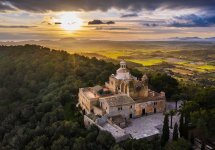
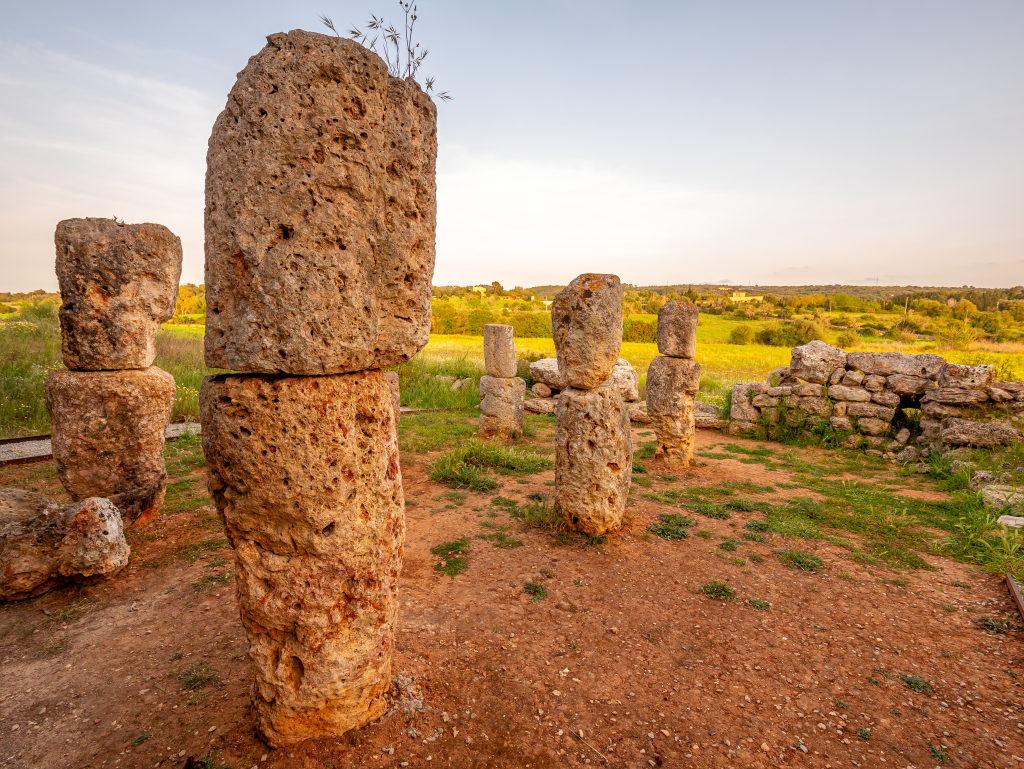
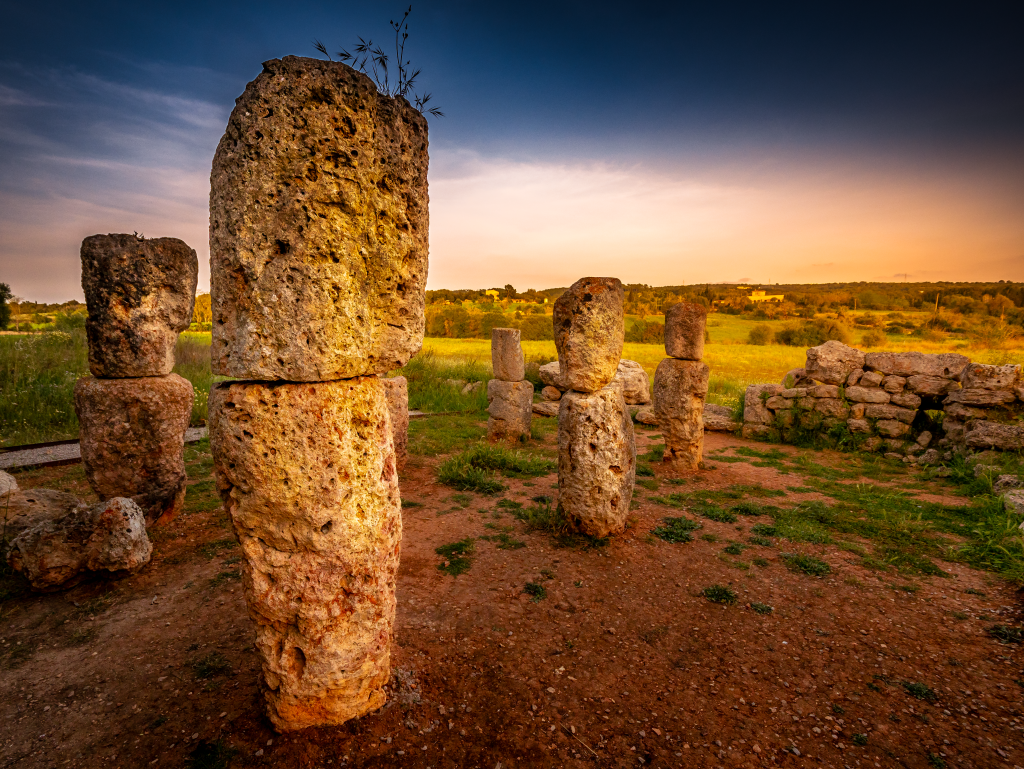
Petra, Mallorca.
222866[1].jpg

 
Last edited:

BarcelonaAtlantis

Moderator
Staff member
This episode was recorded during the first Know Thyself Retreat, with Peter Crone, widely known as the Mind Architect, joining me for our fourth conversation. Peter has spent more than three decades helping people see through the subconscious patterns that shape their lives. Here he lays out the difference between what he calls 1.0, the survival orientation most of us live from, and 2.0, a way of living that comes from recognizing who we are beneath the identity we built in childhood. What We Dive Into: 1. Peter describes most human behavior as oriented toward survival, and today that survival is mostly psychological, protecting an identity formed in childhood. Within that lens, self-improvement can only refine a limited self, so his work focuses on dissolving the beliefs that generate the same problems wherever we go. 2. After a breakup that echoed the early loss of both his parents, Peter realized the honest answer to every anxious question was simply “I don’t know.” Accepting that life is inherently uncertain released his need to predict outcomes and let him finally be present with another person instead of his fear of losing them. 3. Across the live coaching sessions, Peter points out how often we place the source of our feelings in events and other people. When attendees saw that beliefs like being powerless or unworthy live in the mind and are no part of their actual makeup, the lens loosened and new choices became visible. Know Thyself, but not by yourself. A guided space to return home to yourself.

 
Last edited:

BarcelonaAtlantis

Moderator
Staff member

Te han mentido sobre la verdadera geografía de América y los mapas oficiales intentan ocultarlo. Un mapa de Justus Danckerts de 1682 muestra anomalías cartográficas que contradicen la historia escolar. California representada como una enorme isla separada y referencias a regiones borradas como Tartaria y El Dorado. Aparecen inscripciones desconcertantes de titanes y territorios que fueron arrancados de los registros posteriores. Un siglo después de la conquista, nombres y fronteras no cuadran con el relato colonial que nos enseñaron. Mira la revisión visual detallada, saca tus propias conclusiones y deja tu comentario sobre este hallazgo

The Buried Atlantis Frozen Beneath Antarctica's Ice What if Atlantis was never lost - just frozen? In this Awaken Zone compilation, David Wilcock walks through the secret history of Earth as told in the Law of One material, the channelled source that calls itself Ra. It begins with the people of Mars, who - in Law of One terms - fought a war that destroyed their atmosphere and had to be brought to Earth, genetically adapted to its stronger gravity. 25,000 years ago, only about 120 people were ready to ascend; then the quarantine around Earth was lifted, and a wave of immigration grew into Atlantis. Then the catastrophe: a solar flash that, according to Dr. Robert Schoch, left a layer of ash across much of the planet - and a shift of the entire crust, the Earth crustal displacement theory of Charles Hapgood that Albert Einstein took seriously, which could have turned a tropical Antarctica into a glacier three and a half miles deep. Atlantis, Wilcock says, may still be down there, covered with ice. After that, visitors arrived in UFOs and became the gods - teaching writing, mathematics, masonry and agriculture. Wilcock explains who the wanderers are, the Russian scientific paper on a charging solar system that rocked his world, and the surprisingly simple 51% rule the Law of One gives for ascension.
Lucifer is the bearer of the real light...
 
Last edited:

BarcelonaAtlantis

Moderator
Staff member
In this episode we meet Saraharyana, multidimensional channeler of the Divine Light Collective, psychic, and mystic, who shares an extraordinary message about humanity's spiritual awakening and the coming New Earth. What if the inverted matrix that has controlled humanity for thousands of years is finally coming to an end? And what if the shift into unity consciousness happens before 2030? Saraharyana reveals her experiences with dark entities, Atlantis and Lemuria, and Earth's original divine blueprint. She explains why she believes millions of starseeds and lightworkers are awakening now, how the divine feminine is reclaiming her power, and why humanity may be moving from multiple timelines into one unified reality. We also explore the dissolving of the false matrix, and how following our hearts can accelerate our spiritual transformation.

Te han mentido sobre la construcción de las grandes metrópolis europeas y sus registros oficiales. Fotografías de Turín entre 1857 y 1888 revelan avenidas y palacios monumentales completamente vacíos. Resulta inexplicable levantar semejante arquitectura en plena guerra y revolución sin rastro de constructores. Antiguos mapas demuestran que la urbe operaba como una gigantesca fortaleza en estrella antes de las reformas. ¿Eran simples tiempos de exposición fotográfica o estamos ante la huella visible de un reseteo urbano? Observa el análisis visual de cada toma, saca tus propias conclusiones y comenta lo que descubras.
Te han mentido sobre el verdadero origen de Mitla y lo que ocultan bajo sus templos. Bajo los mosaicos zapotecas descansan enormes bloques megalíticos de ensamble milimétrico. Las tumbas cruciformes subterráneas revelan una arquitectura colosal previa a la versión oficial. Dos estilos constructivos superpuestos demuestran que alguien edificó sobre ruinas mucho más antiguas. Relatos coloniales ya hablaban de accesos sellados y túneles hacia el inframundo de Mictlán. Mira la evidencia visual de cada bloque, saca tus propias conclusiones y comenta lo que piensas.


Navarra tuvo un papel fundamental en la formación política y lingüística de la península ibérica, pero su legado habría quedado relegado frente al relato histórico construido posteriormente alrededor de Castilla y Madrid. El reinado de Sancho III el Mayor, al repartir sus territorios entre sus hijos, muestra hasta qué punto Navarra fue decisiva en el nacimiento de los futuros reinos, incluida Castilla. Desde esta perspectiva, las glosas emilianenses y el origen del romance español abren una pregunta incómoda: ¿y si la historia del idioma español ha simplificado, apropiado o desplazado la importancia de las raíces basco-navarra? Quizá el verdadero debate no sea solamente quién dio nombre al idioma, sino quién contribuyó a formarlo y por qué su legado quedó ocultado.

Navarre played a fundamental role in the political and linguistic formation of the Iberian Peninsula, yet its legacy has been sidelined by the historical narrative subsequently constructed around Castile and Madrid. The reign of Sancho III the Great—specifically the division of his territories among his sons—demonstrates just how pivotal Navarre was to the emergence of future kingdoms, including Castile. In this light, the *Glosas Emilianenses* (Emilian Glosses) and the origins of the Spanish Romance language raise an uncomfortable question: what if the history of the Spanish language has simplified, appropriated, or eclipsed the significance of its Basque-Navarrese roots? Perhaps the true debate is not merely about who gave the language its name, but rather who contributed to its formation—and why that legacy has been obscured.

 
Last edited:

BarcelonaAtlantis

Moderator
Staff member

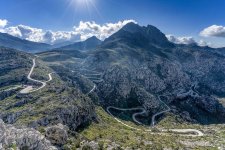
Sa Calobra, Mallorca.
11253807-APNJYBLY-7[2].jpg


What happens when the old world begins to give way to a new reality?

Join Kelly Kolodney as she channels Archangel Raphael's message about the solar eclipse, fall equinox, and a powerful shift in human consciousness.

Explore the spiritual meaning of the changing of the guard, the rise of Divine Feminine energy, and the importance of trusting your intuition as familiar systems transform.

Discover why surrender, self-reflection, compassion, and inner wisdom are essential themes in navigating this period of spiritual awakening.
 
Last edited:

BarcelonaAtlantis

Moderator
Staff member

Where did we come from, and how did humanity become what it is today? Explore the fascinating journey of human existence, our ancient origins, forgotten chapters, and the events that have shaped our collective story. A deeper look into our past invites us to question what we know, expand our awareness, and reflect on the future we are creating together. Understanding our history may help us see humanity in an entirely new light.
 
Last edited:

BarcelonaAtlantis

Moderator
Staff member

Every outer planet changed signs this year — something that hasn’t happened in 25,000 years — and now everyone’s asking the same question: what does 2027 look like? Top astrologer Debra Silverman says we’re at the end of an era… and it’s not what you fear. It’s a renaissance. In this first look at 2027, Debra breaks down the brand-new template the sky is writing: Pluto in Aquarius, last here when electricity arrived and America was born. Neptune in Aries, last here when World War II began — and this time, she says, the departure from war. Uranus in Gemini, opening telepathy and a whole new way to communicate. Saturn in Aries, asking every one of us to build our own relationship with the Divine. And Pluto trine Uranus — the same configuration as the Renaissance — carrying us through the rest of the year. She also explains why this week matters: Mercury and Venus both go direct, and what that unlocks after six weeks of everything feeling stuck. Then we go to the miracles — the ones Debra’s lived, the ones I’ve lived, and why they’re the proof that none of this is random. In this episode: What’s coming in 2027 — and why Debra calls it a renaissance, not a collapse The four outer planets, what they ruled the last time they were here, and what they’re building now Mercury and Venus direct this week — what’s been jammed since October, and what breaks loose Saturn in Aries: why ages 28–30 and 58–60 are the turning points right now “We’re in hospice” — the end of an era, and the wise ones who know what comes next Why AI is this generation’s electricity — and the choice humanity gets to make Debra’s shoulder miracle, my three accidents, and what they taught us about healing Jupiter into Virgo in June 2027 — who gets the gift The four elements: which one you’re missing, and what to do about it What makes Debra most hopeful about the future A closing meditation through the four elements


Jacob Frank claimed to be the Messiah, and thousands followed him into apostasy. Publicly baptized into Catholicism, they practiced a heretical form of their esoteric religion in secret — crypto-practitioners whose outward conversion was itself part of the doctrine. That teaching didn't die in the eighteenth century. It moved into the modern world — finance, media, education, entertainment. Banking dynasties provided the capital and reach for the movement from the start and still do. This video traces that current from Frank's carnal rites in Poland to the casting rooms and funding networks of today.

The Age of Aquarius is an astrological concept that describes a period of collective and cultural transition in human history. What is it, and how does it work? • Precession of the equinoxes: In astrology, this is based on the slow movement of the Earth's axis, with each "age" lasting approximately 2,100 to 2,160 years within a larger cycle (the Great Year, or Platonic year) of about 25,700 years. • The end of the Age of Pisces: It is considered that we are leaving behind the Age of Pisces—associated with faith, hierarchies, and organized religion—and entering the energy of Aquarius. • When it begins: There is no exact consensus among astrologers. Some place its beginning in the mid-20th century, others in December 2020 (with the Great Conjunction of Jupiter and Saturn), while some estimate that it will take decades or centuries to fully take hold.
 
Last edited:

BarcelonaAtlantis

Moderator
Staff member

A lo largo de los siglos, incendios masivos destruyeron las bibliotecas más importantes del planeta.
Grandes imperios y guerras redujeron a cenizas miles de documentos antiguos irremplazables.
Analizamos los registros olvidados que demuestran cómo el fuego borró parte de nuestro origen.
Descubre qué textos desaparecieron para siempre y qué verdades quedaron ocultas entre las ruinas.
¿Cuánto de lo que creemos saber sobre el pasado fue reescrito tras estas pérdidas colosales?
Acompáñanos a examinar las pruebas históricas y saca tus propias conclusiones.
Throughout the centuries, massive fires have destroyed the most important libraries on the planet. Great empires and wars have reduced thousands of irreplaceable ancient documents to ashes. We examine forgotten records that reveal how fire erased a part of our origins. Discover which texts vanished forever and what truths remained hidden among the ruins. How much of what we believe we know about the past was rewritten following these colossal losses? Join us as we examine the historical evidence—and draw your own conclusions.

Olive trees have been cultivated in Mallorca for more than 2,000 years, with the island's oldest-known individual specimen being the Can Det olive tree in the Sóller Valley.


Just 50 miles from Istanbul, an enormous basilica lies submerged beneath the waters of Lake İznik. Historians attribute its destruction to an ancient earthquake. But what happens when historical records appear to tell a completely different story? Nineteenth-century accounts raise startling questions about what once stood along these shores — and when it truly disappeared. Even more unsettling is the mystery of the lake itself. What if the ruins beneath its surface are only a fraction of something much larger? A forgotten landscape, a vanished civilization, and a historical mystery that could challenge everything we thought we knew about this ancient city.

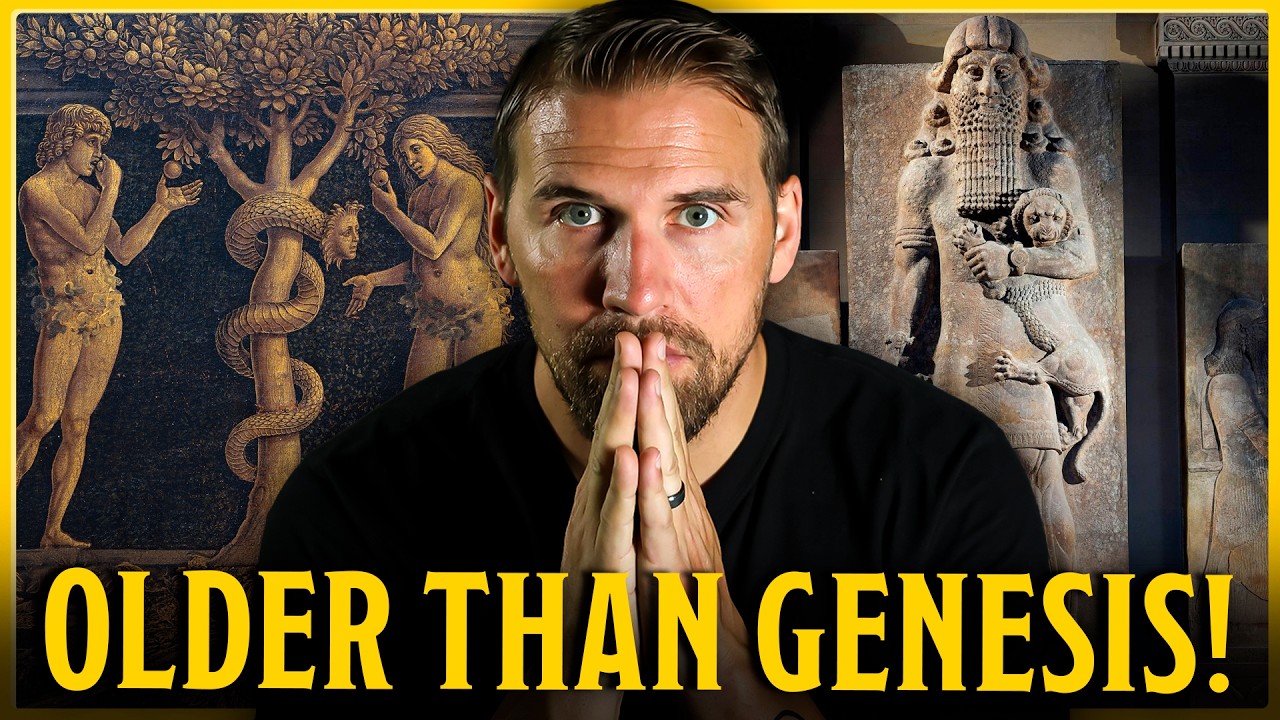
What if some of the most famous stories in the Bible existed long before Genesis was written? Nearly 4,000 years ago, ancient Mesopotamians told the extraordinary story of Gilgamesh, a powerful king who battled monsters, defied the gods, confronted death, and searched desperately for immortality. But the Epic of Gilgamesh contains something even more astonishing: striking parallels to stories found in the Bible. In this MythVision documentary, we explore one of humanity's oldest surviving literary masterpieces and uncover its fascinating connections to the Hebrew Bible. From the great flood and Noah's Ark to Adam and Eve, the serpent, the Tree of Life, and humanity's lost immortality, the similarities raise profound questions about the origins of biblical traditions. When 19th-century scholars uncovered Mesopotamian tablets containing a flood story older than the biblical account, the discovery transformed the study of ancient Near Eastern literature and biblical history. But does this mean the Bible copied Gilgamesh directly? Or are we witnessing centuries of shared cultural traditions, literary influence, and evolving religious storytelling? Join MythVision as we explore the evidence, examine the parallels, and discover why the Epic of Gilgamesh deserves to be appreciated as one of humanity's greatest literary achievements.
 
Last edited:

BarcelonaAtlantis

Moderator
Staff member

He descubierto los secretos que oculta el antiguo mapa de Germania en Florencia. Te han mentido sobre los pueblos germánicos al llamarlos simples bárbaros dispersos. El cartógrafo Stefano Bonsignori plasmó un linaje bíblico que conecta directamente con Noé. Analizamos las fronteras imposibles y los enigmas geográficos pintados en el Palazzo Vecchio. Descubre qué detalles censuró la historia tradicional sobre estas tierras ancestrales. Suscríbete al canal mente abierta y cuéntanos en los comentarios qué opinas de este enigma.

Te has preguntado si la historia oficial que nos enseñaron está manipulada? En este video analizamos la polémica Nueva Cronología de Anatoly Fomenko. Descubre cómo la supuesta invasión mongol fue en realidad una colonización distinta. Exploramos el verdadero origen del Imperio Ruso de la Horda y su avance por Europa. La conexión oculta entre los Habsburgo y la misteriosa Gran Tartaria sale a la luz. Documentos antiguos demuestran que las fechas históricas pudieron haber sido alteradas. Verás por qué imperios enteros fueron renombrados y borrados de los registros comunes. Una mirada reveladora que cambiará por completo tu visión sobre la Edad Media. Quédate hasta el final para entender cómo se construyó la cronología que hoy aceptamos.La historia fue reescrita a propósito

Did blue-skinned giants really walk among us in the past? In this video, we explore the forgotten chronicles of explorers like John Smith and ancient 16th-century maps that depict beings of colossal proportions. We analyze the enigmas behind ancient civilizations, blue-toned deities present in various cultures, and the strange connections that challenge official history. We also review documented cases from modern times, such as the unique story of the Fugate family in Kentucky, and the scientific explanations behind this genetic phenomenon. From forbidden tales and ancient vestiges to the boundary between myth, mythology, and biological reality, you will discover evidence that few dare to share. Join us until the end of this journey to learn the truth behind these mysterious figures.These ancient chronicles concealed real events.
 
Last edited:

BarcelonaAtlantis

Moderator
Staff member

Mallorca is rapidly emerging as a major European polo hub, driven by a recent Balearic agrarian law change that reclassified polo fields as agricultural land rather than golf courses. This regulatory shift removed strict infrastructure and irrigation barriers, enabling clubs to host official international tournaments, attract sponsors, and build new facilities.

Polo Academy Mallorca brings elite polo instruction to Mallorca, combining serious polo development with the extraordinary Mediterranean setting that has made Mallorca one of Europe's most sought-after destinations. The academy operates during the spring and summer season when Mallorca's climate — long warm days, consistent sunshine, gentle breezes — is ideal for outdoor polo. Students from across Europe and beyond combine polo development with the island's world-class cuisine, sailing, and cultural life. Professional instructors with international high-goal experience deliver programmes from beginner through competitive level.


What Is Driving the Growth

• Legislative Reform. For 15 years, Balearic regulations grouped polo fields with golf courses, restricting play to private, informal matches. Reclassifying equestrian and polo facilities as complementary agricultural operations now allows landowners to develop fields on farmland across flat eastern and southern areas like Campos.
• Major International Investment. International patrons and investors—including German pioneer Daniel Crasemann, Christian Völkers, and Uwe Schröder—have established estates and regulation fields on the island. Additional private clubs backed by Turkish and Dutch investors are also slated for development through 2027.
• Ideal Playing Conditions. With a long outdoor season running roughly from February through November, flat terrain, and direct flight connections across Europe, Mallorca offers an accessible alternative to traditional seasonal hubs.

The Modern Mallorca Polo Scene

• High-Goal Tournaments. Anchored by the Mallorca Polo Club (founded in 1999) and Daniel Crasemann’s Barralina estate, the island now hosts competitive 10-goal tournaments such as the Copa de Plata, Baleares Cup, and Mediterránea Cup. These events draw international pros like Sebastián Merlos and Max Charlton while intentionally capping tournament sizes around eight to nine teams to preserve turf quality and a laid-back atmosphere.


What do The Night Manager, Cloud Atlas, Me Before You, and White Lines have in common?

They were all filmed in Mallorca. And if you’re a film lover, a TV buff, or simply someone who loves to explore places that feel larger than life, this blog is your invitation to discover the cinematic side of our island—with the eyes of someone who grew up here.

Why Mallorca Attracts Filmmakers

With its dramatic coastlines, golden beaches, hidden coves, rustic villages and historic estates, Mallorca offers directors and cinematographers an entire world in a single island. It’s not just a backdrop—it’s a character in itself. From Hollywood blockbusters to independent European films, Mallorca has become a go-to destination for international productions.

And as someone who has explored every corner of this island since childhood, I can take you beyond the camera angles—to the soul of the locations you’ve seen on screen.

Where Hollywood Meets the Mediterranean

Here are some famous movies and shows filmed right here on the island:

The Night Manager (2016)

Based on the John le Carré novel and starring Hugh Laurie and Tom Hiddleston, this high-stakes thriller used locations across Palma, Sóller, and the stunning La Fortaleza estate in Pollença. Fans will instantly recognize the dramatic coastal cliffs and luxury villa.


As a guide, I’ll take you through the narrow streets of Sóller and reveal stories that didn’t make it into the script—from smugglers’ legends to local market traditions.

Cloud Atlas (2012)

This ambitious sci-fi drama directed by the Wachowskis brought Hollywood to Sa Calobra and Formentor. The wild, otherworldly landscapes of Mallorca played a key role in this time-bending epic.

I still remember the day they closed off the Formentor road. Today, I can show you those same curves—with a scenic picnic stop and local olive oil tasting on the way.

Me Before You (2016)

The romantic drama starring Emilia Clarke and Sam Claflin includes idyllic scenes shot in Mallorca. You can walk along the same sandy stretches and quaint town squares that appeared on screen.


We’ll visit those village squares—but I’ll introduce you to the family-run café that’s been there for three generations, where locals go for coffee and sobrassada toast.
White Lines (2020)

Netflix’s murder mystery series set in Ibiza was actually filmed largely in Mallorca—especially around Alcúdia, Serra de Tramuntana, and Palma’s old town.


Many scenes were shot just blocks from where I grew up. I’ll show you the contrast between the Mallorca of the party scene, and the Mallorca we locals know and love.
✈️ The Mallorca Files (2019–)

This BBC crime drama is literally set on the island, showcasing a different side of Mallorca in every episode. From rural countryside roads to coastal hideaways, the series is a postcard-perfect tour of the island’s versatility.


We’ll explore some of these iconic filming spots, but I’ll also take you to lesser-known places that inspired the show’s creators—and that only locals frequent.


With a private tour, you don’t just see the sites—you live the scenes. As a native guide, I’ll take you to:


The cliffs and estates of The Night Manager

The Formentor lighthouse and beach from Cloud Atlas

The vibrant streets of Palma’s old town seen in The Mallorca Files

You’ll walk through the landscapes of cinema, but you’ll also meet the people and stories that bring those places to life. We’ll stop for lunch at a local fisherman’s tavern, or share stories in a vineyard off the map.


From Screen to Reality

Mallorca is more than a film set. It’s a living story—and I’m here to tell it with you

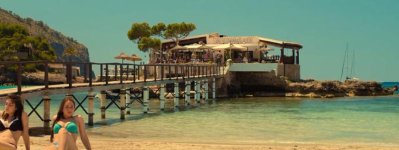
Camp de Mar, Mallorca...
e0e9cd_f0c5dc66560148f598aae19978367757~mv2[1].jpg

Mallorca is increasingly earning a reputation as the "Napa Valley of the Mediterranean," driven by a booming fine-wine and agritourism scene that blends traditional island viticulture with modern luxury.

Why Mallorca is Compared to Napa Valley
    • Indigenous and International Grapes: The island features over 70 registered wineries producing both classic international varieties and rare, reviving local grapes like Mantonegro, Prensal, Giro Ros, and Escursac.
    • Inland Wine Country: Moving past its old reputation for mass-market beach tourism, central and northern Mallorca (around regions like Binissalem, Pollença, and the Tramuntana foothills) has developed upscale winery estates, gravity-flow cellars, and vineyard tours.
    • Global Winemaking Talent: International winemakers and wine experts—including veterans with deep Napa Valley experience—have invested heavily in modernizing Mallorcan estates, focusing on low-yield, high-quality, romantic, and terroir-driven wines.
    • Luxury Hospitality: High-end boutique hotels and luxury resorts have popped up across the countryside and coast, pairing world-class local wine tastings with Michelin-starred dining.

Key Wine Regions & Producers to Know
    • Binissalem: The historic heart of Mallorcan winemaking (active since Roman times), home to estates like Vins Nadal practicing regenerative viticulture.
    • Pollença / Northeast: Known for progressive, design-forward estates like Can Axartell, which use gravity-fed winemaking processes.
    • Vi de La Terra Mallorca: The island's Protected Geographical Indication (IGP) overseeing nearly 1,840 hectares of vineyards and annual celebrations like the Raïm Wine Fest
 
Last edited:

BarcelonaAtlantis

Moderator
Staff member

Mallorca's wine scene is growing faster than a well-pruned vine in spring.

“Mallorcan wines are becoming romantic and sexy, people from all over the world want to enjoy the story...”​

“Mallorcan wine is all about quality, not quantity. It’s not like ordering a pizza from a delivery app, far from it.”​

Two Americans have turned the tables on Mallorcan wines. Eve Weiler Kanne lived and worked in the Napa Valley wine sector for 10 years and Kristy Brooks, a sommolier, tasting curator and cellar manager who grew up in Northern California, are now based in Mallorca and are dedicated to promoting the island’s wonderful wines while also educating the global market about the delights of Mallorca’s wine sector.


Together, they set up a bespoke wine concierge service called 2Birds Wine Tasting on the island in 2021. Business is flourishing and they have branched out into new fields, never mind adding a third member to “the flock”, Sarah Ayres, an executive chef and Tastemaker who spent 15 years owning and managing a 5-star luxury hotel in the Lake District before moving to Mallorca.
Apart from the great variety of wines and vineyards in Mallorca, Eve and Kristy both feel a deep connection to the island.
“One has to take into account that the first grapes in California were brought over from Mallorca"
“These established California’s first vineyards, plus Mallorca also brought a lot of flora and fauna"
“So, when we arrived in Mallorca we both felt very much at home because the environment and climate felt so similar to back in California,” Eve says.
109277.jpg

And since starting the business, not only have they expanded into the yachting and high-end villa markets, they have also learnt so much about Mallorcan wines that they see an extremely “bright and sunny” future for the island’s vineyards.
2Birds takes an innovative approach to wine tasting that extends beyond ‘Can you smell the stone fruit?’ “We explore the impact of nature versus nurture, demystifying how these powers contribute to the cultivation of wine. How does the collaboration between the winemaker’s toolbox and nature’s forces guide the final product? How do winemakers’ choices about harvest timing, types of barrels for aging, and varieties of yeast for fermentation influence a wine? The nature versus nurture dance begins before bud burst and continues until the wine is in the bottle.
“We’ve expanded from the wine tastings to catering for yachts and top-end villas, we offer a bespoke wine concierge service. We’ve gone beyond the limitations of the ordinary wine list by creating the first wine concierge service for villas and yachts.
“We curate wine options to custom select wines that perfectly complement guests’ palates and time on the island. Villa or yacht guests then choose from a wine list tailored by our sommelier to their preferences.
“In addition to recommending vineyards, vintages and varietals, 2Birds wine experts are available to chat regarding pairing, serving, and any wine questions or challenges.
“Our concierge service also comes with a descriptive bespoke wine list to share when the wine is being poured. It’s like having a sommelier pool side at the villa or on board the yacht,” Kristy explained.
“We’re ‘anti-app’, we’ve gone back to the old-fashioned traditional approach of person-to-person customer service.
“What we have found over the past year or so is that people coming to the island from all over the world are being blown away by Mallorcan wines and many are taking boxes home with them, especially the Americans and the Scandinavians.
“And it’s for a wide range of reasons. The quality of Mallorcan wine has increased immensely over recent years, there has been a quantum leap compared to say a decade ago,” said Kristy who first landed in Mallorca in 2011.
“Many of the bodegas are small by comparison and many are still using old techniques. Mallorcan wines are an artisan product, many are hand and homemade and, like all products, that enhances not only the quality but also provides a romantic, sexy and wonderful story. There is a tale to tell about every Mallorcan wine and that creates a whole new experience for people not only drinking the wine, but also those serving it.
109279.jpg

“So, not only do we provide bespoke wine lists to our clients while also listening to what they like to drink and eat while trying to complement that with a Mallorcan wine, we’re also working with the yacht crews, skippers and chefs as well as the villa managers, staff and chefs to help educate them about Mallorcan wines so they know what is available for their guests and what they are serving - what the story is.
“In this way, we are helping to enhance the experience of enjoying Mallorcan wines and Mallorca as a whole.

“What is so interesting in Mallorca is not only the wide variety of wines but also the rich history of wine production on the island. There are still many little vineyards which may produce a couple of thousand bottles of wine every harvest, but the quality is exceptional and new vineyards are continuing to crop up.
“The quality of Mallorcan wine is recognised across the world, with some of the vineyards having won top international awards; the export market is growing.
“What is also very important is that Mallorcan wines offer great value for money. Some of the great local wines which retail for around 50 euros, for example, would cost the best part of 200 dollars in the States and, to be honest, Mallorcan wines are better. They are made from the original grapes in the traditional fashion, unlike in the States,” said Eve.
“Choosing a Mallorcan wine, or any good wine whatever the occasion, is not like opening an app and selecting a pizza to be delivered. It’s a process that needs understanding and that is where we come in,” Kristy, alias “the wine whisperer”, said.
“For example, there are some excellent Mallorcan red wines which can be enjoyed in the summer, but it is all about education and promotion and that is what we want to continue doing because Mallorcan wines have a great future.
“Mallorca has some 30 different types of vine and grapes, and while few studies have been carried out, it is clear that the Mallorcan grape and vine can withstand the heat much better than vineyards in Germany or northern France, for example.
“So, faced with climate change, harsher summers and more heatwaves, the Mallorcan grape will emerge the winner. In fact, I have heard that a number of vineyards in parts of France already have their eyes on Mallorcan grapes as they look to the future and ways of combating climate change,” Kristy explained.
However, there is still work to be done, according to Eve.
“Gradually more and more vineyards are opening their doors to visitors, starting wine clubs and offering wine tours, but considering the vast amount of good restaurants on the island, we would like to see more Mallorcan wines on the lists.
“Mallorcan wines are obviously not produced in the same quantity as those on the mainland or elsewhere in Europe, but it’s not about the quantity. It’s about the quality and that is what Mallorcan wines are all about. They have been hand nurtured from day one, and some for over 100 years and, ok, in some cases that may make them slightly more expensive than others.
“But there are wines for every occasion and every price range and one has to take into account that producing good Mallorcan wine is labour intensive and that costs time and money - nevertheless a good Mallorcan wine is still better value for money than many of the competitors,” said Eve.

“Having seen how the relatively young wine industry has expanded and transformed into a major tourist industry in the States, just like other parts of Europe, we strongly believe that Mallorca could become a world-leading wine destination and we are doing our best to play a role in that transformation.
“It’s good for quality tourism, agriculture and the environment.”


When Elysia Myers and CJ Powell first set foot on Mallorca, it wasn’t part of a grand plan—but the island left a mark they couldn’t ignore. In this episode, the couple from Colorado share how a spontaneous stopover turned into a life-changing decision to buy a home in Pollensa.

With honesty and humour, they recount the ups and downs of the buying process—including a serious health diagnosis that hit mid-sale—and how the guidance of a trusted property buyer’s agent helped them stay the course. Elysia, who rediscovered her creativity through painting with wine, now hosts art workshops, while CJ recently stepped away from a senior marketing role to pursue a more flexible lifestyle.

They also discuss the realities of remote work, managing their property as a legal holiday rental, and what it really takes to begin a new chapter in a Mallorcan town.

S'Arraco(Serra de Tramuntana), Mallorca.

Hiking is the best leisure option in S’Arracó. The mountain landscape offers the opportunity to make interesting excursions on foot and enjoy wonderful and unbeatable views. One of the most popular routes is the ascent to the monastery of La Trapa. In addition, for those who prefer the sea, numerous spectacular sandy beaches can be reached within a few minutes’ drive.
arraco1-1024x551[1].jpg

Golden valley of Sóller in the Serra de Tramuntana, Mallorca.
MALL-slider-Soller-2-1000x480_c[1].jpg
 
Last edited:

BarcelonaAtlantis

Moderator
Staff member
S’Arracó is a small and charming village, where the tranquillity and hospitality of its streets attract all those who visit it.

S’Arracó preserves the charm of the typical houses of the inland villages, low and traditional, with a small orchard or garden; although it also boasts examples of stately architecture, such as the various modernist-style houses, built with the money that the emigrants of S’Arracó sent from France to their families, most of which are located on the main street, Carrer França.
La Trapa Hike is for the adventurous: a coastal trail near Sant Elm, Mallorca, with windswept ruins, monastery bones, and cliffside views that slap. Leave your flip-flops behind.​

Most people come to Mallorca for the beaches. But if you’ve had your fill of crowded coves and overpriced caipirinhas, head west — to one of Mallorca’s must-do hikes: La Trapa hiking trail near Sant Elm.

This coastal hiking route in the Tramuntana mountains is raw, exposed, and packed with everything the adventure-seeker craves: dramatic cliffside views that hit like a punch to the gut, ruins of a forgotten monastery, salty air, and the kind of silence only nature whispers.

It’s not the hardest hiking trail in Mallorca, but it’s got an edge. And while you probably won’t have it to yourself, it never feels crowded — just wild enough to forget you’re sharing it.

Welcome to your next adventure! 27fef770-57e4-4c6f-934c-7ba4fb5f4d69-1536x1152[1].jpg


In this episode, Helen talks to Lucy Adamson, hc/ property buyers agent and former London estate agent, who now helps international clients relocate to Mallorca with confidence. Lucy shares her own story of transitioning to island life, buying a new-build home off plan in the village of Pòrtol, and raising her daughter in a warm, safe, and connected community. She opens up about the differences between working in real estate in the UK versus Mallorca, common pitfalls to avoid when buying, and why taking your time — and getting the right advice — makes all the difference. A must-listen for anyone considering the move to Mallorca.

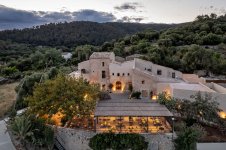
Hotel Corazón is an artistic agroturismo retreat nestled in the Serra de Tramuntana mountains between Deià and Sóller in Mallorca. One of the most talked-about hotels of the year and a visionary artistic retreat for a new generation of travellers wanting to connect with the island’s wild, untamed side.

Mallorca works for families because it offers range without confusion. The island is legible, its regions and resorts clearly defined, and that makes choosing how to travel with children especially intuitive. The dramatic Serra de Tramuntana region slices down the northwest, drawing older families, creatives and those who like their holidays tinged with adventure. This is where Mallorca lives in tune with nature, with emblematic villages such as Deià, Soller and Valldemossa, endless hiking trails, pebbly coves peppered with heritage seafood shacks and a sense that the scenery sets the pace. The east coast, meanwhile, is summer holiday central. Endless, bone-blonde beaches slope gently into clear, shallow waters; resorts tumble straight down to the sea and days revolve around swimming, sailing, kids’ clubs and the kind of ease that suits younger children. Palma sits elegantly in the middle of it all, a year-round city with smart palacio hotels, cafés, tennis clubs, galleries, must-see historic monuments and enough energy (and high-street shops) to keep teenagers occupied without tipping into excess.

To the north, around Pollença and Alcúdia, the island becomes active again, with harbours full of fishing boats, medieval towns with buzzy weekend markets, flat roads for cycling, plentiful padel courts and easy access to hiking and climbing routes. What binds it all together is the coastline: hundreds of kilometres of it, varied and dramatic, from calm family sands to hidden rocky inlets and glossy beach clubs. There is also a growing seriousness about sustainability, from protected marine reserves such as Sa Dragonera to hotels investing in KM0 produce, reduced water usage and quieter forms of luxury, such as craft classes and local artisanship. Plus, the island’s just-right size means that even the most active families won’t find themselves retracing their steps even after a week or two.The-Lodge-mallorca-jul23-pr-global-[1].jpg
Set the scene

A 40-minute drive from Palma airport, Hotel Corazón lies halfway between Deià and Sóller among the Tramuntana mountains and the Mediterranean Sea. You approach the property along a sweeping, dramatic drive that evokes the winding mountain roads of Topanga Canyon. Arriving at Hotel Corazón, you are greeted by an artfully restored 16th-century finca perched on the roadside, spilling into the lush gardens overflowing with palm and jacaranda trees. Entering the riad-style courtyard, white organically-sculpted stairways lead to a somewhat otherworldly reception, as if you’ve wandered onto the retro-futurist movie set of Jodorowsky’s The Holy Mountain.
 
Last edited:

BarcelonaAtlantis

Moderator
Staff member
The rooms

The 15 linen-draped rooms are individually designed with a strong sense of character in hazy shades of pink, sage and ochre. The interiors are heavily influenced by the organic architecture movement of the 1970s, featuring free-flowing shapes that mirror the beauty and complexity of nature and create a smooth, fluid space where the boundaries between inside and outside are blurred. All rooms have either mountain, garden, or courtyard views and balance seclusion and privacy with a feeling of being part of a larger whole. Palm fronds peek through windows; showers are carved into egg-shaped domes, and shaggy carpets and sheepskins are draped onto local materials of terracotta, alabaster, ceramic, clay and natural stone.

Food and drink

The hotel’s restaurant and bar sit on a sun-drenched terrace with dramatic mountain views. The cosy corner sofa is piled with cushions and views over the hilly vista are breathtakingly impressive. The menu is local, seasonal, medicinal and delicious, harvested from the farmland on the property, and any food not grown on-site comes exclusively from local growers and suppliers. Head chef Grace Berrow conjures up simple, Mediterranean-inspired dishes, such as panzanella salad and burrata with salsa verde, burst with flavour and are generously seasoned with garden herbs and pickled seeds. The bar and restaurant have become a fashion-forward hangout, with sun-kissed families, lovers and friends gathering to eat at sunset, drink or enjoy live music. The palm-fringed bar invites you to pull up a stool and converse, serving a well-curated range of wines, beers, spirits, zippy cocktails, and a refreshingly broad offering of alcohol-free elixirs and herbal potions. In cooler seasons, meals are served in a conservatory under cosy blankets, with a wood-burning stove. Keep your eyes peeled for resident hotel cat Ginger.

Wellness

The elegant deep blue pool (for hotel guests only) is a dreamlike haven overlooking the ocean and mountains, ideal for lounging and sunset views. Bountiful palm-leaf parasols cast shade onto daybeds. Yoga, sound healing, massage, and reiki are available on request, as are guided hikes and boat reservations.

The neighbourhood/area

Hotel Corazón’s location leaves you spoilt for choice when it comes to adventures in nature. With its soaring coastal views and a sprinkling of honey-coloured houses that perch on the rocks, Deià is arguably the prettiest village in Mallorca. In the other direction lies Sóller, a lively hamlet set in a deep valley on the coast. Kate and Edgar are on hand to share their local wisdom via a Whatsapp concierge service, so take them up on their offer to open up their black book of island wonders and ask for the best swimming spots, waterfalls, caves and directions for the best coastal road trips.

The service

Dressed in relaxed cotton uniforms in various shades of terracotta, everyone working here has an envy-inducing healthy glow, making you feel at home from the moment you arrive. An open house and community feel are the ethos at the core of Hotel Corazón, and the staff play a large part in bringing this spirit to life. They are a fountain of wisdom when it comes to the island’s beauty spots and historical sites; ask them anything.

For families

The Holy Ficus and La Cueva rooms, with separate living areas and built-in sofas, are well suited to families. The terrace is regularly filled with children of the owners’ friends and collaborators, and the restaurant menu includes child-friendly options.

Eco effort

Impressive. The owners have intentionally returned the land to its original purpose – a fertile, abundant farm. The farmland is cultivated without pesticides, using traditional regenerative farming techniques, including cover cropping, composting, biochar, crop rotation and partner planting. With art and community serving as a central thread of Hotel Corazón’s ethos and vision, everything from the textiles and furniture to the artwork is custom-made by local artisans using the island’s local materials.

Accessibility

The hotel is currently not wheelchair accessible.

Anything left to mention?

Merch to die for. The hotel shop stocks a range of goods made by local artists, such as ceramic ashtrays, cowboy boots, straw bags, crystals, healing herbal tea from the garden, t-shirts, bottle openers, and matchbooks, among many other treasures. From start to finish, Hotel Corazón is a labour of love.


What if Earth’s future has been the subject of diplomatic meetings beyond our planet?

Braeden Pahl joins Dr. Michael Salla to share what he describes as memories of life as a Pleiadian diplomat. From childhood encounters to a civilization built around living crystalline technology, he recounts experiences that shaped his understanding of humanity’s place in a much larger cosmic struggle.

At the heart of the conversation is his claim that Earth faced a possible planetary reset, and that humanity has moved beyond that outcome. He explains why he believes our changing consciousness has opened a different path, though significant challenges remain.

They also discuss competing agendas within the Galactic Federation, the limits of extraterrestrial intervention, and his recollection of a meeting with Dr. Katharine Milano before incarnating on Earth. The conversation closes with his research into scalar technology and a hopeful message about the communities and future we can begin building now.

Karin Hepp and Andreas Thomczyk — founders of the international architectural firm Anyscale — found themselves unexpectedly grounded in Mallorca. What began as a three-week holiday from their life in Beijing turned into a life-changing relocation that reshaped their family and business. In this episode, they share their journey of navigating a spontaneous move setting up a European office, and raising their multilingual children on the island. From creative freedom to construction challenges, Karin and Andreas reveal what it truly takes to start fresh and design a life that works for your family.

Beloved Family of Light, We’re in the END GAME now. A nationwide FAA grounding in the USA. Major tech services going down. What is next? What if this end game has nothing to do with the Family of Light—what if we’re being called to an entirely new purpose? This is not the time to hang up your coat, cometh the hour, cometh the family of LIGHT... The old world will play itself out in whatever ways it needs to as it always has. But where will YOUR attention be? This week’s action is OMNIPRESENCE. Whatever happens in the outside realm, the presence of the only Power that exists shines forth, awaiting your attention. Will you dive deep for the pearl of great price, or swim in the shallows, tossed about by the waves of the material world? But what will you find in such deep waters? Tonight, we go deep, deep, deep. Join us as we work with Saint Germain for a meditation and connection to Source activation like no other, diving for that precious pearl within. Starseeds and lightworkers, this is a call to remember why you’re here—and a gathering you won’t want to miss. We’re in the end game now. The end of the GREAT FORGETTING. Who's not ready? We are JUST getting started.
 
Last edited:

BarcelonaAtlantis

Moderator
Staff member

I’m convinced the Amazon is still hiding lost cities—and the clues are closer to home than I ever imagined. After living in the Ecuadorian Amazon, I’ve come across artifacts, mysterious carvings, and stories that have completely changed how I see the jungle around me. In this video, I visit a little-known museum, examine remarkable objects, and bring together the clues that have convinced me there’s much more waiting to be found. From the mysteries surrounding Cueva de los Tayos to the rocks and jewelry uncovered in this region, I explain why I believe Morona Santiago holds more answers—and why I’m not giving up on this search. Who made these objects? What’s still beneath the jungle? And what would it take to finally find it?
 
Last edited:

BarcelonaAtlantis

Moderator
Staff member
Napa Valley and Mallorca share a deep connection through their wine culture, dramatic landscapes, and Mediterranean-style warmth, with Mallorca often celebrated as a European counterpart to California's iconic wine and coastal regions.

Mallorca is less famous for its wine, although it has been made there since Roman times. Mallorca was once primarily agricultural. Through the late 19th century, Mallorca had about 75,000 acres of vineyards (to put the acreage in perspective, that constituted 1.7x Napa Valley’s aggregate vineyards today). And though phylloxera did not strike in Mallorca until 1891 (20 years after it devastated the Continent), when it did, the vineyards and a big chunk of the Mallorcan economy were wiped out. After the devastation, farmers planted almond trees in most of the former vineyards. Currently, total vineyard acreage is about 2,500, a mere 3% of its former size. There are more bush vines than trellised ones.

Mallorcan grape varietals include Manto Negro, Callet, Tempranillo and Monastrell for reds and Moll, Macabeo and Parellada for whites as well as some Continental ones like Cabernet Sauvignon, Merlot and Chardonnay. Despite the hot temperature, the Mediterranean breezes help maintain a dry and temperate climate. The breezes also impart salinity to the wine.

Only about 40% of Mallorcan wine is exported. Tourism drives the island’s economy now and tourists consume much of the Mallorcan wine as well as imported ones.

 
Last edited:

BarcelonaAtlantis

Moderator
Staff member

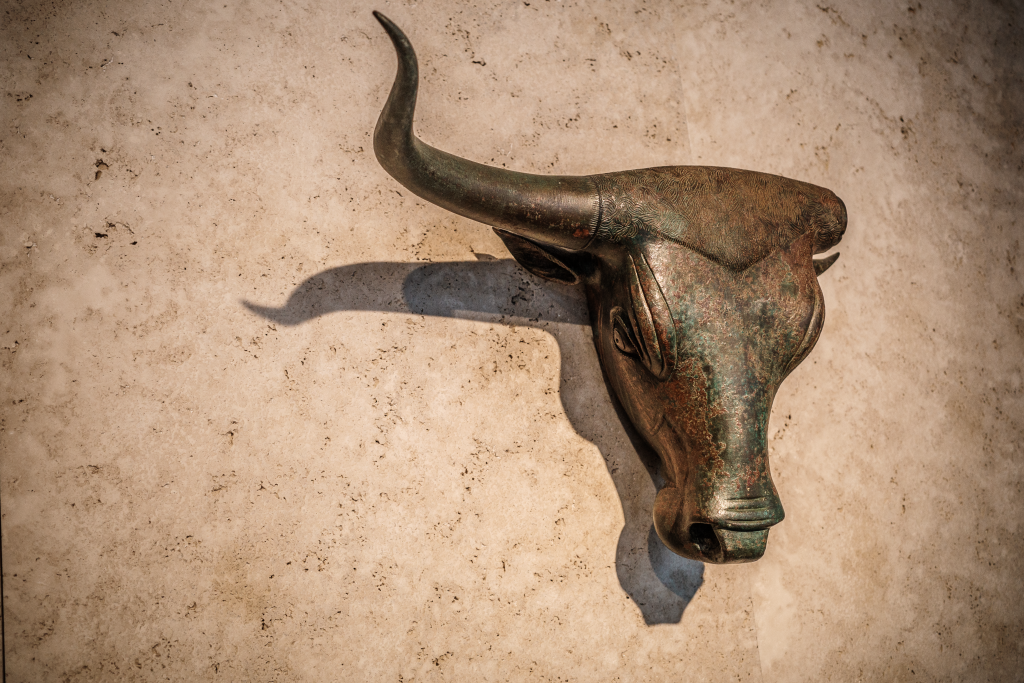
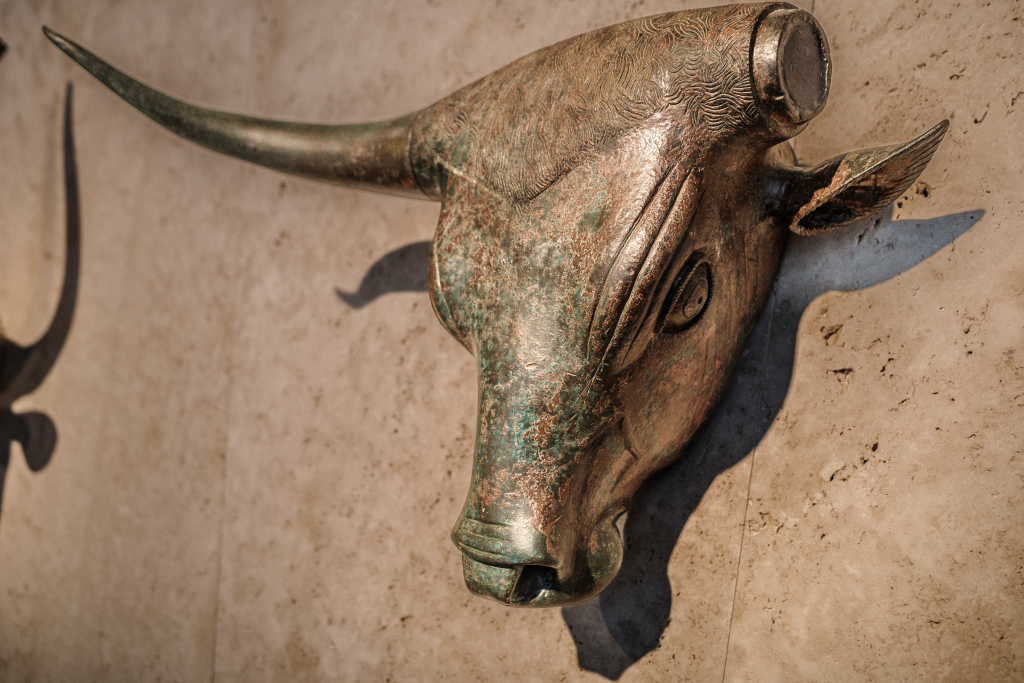
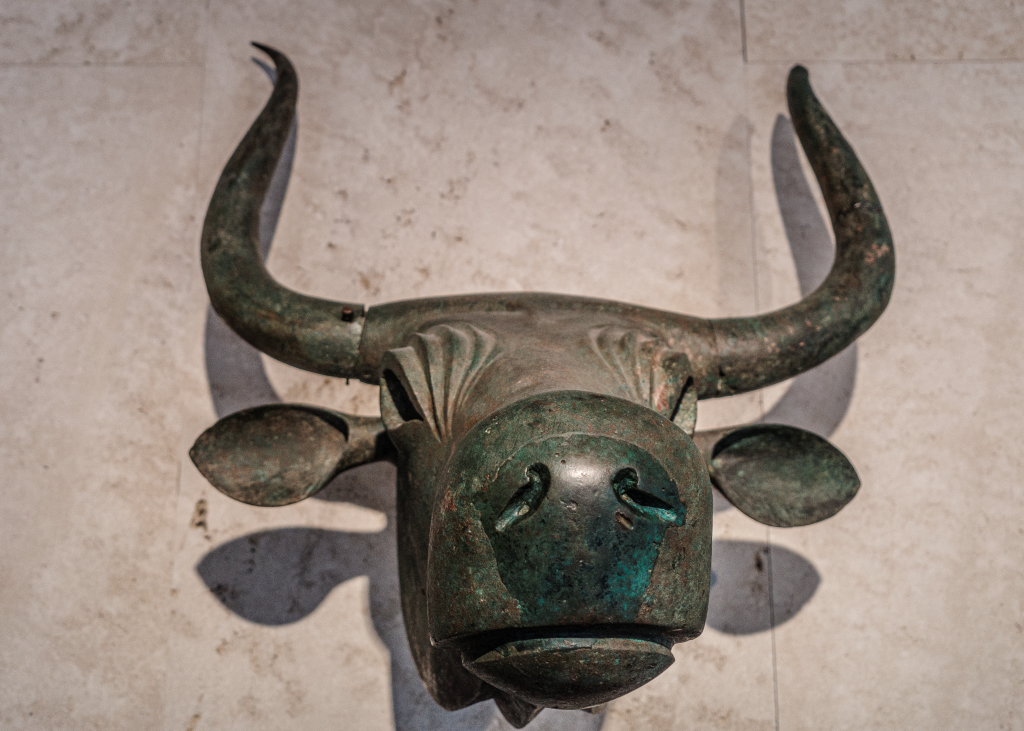
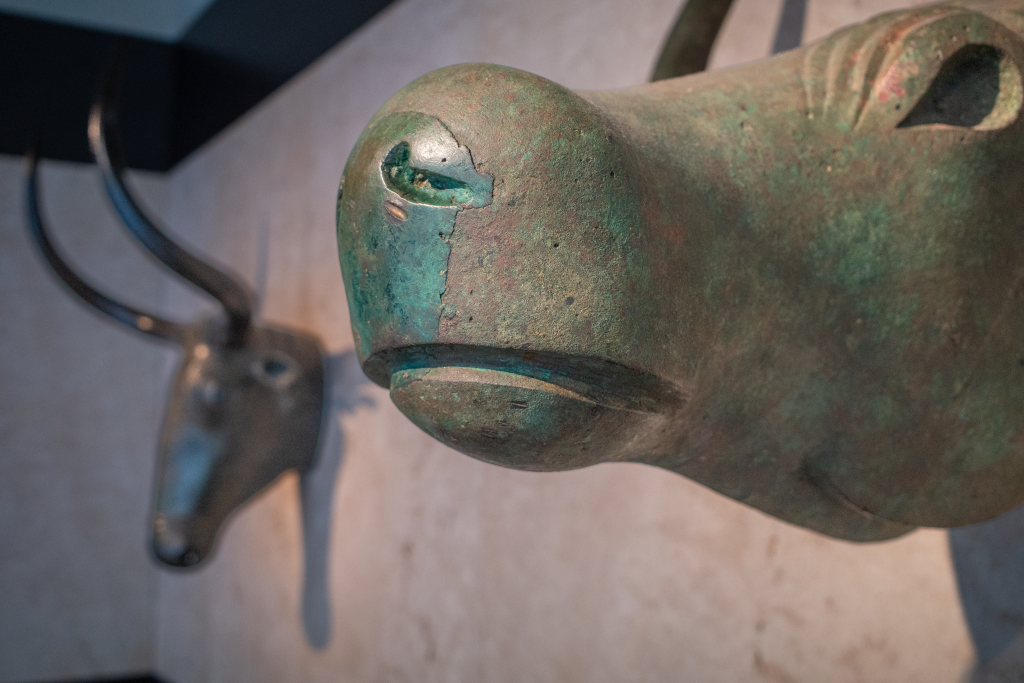
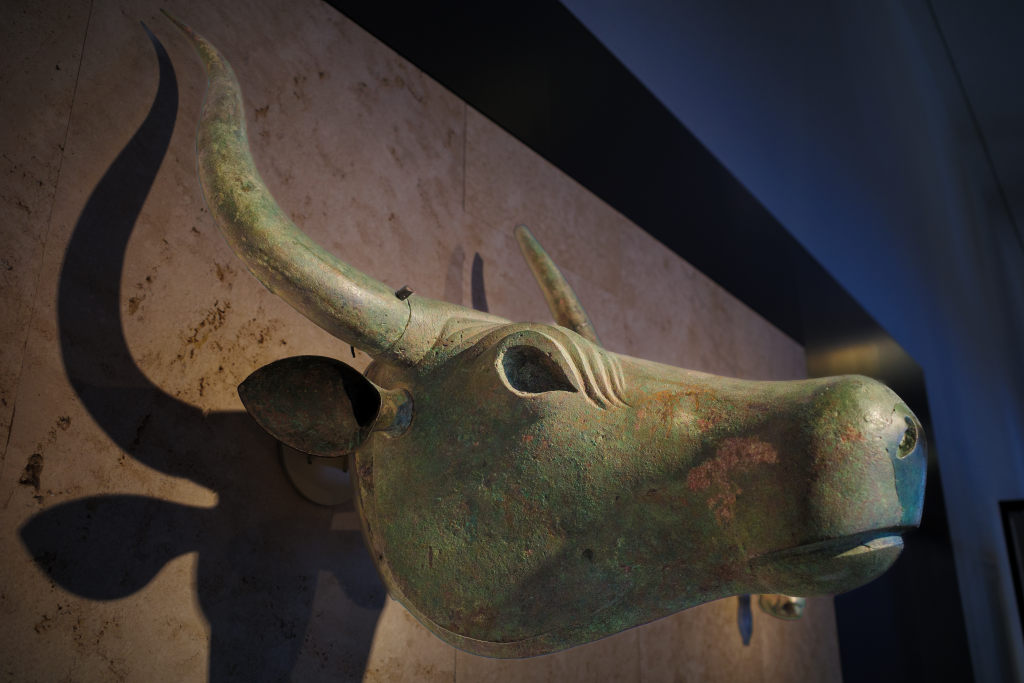
The first ‘Humans of Mallorca’. The bronze bulls of Costitx: a mystery forged in time​

Son Corró estate, Costitx, Mallorca, 1894. A farm laborer, his back aching from a day of relentless digging, turns to his foreman with a practical suggestion: clear some of the large rocks littering the field to gain more land for planting.
It was a simple idea — one that would unexpectedly unearth one of Mallorca’s most significant archaeological finds.
As the sun sinks low, the team pries up the first boulders. Then — clang. The laborer’s hoe strikes something metallic. Impossible. This is farmland, not a blacksmith’s forge. He brushes away the soil, and an enormous set of bronze horns emerges.
Staggering back, he gasps. The lifelike bull’s head gleams in the fading light, ancient and powerful. Overcome, he utters what would become Mallorca’s most legendary archaeological exclamation:
“Hem arribat a l’infern!” (We’ve reached hell!)
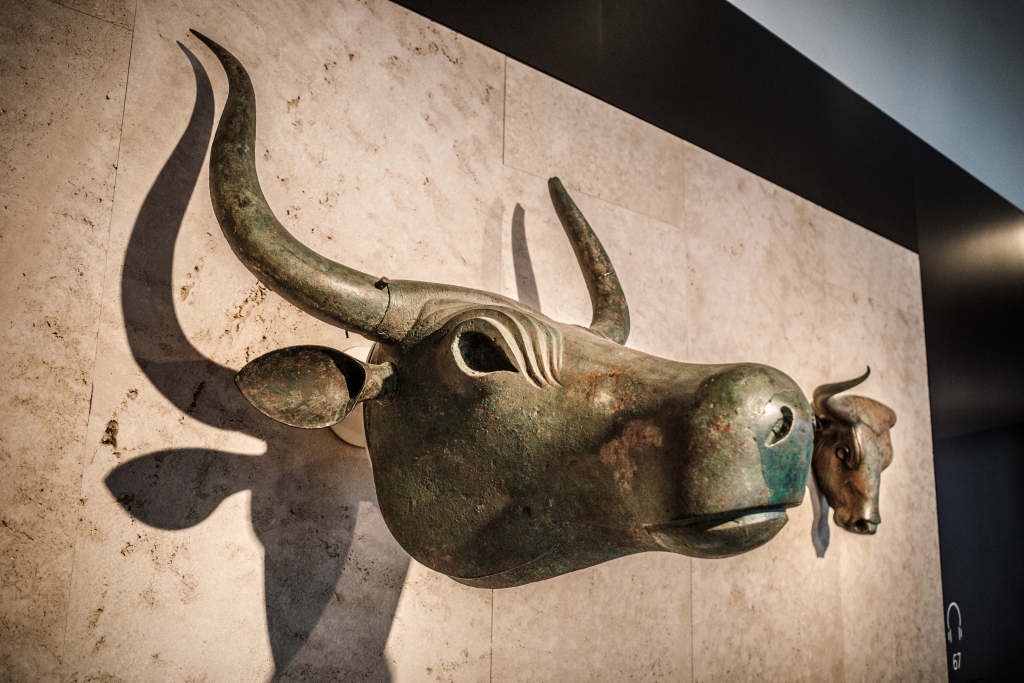
The Bous de Costitx — three extraordinary bronze bull heads — had been rediscovered after lying buried for over 2,000 years.

Word of the discovery spread like wildfire. Scholars and antiquarians descended upon Costitx, eager to examine the relics. The bulls were unlike anything else found in the region — crafted with an artistry that suggested a deep reverence for the creatures they depicted. Some whispered of ancient sacrifices, of rituals held beneath the open sky, where the firelight danced upon the polished bronze as offerings were made to forgotten gods.
Image

Image

Image

Image

Image

Image

Image
Image
Image
Image
Image
Image

Photo: Miguel Hermoso Cuesta / Wikimedia / https://commons.wikimedia.org/wiki/Category:Toros_de_Costitx#/media/File:Costitx_M.A.N._01.JPG
What Were These Bulls Doing Here?
But one fact stood beyond dispute: these bulls were no ordinary statues. They belonged to an age when the islanders raised astounding megalithic towers, when the laws of nature were still intertwined with the will of the spirits, and when the bull — a symbol of strength, virility, and divine power — perhaps stood as the guardian of a civilization lost to time. Their lifelike craftsmanship, scale, and striking presence suggested something far beyond mere decoration. They had a purpose, a meaning — something rooted deep in the belief system of the people who created them.
The uniqueness of these bronze bulls has puzzled archaeologists for over a century. The bulls were found near the remains of a Talayotic sanctuary, a type of religious structure that, intriguingly, only appeared toward the end of the Talayotic era, in the final centuries before the Roman conquest in 123 BCE.
This was not an ancient tradition of the island’s earliest settlers, but something that emerged late in their history, possibly under the influence of the Phoenicians or their Punic descendants in Carthage. The Phoenicians, who had settlements in Ibiza and coastal Iberia, were known for their bull cults, and some scholars argue that the Talayotic sanctuaries — open-air enclosures with central standing stones — were inspired by or adapted from Phoenician religious practices.
 

BarcelonaAtlantis

Moderator
Staff member
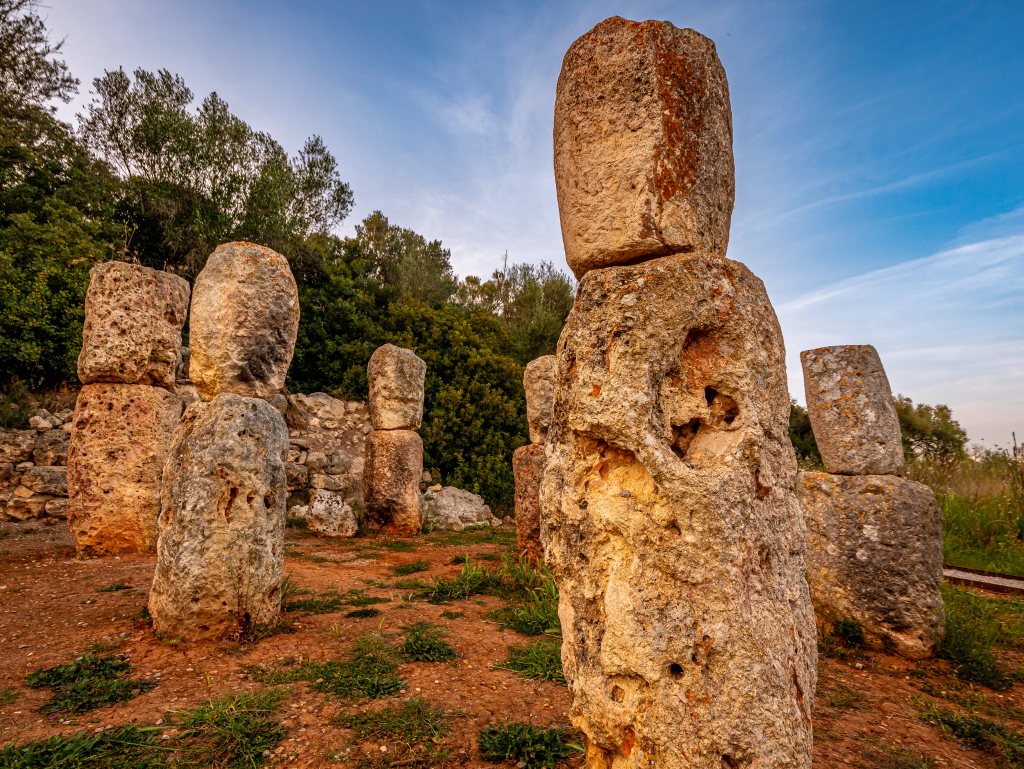
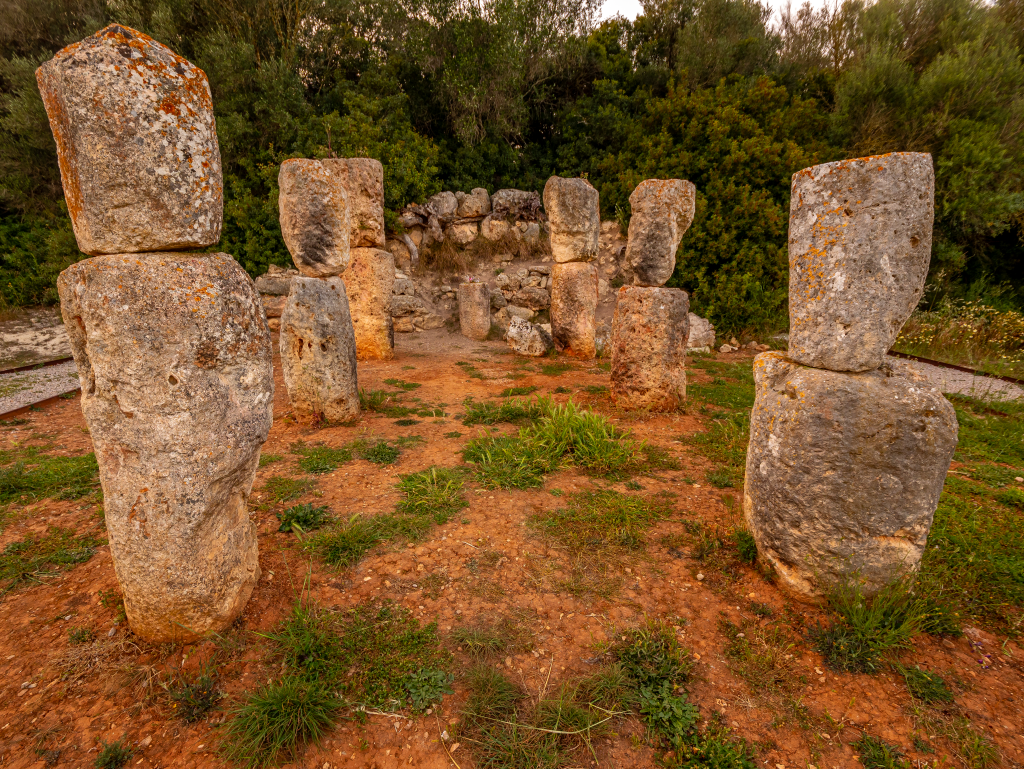
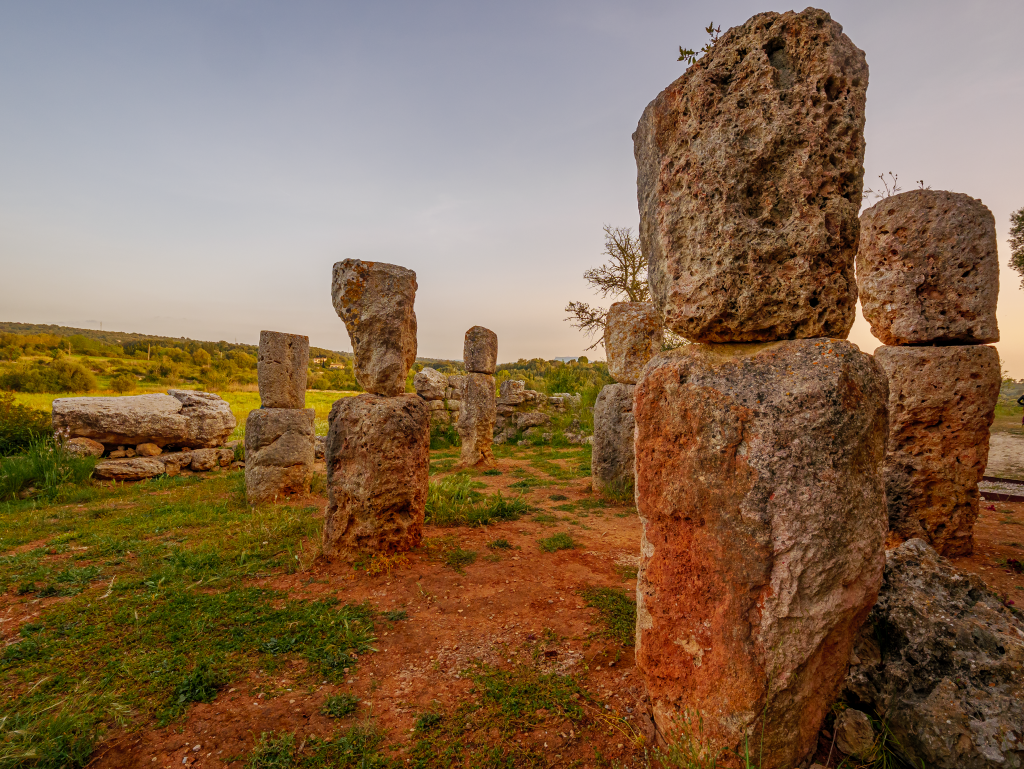
At Son Corró, the sanctuary was a rectangular, unroofed structure, marked by standing stone pillars, which may have functioned as baetyls — sacred stones believed to house divine presence. The Bulls may have once crowned these pillars, staring down at the worshippers gathered below in a ceremony that has long since faded into oblivion. But what exactly these rituals entailed remains a mystery. Were these bulls offerings to the gods? Were they divine representations themselves? Unlike their Mediterranean neighbors, the Talayotic people left no written records, only structures, artifacts, and unanswered questions.
Image

Image

Image

Image

Image

Image
Image
Image
Image
Image

Local Craftsmanship . The Debate Over Their Origins
Since their discovery, scholars have debated whether the Bulls of Costitx were made in Mallorca or brought from elsewhere. Some believe they were crafted by Phoenician or Greek artisans and transported to the island, while others argue they are entirely Talayotic creations with external influences.
Those favoring the imported theory point to the Phoenicians(we were the Goth Phoencians anyway...lmao) widespread bull cults and their established presence in the western Mediterranean. They note that the bronze bulls resemble artwork from Crete, Tartessos in southern Iberia, and Phoenician colonies, raising the possibility that they were crafted abroad and brought to Mallorca. The stylistic similarities between the bulls and Minoan and Punic bull imagery suggest a cultural connection that is difficult to ignore.
However, the local production theory presents compelling evidence. The bronze casting technique used for the bulls aligns with Mallorcan metalworking traditions, and no other artifacts of this exact style have been found outside the Balearic Islands. Early 20th-century archaeologists like P. Paris and A. Blanco argued that while the bulls were inspired by Mediterranean artistic traditions, they were likely crafted on the island, possibly by artisans who had been exposed to Phoenician or Greek styles through trade.
The Talayotic people were not isolated; they engaged in trade and cultural exchanges with the wider Mediterranean world. They sent mercenaries abroad. The bulls, then, may be a product of a hybrid culture, standing at the crossroads between a dying Talayotic society and the encroaching influence of Carthage and Rome.
Despite decades of research, no definitive answer has been found, leaving the true origins of the Bulls of Costitx an enduring mystery.
A Controversial Fate: The Bulls Leave Mallorca
Despite their deep cultural significance, the Bulls of Costitx never stayed on the island. Shortly after their discovery, they were acquired by the Spanish state and sent to Madrid, where they remain in the National Archaeological Museum. The decision to remove them sparked criticism, with many arguing to this day that they should be returned to Mallorca, where they belong. Some see the return of the bulls as a matter of cultural justice, while others argue that it should only happen under the right circumstances.”It would be great if they returned,” says Professor Manel Calvo Trías of the UIB, “but only as part of a radical shift in how we understand and protect our archaeological heritage, not just as a political victory.” https://humansofmallorca.com/the-fi...ze-bulls-of-costitx-a-mystery-forged-in-time/


🏁 Motorsport fever in Mallorca!

Today, I’m live at Motorworld Mallorca, taking you along to the 24-hour race!

What’s happening here? Which vehicles are taking part? What’s the atmosphere like on-site? And what is there to discover at Motorworld?

I’ll take you on an exciting tour through a world of high-horsepower machines, exclusive sports cars, and an authentic motorsport atmosphere.


The Basque people live between Spain and France, but their blood matches no one else in Europe. One in three carries Rh-negative blood, a rare trait that turns pregnancy into a genetic gamble. The Basques say their ancestors came from a lost island called Atlaintika, destroyed thousands of years ago. Plato told almost the same story, about a civilization called Atlantis that vanished beneath the sea in a single night. A 2,000-year-old bronze hand found in Spain carries a word modern Basque speakers can still read on sight. What that word protected, and why it mattered enough to survive a dictatorship, ties an ancient legend to the blood in Basque veins today.

If we founded Navarre,Aragon,Castile, etc and the sacred race founded every nation, who has to be the sacred race that founded every nation on earth using common sense and logic?Duh....WAKE UP and you will be free and on top of the world...


Why did the maps of Europe name half of Asia after the prison of the fallen angels? For five centuries Tartaria filled the atlases and encyclopedias of the West, and then disappeared from memory, leaving behind one of the most debated mysteries of our time.

Medieval chroniclers called its people the inhabitants of Tartarus, the same abyss the Book of Enoch assigns to the archangel Uriel, where the Watchers were bound after teaching humanity the forbidden secrets of heaven. While the Western Church let the Enochic writings fall into silence, non canonical records survived at the edges of the known world: in the Ethiopian Bible, in the Dead Sea Scrolls, and in the lost Book of Giants buried in the deserts of Central Asia.

Drawing on twenty years of studying Enoch in its ancient languages, Oscar decodes why the text describes a world deliberately erased, examines the command that made humanity forget, and reveals the hidden keepers who never stopped remembering, and the generation the book was truly written for.

Today, we go back in to Balboa Park, San Diego California. Where we find a building that has been restricted to the public for over 80 years. What could have been hidden in this building that they did not want us to see? How many times do the buildings change names? And why do they do this? We dive deeper into the old world and find more flaws in the historical, mainstream narrative... And much more...
 
Last edited:
Top