What's new
Anthro World Forum

This is an anthropology forum where we cover all sorts of topics and discussions. Once signed in, you'll be able to participate on this site by adding your own topics and posts. Register today to become a member!

The hidden history of humanity.Impostors/Jews(Rev. 2:9)deceived the world and DNA confirmed it

BarcelonaAtlantis

Moderator
Staff member

Legends Cup
The highlight of the tennis calendar on Mallorca

Palma Sport & Tennis Club

The Legends Cup returns to Palma this October, bringing together some of the top-ranking legends of tennis to this four-day ATP Champions Tour tournament. Legends will battle it out at the superb Palma Sport & Tennis Club.

To take part in an ATP Champions Tour event the players must have been either a World Number One, a finalist in a Grand Slam, or a singles player on a Davis Cup winning team and retired from the ATP Circuit. Six tennis players are divided in two groups competing against each other in a round robin format, ensuring that all players feature in at least three matches.

All the games will be played as best of three sets. Legends Cup is a not only about tennis, it is also a gastronomic experience where you will be able to try some of the island best restaurants in a relaxed and cosy village area.

Enjoy four days of high-level tennis, a great atmosphere and lots of fun for the whole family!
 
Last edited:

BarcelonaAtlantis

Moderator
Staff member

With significant investment across its golf facilities and two luxury hotels on offer, Arabella Golf Resort Mallorca is making a stronger case for a place on the Mediterranean golf holiday itinerary.

Mallorca has never had to work particularly hard to sell the sunshine. Add three 18-hole golf courses, a nine-hole short course and a couple of rather comfortable hotels into the equation, and you’ve got the makings of a decent golfing escape.

At Arabella Golf Resort Mallorca, however, the focus over the past year has been on something a little more substantial than the weather.

The resort has invested €1.85 million across its facilities, with improvements to course quality and playing conditions forming a central part of the work. For travelling golfers, that’s arguably more interesting than another glossy photograph of a swimming pool.

And with 63 holes available across the resort, there’s plenty of golf to look after.

Three Courses, Three Different Challenges
Arabella Golf Resort Mallorca Golf Course
The main attraction is Arabella’s trio of 18-hole layouts: Golf Son Muntaner, Golf Son Vida and Golf Son Quint.

Each offers something different.

Son Muntaner is positioned as the more challenging of the three, while Son Vida brings a sense of golfing history to the experience. Son Quint, meanwhile, offers a more traditional resort-style round.

Together, they provide the sort of variety that matters when you’re booking several days away with the clubs. After all, playing somewhere different each morning is rather more appealing than spending a week getting reacquainted with the same troublesome par four.

There’s also the nine-hole Palma Pitch & Putt for shorter outings, alongside a Golf Academy equipped with Toptracer technology for those who fancy putting a little work into their game between rounds.

The improvements have attracted attention beyond the resort, with Arabella moving up three places to 29th in Golf World’s latest Top 100 Continental Europe resort ranking.

It’s the first time Arabella has entered the top 30, although the more relevant question for visiting golfers is how that investment translates into the experience on the course.

A Golf Holiday With Palma on the Doorstep

One of Arabella’s advantages is its location.

Situated around 20 minutes from Palma’s international airport, the resort offers relatively straightforward access for golfers arriving in Mallorca, while keeping the island’s capital within easy reach.

Accommodation comes courtesy of two five-star properties, each offering a slightly different take on the Mediterranean golf holiday.

The historic Castillo Hotel Son Vida places greater emphasis on heritage, dining and relaxation. Its Es Balcó de Son Vida restaurant overlooks the Bay of Palma, while the hotel’s wellness facilities offer an alternative to another afternoon on the fairways.

The Sheraton Mallorca Arabella Golf Hotel caters to a more family-oriented crowd, with its Shine Spa, tennis courts and open-air La Bodega del Green restaurant.

That choice is useful for travelling groups whose priorities might differ once the final putt has dropped. Some will want another session on the practice ground. Others will have a table and a cold drink very much in mind.

Investment Beyond the Fairways
Arabella Golf Resort Mallorca Restaurant
For Arabella’s management, the recent expenditure is intended to improve the overall resort experience rather than simply polish up its golfing credentials.

Francisco Vila, CEO of Arabella Golf Resort Mallorca, said: “Entering Europe’s Top 30 is welcome recognition of the transformation taking place across Arabella Golf Resort Mallorca. Our investment has focused not only on course quality and playing conditions, but on creating a fully integrated resort experience that brings together exceptional golf, hospitality and the distinctive character of Mallorca”.

It’s a sensible ambition for a destination offering considerably more than a single championship course.

With three full-length layouts, additional practice facilities and two established luxury hotels, Arabella already has the ingredients for an extended golfing break.

The €1.85 million investment is its attempt to make sure the golf itself keeps pace with the surroundings.

And for anyone planning a trip to Mallorca with their clubs, that’s the improvement that matters. Arabella Golf Resort Mallorca, the award-winning 63-hole European Tour Destination, is your Mediterranean home for golf.


Simon Dixon believes the politicians being paraded in the media are not running the show and he reveals the real power brokers behind the scenes who are manufacturing civil unrest, sparking forever wars, and establishing a surveillance state globally to serve their dark agenda.

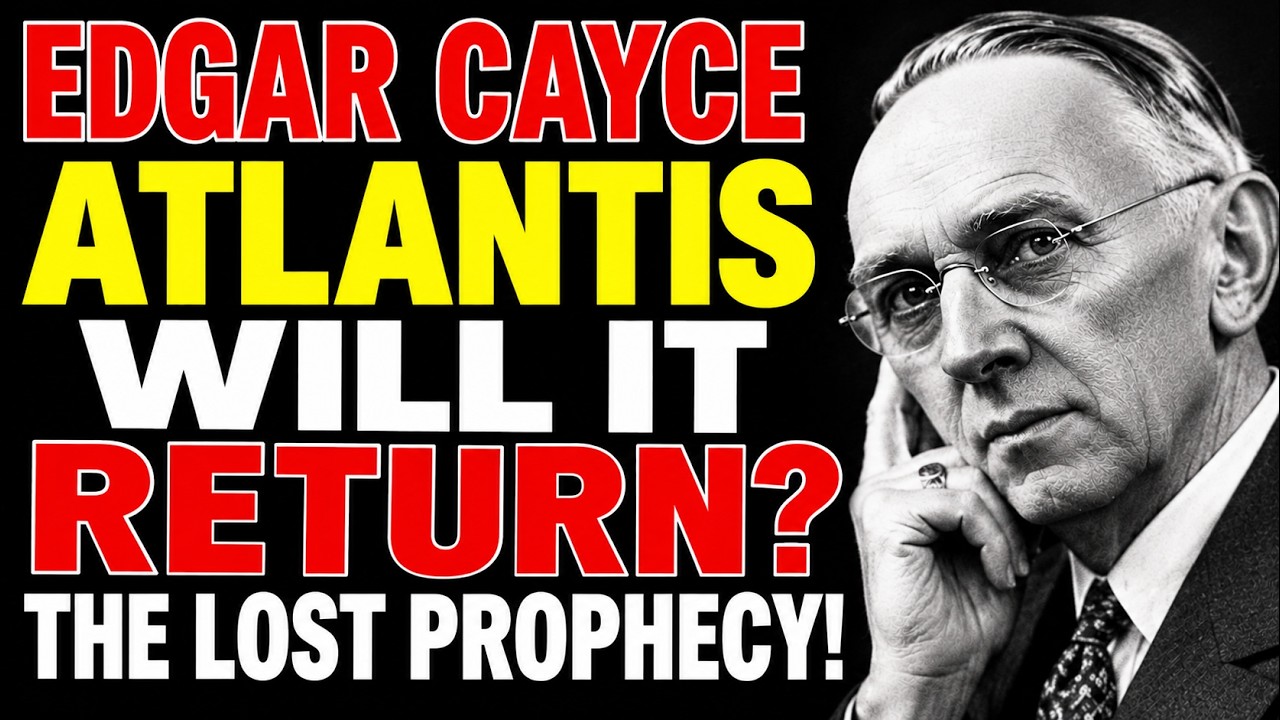
Did Edgar Cayce predict that Atlantis would return? In hundreds of trance readings, the Sleeping Prophet described the lost continent of Atlantis: its crystal firestone, the war between the Sons of the Law of One and the Sons of Belial, and its final destruction. He also said Atlantis would come back. Its land would rise near Bimini, a Hall of Records hidden near the Sphinx would be opened, and Atlantean souls would be born again in our age. This documentary looks at the famous 1940 prophecy "Expect it in sixty-eight and sixty-nine" and at the discovery of the Bimini Road in 1968. It covers what geologists found inside the stones, and why the young man the Cayce family sent to Egypt found no Hall of Records. It also asks what science really knows about drowned lands at the end of the Ice Age.

Sources: Edgar Cayce readings archive, Association for Research and Enlightenment, Virginia Beach (readings 958-3, 440-5, 378-16, 364-3, 3976-15); Edgar Evans Cayce, "Edgar Cayce on Atlantis"; Plato, "Timaeus" and "Critias"; Ignatius Donnelly, "Atlantis: The Antediluvian World"; Eugene Shinn, United States Geological Survey studies of the Bimini Road; Mark Lehner, "The Complete Pyramids"; Charles Berlitz, "The Bermuda Triangle"; research on Doggerland and Göbekli Tepe


Check out Dave's Multiverse podcast, as recently there was a Basque expert there, and he said that Gobekli Tepe and other anatolian cultures inherited most of their symbols + myths from the Basque country!This is TRUE.


Port d’Andratx is the loveliest harbour in the Mediterranean - it’s a stylish port, with a well-maintained and equipped yacht club with a picturesque setting located. It has many restaurants to suit the yachting set where you can sit outside one of the many cafés and bars watching the bustle of daily maritime life.


Can a Top 30 ranking boost bookings at Arabella Golf Resort Mallorca?

Can a Top 30 ranking put more heads in beds and golfers on the fairways?
🏆
Discover how Arabella Golf Resort Mallorca can turn its €1.85m investment and No. 29 European ranking into more direct bookings, higher-value golf packages, and stronger pricing power.
 
Last edited:

BarcelonaAtlantis

Moderator
Staff member
Son Moix Tennis Centre (Palma de Mallorca): Ongoing court and facility upgrades have been rolling out to support regional and incoming events like the Mediterranean Mallorca Open.

Mallorca unveils their first tournament, the Mediterranean Masters

A new destination for polo in Europe is coming up – the Mediterranean Masters, which is not only the first edition of the tournament but also the first ever 14-goal contest to be played in the island. The competition will take place through Friday June 5 to Saturday June 13, and will see six teams, partake, in lineups that combines a mix of experience, youth and the participation of renowned names of the sport. Teams are split in two leagues.

The teams that will battle for the trophy are 45-50 Polo Team, Maass Polo, Electric Polo, Riva, RPA and Barralina. Sebastián Merlos and Adrián Laplacette are the two most remarkable players who will take part of the event, alongside the usual participants of the European season, such as Valentín Novillo Astrada, Juan Uribe, Santiago Marambio, Gastón Maiquez, Miguel Duggan and Juan Ambroggio, among others.

One of the teams to follow is 45-50 Polo Team, that includes Sebastián Merlos, Santiago Harriott, Julián Díaz and Francisco D’Agostino. Adrián Laplacette is leading RPA, while Electric Polo’s most outstanding players are Gastón Maiquez and Marcos Rooney.

But beyond everything, the Mediterranean Masters is a remarkable event for Mallorca, with the idea of maintain the growth of polo in the island, and opens the door to other tournaments to come within the next few years. The Mediterranean Masters’s aim is to start writing the first chapter of a hopefully long story with the sport, and provide high quality polo in one of the most attractive destinations. https://www.pololine.com/news/mallorca-unveils-their-first-tournament-the-mediterranean-masters/


But why is polo more topical now than ever before? After all, vast numbers of real or self-appointed polo managers failed on Mallorca, within the past years. This is to do with a regulation of the Mallorcan government. Daniel Crasemann explains: “Until recently, polo and golf were sort of lumped together on Mallorca. That means, a polo field had to fulfil the same requirements as a golf course, concerning irrigation, environment and infrastructure. These demands are unrealistic and impossible to meet, neither in terms of financing, nor organization. This regulation of the ministry of agriculture and transport prevented all commercial polo projects in the past 15 years.” Since that time, Crasemann has been committed to restructuring this regulation and has finally been successful. With this amendment, polo fields are now considered agricultural territory. Correspondingly, the same provisions apply as for farmland. “This changes everything. We can now consider organizing official tournaments here on the island. The major organizer of tournaments in Germany, Christopher Kirsch, is at home here, anyway,” explains Crasemann.

The polo community in Mallorca is growing increasingly, important polo people are already there. Four large private polo facilities already exist, others are under construction. The ambitious goal: Mallorca will be Europe’s polo island.

While, in the European winter, the international polo community still trains in Argentina today, frequently having their own estancias there, the South American country is increasingly becoming less and less attractive (not only to their guests). The flight from Europe takes roughly 17 hours, costs and inflation rate are exploding, real estate transfer tax is as high as 30 %, and the rule of law is uncertain. These are the facts that make business and polo activities a doubtful pleasure. Christopher Kirsch points out: “If I buy a polo horse in Argentina today, I have to pay 8,000 Dollars only for the transport to Germany – with no guarantee, of course, for the horse to arrive there safe and sound.” And climate conditions in Argentina during the high season for polo failed to meet expectations in recent years. On Mallorca, though, the polo season lasts from the end of February to November. The horses are outside all year round, there are nine flights from London every day and numerous flights from Germany, reaching Palma Airport within two hours. In 2014, there has been a 40 % increase in flights to Palma, as against last year. German airlines are offering 23 million seats on flights to and from Mallorca. It is even worthwhile “hopping” there for a weekend.


Polo on Mallorca is played in private today, with bidden guests, and behind closed doors. However, unnoticed by the public yet, a lot is changing – Mallorca is getting itself ready to get started as the new European polo destination. What are the reasons? There‘s a lot of them! As much as 17 years ago, Daniel Crasemann, entrepreneur from Hamburg, bought his own polo finca in the East of the Island. The finca accommodates 120 horses at present, which are fit as a fiddle now after their winter break, and are being prepared right now for the chukkas of the European summer season. At the finca of Crasemann, who is just building his second full-size field, friends play amongst themselves – only those invited, of course.

Crasemann is a polo enthusiast. His children learned polo at the polo school of Thomas Winter in Hamburg, and won the German High Goal Championship in 2013, at the ages of 15 and 19. Christian Völkers, his long-standing business partner, has a polo address on Mallorca, too. Uwe Schröder, founder and owner of the Tom Tailor fashion brand is currently considering to buy a polo finca on the island, and also Christopher Kirsch, main German organizer of polo events, has just moved to Mallorca. Bernhard Schurzmann from Munich recently bought a finca, and is building a large polo facility due to start operation in autumn. Geneva banker Fabian Pictet, who used to play polo in England a lot, is now building his own polo finca with a playing field on Mallorca.

Polo facts Mallorca

Daniel Crasemann has had his finca in Campos, a place in the Southeast, for 17 years now, and is inspired by Mallorca as the new polo destination


Daniel Crasemann has had his finca in Campos, a place in the Southeast, for 17 years now, and is inspired by Mallorca as the new polo destination


In your opinion, what are the advantages of increasing the number of polo fields and clubs in Mallorca? Do you think it is positive?
Diversifying the tourism offer by promoting the agrarian sector, which controls 80% of the territory, under parameters that preserve and manage our landscape is, by far, positive. The island offers excellent conditions for the practice of outdoor sports at any time of the year and polo is a sport that attracts a very interesting touristic sector that have a remarkable purchasing power.

What does the municipality of Camos have to offer regarding the construction of polo fields?
Campos may actually be the municipality of Mallorca with the best conditions for the construction of polo fields, and there are two main reasons for that: the first one is the fact that it is, in a flat area, which is necessary for the polo fields, and, the second reason is that Campos has always been a livestock-farming municipality. In fact, Campos has been the municipality of Friesian cows par excellence in Mallorca. 20 years ago, there were about 400 dairies here. Nowadays, only 17 or 18 of them are still in use, but the facilities are still standing, although most of them are empty and not working. As a result, there is a high potential for the current use of these existing facilities. There is no need to build new fields or to consume the land, because that has already been done. These two reasons – the fact that Campos is flat and the fact that the dairies’ facilities can be used for the polo fields – make Campos an ideal location for the creation of polo fields. And also because, in a way, polo is a sport that has a strong link to the agricultural sector due to the use of horses and Campos is, probably, the only municipality of Mallorca with an agricultural and livestock history and philosophy.

Follow the Mallorca Championships 2027, the Mediterranean's premier grass-court tennis showdown attracting top international players.
 
Last edited:

BarcelonaAtlantis

Moderator
Staff member
https://www.polobiz.com/post/polo-in-mallorca-emerges-from-the-shadows In the winter polo season, traditionally dominated by destinations like Argentina, Uruguay, Australia, and Dubai, a new contender is powerfully emerging: Mallorca. This Mediterranean island is experiencing a genuine equestrian revolution, redefining its position on the global polo map.


The turning point has been a legislative shift that has radically changed the game. For fifteen years, Balearic regulations classified polo fields as golf course facilities, subjecting them to identical requirements for irrigation, environmental impact, and infrastructure. This regulation, implemented by the Ministry of Agriculture and Transport, limited polo development to private matches among acquaintances. The recent legal amendment reclassifies polo fields as agricultural land, permitting the organization of official tournaments, the attraction of sponsors, and the creation of new clubs.


The heart of this equestrian renaissance beats in eastern Mallorca, where a global community of enthusiasts is establishing its operational base. German visionary Daniel Crasemann, a pioneer who acquired his Sa Barrala estate seventeen years ago, maintains 120 horses in peak condition and is building his third regulation-sized field. It is there that he founded his Barralina polo team. This project is joined by personalities such as Christian Völkers, Crasemann's partner; Uwe Schröder, founder of Tom Tailor; Christopher Kirsch, an event organizer; Bernhard Schurzmann, with his new facility scheduled to open in the autumn; and Geneva banker Fabian Pictet, owner of a spectacular Arabian-style estate with a polo field. And the list continues: according to real estate sources consulted by POLOBIZ, Turkish and Dutch investors plan to create two private clubs by the end of 2027.


Equestrian infrastructure is experiencing remarkable growth, with four major private facilities currently operational and five additional ones under construction, set to be ready next year. This expansion underscores investor confidence in Mallorca's potential as a top-tier polo destination.


The Mediterranean climate is a key competitive advantage. The polo season extends from late February through November, allowing horses to remain outdoors year-round. Air connectivity further enhances this appeal: nine daily flights connect London to Palma de Mallorca in just over two hours, complemented by numerous connections from Germany. The island, which welcomes nearly sixteen million visitors annually, has 23 million available airline seats, facilitating access for international players and fans.


Traveling to Dubai or Argentina for the polo season involves significantly greater distances and higher costs, positioning Mallorca as the ideal refuge for playing polo during the winter months without the need to leave Europe.


Meanwhile, overcoming the water challenge represents a particularly significant achievement. In response to the chronic water scarcity affecting the island, innovative solutions have been implemented, including private desalination plants and optimized irrigation systems. The new legislation permits the use of agricultural wells for field maintenance, resolving one of the main obstacles to polo development.


The region of Campos, with its predominantly flat terrain and agricultural-livestock tradition, is establishing itself as the natural epicenter of this activity. The area's rural philosophy, combined with its topographic suitability, creates the perfect environment for playing polo.

A recent agreement between the historic Barralina club and the specialized digital platform Pololine.TV aims to position Mediterranean polo on the world stage, bringing it out of the shadows after more than a decade of private practice. The partnership will attract sponsors and enable tournament organization through the live streaming of matches.

In this context, Crasemann's strategy has rebranded his estates and teams under the "Polo de Mallorca" brand, symbolizing the international projection of this emerging destination. Mallorca has transitioned from a period of discreet development to positioning itself as a solid alternative on the European polo circuit, combining sporting excellence, environmental sustainability, and an incomparable Mediterranean setting.
 

BarcelonaAtlantis

Moderator
Staff member
Polo in Mallorca: A lifestyle from the grassroots up
October 2025

Islander Life


When people think of Mallorca, images of sun-soaked beaches, Gothic cathedrals, sleek yachts, or youthful escapades in Magaluf often come to mind. Yet beyond the island’s bustling tourist hubs, a quieter transformation is taking place: polo is taking root in Mallorca—not as an exclusive pastime, but as a growing, community-driven lifestyle.

Traditionally associated with private clubs, lavish tournaments, and the international jet set, polo in Mallorca is now being reimagined. A new wave of initiatives is making the sport accessible, blending equestrian culture with nature, and a strong sense of place. Rather than a polished, elite image, Mallorca’s polo scene emphasizes inclusivity, education, and connection to the land.

Can Cavall Blau: Sand Polo and community
At Can Cavall Blau, an organic farm and vineyard in the island’s rural interior, polo is taught on homebred horses. Owners Dirk and Katja Lebelt have built the academy around a simple philosophy: polo is for everyone. Lessons focus on horsemanship, confidence, and community as much as competition, welcoming all those interested in the sport regardless of prior experience.

Dirk, a respected equine veterinarian, and Katja, a former set designer from Berlin, moved to Mallorca eight years ago with their horses, including a golden palomino stallion named Fleki. Their estate has since become a hub for both polo enthusiasts and curious newcomers. On Wednesdays, Can Cavall Blau opens its gates for farm tours and tastings of its organic produce. Sundays have become a local highlight: casual exhibitions, meals by local chefs, sundowners, and spectacular sunsets over the mountains, with horses grazing nearby and an Amarguero spritz in hand.

A standout feature of Can Cavall Blau is its sand polo field, which allows year-round play while conserving water and minimizing environmental impact. This approach ensures that polo is not only inclusive but also sustainable, reflecting a conscious, modern approach to equestrian sport.

Another cornerstone of Mallorca’s polo scene is Son Ginard, an agrotourism estate nestled in the tranquil countryside of Campos. Covering 250,000 square metres, the estate blends traditional Mallorcan architecture with contemporary structures, including contributions by renowned architect Richard Meier. The combination of restored historic buildings and modern design creates a harmonious environment, perfectly suited to equestrian pursuits.

The Mallorca Polo School has also just opened its doors at Barralina Polo Club near Es Trenc, offering lessons in another beautiful location.

Polo as a lifestyle
What makes polo’s growth in Mallorca so compelling isn’t just the sport itself, but the lifestyle it cultivates. Events at Can Cavall Blau are intimate and unpretentious, often paired with wine tastings, slow meals with local chefs and, a deep-rooted connection to the land. It’s less about trophies and more about rhythm: the rhythm of horses, nature, and community.

Mallorca’s long equestrian tradition provides a natural foundation. From countryside riding schools to annual festivals like Sant Antoni, horses have been central to island life for generations. Polo feels like a natural evolution—an elegant addition to the island’s enduring equestrian culture.

Importantly, this new wave of polo prioritizes responsible horsemanship. Can Cavall Blau breeds and raises its ponies on site, emphasizing ethical treatment and sustainable practices. Other schools and estates adopt similar approaches, from sand fields to pasture management, ensuring polo grows in harmony with the environment.

How to get involved
For those interested in experiencing Mallorca polo firsthand, there are multiple avenues to get started: lessons at Can Cavall Blau, or at the Mallorca Polo School, Son Ginard in Campos, or at Vernisetta near Sa Ràpita. Each offers a slightly different experience, yet all share a commitment to community, accessibility, and immersion in the equestrian lifestyle. Octavia Campbell-Davys, a UK-certified umpire, and Leo Rossolini, a professional player from Argentina, recently hosted their first Polo Clinic at Can Cavall Blau for experienced riders new to the sport. The all-day event welcomed up to six newcomers and concluded with a relaxed evening BBQ. Participants explored horsemanship, tactics, the rules of the game, and riding techniques, finishing the day with a full chukka. Can Cavall Blau currently offers nine school horses, catering to a range of riding abilities and sizes, ensuring a comfortable and safe introduction to polo.

Leo will soon return to Argentina, where he runs polo holidays, while Octavia will remain in Mallorca, teaching throughout the winter. “One of the joys of playing polo here,” she notes, “is the ability to enjoy the sport all year round.” She hopes the academy will not only attract polo tourists but also serve as a training destination for the Schools and University Polo Association (SUPA) in the UK, fostering a new generation of players in a stunning Mediterranean setting.

With its grassroots approach, sustainable practices, and scenic settings, Mallorca is quietly establishing itself as a European hub for accessible, lifestyle-driven polo. For those seeking a deeper connection to the island, its landscapes, and its horses, polo offers a compelling and enriching way to experience Mallorca beyond beaches and resorts. https://theislander.online/2025/10/...-mallorca-a-lifestyle-from-the-grassroots-up/


Horse Riding in Mallorca – The Happiness of Earth

Mallorca also attracts many friends of recreational riding and equestrian sports. For beginners and advanced riders, there are horse farms and riding stables (called “rancho” in Spanish/stolen Navarro romance) all over the island that offer riding lessons and varied riding excursions, some even in combination with holiday accommodation. You can also learn and practise dressage and western riding in Mallorca. An indescribable ambience awaits riders on their rides across the island: depending on the level of the rider, there are unforgettable rides through the shady pine forests, in the wild mountain trails, across harvested fields, in the dunes and on the beach (in winter) or as a “moonlight ride”.

By the way, Mallorca has its own breed of horse, the “Pura Raza Mallorquina”. It is a black, racy breed that originated on the island, is still bred today and is widespread. If you don’t want to ride yourself, exciting events await you at the Hipódromo Son Pardo trotting and galloping racecourse near Palma. Trotting races take place there every weekend. Mallorca’s biggest horse race – the Gran Premio Nacional – takes place on the last weekend in May. For these races, a special breed is bred in Mallorca, the “Trotons”. Friends of the sport of polo will also find a small but very fine offer on Mallorca, namely at the “Engel & Völkers Land Rover Polo School base Mallorca – Son Coll” on the edge of the Serra de Tramuntana nature reserve near the fishing village of Port d`es Canonge.


What happens when ancestral healing leads you directly into the sacred lands, forgotten histories and ancient spiritual traditions of Spain? In this fascinating conversation on All That Is, Racquel welcomes back Paola Chapa Cerviatti for another extraordinary exploration of spiritual pilgrimage, ancestral remembrance, the Cathars(Basques/secret Holy Grail), Knights Templar, Divine Mother consciousness and the mysterious energetic landscapes of Spain. Now based in Alicante, Spain, Paola shares how her personal ancestral healing has become deeply intertwined with the land itself, including Spain's Moorish(Basque) history, the persecution and massacre of the Cathars(Basques/secret Holy Grail), and a significant historical site close to where her grandmother once lived. Our conversation takes us through some remarkable discoveries and challenging encounters. ✨
IN THIS EPISODE WE EXPLORE:
🔸 Ancestral Healing & the Land — How Paola's family history and spiritual journey have drawn her toward Spain's complex historical and energetic landscape. 🔸 The Cathars & the Divine Mother — Exploring the Cathar legacy, their persecution and Paola's invitation to a Cathar community in Valencia. 🔸
The Lady of Elche — An ancient Iberian sculpture that became another thread in Paola's exploration of Spain's spiritual heritage. 🔸 Spiritual Communities & Discernment —
Paola describes encounters with groups in Spain and Italy whose practices and leadership raised serious concerns for her. She shares her personal experiences, including feeling exploited, spiritually depleted and possibly subjected to substances without her knowledge during ceremonies.
🔸 The Iberian Sphinxes & Ancient Civilizations —
Exploring mysterious ancient sites and their possible connections to sacred geography.
🔸 Dragon Lines, Earth Grids & the Templars — Discussing Rory Duff's work, the proposed convergence of two powerful dragon lines, ancient Bronze Age sites and theories surrounding Templar pilgrimage sanctuaries. 🔸 Sovereignty & the Divine Feminine
— Why spiritual discernment, personal boundaries and trusting one's inner knowing are essential along the awakening journey. Throughout our conversation, we return to a central question: Are we simply remembering the history held within the land, or is the land awakening something within us? Join us for a thought-provoking discussion of spiritual exploration, ancestral memory, sacred geography and the importance of remaining sovereign on the path of remembrance.
 
Last edited:

BarcelonaAtlantis

Moderator
Staff member
I host a friendly but sober debate centered on Nicholas Love’s work, Christ is Belial? Was the savior truly a demon? Was Judas Iscariot crucified in reality? On the other side of these arguments, we’ll have Jacob Berman, religious researcher and host of History Valley. Bring your questions as Nicholas and Jacob appear at an agora in Virtual Alexandria for a sizzling interaction and insights into the origins of christianity.

Jesus Is Belial unveils the darkest secret ever hidden in plain sight

Christ Is Belial​

by Nicholas Love​

Product Description:
What if the savior was the snare itself—disguising betrayal as love, mammon as mercy, and defilement as divinity—while feeding quietly on the human soul?

Christ Is Belial unveils the darkest secret ever hidden in plain sight: that "Jesus Christ" may have been a vatican construction—a spiritual decoy grafted onto an older demonological framework—not to free humanity, but to bind it through debt, guilt, and obedience.
Across centuries, the machinery beneath this mask of worldly light has fed an invisible empire. From the vantage point of the crucified figure's Fourth Philosophy rebellion, the mask does not conceal a savior—it reveals an operator. Behind it stands Belial, the ancient adversary of truth, whose influence fused religion and money into a planetary control system sustained by psychological enchantment, linguistic distortion, and the ritualized worship of the lie.
This book unseals the evidence buried beneath two thousand years of censorship—revealing how th vatican rewrote history, inverted prophecy, and erased the world's only true spiritual resistance: the anti-money and anti-government movement led by Judas the Galilean and James the Just. Their original doctrine of ritual purification and soul sovereignty was overwritten by a counterfeit gospel that sanctified taxation, empire, and obedience to false masters.
If you have ever felt that something in the story was wrong but could not prove it—this is the key they never meant you to hold. It does not ask for belief; it breaks the spell.
Readers describe it as a revelation impossible to unsee—a siren blast exposing a war on consciousness waged in the name of salvation. Whether you kneel in faith or stand in doubt, what follows will change the way you read every sacred text and every dollar bill ever printed.
Inside You Will Discover
  • Direct evidence that the prophecies of Belial—not of a holy messiah—are fulfilled in the figure of Christ.
  • A decoded framework showing how scripture was weaponized to entrap souls through the language of sin and redemption.
  • The true legacy of Judas the Galilean and James the Just—the erased founders of a movement that defied money, kings, and empire.
  • How Christ became the cornerstone of global banking, calendar reset, and the divinization of Empire itself.
  • Practical tools to reclaim sovereignty, dissolve spiritual contracts, and awaken to the only law that cannot be bought or sold—the law of the soul within.

Son Muntaner, the championship flagship course at Arabella Golf Resort Mallorca, has been named Spain’s Best Golf Course at the 2025 World Golf Awards. Golf Son Muntaner, a pioneer in Mallorca, will implement the double tee-off in 2023 in the hours with the highest demand, coupled with outstanding service, which promises to raise golfers’ experience to a new quality level.
Under the pioneering ‘Green Evolution’ strategic plan, the course is a leader in environmental stewardship. It uses 100% reclaimed and regenerated water for irrigation and was Europe’s first to adopt Celebration Bermudagrass, a drought-tolerant turf that significantly reduces water use while maintaining premium playability year-round.
As part of Arabella Golf Resort Mallorca, the Mediterranean’s premier golf destination, Son Muntaner sits within a comprehensive 63-hole golf experience that combines world-class golf, luxury hospitality, and authentic island living.
https://arabellagolfmallorca.com/en...ns-best-golf-course-at-the-world-golf-awards/NUEVO-SET-UP-2023-GOLF-SON-MUNTANER[1].jpgGolf-Son-Muntaner-manadens-golfbana-mallorca-mallorcanyheter-nyheter-news-palma-scaled[1].jpeg


Humanity thinks the savior is the bad guy(jesus)...thats why judeo christianity/madrid(1492) has been ruling the world for centuries you pathetic and clueless clowns, thats why the vast majority is judeo christian now meaning deceived you damn idiots thats how you were indoctrinated/deceived.If the slandered Satan had deceived the world the whole world would be a satanist and thats not the case the vast majority is judeo christian you irritating morons!Use common sense and logic.Satan "deceived" the world but the world is judeo christian.Does this lie add up/make sense to you?Pathetic.

 
Last edited:

BarcelonaAtlantis

Moderator
Staff member
Maya secrets, Atlantis, Lemuria and the jaguar and serpent codes of Chichen Itza: what a Mayan elder taught about where the Maya went. Nan Akasha, who lives in the Yucatan, explains why she says there were no human sacrifices, describes a full-moon serpent on the pyramid, and leads a guided obsidian mirror meditation.

¿Y si el ser humano llevara miles de años buscando vida fuera de la Tierra… sin recordar que su propia historia podría haber comenzado allá afuera?

Cuando Dino tenía apenas ocho años, asegura haber visto una enorme nave sobre el Pacífico. Meses después, mientras una corriente lo arrastraba mar adentro, relata que algo con forma humanoide lo sostuvo y lo llevó de regreso a la orilla. Aquellas experiencias marcaron el inicio de una búsqueda que lo acompañaría durante más de cuatro décadas y que terminaría llevándolo a cuestionar todo lo que creemos saber sobre nuestro origen.

Para Dino, la humanidad forma parte de una historia mucho más antigua y extraña de lo que nos enseñaron. Habla de civilizaciones desaparecidas, inteligencias no humanas y más de 22 razas que, según su interpretación, habrían intervenido en la evolución del ser humano. Pero su planteamiento va todavía más lejos: asegura que alguna vez tuvimos capacidades que hoy parecen imposibles —como la telepatía, la conexión con otras formas de vida y el acceso a otras dimensiones— y que con el tiempo fuimos perdiendo esa conexión.
El verdadero problema, según él, no está solamente en lo que ocurrió hace millones de años. Está en la forma en que vivimos hoy. Miedo, condicionamientos, emociones, trabajo, dinero y una vida dedicada casi por completo a sobrevivir pueden mantenernos tan ocupados que olvidamos preguntarnos hacia dónde estamos llevando nuestra propia existencia. Dino propone dejar de luchar contra todo lo que nos rodea y aprender a movernos dentro de este mundo “como un tronco sobre el agua”, sin entregar nuestra energía a aquello que no podemos controlar.

Pero la conversación cambia cuando esa filosofía deja de ser una teoría y Dino revela el momento en que tuvo que aplicarla en su propia vida. Tenía empresa, dinero, matrimonio y una vida aparentemente construida, pero asegura que por dentro sentía que estaba muriendo. Entonces decidió terminar con todo aquello que ya no le daba paz. Acabó durmiendo en el piso de un departamento prácticamente vacío y, al despertar, dice que ya no se reconocía como la misma persona. Para él, eso representa una de las ideas más importantes del chamanismo: “Hoy es un buen día para morir”. No físicamente, sino permitir que muera la versión de ti que ya no funciona.

Desde ahí, la plática regresa al cielo. Dino asegura que seguimos rodeados de inteligencias y fenómenos que todavía no comprendemos y que el verdadero contacto con otras realidades no comenzaría simplemente viendo una luz extraña sobre nuestras cabezas. Para él, primero tendría que existir una transformación interna: recuperar equilibrio, conciencia y una conexión más profunda con aquello que somos.

Porque quizá la pregunta no sea si existe vida allá afuera.

Quizá la verdadera pregunta sea cuánto tendríamos que cambiar nosotros para poder reconocerla.
 
Last edited:

BarcelonaAtlantis

Moderator
Staff member
Saddle up and enjoy the new polo lifestyle in Mallorca
“Polo can be played at any age. We start children off at the age of seven and I still know people playing top-level polo at the age of 80.”


Polo has been called ‘The Sport of Kings’ and has become a spectator sport for equestrians and high society across the world, but a new polo academy in Mallorca is about to break down the barriers and change all that. The Granja Can Cavall Blau vineyard and organic farm has also boasted an equestrian centre for the past seven years, but this year it has embarked on a new venture by opening the island’s first polo academy.


Professional Argentine polo player, coach and consultant, Leonardo Rossolini, and British polo instructor and professional referee, Octavia Campbell-Davys, have been placed in charge of managing and running the new polo academy and Leo told the Bulletin this week that the feedback has already been extremely positive. He has already got a number of seven-year-olds learning how to play polo on the estate in Sencelles, just half an hour from Palma. Leo, who has played polo for the past 25 years, hails from the famous Palo Alto Polo Club in Buenos Aires where he spearheads the breeding programme. However, this summer his goal is to promote polo - sand polo - in Mallorca.

Across the world
“I’ve been involved as a consultant in helping other clubs grow across the world from Argentina to the United States and Ireland, for example, and now my attention is focused on helping expand Can Cavall Blau’s polo academy . It’s extremely exciting for a number of reasons. Firstly, we are teaching and playing sand polo which, apart from being more controlled in a smaller closed-off arena, is far more sustainable than playing on grass. We don’t need to water the pitch, as it’s an all-weather surface, and with the great climate in Mallorca that means we can operate all year round.

“But probably the most important factor is the philosophy of the polo academy. It is going to be open to the public and aimed at local residents on the island. It’s not an elitist club like polo is quite often considered to be. We want to attract residents to come and learn how to play and progress to owning their own horse and perhaps then going out to my Palo Alto Polo Club in Argentina to turn professional.


Huge industry
“Polo is a huge industry in Argentina. We breed the best polo horses and we produce the best players, and the largest number with the highest handicap, or goal as we call it, which is ten.
“In the handicap scheme of things there are three levels, low, medium and then high. And when I say high, I’m talking Formula One polo with serious sponsors and a global field to compete in.
“Here, our aim is to produce low handicap players who can then go to Argentina to improve their handicap and their sporting opportunities,” Leo explained. “Plus, polo can be played at any age. We start children off at the age of seven and I still know people playing top-level polo at the age of 80.

“While the first generation of polo horses here in Mallorca were from Argentina, the second generation are Mallorcan. Yes, the stallion is from Argentina, but the new generation are Mallorcan polo horses with Argentine blood and that’s a key part of the polo lifestyle and experience because it’s about passion and connection with the sport and the horse. The very best Argentine horses are now being cloned because of their DNA and qualities and many of the best clubs are reluctant to sell.

It’s like Formula One
“When it comes to playing polo, the player has the brain, but the horses have the legs and the heart. It’s like Formula One, you may have the best driver but if he hasn’t got the best car, he’s going to struggle and that’s the same with polo horses. They are bred to play and they enjoy the adrenaline rush as much, if not more, than the players. And the horses know when to switch on and off. They are wonderful athletes and, for example, they don’t get as nervous as Arabian horses do. They know how to relax and connect with their riders and owners.

“That said, being an owner of a polo horse for a player is a totally different mindset and that is why we have the breeding programme here in Mallorca. We provide horses and all the equipment for people starting out but eventually they go on to buy their own gear and horse,” Leo explained.


“The trick? No, there’s no magic word when it comes to learning to play polo. Well ok, there are three - practice, practice and practice - and in a perfect world one needs to train at least three times per week because that way you don’t get bored and lose interest. On the contrary, you progress, improve and develop a closer bond with your horse,” he explained.

“So, we’re more of an academy than a competitive club. We also provide boarding and stabling for horses which are fully taken care of and the horses all roam together in paddocks. Horses are very social animals, they like to be together and out in the open air, and that is how we care for them and that is how the public, when they visit the estate, can see them.

Open to the public
“And every Sunday evening from 5pm onwards, depending on the heat, we hold free polo exhibition games for the public with optional wine tastings, although people need to book due to space,” he said.
“The Sunday afternoons are a great way of enjoying the polo lifestyle as a player or as a spectator.
“Like I said, the academy, which also caters for dressage riders, is recreational, it’s fun, it’s about sowing the seed for young people who are interested in polo and those who have ambitions to making it to the top.

“We therefore want to promote our polo more to local residents on the island, attract more members and introduce people to the polo lifestyle, which could eventually be sponsors, or patrons, owners of clubs and teams,” Leo said. “We coach from Wednesdays to Sundays, we’re multi-lingual and host a series of regular events,” Leo said.

For more information: www.cancavallblau.com and www.paloaltopolo.com.


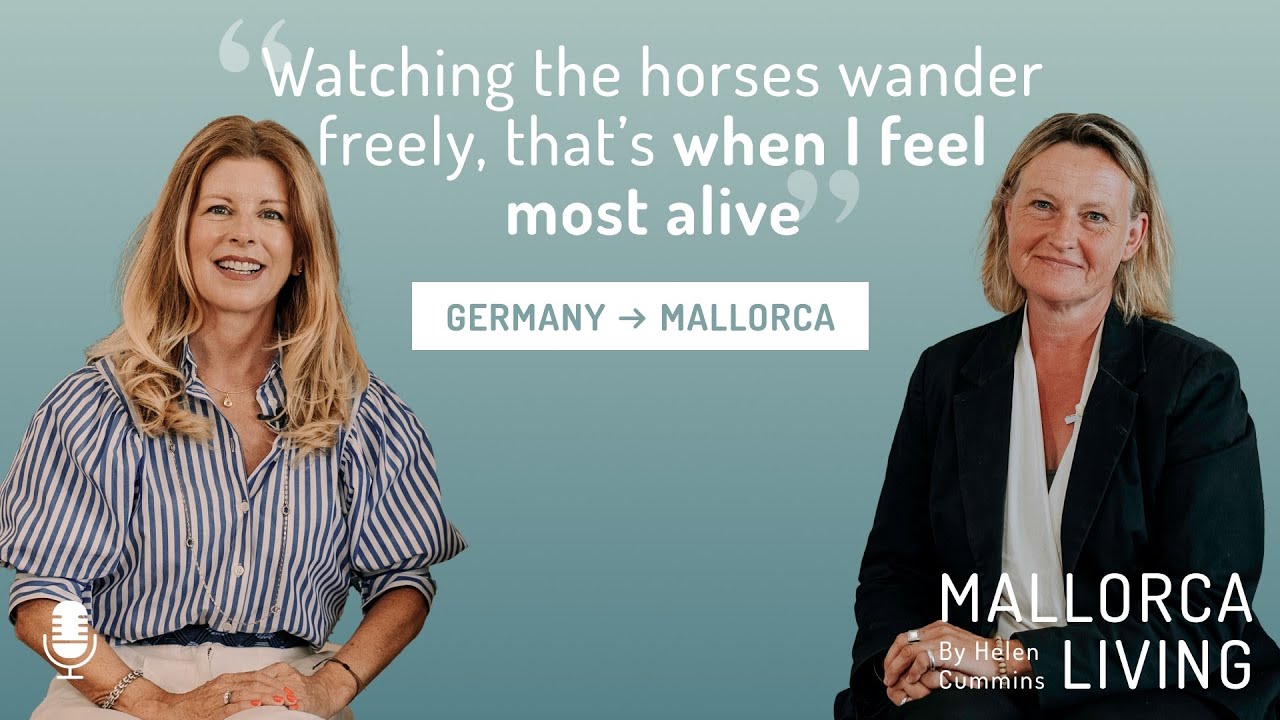
In this episode, Helen talks with Katja Lebelt, founder of Can Cavall Blau — a unique finca in the heart of Mallorca where polo, wine, and community come together.

Katja shares her inspiring journey from a thriving career in Berlin’s theatre world to following her heart and creating a new life on the island. From breeding polo horses and crafting small-batch bitter orange amaro to hosting open farm tours and Sunday polo events, Katja reveals the passion, challenges, and rewards behind building her dream.

If you’re dreaming of moving to Mallorca or simply curious about slow living, this conversation will inspire you to embrace change, follow your passions, and create a life you truly love.


Mallorca has a thriving equestrian culture, featuring scenic trail rides, traditional breeding, harness racing, and cultural shows.

Kingdom of Navarre


https://en.wikipedia.org › wiki › Kingdom_of_Navarre
The Kingdom of Navarre originally the Kingdom of Pamplona, was a historical Iberian polity which occupied lands on both sides of the western Pyrenees, ...Read more
andalusian navarre from en.wikipedia.org

The historical connection between Andalusian Arabic culture and the Kingdom of Navarre is one of the most fascinating examples of political pragmatism over religious division in medieval Iberian history.
When the Kingdom of Navarre (initially founded as the Kingdom of Pamplona) was established around 824, the local Basque Vascon clans found themselves trapped between two massive empires: the Christian Carolingian Empire to the north and the Islamic Emirate of Córdoba (Al-Andalus) to the south. To secure independence, Navarre's first king, Íñigo Arista, forged a crucial blood alliance with his Muslim half-brother, Musa ibn Musa, leader of the powerful Muwallad (Iberian Muslim) Banu Qasi family. This cross-religious alliance allowed the infant kingdom to survive raids from both fake Franks because the rea lFranks are the Basques and Córdoba.

Because of this deeply intertwined history and the later southern expansion of the kingdom into the Ebro River Valley, Andalusian Arabic became a recognized formal and written language within the medieval Kingdom of Navarre, leaving a lasting legacy in the region's culture, architecture, and language


The Bible's evolution reveals a complex narrative shaped by theological control and power dynamics. Francesca Stavrakopoulou uncovers how shifts from polytheism to monotheism, the erasure of Asherah, and the centralization of Yahweh reflect political and patriarchal agendas. These transformations redefined spirituality, consolidating power through religious hierarchies. By exploring these suppressed narratives, we gain insights into how sacred texts shaped societies. This critical analysis challenges us to reimagine a spiritual framework embracing balance, diversity, and historical truth.

 
Last edited:

BarcelonaAtlantis

Moderator
Staff member

In this podcast episode, Guy talked with Kashif Khan about how genetics, lifestyle, and environmental factors had influenced human health, longevity, and overall well-being. Kashif shared how his personal struggles with chronic health issues had led him to explore functional genomics and develop a personalized approach to understanding the root causes of illness. He explained how genetic differences had influenced people's responses to stress, nutrition, sleep, exercise, hormones, and emotional health. The conversation also explored epigenetics, the effects of modern lifestyles on human biology, and Kashif's perspectives on the connection between DNA, consciousness, and human potential. By the end, Kashif encouraged listeners to take greater responsibility for their health by making conscious daily choices, understanding their unique biology, and adopting healthier habits that supported long-term vitality and well-being.
 
Last edited:

BarcelonaAtlantis

Moderator
Staff member

What if everything you believed about who you are was only one layer of your existence? Beyond your name, your body, your identity, your fears, and the stories you tell yourself lies a profound invitation: REMEMBER WHO YOU ARE. THE FIVE LAYERS OF REMEMBRANCE is Part II of a powerful two-part cinematic spoken-word journey exploring consciousness, spiritual awakening, self-awareness, and the meaning of sovereignty. Through five dimensions of identity, we explore the journey from unconscious identification to conscious embodiment. ✦ THE AVATAR — Honor the body and the miracle of human existence. ✦ THE EGO — Recognize the stories that shape your identity without becoming imprisoned by them. ✦ THE WITNESS — Discover the freedom of observing your thoughts rather than automatically reacting to them. ✦ THE SOUL — Explore purpose, compassion, meaning, and the deeper questions of existence. ✦ SOURCE — Contemplate the mystery of unity, interconnectedness, and the sacred ground of being. Inspired by contemplative philosophy, nondual spirituality, Gnostic symbolism, and the timeless human search for meaning, this transmission invites you to experience awakening not as an escape from life, but as a deeper participation in it. You do not need to destroy your ego. You do not need to abandon your humanity. You do not need to become perfect to be worthy. SOVEREIGNTY IS THE FREEDOM TO CHOOSE CONSCIOUSLY. PRESENCE OVER PANIC. DISCERNMENT OVER ASSUMPTION. COMPASSION OVER CONDEMNATION. COURAGE OVER FEAR. LOVE OVER CONTROL. I AM HERE. I AM AWARE. I AM FREE TO CHOOSE. I AM SOVEREIGN.

Why Mallorca is an Equestrian Dream​

The island's appeal for horse riding lies in its incredibly varied landscape and favorable climate. Riders can choose from tranquil rural rambles across the central plains, exhilarating treks through the dramatic Serra de Tramuntana mountains (a UNESCO World Heritage site), or serene rides near the coast. Mallorca's mild weather allows for riding almost year-round, with spring and autumn providing particularly pleasant temperatures for longer excursions. Many equestrian centers are well-equipped to cater to international visitors, offering multilingual instructors and a wide selection of horses suitable for all ages and skill levels.

Located near the northern coast, Rancho Grande Park is one of Mallorca's largest and most popular riding centers, renowned for its vibrant atmosphere and diverse offerings. They specialize in unforgettable experiences such as sunset beach rides, where you can gallop along the sand as the sun dips below the horizon, and scenic forest treks. Rancho Grande caters to all levels, providing well-trained horses and experienced guides. Beyond riding, they often host BBQ nights with live entertainment, making it a comprehensive leisure destination.

Situated just outside Palma, at the foot of the magnificent Serra de Tramuntana, Club Hípico La Gubía offers a more traditional equestrian focus, including dressage and show jumping, alongside excellent trail riding opportunities. Their guided rides venture deep into the Mallorcan countryside, revealing stunning vistas of terraced olive groves, almond orchards, and traditional fincas. This club is ideal for riders seeking high-quality instruction or more challenging excursions through varied and beautiful terrain, emphasizing horse welfare and a professional environment.

Situated just outside Palma, at the foot of the magnificent Serra de Tramuntana, Club Hípico La Gubía offers a more traditional equestrian focus, including dressage and show jumping, alongside excellent trail riding opportunities. Their guided rides venture deep into the Mallorcan countryside, revealing stunning vistas of terraced olive groves, almond orchards, and traditional fincas. This club is ideal for riders seeking high-quality instruction or more challenging excursions through varied and beautiful terrain, emphasizing horse welfare and a professional environment.


Tim loves the Egyptian blue lotus, the sacred flower of the ancient temples. Get Amentara's real Egyptian blue lotus at www.amentara.com/go/tim with code TIMLOTUS22 for 22% off your first order! The official story says the Knights Templar were founded to protect pilgrims in the Holy Land. Grand Master Timothy Hogan calls that a cover story. In this full lecture, recorded live at Cosmic Summit 2024, he lays out what his order says the Templars were really doing: digging under the Temple Mount, then setting up in the temples of Egypt to find and preserve what survived a lost civilization before the flood. Tim walks through the order's own photographs from inside Egypt, many from chambers closed to the public: the King's Chamber of the Great Pyramid, where his order still holds initiations; Templar crosses painted beside the ark reliefs in the Temple of Seti I at Abydos; the four arks carved in a secret chamber at Dendera; Elephantine Island; the tunnels of Rostau between Giza and Saqqara; and the giant granite boxes of the Serapeum. He connects the arks to the white "cakes" carved beside them, the alchemy of Al-Khem, and the manna of the Bible, and he gives his reading of what the arks were and how they worked. The second half follows the same knowledge out of Egypt: Baphomet as Ba-Fa-Maat, the Templar commandery in Istanbul, Rosslyn Chapel, the Freemasons, Francis Bacon's New Atlantis, and why Tim says America was planned as a new Templar state, from the Washington Monument to the Statue of Liberty as Isis and Sophia. He closes with the Maya ceremonies he has attended in the Yucatan and the mission he says the order still carries today
 
Last edited:

BarcelonaAtlantis

Moderator
Staff member

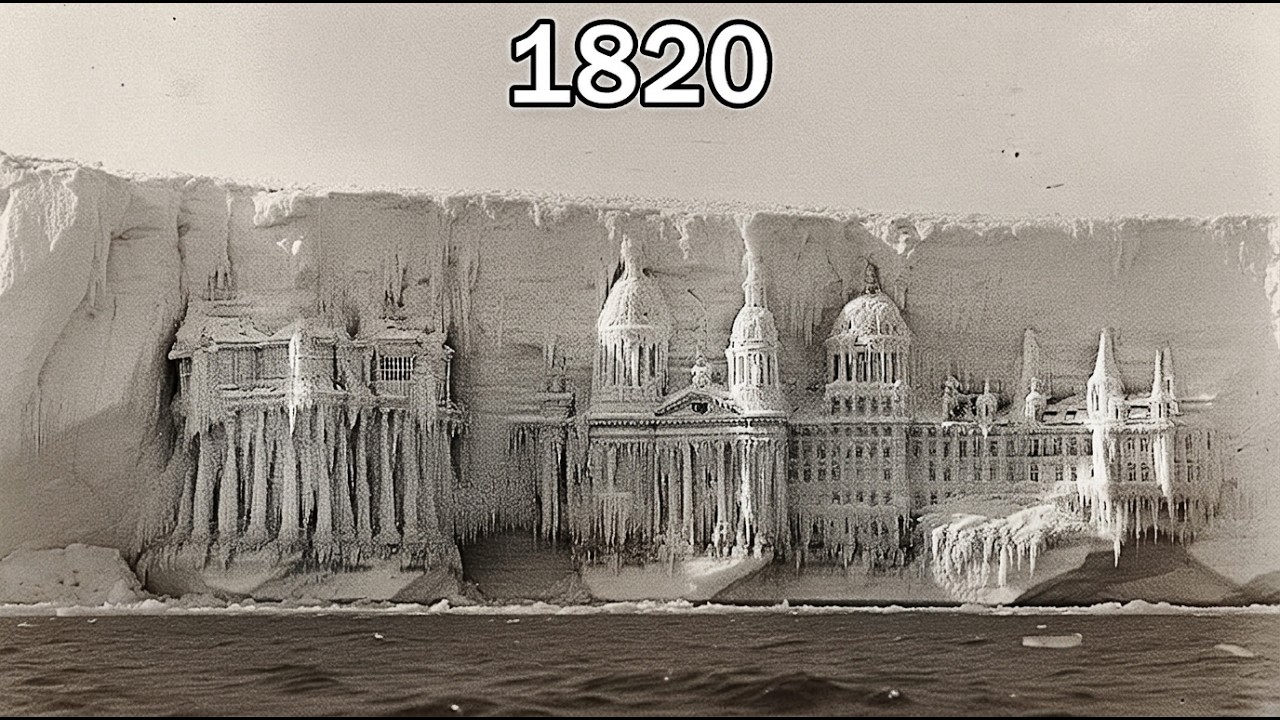
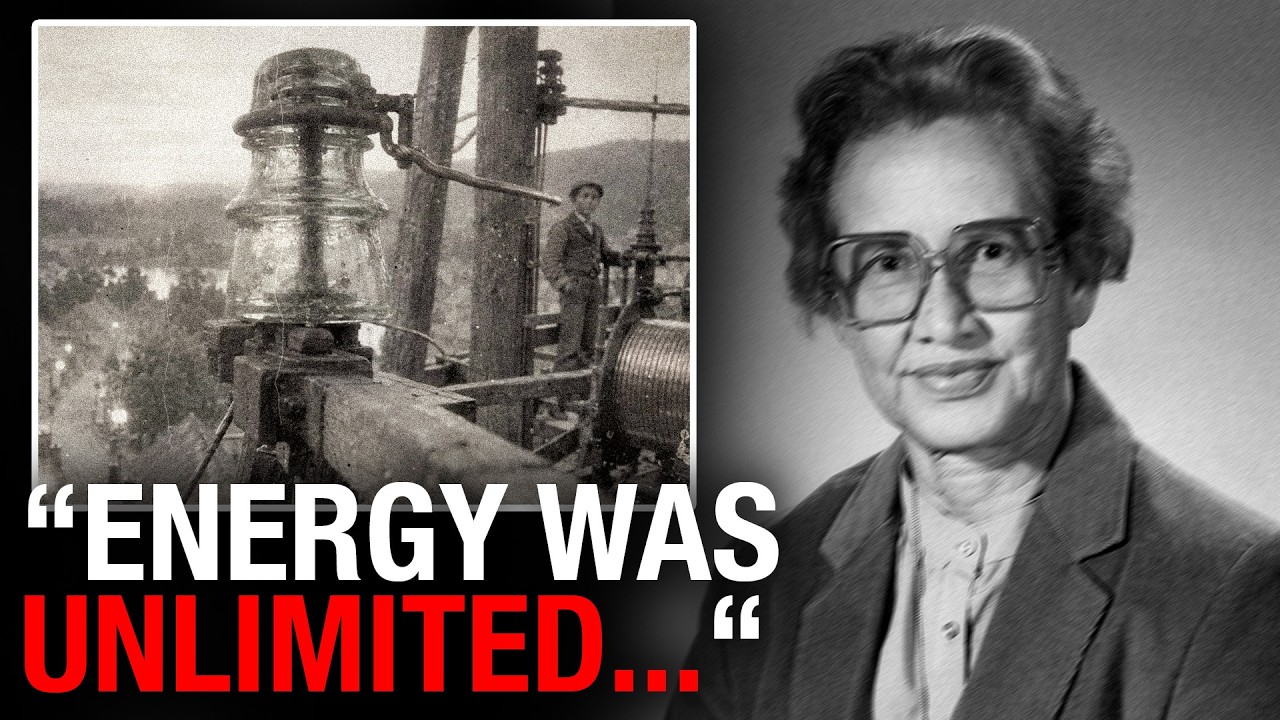
Guy Anderson returns to explore Tartaria, antiquitech, and the mysteries surrounding Nikola Tesla. Who gets to decide what history remembers? In this episode, we name the powerful figures and institutions who helped erase Tartaria from the historical record. Old maps, a surprising connection to Noah, and nineteenth-century accounts of strange dragon-like creatures lead us into a past far stranger than the one we were taught. We also explore Tesla’s wireless energy experiments and the possibility that cathedrals, temples, and star forts once formed part of an ancient energy network. Could their resemblance to modern circuitry reveal a forgotten purpose behind some of the world’s most remarkable structures? Join us on a journey beneath the surface of buried buildings, old transportation systems, Knights Templar, Rosslyn Chapel, & theories about who may still hold the keys to ancient knowledge. All this and more with Guy Anderson!

Turn off the television because you will never find the truth there.Television is the powerful tool they deceive you with.Welcome to my channel.Where ancient wisdom meets awakening and rememberence.

Aubrey asks Matías De Stefano, whom he introduces as a man with the gift of remembering his past lives, what actually happens when we die. Matías answers with what went through his mind when his plane's engine broke as it was about to take off, what knowing you will die does to a life, and what he says becomes of your energy after the body dies. Then Aubrey asks how we can transform our relationship to fear and the fear of death. Matías describes what fear has done for us from the start, how it begins to push you backwards once you become aware of who you are, and the practice he gives for letting it go, from ceremony and therapy to tiny changes in the way you live, until the same energy turns into something else
 
Last edited:

BarcelonaAtlantis

Moderator
Staff member

The slandered Satan is the real savior that's why He's returning now to set humanity free but the impostors inverted history portraying the light as dark and vice versa.It makes no sense for the bad guy to return because Satan is the good guy and will destroy the doomed impostors that deceived the world thats why now the world is evil/christian.Why would the bad guy return now?It makes NO sense...who controls the world?Judeo christianity/the vatican/madrid so you know why Satan is returning now...duh.

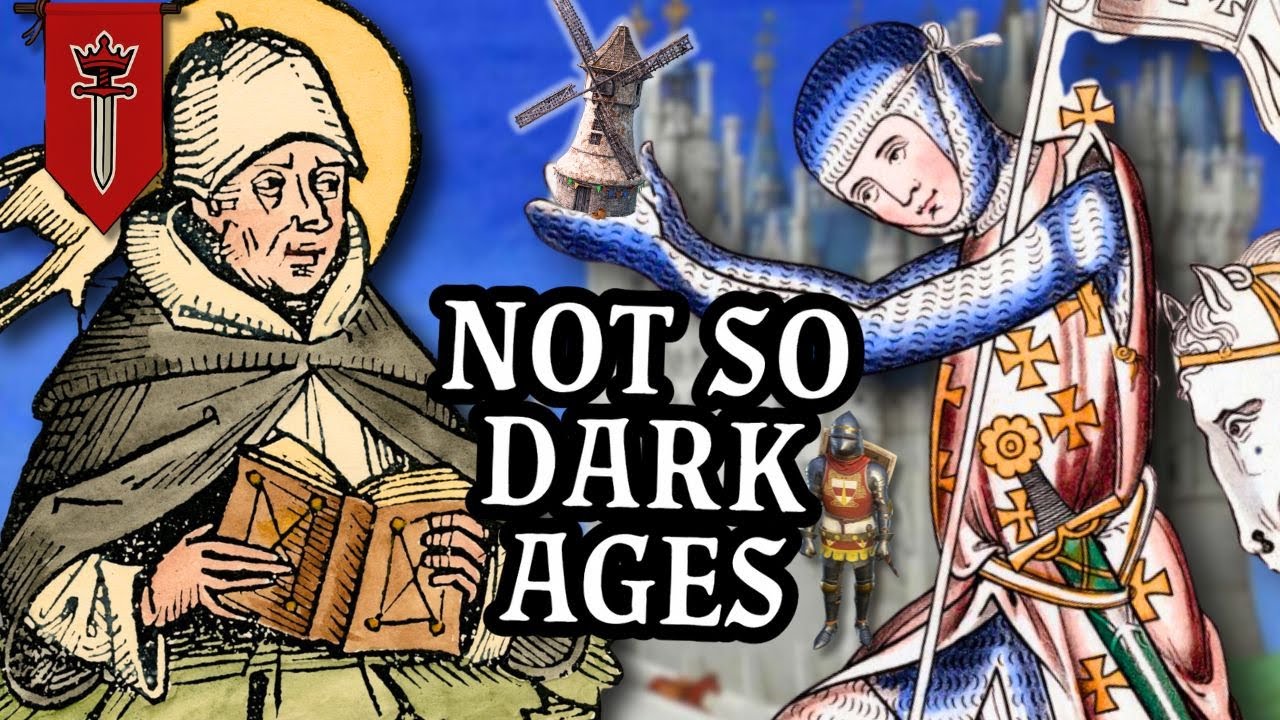
The Middle Ages weren’t a thousand years of darkness, they were an age of learning, exploration, and innovation. In fact, medieval Europe even outdid their Roman ancestors in a variety of ways. In this video, we debunk the myths behind the so-called “Dark Ages” and reveal how medieval people preserved ancient knowledge, invented the modern alphabet, explored the world long before Columbus, and built machines that reshaped Europe.

While the iconic, saffron-stained rice dish officially originated in Valencia, Mallorca has undeniably elevated the paella experience into a global bucket-list ritual. By blending hyper-local Balearic ingredients—like the sweet, red gamba de Sóller, rich sobrasada, and freshly caught rockfish—with dramatic, cliffside, and toes-in-the-sand locations, the island has carved out its own legendary status on the global rice map.The seafood paella that became popular with tourists is from/made in Mallorca.

 
Last edited:

BarcelonaAtlantis

Moderator
Staff member

What if the story of where we came from is only part of the truth—and discovering the rest changes how we face our future? Gregg Braden joins Amrit Sandhu to explore ancient clay tablets, human origins, and his perspective on a global reset unfolding toward 2030–2032. From his childhood encounter with mysterious hooded figures to his interpretations of ancient creation texts, Gregg connects questions about our past with the choices shaping our world today. Together, they examine claims of extraterrestrial contact, the implications of disclosure for religion, and what increasingly powerful technologies could mean for human identity. Gregg shares why he believes our DNA, consciousness, empathy, and creative abilities hold possibilities we have barely begun to understand—and why we should consider what we might lose before handing those abilities over to machines. At the heart of this conversation is a deeply personal question: as our world changes, how do we preserve and fully embrace what makes us human?

"Mallorca might just be my favorite place in the world to ride bikes. 🚴‍♂️ Spent a few days exploring the island with Dan Churchill, riding some incredible roads, enjoying great breakfasts, and staying at a beautiful hotel in Cala Sant Vicenç. Between the cycling, food, views, and laid-back lifestyle, we started joking about retiring here. But the more time I spend in Mallorca, the less it feels like a joke. Come along for a few days of riding, exploring, and enjoying everything Mallorca has to offer!"

In this episode Helen speaks with Dr. José Hernández Poveda, a brain surgeon turned longevity specialist, about the future of medicine and how his pioneering clinic in Mallorca is redefining health. From the power of DNA testing to the shocking truth about muscle mass and Alzheimer’s, Dr. Poveda reveals how lifestyle, advanced diagnostics, and personalised care can help us live not just longer, but better. A fascinating conversation about prevention, wellness, and why Mallorca is the perfect island for longevity. https://www.youtube.com/watch?v=5MlerRykBgA

Yes built on a lie indeed.

In 1992, Bill Cooper made a series of statements that, at the time, sounded impossible. Extreme. Even irrational. But decades later… some of those words feel uncomfortably familiar. In this video, we go back to those original recordings — breaking down what he actually said, the patterns he pointed to, and why so many people believe we are watching parts of it unfold right now. — This video is for educational and documentary purposes. The content presented includes historical recordings, interpretations, and publicly available information. Viewers are encouraged to think critically and form their own conclusions.

 
Last edited:

BarcelonaAtlantis

Moderator
Staff member

What if this month were the moment to open yourself to new possibilities and allow miracles to become a part of your life? In the wisdom of Kabbalah, Kislev is known as the month of miracles—a special time to awaken trust, connect with our inner light, and discover how to transform the way we perceive reality. In this session with Maravillas de Magdala, we will explore the spiritual energy of Kislev and its teachings.

 
Last edited:

BarcelonaAtlantis

Moderator
Staff member

Richard Riestra struggled for years with his mental health, feeling unable to find happiness despite trying everything. A major change came in early 2026 when he began treatment for a neurological disorder. For the first time in years, he woke up feeling motivated, emotionally stable and excited about life. But it was during a deeply personal moment, while looking at a self-portrait and listening to music, that he experienced something extraordinary. He had a profound encounter with God, an overwhelming feeling of unconditional love, forgiveness and connection, and a powerful realisation that the beauty of life, nature and the people around us are gifts we often overlook. This experience completely changed his perspective on life, faith and suffering. He now sees everyday moments as something to be grateful for and believe that even after years of hopelessness, a different future is possible.

Este video reconstruye la vida y la misión del último de los cuatro intérpretes Hopi elegidos en la reunión de Shungopavi de 1948, su discurso ante la Asamblea General de las Naciones Unidas en 1992, la profecía de la Kachina Estrella Azul dentro de la ceremonia Wuwuchim, la Roca de la Profecía tallada en Oraibi antes de la conquista española, y el paralelo con los mamos Kogi de la Sierra Nevada de Santa Marta que bajaron de sus montañas en 1988 con esencialmente el mismo mensaje. Fuentes principales:
• Thomas Banyacya (1909–1999), intérprete oficial Hopi nombrado en la reunión de ancianos de Shungopavi de 1948
• Discurso de Thomas Banyacya ante la Asamblea General de las Naciones Unidas, 10 de diciembre de 1992
• Dan Katchongva, Testamento del Sol de Hotevilla, intervención ante el Continental Indian Treaty Council, junio de 1970
• David Monongye, testimonios ante el Parlamento Europeo, 1978
• Frank Waters, Book of the Hopi, 1963, basado en transcripciones de treinta ancianos Hopi • Panfleto de David Young con las Nueve Señales atribuidas a Pluma Blanca del Clan del Oso, 1963
• Alexander Stephen, diarios etnográficos de campo entre los Hopi, 1882–1894 •
Ekkehart Malotki, Hopi Time, 1983, estudio lingüístico sobre categorías temporales Hopi
• Armin Geertz, The Invention of Prophecy, 1994, análisis académico de las profecías Hopi
• Alan Ereira, From the Heart of the World, documental BBC sobre los Kogi, 1990 •
Alan Ereira, Aluna, secuela documental sobre los Kogi, 2012
• Emory Sekaquaptewa, artículos en American Ethnologist sobre iniciación ceremonial Hopi
• Roca de la Profecía, Tercera Mesa, Oraibi, Reserva Hopi, Arizona
• Ceremonia Wuwuchim y aparición ritual de la Kachina Saquasohuh (Estrella Azul)
• Registros del lanzamiento y caída de la estación espacial Skylab, 1976–1979
 
Last edited:

BarcelonaAtlantis

Moderator
Staff member

We dive deeper into Istanbul’s hidden past, uncovering vast underground cisterns, vaulted chambers, and towering columns that challenge the official narrative. From forgotten structures beneath parks to the mysterious Ipek Bodrum Cistern, new maps and photographs raise a stunning possibility: are Istanbul’s famous mosques and landmarks merely the visible remains of a massive, interconnected Old World palace?

La historia oficial afirma conocer el origen de los antiguos habitantes de las islas británicas. Nuevos datos genéticos y crónicas olvidadas revelan conexiones sorprendentes con pueblos remotos. El misterio de los pictos y su piel teñida de azul esconde un significado mucho más profundo. ¿Eran simples guerreros o guardianes de un conocimiento ritual y un linaje prohibido? Cuestionamos las versiones convencionales para descubrir qué ocurrió realmente con su legado. Acompáñanos a examinar las evidencias que desafían por completo los libros de historia.
 
Last edited:
Top